
The Fascinating World of Masked Performances in Ancient India

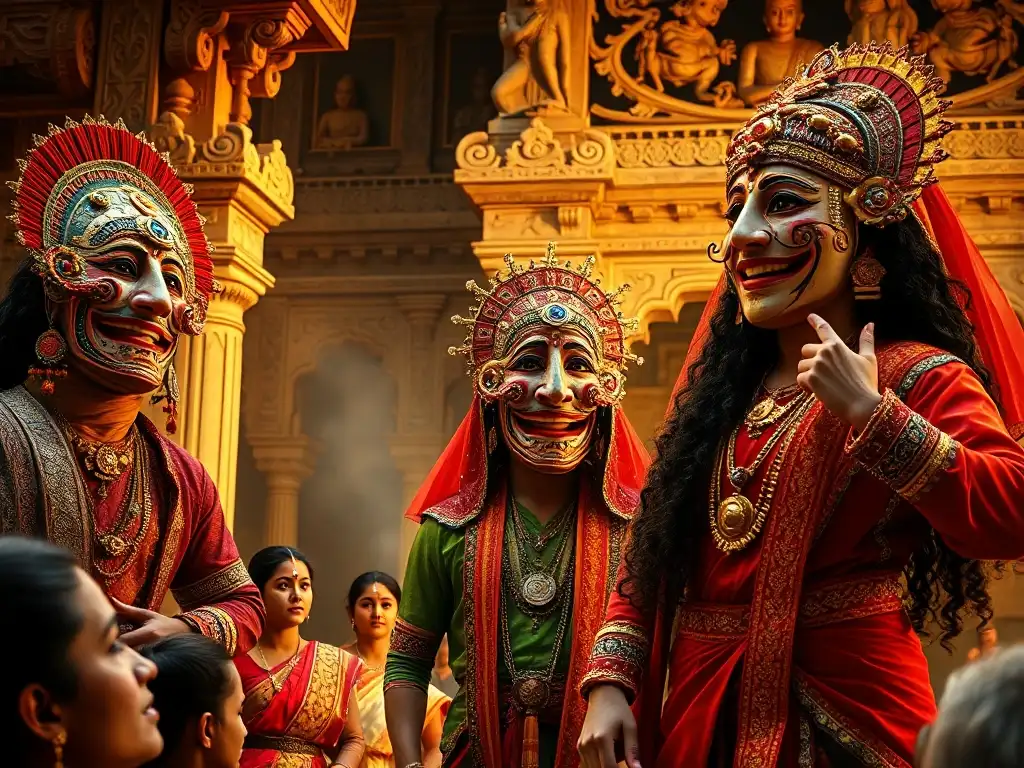
Welcome to Ancient India History, where we invite you to journey through the rich tapestry of civilizations that have shaped the Indian subcontinent. In this captivating exploration, we delve into masked performances in ancient India, an art form that not only entertained but also conveyed profound cultural narratives and spiritual beliefs. What secrets do these masks hold, and how did they influence the storytelling traditions of the time? Join us as we uncover the fascinating world of these vibrant performances, and prepare to be enchanted by the artistry and history that awaits you!
Introduction to Masked Performances in Ancient India
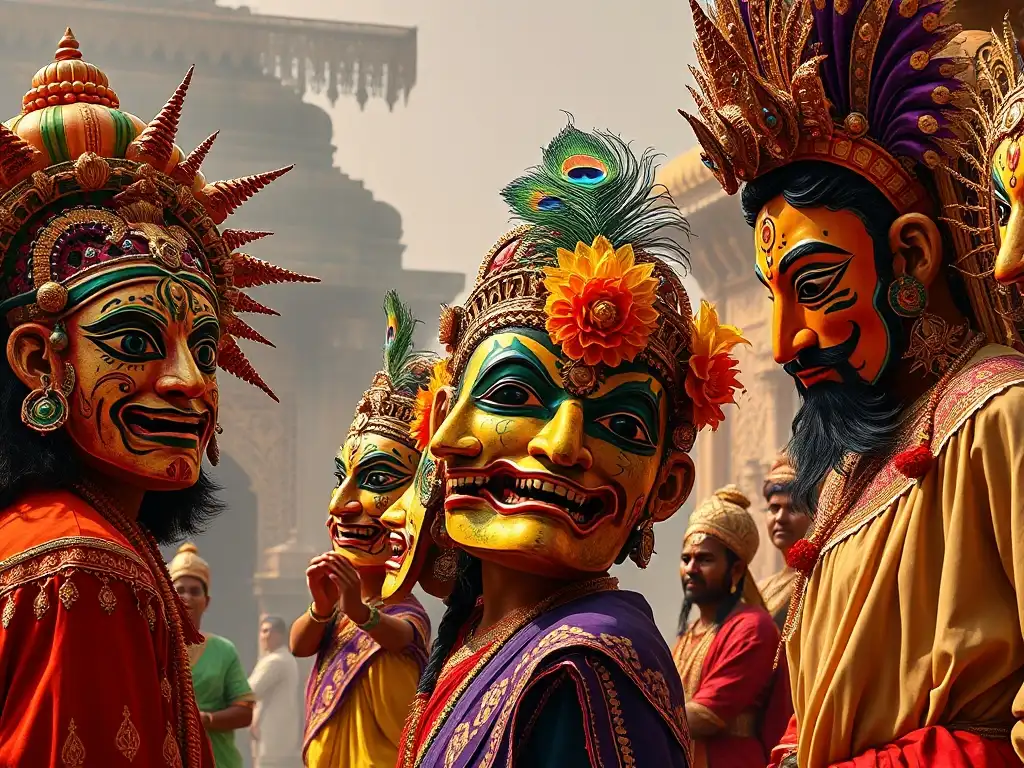
The rich tapestry of ancient Indian civilization is woven with various art forms, among which masked performances hold a unique and significant place. These performances, characterized by the use of masks to convey emotions, narratives, and cultural values, are not merely theatrical displays but are deeply rooted in the spiritual and social fabric of ancient Indian society. From the mystical rituals of the Indus Valley to the grand performances during the Gupta Empire, masked performances served as a medium for storytelling and cultural expression, reflecting the beliefs, traditions, and artistic achievements of their times.
Understanding the essence of masked performances in ancient India requires delving into their definitions, characteristics, historical significance, and the evolution of this art form through different periods. This exploration offers insight into how masked performances contributed to the cultural identity of ancient Indian civilizations and highlights their enduring legacy.
Definition and Characteristics of Masked Performances
Masked performances in ancient India can be defined as theatrical presentations that incorporate the use of masks to represent characters, deities, or symbolic figures. These performances often combined elements of dance, music, and storytelling, resulting in a rich sensory experience for audiences. Key characteristics include:
- Symbolism: Masks often symbolize various aspects of life, including good and evil, human emotions, and divine qualities.
- Ritualistic Elements: Many masked performances were intertwined with religious rituals, serving as a means to communicate with the divine and seek blessings.
- Cultural Narratives: These performances typically depicted mythological stories, historical events, and moral lessons, preserving cultural heritage through generations.
The artistry involved in creating masks and the skill required for performance highlight the intricate craftsmanship and cultural significance of this art form.
Historical Significance of Masked Performances in Indian Culture
Masked performances have played a pivotal role in shaping the cultural landscape of ancient India. Their historical significance can be observed through:
- Cultural Transmission: These performances facilitated the transmission of cultural values, myths, and social norms across different regions and communities.
- Community Engagement: They served as communal events that brought people together, fostering a sense of unity and collective identity within societies.
- Religious and Spiritual Connection: Many masked performances were associated with rituals and festivals, acting as a bridge between the material and spiritual worlds.
Through these aspects, masked performances became a vital expression of identity and continuity in the face of changing social and political landscapes.
The Evolution of Masked Performances
Origins of Masked Performances in Ancient Indian Traditions
The origins of masked performances can be traced back to early ancient traditions, where they were likely used in rituals and ceremonies. Archaeological evidence suggests that the Indus Valley Civilization engaged in some form of performance art, possibly involving masks to represent deities or ancestors. This early integration of masks set the stage for their evolution into a more structured form of theatrical expression in later periods.
Influence of Regional Cultures on Masked Performances
As ancient Indian civilization expanded, the diversity of regional cultures influenced the style and content of masked performances. Various regions developed unique forms of masked theater, incorporating local myths, folklore, and artistic styles. For instance:
- Kathakali from Kerala features elaborate masks and makeup, depicting stories from Hindu epics.
- Natyashastra, an ancient treatise on performing arts, documented various forms of masked performances, emphasizing their importance in the theatrical tradition.
This regional diversity enriched the overall landscape of masked performances, showcasing the adaptability of this art form.
Transition through Different Periods: From Vedic Times to the Gupta Empire
The transition of masked performances through different historical periods reflects broader changes in society, politics, and culture. During the Vedic period, performances were primarily ritualistic, serving religious purposes. As society progressed into the Mauryan and Gupta Empires, masked performances began to adopt more narrative-driven elements, integrating theatricality and artistry. This evolution highlights the dynamic nature of masked performances as they adapted to the changing cultural milieu, ultimately becoming a celebrated form of artistic expression in ancient India.
The fascinating world of masked performances in ancient India reveals a rich interplay of culture, spirituality, and art that has left an indelible mark on the history of Indian performing arts.
Types of Masked Performances in Ancient India
Ancient India boasts a rich tapestry of masked performances, each reflecting the diverse cultural heritage and artistic traditions of the regions. These performances can be broadly categorized into two main types: classical dance forms and folk theatrical forms.
Classical Dance Forms Featuring Masks
Classical dance forms in India often incorporate masks as a means to enhance the visual spectacle and convey deeper narratives. Notable examples include:
- Kathakali: Originating from Kerala, Kathakali is renowned for its elaborate costumes and intricate facial makeup. The performers wear masks that represent various characters, allowing them to embody divine beings and mythological figures. The masks serve not only as an artistic element but also as a means to communicate the story's emotional depth.
- Koodiyattam: This ancient form of Sanskrit theater is recognized by UNESCO as a Masterpiece of the Oral and Intangible Heritage of Humanity. In Koodiyattam, masks are used to portray characters from Hindu epics, particularly in the performance of the Ramayana and Mahabharata. The masks are crafted with meticulous detail, embodying the ethos of the characters they represent.
- Chhau: A martial dance form from the eastern states of India, Chhau employs masks to depict various mythological characters and folk tales. The performances are energetic and often include elements of combat, with masks symbolizing the warrior spirits invoked during the dance.
Folk Theatrical Forms with Masks
Folk theatrical forms also prominently feature masks, often reflecting regional traditions, stories, and social themes. Some notable folk forms include:
- Nautanki: A popular form of folk theater in North India, Nautanki often uses masks to represent key characters in humorous and satirical narratives. The vibrant colors and exaggerated features of the masks engage the audience while delivering moral lessons.
- Bhaona: Originating from Assam, Bhaona is a traditional theater form that employs masks to depict deities and demons in stories derived from Hindu mythology. The performances are marked by their lively music, dance, and audience interaction, with masks playing a crucial role in character differentiation.
- Yakshagana: This Karnataka-based folk theater combines music, dance, and drama, with performers donning elaborate masks to represent various mythological figures. The masks are integral to the storytelling, as they help convey the essence of the characters and their relationships.
Cultural Significance of Masks in Performances
Masks in ancient Indian performances hold profound cultural significance, transcending mere decoration to embody deeper meanings and connections to spirituality, storytelling, and community identity.
Symbolism of Masks in Ancient Indian Theater
In ancient Indian theater, masks symbolize transformation and transcendence. They allow performers to break free from their individual identities and assume roles that embody gods, demons, and mythical heroes. This transformation is not just physical; it indicates a spiritual journey where the actor becomes a vessel for the emotions, virtues, and vices of the character portrayed.
Moreover, masks often carry specific symbols that denote certain traits or powers, enabling the audience to recognize characters instantly. For instance, masks fashioned with fierce expressions may represent deities or figures associated with strength and valor, while softer, benevolent faces may symbolize compassion and grace.
Masks as Tools for Spiritual and Religious Expression
The use of masks in ancient Indian performances extends beyond entertainment; it serves as a tool for spiritual and religious expression. In many traditions, masked performances are conducted during festivals, rituals, and religious ceremonies, aiming to invoke divine blessings and connect with the spiritual realm.
For example, in the Durga Puja celebrations, performers don masks to recreate the battle between Goddess Durga and the buffalo demon Mahishasura. This not only serves as a dramatic retelling of the myth but also reinforces the community's devotion and cultural identity.
The Role of Masks in Storytelling and Mythology
Masks play a pivotal role in the rich tradition of storytelling within ancient Indian performances. They serve as essential visual cues that enhance the narrative and captivate the audience's imagination. Each mask tells a story, offering insights into the characters' personalities, motivations, and relationships.
In many performances, masks are designed to reflect the virtues or flaws of the characters, providing a deeper understanding of the moral lessons embedded within the stories. For instance, a mask depicting a wise sage may have serene features, while a mask of a trickster might exhibit exaggerated expressions of mischief. Through this visual storytelling, audiences engage with the tales on both emotional and intellectual levels, making the performances memorable and impactful.
The Techniques and Craftsmanship Behind Ancient Masks
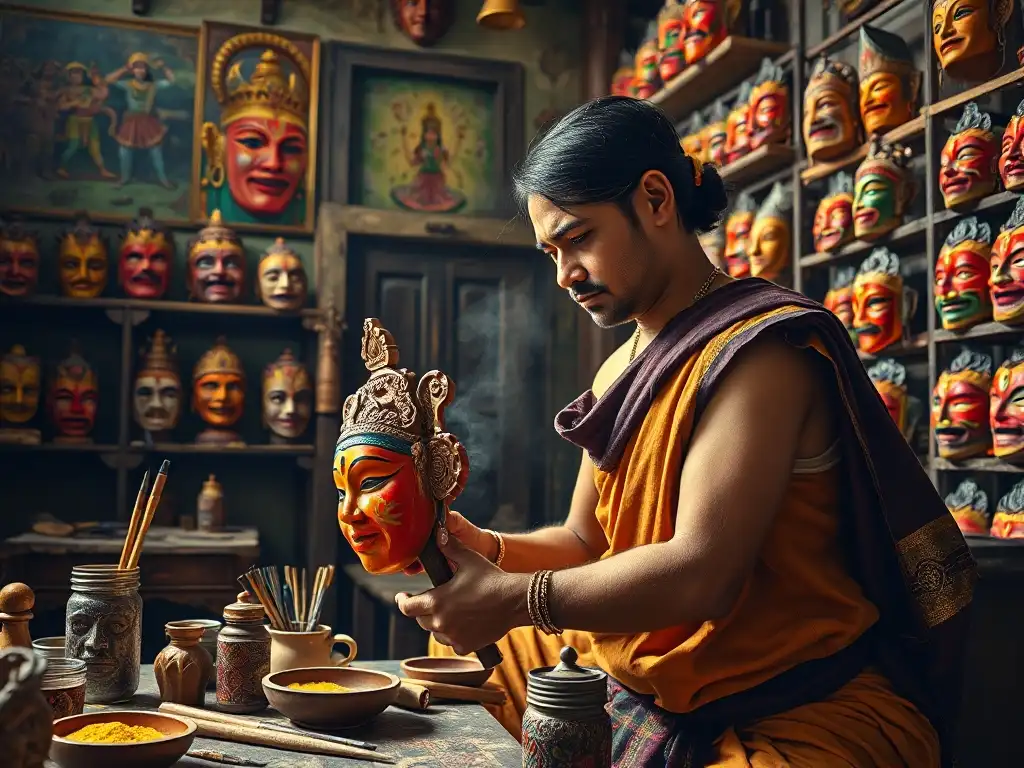
The creation of masks in ancient India was not merely an artistic endeavor but a complex interplay of cultural expression, spirituality, and craftsmanship. Artisans employed various techniques that reflected their regional traditions and the specific purposes of the masks. Each mask was carefully crafted, often serving as a conduit between the human and divine realms during performances.
Materials Used in Creating Traditional Masks
Traditional masks in ancient India were crafted from a variety of materials, each chosen for its durability and aesthetic qualities. Common materials included:
- Wood: The most widely used material, providing a sturdy base for intricate carvings and paintings.
- Clay: Utilized for its malleability, allowing artisans to shape and mold masks for various performances.
- Fabric: Often layered over a base structure, fabric masks provided texture and color, enhancing the visual impact.
- Paper: In some regions, particularly in folk performances, paper was used to create lightweight and easily manageable masks.
- Metals: Rarely, metals such as brass were incorporated for ceremonial masks, adding a sense of grandeur and connection to the divine.
These materials were often combined with natural pigments and dyes derived from plants and minerals, creating vibrant colors that contributed to the masks' significance in various performances.
Artistic Styles and Techniques in Mask Making
The artistic styles of mask making in ancient India varied widely by region and cultural context. Some notable styles included:
- Kathakali Masks: Characterized by elaborate facial features painted in bright colors, these masks represented various deities and were integral to the storytelling in the dance-drama form of Kathakali.
- K mask from Odisha: Known for their intricate craftsmanship, these masks often depicted animals and gods, serving a dual purpose in performances and rituals.
- Gudiya Dance Masks: Used in folk performances, these masks were simple yet expressive, often made from clay and adorned with bright colors and embellishments.
Artisans employed techniques such as carving, painting, and the application of embellishments like beads and mirrors to enhance the masks' aesthetic appeal. Each mask was a unique representation of the character it embodied, reflecting a deep understanding of the narratives being portrayed.
The Role of Artisans in Preserving Masked Performance Traditions
Artisans played a crucial role in the preservation of masked performance traditions in ancient India. These skilled craftsmen were not only creators of masks but also custodians of cultural heritage. They passed down their knowledge through generations, ensuring that traditional techniques and styles remained intact.
The community often relied on these artisans to produce masks for various festivals and rituals, underscoring their importance in maintaining cultural continuity. Furthermore, the artisans' involvement in performances allowed them to adapt and innovate, blending traditional methods with contemporary influences while still honoring their roots.
The Influence of Masked Performances on Modern Indian Arts
The historical significance of masked performances continues to resonate in modern Indian arts, influencing various forms of expression across the country. These performances have left an indelible mark on dance, theater, and visual arts, reflecting the rich tapestry of cultural narratives that define India's artistic landscape.
Contemporary Adaptations of Ancient Masked Performances
In contemporary settings, ancient masked performances have evolved, often incorporating modern themes and techniques while retaining their traditional essence. Artists and performers have begun to blend classical forms with contemporary dance and theater, creating innovative performances that appeal to a broader audience.
For instance, the integration of technology in performances, such as lighting and sound effects, has enhanced the storytelling aspect while maintaining the traditional masked elements. This fusion not only preserves the cultural significance of these performances but also makes them relevant to modern viewers, encouraging a renewed interest in ancient traditions.
Revivals and Preservation Efforts in Modern India
Efforts to revive and preserve traditional masked performances have gained momentum in recent years, with various organizations and cultural institutions taking proactive roles. Workshops, festivals, and exhibitions dedicated to masked arts have been organized, providing platforms for artisans and performers to showcase their skills and educate audiences about the historical context of their work.
These initiatives often involve collaborations between traditional artisans and contemporary artists, fostering an environment where ancient techniques can be revitalized and appreciated in a modern context. Such revival efforts not only safeguard the heritage of masked performances but also inspire new generations to engage with their cultural roots.
The Impact of Globalization on Traditional Masked Arts
Globalization has significantly influenced the landscape of traditional masked arts in India, presenting both challenges and opportunities. On one hand, the influx of global art forms and ideas can dilute the uniqueness of traditional performances, leading to a potential loss of cultural identity.
On the other hand, globalization has also opened doors for cross-cultural exchanges, allowing traditional masked performances to reach international audiences. This has led to collaborations with artists from different backgrounds, enriching the art form while promoting a greater appreciation for its heritage. As a result, masked performances in ancient India continue to adapt, reflecting the dynamic interplay between tradition and modernity in an increasingly interconnected world.
The Future of Masked Performances in India
The future of masked performances in India is a tapestry woven with both challenges and opportunities. Traditional forms such as Koodiyattam, Kathakali, and Natyashastra have rich historical roots, but modern influences and urbanization pose threats to their existence. As society evolves, the preservation and adaptation of these arts become crucial. There is a growing recognition of the need to innovate while respecting tradition, allowing masked performances to find relevance in contemporary contexts. This balancing act will be essential for the survival and flourishing of these art forms in the coming years.
Challenges Faced by Masked Performance Traditions Today
Masked performance traditions in India face several significant challenges:
- Declining Audience Engagement: With the rise of digital entertainment, traditional performances often struggle to attract younger audiences who are more inclined towards modern media.
- Economic Viability: Many artists and troupes find it difficult to sustain a livelihood through traditional performances, leading to a decline in practitioners and knowledge transmission.
- Cultural Misrepresentation: The commercialization of masked performances can lead to a dilution of their original meanings and contexts, resulting in misinterpretation and loss of authenticity.
- Lack of Institutional Support: Inadequate support from cultural organizations and government bodies hampers initiatives aimed at promoting and preserving these art forms.
Addressing these challenges is essential for the longevity of masked performances in India.
Opportunities for Growth and Revival
Despite the challenges, there are ample opportunities for the growth and revival of masked performances in India:
- Integration with Modern Art Forms: Collaborations between traditional masked performances and contemporary art, theater, or dance can create innovative experiences that appeal to diverse audiences.
- Digital Platforms: Utilizing social media and streaming services can help reach wider audiences, allowing performances to be shared and appreciated globally.
- Cultural Festivals: Organizing dedicated festivals that celebrate masked performances can rejuvenate interest and provide a platform for artists to showcase their talents.
- Educational Programs: Implementing workshops and training sessions in schools and communities can help nurture a new generation of performers and audiences who appreciate the cultural significance of masked performances.
Engaging with these opportunities can revitalize masked performances and ensure that they continue to thrive in the future.
Engaging New Audiences through Education and Performance Festivals
Engaging new audiences is vital for the sustainability of masked performances. Education plays a crucial role in this engagement. Schools can incorporate performing arts into their curricula, introducing students to the rich cultural heritage of masked performances. Additionally, performance festivals can serve as vibrant platforms to showcase these art forms, combining traditional performances with modern elements to attract diverse audiences.
Such festivals could include:
- Workshops: Offering immersive experiences where participants learn about the history, techniques, and significance of masked performances.
- Interactive Exhibitions: Showcasing costumes, masks, and the stories behind them to enhance appreciation for the art form.
- Collaborative Performances: Integrating various art forms and genres to create a unique, hybrid performance that resonates with contemporary audiences.
By making masked performances accessible and engaging, these initiatives can nurture a deeper appreciation for this ancient art form.
Conclusion
Recap of the Importance of Masked Performances in Ancient India
Masked performances hold a significant place in the cultural fabric of ancient India. They served not only as forms of entertainment but also as tools for storytelling, spiritual expression, and social commentary. These performances embodied the rich mythology, rituals, and traditions of various communities, allowing audiences to connect with their cultural heritage. As a result, they played a critical role in the preservation and transmission of knowledge across generations.
The Lasting Legacy of Masked Performances in Indian Culture
The legacy of masked performances in Indian culture is profound and enduring. They continue to influence contemporary art forms, inspiring new interpretations and adaptations. The artistry involved in crafting masks and the storytelling through performance remain integral to various cultural expressions in India. As modern audiences rediscover these traditions, the potential for masked performances to evolve while retaining their essence is immense. By celebrating and supporting these art forms, we ensure that the vibrant legacy of masked performances in ancient India continues to thrive and inspire future generations.
- Introduction to Masked Performances in Ancient India
- The Evolution of Masked Performances
- Types of Masked Performances in Ancient India
- Cultural Significance of Masks in Performances
- The Techniques and Craftsmanship Behind Ancient Masks
- The Influence of Masked Performances on Modern Indian Arts
- The Future of Masked Performances in India
- Conclusion
Frequently Asked Questions
What are masked performances in ancient India?
Masked performances in ancient India are theatrical traditions that involve performers wearing elaborate masks to portray deities, mythological figures, or animals, often conveying deeper cultural stories and spiritual themes.
How did masked performances contribute to ancient Indian culture?
These performances played a vital role in preserving mythology and folklore, allowing communities to engage with their heritage. They were integral to rituals and festivals, reinforcing social and religious values.
What materials were used to create masks in ancient India?
Masks were typically crafted from wood, clay, or metal, often adorned with vibrant paints and decorative elements. The choice of materials varied by region and was influenced by local resources and aesthetic traditions.
Are there specific regions in India known for their masked performances?
Yes, regions such as Kerala, Odisha, and Himachal Pradesh are renowned for their unique masked performance traditions, like Kathakali, Ram Lila, and Nati, each reflecting the local culture and mythology.
How have masked performances evolved over time?
While ancient masked performances were deeply rooted in religious rituals, they have evolved into forms of entertainment and art, adapting to contemporary tastes while still honoring their cultural origins.
Final Reflection: The Enduring Legacy of Masked Performances in Ancient India
The exploration of masked performances in ancient India reveals a profound connection between art, culture, and spirituality that resonates powerfully in today's world. As we navigate an era marked by rapid technological advancements and cultural shifts, the essence of these performances reminds us of the timeless human desire for storytelling and connection. The intricate masks and vibrant performances of the past serve as a mirror reflecting our own identities and the narratives we choose to embrace.
The influence of masked performances extends far beyond their historical context, shaping contemporary art forms and cultural expressions. These performances not only entertained but also conveyed moral lessons and social commentary, bridging gaps between the divine and the mundane. As we witness a resurgence of interest in traditional art forms, we can appreciate how these ancient practices continue to inspire modern artists and performers. Art is the most beautiful of all lies.
– Claude Debussy. This sentiment echoes the transformative power of art, reminding us that even in the guise of masks, truth and authenticity can emerge.
As we conclude this journey into the fascinating world of masked performances, I invite you to reflect on how these ancient traditions can inform your own life. Consider the masks you wear in your daily interactions and the stories you tell through your actions. Embrace the lessons of creativity, cultural appreciation, and the importance of storytelling in your own narrative. Let the legacy of masked performances inspire you to explore your identity and share your unique story with the world, for in doing so, you contribute to the rich tapestry of human experience that transcends time and space.
Dive Deeper Into the Enchantment of Ancient Masked Performances!
Thank you for exploring the intriguing journey of masked performances in ancient India with us! You've uncovered a world rich in culture and expression, and now it's time to take that fascination further. Let’s transform your curiosity into engagement!
Here are some exciting actions you can take to deepen your understanding and appreciation:
- Join a local workshop or online course to experience the art of masked performances firsthand and learn about their cultural significance.
- Share this article with friends or on social media to spark conversations about the influence of ancient traditions on modern performances.
- Explore related topics on our website to broaden your knowledge of ancient Indian arts and their evolution over time.
What aspect of ancient masked performances do you find most captivating? Is it the storytelling, the artistry, or the cultural context? We would love to hear your thoughts!