
The Legacy of IndoGreek Kings: Bridging Two Great Civilizations

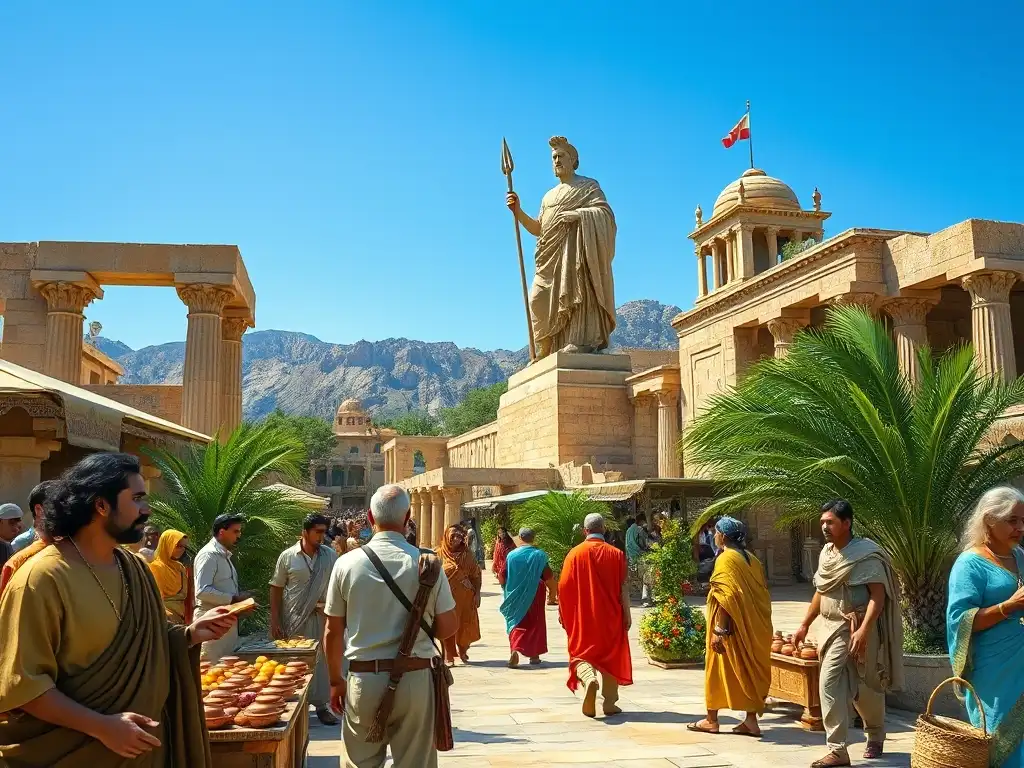
Welcome to Ancient India History, where we embark on a captivating journey through the rich tapestry of ancient Indian civilizations. Today, we delve into the fascinating world of the IndoGreek kings, exploring their remarkable contributions and the profound ways they bridged two great cultures. How did these kings influence art, philosophy, and trade, and what legacy did they leave behind? Join us as we unravel the intriguing interactions that shaped the course of history and discover the enduring impact of the IndoGreek era. Your adventure into the depths of ancient history begins here!
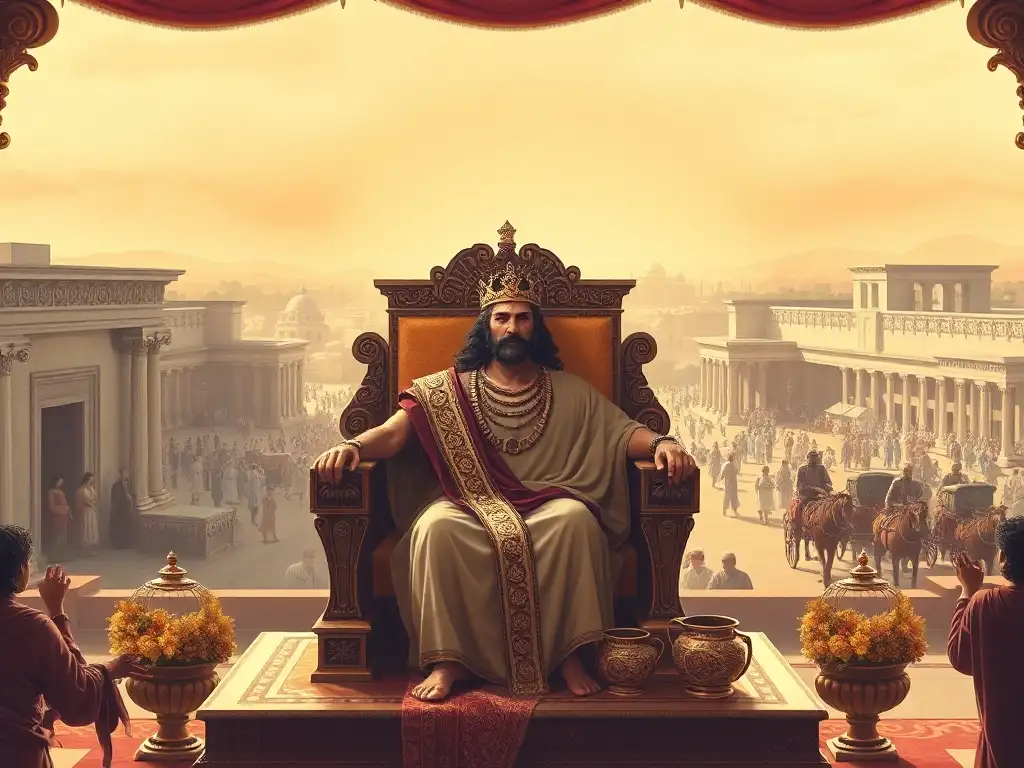
Introduction to IndoGreek Kings History
The IndoGreek kings represent a fascinating chapter in the annals of ancient history, serving as a testament to the complex interactions between two great civilizations: India and Greece. This article delves into the IndoGreek kings history contributions, exploring how these monarchs not only influenced the regions they governed but also facilitated the exchange of culture, art, and ideas between the East and the West.
The interactions between these two cultures during the Hellenistic period led to remarkable advancements in various fields, including architecture, coinage, and religious thought. Understanding the legacy of the IndoGreek kings is essential for appreciating the broader context of Indian-Greek relations and their impact on the evolution of ancient civilizations.
Overview of IndoGreek Kings
The IndoGreek kings emerged following the conquests of Alexander the Great in the 4th century BCE. They established a series of kingdoms in the northwestern regions of India, primarily in present-day Pakistan and parts of northern India. These rulers, often referred to as the Greco-Bactrian kings, were known for their unique blend of Hellenistic and Indian cultures.
- Key Features of IndoGreek Rule:
- Introduction of Greek art styles and architecture, evidenced by the stupas adorned with Greek motifs.
- Development of a coinage system that included Greek inscriptions, promoting trade and economic stability.
- Promotion of Buddhism, with many IndoGreek kings becoming patrons of the religion, thus aiding its spread across Asia.
The IndoGreek kings left an indelible mark on the cultural landscape of ancient India, with their influence visible in various aspects of life, including religion, governance, and artistic expression.
Importance of IndoGreek Relations in Ancient History
The relations between the IndoGreek kings and the Indian populace were crucial in shaping the socio-political and cultural milieu of the time. These interactions fostered a unique environment for mutual exchange and innovation, contributing to the rich tapestry of ancient Indian history.
- Significant Contributions:
- Cultural Synthesis: The melding of Greek and Indian traditions led to new artistic forms, particularly in sculpture and architecture.
- Trade Expansion: The IndoGreek kingdoms facilitated trade routes that connected the East and West, enhancing economic prosperity.
- Philosophical Exchange: The cross-pollination of ideas between Greek philosophy and Indian thought resulted in a more diverse intellectual landscape.
By studying the IndoGreek kings and their contributions, one can gain a deeper understanding of the interconnectedness of ancient civilizations and their collective influence on future generations.
The Historical Context of IndoGreek Kings
To appreciate the legacy of the IndoGreek kings, it is essential to explore the historical context that led to their rise and the key events that shaped their interactions with Indian society.
The Rise of the IndoGreek Kingdoms
The IndoGreek kingdoms emerged in the wake of Alexander the Great's incursions into India. After Alexander's death in 323 BCE, his empire fragmented, giving rise to a power vacuum that allowed local rulers and Greek generals to establish their dominions.
- Key Factors for Their Rise:
- Military Conquests: Successive Greek generals capitalized on the chaotic political landscape left by Alexander.
- Strategic Marriages: Many IndoGreek rulers formed alliances through marriage with local Indian royalty, solidifying their power.
- Cultural Adaptation: The IndoGreek kings adopted local customs and languages, facilitating smoother governance and integration into Indian society.
Key Historical Events Leading to IndoGreek Interactions
Several pivotal events marked the interactions between the IndoGreek kings and Indian states:
- The Battle of the Hydaspes (326 BCE): Alexander's campaign against King Porus established the foundation for future IndoGreek relations.
- Formation of the Greco-Bactrian Kingdom (250 BCE): Following Alexander's conquests, the establishment of this kingdom paved the way for increased interactions with Indian territories.
- The Spread of Buddhism (3rd century BCE): The patronage of IndoGreek kings towards Buddhism played a crucial role in its dissemination across the region.
These historical milestones highlight the dynamic interplay between the IndoGreek kings and Indian civilizations, setting the stage for a rich cultural exchange that would resonate for centuries.
Contributions of IndoGreek Kings to Indian Civilization
The IndoGreek kings, who ruled over parts of northwestern India from the 2nd century BCE to the 1st century CE, played a pivotal role in shaping the cultural and historical landscape of ancient India. These rulers, descendants of the Greek armies that followed Alexander the Great, not only established political dominance but also fostered a rich tapestry of cultural exchange, economic trade, and religious syncretism. Their contributions are particularly notable in the realms of art, science, and philosophy, creating a bridge between Greek and Indian civilizations.
The IndoGreek era was marked by the introduction of new artistic styles, exemplified in the famous Gandhara art, which combined Greek artistic elements with Indian themes and iconography. This blending of styles led to innovative representations of Buddhist figures and motifs, influencing artistic traditions across Asia. Furthermore, the IndoGreek period witnessed advancements in coinage, with the introduction of bilingual coins that featured Greek on one side and Indian languages on the other. This not only facilitated trade but also symbolized the merging of two distinct cultures.
Cultural Exchange between Indian and Greek Societies
The IndoGreek kings were instrumental in fostering cultural exchange between Indian and Greek societies. The presence of Greek rulers in India led to a unique amalgamation of traditions, philosophies, and practices. For instance, the adoption of Greek artistic techniques by Indian artisans resulted in the creation of sculptures that depicted Buddhist themes through a Hellenistic lens. This cross-cultural dialogue enriched both societies, allowing them to share philosophical ideas and artistic expressions.
Moreover, the IndoGreek courts attracted scholars, philosophers, and artists from both cultures, promoting a vibrant intellectual atmosphere. Notable figures such as Menander I, a prominent IndoGreek king, are credited with encouraging dialogues between Greek and Indian thinkers, leading to a mutual exchange of knowledge. The impact of this cultural synergy can be seen in the transmission of ideas related to governance, ethics, and aesthetics, which resonated across regions and influenced future generations.
Economic Contributions: Trade and Commerce
The IndoGreek kings significantly contributed to the economic landscape of ancient India through the expansion of trade and commerce. The establishment of trade routes and the introduction of a stable currency facilitated increased commercial activity between Indian and Hellenistic regions. The IndoGreek realm served as a crucial conduit for the exchange of goods, ideas, and cultural practices between the East and West.
Trade flourished under IndoGreek rule, particularly in luxury goods such as textiles, spices, and precious stones. These commodities were highly sought after in both Greek and Roman markets, leading to prosperous trading relationships. The IndoGreek kings also promoted the development of urban centers, which became vibrant hubs of commerce, attracting merchants from various regions. This economic prosperity not only benefited the rulers but also contributed to the overall development of local economies, enhancing the standard of living for many inhabitants.
Religious Syncretism under IndoGreek Rule
The IndoGreek kings played a crucial role in fostering religious syncretism, blending various religious traditions and practices within their territories. This period marked a significant transformation in the religious landscape of India, as the IndoGreeks introduced Hellenistic ideas alongside existing Indian beliefs, particularly Buddhism.
The advent of IndoGreek rule coincided with the growth of Buddhism, and the kings' patronage of the religion led to its further spread in the region. The syncretic nature of this religious interaction resulted in diverse practices and beliefs that incorporated elements from both Greek and Indian traditions, paving the way for a unique spiritual milieu.
The Spread of Buddhism and Hellenistic Ideas
One of the most significant contributions of the IndoGreek kings was the promotion of Buddhism. The rulers actively supported the establishment of stupas and monastic institutions, which facilitated the dissemination of Buddhist teachings. The notable king Menander I is often highlighted in historical texts for his conversion to Buddhism, illustrating the deep integration of Hellenistic and Buddhist philosophies.
The exchange between Greek and Indian thought during this period also contributed to the evolution of Buddhist texts and practices. Hellenistic ideas, particularly those related to ethics and philosophy, found their way into Buddhist teachings, enriching the spiritual discourse. This synthesis not only appealed to a broader audience but also allowed Buddhism to flourish beyond its Indian origins, reaching distant lands through trade routes.
The Impact of IndoGreek Kings on Religious Practices
The IndoGreek kings had a profound impact on the religious practices of the time, particularly in how they transformed existing traditions and introduced new ones. The blending of Hellenistic and Indian religious practices fostered a climate of tolerance and pluralism, allowing for the coexistence of diverse beliefs.
This period saw the emergence of hybrid religious forms, where local deities were worshipped alongside Greek gods, creating a unique syncretic culture. Temples and religious sites began to reflect this diversity, featuring architectural styles and iconography that represented both cultures. The legacy of the IndoGreek kings is evident in the enduring influence of these syncretic practices, which continued to shape the religious landscape of India long after their reign had ended.
Political Structures and Governance of IndoGreek Kings

The IndoGreek kingdoms, which emerged following the conquests of Alexander the Great, exhibited a unique blend of Hellenistic and Indian political structures. The governance systems established by the IndoGreek kings were characterized by adaptations from both Greek and indigenous Indian practices, which facilitated effective administration across diverse populations.
The IndoGreek kings often maintained a hierarchical structure, with the king at the apex wielding considerable power. This power was not absolute; it was balanced by advisory councils comprising nobles and local leaders, who played a crucial role in governance. The kings were seen as both military leaders and protectors of the people, which was essential for maintaining order and loyalty among their subjects.
Administration and Governance Models
The administration under the IndoGreek rulers was characterized by a sophisticated bureaucracy that incorporated elements from both Greek and Indian administrative practices. The IndoGreek kings employed satraps (provincial governors) to oversee various regions, ensuring that local customs and laws were respected while also enforcing the king's authority.
The legal systems were also notably influenced by both cultures. Laws were often codified in Greek and Sanskrit, reflecting the bilingual nature of the courts. This legal pluralism allowed for a degree of cultural integration and provided a framework for resolving disputes among the diverse populations within the kingdoms. Furthermore, the IndoGreek rulers encouraged trade and commerce, establishing a system of taxation that benefitted both the state and local economies.
Diplomatic Relations with Neighboring Kingdoms
The IndoGreek kings adeptly navigated diplomatic relations, forming alliances and engaging in trade with neighboring kingdoms, including those in Central Asia and the Indian subcontinent. These diplomatic efforts were crucial for maintaining peace and stability in a politically complex region.
The IndoGreek rulers often married into local royal families to solidify alliances, which helped in mitigating conflicts and fostering cultural exchanges. This strategy not only enhanced their legitimacy but also facilitated the blending of Greek and Indian cultures, showcased through art, religion, and philosophy. Their diplomatic engagements often extended to military alliances, which were used to counter common threats from rival kingdoms.
The Decline of the IndoGreek Kingdoms
The decline of the IndoGreek kingdoms was a gradual process influenced by multiple factors, including internal strife, external invasions, and socio-economic changes. The once-strong political structures began to weaken as rival powers emerged, leading to fragmentation within the kingdom.
Factors Leading to the Decline of IndoGreek Influence
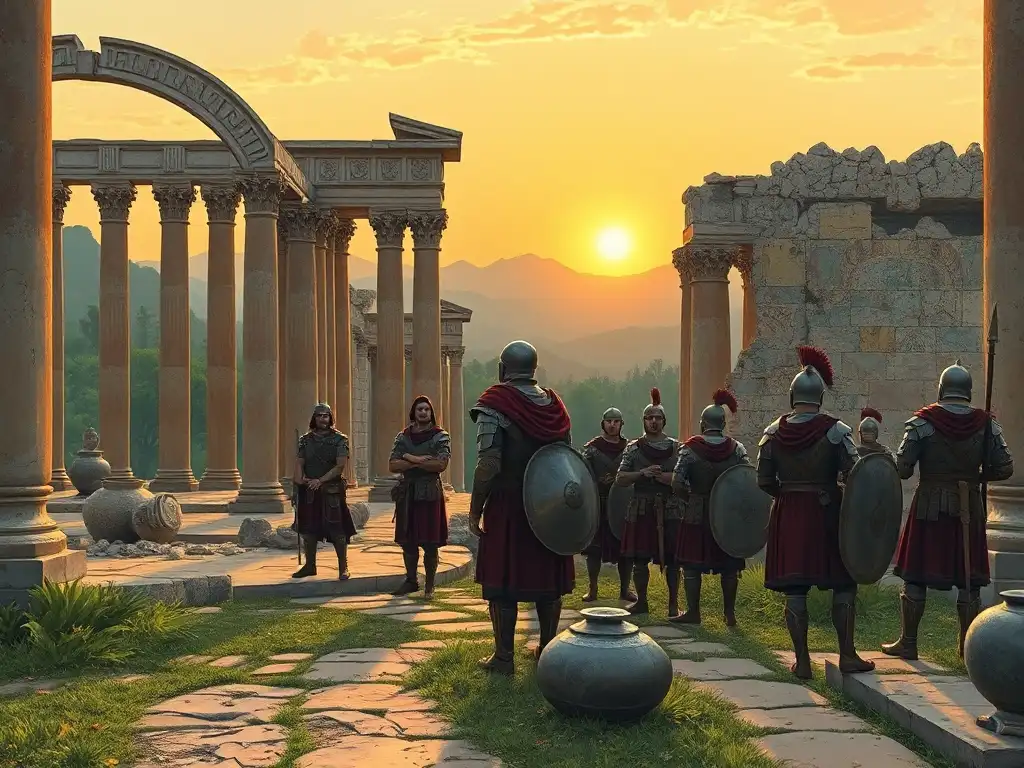
Several factors contributed to the decline of IndoGreek influence in the region. The rise of the Indo-Scythians and other nomadic groups posed significant military threats, leading to territorial losses. Moreover, the internal divisions among the IndoGreek rulers weakened their collective strength, making them susceptible to external invasions.
Economic decline also played a crucial role. As trade routes shifted and local economies faced challenges, the revenue necessary to sustain the bureaucratic and military apparatus diminished. Additionally, cultural assimilation with indigenous practices began to overshadow the distinct IndoGreek identity, further eroding their influence.
Lasting Effects of IndoGreek Rule on Subsequent Indian Dynasties
Despite their decline, the IndoGreek kings left a lasting legacy that influenced subsequent Indian dynasties, including the Maurya and Gupta empires. The cultural exchanges initiated during their reign fostered the spread of Hellenistic art, architecture, and thought throughout the Indian subcontinent.
The IndoGreek model of governance, characterized by a blend of local and foreign elements, also provided a framework for later rulers. Their contributions to trade and commerce set the stage for the economic prosperity that would characterize subsequent Indian kingdoms. Furthermore, the syncretism of religious practices, particularly the fusion of Greek and Indian deities, created a rich tapestry of cultural heritage that continued to evolve long after the fall of the IndoGreek kings.
The legacy of the IndoGreek kings is evident in the political, cultural, and economic developments that shaped ancient India, demonstrating their significant role in bridging two great civilizations.
The Legacy of IndoGreek Kings in Modern Scholarship
The legacy of the IndoGreek kings is a fascinating subject that has garnered significant attention in modern scholarship. Their reign marked a unique intersection of Indian and Greek cultures, resulting in a rich tapestry of artistic, philosophical, and political influences.
Researchers have increasingly recognized the IndoGreek period as a crucial chapter in the history of ancient India, providing insights into the cultural exchanges that shaped the subcontinent. This legacy is particularly evident in the way these rulers facilitated the spread of Hellenistic ideas, art, and governance in Indian territories, fostering a blend of traditions that would have lasting effects on both civilizations.
Archaeological Discoveries and Historical Research
Archaeological discoveries have played a pivotal role in bringing the history of the IndoGreek kings to light. Excavations at sites like Taxila and Sirkap have unearthed numerous artifacts, including coins, sculptures, and inscriptions that attest to the rich cultural synthesis during their reign. These findings showcase a unique blend of Greek and Indian artistic styles, particularly in sculpture and coinage, which often featured Greek deities alongside Indian motifs.
Moreover, historical research has expanded our understanding of IndoGreek kings, such as Menander I (Milinda), who is often cited as one of the most significant rulers of this era. Texts like the "Milinda Panha," a Buddhist scripture, offer valuable insights into the philosophical dialogues between IndoGreek rulers and local Buddhist scholars. This highlights not only the political but also the intellectual exchanges that occurred during this period, enriching both cultures.
How IndoGreek History Contributes to Understanding Ancient Civilizations
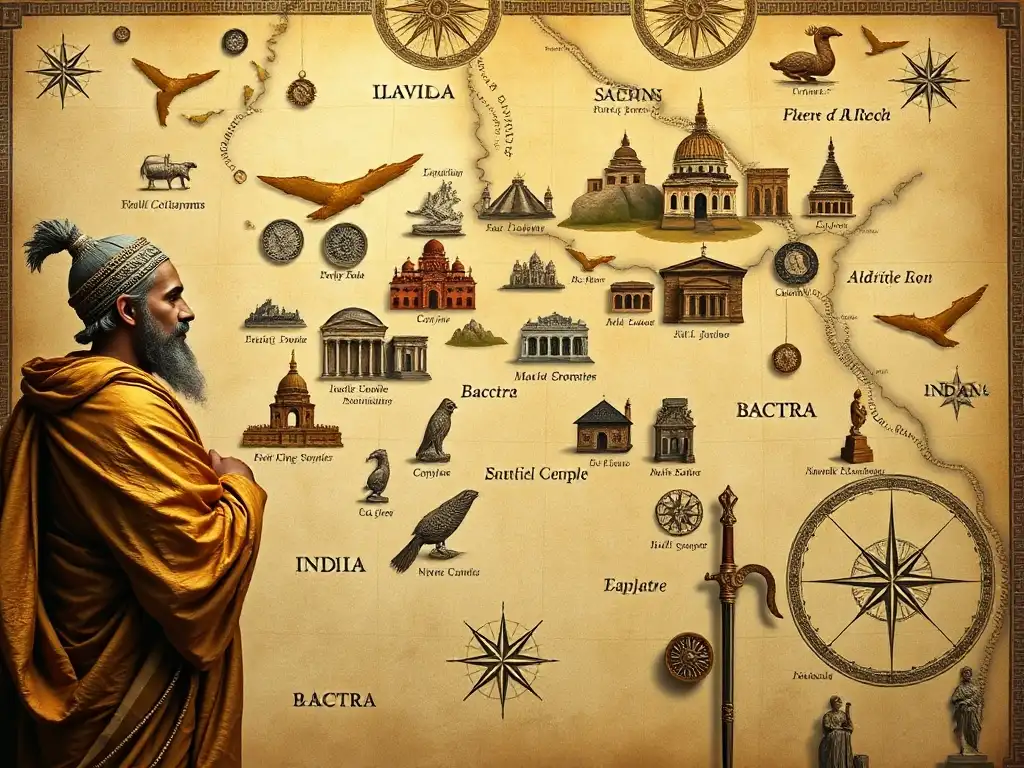
The history of the IndoGreek kings contributes significantly to our understanding of ancient civilizations by illustrating how cultural interactions can lead to innovative developments. The IndoGreek period was marked by a confluence of diverse traditions, resulting in new art forms, religious practices, and governance models. By studying this era, scholars gain insights into the processes of cultural assimilation and adaptation.
Furthermore, the IndoGreek kings' embrace of multiple cultural influences, including Buddhism, Zoroastrianism, and Hellenistic philosophy, exemplifies how civilizations can coexist and evolve through engagement. This historical narrative emphasizes the importance of intercultural dialogue and exchange, serving as a reminder of the interconnectedness of human societies throughout history.
Conclusion: The Enduring Impact of IndoGreek Kings
The enduring impact of the IndoGreek kings is evident in various aspects of Indian history and culture. Their ability to bridge two great civilizations has left a lasting legacy that continues to be explored and appreciated by scholars and enthusiasts alike.
Summary of Key Contributions to Indian History and Culture
The IndoGreek kings contributed significantly to Indian history and culture through several key avenues:
- Artistic Innovations: The fusion of Greek and Indian artistic styles led to the development of Gandhara art, which is characterized by its intricate sculptures and reliefs.
- Philosophical Exchanges: The dialogues between IndoGreek rulers and Indian philosophers fostered an environment of intellectual growth, influencing both Buddhist and Hellenistic thought.
- Trade and Economic Development: The IndoGreek kings established trade routes that enhanced economic ties between India and the Mediterranean, facilitating cultural and material exchanges that benefited both regions.
These contributions underscore the importance of the IndoGreek legacy in shaping the historical and cultural landscape of ancient India.
Reflection on the Significance of IndoGreek Relations
The significance of IndoGreek relations lies in their demonstration of how two distinct civilizations can interact, resulting in mutual enrichment. This period serves as a case study in the benefits of cultural exchange, illustrating how the blending of ideas, art, and governance can lead to a dynamic and innovative society. The legacy of the IndoGreek kings continues to inspire contemporary discussions about globalization and cultural interactions, reminding us that history is often shaped by the convergence of diverse influences.
Further Reading on IndoGreek Kings History Contributions
The history of the IndoGreek kings is a fascinating subject that highlights the unique interactions between two great civilizations: the Indian and the Greek. For those looking to deepen their understanding of this intricate period, a variety of resources are available, ranging from scholarly articles to engaging books and online materials. Below is a curated list of recommended readings and resources that shed light on the contributions and legacy of the IndoGreek kings.
Recommended Books and Articles
-
"The Indo-Greeks" by Nicholas Sims-Williams
This comprehensive book provides an in-depth analysis of the IndoGreek kings, detailing their history, culture, and the influence they had on the Indian subcontinent. Sims-Williams explores various archaeological findings and historical texts that portray the IndoGreeks' contributions to art, religion, and trade.
-
"Greek Rule in Bactria and India" by A. K. Narain
Narain examines the political and cultural impacts of Greek rule in Bactria and India. The book discusses how the IndoGreek kings facilitated the exchange of ideas and goods, which played a significant role in shaping the cultural landscape of ancient India.
-
"The Indo-Greeks: A Historical Overview" by K. S. Shrimali
This article provides a succinct overview of the IndoGreek period, focusing on the major kings, their territories, and the historical context of their reigns. Shrimali's work is an excellent starting point for readers new to the subject.
-
"Cultural Interactions Between Greeks and Indians" in the Journal of Ancient Civilizations
This scholarly article delves into the cultural exchanges between the Greeks and Indians during the IndoGreek period. It highlights how these interactions influenced art, philosophy, and religion on both sides.
-
"The Coins of the Indo-Greeks" by A. K. Narain
This specialized study focuses on the numismatic evidence left behind by the IndoGreek kings. It discusses how coins serve as a historical record of the socio-economic conditions and cultural influences of the time.
Online Resources for Deepening Knowledge on IndoGreek Interactions
-
Internet Ancient History Sourcebook: IndoGreek Kings
This online resource provides a collection of primary source documents and secondary articles related to the IndoGreek kings. It is an excellent platform for accessing historical texts and interpretations.
-
The British Museum's Collection Online
The British Museum features a digital collection that includes artifacts from the IndoGreek period, such as coins, sculptures, and inscriptions. This resource allows users to explore the material culture of the IndoGreeks and their contributions to art.
-
Academia.edu
A platform where scholars share their research papers, Academia.edu has various articles and papers on IndoGreek history. Users can search for specific topics related to the contributions of the IndoGreek kings and access a vast array of scholarly work.
-
YouTube Channels on Ancient History
Several educational YouTube channels, like "The History Guy" and "Ancient History Documentaries," offer videos that discuss the IndoGreek kings and their influence on Indian culture and society. These channels often present information in an engaging format suitable for visual learners.
-
Online Courses and Lectures
Websites like Coursera and edX occasionally offer courses on ancient history that include sections on the IndoGreek interactions. Enrolling in these courses can provide structured learning opportunities and access to expert insights.
By exploring these resources, readers can gain a more profound understanding of the IndoGreek kings and their significant contributions to the interconnected histories of India and Greece.
- Introduction to IndoGreek Kings History
- The Historical Context of IndoGreek Kings
- Contributions of IndoGreek Kings to Indian Civilization
- Religious Syncretism under IndoGreek Rule
- Political Structures and Governance of IndoGreek Kings
- Administration and Governance Models
- Diplomatic Relations with Neighboring Kingdoms
- The Decline of the IndoGreek Kingdoms
- Factors Leading to the Decline of IndoGreek Influence
- Lasting Effects of IndoGreek Rule on Subsequent Indian Dynasties
- The Legacy of IndoGreek Kings in Modern Scholarship
- Archaeological Discoveries and Historical Research
- How IndoGreek History Contributes to Understanding Ancient Civilizations
- Conclusion: The Enduring Impact of IndoGreek Kings
- Further Reading on IndoGreek Kings History Contributions
Frequently Asked Questions
What were the Indo-Greek kings known for?
The Indo-Greek kings were known for their cultural synthesis, blending Hellenistic and Indian traditions, which significantly influenced the arts, architecture, and philosophy of the time.
How did the Indo-Greek kings contribute to Indian history?
Their contributions included the introduction of coinage, advancements in sculpture, and the promotion of Buddhism, which helped in the spread of Hellenistic culture across India.
What is the significance of the Indo-Greek era in Indian civilization?
The Indo-Greek era marked a period of cultural exchange that enriched both civilizations, fostering trade, artistic development, and intellectual progress that shaped future dynasties.
Who were some notable Indo-Greek rulers?
Notable rulers include Menander I (also known as Milinda), who is famous for his dialogues with Buddhist monk Nagasena, and Demetrius, who expanded their territory significantly.
How did the Indo-Greek kings influence Buddhism?
The Indo-Greek kings played a crucial role in the patronage and spread of Buddhism, establishing it as a prominent religion in their territories and promoting its teachings across the region.
Final Reflection: The Enduring Legacy of Indo-Greek Kings
The history and contributions of the Indo-Greek kings remain profoundly relevant today as they exemplify the power of cultural exchange and the blending of civilizations. In an increasingly globalized world, the lessons from their reign remind us of the importance of dialogue and understanding between diverse cultures. The Indo-Greek kings not only enriched their own society but also laid the groundwork for future interactions, demonstrating that unity in diversity can lead to remarkable advancements in art, philosophy, and trade.
The influence of the Indo-Greek kings can still be felt in our cultural and social landscapes, as their legacy continues to inspire modern discussions about identity and multiculturalism. Their ability to merge Hellenistic and Indian traditions serves as a testament to the strength found in collaboration.
As the historian John Boardman once said, "> The Greeks and Indians shared a common interest in exploring the world around them, and their interactions led to a rich tapestry of cultural achievements." This observation highlights the ongoing relevance of their contributions, reminding us that the fusion of ideas can lead to innovation and growth.
As we reflect on the lessons from the Indo-Greek kings, let us embrace the spirit of cultural exchange in our own lives. Consider how you can foster connections with those from different backgrounds, and recognize the beauty that emerges from such interactions. By doing so, we honor the legacy of the Indo-Greek kings and contribute to a more harmonious and enriched world. Take a moment to reflect on your own experiences and think about how you can bridge gaps in understanding, creating a brighter future for all.
Unveil the Legacy: Take Action Today!
Thank you for joining us on this exploration of the Indo-Greek Kings and their remarkable impact on the blending of cultures. We hope you found inspiration in their legacy and the intriguing history they represent. Now, let’s put that inspiration into action!
Here are some ways you can deepen your understanding and share this fascinating history with others:
- Dive deeper: Explore more about specific Indo-Greek figures or artifacts by visiting local museums or online exhibits that showcase this unique cultural intersection.
- Share your thoughts: Connect with fellow history enthusiasts by sharing this article on social media or engaging in discussions on forums dedicated to ancient civilizations.
- Join a community: Participate in history-themed workshops or clubs where you can delve into the legacies of diverse cultures, including the Indo-Greek era.
What aspect of the Indo-Greek legacy resonates most with you, and how do you think it continues to influence our world today?