
The Unique Features of Buddhist Architecture in Ancient India

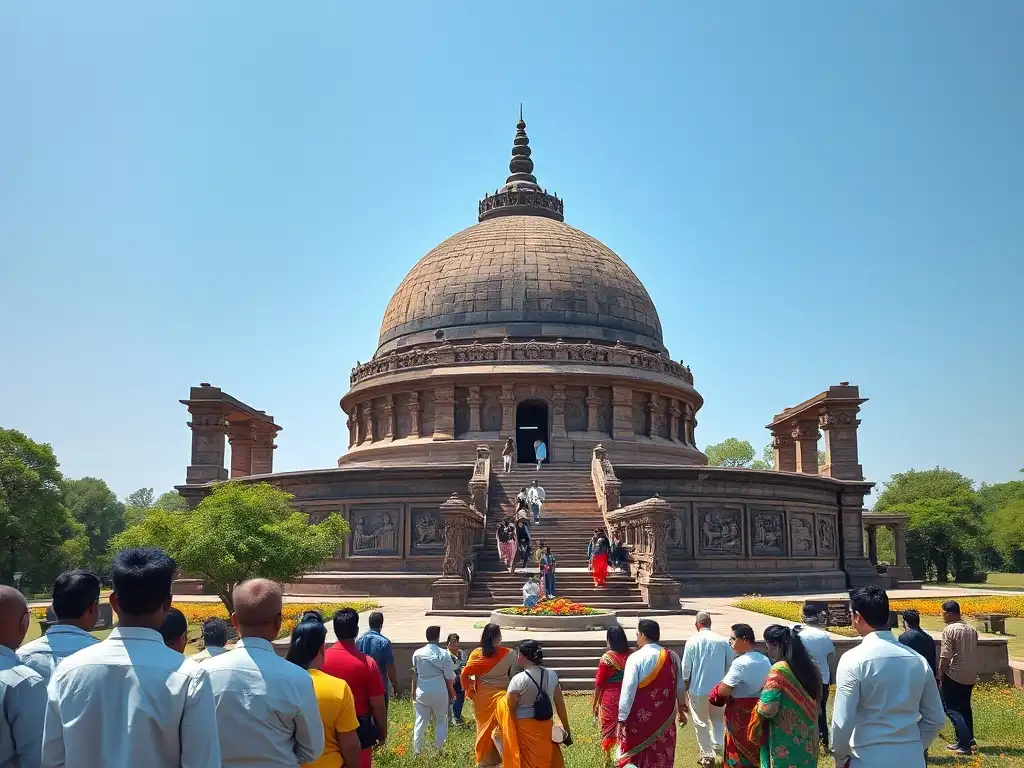
Welcome to Ancient India History, where we invite you on a journey through the captivating tapestry of India's past! Dive deep into the world of Buddhist architecture in ancient India, a fascinating subject that reveals the spiritual and artistic brilliance of civilizations long gone. Discover how these architectural marvels not only reflect the profound philosophies of their time but also stand as testaments to the rich cultural heritage of the subcontinent. Are you ready to explore the unique features that define this remarkable style? Join us as we unlock the secrets of ancient India's architectural legacy!

Introduction to Buddhist Architecture in Ancient India
Buddhist architecture in ancient India is a fascinating testament to the spiritual and cultural evolution of one of the world's oldest religions. From the magnificent stupas to the serene viharas, these architectural wonders not only served religious purposes but also reflected the socio-political and artistic developments of their time.
As Buddhism spread across the Indian subcontinent and beyond, it left an indelible mark on the landscape, showcasing unique features that distinguish it from other architectural styles. The study of Buddhist architecture allows us to appreciate the intricate relationship between faith, art, and society, revealing how these elements coalesced to form a rich tapestry of heritage that continues to inspire and educate.
Understanding the Significance of Buddhist Architecture
Buddhist architecture is significant for several reasons:
- Cultural Expression: It embodies the beliefs and practices of Buddhism, showcasing the religion's emphasis on enlightenment and community.
- Historical Context: These structures provide insights into the socio-political climate of ancient India, reflecting the patronage of various dynasties and the spread of Buddhism as a major religious force.
- Artistic Innovation: The architectural styles and techniques used in these constructions reveal the evolution of art, sculpture, and engineering in ancient India.
By analyzing these aspects, we can gain a deeper understanding of how Buddhist architecture shaped and was shaped by the civilization around it.
The Influence of Buddhism on Ancient Indian Civilization
Buddhism significantly influenced ancient Indian civilization, acting as a catalyst for various cultural and social changes. The religion promoted values such as compassion, non-violence, and community living, which resonated deeply with the populace. As a result, many rulers and wealthy patrons supported the construction of monasteries, stupas, and other religious buildings, fostering a sense of unity and shared identity among practitioners. This architectural patronage not only enhanced the spiritual landscape but also contributed to economic growth through pilgrimage and trade, illustrating the multifaceted impact of Buddhism on ancient India.
Key Characteristics of Buddhist Architecture
Buddhist architecture is characterized by several unique features that set it apart from other architectural traditions. These elements are not only functional but also symbolic, representing the core tenets of Buddhism.
Stupas: The Symbolic Structures of Buddhism
Stupas are perhaps the most iconic feature of Buddhist architecture. These dome-shaped structures serve as reliquaries, housing sacred relics of the Buddha or other revered figures. Key elements of stupas include:
- Dome: Symbolizing the universe, it represents the path to enlightenment.
- Harmika: The square railing atop the dome, symbolizing the abode of the gods.
- Chhatra: The umbrella-like structure that signifies protection and honor.
Stupas were often built at significant locations, serving as pilgrimage sites and focal points for communal worship.
Viharas: Monastic Complexes and Their Importance
Viharas, or monastic complexes, were essential to the Buddhist way of life. These structures provided living quarters for monks and spaces for meditation and study. Key characteristics of viharas include:
- Cells: Individual rooms for monks, often arranged around a central courtyard.
- Assembly Halls: Large spaces for communal gatherings and teachings.
- Architectural Simplicity: Reflecting the monastic ideals of minimalism and detachment from materialism.
Viharas played a crucial role in the preservation and dissemination of Buddhist teachings, serving as centers of learning and community life.
Chaityas: Prayer Halls and Architectural Innovation
Chaityas are prayer halls that housed stupas and served as spaces for worship. They are notable for their innovative architectural features, such as:
- Arched Entrance: Allowing for grand and inviting access to the sacred space.
- Barrel Vaults: Creating a sense of grandeur and openness within the hall.
- Natural Light: Strategically designed to illuminate the stupa, enhancing the spiritual atmosphere.
Chaityas exemplify the architectural ingenuity that characterized Buddhist constructions, merging functionality with deep spiritual significance.
In exploring these facets of Buddhist architecture, we gain insight into the profound legacy of ancient Indian civilizations and their enduring impact on cultural and religious practices.
Material and Construction Techniques in Buddhist Architecture
Buddhist architecture in ancient India is characterized by its thoughtful use of materials and innovative construction techniques that not only served functional purposes but also reflected the spiritual ethos of Buddhism. The structures, including stupas, viharas, and monastic complexes, were designed to embody the principles of simplicity, harmony, and permanence, which are central to Buddhist philosophy.
The construction techniques varied across different regions, but they often utilized local materials that were readily available. The choice of materials played a significant role in the durability and aesthetics of Buddhist architecture. While some structures were built using stone and brick, others employed more perishable materials like wood and bamboo for temporary structures.
Common Materials Used in Ancient Buddhist Structures
The most commonly used materials in ancient Buddhist architecture included:
- Stone: Quarried stone was the primary material for monumental structures such as stupas and rock-cut caves. Granites, sandstones, and limestone were favored for their durability and aesthetic qualities.
- Brick: Fired bricks were extensively used in the construction of stupas and viharas, especially in regions where stone was less accessible. The use of brick allowed for intricate designs and was a cost-effective solution for many monastic complexes.
- Wood: While not as durable as stone or brick, wood was used in the construction of temporary structures and interiors. Wooden pillars and beams were common, especially in the early years of Buddhist architecture.
- Mortar: A mixture of lime, sand, and clay was used as a binding agent to hold bricks together and provide structural integrity to the buildings.
These materials not only contributed to the resilience of the structures but also allowed for artistic embellishments, such as intricate carvings and sculptural reliefs that depicted various Buddhist motifs.
Architectural Techniques Unique to Buddhist Stupas and Viharas
Buddhist stupas and viharas showcase unique architectural techniques that distinguish them from other ancient Indian architectural styles. Key techniques include:
- Stupa Design: The stupa, a dome-shaped structure, symbolizes the universe and the path to enlightenment. Its design often features a hemispherical dome (anda) sitting on a square base (harmika), representing the cosmic mountain, Meru. The stupa's circular path (pradakshina) allows devotees to circumambulate, reflecting the cyclical nature of life.
- Rock-Cutting: In regions like Ajanta and Ellora, rock-cut architecture was prominent. Monks carved entire viharas and stupas directly into rock faces, creating intricate interiors and exteriors without the need for extensive materials. This technique showcased both artistry and innovation.
- Columned Halls: Viharas often featured large columned halls (chaityas) that served as prayer halls. These spaces were designed to accommodate large gatherings of monks and devotees, with elaborate pillars supporting the roofs, allowing for both functional and aesthetic appeal.
- Symbolic Ornamentation: Architectural elements like the torana (gateway) and chatras (umbrella-like structures) were not merely decorative but served symbolic purposes, representing the protection and presence of the Buddha.
These techniques not only highlight the architectural ingenuity of ancient Indian builders but also their deep understanding of Buddhist symbolism and the intended experience for practitioners.
Regional Variations in Buddhist Architecture in Ancient India
The diversity of Buddhist architecture across ancient India is a testament to the cultural and geographical variations that influenced design and construction. Different regions developed distinctive architectural styles that reflected local traditions, materials, and climatic conditions.
The Influence of Geography on Architectural Styles
Geographical factors played a crucial role in shaping the architectural styles of Buddhist structures. The following aspects illustrate this influence:
- Climate: In cooler regions, such as the Himalayas, structures were often built with thick walls and smaller windows to retain warmth. In contrast, hotter regions like Rajasthan utilized open courtyards to facilitate airflow and cooling.
- Availability of Materials: Regions rich in stone, such as the Deccan Plateau, led to the construction of massive rock-cut caves, while areas with abundant clay resources saw the rise of brick stupas and viharas. The choice of materials often dictated the architectural style.
- Cultural Exchange: Trade routes and cultural interactions influenced architectural designs. The Gandhara region, for example, showcased Greco-Buddhist influences, evident in its sculptures and stupas, merging local traditions with Hellenistic elements.
These regional variations not only highlight the adaptability of Buddhist architecture but also the syncretism that occurred as Buddhism spread across different landscapes.
Notable Sites: A Look at Major Buddhist Architectural Marvels
Several notable sites across ancient India exemplify the grandeur and diversity of Buddhist architecture:
- Sanchi Stupa (Madhya Pradesh): One of the oldest stone structures in India, the Sanchi Stupa is renowned for its impressive gateways (toranas) adorned with intricate carvings depicting the life of the Buddha and Jataka tales. It serves as a significant pilgrimage site and a UNESCO World Heritage Site.
- Ajanta Caves (Maharashtra): This group of rock-cut caves features stunning frescoes and sculptures that narrate various Buddhist stories. The caves date back to the 2nd century BCE and are celebrated for their artistic excellence and architectural ingenuity.
- Nalanda University (Bihar): As one of the world's first residential universities, Nalanda was a center for Buddhist learning and scholarship. Its ruins reveal a complex of monasteries and stupas, showcasing the architectural style of the time and its significance in the spread of Buddhism.
- Khajuraho Temples (Madhya Pradesh): While primarily known for their erotic sculptures, some temples at Khajuraho also exhibit Buddhist motifs and architecture, highlighting the intermingling of religious influences in the region.
These sites not only showcase the architectural brilliance of ancient Indian civilizations but also their enduring legacy in the context of Buddhist art and culture.
Artistic Elements in Buddhist Architecture
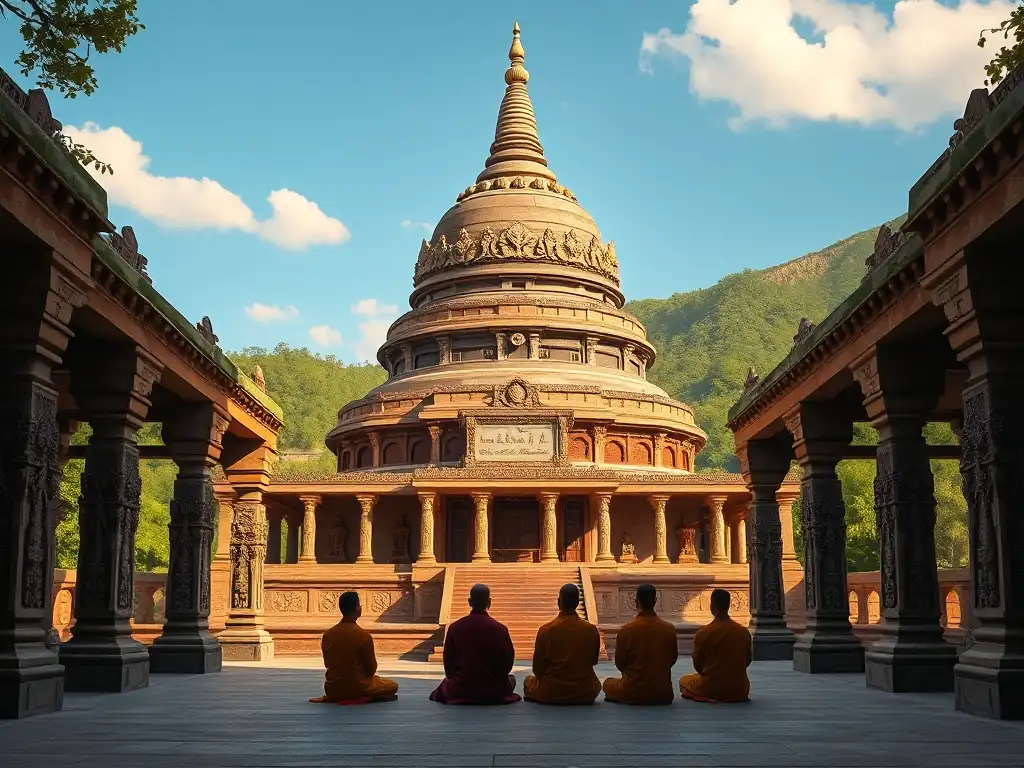
Buddhist architecture in ancient India is characterized by a distinct artistic style that reflects the spiritual beliefs and practices of Buddhism. The architectural elements encompass stupas, viharas, and chaityas, each designed with a purpose that aligns with Buddhist teachings.
One of the most prominent features is the stupa, a dome-shaped structure that serves as a reliquary. These stupas often feature intricate carvings and are adorned with decorative motifs that signify the Buddha's teachings. The vihara, or monastic complex, is another essential element, frequently designed with a central courtyard surrounded by cells for monks. These structures often incorporate symbolic designs that represent various aspects of Buddhist philosophy.
Another significant artistic feature is the use of mandalas in the layout of certain temples, which are geometric representations of the universe in Buddhist cosmology. This spatial arrangement not only enhances the aesthetic appeal but also serves as a meditative tool, guiding practitioners towards enlightenment.
Iconography and Symbolism in Buddhist Art
Iconography plays a crucial role in Buddhist architecture, serving as a visual language that conveys complex spiritual concepts. The representation of the Buddha in various mudras (hand gestures) symbolizes different teachings and states of being. For example, the Dhyana Mudra, which depicts meditation, emphasizes mindfulness and contemplation, while the Abhaya Mudra, representing fearlessness, encourages devotees to overcome fear through faith.
In addition to the Buddha, various bodhisattvas and deities are portrayed in sculptures and carvings, each imbued with specific meanings and attributes. The presence of lotus flowers, a symbol of purity and enlightenment, is commonly integrated into the design, exemplifying the journey of the soul from the murky waters of ignorance to the pristine state of Buddhahood.
The use of animals, such as elephants and lions, further enriches the iconographic representation, often symbolizing strength, wisdom, and the cyclical nature of life. This symbolism not only beautifies the architectural spaces but also instills a deeper understanding of Buddhist teachings among the devotees.
The Role of Frescoes and Sculptures in Enhancing Architecture
Frescoes and sculptures are integral to the embellishment of Buddhist architecture, providing both aesthetic and narrative functions. The walls of viharas and stupas are often adorned with vibrant frescoes that depict the life of the Buddha, significant events in Buddhist history, and various Jataka tales that illustrate moral lessons.
These frescoes serve to educate followers and inspire contemplation, making the sacred space a living canvas of Buddhist philosophy. The vibrant use of color and detailed artistry invites viewers to engage with the narratives depicted, thereby enhancing their spiritual experience.
Sculptures, on the other hand, offer a three-dimensional perspective of Buddhist teachings. The intricately carved figures, often found at the entrances of temples, act as guardians of the sacred space, welcoming devotees while also imparting spiritual guidance. The craftsmanship involved in creating these sculptures reflects the technical skills and artistic sensibilities of the artisans of the time, showcasing the high level of sophistication present in ancient Indian society.
The Evolution of Buddhist Architecture Over Time
The evolution of Buddhist architecture in ancient India can be traced through several distinctive phases, each marked by innovations that reflect the changing cultural and religious landscape. From the earliest structures to the more elaborate designs of later periods, this architectural journey highlights the adaptability of Buddhist principles within varying contexts.
Early Buddhist Architecture: Foundations and Influences
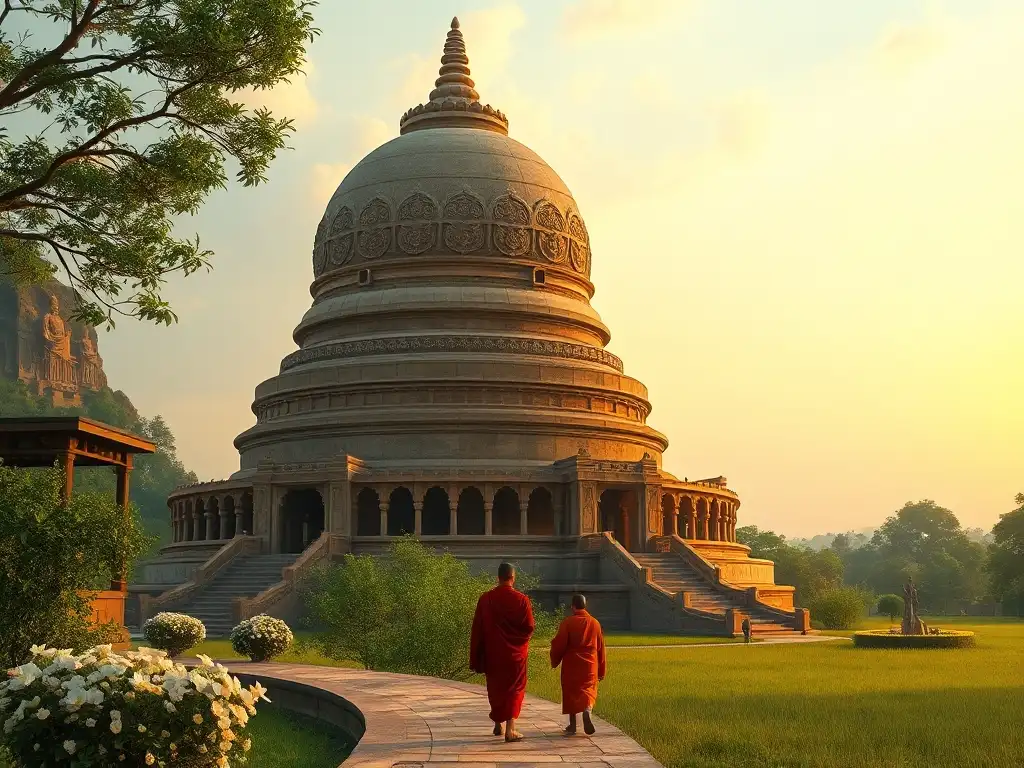
Early Buddhist architecture emerged around the 3rd century BCE, with the establishment of stupas as the primary architectural form. The Great Stupa at Sanchi, for example, exemplifies the foundational characteristics of early Buddhist structures, characterized by simple yet profound designs. These stupas served not only as reliquaries but also as focal points for communal worship.
Influenced by earlier Indian architectural styles, such as those seen in the Mauryan period, early Buddhist architecture incorporated local materials and construction techniques. The use of ashlar masonry and brickwork was prevalent, and the incorporation of natural elements into the design was a reflection of the Buddhist principle of harmony with nature.
As Buddhism spread beyond India, it absorbed influences from various cultures, leading to a diverse array of architectural expressions. This syncretism is evident in the architectural features adopted from neighboring regions, enriching the overall aesthetic and functional aspects of Buddhist structures.
The Gupta Period: A Golden Age for Buddhist Architectural Innovation
The Gupta period, spanning from the 4th to the 6th century CE, is often regarded as a golden age for Buddhist architectural innovation. During this era, there was a significant flourishing of art and architecture, with the construction of monumental stupas and elaborate cave complexes.
One of the most notable achievements of this period is the development of the rock-cut architecture seen in sites such as the Ajanta and Ellora caves. These intricately carved caves served as monastic retreats and were adorned with stunning frescoes and sculptures that depicted various aspects of Buddhist teachings and the life of the Buddha.
The architectural advancements also included the refinement of the stupa's design, with the addition of elaborate entrances and decorative elements. The introduction of the shikhara (spire) in temple architecture during this time marked a significant evolution in the verticality and grandeur of Buddhist structures, reflecting a shift towards more ornate and complex designs.
The Gupta period not only witnessed the culmination of artistic expression in Buddhist architecture but also set the stage for future developments that would shape the architectural landscape of ancient India and beyond.
The Legacy of Buddhist Architecture in Ancient India
Buddhist architecture in ancient India has left an indelible mark on the cultural landscape of the region and beyond. Originating around the 3rd century BCE with the reign of Emperor Ashoka, this architectural style not only served as a medium for religious expression but also acted as a catalyst for societal transformation. The construction of stupas, monasteries, and viharas became a means of disseminating Buddhist teachings, contributing to the spread of Buddhism throughout Asia.
The legacy of Buddhist architecture is notably encapsulated in structures like the Sanchi Stupa, an exemplary model of ancient Indian architectural prowess. These stupas were not merely burial mounds but intricate relics that conveyed profound spiritual significance. The ornate carvings and gateways (toranas) of Sanchi illustrate the synthesis of art and spirituality, showcasing narratives from the life of Buddha and Jataka tales. Such architectural designs inspired subsequent generations, forming a distinctive style that merged functionality with aesthetic beauty.
In addition, the rock-cut architecture found in places like Ajanta and Ellora demonstrates the advanced engineering skills of ancient Indians. These monastic complexes highlight the ability to transform solid rock into spaces for meditation and community life, emphasizing the Buddhist principles of simplicity and harmony with nature. This architectural legacy continues to inspire modern architects and scholars, reflecting the enduring impact of Buddhist values on India's cultural heritage.
Influence on Later Architectural Styles in India
The influence of Buddhist architecture in ancient India is evident in various subsequent architectural styles that emerged in the region. As Buddhist monuments gained prominence, they set a precedent for the design principles that would later be adopted by Hindu and Jain architects. The intricate carvings, the use of domes, and the elaborate entrance gateways seen in structures like the Brihadeeswarar Temple in Thanjavur can be traced back to the stylistic elements established by Buddhist architects.
During the Gupta period, which is often referred to as the Golden Age of India, the architectural innovations previously seen in Buddhist structures were further refined. The introduction of temple architecture during this era often mirrored the layout and design of Buddhist stupas, indicating a significant cross-pollination of ideas. This synthesis resulted in the creation of iconic temples featuring mandapas (pillared halls) and shikharas (towers), which became hallmarks of later Indian architecture.
Moreover, the influence extended beyond India’s borders, as Buddhist architectural principles traveled along trade routes to regions such as Southeast Asia. The temples of Angkor Wat and Borobudur exhibit distinct similarities with ancient Indian Buddhist architecture, demonstrating the far-reaching impact of these early designs on global architectural practices.
The Global Impact of Ancient Indian Buddhist Architecture
Ancient Indian Buddhist architecture has not only shaped the architectural landscape of India but has also made significant contributions to global architecture. As Buddhism spread along trade routes to Central Asia, East Asia, and Southeast Asia, it carried with it the architectural styles and principles developed in India. This resulted in the establishment of similar structures that echo the features of ancient Indian stupas and monastic complexes.
In countries like Japan and China, the introduction of Buddhist architecture led to the construction of pagodas, which are direct descendants of Indian stupas. The pagoda's tiered structure and ornamental designs reflect the influence of ancient Indian architectural concepts. Additionally, the rock-cut caves in China, such as the Dunhuang caves, demonstrate the techniques and artistry derived from Indian practices, showcasing detailed murals and sculptures that celebrate Buddhist teachings.
Furthermore, the architectural innovations of ancient India have inspired modern architects worldwide. The principles of symmetry, balance, and harmony with nature found in Buddhist architecture resonate in contemporary sustainable architecture, emphasizing the relevance of these ancient designs in today’s context.
Conclusion
Recap of the Unique Features of Buddhist Architecture in Ancient India
Buddhist architecture in ancient India is characterized by several unique features that distinguish it from other architectural styles. Key elements include:
- Stupas: These dome-shaped structures served as reliquaries and symbolized the enlightenment of the Buddha.
- Viharas and Monasteries: Designed for monastic life, these spaces facilitated meditation and communal living, showcasing rock-cut architecture.
- Toranas: The intricately carved gateways that adorned stupas depicted various Buddhist narratives, enhancing both aesthetic appeal and spiritual significance.
- Integration with Nature: The emphasis on harmony with the natural environment is evident in many designs, reflecting Buddhist values.
These features collectively contribute to the rich tapestry of ancient Indian architectural heritage, underscoring its historical and cultural significance.
The Continuing Relevance of Buddhist Architectural Heritage
The architectural heritage of ancient Indian Buddhism continues to be relevant today, both as a source of inspiration and as a subject of study. Modern architects draw on the principles of simplicity, sustainability, and harmony with the environment that are inherent in Buddhist architecture. Furthermore, the preservation of these ancient sites is crucial for understanding the cultural narratives and historical contexts that shaped them.
Educational initiatives and heritage conservation efforts aim to raise awareness about the importance of Buddhist architectural sites, promoting tourism and cultural exchange. As people from diverse backgrounds visit these monuments, the architectural legacy of ancient India fosters a greater appreciation for the values of peace, mindfulness, and community that Buddhism espouses.
The unique features of Buddhist architecture in ancient India not only reflect the artistic and engineering capabilities of the time but also serve as a bridge connecting cultures across the globe, affirming the timeless relevance of these architectural marvels.
- Introduction to Buddhist Architecture in Ancient India
- Key Characteristics of Buddhist Architecture
- Material and Construction Techniques in Buddhist Architecture
- Regional Variations in Buddhist Architecture in Ancient India
- Artistic Elements in Buddhist Architecture
- Iconography and Symbolism in Buddhist Art
- The Role of Frescoes and Sculptures in Enhancing Architecture
- The Evolution of Buddhist Architecture Over Time
- Early Buddhist Architecture: Foundations and Influences
- The Gupta Period: A Golden Age for Buddhist Architectural Innovation
- The Legacy of Buddhist Architecture in Ancient India
- Conclusion
- What are the main characteristics of Buddhist architecture in ancient India?
- How did Buddhist architecture evolve over time in ancient India?
- What role did art and symbolism play in ancient Buddhist architecture?
- Which famous sites exemplify Buddhist architecture in ancient India?
- How did Buddhist architecture influence later architectural styles in India?
Frequently Asked Questions
What are the main characteristics of Buddhist architecture in ancient India?
Buddhist architecture is marked by stupas, viharas, and monasteries, featuring intricate carvings and symbolic designs that reflect Buddhist teachings.
How did Buddhist architecture evolve over time in ancient India?
Over time, Buddhist architecture evolved from simple stupas to complex monastic complexes, influenced by regional styles and the spread of Buddhism across Asia.
What role did art and symbolism play in ancient Buddhist architecture?
Art and symbolism were crucial in ancient Buddhist architecture, with elaborate murals and sculptures depicting Buddhist narratives and teachings, enhancing the spiritual experience.
Which famous sites exemplify Buddhist architecture in ancient India?
Famous sites include the Sanchi Stupa, Ajanta Caves, and Nalanda University, each showcasing unique elements of Buddhist architectural design and significance.
How did Buddhist architecture influence later architectural styles in India?
Buddhist architecture set a foundation for later styles, such as Hindu and Islamic architecture, incorporating elements like domes, arches, and intricate carvings that define Indian architecture today.
Final Reflection: The Enduring Legacy of Buddhist Architecture in Ancient India
The unique features of Buddhist architecture in ancient India not only reflect the spiritual aspirations of their time but also resonate profoundly with contemporary society. As we explore the intricate stupas, viharas, and monastic complexes, we uncover a narrative that transcends mere construction; it embodies a quest for enlightenment and communal harmony. The architectural brilliance of ancient India serves as a testament to the enduring power of faith and creativity, reminding us that these structures were not just built to last, but to inspire generations.
The influence of Buddhist architecture extends far beyond its historical context, shaping cultural landscapes and spiritual practices across the globe. Today, these ancient edifices continue to attract pilgrims and tourists alike, standing as symbols of peace and introspection. As noted by renowned historian John Julius Norwich, Architecture is the art of how to waste space.
Yet, in the case of Buddhist architecture, every inch is imbued with meaning, inviting us to reflect on our own spaces and the stories they tell.
As we conclude our exploration of Buddhist architecture in ancient India, I invite you to reflect on the lessons embedded within these magnificent structures. Consider how the principles of mindfulness, community, and harmony can be integrated into your own life. Whether through creating a peaceful environment in your home or fostering connections within your community, let the legacy of these ancient architects inspire you to build spaces that nurture the spirit and promote understanding.
Unveil the Beauty of Buddhist Architecture!
Thank you for exploring the fascinating world of Buddhist architecture in ancient India with us! Your interest in this unique historical topic not only enriches your knowledge but also deepens your appreciation for the artistic achievements of the past. Now, let's take the next steps to immerse ourselves further into this captivating subject.
- Dive deeper: Visit a local museum or an online gallery to discover stunning images of Buddhist architecture and its intricate designs.
- Engage and share: Join online forums or social media groups focused on ancient architecture. Contribute your insights on how these structures reflect the culture and spirituality of their era.
- Visit a site: Plan a visit to a local Buddhist temple or a historical site to experience the architecture firsthand and immerse yourself in its serene atmosphere.
What aspect of Buddhist architecture resonates with you the most, and how do you think it influences modern architectural designs today?