
How Ancient Trade Routes Fostered Intercultural Relationships

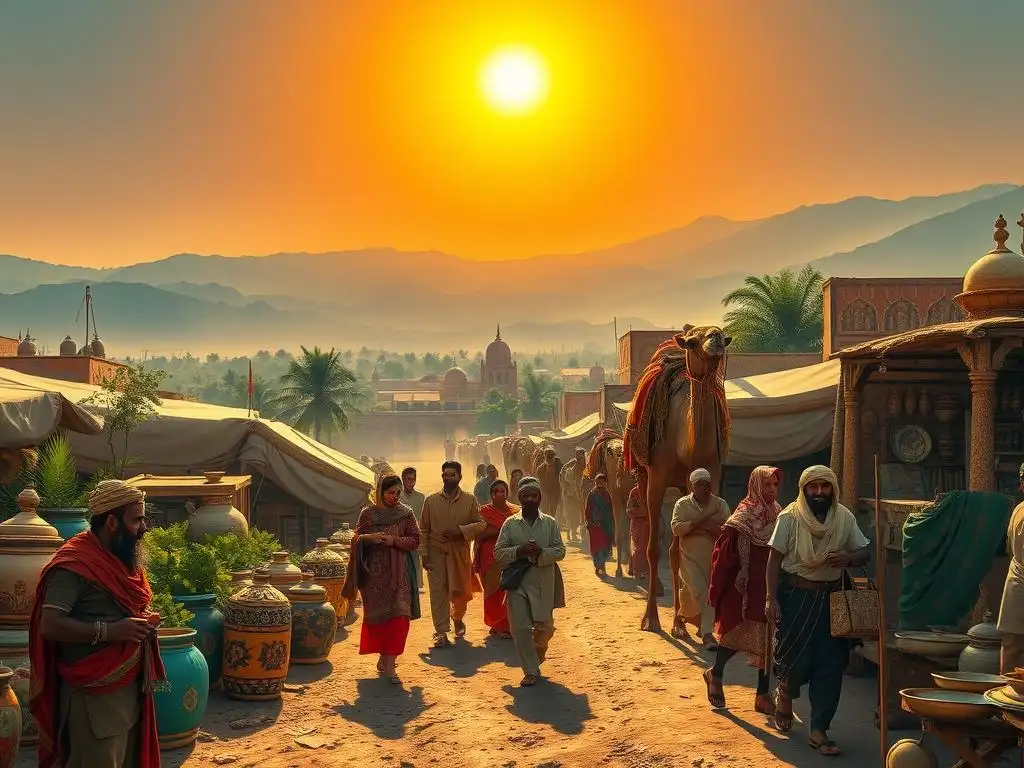
Welcome to Ancient India History, where we embark on a captivating journey through time to uncover the rich tapestry of India's past. In this exploration, we delve into the ancient Indian trade routes, which not only served as vital arteries for commerce but also fostered profound intercultural relationships across civilizations. Have you ever wondered how these routes shaped the social and economic landscape of ancient India?
Join us as we unravel the intricate connections that defined an era and discover the remarkable contributions of these trade networks to our shared heritage. Keep reading to unlock the secrets of a world long gone but never forgotten!
- Introduction to Ancient Indian Trade Routes
- Major Ancient Indian Trade Routes
- The Role of Trade in Intercultural Relationship Building
- Economic Impact of Ancient Indian Trade Routes
- Case Studies of Intercultural Relationships Fostered by Trade
- Conclusion
- Frequently Asked Questions
- Final Reflection: The Enduring Legacy of Ancient Indian Trade Routes
- Embark on a Journey Through History!
Introduction to Ancient Indian Trade Routes
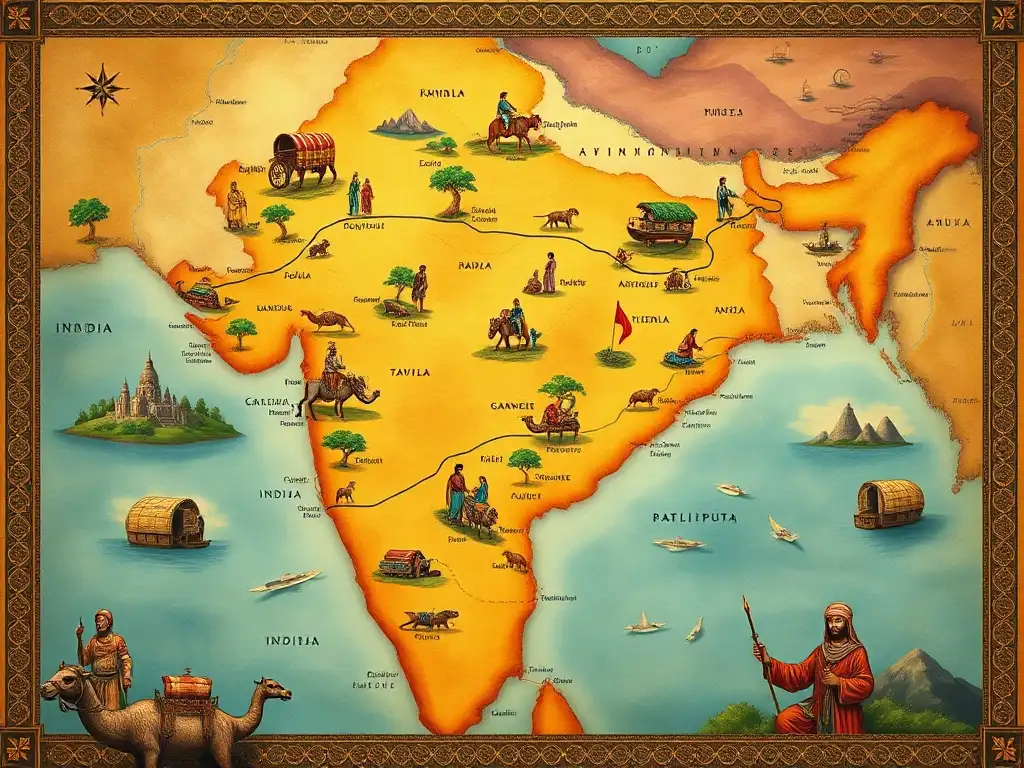
The ancient Indian trade routes played a pivotal role in shaping the cultural, economic, and social landscapes of the Indian subcontinent. Spanning from the bustling cities of the Indus Valley Civilization to the flourishing empires of the Gupta period, these routes facilitated not only the exchange of goods but also the interaction of diverse cultures and ideas.
The intricate network of trade routes, including the famous Silk Road and maritime pathways, enabled India to connect with distant lands, fostering relationships that transcended geographical boundaries. In this article, we will explore how these ancient Indian trade routes were instrumental in nurturing intercultural relationships and contributing to the rich tapestry of history that characterizes ancient India.
Significance of Trade Routes in Ancient India
The significance of trade routes in ancient India cannot be overstated. They served as essential conduits for the flow of not just commodities, but also cultural exchanges that left lasting impacts on society.
- Economic Development: Trade routes were vital for economic prosperity. They allowed for the movement of goods such as spices, textiles, precious stones, and metals, which were highly sought after in international markets. This trade not only enriched local economies but also contributed to the rise of powerful kingdoms and empires.
- Cultural Exchange: These routes were melting pots of diverse cultures. Merchants, travelers, and pilgrims traversed these paths, sharing philosophies, religions, art forms, and technologies. The spread of Buddhism, for example, can be traced along these trade routes as monks traveled to spread teachings.
- Political Alliances: Trade routes often led to the establishment of political relationships. Kingdoms and empires forged alliances and treaties, facilitating trade agreements that benefited all parties involved. Such alliances contributed to stability and peace, fostering further trade activities.
Overview of Ancient Trade Systems
The ancient trade systems in India were complex and multifaceted, comprising both overland and maritime routes that connected India to various regions across Asia and beyond.
- Overland Routes: Notably, the Silk Road served as a crucial overland route, linking India to Central Asia, the Middle East, and Europe. This route facilitated the exchange of silk, spices, and other luxury items, while also allowing for the exchange of knowledge and culture.
- Maritime Trade: In addition to overland routes, ancient Indian merchants utilized maritime routes connecting the Indian subcontinent to Southeast Asia, the Arabian Peninsula, and East Africa. Ports like Lothal and Sopara became bustling centers of trade, where goods were exchanged, and cultural interactions thrived.
- Goods and Commodities: The trade systems encompassed a wide array of goods. India was known for its fine textiles, aromatic spices, intricate jewelry, and valuable gemstones. In return, India received goods such as horses, precious metals, and exotic products, enriching its own cultural and economic fabric.
Through a closer examination of these ancient trade routes and systems, we can gain valuable insights into how they fostered intercultural relationships, shaping the identity of ancient India and its enduring legacy in world history.
Major Ancient Indian Trade Routes
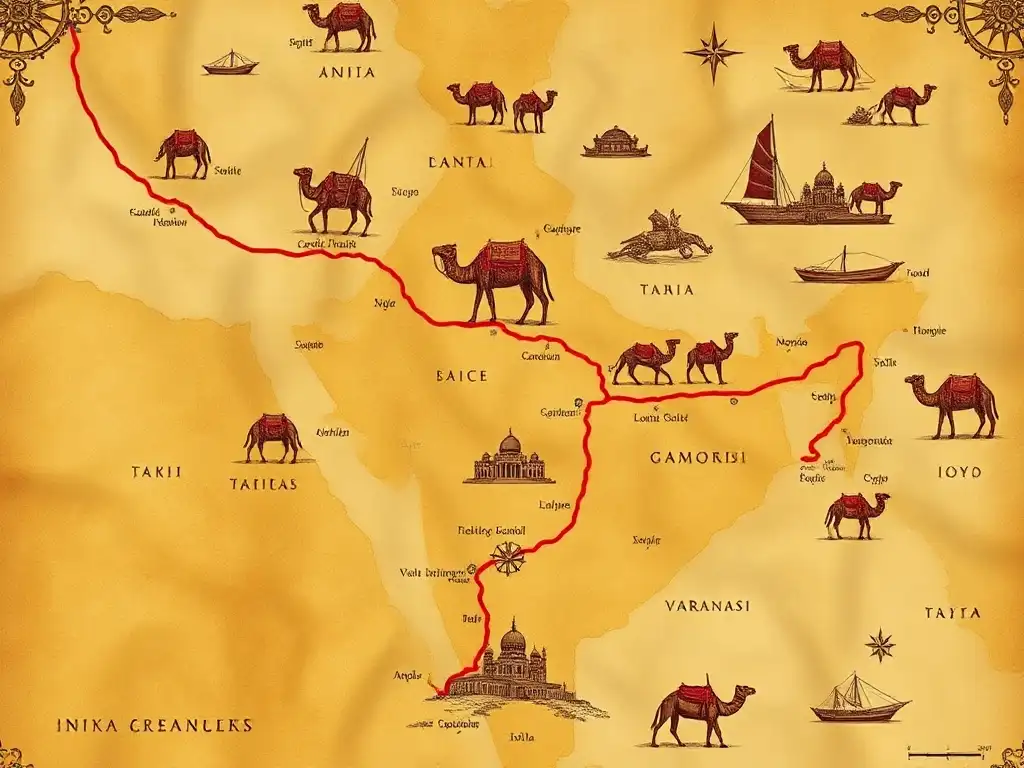
The Silk Road and Its Influence on India
The Silk Road was not just a singular pathway but a complex network of trade routes that connected the East and West, facilitating not only the exchange of goods but also the transfer of culture and ideas. Spanning thousands of miles, this extensive route linked India with regions such as Central Asia, Persia, and beyond to the Roman Empire.
Key Contributions of the Silk Road to Ancient Indian Trade
- Cultural Exchange: The Silk Road enabled the mingling of diverse cultures, with Indian traders playing a significant role in this interaction. Indian art, religion (particularly Buddhism), and philosophy spread to Central Asia and China, while foreign influences enriched Indian culture.
- Trade of Goods: India was a vital source of spices, textiles, and precious stones. Notably:
- Spices: Such as black pepper and cardamom, highly sought after in foreign markets.
- Textiles: Indian cotton and silk were renowned for their quality, leading to significant trade.
- Jewelry: Precious stones like diamonds and emeralds were traded extensively.
- Economic Impact: The trade along the Silk Road contributed to the prosperity of various Indian kingdoms. Cities like Taxila and Ujjain flourished as important trading hubs, showcasing the economic robustness fostered by these routes.
The Spice Route: Connecting Cultures
The Spice Route, often considered an offshoot of the main trade networks, was pivotal in establishing India as a center of spice trade. This network was instrumental in connecting India with the Middle East, Africa, and even parts of Europe.
Importance of the Spice Route
- Culinary Influence: Spices such as cloves, cinnamon, and nutmeg were not only used for flavoring food but also held medicinal properties. This led to a demand that spurred extensive trade.
- Cultural Interactions: As traders from various regions converged on Indian ports, there was a significant exchange of ideas, customs, and traditions. This intercultural dialogue enriched Indian society:
- Religious Exchange: The Spice Route facilitated the spread of religions like Islam and Hinduism across diverse territories.
- Art and Architecture: The influx of different cultural influences led to unique architectural styles and artistic expressions in Indian temples and cities.
- Economic Growth: The lucrative spice trade significantly boosted the Indian economy, leading to the establishment of powerful maritime trading empires. Indian ports such as Calicut and Cochin became bustling centers of commerce.
The Southern Trade Route: Trade with Southeast Asia
The Southern Trade Route primarily connected India with Southeast Asian nations, fostering a vibrant trade network that not only exchanged goods but also facilitated cultural ties.
Features of the Southern Trade Route
- Maritime Trade: This route was predominantly maritime, with Indian traders navigating the Indian Ocean to reach places like the Malay Archipelago and the coasts of Vietnam and Thailand. Key items traded included:
- Rice: A staple food product that was in demand in various regions.
- Metals and Minerals: Including iron, which was crucial for the development of tools and weapons.
- Cotton and Silk: Indian textiles were highly prized in Southeast Asian markets.
- Cultural Ties: The Southern Trade Route was crucial in spreading Indian culture and religion. Hinduism and Buddhism found fertile ground in Southeast Asia, leading to the establishment of numerous temples and cultural centers, such as:
- Angkor Wat: Reflecting Indian architectural influences.
- Borobudur: A monumental Buddhist temple in Indonesia, showcasing Indian artistic styles.
- Economic Impact: The trade with Southeast Asia significantly enhanced the wealth of Indian coastal kingdoms such as the Chola and Pandya dynasties. These interactions laid the groundwork for a shared cultural heritage that continues to resonate today.
The ancient Indian trade routes—including the Silk Road, the Spice Route, and the Southern Trade Route—were fundamental in fostering intercultural relationships and economic prosperity in ancient India. They not only facilitated the exchange of goods but also enriched the cultural tapestry of the regions involved, leaving a lasting legacy that shaped the history of trade and interaction in the ancient world.
The Role of Trade in Intercultural Relationship Building
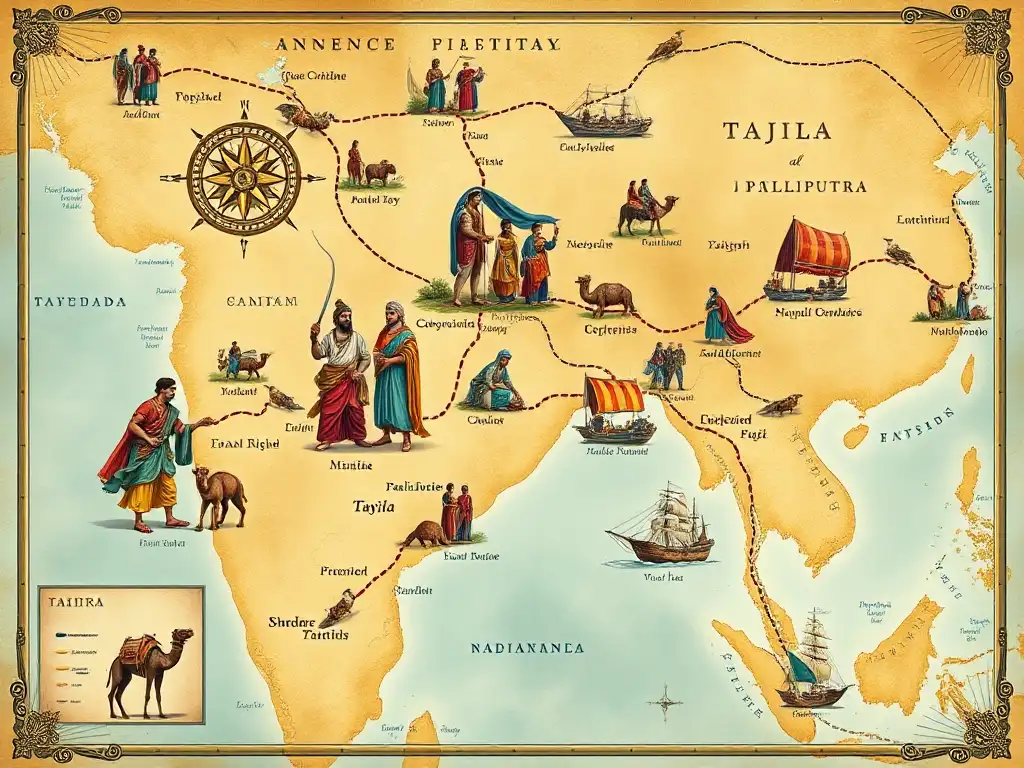
Cultural Exchange through Trade
Trade has always been a catalyst for cultural exchange, and ancient Indian trade routes were no exception. As merchants traversed these routes, they not only transported goods but also shared ideas, traditions, and practices that enriched the cultures they encountered.
- Goods as Cultural Messengers: The exchange of commodities such as spices, textiles, and precious metals facilitated a deeper understanding between different civilizations. For example, the export of Indian spices to regions like the Middle East and Europe significantly influenced local cuisines and food customs. Conversely, the influx of foreign goods, such as silk from China and glassware from the Roman Empire, introduced new aesthetics and practices into Indian society.
- Festivals and Traditions: The interactions among traders often led to the blending of cultural practices. Festivals that celebrated trade, such as the famous Kumbh Mela, became melting pots of rituals and traditions from various regions. These gatherings fostered communal ties and mutual respect among diverse ethnic groups.
- Religious Exchange: Trade routes also played a pivotal role in the spread of religious beliefs. The movement of traders and pilgrims facilitated the dissemination of Buddhism to Central Asia and beyond, while Hinduism and Jainism also found new followers along these routes. Temples and religious sites, such as those in the ancient city of Taxila, became hubs of intercultural dialogue, reflecting a tapestry of religious influences.
The Spread of Ideas and Innovations
The ancient Indian trade routes were not merely conduits for physical goods; they were also channels for the flow of ideas and innovations that shaped civilizations.
- Technological Advancements: Indian knowledge in metallurgy, mathematics, and astronomy traveled along these routes, influencing other cultures. For instance, the introduction of the numeral system, which later evolved into the decimal system, had its roots in ancient Indian mathematics and spread to the Arab world before reaching Europe.
- Art and Architecture: Artistic styles and architectural techniques were exchanged through trade. The influence of Indian art is evident in the stupas of Gandhara, where Greco-Buddhist art flourished due to the interaction between Indian and Hellenistic cultures. This fusion created a unique artistic style that impacted the visual language of subsequent cultures.
- Literature and Philosophy: Texts such as the Vedas and Upanishads, as well as stories from the Mahabharata and Ramayana, traveled along these routes, influencing literary traditions in neighboring cultures. The philosophical debates and ideas that emerged from Indian thought also found resonance in the realms of Persian and Greek philosophies, promoting a cross-pollination of intellectual traditions.
Interactions Between Different Civilizations
The ancient Indian trade routes served as a nexus for interactions between a multitude of civilizations, fostering a complex web of relationships that transcended geographical boundaries.
- The Silk Road Connection: The connection between Indian trade routes and the Silk Road illustrates the interconnectedness of ancient civilizations. Indian goods were often exchanged for Chinese silk, and this trade facilitated not only economic exchange but also cultural dialogue between the Indian subcontinent, Central Asia, and China.
- Maritime Trade Networks: The maritime routes that linked the Indian subcontinent with Southeast Asia and beyond were equally significant. Ports like Lothal and Arikamedu became vibrant hubs where Indian traders interacted with merchants from the Arabian Peninsula, East Africa, and the Malay Archipelago. This led to the establishment of diasporas that contributed to cultural diversity and integration in these regions.
- Political Alliances and Diplomacy: Trade also played a critical role in the formation of political alliances. As Indian kingdoms engaged in commerce with foreign powers, they often negotiated treaties that fostered peace and cooperation. The establishment of strategic trade relationships not only enhanced economic prosperity but also led to cultural diplomacy, exemplified by the exchanges between the Maurya Empire and the Hellenistic kingdoms.
Ancient Indian trade routes were instrumental in shaping intercultural relationships through cultural exchange, the dissemination of ideas, and interactions among various civilizations. Their legacy continues to resonate in the modern world, highlighting the importance of trade as a vehicle for cultural dialogue and mutual understanding.
Economic Impact of Ancient Indian Trade Routes
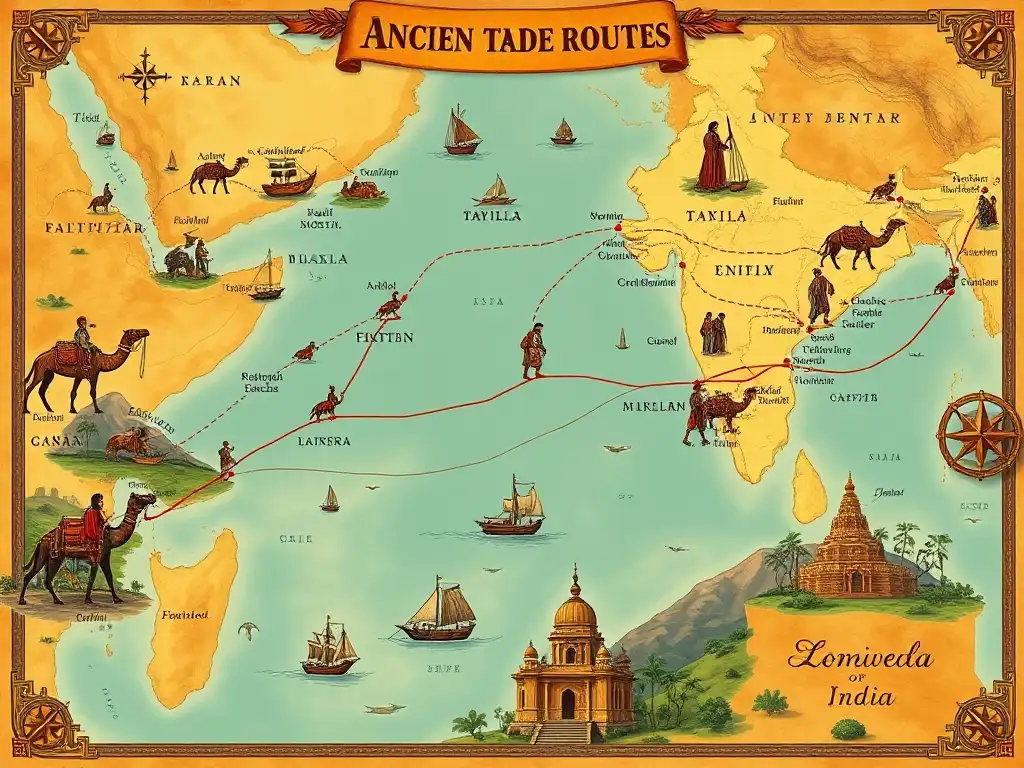
The ancient Indian trade routes played a monumental role in shaping the economy and fostering intercultural relationships across Asia and beyond. These trade routes not only facilitated the exchange of goods but also acted as conduits for ideas, culture, and technological advancements. The economic impact of these routes can be observed through various dimensions, including the types of trade goods exchanged, the emergence of trade cities, and the overall influence on the ancient Indian economy.
Trade Goods and Their Importance
The ancient Indian trade routes were characterized by a rich array of goods exchanged among various civilizations. Key trade goods included:
- Spices: India was renowned for its spices such as black pepper, cardamom, and cloves, which were highly sought after in markets across the world. The spice trade significantly contributed to the wealth of the Indian subcontinent.
- Textiles: Indian cotton and silk fabrics were prized for their quality and craftsmanship. These textiles were not only traded within India but also exported to regions like Rome and Persia.
- Metals and Gemstones: Precious metals such as gold and silver, as well as gemstones like diamonds and sapphires, were central to trade. India’s wealth in these resources attracted traders and facilitated extensive trade networks.
- Medicinal Herbs and Knowledge: Alongside goods, the exchange of knowledge about medicinal herbs and practices further enriched intercultural relationships, leading to advancements in medicine and health practices.
The importance of these goods extended beyond mere economic transactions; they influenced culinary traditions, fashion, and even religious practices in various cultures.
The Rise of Trade Cities and Marketplaces
As trade flourished, several cities emerged as significant trading hubs along ancient Indian trade routes. Notable cities included:
- Taxila: Located at a crossroads of various trade routes, Taxila became a center for commerce and education. It attracted traders from Central Asia and the Mediterranean, contributing to its economic and cultural vibrancy.
- Ujjain: Known for its strategic location and vibrant marketplaces, Ujjain served as a key trade center for goods moving between the east and west.
- Kanchi: This city became famous for its textiles and was a vital point for trade with Southeast Asia, facilitating cultural exchanges and economic transactions.
These cities were characterized by bustling marketplaces where merchants from different regions would gather to exchange goods. The rise of these trade cities not only boosted local economies but also encouraged cultural interactions, leading to a more interconnected world.
Influence on Ancient Indian Economy
The extensive network of ancient Indian trade routes had profound effects on the economy of the subcontinent:
- Economic Diversification: The influx of goods and wealth led to diversification in production and trade. Local artisans and manufacturers began to produce specialized goods to meet the demands of international markets.
- Urbanization: The growth of trade cities contributed to urbanization, with populations swelling as people moved to cities in search of economic opportunities. This urban growth fostered developments in infrastructure and public services.
- Cultural Exchange: The movement of traders facilitated not only the exchange of goods but also ideas, languages, and cultures. This cultural interchange enriched Indian society and contributed to its historical legacy.
The ancient Indian trade routes were a catalyst for economic development, shaping the subcontinent’s trade practices, urban landscapes, and cultural exchanges. Their legacy continues to be felt today, illustrating the enduring significance of these historical pathways in connecting civilizations.
Case Studies of Intercultural Relationships Fostered by Trade
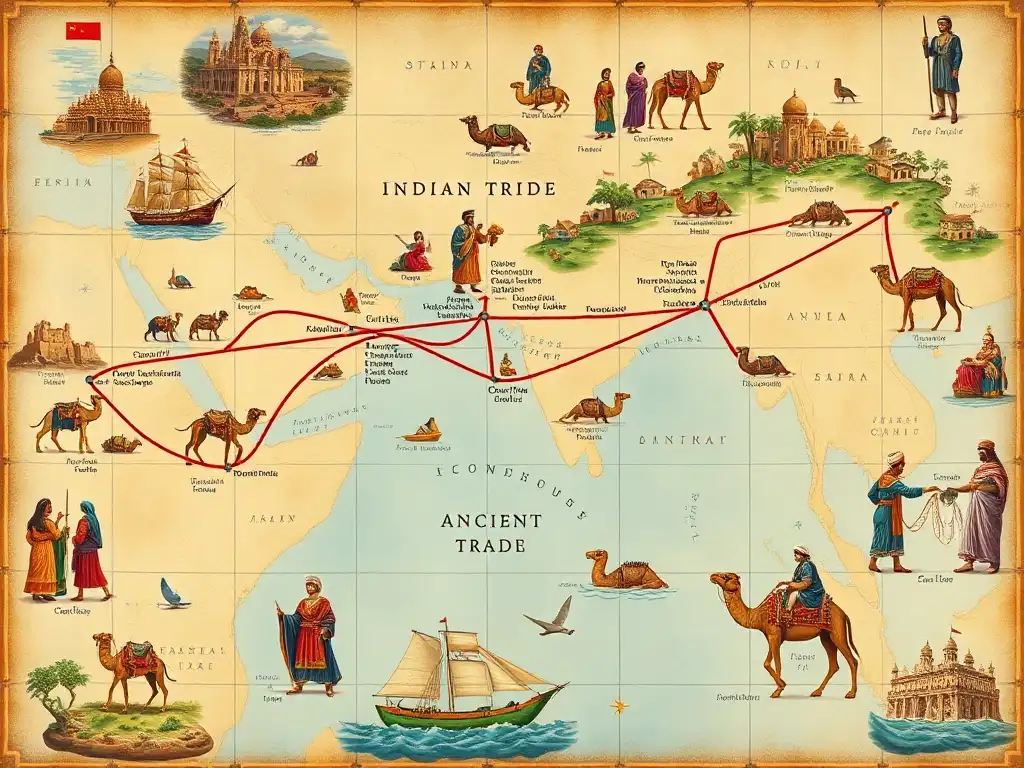
The Interaction with Hellenistic Cultures
The emergence of ancient Indian trade routes significantly influenced the interaction between Indian civilizations and Hellenistic cultures, particularly following the conquests of Alexander the Great in the 4th century BCE. This cross-cultural exchange was pivotal in shaping both societies, leading to a rich tapestry of shared knowledge, art, and commerce.
- Cultural Exchange: As trade flourished along routes such as the Northwest Frontier, Indian traders and Hellenistic merchants exchanged not only goods but also ideas. Hellenistic art and philosophy found their way into Indian culture, which was evident in the development of Greco-Buddhist art in regions like Gandhara. This unique blend of styles illustrates the profound impact of intercultural relationships on artistic expressions.
- Trade Goods: The trade routes facilitated the exchange of various commodities. Indian spices, textiles, and precious stones were highly sought after in Greek markets. In return, Indian merchants imported Greek olive oil, wine, and luxury items, enriching the material culture of both regions.
- Philosophical Dialogues: The interaction also led to philosophical exchanges, where ideas related to ethics, metaphysics, and governance were discussed. The arrival of Hellenistic philosophers in Indian courts influenced local thought, as seen in the writings of figures like Kautilya, who incorporated various philosophical traditions into his works.
Trade with the Roman Empire
The trade relations between ancient India and the Roman Empire were characterized by a vibrant exchange of goods and ideas, primarily facilitated through the maritime trade routes that connected the two civilizations.
- Maritime Trade Routes: The Indian Ocean trade network was a critical artery for commerce, linking ports like Arikamedu and Barygaza in India with major Roman ports such as Alexandria. This maritime route enabled the exchange of a plethora of goods, including Indian textiles, spices, and gems that captivated Roman consumers.
- Economic Impact: The economic impact of this trade was profound. Estimates suggest that Roman imports from India could have accounted for a significant portion of the Roman economy, with the flow of gold and silver towards India in exchange for luxury goods. This trade imbalance led to concerns among Roman authorities about the outflow of wealth.
- Cultural Influences: The contact with Roman traders also influenced Indian culture, as Roman coins and artifacts have been discovered at various archaeological sites in India. These artifacts indicate a blend of Roman and Indian craftsmanship, showcasing how ancient Indian trade routes were instrumental in fostering intercultural relationships.
Relations with Arabian Traders
The Arabian traders played a crucial role in the development of ancient Indian trade routes, particularly during the early centuries of the Common Era. Their involvement significantly impacted trade dynamics across the Indian Ocean.
- Silk and Spices: Arabian merchants acted as intermediaries, facilitating the trade of Indian silk and spices to distant markets, including Europe and Africa. They not only transported goods but also introduced new trading practices and navigational techniques that enhanced maritime trade efficiency.
- Religious and Cultural Exchange: The interactions fostered by trade led to significant cultural exchanges. The spread of Islam into the Indian subcontinent during the 7th century CE was partly facilitated by these trading relationships. As traders settled in coastal regions, they brought with them new religious beliefs, which began to intermingle with local traditions, enriching the cultural landscape of ancient India.
- Linguistic Influences: The trade routes also contributed to linguistic exchanges, with Arabic words and phrases being incorporated into local Indian languages. This linguistic blending reflects the depth of interactions that occurred through trade, showcasing how ancient Indian trade routes fostered not just economic but also social and cultural relationships.
By examining these case studies, it becomes clear that ancient Indian trade routes were not merely conduits for goods; they were vital channels for cultural, philosophical, and technological exchanges that shaped the civilizations involved.
Conclusion
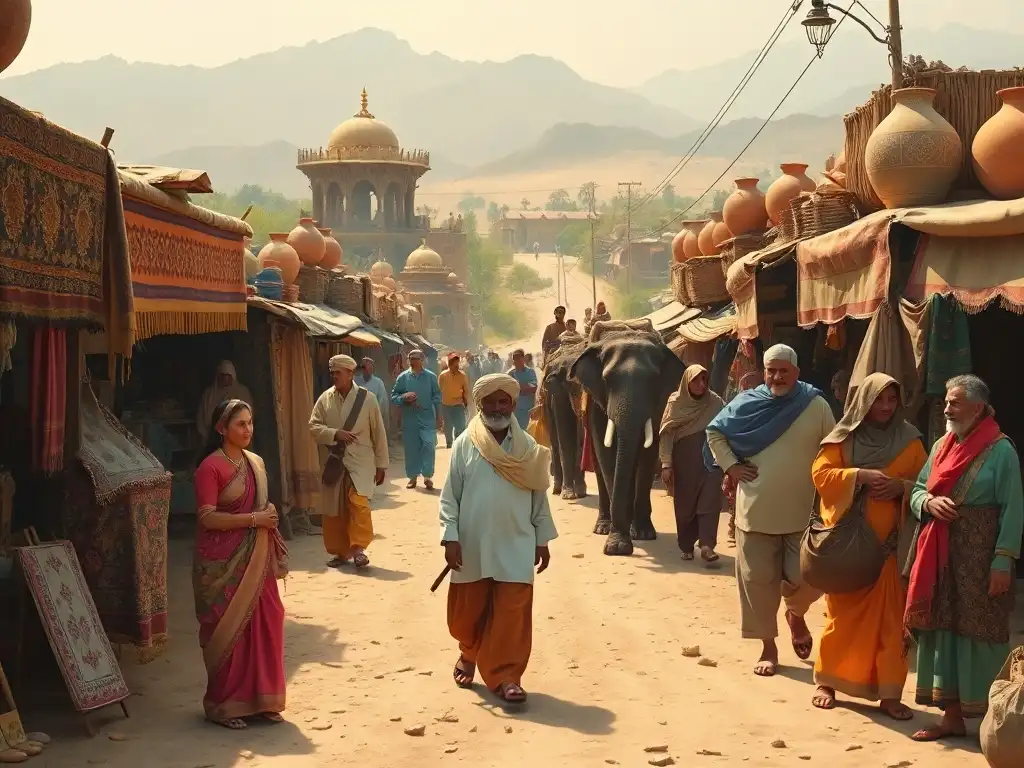
Summary of the Impact of Ancient Indian Trade Routes
Ancient Indian trade routes played a pivotal role in shaping not only the economy but also the cultural landscape of the subcontinent. These routes, including the Silk Road and maritime pathways, facilitated the exchange of goods, ideas, and technologies between diverse civilizations. The impact of these trade routes can be summarized as follows:
- Economic Prosperity: The ancient Indian trade routes contributed significantly to the economy, allowing merchants to transport valuable commodities such as spices, textiles, and precious stones. This economic activity not only enriched traders but also led to the flourishing of urban centers along these routes.
- Cultural Exchange: Through trade, India became a melting pot of different cultures. The movement of people along these routes introduced new religions, philosophies, and artistic styles. For instance, the spread of Buddhism to Central Asia and China was largely facilitated by merchants traveling these trade paths.
- Technological Advancements: Trade routes were conduits for technological innovations. Knowledge of metallurgy, agricultural practices, and textile production spread through interactions among traders and craftsmen, leading to advancements in various sectors.
- Diplomatic Relations: The interactions along these routes fostered diplomatic ties between ancient kingdoms. Alliances and treaties were often negotiated through trade agreements, enhancing political stability and fostering cooperation among diverse regions.
Lasting Legacy of Intercultural Relationships in India
The intercultural relationships forged through ancient Indian trade routes have left an indelible mark on the social fabric of India. The legacy of these relationships can be seen in several ways:
- Cultural Syncretism: The blending of various traditions and practices is a hallmark of Indian culture today. Ancient trade routes facilitated the amalgamation of different cultural elements, enriching Indian art, music, and cuisine.
- Religious Pluralism: The introduction and coexistence of multiple religions, such as Hinduism, Buddhism, Jainism, and later Islam, highlight the religious diversity that emerged from these intercultural exchanges. This pluralism is a defining characteristic of Indian society.
- Language and Literature: The interactions along trade routes contributed to the development of languages and literary traditions. The influence of Sanskrit, Persian, and Arabic on regional languages showcases the linguistic diversity that arose from these exchanges.
- Global Recognition: The historical significance of ancient Indian trade routes has garnered attention in contemporary scholarship and tourism. The legacy of these routes continues to be celebrated, emphasizing India's role in global trade and cultural exchanges throughout history.
Ancient Indian trade routes were not merely pathways for commerce; they were vital channels that fostered intercultural relationships, contributing to the rich tapestry of India's heritage. The impacts of these routes are still felt today, reflecting the enduring connections that transcended borders and shaped civilizations.
Frequently Asked Questions
What were the main ancient Indian trade routes?
The ancient Indian trade routes included the Silk Road, coastal routes along the Indian Ocean, and overland paths connecting India with Central Asia, facilitating the exchange of goods and culture.
How did ancient trade routes influence intercultural relationships?
These trade routes fostered intercultural relationships by enabling the exchange of not only goods but also ideas, religions, and customs between diverse civilizations, such as the Indus Valley and Mesopotamia.
What goods were commonly traded along these routes?
Commonly traded goods included spices, textiles, precious stones, and metals. India was particularly known for its silks and spices, which were highly sought after in other regions.
How did the Gupta Empire benefit from trade?
The Gupta Empire benefited from trade by enhancing its economy and establishing itself as a cultural hub. Trade facilitated the spread of scientific knowledge, literature, and art throughout the empire and beyond.
What impact did trade have on ancient Indian civilization?
Trade significantly impacted ancient Indian civilization by promoting urbanization, encouraging cultural exchanges, and contributing to the wealth and power of various kingdoms, enhancing their influence in the world.
Final Reflection: The Enduring Legacy of Ancient Indian Trade Routes
The intricate web of ancient Indian trade routes not only facilitated the exchange of goods but also served as a vital conduit for cultural and intellectual exchange, shaping civilizations across continents. Today, as we navigate a world increasingly defined by globalization, the lessons from these historical pathways remind us of the power of connection and collaboration. The past is not merely a series of events; it is a living narrative that continues to influence our interactions and understanding of one another.
The impact of ancient Indian trade routes extends far beyond commerce; they have woven a rich tapestry of cultural exchange that has shaped societies and fostered mutual respect. These routes were not just physical pathways; they were channels of ideas, philosophies, and innovations that transcended borders. As we reflect on this, we are reminded of the words of Mahatma Gandhi: Our ability to reach unity in diversity will be the beauty and the test of our civilization.
This sentiment resonates deeply today, as we strive to embrace diversity while recognizing our shared humanity.
As we move forward, let us take a moment to reflect on our own connections in this globalized world. How can we foster intercultural relationships in our daily lives, inspired by the ancient trade routes that once united diverse peoples? I invite you to explore your own community, seek out new perspectives, and engage with those who may differ from you. In doing so, we can create a modern tapestry of understanding and cooperation, echoing the spirit of the ancient traders who once traversed those routes, enriching not only their lives but also the lives of countless others.
Embark on a Journey Through History!
Thank you for taking the time to explore how ancient trade routes shaped intercultural connections. Your interest in this significant topic is invaluable, and you now hold insights into the rich tapestry of historical exchanges that have molded societies.
Now, let’s translate that knowledge into action! Here’s how you can continue your journey:
- Join a Discussion: Start a conversation about ancient trade routes in your local history group or online forums to share insights and learn from others.
- Explore Further: Delve deeper! Check out related articles on reputable history websites for a broader understanding of intercultural relationships.
- Connect with a Community: Attend historical workshops or seminars in your area, or participate in virtual webinars to meet fellow history enthusiasts.
What aspect of ancient trade routes intrigues you the most, and how do you think they still influence our modern interactions today?