
The Influence of Buddhism on Ancient Indian Sculpture: A Transformative Era

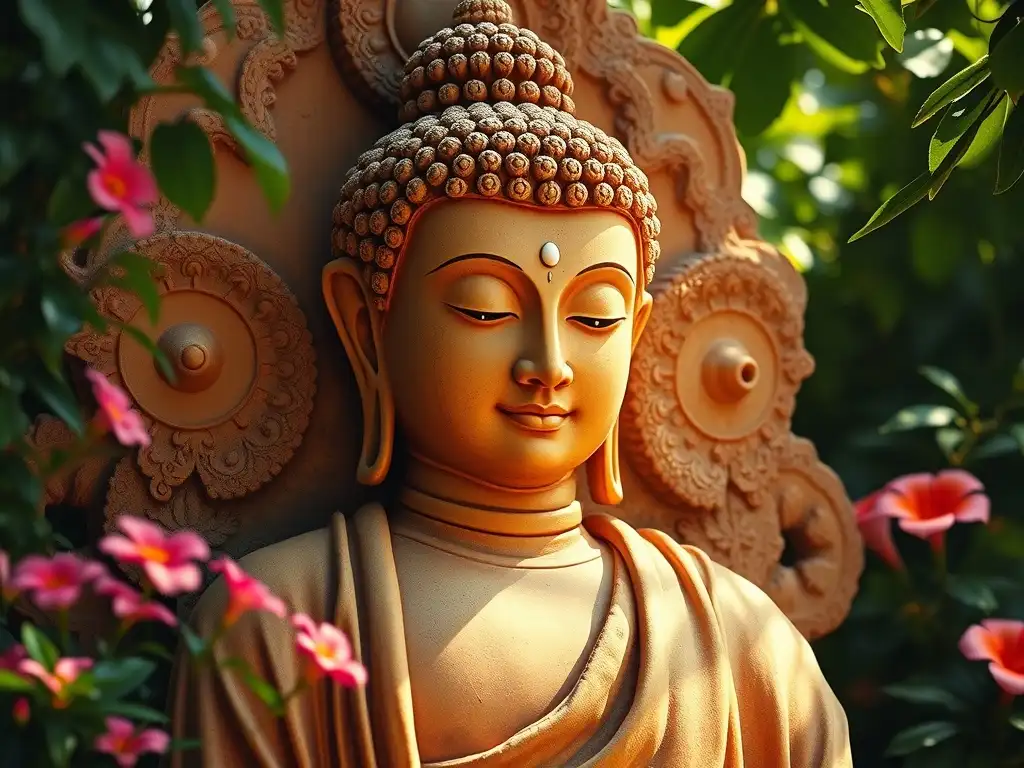
Welcome to Ancient India History, where we embark on a captivating journey through the rich tapestry of India's past. In our latest article, "The Influence of Buddhism on Ancient Indian Sculpture: A Transformative Era," we delve into the profound impact that Buddhism had on the artistic expressions of ancient civilizations. Discover how this spiritual movement sculpted not only the physical forms of art but also the very soul of Indian culture.
As we explore the intricate details of sculptures that emerged during this transformative period, prepare to uncover the stories and inspirations that shaped a legacy still revered today. Join us as we unveil the artistry and meaning behind these masterpieces, and let your curiosity guide you deeper into the world of ancient Indian heritage!
Introduction to Buddhism and Indian Sculpture
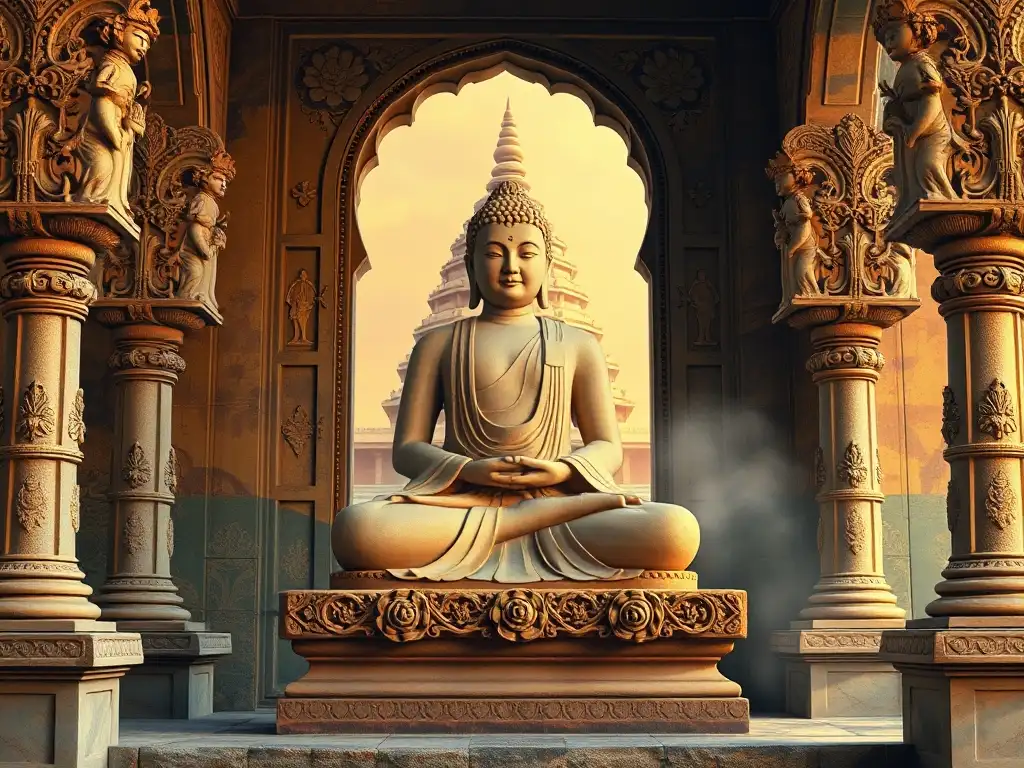
The influence of Buddhism on ancient Indian sculpture marks a transformative era in the development of visual arts within the subcontinent. Emerging around the 6th century BCE, Buddhism not only introduced new philosophical ideas but also significantly impacted artistic expressions. This period saw a dramatic shift in the themes, styles, and techniques utilized by sculptors across India, as they began to reflect the teachings of the Buddha and the narratives of his life. The evolution of Indian sculpture, influenced by Buddhist ideals, showcases a rich tapestry of creativity that symbolizes spiritual beliefs and cultural exchanges of the time.
Overview of Buddhism's Arrival in India
Buddhism originated in northeastern India, founded by Siddhartha Gautama, known as the Buddha. His teachings emphasized the path to enlightenment and detachment from worldly desires, resonating with many across various strata of society. As Buddhism spread throughout the Indian subcontinent, it began to flourish in regions such as Magadha and later extended to areas like Gandhara and Mathura. The establishment of monastic communities and stupas facilitated the propagation of Buddhist art, which became a medium to convey the philosophy and ethics of Buddhism through visual narratives.
The Context of Ancient Indian Sculpture
Prior to the arrival of Buddhism, ancient Indian sculpture was deeply rooted in religious and cultural expressions, predominantly influenced by Hinduism. The artwork primarily depicted deities and mythological figures, showcasing intricate craftsmanship and symbolic representation. However, with the advent of Buddhism, a new aesthetic language emerged. Sculptors began to explore human forms and emotions, crafting representations of the Buddha, Bodhisattvas, and other figures central to Buddhist teachings. This shift not only broadened the thematic scope of Indian sculpture but also introduced innovative techniques and stylistic elements that would define the artistic landscape of the era.
The Evolution of Indian Sculpture Under Buddhist Influence
The evolution of Indian sculpture during the Buddhist period can be characterized by a significant transformation in artistic styles and iconography. This period saw the emergence of unique forms that blended local traditions with new influences, creating a distinct identity for Buddhist art in India.
Transition from Early Art Forms to Buddhist Sculpture
The transition from early art forms to Buddhist sculpture was marked by a gradual shift in focus from the divine to the human experience. Early sculptures often emphasized grandeur and idealism, whereas Buddhist art began to portray more relatable figures and narratives. This evolution can be observed in the depiction of the Buddha, who was initially represented through symbolic motifs such as the lotus, wheel, or footprints. Over time, sculptors began to create more concrete representations of the Buddha, capturing his serene demeanor and spiritual significance, which resonated deeply with devotees.
Key Characteristics of Buddhist Sculpture in India
Buddhist sculpture in India is distinguished by several key characteristics that reflect its spiritual and cultural underpinnings:
- Naturalism: Unlike earlier rigid forms, Buddhist art embraced a more naturalistic approach, showcasing human emotions and realistic proportions.
- Symbolism: Each aspect of the sculpture often held deeper meanings, with gestures (mudras) and postures (asanas) conveying specific teachings and values.
- Iconography: The rich iconography included representations of not only the Buddha but also Bodhisattvas, monks, and significant scenes from Buddhist texts, enriching the narrative quality of the sculptures.
- Regional Variations: Different regions of India developed their own styles, influenced by local traditions and cultures, as seen in the contrasting features of Gandharan and Mathuran sculptures.
The impact of Buddhism on Indian sculpture is a testament to the transformative power of art in reflecting and shaping cultural narratives, leaving an enduring legacy that continues to inspire contemporary artists and scholars alike.
Major Themes in Buddhist Sculpture
Buddhist sculpture emerged as a significant art form in ancient India, reflecting the profound teachings and philosophies of Buddhism. The major themes in Buddhist sculpture encompass a wide range of symbolic representations, narratives, and stylistic elements that resonate with the spiritual essence of Buddhism. These themes not only serve as artistic expressions but also as vehicles for conveying the teachings of the Buddha and the values of the Buddhist community.
One prominent theme is the representation of the Buddha himself, which often showcases various postures, gestures (mudras), and attributes that signify different aspects of his enlightenment and teachings. Additionally, the depiction of bodhisattvas holds a significant place in Buddhist sculpture, illustrating the path of compassion and altruism that these enlightened beings embody. The narrative scenes, particularly the Jataka tales, are also extensively represented, depicting the previous lives of the Buddha and imparting moral lessons to the viewer.
Representation of the Buddha: Iconography and Symbolism
The representation of the Buddha is central to Buddhist sculpture, characterized by specific iconographic features that convey deep spiritual meanings. The Buddha is typically depicted in a serene posture, often seated in a lotus position, symbolizing tranquility and inner peace. His elongated earlobes reflect his royal heritage and renunciation of material wealth, while the ushnisha, a topknot of hair, signifies his enlightenment.
Iconographic elements such as the hand gestures (mudras) play a crucial role in conveying the Buddha's teachings. For instance, the dhyana mudra, with hands resting on the lap, represents meditation, while the dharmachakra mudra, with hands in a wheel-like formation, symbolizes the teaching of the Dharma. These symbols and gestures are not merely decorative; they serve as a means to communicate complex philosophical concepts to devotees and art enthusiasts alike.
Depiction of Bodhisattvas and Their Significance
Bodhisattvas, enlightened beings who delay their own nirvana to help others achieve enlightenment, are prominently featured in Buddhist sculpture. Their depiction is marked by elaborate adornments and compassionate expressions that convey their commitment to altruism. Unlike the Buddha, bodhisattvas are often portrayed in dynamic poses, symbolizing their active role in guiding sentient beings toward liberation.
The significance of bodhisattvas in Buddhist sculpture lies in their function as representations of ideal qualities such as compassion (karuna) and wisdom (prajna). Sculptures of notable bodhisattvas, such as Avalokiteshvara and Maitreya, serve as reminders of the virtues that practitioners aspire to cultivate. These figures not only enhance the visual narrative of Buddhist art but also reinforce the core values of the faith, making them integral to the broader understanding of Buddhism's impact on Indian sculpture.
Narrative Scenes: Jataka Tales in Sculpture
The Jataka tales, which recount the previous lives of the Buddha, are frequently depicted in Buddhist sculpture, serving as a narrative device that imparts moral lessons and ethical teachings. Each tale illustrates the virtues of compassion, wisdom, and selflessness, often featuring the Buddha in various incarnations, ranging from a humble animal to a noble human.
These narrative scenes are intricately carved in relief on stupa facades, temple walls, and other monumental structures, making them accessible to worshippers and travelers alike. The use of sculpture to depict Jataka tales allows for a unique storytelling experience, engaging viewers in the rich moral and philosophical landscape of Buddhism. By visualizing these tales, artists created a powerful medium through which the teachings of the Buddha could be communicated and preserved for generations.
Regional Variations of Buddhist Sculpture in Ancient India
The rich tapestry of ancient Indian Buddhist sculpture is marked by significant regional variations, each reflecting the unique cultural influences and artistic techniques of its locality. These variations highlight the adaptability of Buddhist iconography while retaining its core principles, contributing to a diverse artistic heritage throughout ancient India.
Gandhara School: Greco-Buddhist Influences
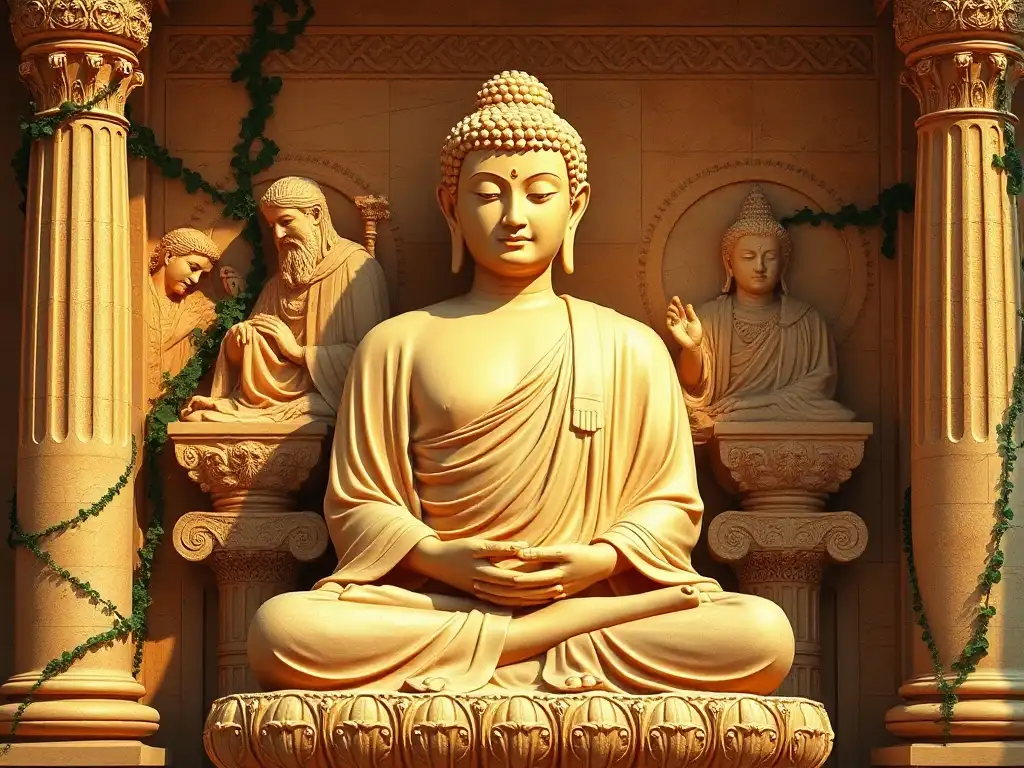
The Gandhara school of sculpture is renowned for its Greco-Buddhist influences, which emerged during the Kushan Empire in the first few centuries CE. This style is characterized by its realistic human figures, intricate drapery, and the incorporation of Hellenistic artistic elements. The Gandhara sculptors fused Indian themes with Greek techniques, resulting in a distinctive style that emphasized physical beauty and emotional expression.
Notable features of Gandhara sculpture include the portrayal of the Buddha with wavy hair and a beardless face, reminiscent of classical Greek representations. The use of stone as a primary medium also contributed to the durability of these works, many of which can still be admired today. The Gandhara school played a pivotal role in disseminating Buddhist art beyond India, influencing regions such as Central Asia and China.
Mathura School: Indigenous Styles and Techniques
In contrast to the Gandhara school, the Mathura school epitomizes indigenous Indian styles and techniques in Buddhist sculpture. Flourishing between the 1st and 3rd centuries CE, the Mathura school is known for its bold, expressive figures and a distinctive approach to iconography. The sculptures often reflect a more robust and earthy aesthetic, with an emphasis on conveying spiritual emotions through facial expressions and postures.
The Mathura school also features a unique representation of the Buddha, characterized by a more humanized and approachable style. This regional variation highlights the localized interpretation of Buddhist teachings, making them resonate with the Indian populace. The sculptures from Mathura served as a bridge between religious devotion and artistic expression, capturing the essence of Indian spirituality.
Ajanta Caves: Architectural Marvels and Sculptural Excellence
The Ajanta Caves, a UNESCO World Heritage Site, showcase some of the most exquisite examples of Buddhist sculpture in ancient India. Carved into rock cliffs between the 2nd century BCE and the 6th century CE, the caves are adorned with intricate sculptures and frescoes that narrate the life of the Buddha and various Jataka tales.
The sculptural excellence found in the Ajanta Caves reflects the zenith of Buddhist art, characterized by fluid forms, intricate detailing, and a profound sense of spirituality. The figures are often depicted in graceful poses, embodying the ideals of compassion and wisdom central to Buddhism. Moreover, the architectural layout of the caves enhances the viewer's experience, as the sculptures are strategically placed to engage worshippers in a contemplative journey through the teachings of the Buddha. The Ajanta Caves remain a testament to the transformative era of Buddhism's impact on Indian sculpture.
Techniques and Materials Used in Buddhist Sculpture
The evolution of Buddhist sculpture in ancient India is marked by a variety of techniques and materials that reflect both the religious significance of the art form and the technological advancements of the time. From the meticulous stone carving practices to the innovative use of metals, each technique contributed to the development of a unique artistic language that communicated Buddhist ideals.
Stone Carving Techniques in Ancient India
Stone carving was the predominant technique used in the creation of Buddhist sculptures. Artisans employed a range of tools, including chisels and hammers, to carve intricate figures from hard stones like sandstone and limestone. The technique of relief carving was particularly popular, where sculptures were carved directly into the stone surface, creating a three-dimensional effect that brought the figures to life.
Another significant method was free-standing sculpture, which involved creating individual statues that could be viewed from all angles. This technique was exemplified in the iconic sculptures of the Buddha, where the details of the robes, facial expressions, and postures were meticulously rendered to convey serenity and enlightenment. Over time, the skill of stone carvers improved, leading to increasingly sophisticated representations of deities and narratives from Buddhist texts.
Use of Materials: From Rock to Bronze
The choice of materials in Buddhist sculpture evolved significantly during the ancient period. Initially, artisans predominantly used stone due to its durability and availability. However, as techniques advanced, there was a notable shift towards the use of metals, particularly bronze. This transition allowed for more intricate designs and greater flexibility in the production of sculptures.
Bronze sculptures could be cast using the lost-wax casting technique, which enabled artisans to create detailed and delicate features that stone could not accommodate. This method involved making a wax model of the sculpture, covering it with clay, and then heating it to melt away the wax, leaving a hollow mold for pouring the molten bronze. The resulting sculptures were not only aesthetically pleasing but also easier to transport, further spreading Buddhist art across regions.
Innovations in Sculpture Craftsmanship During the Buddhist Era
The Buddhist era saw significant innovations in craftsmanship that transformed traditional artistic practices. One such advancement was the introduction of polychromy, where sculptures were painted with vibrant colors to enhance their visual appeal and convey symbolic meanings. This practice helped to make the figures more relatable to devotees and emphasized their divine attributes.
Moreover, the creation of iconographic systems during this period allowed for the standardized representation of various Buddhist figures, such as the Buddha and Bodhisattvas. These iconographic conventions included specific gestures (mudras), postures (asanas), and attributes, making it easier for worshippers to identify and connect with the figures. The blending of these innovations into the existing techniques marked a transformative era in Indian sculpture, where spiritual narratives were vividly expressed through artistic forms.
Buddhism's Impact on Artistic Techniques and Styles
Buddhism profoundly influenced artistic techniques and styles in ancient Indian sculpture, leading to a rich tapestry of visual representations that embodied the principles of the faith. This impact can be observed in the shift of aesthetic sensibilities and the collaborative efforts of monastic communities in art production.
Shift in Aesthetic Sensibilities Due to Buddhist Philosophy
Buddhist philosophy emphasized concepts such as impermanence, compassion, and enlightenment, which were reflected in the evolving aesthetics of sculpture. Unlike previous artistic styles that focused on grandeur and opulence, Buddhist art leaned towards simplicity and serenity. The iconic representations of the Buddha often depicted him in a tranquil seated position, embodying inner peace and mindfulness.
This philosophical shift also encouraged a focus on narrative storytelling within the sculptures. Artists began to depict scenes from the Jataka tales—stories of the Buddha's previous lives—which served both as moral lessons and spiritual inspiration for followers. The stylization in these narratives emphasized the spiritual journey over material wealth, leading to a more introspective approach to art.
The Role of Monastic Communities in Art Production
Monastic communities played a crucial role in the production and patronage of Buddhist sculpture. Temples and monasteries became centers of artistic activity, where monks and artisans collaborated to create sculptures that adorned sacred spaces. These communities often provided the necessary resources, including funding and materials, which facilitated the creation of large-scale projects.
Additionally, monastic teachings emphasized the importance of art as a means of devotion and communication of Buddhist ideals. As a result, the sculptures produced during this period were not merely decorative; they served as vital tools for education and meditation, helping to spread Buddhist teachings among the laity. The interplay between spirituality and artistry thus became a defining characteristic of Buddhist sculpture in ancient India, leaving a lasting legacy that continues to influence art today.
The Legacy of Buddhism on Later Indian Sculpture
The legacy of Buddhism significantly shaped the trajectory of Indian sculpture, creating a foundation that would influence various artistic movements for centuries. Following the establishment of Buddhism in India, its principles and iconography began to permeate the broader landscape of Indian art. Key elements, such as the depiction of the human form, intricate narratives, and spiritual themes, became integral to the artistic expressions that followed.
Buddhist sculpture introduced a unique approach to realism and emotional depth that resonated with artists in subsequent eras. The portrayal of the Buddha, often depicted in meditative poses or teaching stances, set a precedent for the representation of deities and saints in later Indian art. This approach encouraged a shift towards more naturalistic forms, allowing artists to explore human expressions and relationships in their works.
Influence on Post-Buddhist Art Movements
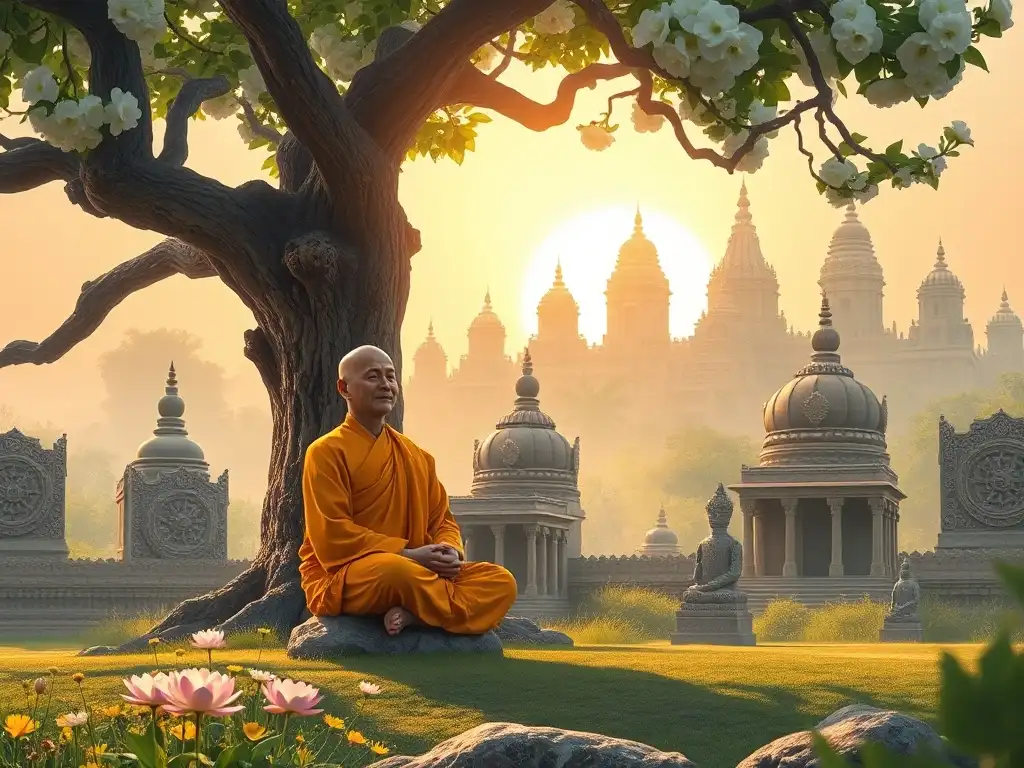
The influence of Buddhism on post-Buddhist art movements can be traced through various dynasties and regions in India. As Buddhism began to decline in prominence, its stylistic elements continued to inspire the artistic endeavors of Hindu and Jain artists. The Gupta period, known for its remarkable contributions to Indian art, saw the incorporation of Buddhist motifs into Hindu temple sculptures, blending the spiritual significance of both traditions.
Notable examples include the exquisite carvings at the Ajanta and Ellora caves, where Buddhist motifs coexist with Hindu iconography. The fluidity of style and form during this period illustrates the adaptability of artistic expression that emerged from the Buddhist tradition. Additionally, the use of narrative reliefs and storytelling techniques became a hallmark of Indian sculpture, reflecting the influence of Buddhist teachings and parables.
Continuation of Buddhist Themes in Medieval Indian Sculpture
Even as the prominence of Buddhism waned, its themes remained embedded in the fabric of medieval Indian sculpture. The artistic expression during the medieval period often revisited Buddhist narratives and symbols, integrating them into the broader spiritual context of Hinduism and Jainism. The emergence of new styles, such as the Chola and Vijayanagara art, demonstrated a continued reverence for Buddhist themes, albeit reinterpreted within different religious frameworks.
Sculptures from this period often depicted scenes from the Jataka tales, emphasizing moral lessons and the cyclical nature of life, which were central to Buddhist philosophy. This continuity of theme not only illustrates the enduring impact of Buddhism but also highlights the syncretic nature of Indian art, where diverse influences coalesce to create rich and multifaceted expressions.
Conclusion: The Lasting Impact of Buddhism on Indian Sculpture
The impact of Buddhism on Indian sculpture is profound and enduring, shaping not only the art of its time but also leaving a lasting legacy that can still be felt today. The artistic innovations and cultural exchanges initiated by Buddhist traditions provided a framework for future artists to explore spirituality, emotion, and narrative in their work.
Buddhism's emphasis on compassion, mindfulness, and the pursuit of enlightenment influenced the thematic development of Indian sculpture, encouraging a deeper exploration of human experiences and existential questions. The stylistic advancements that emerged during this transformative era laid the groundwork for the diverse expressions of Indian art that followed.
Reflection on Buddhism’s Transformative Role in Ancient Art
Reflecting on Buddhism’s transformative role in ancient art reveals the intricate interplay between spirituality and creativity. The introduction of Buddhist iconography and philosophies fostered a new artistic language that transcended mere representation, inviting viewers to engage with profound spiritual concepts. This shift not only enriched the visual arts but also facilitated a broader dialogue on the nature of existence, morality, and the human condition.
The legacy of Buddhist sculpture serves as a testament to the power of art as a vehicle for cultural exchange and philosophical discourse. The masterpieces from ancient India continue to inspire contemporary artists, scholars, and enthusiasts, encouraging a deeper appreciation for the interconnectedness of art and spirituality.
The Importance of Preserving Buddhist Sculptural Heritage
Preserving Buddhist sculptural heritage is crucial for understanding the historical and cultural tapestry of ancient India. These artifacts not only represent the artistic achievements of their time but also serve as vital links to the spiritual and philosophical traditions that shaped Indian civilization. Conservation efforts are essential to safeguard these treasures for future generations, ensuring that the stories and teachings embedded within them continue to resonate.
Moreover, the preservation of Buddhist sculpture contributes to the collective cultural identity of India, fostering a sense of pride and continuity among its people. Engaging with this heritage can inspire dialogue and understanding among diverse communities, highlighting the importance of mutual respect and shared history. As we strive to protect and celebrate this rich artistic legacy, we acknowledge the profound impact that Buddhism has had on the evolution of Indian sculpture and, by extension, the broader visual arts.
Further Reading and Resources
The exploration of Buddhism's impact on Indian sculpture is a vast and intricate subject, enriched by numerous scholarly works and resources. Whether you're a student, a researcher, or simply an enthusiast, the following recommendations will enhance your understanding of this transformative era in ancient Indian art.
Recommended Books on Buddhism and Indian Sculpture
-
"The Art of Buddhism: An Introduction to Its History and Meaning" by Denise Patry Leidy
This comprehensive guide provides an in-depth look at the evolution of Buddhist art across different cultures and periods. Leidy's work highlights key sculptures and their significance in the context of Buddhist teachings.
-
"Buddhist Sculpture in India" by John Seyller
Seyller's book is a critical resource that examines the stylistic and thematic developments of Buddhist sculpture in India. It discusses various schools of thought and regional variations that emerged during different dynasties.
-
"Indian Sculpture: A History" by M. S. Mate
This essential text offers a chronological overview of Indian sculpture, with a significant focus on the influence of Buddhism. Mate analyzes various sculptures, providing insights into their cultural and historical contexts.
-
"The Buddha: A Very Short Introduction" by Michael Carrithers
While this book provides a broader overview of Buddhism, it includes relevant discussions on how Buddhist philosophy informed the artistic expressions in sculpture, making it a valuable read for understanding the spiritual underpinnings of the art form.
-
"A History of Indian Art" by Dharmendra Prasad
This book presents a detailed account of Indian art history, including a significant section on Buddhist sculpture. Prasad's analysis offers a comprehensive understanding of the relationship between art and religion in ancient India.
Online Resources for Exploring Buddhist Art History
-
The Asian Art Museum's Buddhist Art Collection
This online resource features a vast array of images and descriptions of Buddhist sculptures from various periods. The museum offers detailed insights into the historical context and significance of each piece.
-
The British Museum's Digital Collection
The British Museum provides access to an extensive online database of Buddhist art, including sculptures. Users can explore high-resolution images along with scholarly descriptions and curatorial insights.
-
Buddhist Art Resources (Harvard University)
Harvard's dedicated portal offers a collection of lectures, articles, and visual resources focused on Buddhist art history. This is an excellent resource for students and scholars looking to delve deeper into specific themes and periods.
-
Google Arts & Culture: Buddhist Art
This platform compiles artworks from various museums around the world. The dedicated section on Buddhist art allows users to explore notable sculptures, learn about their origins, and understand their influence across cultures.
-
YouTube Channels Dedicated to Art History
Channels like "The Art History Babes" and "The School of Life" feature videos that discuss Buddhist art and its impact on Indian sculpture. These engaging formats offer a unique way to visualize and understand the subject matter.
By utilizing these recommended books and online resources, readers can further immerse themselves in the rich tapestry of Buddhism's influence on Indian sculpture, enhancing their appreciation and understanding of this transformative artistic era.
- Introduction to Buddhism and Indian Sculpture
- The Evolution of Indian Sculpture Under Buddhist Influence
- Major Themes in Buddhist Sculpture
- Representation of the Buddha: Iconography and Symbolism
- Depiction of Bodhisattvas and Their Significance
- Narrative Scenes: Jataka Tales in Sculpture
- Regional Variations of Buddhist Sculpture in Ancient India
- Gandhara School: Greco-Buddhist Influences
- Mathura School: Indigenous Styles and Techniques
- Ajanta Caves: Architectural Marvels and Sculptural Excellence
- Techniques and Materials Used in Buddhist Sculpture
- Buddhism's Impact on Artistic Techniques and Styles
- The Legacy of Buddhism on Later Indian Sculpture
- Influence on Post-Buddhist Art Movements
- Continuation of Buddhist Themes in Medieval Indian Sculpture
- Conclusion: The Lasting Impact of Buddhism on Indian Sculpture
- Reflection on Buddhism’s Transformative Role in Ancient Art
- The Importance of Preserving Buddhist Sculptural Heritage
- Further Reading and Resources
- What was the impact of Buddhism on Indian sculpture?
- How did Buddhist art differ from earlier Indian art?
- What are some key features of Buddhist sculptures in ancient India?
- Which periods saw the most significant development in Buddhist sculpture?
- How did the spread of Buddhism influence regional artistic styles?
Frequently Asked Questions
What was the impact of Buddhism on Indian sculpture?
Buddhism profoundly influenced Indian sculpture by introducing new themes, such as the depiction of the Buddha and Bodhisattvas, which transformed the artistry and iconography of the time.
How did Buddhist art differ from earlier Indian art?
Buddhist art focused more on spiritual representation and narrative storytelling, using symbolism to convey religious teachings, contrasting with earlier art that primarily showcased deities and royalty.
What are some key features of Buddhist sculptures in ancient India?
Key features include the use of mudras (hand gestures), realistic portrayals of human emotions, and intricate symbolism, reflecting the philosophical depth of Buddhism.
Which periods saw the most significant development in Buddhist sculpture?
The Maurya and Gupta periods marked significant advancements, with the Sanchi Stupa and Ajanta Caves showcasing the evolution of style and technique in Buddhist sculpture.
How did the spread of Buddhism influence regional artistic styles?
As Buddhism spread, it absorbed local artistic traditions, leading to diverse styles, such as Gandhara art, which combined Indian and Greco-Roman influences in its sculptures.
Final Reflection: The Enduring Impact of Buddhism on Indian Sculpture
The influence of Buddhism on Indian sculpture is not just a historical phenomenon; it is a testament to the transformative power of art and spirituality in shaping cultural identities. Today, as we navigate a world increasingly defined by diversity and interconnectedness, the lessons drawn from this era remind us of the profound ways in which belief systems can inspire creativity and foster unity. The intricate carvings and serene figures of ancient Indian sculptures serve as a bridge connecting past and present, inviting us to reflect on the enduring legacy of Buddhism in the realm of artistic expression.
Culturally, the impact of Buddhism on Indian sculpture has been monumental, shaping not only artistic techniques but also societal values and spiritual practices. The intricate narratives depicted in these sculptures resonate deeply with themes of compassion, enlightenment, and the quest for inner peace. As we observe the ongoing influence of these artistic traditions, we are reminded of the words of the renowned art historian Ananda K. Coomaraswamy: The artist is not a special kind of person; every person is a special kind of artist.
This perspective encourages us to recognize the artistry within ourselves and the world around us, fostering a deeper appreciation for the cultural heritage that continues to inspire us today.
As we conclude our exploration of Buddhism's impact on Indian sculpture, I invite you to reflect on how these timeless teachings can resonate in your own life. Consider how the principles of mindfulness, compassion, and creativity can transform not only your personal journey but also the communities you inhabit. Let the beauty and depth of ancient Indian sculptures inspire you to seek out and celebrate the artistic expressions in your surroundings, and perhaps even to create your own. Embrace the transformative power of art, and allow it to guide you toward a more harmonious and enlightened existence.
Unveil the Timeless Legacy of Buddhist Sculpture!
Thank you for taking the time to explore the captivating influence of Buddhism on ancient Indian sculpture. Your journey through this transformative era not only deepens your understanding of art but also enriches your appreciation for cultural history. Now, let's take the next step together!
- Dive deeper: Visit local museums or online galleries to discover stunning examples of Buddhist sculptures and their intricate details.
- Engage with the community: Join a discussion group or online forum focused on ancient Indian art to share insights and learn from others.
- Spread the word: Share this article with friends who appreciate art and history, and inspire them to explore the beauty and significance of these sculptures.
What aspect of Buddhist sculpture resonates with you the most, and how do you think it has shaped modern art? Let's discuss in the comments below!