
Trade Routes of the Ancients: The Economic Ties Between India and Greece

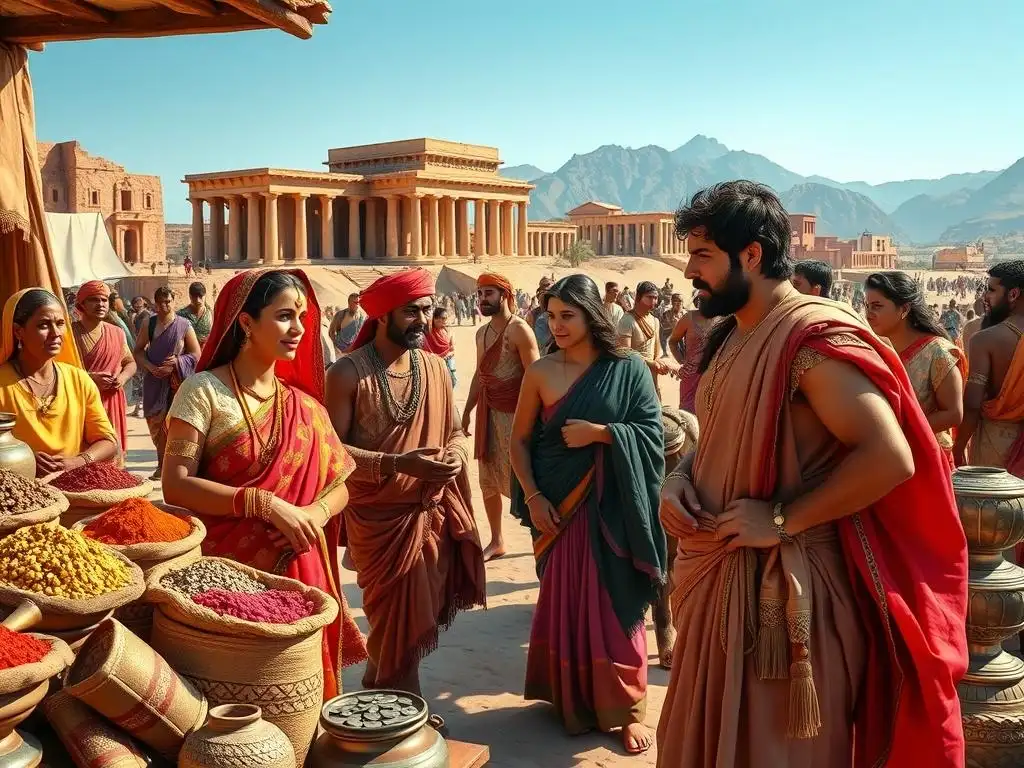
Welcome to Ancient India History, where we embark on a fascinating journey through the rich tapestry of India’s past. In this exploration, we shine a spotlight on the intricate web of trade routes that connected ancient India and Greece, revealing how these economic ties shaped cultures and influenced civilizations. Are you curious about how these interactions not only facilitated commerce but also sparked exchanges of ideas and innovations?
Dive into our article, “ Trade Routes of the Ancients: The Economic Ties Between India and Greece,” and uncover the captivating stories behind these ancient pathways that bridged worlds. Your adventure through history awaits!
Introduction to Ancient India and Greece Trade Routes
The ancient world was characterized by a complex web of trade routes that not only facilitated the exchange of goods but also fostered cultural interactions among civilizations. Among these, the trade routes between Ancient India and Greece stand out as significant conduits for economic and cultural exchange.
From the bustling markets of the Indus Valley to the vibrant city-states of Greece, these routes enabled the flow of spices, textiles, and precious metals, laying the groundwork for intricate relationships that would influence both regions for centuries. Understanding the ancient India Greece trade routes not only sheds light on the economic ties that bound these civilizations but also reveals the profound impacts of trade on their social, political, and cultural landscapes.
Overview of Economic Interactions
The economic interactions between India and Greece were multifaceted, encompassing a variety of commodities and services. Trade was not limited to tangible goods; it also involved the exchange of ideas, technologies, and cultural practices. Key exports from India included:
- Spices: Such as pepper, cardamom, and cinnamon, which were highly sought after in Greek markets.
- Silks and Textiles: Exquisite Indian fabrics that captivated the Greek elite.
- Precious Stones: Including diamonds and pearls that adorned Greek jewelry.
In return, Greece offered products such as:
- Olive Oil: A staple in ancient diets, essential for cooking and ceremonial uses.
- Wine: A highly valued beverage that became integral to social gatherings.
- Art and Philosophy: Intellectual exchanges greatly influenced Indian philosophy and culture.
Importance of Trade in Ancient Civilizations
Trade was a cornerstone of ancient civilizations, serving as a catalyst for economic prosperity and cultural enrichment. It was through trade that societies were able to:
- Stimulate Economic Growth: Increased demand for goods led to the expansion of production and innovation.
- Foster Cultural Exchange: Interactions among traders facilitated the sharing of languages, religions, and customs, enriching both cultures.
- Establish Political Alliances: Economic ties often translated into diplomatic relationships, paving the way for political stability and cooperation.
Historical Context of Trade Between India and Greece
The Emergence of Trade Routes
The establishment of trade routes between India and Greece can be traced back to several key factors, including geographical advantages and the rise of powerful empires. The Silk Road and maritime routes across the Indian Ocean played pivotal roles in this development. Key points include:
- Geographical Positioning: India’s strategic location made it a natural hub for trade between the East and West.
- Cultural Interactions: The conquests of Alexander the Great in the 4th century BCE opened new pathways for trade and cultural exchanges.
- Emergence of Cities: Port cities like Brokopolis and Taxila became vital centers for commerce, connecting Indian traders with Greek merchants.
Key Historical Periods Influencing Trade
Several historical epochs significantly influenced the dynamics of trade between India and Greece:
- The Mauryan Empire (322–185 BCE): Under Chandragupta Maurya and his grandson Ashoka, trade flourished, with extensive networks established to facilitate the exchange of goods and ideas.
- The Hellenistic Period (323–30 BCE): Following Alexander’s campaigns, the fusion of Greek and Indian cultures intensified, leading to increased trade activity.
- The Gupta Empire (c. 240–550 CE): A period marked by economic prosperity, where trade routes expanded further, linking India with the Mediterranean world.
By exploring these trade routes and their historical contexts, we can gain valuable insights into how ancient civilizations interacted, influenced one another, and laid the foundations for future exchanges.
Major Trade Routes Connecting India and Greece
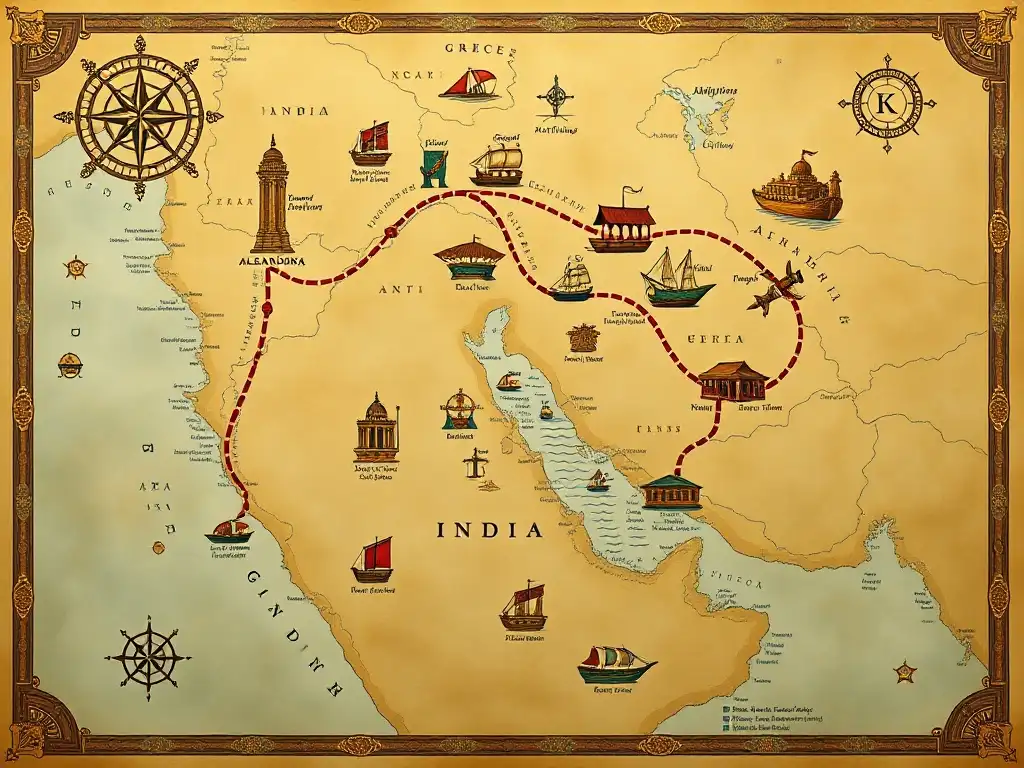
The trade routes between ancient India and Greece were pivotal in establishing economic and cultural exchanges that enriched both civilizations. These routes facilitated not only the movement of goods but also ideas, technologies, and cultural practices. The interactions along these pathways contributed significantly to the development of trade networks that became integral to both regions. The primary trade routes can be categorized into maritime and overland routes, each playing a vital role in the dynamics of trade and commerce.
The Silk Road: A Gateway for Cultural Exchange
The Silk Road, a vast network of trade routes connecting the East and West, served as a crucial conduit for trade between ancient India and Greece. This route extended from the eastern regions of China to the Mediterranean, traversing through Central Asia and the Indian subcontinent. Merchants traveled along this winding path, exchanging not just goods but also cultural and intellectual ideas.
- Cultural Exchange: The Silk Road facilitated the spread of philosophies, religions, and customs. Buddhism, for example, traveled from India to Greece, influencing local cultures.
- Goods Transported: Along this route, a variety of goods were traded, including silk, spices, and precious stones, which were highly sought after in both regions.
The Silk Road's significance lies not only in its economic impact but also in its role as a bridge between diverse cultures, fostering an environment of mutual exchange and learning.
Maritime Routes: The Sea Connection Between India and Greece
The maritime routes connecting India and Greece were equally important, allowing for the transport of goods over vast distances via the Indian Ocean and the Mediterranean Sea.
- Key Ports: Major ports such as Alexandria in Egypt and ports along the western coast of India, like Muziris, became bustling hubs of trade. These ports facilitated direct maritime trade, reducing the need for overland travel.
- Navigational Advances: The development of navigational techniques and shipbuilding during this era made sea travel more efficient, leading to increased trade volumes and the establishment of trading communities.
The maritime routes not only connected India and Greece through commerce but also enabled the exchange of cultural practices, culinary traditions, and artistic influences, enriching the civilizations involved.
Overland Trade Routes: Caravans and Land Exchanges
Overland trade routes played a significant role in connecting India and Greece, particularly during the era of the Persian Empire and the subsequent Hellenistic period.
- Caravan Trade: Camel caravans traversed these routes, carrying goods such as spices, textiles, and precious metals. The famed 'Royal Road' facilitated these exchanges, promoting trade between various regions.
- Cultural Interactions: Towns along these routes became melting pots of different cultures. As traders, travelers, and scholars interacted, they exchanged not only goods but also ideas, contributing to the intellectual richness of both civilizations.
These overland routes helped to solidify economic ties and foster deeper connections between India and Greece, playing a crucial role in their historical relations.
Goods Traded Between Ancient India and Greece
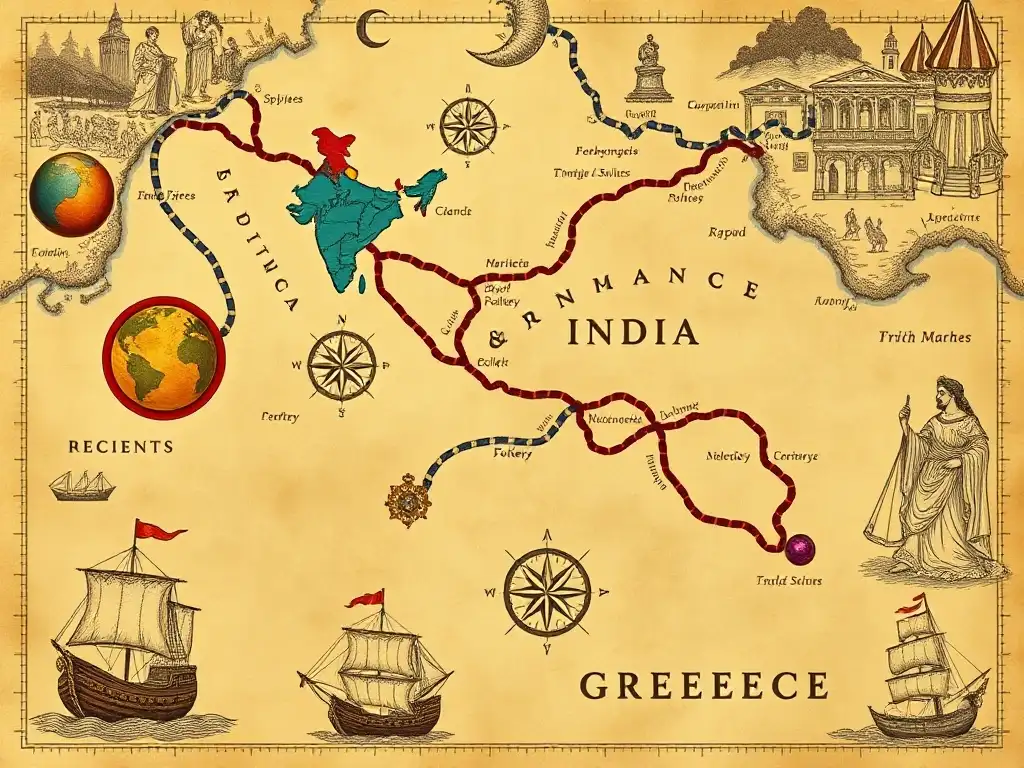
The trade between ancient India and Greece was marked by the exchange of a variety of goods, which were highly valued in their respective markets. This trade not only reflects the economic ties but also highlights the cultural significance of the commodities exchanged.
Spices: The Most Coveted Commodity
Spices were among the most prized commodities traded between ancient India and Greece. Indian spices, known for their flavor and medicinal properties, were in high demand across the Mediterranean.
- Varieties of Spices: Commonly traded spices included black pepper, cardamom, cinnamon, and turmeric. These spices were not only used for culinary purposes but also held importance in traditional medicine.
- Cultural Significance: The allure of Indian spices contributed to the establishment of trade routes and the growth of markets, demonstrating how a single commodity could drive economic activity and cultural exchange.
The fascination with spices illustrates the significant role they played in shaping trade relations between the two civilizations.
Textiles: Cotton and Silk Trade
Textiles were another major component of trade between ancient India and Greece, showcasing the craftsmanship and artistry of both regions.
- Cotton and Silk: Indian cotton and silk fabrics were renowned for their quality and beauty. Greek traders sought these textiles for their vibrant colors and intricate designs, which became a symbol of luxury in Greek society.
- Trade Networks: The demand for such textiles led to the establishment of specialized markets and trading posts, facilitating a steady flow of goods between the two civilizations.
The textile trade not only transformed economies but also contributed to cultural exchanges, as styles and techniques influenced each other's fashion and craftsmanship.
Precious Metals and Stones: A Symbol of Wealth
Precious metals and stones were highly valued in both ancient Indian and Greek societies, serving as important trade goods that symbolized wealth and status.
- Gold and Silver: The trade of gold and silver between the regions indicated not just economic transactions but also the social status associated with wealth. These metals were used for coinage, jewelry, and religious artifacts.
- Gemstones: India was known for its rich deposits of gemstones such as diamonds, rubies, and sapphires, which captivated Greek traders. The allure of these stones contributed to the thriving trade relations as they were sought after for their beauty and rarity.
The exchange of precious metals and stones highlights the economic significance and cultural values associated with wealth in both civilizations, further solidifying their trade connections.
Cultural Exchange Through Trade Routes
The trade routes established between ancient India and Greece facilitated not just the exchange of goods but also a vibrant cultural dialogue. As merchants traversed these routes, they carried with them not only spices, textiles, and precious stones but also ideas, customs, and art forms that influenced both civilizations profoundly. The interactions along these routes led to a blending of cultures that enriched both Indian and Greek societies. This cultural exchange is evident in various aspects, including art, literature, and philosophy, which were significantly shaped by the interactions of these two great civilizations.
Influence of Greek Culture on Indian Society
The impact of Greek culture on Indian society can be traced through several avenues. One of the most notable influences was in the realm of art and architecture. The introduction of Hellenistic styles can be seen in the sculptures of the Gandhara region, where the portrayal of figures exhibited Greek stylistic elements such as realistic anatomical proportions and drapery. Furthermore, the fusion of Greek and Indian styles gave rise to a unique art form, evident in the sculptures of the Buddhas and Bodhisattvas, which merged traditional Indian iconography with Greek artistic techniques.
Additionally, Greek philosophy made its way into Indian thought, particularly through the writings of philosophers like Megasthenes, who documented his observations of Indian society in his work "Indica." His accounts provided insights into Indian governance, customs, and philosophies, fostering a greater understanding between the two cultures.
The Spread of Indian Philosophy and Religion to Greece
The trade routes also served as conduits for the spread of Indian philosophy and religion into Greece. The teachings of Buddhism and Hinduism began to resonate with Greek thinkers, leading to a philosophical exchange that influenced the development of thought in both regions. Notable figures such as Pythagoras and later philosophers exhibited parallels with Indian philosophical concepts, particularly concerning ethics and metaphysics.
Moreover, the establishment of Buddhist communities in regions like Bactria facilitated the spread of Buddhist texts and practices throughout the Hellenistic world. The interaction between Indian missionaries and Greek scholars contributed to the blending of spiritual ideas, leading to a richer philosophical landscape that transcended geographical boundaries.
Language and Linguistic Influence in Trade Communications
Language played a critical role in the interactions along the trade routes between India and Greece. The necessity for effective communication among merchants and traders led to the development of a pidgin language, which incorporated elements from both Greek and various Indian languages. This linguistic blend enabled smoother transactions and fostered a better understanding between different cultural groups.
Furthermore, the Greek language made its mark on Indian script and vice versa. The adoption of Greek terms into Indian languages can be observed in texts from the period, showcasing the influence of trade on linguistic development. This exchange enriched the vocabulary of both civilizations, reflecting the interconnectedness that arose from their economic ties.
Economic Impact of Trade Routes on India and Greece
The trade routes between ancient India and Greece had substantial economic implications for both civilizations. The influx of goods and resources fostered economic growth and led to the flourishing of trade networks that connected distant regions. The benefits of these trade routes were multifaceted, impacting urban development, market dynamics, and the roles of merchants.
Growth of Cities and Urban Centers
The expansion of trade routes significantly contributed to the growth of cities and urban centers in both India and Greece. Ports like Alexandria in Egypt and coastal towns in the Indian subcontinent became bustling hubs of commerce where goods from various regions converged. These urban centers thrived as a result of increased trade activity, attracting merchants, artisans, and laborers.
In India, cities such as Taxila and Pataliputra emerged as vital centers of trade and culture, benefiting from their strategic positions along trade routes. The resulting urbanization not only facilitated economic exchanges but also led to demographic shifts, with populations growing as people migrated in search of opportunities.
Development of Markets and Trade Networks
The establishment of trade routes laid the foundation for complex market systems and extensive trade networks that connected India and Greece with other regions. Markets flourished in cities along these routes, providing a platform for the exchange of goods, ideas, and cultural practices. This development of marketplaces was crucial for local economies, encouraging specialization and innovation in various crafts and industries.
Trade networks extended beyond the immediate regions, connecting India with the Mediterranean and beyond, fostering a global trading system that included the exchange of silk, spices, and other luxury goods. This interconnectedness not only stimulated economic growth but also paved the way for the emergence of a sophisticated commercial culture.
The Role of Merchants and Traders in Economic Growth
Merchants and traders played a pivotal role in the economic growth fostered by the trade routes between India and Greece. They acted as intermediaries, facilitating the movement of goods and ideas across vast distances. The merchant class became instrumental in developing networks of trade, ensuring the smooth flow of commodities and the establishment of trust and relationships among trading partners.
Traders often accumulated wealth and influence, which allowed them to contribute to the economic vitality of their communities. Their investments in trade ventures helped to finance urban development and infrastructure, such as roads and ports, further enhancing trade efficiency. The merchants' adaptability and business acumen were crucial in navigating the complexities of cross-cultural exchanges, making them key players in the economic landscape of ancient India and Greece.
Challenges Faced in Ancient Trade Routes
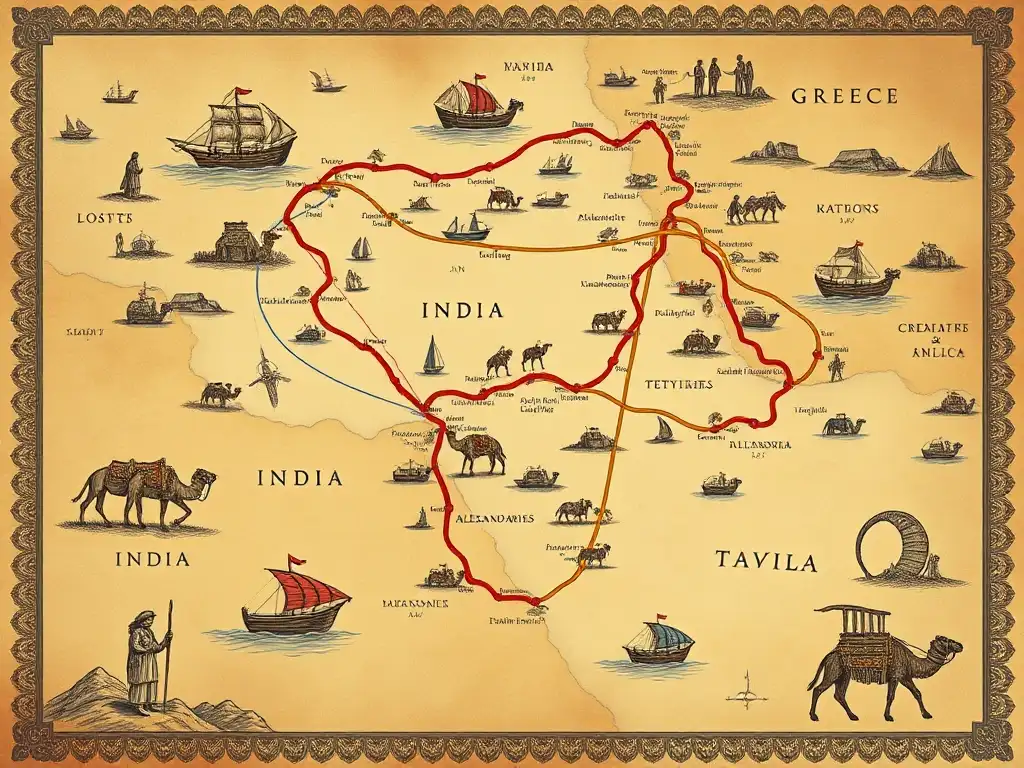
The ancient trade routes between India and Greece were not only vital for the exchange of goods but also fraught with numerous challenges. These obstacles impacted the efficiency and security of trade, shaping the interactions between these two great civilizations. Understanding these challenges provides insight into the complexities of ancient economic ties.
Geographic and Environmental Obstacles
Geographic barriers played a significant role in shaping the trade routes between India and Greece. The vast geography included formidable mountain ranges, such as the Himalayas, and expansive deserts like the Great Indian Desert, which hindered direct overland travel. The monsoon seasons also presented challenges, as unpredictable weather patterns could disrupt trade schedules and damage goods.
Additionally, the varying climates of the regions involved necessitated careful planning and timing for caravans. Merchants had to navigate through harsh terrains, which not only required specialized knowledge but also increased the risk of loss due to natural disasters or physical exhaustion.
Political Turmoil and Security Issues
Political instability was another major hurdle for merchants traversing the ancient trade routes. The regions connecting India and Greece often experienced conflicts, whether due to territorial disputes, invasions, or internal strife. For instance, the rise and fall of empires such as the Maurya and the Seleucid empires led to shifting borders and changing political alliances, creating uncertainty for traders.
Moreover, the presence of bandits and hostile groups along the routes posed significant security risks. Merchants often traveled in convoys for safety, but even this did not guarantee protection. The need for secure passage often forced traders to pay exorbitant fees or bribes, further complicating trade dynamics.
Cultural Misunderstandings and Trade Disputes
Cultural differences between Indian and Greek traders sometimes resulted in misunderstandings that could escalate into conflicts. Variations in customs, language, and business practices led to misinterpretations of agreements or the value of goods. For instance, what one culture considered a fair price could be seen as an insult by the other, leading to disputes that could disrupt trade relations.
Additionally, the introduction of new goods into foreign markets often required a period of adjustment. Items that were highly valued in one culture might not be appreciated in another, causing frustration among traders. Such cultural misunderstandings not only affected individual transactions but also had the potential to sour long-term relationships between trading partners.
Conclusion: The Legacy of Ancient India Greece Trade Routes
The ancient trade routes between India and Greece were significant not only for their economic contributions but also for the cultural exchanges that took place. Despite the challenges faced, these trade networks laid the groundwork for enduring connections that shaped the development of both civilizations.
Lasting Effects on Modern Economic Relationships
The legacy of the ancient trade routes can still be observed in modern economic relationships between India and Greece. The historical ties fostered a spirit of cooperation and exchange that continues today, influencing contemporary trade agreements and diplomatic relations. Modern businesses often seek to emulate the successful partnerships established by their ancient predecessors, promoting mutual growth and understanding.
Reflection on Cultural Heritage and Historical Significance
Reflecting on the ancient India-Greece trade routes reveals a deep cultural heritage that transcends time. These routes facilitated not just the exchange of goods but also the sharing of ideas, philosophies, and technologies. The interactions between these two civilizations enriched their respective cultures, leaving an indelible mark on their histories. Understanding this legacy encourages a greater appreciation for the interconnectedness of human societies throughout history, reminding us of the importance of dialogue and exchange in fostering collaboration and peace.
Further Reading on Ancient India and Greece Trade Relations
To gain a deeper understanding of the intricate trade routes and economic ties between ancient India and Greece, various resources can provide valuable insights. The following sections outline suggested books, articles, and online resources that highlight the historical connections, trade dynamics, and cultural exchanges that shaped these two great civilizations.
Suggested Books and Articles
-
"The Ancient Economy" by M.I. Finley
This classic work explores the economic structures of ancient societies, including the interactions between India and Greece during key periods. Finley's analysis of trade practices, commodities, and market dynamics offers a comprehensive view of ancient economies.
-
"India and the Greek World: A Historical Perspective" by Michael R. Cooper
This book delves into the historical context of Indian-Greek relations, examining trade routes and the exchange of goods, ideas, and cultures. Cooper's research provides a thorough understanding of how these interactions influenced both civilizations.
-
"Trade in the Ancient Mediterranean" by Richard H. S. Stoneman
Stoneman's work focuses on the Mediterranean trade networks, highlighting the importance of Indian goods like spices and textiles to Greek markets. This book details the logistics and routes that facilitated these exchanges.
-
"The Silk Road: A New History" by Valerie Hansen
While primarily focused on the broader Silk Road, this book touches upon the connections between India and Greece, emphasizing the trade networks that linked the East and West. Hansen's narrative includes discussions on the impact of these trade routes on cultural exchange.
-
Journal Articles
- "The Role of the Indo-Greek Kingdoms in the Development of Trade" – This article provides insights into the socio-economic impacts of Indo-Greek interactions.
- "Maritime Trade in the Indian Ocean and the Mediterranean" – A study that looks at the maritime routes connecting India to the Mediterranean world, emphasizing the exchange of luxury goods.
Online Resources for In-depth Study
-
Ancient History Encyclopedia
This website offers a wealth of articles and resources about ancient civilizations, including a dedicated section on Indian-Greek relations and trade routes. Users can access detailed entries that cover various aspects of the economic ties between these regions.
-
The British Museum's Online Collection
The British Museum provides access to a vast collection of artifacts related to ancient trade, including items exchanged between India and Greece. Users can explore images and descriptions that illuminate the cultural and economic exchanges of the time.
-
Khan Academy: Ancient Civilizations
Khan Academy features educational videos and articles on ancient civilizations, including discussions on trade routes. Their content covers key historical figures and events that shaped the interactions between India and Greece.
-
JSTOR
An excellent resource for academic papers and journals, JSTOR contains numerous articles exploring the economic and cultural exchanges between ancient India and Greece. Access may require institutional login or membership.
-
Digital Library of India
This online library hosts a collection of historical texts and manuscripts that discuss the trade routes and economic relations between India and Greece. Researchers can find primary sources that offer firsthand accounts of trade practices.
These resources provide a comprehensive foundation for anyone interested in exploring the rich history of trade routes between ancient India and Greece, shedding light on the economic, cultural, and social ties that defined their interactions.
- Introduction to Ancient India and Greece Trade Routes
- Historical Context of Trade Between India and Greece
- Major Trade Routes Connecting India and Greece
- Goods Traded Between Ancient India and Greece
- Cultural Exchange Through Trade Routes
- Economic Impact of Trade Routes on India and Greece
- Challenges Faced in Ancient Trade Routes
- Conclusion: The Legacy of Ancient India Greece Trade Routes
- Further Reading on Ancient India and Greece Trade Relations
- What were the main trade routes between Ancient India and Greece?
- How did trade impact the relationship between India and Greece?
- What goods were commonly traded between Ancient India and Greece?
- How did the Geography influence trade routes between India and Greece?
- What role did the Silk Road play in connecting Ancient India and Greece?
Frequently Asked Questions
What were the main trade routes between Ancient India and Greece?
The main trade routes included land and maritime paths, connecting Indian ports like Barygaza and Tamralipti with cities in Greece and the Mediterranean region.
How did trade impact the relationship between India and Greece?
Trade fostered economic ties, cultural exchanges, and the spread of ideas, significantly influencing both civilizations' development and growth.
What goods were commonly traded between Ancient India and Greece?
Spices, silks, precious stones, and textiles were prominent items in the trade, while Greece exported wine, olive oil, and pottery to India.
How did the Geography influence trade routes between India and Greece?
The Geography provided various natural paths for trade, with mountains and seas serving as both barriers and facilitators, shaping the routes taken by merchants.
What role did the Silk Road play in connecting Ancient India and Greece?
The Silk Road served as a crucial network for trade, allowing not only the exchange of goods but also the cultural and intellectual interactions between India and Greece.
Final Reflection: The Enduring Legacy of Ancient Trade Routes
The exploration of Ancient India and Greece trade routes reveals not only the economic ties that once flourished between these two great civilizations but also their profound impact on cultural exchange and mutual understanding. Today, as globalization continues to shape our world, the lessons from these ancient connections remind us of the importance of trade in fostering relationships and promoting peace. The intricate web of commerce that linked India and Greece serves as a powerful reminder of how interconnected our societies can be, transcending geographical boundaries and cultural differences.
The influence of these ancient trade routes is still palpable in our cultural and social landscapes. The exchange of goods, ideas, and philosophies between India and Greece laid the groundwork for a rich tapestry of shared knowledge that continues to inspire modern thought. As we reflect on this historical interplay, we recognize that the spirit of collaboration and exchange is essential for progress. Trade is not just about goods; it’s about relationships and understanding.
This sentiment resonates today as we navigate a world that often feels divided, reminding us that our shared histories can guide us toward a more unified future.
As we conclude this exploration of ancient trade routes, I invite you to reflect on the significance of connection in your own life. Consider how the lessons of the past can inform your interactions in the present. Whether through fostering relationships across cultures or engaging in meaningful exchanges within your community, let the legacy of the ancient India-Greece trade routes inspire you to build bridges and cultivate understanding. Embrace the opportunity to learn from one another, for in our shared stories lies the potential for a brighter, more interconnected future.
Unveil the Secrets of Ancient Trade Relationships!
Thank you for diving into the intricate world of ancient trade routes! We hope you found inspiration in the fascinating ties that linked **India and Greece**, enriching both cultures in profound ways. Now, it’s time to take the knowledge you've gained and transform it into action!
Take Your Next Steps:
- Explore further: Visit your local library or browse online resources to uncover more about the specific trade goods exchanged between these ancient civilizations.
- Join a community: Connect with history enthusiasts on forums or social media groups to discuss findings and share your insights about ancient trade.
- Share this article: Spread the knowledge! Share this article with friends or on social media to spark conversations about our historical connections.
What aspect of these ancient trade routes excites you the most, and how do you think they have shaped our modern world?