
The Journey of Ancient Indian Art Through the Ages: An Intriguing Timeline

Welcome to Ancient India History, where we invite you to embark on a fascinating journey through time, exploring the rich tapestry of art and culture that flourished in ancient Indian civilizations. In our featured article, "The Journey of Ancient Indian Art Through the Ages: An Intriguing Timeline," we delve into the captivating world of ancient Indian art history, revealing how this vibrant expression reflected the values and beliefs of its era.
From the intricate carvings of the Indus Valley to the splendid frescoes of the Gupta Empire, each period tells a story waiting to be uncovered. Join us as we traverse this enchanting timeline and discover the profound legacy that continues to inspire generations.
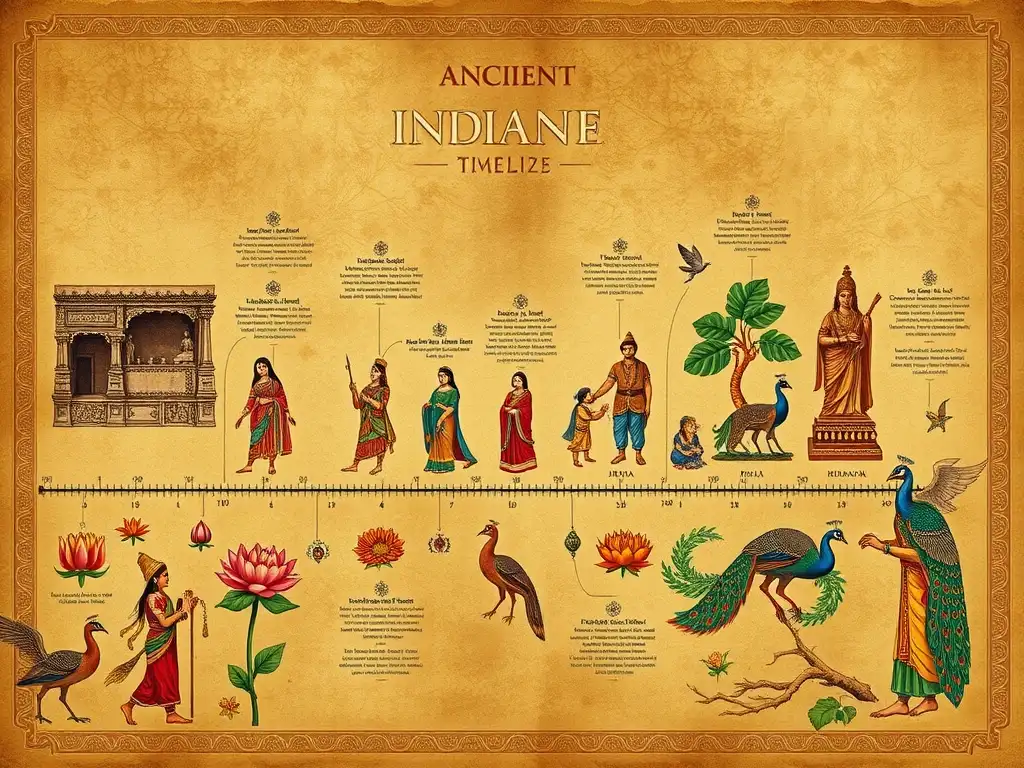
Introduction to Ancient Indian Art History
Ancient Indian art history is a captivating exploration of the creative expressions that flourished across the Indian subcontinent from prehistoric times to the medieval period. This rich tapestry of visual arts encompasses a vast array of styles, mediums, and techniques, reflecting the diverse cultural, religious, and philosophical influences that shaped the region.
From the intricate seals of the Indus Valley civilization to the magnificent sculptures of the Gupta Empire, the evolution of ancient Indian art offers insights into the societal values, beliefs, and daily life of its people. By understanding this artistic timeline, we not only appreciate the aesthetic achievements of ancient India but also gain a deeper understanding of the civilization's contributions to global art history.
Overview of Ancient Indian Art
Ancient Indian art is characterized by its diversity and complexity, influenced by various dynasties and regional cultures. The art forms include:
- Sculpture: Ranging from the monumental stone carvings of temples to intricate bronze figures.
- Painting: With styles that evolved through various periods, including murals and frescoes.
- Pottery: Decorative and symbolic ceramics that showcase technological innovations.
- Architecture: From the urban planning of the Indus Valley to the grand temples of the later periods.
These art forms not only served aesthetic purposes but also played significant roles in religious and social contexts.
Significance of Art in Ancient Indian Culture
Art in ancient India was deeply intertwined with spirituality, philosophy, and daily life. It served several vital functions:
- Religious Expression: Artworks often depicted deities and mythological narratives, reinforcing cultural beliefs and practices.
- Social Identity: Different art styles reflected the distinct identities of various communities and regions.
- Historical Documentation: Artistic creations provide a visual record of historical events, societal norms, and technological advancements.
The significance of art extended beyond mere decoration; it was a medium for storytelling and preserving cultural heritage.
The Indus Valley Civilization: The Origins of Ancient Indian Art
The Indus Valley Civilization, one of the world's earliest urban cultures, laid the foundation for ancient Indian art. Flourishing around 2500 BCE, this civilization is renowned for its advanced urban planning, trade networks, and sophisticated craftsmanship.
Characteristics of Indus Valley Art
Indus Valley art is distinguished by:
- Symbolism: Use of motifs and symbols, such as animals and geometric patterns.
- Material Diversity: Artisans utilized materials like terracotta, stone, and metals to create a variety of objects.
- Functional Art: Many artworks, including seals and pottery, served practical functions in trade and daily life.
The art of this civilization is notable for its attention to detail and craftsmanship, showcasing the skills of its artisans.
Notable Artifacts and Sculptures from the Indus Valley
Several artifacts from the Indus Valley Civilization exemplify its artistic achievements:
- The Dancing Girl: A bronze statuette that exemplifies the elegance and dynamism of Indus Valley art.
- Seals: Engraved with intricate designs and inscriptions, these were used for trade and administration.
- Terracotta Figurines: Representing deities and animals, these sculptures indicate the cultural and religious beliefs of the time.
These artifacts not only highlight the artistic talent of the Indus Valley civilization but also provide invaluable insights into its social and religious life.
Vedic Period: Spirituality and Symbolism in Art
The Vedic Period (approximately 1500-500 BCE) marks a significant chapter in ancient Indian art history, characterized by a profound connection between spirituality and artistic expression. During this time, art was largely influenced by the religious and philosophical ideas encapsulated in the Vedas, the sacred texts of Hinduism. Symbolism played a crucial role, with numerous motifs and patterns emerging that represented various aspects of life, nature, and the cosmos.
Art from the Vedic Period primarily consisted of pottery, textiles, and metallurgy, with an emphasis on ritualistic objects. The use of symbols such as the lotus flower, which represents purity and spiritual awakening, and the swastika, a symbol of good fortune and auspiciousness, was prevalent. These symbols were not only decorative but also served to convey deeper spiritual meanings, reflecting the belief systems of the time.
Additionally, the art produced during the Vedic Period can be seen as a precursor to later artistic developments in India, laying the groundwork for the intricate designs and themes that would flourish in subsequent periods. The integration of art and spirituality during this era highlights the importance of aesthetic expression as a means of exploring and communicating complex philosophical concepts.
Influence of Religion on Ancient Indian Art
Religion has been a vital driving force behind the evolution of ancient Indian art, with the Vedic texts providing foundational narratives that shaped artistic themes. The portrayal of deities, rituals, and cosmological concepts became prominent in various art forms. This religious influence is evident in the intricate carvings found in temples and the figurative representations of gods and goddesses across different mediums.
The rise of Hinduism, Buddhism, and Jainism further diversified ancient Indian art, as each religion brought unique iconography and stylistic elements. For instance, Buddhist art emphasized the life of the Buddha, depicted through narrative reliefs and stupas, while Hindu art showcased a plethora of deities, each with specific attributes and stories. The interplay between these religions not only enriched the artistic landscape but also fostered a sense of cultural unity and diversity across the subcontinent.
Moreover, the art of ancient India often served as a means of devotion and worship, with elaborate rituals and ceremonies that required specific artistic representations. This connection between art and spirituality reinforced the idea that artistic expression could transcend the material world, aiming instead to depict the divine and the eternal.
Artistic Expressions in Vedic Literature
The Vedic literature itself provides insights into the artistic expressions of the time, as it contains numerous references to the creation of art forms. Hymns and verses often celebrated the beauty of nature, the importance of craftsmanship, and the role of the artisan in society. The Rigveda, for instance, includes references to the creation of musical instruments, textiles, and decorative objects, indicating an appreciation for the aesthetic and functional aspects of art.
Additionally, the Yajurveda outlines ritualistic practices that required specific artistic representations, such as altars and ceremonial objects. These descriptions not only highlight the significance of art in religious rituals but also emphasize the skill and creativity of artisans who crafted these items. The artistic expressions found in Vedic literature showcase a society deeply engaged with the interplay of art, spirituality, and everyday life.
Mauryan Empire: The Flourishing of Artistic Techniques
The Mauryan Empire (approximately 322-185 BCE) represents a pinnacle in ancient Indian art history, marked by the flourishing of artistic techniques and the widespread patronage of art by rulers, particularly Emperor Ashoka. This period saw the integration of diverse artistic influences, leading to a rich tapestry of sculpture and architecture that reflected both local traditions and external inspirations.
One of the most notable advancements during the Mauryan period was the refinement of stone-carving techniques, allowing for more detailed and expressive sculptures. The use of polished sandstone and the development of the chunar stone technique enabled artists to create intricate reliefs and figures that conveyed a sense of realism and movement. This period also witnessed the emergence of monumental architecture, including stupas and rock-cut caves, which served as religious and cultural centers.
The art of this era was characterized by a strong narrative quality, with sculptures depicting scenes from the life of the Buddha and various Jataka tales. These artistic expressions not only served religious purposes but also acted as a means of disseminating moral and philosophical teachings to the populace.
The Role of Ashoka in Promoting Art
Emperor Ashoka, known for his conversion to Buddhism and his efforts to spread its teachings, played a crucial role in promoting art during the Mauryan Empire. His reign marked a significant shift towards the patronage of Buddhist art, leading to the construction of stupas, pillars, and monastic complexes, which became central to the Buddhist faith.
Ashoka’s edicts, inscribed on stone pillars, not only conveyed political messages but also served as artistic statements that reflected his commitment to ethical governance and social welfare. The pillars, adorned with intricate carvings and the iconic lion capital, became symbols of power and spirituality. Ashoka's emphasis on art as a vehicle for promoting moral values significantly influenced the artistic landscape of ancient India.
Moreover, under Ashoka's patronage, the spread of Buddhism led to the establishment of art schools and workshops, fostering a collaborative environment where artisans could experiment with new techniques and styles. This period saw the emergence of a distinctly Indian art style that combined local traditions with influences from Hellenistic art, resulting in a unique aesthetic that would influence generations to come.
Key Examples of Mauryan Sculpture and Architecture
The Mauryan Empire is renowned for its remarkable contributions to sculpture and architecture, with several key examples that highlight the era's artistic achievements.
- The Great Stupa at Sanchi: This monumental structure, built during Ashoka's reign, is one of the oldest stone structures in India and a UNESCO World Heritage Site. Its hemispherical dome and intricately carved gateways (toranas) depict scenes from the life of the Buddha, showcasing the mastery of stone-carving techniques.
- The Lion Capital of Ashoka: This iconic sculpture, originally atop one of Ashoka's pillars, symbolizes the strength and authority of the emperor while also representing the virtues of Buddhism. The four lions facing different directions signify the spread of the Buddha's teachings across the world, serving as a powerful emblem of unity.
- Rock-Cut Caves of Ajanta and Ellora: Although primarily associated with later periods, the foundations laid during the Mauryan era can be seen in the early rock-cut caves that feature elaborate frescoes and sculptures reflecting religious narratives and artistic techniques developed during Ashoka's time.
These examples not only illustrate the sophistication of Mauryan art but also underscore the cultural and religious significance of artistic expression in ancient India, contributing to a rich legacy that continues to inspire modern art and architecture.
Post-Mauryan Era: Diverse Artistic Traditions Emerge
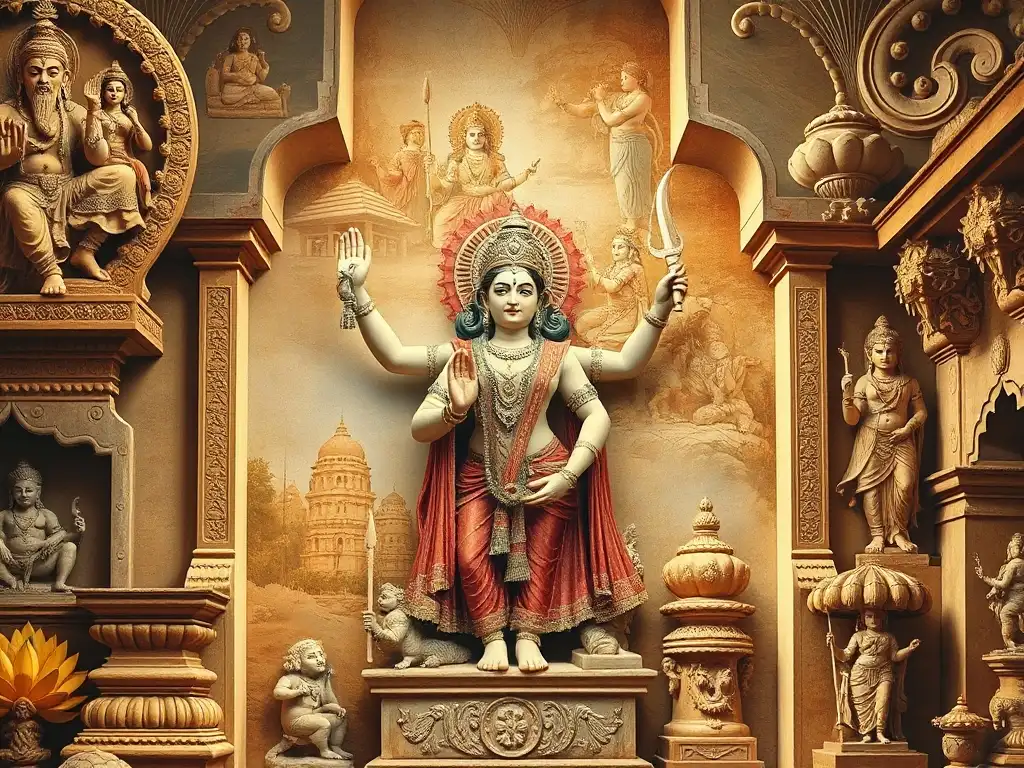
The Post-Mauryan Era, spanning from around the 3rd century BCE to the 1st century CE, marked a significant transition in ancient Indian art history. During this period, artistic expressions began to diversify, influenced by regional variations and the interactions between different cultures. The decline of the Maurya Empire led to the rise of various regional powers, each contributing unique styles and traditions to the artistic landscape of India.
Artisans during this time started to incorporate elements from foreign cultures, particularly due to the influx of Hellenistic influences following Alexander the Great's campaigns. This cross-cultural exchange resulted in the emergence of new artistic forms, blending local motifs with those of Greek and Central Asian origin. The result was a vibrant tapestry of artistic traditions that included intricate sculptures, painted pottery, and decorative arts.
The development of new patronage systems, including local rulers and merchant guilds, also played a pivotal role in the flourishing of arts and crafts during this era. Temples became prominent centers for artistic endeavors, leading to the creation of detailed carvings and relief sculptures that depicted various deities and mythological narratives. This period laid the groundwork for later artistic achievements, with its rich diversity continuing to influence subsequent generations.
The Influence of Regional Styles on Art
As various kingdoms emerged in the Post-Mauryan Era, regional styles began to flourish, each with distinct characteristics shaped by local customs, beliefs, and materials. For instance, the Art of Gandhara, located in present-day Pakistan, is renowned for its Greco-Buddhist sculptures that exhibit a fusion of Hellenistic and Indian artistic traditions. The figures often display realistic human anatomy and drapery, showcasing a remarkable level of skill and influence.
In contrast, the Mathura style, emerging from northern India, is characterized by its bold and expressive forms, particularly in the representation of Hindu deities. The sculptures often feature exaggerated features and intricate ornamentation, reflecting the spiritual significance of the figures depicted. The regional variations contributed to a rich artistic dialogue, as artisans traveled and exchanged ideas across different kingdoms.
Other notable regional styles included the Amaravati school in Andhra Pradesh, known for its narrative relief sculptures that illustrated the life of Buddha, and the intricate terracotta art of Bengal. These regional influences not only enriched the artistic vocabulary of ancient India but also established a sense of local identity, with each style resonating with the cultural heritage of its region.
Development of Stupas and Rock-Cut Temples
The Post-Mauryan Era also witnessed the significant architectural development of stupas and rock-cut temples, which became important markers of religious and artistic expression. Stupas, originally built to house relics of the Buddha, evolved into grand structures adorned with elaborate carvings and sculptures that conveyed Buddhist teachings and narratives. The Great Stupa at Sanchi, for example, features beautifully carved gateways, each depicting various scenes from the life of Buddha and Jataka tales.
Rock-cut temples, another remarkable achievement of this era, involved the excavation of structures directly from solid rock. This innovative architectural style allowed for the creation of intricate interiors, including prayer halls and sanctuaries, often embellished with sculptures and frescoes that illustrated religious themes. Prominent examples include the Ajanta Caves, which contain stunning murals and sculptures that reflect the artistic prowess of the time.
The evolution of stupas and rock-cut temples not only served religious purposes but also became integral to the cultural landscape of ancient India. These structures acted as sites of pilgrimage, fostering community interactions and providing a backdrop for artistic expression that would influence future architectural endeavors.
Gupta Period: The Golden Age of Ancient Indian Art
The Gupta Period, often referred to as the Golden Age of Ancient Indian Art, approximately spanned from the 4th to the 6th century CE. This era is characterized by remarkable advancements in various art forms, including sculpture, painting, and architecture. The political stability and economic prosperity under the Gupta dynasty created an environment conducive to artistic flourishing, leading to the production of some of the most exquisite works in ancient Indian art history.
During this time, artists were able to achieve a heightened sense of realism and emotional expression in their works. The Gupta style of sculpture is particularly noted for its gracefulness and intricate detailing, reflecting the spiritual themes prevalent in society. Temples built during this period became showcases for artistic innovation, featuring elaborate carvings and stunning frescoes that adorned their walls and ceilings.
This period also saw the rise of classical Indian dance and drama, further enriching the cultural tapestry of the time. The artistic endeavors of the Gupta Period laid a solid foundation for the future development of Indian art, influencing generations to come.
Characteristics of Gupta Sculpture and Architecture
Gupta sculpture is distinguished by its refined elegance and a sense of serenity that encapsulates the spiritual essence of the time. The figures created during this period are often depicted with a harmonious balance, showcasing proportionate anatomy and graceful postures. The use of smooth surfaces and detailed ornamentation, such as intricate jewelry and flowing garments, adds to the aesthetic appeal of Gupta sculptures.
Architecturally, Gupta temples were characterized by their grand scale and innovative design. The use of stone as a primary building material allowed for more durable and elaborate structures. Temples such as the Dashavatara Temple at Deogarh exemplify the architectural prowess of the time, featuring intricately carved pillars and a plinth that elevates the sanctum.
Another notable characteristic of Gupta architecture is the evolution of the shikhara or the spire, which became more pronounced and ornate during this period. This style not only enhanced the visual impact of temples but also reflected the cosmic symbolism inherent in Hindu architecture.
Iconography and Religious Themes in Gupta Art
The Gupta Period is marked by a rich exploration of iconography and religious themes, particularly in relation to Hinduism and Buddhism. Artists of this era skillfully depicted deities, mythological narratives, and spiritual concepts, allowing for a deeper connection between the viewer and the divine. The portrayal of Hindu gods such as Vishnu, Shiva, and Devi was imbued with symbolism, where each element in the artwork conveyed specific spiritual meanings.
Buddhist art during the Gupta Period also flourished, with the creation of intricate sculptures representing the Buddha in various mudras (hand gestures) and postures. The narratives of the Jataka tales were commonly illustrated, emphasizing moral teachings and the virtues of compassion and wisdom.
The blending of regional styles with classical themes resulted in a unique artistic language that resonated with the populace, fostering a sense of cultural identity and continuity. The vibrant iconography and themes explored during the Gupta Period not only celebrated religious beliefs but also reflected the broader socio-political dynamics of ancient India, solidifying its legacy in the history of ancient Indian art.
The Impact of Ancient Indian Art Beyond India
Ancient Indian art has had a profound influence that transcended geographical boundaries, shaping artistic practices in various cultures across Asia and beyond. This impact is evidenced through a myriad of art forms, including sculpture, painting, and architecture, which were not only influenced by but also contributed to a rich tapestry of artistic expression in neighboring regions. The cultural legacy of ancient Indian art reflects a blend of indigenous creativity and external influences, creating a unique dialogue between civilizations that continues to inspire artists and scholars today.
Trade Routes and Cultural Exchange
The extensive trade networks established during ancient times played a crucial role in the dissemination of Indian art. Key trade routes, such as the Silk Road and maritime paths connecting India with Southeast Asia, facilitated not just the exchange of goods but also ideas, techniques, and artistic styles.
- Silk Road: This ancient trade route connected India with Central Asia, the Middle East, and Europe, allowing for the cross-pollination of artistic ideas. Indian motifs, particularly those related to spirituality and mythology, began to appear in the art of regions like Persia and the Greco-Roman world.
- Maritime Trade: Indian merchants sailed to Southeast Asia, where they established cultural ties with local kingdoms. The influence of Indian art can be seen in the temples of Angkor Wat in Cambodia and Borobudur in Indonesia, where Indian iconography and architectural styles were integrated into the local context.
As these routes flourished, art became a vehicle for cultural exchange, leading to the adoption and adaptation of Indian artistic elements in various cultures.
Influence on Neighboring Civilizations
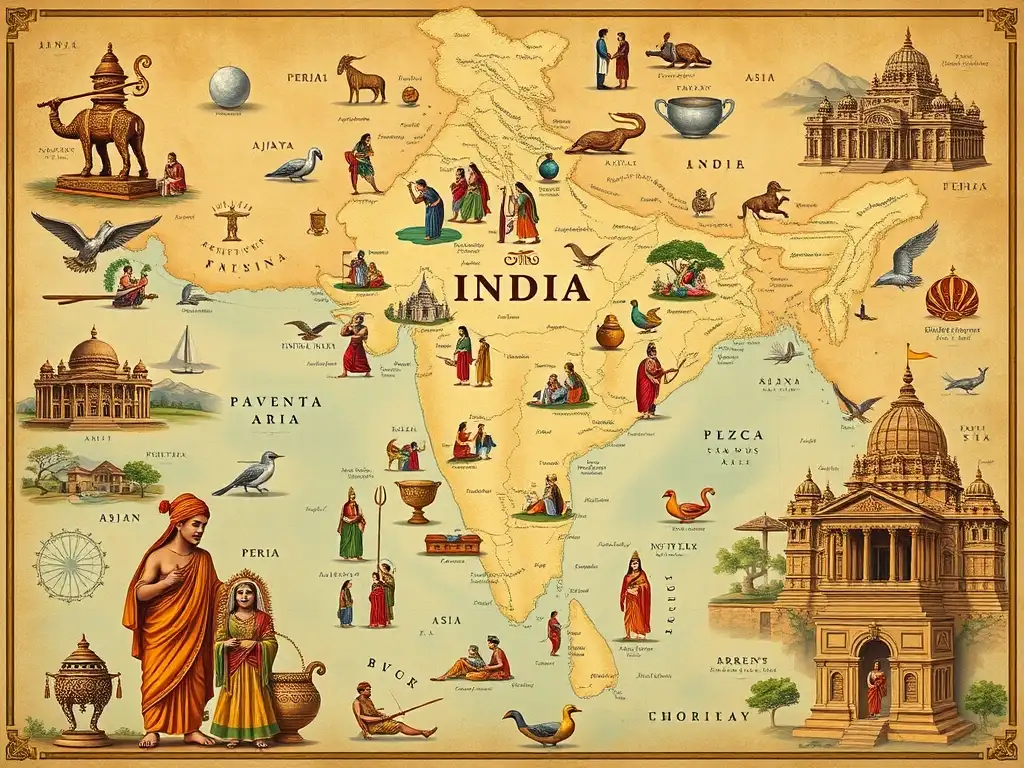
Ancient Indian art not only shaped its own culture but also significantly influenced neighboring civilizations. The spread of Buddhism, for instance, was instrumental in disseminating Indian art across Asia.
- Buddhist Art: As Buddhism spread from India to countries like China, Japan, and Tibet, it carried with it distinct artistic styles and themes. For example, the Gandhara art style, which emerged in what is now Pakistan, combined Hellenistic influences with Indian motifs, resulting in unique representations of Buddhist figures.
- Hindu Art: Similarly, Hindu art found its way into Southeast Asian cultures, where Hindu deities and narratives were incorporated into local artistic traditions. The temples of Bali and the architectural wonders of the Khmer Empire are prime examples of this cultural exchange.
The reciprocal influence between ancient Indian art and neighboring civilizations demonstrates the interconnectedness of cultures and the enduring legacy of Indian artistic traditions.
Continuity and Change: Ancient Indian Art in the Medieval Period
The medieval period marked a significant transformation in ancient Indian art, characterized by the continuity of established traditions alongside the emergence of new styles and techniques. This era witnessed a dynamic interplay between various regional forms of art, influenced by both indigenous practices and foreign elements.
Transition of Styles and Techniques
During the medieval period, Indian art experienced notable transitions in style, particularly with the rise of regional kingdoms that fostered unique artistic expressions.
- Regional Variations: Each kingdom, such as the Chola, Gupta, and Mughal empires, developed distinct artistic styles that reflected local aesthetics and cultural values. For instance, the Chola bronze sculptures are renowned for their intricate detailing and dynamic poses, while Mughal art is celebrated for its fusion of Persian and Indian elements, particularly in miniatures and architecture.
- Innovations: New techniques emerged during this period, such as the use of natural pigments and the introduction of perspective in painting. Artistic workshops flourished, attracting skilled artisans who contributed to the evolution of styles that emphasized both realism and spiritual themes.
This period of transition laid the groundwork for later developments in Indian art, showcasing a blend of continuity and innovation.
Preservation and Evolution of Artistic Traditions
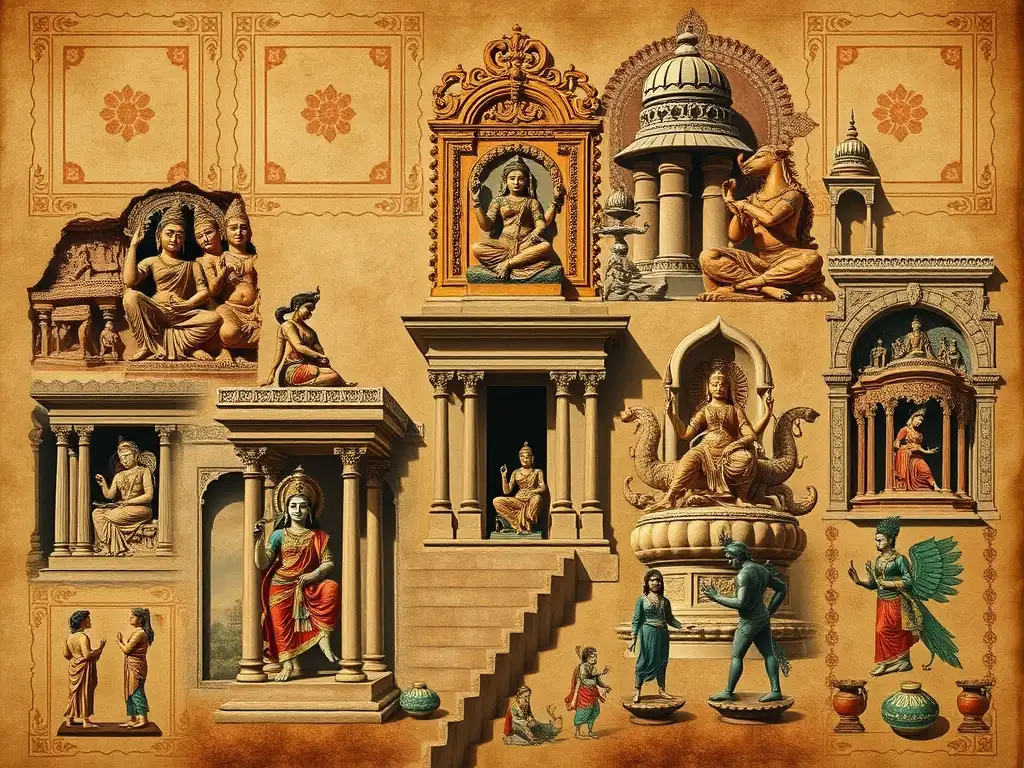
Despite the changes brought about by foreign invasions and regional shifts, many ancient artistic traditions were preserved and evolved throughout the medieval period.
- Temples and Iconography: The construction of temples continued to be a central aspect of artistic expression, with an emphasis on elaborate carvings and intricate iconography that conveyed religious narratives. The preservation of these architectural marvels is crucial in understanding the artistic heritage of ancient India.
- Oral and Written Traditions: The transmission of artistic knowledge also relied on oral traditions and texts, such as the Shilpa Shastras, which outlined artistic techniques and principles. These texts served as a guide for artisans and helped maintain the integrity of traditional art forms while allowing for adaptation and evolution.
The preservation and evolution of ancient Indian art during the medieval period highlight its resilience and enduring significance, underscoring its role in shaping the cultural identity of India through the ages.
Conclusion: The Enduring Legacy of Ancient Indian Art History
The journey of ancient Indian art is a testament to the creativity and cultural richness of the civilizations that thrived on the Indian subcontinent. From the intricate seals of the Indus Valley Civilization to the breathtaking sculptures of the Gupta Empire, each era contributed uniquely to the tapestry of what we now recognize as ancient Indian art.
This art not only served aesthetic purposes but also reflected the spiritual, social, and political dimensions of life in ancient India. The legacy of these artistic achievements continues to influence contemporary art and culture, making it vital to preserve and study this heritage.
Moreover, the art history of ancient India offers insights into the evolution of techniques, themes, and materials used over millennia. The enduring appeal of ancient Indian art is evident in modern interpretations and adaptations, highlighting its relevance in today’s global art scene. Understanding this legacy allows us to appreciate the interconnectedness of cultures and the universal language of art that transcends time.
Reflection on the Importance of Ancient Indian Art
Ancient Indian art serves as a crucial lens through which we can explore the socio-cultural dynamics of historical periods. It is not merely about aesthetics; it embodies the beliefs, values, and daily lives of the people who created it. For instance, the sculptures found in temples and caves often depict deities, mythological stories, and everyday life, providing a window into the spiritual and social paradigms of the time.
Furthermore, the preservation of ancient Indian art is essential for fostering a sense of identity and continuity within the Indian culture. This art bears witness to the region's history and offers a narrative of resilience and transformation through various historical challenges. By studying ancient Indian art, we not only honor the past but also cultivate a deeper understanding of how these artistic traditions shape contemporary society.
Future Directions for the Study of Ancient Indian Art
The future of studying ancient Indian art is promising, with new interdisciplinary approaches emerging that combine archaeology, anthropology, and art history. Researchers are increasingly utilizing technology, such as digital imaging and 3D modeling, to analyze and reconstruct ancient artworks, providing fresh insights into their techniques and contexts.
Moreover, there is a growing emphasis on examining lesser-known regions and periods of ancient Indian art, broadening the scope of research beyond the well-documented Gupta and Maurya periods. This includes exploring folk art traditions and local crafts that have persisted over centuries. Collaborations between scholars, artists, and cultural institutions can further enhance the appreciation and understanding of ancient Indian art, ensuring that it remains a vibrant part of cultural discourse.
References and Further Reading on Ancient Indian Art History
For those interested in delving deeper into the rich tapestry of ancient Indian art history, a variety of resources are available. These include academic publications, exhibition catalogs, and comprehensive studies that explore specific themes, periods, and artistic practices.
Recommended Books and Articles
- "A History of Indian Art" by Heinrich Zimmer - This seminal work offers an expansive overview of the evolution of Indian art from ancient to modern times.
- "Indian Art and Culture" by N. Sharma - This book provides insights into the cultural contexts that shaped various art forms in ancient India.
- "The Art of Ancient India: Buddhist, Hindu, Jain" by Susan L. Huntington and John C. Huntington: - This detailed study focuses on the major religious influences on Indian art and its development.
- "Indian Sculpture: A History" by Vidya Dehejia: - An exploration of the significant sculptures that reflect the artistic and spiritual heritage of ancient India.
Online Resources for Exploring Ancient Indian Art
- Digital South Asia Library - This online resource provides access to various texts, images, and maps related to South Asian history and culture.
- The Metropolitan Museum of Art’s Timeline of Art History - Offers articles and images related to ancient Indian art, providing context and analysis.
- Google Arts & Culture - Features virtual tours of museums and collections dedicated to ancient Indian art, allowing users to explore artworks in detail.
- Archaeological Survey of India (ASI) - The ASI website includes information on archaeological sites, monuments, and artifacts that are pivotal to understanding ancient Indian art.
Through these resources, both scholars and enthusiasts can deepen their understanding of ancient Indian art and its profound impact on the cultural heritage of India and beyond.
- Introduction to Ancient Indian Art History
- The Indus Valley Civilization: The Origins of Ancient Indian Art
- Vedic Period: Spirituality and Symbolism in Art
- Mauryan Empire: The Flourishing of Artistic Techniques
- Post-Mauryan Era: Diverse Artistic Traditions Emerge
- Gupta Period: The Golden Age of Ancient Indian Art
- The Impact of Ancient Indian Art Beyond India
- Trade Routes and Cultural Exchange
- Influence on Neighboring Civilizations
- Continuity and Change: Ancient Indian Art in the Medieval Period
- Transition of Styles and Techniques
- Preservation and Evolution of Artistic Traditions
- Conclusion: The Enduring Legacy of Ancient Indian Art History
- References and Further Reading on Ancient Indian Art History
Frequently Asked Questions
What are the key periods in ancient Indian art history?
The key periods include the Indus Valley Civilization, the Mauryan Empire, and the Gupta Empire, each contributing unique artistic styles and cultural influences.
How did religion influence ancient Indian art?
Religion played a significant role, with Hinduism, Buddhism, and Jainism inspiring various art forms such as sculptures, paintings, and architecture throughout the ages.
What materials were commonly used in ancient Indian art?
Artists utilized a variety of materials, including clay, stone, and metal, showcasing their skills in craftsmanship and creativity in different art forms.
Can you name some famous ancient Indian art sites?
Notable sites include Ajanta and Ellora Caves, Khajuraho Temples, and Sanchi Stupa, which are renowned for their exquisite sculptures and architectural designs.
How did ancient Indian art influence later cultures?
Ancient Indian art significantly impacted Southeast Asian cultures and beyond, as seen in the adoption of stylistic elements and motifs in regions influenced by trade and cultural exchange.
Final Reflection: The Timeless Legacy of Ancient Indian Art
The exploration of ancient Indian art history reveals a profound connection between the past and the present, showcasing how artistic expressions have shaped cultural identities and societal values. Today, as we navigate a world increasingly influenced by globalization, the rich tapestry of ancient Indian art serves as a reminder of the enduring power of creativity and tradition. It is a striking testament to how art transcends time, continuing to inspire and resonate with contemporary audiences.
The influence of ancient Indian art is palpable in today's cultural landscape, where its motifs, techniques, and philosophies continue to inspire artists, designers, and thinkers alike. The intricate patterns of Madhubani, the spiritual symbolism of temple sculptures, and the vibrant colors of Mughal miniatures all contribute to a shared heritage that fosters a sense of belonging and identity.
As the renowned artist Anish Kapoor once said, "> Art is a way of understanding the world, a way of being in the world." This sentiment underscores the importance of ancient Indian art as a lens through which we can comprehend our own experiences and histories.
As we reflect on the journey of ancient Indian art, I invite you to consider how these timeless creations can inform your own life and artistic endeavors. Take a moment to explore the stories behind the art that surrounds you, and let the lessons of resilience, innovation, and cultural pride inspire your personal journey. Embrace the richness of this heritage, allowing it to guide you in your quest for creativity and self-expression, as we collectively honor the legacy of those who came before us.
Unveil the Beauty of Ancient Indian Art Today!
Thank you for embarking on this captivating journey through the timeline of ancient Indian art! We hope you’ve gained invaluable insights into the rich cultural heritage and intricate artistry of this remarkable era. Now, it’s time to take your exploration even further.
Here’s how you can dive deeper:
- Visit a local museum that showcases Indian art or artifacts to experience history firsthand.
- Share your thoughts! Post your favorite ancient art piece on social media and tag us to join the conversation.
- Participate in a workshop or class focused on Indian art techniques, such as Madhubani painting or pottery, to create your own masterpiece.
Which piece of ancient Indian art speaks to you the most, and how will you draw inspiration from it in your daily life?