
The Mystique of Ikat: Understanding Its Roots in Ancient India

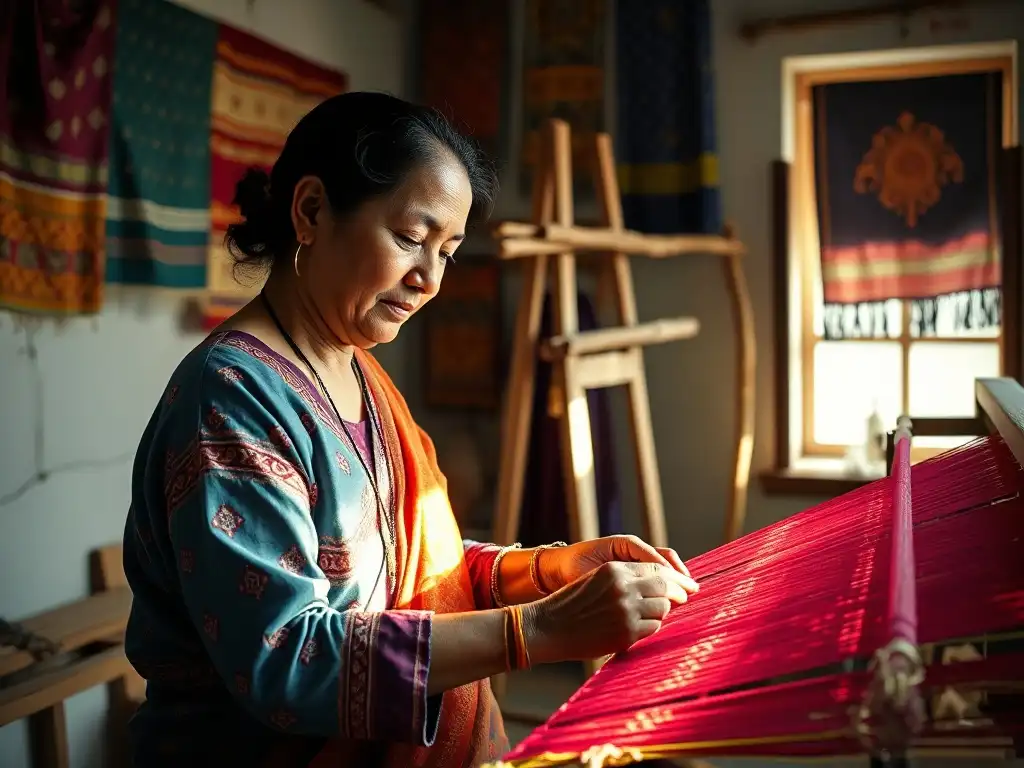
Welcome to Ancient India History, where we embark on an enthralling journey through time to uncover the rich tapestry of India's past. In this exploration, we delve into the captivating Ikat weaving history in India, a tradition that weaves together artistry, culture, and heritage. Discover how this intricate textile technique has roots that trace back to ancient civilizations, revealing stories of craftsmanship and creativity that have endured through the ages.
Prepare to unravel the mystique of Ikat and its profound connections to the vibrant world of ancient Indian fashion and textiles. Join us as we explore the threads that bind history and artistry!
Introduction to Ikat Weaving History in India
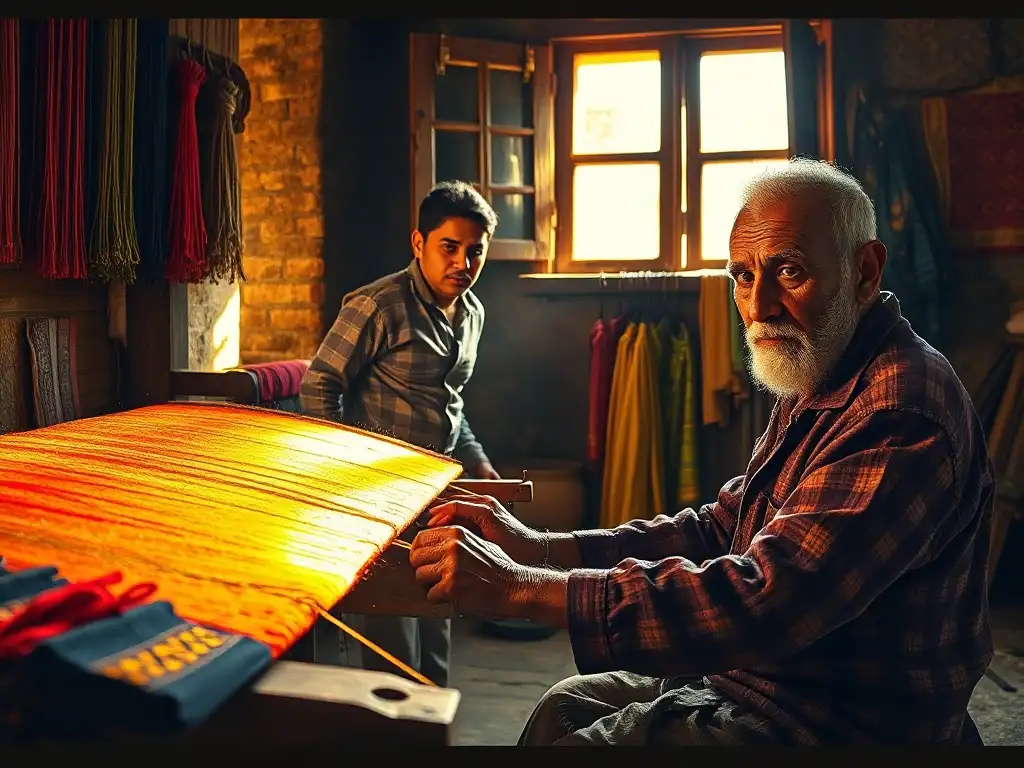
Ikat weaving is a mesmerizing textile art that has captivated many with its intricate patterns and vibrant colors. This ancient technique, which involves the dyeing of yarns before they are woven into fabric, has a profound historical significance in India. Its roots trace back centuries, reflecting the rich tapestry of India's cultural heritage.
The term "Ikat" itself is derived from the Malay word "mengikat," meaning "to tie," which aptly describes the process of binding the threads before dyeing. As we delve into the Ikat weaving history in India, we will uncover how this unique craft has evolved and continues to thrive, drawing parallels to the various ancient civilizations that have contributed to its legacy.
The Origins of Ikat Weaving in Ancient India
Ikat weaving is believed to have originated in ancient India, with evidence suggesting its presence as early as the 6th century CE. This technique was not merely a means of producing textiles; it served as a form of expression, representing the artistic prowess and cultural identity of the communities involved. The regions of Orissa, Gujarat, and Andhra Pradesh are particularly noted for their distinct styles of Ikat, each showcasing unique motifs that often hold symbolic meanings.
The Historical Context of Ikat Weaving
The historical context of Ikat weaving in India is intricately linked to the socio-economic and cultural developments of ancient civilizations. During the Mauryan and Gupta Empires, trade routes flourished, enabling the exchange of textiles and weaving techniques across borders. This period marked a significant rise in the demand for exquisite textiles, leading to the refinement of Ikat techniques. Artisans became skilled in creating elaborate designs that were not only visually appealing but also represented various aspects of life, mythology, and nature.
The Evolution of Ikat Techniques Over Centuries
Over the centuries, Ikat weaving has undergone notable transformations, adapting to the changing tastes and requirements of society. The introduction of new dyeing methods and weaving technologies allowed artisans to experiment with colors and patterns, resulting in the diverse forms of Ikat we see today.
From the Batik-inspired styles of Gujarat to the Gond-inspired motifs of Orissa, each region has enriched the Ikat tradition, making it a vibrant part of India's textile heritage. The preservation of these techniques has not only kept the art alive but has also fostered a sense of community among artisans, who pass down their skills through generations.
In understanding the Ikat weaving history in India, one gains insight into the cultural narratives that have shaped this ancient craft. The journey of Ikat weaving reflects the resilience and creativity of the Indian people, celebrating their connection to tradition while embracing modernity.
The Cultural Significance of Ikat in Ancient Indian Society
Ikat weaving, a unique and intricate textile art form, holds profound cultural significance in ancient Indian society. This traditional craft is not just a means of creating fabrics; it embodies the artistic expression, social identity, and historical narratives of various communities. The origins of Ikat can be traced back to ancient India, where it evolved as a method of dyeing and weaving that reflects the rich tapestry of cultural influences over centuries.
The process of Ikat weaving involves a meticulous technique where threads are dyed before weaving, allowing artisans to create stunning patterns and designs. This labor-intensive method not only showcases the skill of the weavers but also represents the communal heritage of the regions where it flourished. Each design often carries symbolic meanings, reflecting local folklore, traditions, and even social status. Thus, Ikat became a canvas through which stories and identities were woven into the very fabric of society.
Ikat Weaving as a Symbol of Identity
In many communities across India, Ikat weaving serves as a powerful symbol of cultural identity. Different regions have developed their distinct styles, each characterized by unique patterns and colors that are deeply rooted in local traditions. For instance, the use of specific motifs can signify caste, clan, or geographical affiliations, making Ikat a significant marker of belonging.
The vibrant colors and intricate designs are not merely aesthetic; they often tell stories of the community's history and values. In regions like Odisha and Gujarat, Ikat textiles carry meanings that resonate with the people's lives, beliefs, and aspirations. Wearing Ikat fabrics can evoke a sense of pride and continuity, linking individuals to their ancestral heritage and cultural narratives.
The Role of Ikat in Religious and Ritual Practices
Ikat textiles also play a crucial role in religious and ritual practices in ancient India. Many communities use Ikat fabrics during important ceremonies, festivals, and rites of passage. The vibrant colors and symbolic motifs are believed to carry spiritual significance, enhancing the sacredness of the occasions.
For example, in some regions, specific Ikat patterns are reserved for weddings or religious rituals, signifying prosperity, fertility, and protection. The act of gifting Ikat textiles during these ceremonies further underscores their importance as a medium of goodwill and blessings. Additionally, the craftsmanship involved in creating these textiles is often viewed as a spiritual practice, with artisans considering their work a form of devotion.
Notable Regions and Their Distinct Ikat Styles
Ikat weaving is not uniform across India; rather, it exhibits a rich diversity influenced by regional cultures, traditions, and techniques. Each area has developed its unique style, contributing to the overall tapestry of Indian textiles. Two notable regions renowned for their Ikat traditions are Odisha and Gujarat, each showcasing distinct craftsmanship and artistry.
The Rich Ikat Traditions of Odisha
Odisha is celebrated for its exquisite Ikat textiles, particularly the Patola and Bomkai styles. The Patola Ikat, characterized by intricate geometric patterns and vibrant colors, is often used to create sarees and dress materials. This region's weavers employ a double Ikat technique, where both the warp and weft threads are dyed before weaving, resulting in remarkably complex designs.
Bomkai Ikat, on the other hand, features motifs inspired by nature and mythology, often depicting scenes of daily life or religious symbols. The rich cultural heritage of Odisha is beautifully encapsulated in these textiles, which are not only practical but also serve as a narrative of the region's artistic legacy.
The Unique Ikat Craftsmanship of Gujarat
Gujarat is another hub of Ikat weaving, known for its vibrant colors and intricate designs. The region specializes in the Bandhani (tie-dye) style of Ikat, where the fabric is tied in specific patterns before dyeing, creating stunning visual effects. This technique is prevalent in both traditional and contemporary garments, making it a staple in Gujarati fashion.
The Ikat textiles from Gujarat often feature bold patterns and motifs inspired by local flora and fauna, reflecting the region's diverse landscape. The craftsmanship involved in creating these textiles is passed down through generations, with families dedicating themselves to preserving the art form. Gujarat's unique approach to Ikat weaving has garnered international acclaim, highlighting the state's significant contribution to the textile heritage of India.
The Revival of Ikat Weaving in Modern Times
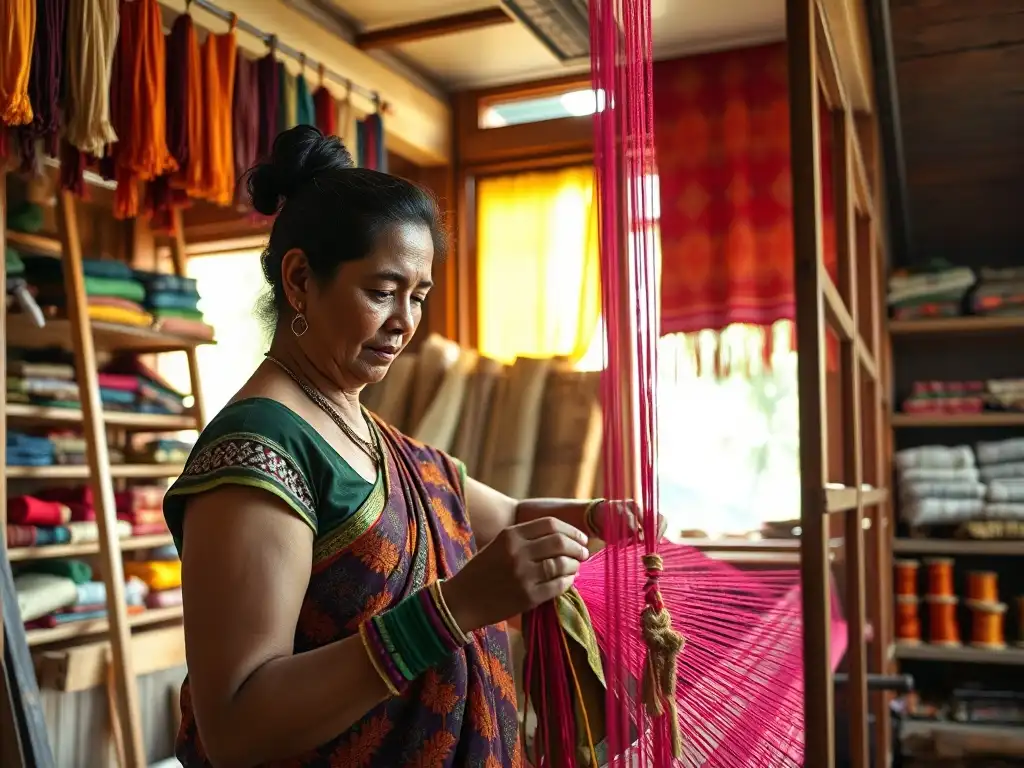
The art of Ikat weaving, which dates back several centuries in India, has experienced a significant revival in recent years. This resurgence is attributed to a growing appreciation for traditional crafts and a rising demand for artisanal products in the fashion industry. Many young artisans and weavers have taken it upon themselves to rejuvenate this ancient technique, combining traditional methods with contemporary designs to appeal to modern consumers.
The revival can also be linked to various organizations and NGOs that have been working to promote and sustain traditional crafts. Workshops, training programs, and exhibitions are organized to raise awareness about Ikat weaving, ensuring that the skills are passed down to future generations. This revival not only highlights the rich heritage of Ikat but also provides livelihoods to many artisans who might otherwise be overlooked in a rapidly industrializing world.
Contemporary Relevance of Ikat Textiles
Ikat textiles have found a renewed place in contemporary fashion, merging traditional craftsmanship with modern aesthetics. Designers are incorporating Ikat patterns into their collections, using them for everything from high-end couture to everyday wear. This crossover between tradition and modernity has made Ikat a sought-after fabric in both national and international markets.
Moreover, Ikat is celebrated for its unique tie-dyeing technique, which results in distinct and vibrant patterns. This uniqueness resonates with consumers who are increasingly seeking sustainable and ethically produced textiles. The fabric's versatility makes it suitable for various applications, including clothing, home décor, and accessories. With the rise of sustainable fashion, Ikat textiles are becoming a favored choice for conscious consumers who value heritage and craftsmanship.
Economic Impact and Sustainable Practices
The revival of Ikat weaving has also had a notable economic impact on local communities. As demand for Ikat textiles grows, it has created job opportunities for weavers, dyers, and other artisans involved in the production process. This economic boost is crucial for rural areas where traditional crafts are a primary source of income.
In addition to economic benefits, the practices surrounding Ikat weaving align with sustainable approaches to textile production. The traditional methods employed in Ikat weaving often use natural dyes and sustainable materials, minimizing the environmental impact compared to mass-produced textiles. Many artisans are committed to preserving these eco-friendly practices, thus promoting a greener approach to fashion.
Conclusion: The Lasting Legacy of Ikat Weaving in India
The legacy of Ikat weaving in India is a testament to the resilience and innovation of traditional crafts. As the world embraces the value of artisanal products, Ikat weavers are finding new avenues to express their artistry while sustaining their livelihoods. The art form not only represents a rich cultural heritage but also embodies the spirit of modernity and sustainability.
The continued interest in Ikat weaving is crucial for preserving this ancient craft for future generations. Through ongoing efforts to promote and support artisans, the mystique of Ikat will endure, weaving its way into the fabric of India's vibrant textile legacy.
Recommended Resources for Further Exploration
To delve deeper into the fascinating world of Ikat weaving history in India, a variety of resources can enhance your understanding of this intricate textile art. Below is a curated list of books, documentaries, and online resources that provide valuable insights into the techniques, cultural significance, and regional variations of Ikat.
Books
- "Ikat: The Art of Fabric" by D. L. M. R. D. B. N. P. P. H. S. V. D. S. B.
- This book offers a comprehensive overview of Ikat techniques, detailing the methods and materials used in this ancient craft. It includes beautiful illustrations and photographs that showcase the rich textures and patterns inherent in Ikat fabrics.
- "The Textile Reader" by Jessica Hemmings
- Hemmings explores various textile traditions, including a significant section on Ikat. This resource provides a broader context for understanding the role of textiles in cultural identity and social practices, particularly in India.
- "Indian Textiles: 5000 Years of History" by John Gillow and Brigitte Khan Majlis
- This extensive work covers the history of textiles in India, with insights into the development and significance of Ikat weaving. The book features illustrations and historical context that enrich the reader's knowledge of Indian textile arts.
Documentaries
- "Threads of India" (Available on streaming platforms)
- This documentary provides an engaging visual journey through the textile traditions of India, including segments dedicated to the Ikat weaving process. It highlights the artisans' craftsmanship and the cultural heritage associated with this unique art form.
- "Woven Treasures: The Legacy of Ikat"
- This film focuses on the artisans behind Ikat weaving, showcasing their techniques and the challenges they face in preserving this age-old craft amid modern influences.
Online Resources
- The Crafts Council of India
- Their website provides a wealth of information about various Indian crafts, including dedicated sections for Ikat weaving. It offers updates on exhibitions, workshops, and initiatives aimed at promoting traditional crafts.
- YouTube Channels on Indian Textiles
- Channels such as "Indian Handloom" and "Crafts of India" feature tutorials, interviews with artisans, and discussions about the significance of Ikat weaving in contemporary times. These channels often provide a closer look at the intricate processes involved in creating Ikat textiles.
Museums and Exhibitions
- National Handicrafts and Handlooms Museum, New Delhi
- Visiting this museum allows enthusiasts to explore a range of traditional textiles, including Ikat. The museum often hosts exhibitions that focus on specific crafts, offering visitors a chance to see Ikat pieces up close.
- Textile Museum, Ahmedabad
- This museum is known for its extensive collection of textiles from various regions of India. It frequently features exhibitions on Ikat, providing insights into its historical context and contemporary relevance.
By exploring these resources, one can gain a deeper appreciation for the intricate world of Ikat weaving and its enduring legacy within the rich tapestry of Indian culture.
- Introduction to Ikat Weaving History in India
- The Origins of Ikat Weaving in Ancient India
- The Cultural Significance of Ikat in Ancient Indian Society
- Notable Regions and Their Distinct Ikat Styles
- The Revival of Ikat Weaving in Modern Times
- Contemporary Relevance of Ikat Textiles
- Conclusion: The Lasting Legacy of Ikat Weaving in India
- Recommended Resources for Further Exploration
Frequently Asked Questions
What is Ikat weaving?
Ikat weaving is a traditional textile art where the yarn is dyed before being woven, creating intricate patterns. This technique has deep roots in ancient Indian culture and craftsmanship.
How did Ikat weaving originate in India?
Ikat weaving in India can be traced back to ancient civilizations, particularly during the Indus Valley period. The technique evolved over centuries, influenced by various regional styles and cultural exchanges.
What regions in India are known for Ikat weaving?
Regions such as Odisha, Telangana, and Gujarat are renowned for their unique Ikat textiles. Each area has developed its own distinct patterns and styles, reflecting local traditions.
What materials are used in Ikat weaving?
Ikat weaving commonly uses cotton, silk, and sometimes wool. The choice of material influences the texture and vibrancy of the final textile.
How has Ikat weaving contributed to India's culture?
Ikat weaving is not just a craft; it represents a significant part of India's cultural heritage. It has been vital in promoting artistic expression and sustaining the livelihoods of many artisans throughout history.
Final Reflection: The Enduring Legacy of Ikat Weaving in India
The rich tapestry of Ikat weaving history in India serves as a testament to the resilience and creativity of ancient artisans whose skills have transcended generations. Today, as we navigate a world increasingly dominated by mass production and fast fashion, the intricate patterns and techniques of Ikat remind us of the value of cultural heritage and the stories woven into each thread. In a time when authenticity is often overshadowed by uniformity, the mystique of Ikat stands as a vibrant symbol of individuality and craftsmanship.
Ikat weaving is not merely a craft; it is a cultural narrative that reflects the social and historical contexts of its time. From the vibrant markets of Gujarat to the serene landscapes of Odisha, the influence of Ikat can be seen in contemporary fashion and home decor, bridging the gap between tradition and modernity. As we embrace the beauty of these textiles, we recognize the words of Mahatma Gandhi: The best way to find yourself is to lose yourself in the service of others.
This sentiment resonates deeply within the Ikat community, where artisans dedicate their lives to preserving a legacy that enriches our cultural fabric.
As you reflect on the stories and artistry behind Ikat weaving, consider how you can incorporate these lessons of heritage and craftsmanship into your own life. Embrace the uniqueness that comes from understanding and appreciating the past, and let it inspire your choices in a world that often favors the generic.
Whether it's supporting local artisans, choosing handmade goods, or simply sharing the story of Ikat with others, each action contributes to the preservation of this beautiful tradition. Let us honor the mystique of Ikat by weaving its legacy into our daily lives, ensuring that its vibrant history continues to inspire future generations.
Dive Deeper into the World of Ikat!
Thank you for exploring the fascinating roots of Ikat with us! We hope you’ve gained valuable insights into this rich textile tradition and its significance in ancient India. Now, it’s time to take your newfound knowledge a step further.
Here are a few ways you can deepen your connection to Ikat:
- Visit a local textile exhibition or fair to see Ikat weaves firsthand and support talented artisans.
- Share your learnings! Discuss the impressive history of Ikat with friends on social media, inspiring them to appreciate this beautiful art form.
- Engage in a creative project using Ikat patterns, or consider enrolling in online courses to learn the fundamentals of weaving.
How do you envision incorporating the beauty of Ikat into your life or creative pursuits?