
The Technological Advancements in Irrigation During the Maurya Empire


Welcome to Ancient India History, where we embark on a captivating journey through the rich tapestry of India's past! In this corner of our website, we explore the technological advancements in irrigation during the Maurya Empire—a pivotal achievement that revolutionized agriculture and sustained the flourishing economy of one of history's greatest civilizations. How did these innovations shape the very fabric of society and influence agricultural practices? Dive into the article to uncover the intricacies of Mauryan irrigation technology and discover its lasting impact on the landscape of ancient India. Your adventure into the past begins here!

Introduction to Irrigation Technology in the Maurya Empire
The Maurya Empire, which flourished from 322 to 185 BCE, represents a pivotal era in ancient Indian history, marked by significant advancements in various fields, including agriculture. One of the most crucial contributions during this period was the development of irrigation technology, which played a vital role in enhancing agricultural productivity and supporting the empire's large population.
The efficient management of water resources not only facilitated crop cultivation but also laid the groundwork for the economic prosperity that characterized the Mauryan era. This article explores the innovative irrigation practices that emerged during the Maurya Empire, highlighting their impact on agriculture and society.
Overview of the Maurya Empire and its Significance
The Maurya Empire was the first large-scale centralized empire in India, founded by Chandragupta Maurya. It reached its zenith under the rule of Ashoka the Great, who is celebrated for his promotion of Buddhism and his efforts to spread peace and prosperity. The empire encompassed a vast territory, stretching from the northern regions of India to parts of modern-day Afghanistan and Bangladesh. This extensive area allowed for diverse agricultural practices influenced by regional climates and geographical features.
The significance of the Maurya Empire lies not only in its political unification of various Indian states but also in its advancements in administration, trade, and technology. The efficient use of irrigation technology was a key factor in sustaining the empire's agricultural economy, which was the backbone of its wealth and power.
Importance of Irrigation in Ancient Agriculture
Irrigation played a crucial role in ancient agriculture, particularly in a diverse geographical landscape like that of India. With varying rainfall patterns and seasonal fluctuations, farmers relied on irrigation systems to ensure consistent water supply for their crops. The importance of irrigation can be summarized as follows:
- Increased Agricultural Yield: Access to reliable water sources allowed farmers to cultivate a wider variety of crops and improve overall yields.
- Drought Mitigation: Irrigation systems provided a safeguard against droughts, which were common in many regions.
- Crop Rotation: With controlled water supply, farmers could practice crop rotation, enhancing soil fertility and preventing land degradation.
- Economic Growth: The surplus production facilitated trade, contributing to the empire's economic prosperity.
Historical Context of Irrigation Practices
Understanding the irrigation advancements during the Maurya Empire requires examining the historical context of irrigation practices that preceded this period.
Traditional Irrigation Methods Before the Maurya Empire
Before the rise of the Maurya Empire, ancient Indian civilizations employed various traditional irrigation methods. These included:
- Rain-fed Agriculture: Farmers primarily depended on monsoon rains, which limited crop diversity.
- Surface Water Utilization: Rivers and lakes were harnessed for irrigation, but this often involved labor-intensive methods like bucket systems.
- Simple Canals: Early canal systems were developed, enabling some level of water management, yet they were not widespread or sophisticated.
These methods laid the foundation for more advanced irrigation systems that emerged during the Maurya Empire.
Influence of Geography on Irrigation Techniques
The diverse geography of India significantly influenced the irrigation techniques developed during the Maurya Empire. Key geographical features included:
- River Valleys: The presence of major rivers like the Ganges and Indus provided natural irrigation sources, leading to the establishment of extensive canal networks.
- Hilly Regions: In mountainous areas, farmers developed terrace farming and rainwater harvesting systems to maximize arable land and manage water resources.
- Plains and Plateaus: The fertile Indo-Gangetic plain benefited from sophisticated irrigation methods, which allowed for high agricultural productivity.
The synthesis of geography and innovative irrigation practices during the Maurya Empire was instrumental in shaping the agricultural landscape of ancient India, ultimately influencing its economy and society.
Key Innovations in Irrigation Technology
The Maurya Empire, which flourished from 322 to 185 BCE, is renowned for its significant advancements in irrigation technology, which played a crucial role in enhancing agricultural productivity. The innovations during this period laid the groundwork for effective water management and agricultural practices that catered to the growing population.
One of the most notable advancements was the systematic development of irrigation infrastructure, which included canals and reservoirs. The Mauryan engineers employed sophisticated techniques to divert water from rivers, ensuring that agricultural lands received adequate irrigation, even during dry seasons. These innovations were vital in transforming the agricultural landscape and supporting the empire's economic stability.
Additionally, the Maurya Empire witnessed the integration of various irrigation methods, such as the use of wells and tanks, which not only improved water accessibility but also contributed to the sustainability of water resources. This holistic approach to irrigation technology reflected the empire's understanding of the importance of water management in agriculture.
Development of Canals and Water Management Systems
The Maurya Empire is credited with the establishment of an extensive network of canals that facilitated irrigation across vast agricultural regions. These canals were meticulously constructed to harness river water and distribute it effectively to farmlands. The integration of canals allowed for the efficient flow of water, reducing dependency on seasonal rainfall and ensuring that crops received consistent moisture.
The design of these canals involved a thorough understanding of the local topography and hydrology, showcasing the advanced engineering skills of Mauryan builders. Some canals were even lined with stones to prevent erosion and water loss, demonstrating an early form of sustainable water management.
Moreover, the Mauryan state recognized the necessity of maintaining these irrigation systems. Regular maintenance was conducted to ensure that canals remained functional, and any obstructions were promptly cleared. This proactive approach to water management significantly improved agricultural output and supported the empire's economy.
Use of Wells and Tanks for Agricultural Efficiency
In addition to canals, the Maurya Empire made substantial use of wells and tanks, which served as critical components of their irrigation strategy. Wells were dug to tap into underground water sources, providing farmers with a reliable supply of water for irrigation, especially in areas where surface water was scarce. These wells varied in depth and design, often reflecting the geological conditions of different regions.
Tanks, or artificial ponds, were constructed to capture and store rainwater and runoff, which could then be used during dry periods. This not only ensured a steady supply of water for crops but also helped in replenishing groundwater levels. The construction of tanks demonstrated an understanding of water conservation and resource management that was progressive for its time.
Farmers were encouraged to utilize these wells and tanks effectively, leading to increased agricultural efficiency and productivity. The availability of water through these means allowed for the cultivation of diverse crops, contributing to food security within the empire.
Introduction of Rainwater Harvesting Techniques
Rainwater harvesting emerged as another innovative practice during the Maurya Empire, reflecting a sophisticated understanding of environmental management. The Mauryans developed techniques to collect and store rainwater, particularly in arid regions where water scarcity was a concern.
The construction of catchment areas and the use of storage systems enabled communities to capture rainwater runoff, which could then be used for irrigation and domestic purposes. This practice not only maximized the use of available water resources but also minimized the impact of droughts, ensuring that agricultural activities could continue even during dry spells.
Rainwater harvesting systems were often integrated with existing irrigation methods, showcasing the Mauryan commitment to sustainable practices. By promoting these techniques, the state contributed to enhancing agricultural resilience and sustainability, which were crucial for maintaining the empire's economic stability.
The Role of Governance in Advancing Irrigation

The Maurya Empire's advancements in irrigation technology were not solely the result of innovative engineering; they were also significantly influenced by state governance and policies. The centralized authority of the Mauryan state played a pivotal role in promoting agricultural development through effective irrigation management.
Mauryan State Policies on Agriculture and Irrigation
The Mauryan government implemented policies that prioritized agricultural productivity, recognizing its importance for the empire's economy. These policies included the allocation of resources for irrigation projects and the establishment of regulations governing water usage.
The state often intervened in the construction and maintenance of irrigation systems, ensuring that they were well-managed and accessible to farmers. This centralized approach allowed for the efficient implementation of irrigation strategies across different regions, leading to increased agricultural output.
Furthermore, the Mauryan administration conducted surveys to assess land and water resources, allowing them to develop targeted strategies to enhance irrigation. This systematic approach to managing agricultural resources reflected the empire's commitment to fostering economic growth through improved agricultural practices.
Contributions of Emperor Ashoka to Irrigation Projects
Emperor Ashoka, one of the most prominent rulers of the Maurya Empire, significantly contributed to irrigation projects during his reign. His commitment to promoting agriculture as a means of ensuring the welfare of his subjects was evident in his policies and initiatives.
Ashoka prioritized the development of irrigation infrastructure, investing in the construction of canals, wells, and tanks. His reign saw an increase in the scale and sophistication of irrigation projects, which were designed to promote agricultural productivity and support the livelihoods of farmers.
Moreover, Ashoka's philosophy of Dhamma emphasized environmental sustainability and the responsible use of natural resources. This perspective encouraged the implementation of irrigation practices that were not only efficient but also respectful of ecological balance, further contributing to the empire's agricultural success.
Collaboration with Local Farmers and Communities
The Mauryan Empire recognized the importance of collaboration between the state and local farmers in advancing irrigation technology. The government actively engaged with farming communities, providing them with the necessary resources and support to implement irrigation practices effectively.
Farmers were often consulted in the planning and execution of irrigation projects, ensuring that local needs and conditions were taken into account. This collaborative approach fostered a sense of ownership among farmers, encouraging them to participate actively in the maintenance and improvement of irrigation systems.
Additionally, the state provided training and education on efficient irrigation techniques, empowering farmers to optimize water usage and enhance crop production. This partnership between the Mauryan government and agricultural communities was instrumental in achieving sustainable development and agricultural prosperity during the empire's reign.
Impact of Irrigation Technology on Agriculture
The advancements in irrigation technology during the Maurya Empire had profound effects on agricultural practices, significantly transforming the landscape of farming. With the introduction of sophisticated irrigation systems, farmers were able to cultivate larger areas of land and improve the efficiency of water usage. This technological evolution enabled the Maurya Empire to shift from subsistence farming to a more productive agricultural economy, ultimately supporting a growing population and enhancing the overall stability of the empire.
Increase in Crop Yields and Food Security
The innovative irrigation methods employed during the Maurya Empire directly contributed to increased crop yields. Techniques such as the construction of canals, reservoirs, and wells allowed for more consistent water supply, reducing the dependency on seasonal rains. This reliability meant that farmers could cultivate multiple crops per year, leading to surplus production. As a result, food security improved significantly, reducing the risk of famine and allowing the empire to sustain its population effectively.
The introduction of crops like rice, wheat, and pulses became more feasible, and farmers were able to adopt a more diverse range of agricultural practices. This diversification not only ensured a stable food supply but also contributed to nutritional variety, fostering a healthier population.
Economic Benefits of Advanced Irrigation Techniques
The economic implications of improved irrigation technology were substantial. Enhanced agricultural productivity not only increased the wealth of individual farmers but also bolstered the overall economy of the Maurya Empire. Surpluses from agricultural production allowed for trade with neighboring regions, facilitating the exchange of goods and generating revenue for the state.
Moreover, the construction and maintenance of irrigation systems created job opportunities for laborers and artisans, leading to economic growth in rural communities. As agricultural output rose, tax revenues increased, providing the Mauryan administration with the resources needed to fund public works, military campaigns, and other state expenditures.
Social Impacts on Rural Communities and Settlements
The advancements in irrigation technology fostered significant social changes within rural communities. With the assurance of reliable water sources, populations began to settle in previously uninhabitable areas, leading to the establishment of new villages and settlements. This migration resulted in a more interconnected society, as people moved to areas where agricultural production was thriving.
The success of irrigation systems also facilitated the emergence of specialized roles within communities. As farming became more efficient, individuals could allocate time to other crafts and trades, enhancing the overall economic complexity of rural life. Consequently, social structures evolved, with increased stratification based on wealth generated from agricultural surplus.
Case Studies of Notable Irrigation Projects
The Maurya Empire is distinguished by several notable irrigation projects that exemplified the innovative use of technology in agriculture. These projects not only served local communities but also showcased the administrative capabilities of the Mauryan rulers in managing resources effectively.
Major Canals Constructed During the Maurya Empire
One of the most significant achievements in irrigation during the Maurya Empire was the construction of extensive canal systems. These canals were designed to divert water from rivers to agricultural fields, ensuring that crops received adequate irrigation even during dry spells.
The use of levees and embankments helped to control flooding, while also improving water retention in the soil. The most famous of these canals was the one that ran parallel to the Ganges River, which played a crucial role in supporting agricultural activities in the fertile Gangetic plains.
Analysis of Success Stories in Agricultural Development
Several regions within the Maurya Empire serve as prime examples of successful agricultural development due to advanced irrigation techniques. For instance, the region around Pataliputra (modern-day Patna) witnessed remarkable agricultural growth, largely attributed to the efficient canal systems in place.
Farmers in this area experienced enhanced crop yields and were able to diversify their production, leading to economic prosperity. Historical records suggest that this agricultural success contributed significantly to the urbanization of Pataliputra, transforming it into a thriving economic and cultural hub of the Maurya Empire. The interplay between irrigation technology and agricultural development is a testament to the ingenuity and foresight of Mauryan leaders in fostering a sustainable and prosperous society.
Comparisons with Other Ancient Civilizations
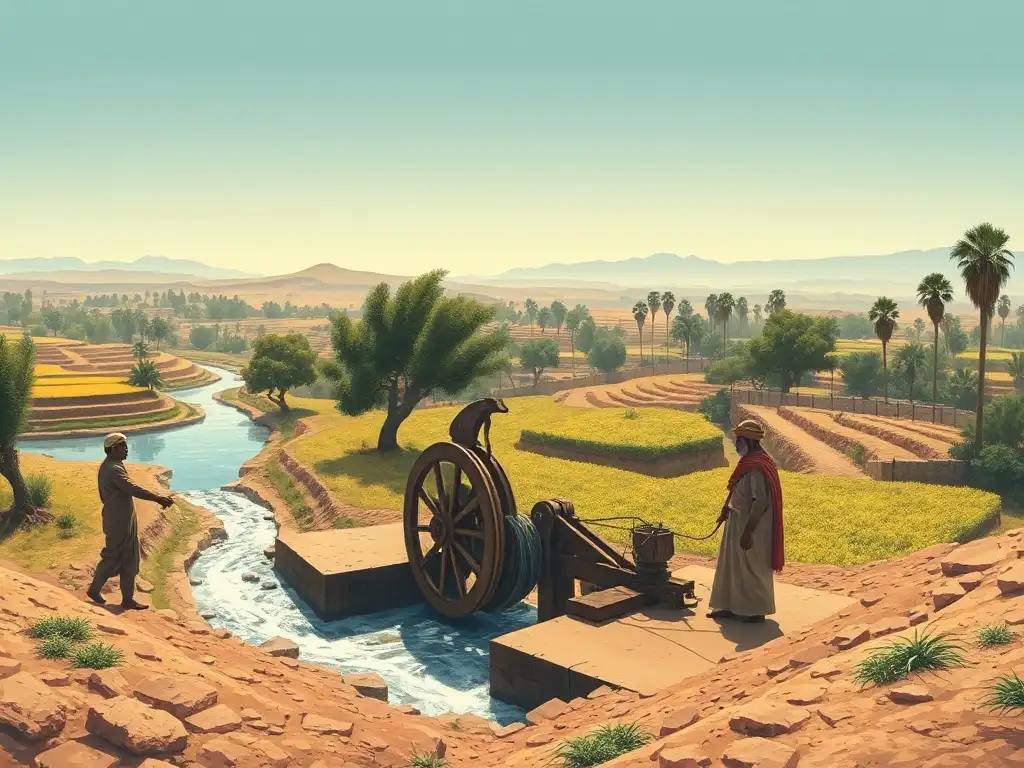
The Maurya Empire, which thrived from 322 to 185 BCE, is often recognized for its remarkable contributions to governance, culture, and technology, notably in irrigation systems. To fully appreciate the advancements in irrigation technology during this period, it is beneficial to compare these developments with those of other ancient civilizations, particularly the Indus Valley Civilization and contemporary empires such as the Persian and Roman empires. These comparisons highlight the uniqueness and sophistication of the Maurya Empire's irrigation practices.
Irrigation Technology in the Maurya Empire vs. Indus Valley Civilization
The Indus Valley Civilization (c. 2500–1900 BCE) is renowned for its advanced urban planning and sophisticated water management systems. This civilization utilized an extensive network of canals, wells, and reservoirs, signifying an early understanding of irrigation technology. The drainage systems in cities like Harappa and Mohenjo-Daro exemplify their engineering prowess.
In contrast, the Maurya Empire built upon these foundational techniques, refining and expanding them significantly. While the Indus Valley Civilization focused primarily on managing water flow in urban areas, the Mauryan innovations included:
- Large-scale irrigation projects: The Mauryan state undertook extensive canal construction to support agriculture on a grand scale, facilitating irrigation across a broader landscape.
- Use of water-lifting devices: They introduced devices such as the Rahat, a waterwheel that enabled the lifting of water from rivers and wells for agricultural purposes.
- Agricultural policies: The Mauryan rulers, particularly Emperor Ashoka, implemented policies to promote agricultural efficiency, including the construction of dams and reservoirs to store rainwater.
These advancements not only improved agricultural productivity but also laid the groundwork for future irrigation practices in India.
Innovations in Irrigation Compared to Contemporary Empires
When compared to contemporary empires, such as the Persian Empire and the Roman Empire, the Maurya Empire's irrigation technology showcased unique innovations adapted to local conditions.
- Persian Empire: The Persians utilized qanats, a system of underground aqueducts that transported water from mountains to arid plains. While effective, this method was primarily focused on arid regions and did not address the diverse topography of India.
- Roman Empire: The Romans were famous for their aqueducts, which supplied water to cities and agricultural lands. However, their methods were less suited for the rural and varied landscapes of the Indian subcontinent.
The Mauryan irrigation systems combined elements of both these approaches while emphasizing local needs, such as:
- Adaptation to diverse climates: The Maurya Empire managed to implement irrigation technologies that could function effectively in both monsoon and semi-arid climates.
- Community involvement: The Mauryan approach often involved local communities in the construction and maintenance of irrigation systems, fostering a sense of ownership and responsibility.
These innovations ensured that the irrigation practices were not only technologically advanced but also sustainable and inclusive.
Conclusion: Legacy of Irrigation Technology in the Maurya Empire
The irrigation technology developed during the Maurya Empire has left a profound legacy on Indian agriculture and economy, influencing practices well beyond its time. The innovations made during this period played a crucial role in shaping the agricultural landscape of ancient India.
Lasting Impact on Indian Agriculture and Economy
The advancements in irrigation technology during the Maurya Empire had a lasting impact on Indian agriculture, contributing to:
- Increased agricultural output: Enhanced irrigation methods allowed for the cultivation of more land and the production of surplus crops, which supported a growing population.
- Economic stability: Reliable irrigation systems contributed to sustained agricultural productivity, leading to economic prosperity and trade expansion within and beyond the empire.
- Cultural developments: The wealth generated through agriculture facilitated the flourishing of arts, culture, and architecture during and after the Maurya period.
These factors established a robust agricultural foundation that would support future Indian civilizations.
Influence on Future Irrigation Practices in Ancient India
The irrigation technologies and strategies developed during the Maurya Empire set the stage for subsequent practices in ancient India. Key influences include:
- Integration of technology: The combination of traditional techniques and new technologies from the Mauryan era carried forward into future irrigation practices, influencing subsequent dynasties such as the Gupta Empire.
- Policy frameworks: The emphasis on state involvement in irrigation management during the Maurya Empire served as a model for future rulers, highlighting the importance of governance in agricultural development.
- Enduring systems: Many of the irrigation systems initiated during the Maurya period continued to be used, adapted, and expanded upon in later centuries, demonstrating the long-term effectiveness of these innovations.
The irrigation technology in the Maurya Empire not only revolutionized agricultural practices of its time but also established a legacy that would endure through the ages, profoundly shaping the trajectory of Indian agriculture and economy.
References and Further Reading on Irrigation Technology in Ancient India
Understanding the irrigation technology in the Maurya Empire requires a comprehensive exploration of various academic texts, resources, and studies that focus on ancient Indian agriculture and its innovative practices. The following sections provide recommended academic sources and online resources to enhance your knowledge of this subject.
Suggested Academic Sources and Texts
-
"The Mauryan Empire" by Romila Thapar
This foundational text offers a detailed analysis of the political, economic, and agricultural developments during the Maurya Empire, including irrigation systems and their significance in societal growth.
-
"Agricultural Technology in Ancient India" by R. S. Sharma
Sharma's work delves into the various agricultural techniques utilized in ancient India, with specific chapters dedicated to irrigation technologies and their evolution over time.
-
"Water Management in Ancient India" by K. S. Shukla
This book provides an in-depth look at the various water management practices in ancient Indian civilizations, including the Maurya Empire, highlighting irrigation methods and their socio-economic impacts.
-
"Irrigation and Society in Ancient India" by R. S. Tripathi
Tripathi examines the relationship between irrigation and societal structures in ancient India, detailing how irrigation technology influenced agricultural productivity and social organization.
-
"The Historical Dictionary of Ancient India" by Barbara W. F. H. Beck
This dictionary includes entries related to irrigation and agriculture, providing quick references and insights into the technological advancements during the Maurya Empire.
Online Resources for Exploring Ancient Indian Agriculture
-
Digital South Asia Library
This online archive offers a collection of ancient texts, maps, and images related to Indian history, including resources on irrigation technologies.
-
The Indian History Congress
An organization that periodically publishes conference proceedings and journals which include research papers on various aspects of ancient Indian history, including agriculture and irrigation.
-
Ancient India – A Historical Overview
This website provides a summary of ancient Indian civilizations, focusing on key developments in agriculture, including irrigation techniques used during the Maurya Empire.
-
The Archaeological Survey of India
The official website offers insights into archaeological findings related to ancient irrigation systems and provides access to research papers and reports on related studies.
-
Google Scholar
A valuable resource for accessing scholarly articles and research papers on irrigation technology in the Maurya Empire, providing a plethora of academic studies and citations.
By exploring these recommended sources and resources, readers can gain a well-rounded understanding of the irrigation technology in the Maurya Empire, its historical context, and its contributions to agriculture and society.
- Introduction to Irrigation Technology in the Maurya Empire
- Historical Context of Irrigation Practices
- Key Innovations in Irrigation Technology
- The Role of Governance in Advancing Irrigation
- Impact of Irrigation Technology on Agriculture
- Case Studies of Notable Irrigation Projects
- Comparisons with Other Ancient Civilizations
- Conclusion: Legacy of Irrigation Technology in the Maurya Empire
- References and Further Reading on Irrigation Technology in Ancient India
- What were the main irrigation technologies used during the Maurya Empire?
- How did irrigation technology impact agriculture in the Maurya Empire?
- Were there any notable figures associated with irrigation advancements in the Maurya Empire?
- What role did geography play in the irrigation practices of the Maurya Empire?
- How did the irrigation advancements of the Maurya Empire compare to those of other ancient civilizations?
Frequently Asked Questions
What were the main irrigation technologies used during the Maurya Empire?
The Maurya Empire utilized advanced irrigation technologies such as canals, wells, and reservoirs to enhance agricultural productivity, which was vital for sustaining its large population.
How did irrigation technology impact agriculture in the Maurya Empire?
The development of irrigation technology significantly increased crop yields, allowing for more efficient farming practices and contributing to the empire's economic stability and growth.
Were there any notable figures associated with irrigation advancements in the Maurya Empire?
Yes, Emperor Ashoka, known for his progressive policies, promoted the development of irrigation systems to improve agricultural output and support his vast empire.
What role did geography play in the irrigation practices of the Maurya Empire?
The diverse geography of the Maurya Empire, including rivers and fertile plains, influenced the design and implementation of irrigation technologies, adapting to various regional climates and soil types.
How did the irrigation advancements of the Maurya Empire compare to those of other ancient civilizations?
The irrigation advancements in the Maurya Empire were comparable to those of other ancient civilizations, such as Mesopotamia and Egypt, showcasing a sophisticated understanding of water management and agricultural practices.
Final Reflection: The Enduring Legacy of Irrigation Technology in the Maurya Empire
The technological advancements in irrigation during the Maurya Empire are not just relics of the past; they are a testament to human ingenuity that continues to resonate today. As we face modern challenges such as climate change and water scarcity, the innovative irrigation practices of the Maurya Empire remind us of the importance of sustainable water management. The lessons learned from their sophisticated systems can guide us in developing solutions that are both effective and environmentally friendly.
The impact of irrigation technology in the Maurya Empire extends far beyond its historical context; it has shaped agricultural practices and societal structures throughout the ages. The intricate methods employed by the Mauryans laid the groundwork for future civilizations, influencing how communities interact with their environment. As historian R.S. Sharma noted, The Maurya Empire's advancements in irrigation not only transformed agriculture but also fostered a sense of community and cooperation among its people.
This observation underscores the idea that effective irrigation is not merely a technical achievement but a catalyst for social cohesion and economic prosperity.
As we reflect on the significance of irrigation technology in the Maurya Empire, let us consider how we can apply these lessons in our own lives and communities. I invite you to explore how sustainable water practices can be integrated into your daily routines and local initiatives. By embracing the wisdom of the past, we can cultivate a future where innovation meets responsibility, ensuring that the legacy of the Maurya Empire continues to inspire generations to come.
Unleash the Power of Ancient Innovation!
Thank you for diving into the fascinating world of the Maurya Empire and the remarkable advancements in irrigation that transformed agricultural practices. Your engagement with this topic enriches our collective understanding of ancient ingenuity.
Now, let's take that knowledge further and actively explore the impact of these innovations on our present. Here are some practical steps you can take:
- Implement Smart Watering Solutions: Research and adopt modern irrigation techniques inspired by ancient practices. Consider utilizing drip irrigation for your garden or community projects to promote sustainability.
- Share Your Insights: Discuss the significance of these advancements with friends and family. Use social media to enlighten others about how ancient technology can guide today’s ecological strategies.
- Join a Local Agriculture Group: Connect with like-minded individuals interested in sustainable farming techniques. Your insights on ancient practices could inspire new local initiatives!
Which ancient technological advancement intrigues you the most, and how do you think it could influence modern practices in your community?