
The Ramayana in Modern Times: Adaptations and Interpretations

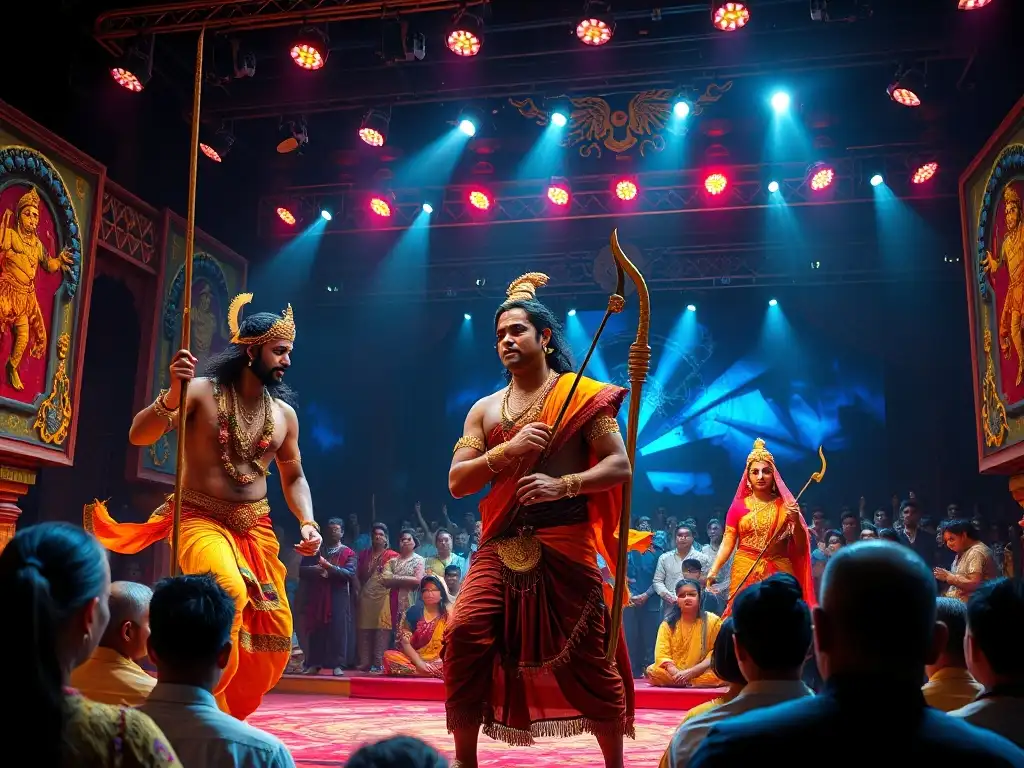
Welcome to Ancient India History, where we delve into the captivating tapestry of India's rich past! Today, we invite you to explore the timeless narratives that continue to shape our world. Our featured article, "The Ramayana in Modern Times: Adaptations and Interpretations," uncovers how this ancient epic resonates within contemporary culture, inspiring countless adaptations across various mediums. Join us on this journey as we unravel the profound impact of the Ramayana on art, literature, and society today. Prepare to be intrigued and inspired—there's so much more waiting for you!
Introduction to the Ramayana
The Ramayana, one of the two great epics of ancient India, is not just a story of valor and devotion; it is a profound reflection of human values, ethics, and the complexities of life. This ancient text, attributed to the sage Valmiki, narrates the journey of Lord Rama, his wife Sita, and his loyal companion Hanuman as they navigate love, duty, and righteousness amid trials and tribulations.
In modern times, the Ramayana continues to resonate with audiences across the globe, leading to a multitude of adaptations in various forms of art and literature. As we explore the rich tapestry of Ramayana adaptations in modern culture, we will delve into how these interpretations not only honor the original text but also reflect contemporary societal values and norms.
Overview of the Ramayana as an Epic
The Ramayana is structured into seven Kandas (books), encompassing a wide array of themes, including duty (Dharma), justice, loyalty, and the triumph of good over evil. With its compelling characters and intricate plot, the epic serves as a moral compass, guiding individuals on their paths. The narrative unfolds through the trials faced by Rama, who embodies the ideal man, and Sita, who represents the epitome of virtue and fidelity.
- Key Characters:
- Rama: The hero and an incarnation of the god Vishnu.
- Sita: Rama's devoted wife and a symbol of purity.
- Lakshmana: Rama's loyal brother.
- Hanuman: The monkey god and a devotee of Rama.
These characters not only drive the narrative forward but also serve as archetypes for various human qualities, making the Ramayana a timeless tale that transcends generations.
Significance of the Ramayana in Ancient Indian Culture
The Ramayana is deeply embedded in the cultural fabric of India, influencing art, music, dance, and drama. It is celebrated not only as a religious scripture but also as a source of inspiration for countless artists and writers throughout history. The epic's teachings on morality, virtue, and ethical dilemmas resonate with audiences, offering guidance in both personal and societal contexts. Festivals like Diwali, which marks Rama's return to Ayodhya, further illustrate the enduring legacy of the Ramayana in Indian culture.
The Concept of Adaptation in Literature
Adaptations of literary works have been a fundamental aspect of storytelling across cultures, allowing timeless narratives to find new expressions and audiences. The Ramayana, with its multifaceted themes and characters, has inspired a plethora of adaptations in various modern contexts, from literature and theater to film and television.
Understanding Literary Adaptations
Literary adaptations involve reimagining a source text to fit new mediums, cultural contexts, or audiences. This process can take many forms, including:
- Retellings: New interpretations that maintain the essence of the original story while providing fresh perspectives.
- Modernizations: Versions that update settings, characters, or themes to resonate with contemporary audiences.
- Cross-cultural adaptations: Interpretations that explore the Ramayana through the lens of different cultures, illustrating its universal appeal.
These adaptations not only serve to entertain but also to provoke thought and discussion about the original themes in today's world.
Importance of Cultural Context in Adaptations
Cultural context plays a pivotal role in how adaptations of the Ramayana are created and received. As societies evolve, so do the values and beliefs of their members, prompting new interpretations of this ancient text. For instance:
- Gender Roles: Modern adaptations may challenge traditional portrayals of characters, such as Sita, emphasizing her strength and autonomy.
- Social Issues: Contemporary retellings may address current social justice issues, drawing parallels between the epic and modern-day struggles.
By understanding the cultural context surrounding adaptations, we can appreciate how the Ramayana continues to inspire and provoke thought, making it a relevant and enduring piece of literature in modern times.
Ramayana Adaptations in Modern Culture
The Ramayana, one of the two major Sanskrit epics of ancient Indian literature, has transcended its origins to resonate deeply within modern culture. Its timeless themes, characters, and moral dilemmas continue to inspire a plethora of adaptations across various media, reflecting the evolving societal values and norms. From literature to theater, television, and film, the essence of the Ramayana has been reinterpreted, allowing new generations to engage with its profound narrative.
The adaptability of the Ramayana is evident in its integration into contemporary art forms, where it serves as a canvas for discussing issues such as justice, duty, and righteousness. These adaptations often strive to bridge ancient wisdom with current societal challenges, making the epic relevant for today's audiences. This ongoing reinterpretation not only honors the tradition but also invites critical reflection on modern ethical dilemmas, showcasing the epic's enduring legacy.
Overview of Ramayana Adaptations in Contemporary Times
In contemporary times, the Ramayana has found expression in various formats, including novels, graphic novels, and digital media. Authors have reimagined the story, focusing on character backstories, alternative perspectives, and modern settings. For instance, novels like "The Palace of Illusions" by Chitra Banerjee Divakaruni reframe the narrative through the eyes of female characters, providing a fresh perspective on traditional roles.
Television series, particularly during the 1980s and 1990s, brought the epic into the homes of millions, solidifying its place in popular culture. The adaptations often emphasize the moral and ethical lessons of the Ramayana, making them accessible to a broader audience.
Moreover, the rise of social media and digital storytelling platforms has led to innovative interpretations, including short videos, animations, and memes that encapsulate moments from the epic, thereby engaging younger audiences and fostering discussions around its themes.
Key Themes Reflected in Modern Ramayana Adaptations
Modern adaptations of the Ramayana frequently explore key themes that resonate with contemporary issues.
- Dharma (Righteousness): The concept of duty remains central, with adaptations examining the complexities of making moral choices in today's multifaceted world.
- Gender Dynamics: Many adaptations challenge traditional gender roles, highlighting the strength and agency of female characters, such as Sita and Urmila, and questioning patriarchal norms.
- Good vs. Evil: The battle between good and evil is a recurring theme, often contextualized within modern societal conflicts, such as corruption and injustice.
- Love and Sacrifice: The relationships depicted in the Ramayana, particularly those marked by love, loyalty, and sacrifice, continue to resonate, as they reflect the emotional struggles of modern life.
These themes not only honor the original epic but also invite audiences to reflect on their relevance in current societal contexts.
Film Adaptations of the Ramayana
Film adaptations of the Ramayana have played a significant role in shaping public perception and appreciation of this ancient epic. Through visual storytelling, filmmakers have brought the characters and events of the Ramayana to life, making it accessible to diverse audiences across the globe.
Popular Movies Based on the Ramayana
Numerous films have been inspired by the Ramayana, each interpreting the story through unique lenses. Notable examples include:
- "Ramayana: The Legend of Prince Rama" (1992): An animated film that presents the epic with a blend of traditional storytelling and modern animation techniques, appealing to both children and adults.
- "Raavan" (2010): This Hindi film offers a contemporary retelling, focusing on the character of Raavan with a nuanced portrayal that challenges the binary of good versus evil.
- "Sita: Warrior of Mithila" (2017): A film that emphasizes Sita's strength and agency, reimagining her character as a warrior and leader, thus subverting traditional portrayals.
These films not only entertain but also provoke thought and discussion regarding the themes and characters of the Ramayana.
Analysis of Themes in Ramayana Cinema
The themes explored in Ramayana cinema often reflect societal values and challenges.
- Heroism and Morality: Filmmakers frequently grapple with defining heroism, questioning what it means to be a hero in a modern context. Characters like Rama and Sita are depicted not just as ideal figures but as complex individuals facing moral dilemmas.
- Cultural Identity: Many adaptations explore the cultural significance of the Ramayana in contemporary society, examining how it shapes identity and community values.
- Reinterpretation of Villains: Modern cinema often provides depth to characters traditionally viewed as villains, such as Raavan, offering insights into their motivations and struggles, thereby fostering empathy.
These thematic explorations enrich the narrative, allowing viewers to engage with the Ramayana on multiple levels.
Impact of Film on Public Perception of the Ramayana
The impact of film adaptations on public perception of the Ramayana cannot be overstated. They have not only revived interest in the epic but also shaped contemporary interpretations of its characters and themes.
- Educational Value: Films serve as a tool for education, introducing audiences to the core elements of the Ramayana, its characters, and the moral lessons embedded in the story.
- Cultural Preservation: By bringing the Ramayana to life on screen, filmmakers contribute to the preservation of cultural heritage, ensuring that the teachings of the epic resonate with future generations.
- Dialogue and Debate: The diverse interpretations presented in films encourage dialogue and debate among audiences, prompting discussions about ethics, morality, and the relevance of ancient texts in modern society.
Ultimately, the adaptations of the Ramayana in film contribute to its enduring legacy, ensuring that this ancient epic continues to inspire and provoke thought in contemporary culture.
Television Adaptations of the Ramayana
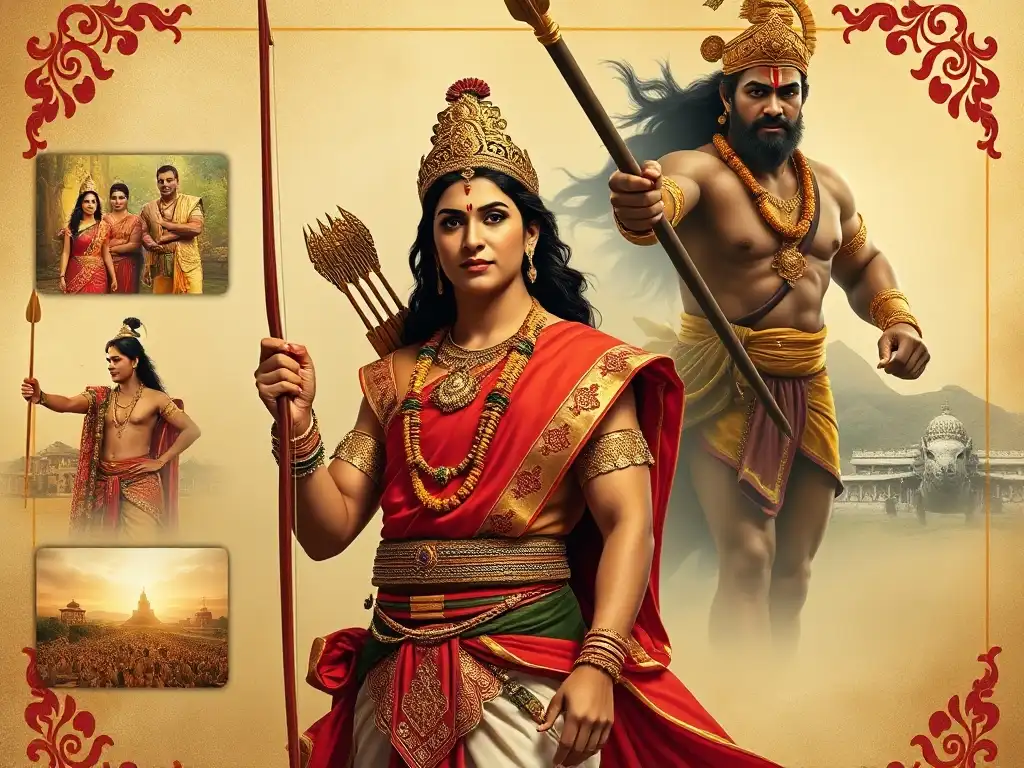
The Ramayana, one of the two great epics of ancient Indian literature, has seen numerous adaptations across various media. Among these, television has played a significant role in bringing the story of Rama, Sita, and the battle against Ravana into the homes of millions. The visual medium has allowed for a rich portrayal of the characters, themes, and moral lessons of the epic, reaching audiences far beyond traditional readers. The adaptations, often characterized by dramatic storytelling, elaborate sets, and engaging performances, have not only entertained but also educated viewers about the cultural and spiritual heritage of India.
Influential TV Series Inspired by the Ramayana
The most notable adaptation of the Ramayana for television is the 1987 series "Ramayan," directed by Ramanand Sagar. This series became a landmark in Indian television history, garnering astronomical viewership and setting the standard for subsequent adaptations. Its portrayal of the epic was marked by a faithful representation of the text, and it introduced many to the characters and narratives of the Ramayana for the first time.
Following the success of Sagar's adaptation, there have been several other television series, such as "Ramayan" in 2008 by the production house of Swastik Productions and "Siya Ke Ram," which offered a more gender-sensitive perspective by focusing on Sita's narrative. These adaptations often vary in interpretation, with some emphasizing the traditional values while others introduce contemporary themes and modern aesthetics.
Cultural Significance of Ramayana on Television
Television adaptations of the Ramayana have played a crucial role in reinforcing cultural values and societal norms within Indian society. By dramatizing the epic's events, these series have instilled a sense of moral and ethical lessons that resonate with viewers. They frequently highlight themes such as duty (dharma), righteousness, and devotion, which are integral to Indian culture.
Moreover, these adaptations have contributed to the revival of interest in traditional narratives, leading to a new generation becoming familiar with the epic's teachings. Festivals, rituals, and community gatherings often incorporate elements from these portrayals, emphasizing their lasting impact on cultural practices. The accessibility of television also democratizes the epic, allowing diverse audiences, including those from rural backgrounds, to engage with these narratives.
How Television Adaptations Shape Modern Interpretations
Television adaptations of the Ramayana have the power to shape modern interpretations by blending traditional narratives with contemporary issues. The retelling of the epic through the lens of modern sensibilities often addresses current socio-political themes, such as gender dynamics, morality in leadership, and the importance of community.
For instance, contemporary adaptations may portray Sita as a more assertive character, challenging the traditional views of female passivity in the epic. This evolution reflects changing societal attitudes towards gender roles and personal agency. Similarly, adaptations often introduce modern production techniques, including CGI and elaborate visual effects, making the epic accessible and appealing to a younger audience.
The result is a dynamic interpretation of the Ramayana that maintains its core teachings while adapting to the values and issues of the present day.
Literature and the Ramayana
The influence of the Ramayana extends beyond the realm of television and into literature, where modern authors draw from its themes, characters, and narratives to create new works. This literary engagement with the epic reveals how deeply ingrained the Ramayana is in the psyche of Indian culture and how it continues to inspire creativity across disciplines.
Modern Novels and Literary Works Inspired by the Ramayana
Numerous modern novels and literary works have been inspired by the Ramayana, each offering unique perspectives and interpretations. Authors like Ashok Banker have reimagined the epic in a contemporary setting, infusing it with modern language and relatable characters, which has helped in connecting younger readers with the ancient text.
Books like "The Ramayana: A New Translation" by Ramesh Menon and "The Forest of Enchantments" by Chitra Banerjee Divakaruni explore the stories of the Ramayana through rich narratives and character development, focusing on the female perspective and the emotional depth of the characters. These works not only retell the epic but also delve into the complexities of human relationships and moral dilemmas, resonating with modern sensibilities.
Comparative Analysis of Traditional vs. Modern Interpretations
A comparative analysis of traditional and modern interpretations of the Ramayana reveals significant differences in themes, character portrayals, and narrative techniques. Traditional adaptations typically emphasize the virtues of dharma, devotion, and loyalty, often portraying characters in a binary manner—heroes and villains.
In contrast, modern interpretations tend to adopt a more nuanced approach, exploring the shades of gray within characters and their motivations. For instance, the character of Ravana, traditionally viewed as the archetypal demon, is often depicted in modern narratives as a tragic figure with complex motivations. This shift allows for deeper engagement with the text and encourages readers to ponder moral ambiguities, making the epic relevant in today's context.
Influence of the Ramayana on Contemporary Indian Writers
The Ramayana's influence on contemporary Indian writers is profound, as it provides a rich tapestry of themes, characters, and moral questions that resonate with modern audiences. Many writers incorporate elements of the epic into their works, either through direct retellings or by referencing its themes in discussions of identity, justice, and human experience.
Authors such as Kamala Das and Vikram Seth have drawn inspiration from the Ramayana to explore personal and societal themes within their poetry and prose. The epic serves as a backdrop against which contemporary issues are examined, allowing writers to engage with India's cultural heritage while addressing the complexities of modern life. As a result, the Ramayana continues to be a vital source of inspiration and reflection for Indian literature, fostering a dialogue between the past and the present.
Performing Arts and the Ramayana
The Ramayana has profoundly influenced various forms of performing arts, showcasing its themes and characters through dance, theater, and music across cultures. The epic's narrative, rich in emotion and moral dilemmas, lends itself to vibrant adaptations that capture the audience's imagination. As a cultural touchstone, the Ramayana has been interpreted and reinterpreted in diverse ways, reflecting contemporary values while preserving its traditional roots. This dynamic interplay between ancient text and modern performance art continues to shape the understanding and appreciation of the Ramayana in today's society.
The Role of Dance and Theater in Ramayana Adaptations
Dance and theater have served as vital mediums for expressing the narrative and themes of the Ramayana. Classical dance forms such as Bharatanatyam, Kathakali, and Odissi often depict scenes from the epic, showcasing the intricate storytelling through gestures, expressions, and movements. In theater, adaptations of the Ramayana have been presented in various styles, from traditional folk performances to contemporary dramatic interpretations. These performances not only honor the original text but also provide a platform for artists to explore and address current social issues, making the epic relevant to modern audiences.
The integration of music plays a crucial role in enhancing the emotional depth of these adaptations. Traditional music, coupled with modern compositions, creates a rich auditory experience that complements the visual storytelling. Theater productions often incorporate elaborate costumes and stage designs that transport the audience into the world of the Ramayana, allowing for a more immersive experience.
Modern Interpretations in Dance Forms
Modern interpretations of the Ramayana in dance forms have evolved significantly, embracing contemporary styles while maintaining the core narrative. Choreographers are now experimenting with fusion dance, blending elements of classical Indian dance with Western styles, such as ballet and contemporary dance. This approach not only broadens the appeal of the Ramayana but also invites diverse audiences to engage with its themes.
One notable example is the adaptation of the Ramayana in the form of modern ballet, which has gained popularity in various international dance festivals. These performances often highlight the emotional journey of characters like Sita and Rama, making their struggles and triumphs resonate with contemporary viewers. Additionally, community theater groups and dance troupes frequently perform adaptations that reflect local culture and social issues, proving that the Ramayana remains a living tradition adaptable to modern contexts.
Case Studies of Notable Ramayana Performances
Several notable performances have left a lasting impact on the landscape of Ramayana adaptations. One such example is the production "Ramayana: The Epic," which premiered in 2010 and combined traditional dance with multimedia elements. This performance received acclaim for its innovative approach and ability to engage younger audiences.
Another significant case is the "Ramayana" by the renowned theater director Ratan Thiyam, known for his avant-garde style. His adaptation, which incorporates elements of Manipuri theater, challenges conventional portrayals and emphasizes the emotional and psychological aspects of the characters. Through such performances, the Ramayana continues to inspire artists and audiences alike, fostering a deeper connection to its themes of duty, love, and righteousness.
Digital Media and the Ramayana
In recent years, digital media has transformed how the Ramayana is perceived and interpreted. The proliferation of technology has opened new avenues for storytelling, allowing the epic's narratives to reach a global audience. From animated series to web series, the Ramayana has found a new life on various digital platforms, showcasing its timeless relevance and appeal.
The Impact of Social Media on Ramayana Interpretations
Social media platforms have played a significant role in shaping modern interpretations of the Ramayana. Users share stories, memes, and discussions related to its characters and themes, fostering a vibrant online community. Hashtags like #Ramayana and #Rama have become popular, allowing individuals to engage in conversations and share their interpretations.
Moreover, social media has enabled artists and performers to showcase their adaptations, reaching audiences beyond geographical boundaries. This democratization of content creation has led to diverse interpretations, as individuals from various backgrounds contribute their perspectives on the epic's moral and ethical dilemmas. The interactive nature of social media also allows for real-time feedback, encouraging ongoing dialogue about the Ramayana's significance in contemporary society.
Online Content and Storytelling Related to the Ramayana
The rise of online content platforms has provided new opportunities for storytelling related to the Ramayana. YouTube, for instance, hosts a plethora of adaptations, ranging from animated retellings to live-action interpretations. These formats appeal to younger audiences, who may be more inclined to engage with visual content.
Podcasts and blogs have also emerged as popular mediums for discussing the Ramayana. Scholars and enthusiasts alike share insights, analyses, and personal reflections on the epic, contributing to a richer understanding of its themes and characters. This wave of online content fosters a sense of community among those interested in the Ramayana, as they exchange ideas and interpretations.
How Digital Platforms are Redefining the Ramayana Narrative
Digital platforms are not only expanding the reach of the Ramayana but are also redefining its narrative. Creative adaptations that incorporate modern issues, such as gender equality and social justice, resonate with contemporary audiences. For example, web series have reimagined Sita's character, portraying her as a strong, independent woman who challenges traditional norms.
Additionally, the accessibility of digital platforms has encouraged collaborative projects that blend various cultural interpretations of the Ramayana. Filmmakers and artists from different backgrounds contribute their unique perspectives, enriching the narrative tapestry of the epic. This inclusive approach ensures that the Ramayana remains a dynamic and evolving story, relevant to the diverse experiences of today's global society.
Challenges and Controversies in Ramayana Adaptations
The adaptations of the Ramayana in modern culture are not without their challenges and controversies. As an epic deeply rooted in tradition and spirituality, any reinterpretation or modernization can lead to divergent opinions and heated discussions. The essence of the Ramayana, which embodies values such as dharma (duty), devotion, and righteousness, often clashes with contemporary perspectives, thus provoking debates on the authenticity and appropriateness of adaptations.
One significant challenge arises from cultural sensitivity. The Ramayana is not merely a story; it is a sacred text for millions. Adaptations that stray too far from the original narrative or alter key characters and themes can elicit backlash from traditionalists who view such changes as disrespectful. Furthermore, the portrayal of characters, especially female figures like Sita, has sparked discussions about feminism and representation in adaptations. Critics argue that modern interpretations sometimes reinforce stereotypes rather than challenge them.
Additionally, the commercialization of the Ramayana—through films, television series, and merchandise—raises ethical questions. Is the epic being reduced to mere entertainment, or are its teachings and cultural significance being preserved? This tension between profit motives and the preservation of cultural heritage continues to be a point of contention.
Criticism of Modern Adaptations
Modern adaptations of the Ramayana often face criticism for various reasons. One prevalent critique centers around the oversimplification of complex characters and themes. For instance, in many film and television adaptations, characters like Ravana are depicted as purely evil, lacking the nuanced portrayal found in the original text, where he is shown as a king with admirable qualities, albeit flawed.
Moreover, the narrative's moral lessons can sometimes be diluted in modern retellings. As adaptations aim to appeal to contemporary audiences, they may prioritize entertainment over the epic's deeper philosophical teachings. This has led to concerns that younger generations may not grasp the fundamental values inherent in the Ramayana, such as the importance of duty, honor, and sacrifice.
Another area of contention is the visual representation of the characters and events. The dramatic liberties taken by directors and writers can lead to inconsistent portrayals that clash with established interpretations. For example, the depiction of divine interventions and supernatural elements may be altered, causing purists to question the authenticity of the adaptation.
Balancing Tradition and Innovation in Adaptations
Finding the right balance between tradition and innovation is crucial in creating successful adaptations of the Ramayana. On one hand, preserving the core values and teachings of the epic is essential to honor its historical and cultural significance. On the other hand, incorporating contemporary themes and modern storytelling techniques can make the narrative more relatable to today's audiences.
Innovative adaptations have emerged that blend traditional storytelling with modern frameworks. For instance, some contemporary retellings place characters in modern settings while retaining their original motivations and dilemmas. This approach not only attracts a younger demographic but also encourages discussions around timeless themes such as love, loyalty, and ethical dilemmas.
Moreover, diverse interpretations from various cultural perspectives can enrich the understanding of the Ramayana. Adaptations that draw inspiration from regional variations or incorporate different art forms—such as dance, theater, and literature—foster a broader appreciation of the epic's legacy. This multifaceted approach allows for a deeper exploration of its themes while respecting its traditional roots.
Conclusion
The Ramayana, with its rich narrative and profound teachings, continues to resonate in modern culture through various adaptations. However, the journey of adapting this ancient epic is fraught with challenges that require careful consideration of its cultural and spiritual significance. As society evolves, so too does the interpretation of the Ramayana, leading to an ongoing dialogue between the past and the present.
The Enduring Legacy of the Ramayana in Modern Culture
The enduring legacy of the Ramayana in modern culture is evident in its pervasive influence across multiple mediums—literature, cinema, theater, and even digital platforms. The epic's themes of duty, righteousness, and the divine struggle between good and evil remain relevant, inspiring countless creators to explore its narratives and characters.
Moreover, the Ramayana's adaptability has allowed it to transcend geographical boundaries, finding resonance in various cultures around the world. From adaptations in Southeast Asia to reinterpretations in Western contexts, the epic serves as a universal story that speaks to the human experience, bridging cultural divides. Its moral and ethical quandaries continue to stimulate discourse, making the Ramayana a timeless source of inspiration and reflection.
Future Directions for Ramayana Adaptations and Interpretations
Looking ahead, the future of Ramayana adaptations seems promising yet complex. As technology advances, new mediums—such as virtual reality and interactive storytelling—offer fresh avenues for exploring this ancient narrative. These innovative formats can engage audiences in immersive experiences, allowing them to step into the world of the Ramayana and interact with its characters and moral dilemmas.
Additionally, the growing interest in global storytelling presents an opportunity for cross-cultural adaptations that can introduce the Ramayana to new audiences. Collaborations between artists from different backgrounds can yield unique interpretations that respect the epic's heritage while also incorporating diverse cultural elements.
Ultimately, the challenge will be to strike a balance between preserving the essence of the Ramayana and embracing the creativity of modern reinterpretations. As new generations encounter this epic, the conversations and adaptations that emerge will shape its legacy for years to come, ensuring that the Ramayana remains a vital part of our cultural landscape.
References
When exploring the rich tapestry of Ramayana adaptations in modern culture, a variety of references provide insight into different interpretations, analyses, and artistic expressions. These references encompass a range of mediums, including literature, film, theater, and more, reflecting the enduring impact of this ancient epic across generations.
- Books
- The Ramayana: A New Translation by Robert Alter: This contemporary translation offers a fresh perspective on the text while maintaining its original essence.
- Ramayana: The Game of Life by Shubha Vilas: This series reinterprets the Ramayana for modern audiences, focusing on the moral and ethical dilemmas faced by its characters.
- The Ramayana in the Modern World by Arvind Sharma: A scholarly work that explores how the Ramayana has been adapted and reinterpreted in various cultural contexts today.
- Articles and Journals
- "The Ramayana in Popular Culture" by Pavan K. Varma: This article discusses how the epic has influenced popular media, including television and cinema.
- "The Many Faces of Sita: Analyzing Adaptations of the Ramayana" published in the Journal of South Asian Literature: This journal article examines different portrayals of Sita in contemporary adaptations and their implications.
- Documentaries and Films
- The Ramayana: An Epic Tale of Love and War (Documentary): This film explores the historical and cultural significance of the Ramayana, featuring interviews with scholars and practitioners.
- Ramayana: The Legend of Prince Rama (Animated Film): A modern animated retelling that brings the story to younger audiences while staying true to its roots.
Suggested Readings on Ramayana Adaptations
For those interested in delving deeper into the various adaptations of the Ramayana, the following readings are recommended:
- Sita’s Ramayana by Samhita Arni and Moyna Chatterjee: This graphic novel reinterprets the Ramayana from Sita’s perspective, highlighting her strength and individuality.
- The Ramayana: A Shortened Modern Prose Version of the Indian Epic by Ramesh Menon: This version condenses the original epic while preserving its core themes and narratives.
- The Ramayana: A Cultural History by Kamala Subramaniam: This book discusses the influence of the Ramayana on Indian culture, art, and traditions across the ages.
These readings provide a comprehensive understanding of how the Ramayana continues to resonate in modern society and the diverse interpretations that have emerged over time.
Noteworthy Scholars and Works on the Ramayana in Modern Times
Several scholars have made significant contributions to the study of the Ramayana's place in modern culture. Their works provide valuable insights into the epic's adaptations and its relevance today.
- Dr. Ramesh Menon: An acclaimed author and translator, Menon's works provide accessible interpretations of the Ramayana for contemporary readers. His prose version of the epic has gained popularity for its clarity and engagement with modern themes.
- Dr. Arvind Sharma: A prominent scholar in religious studies, Sharma has written extensively on the Ramayana, focusing on its philosophical and ethical dimensions. His explorations of the text in the context of modernity offer a nuanced understanding of its adaptations.
- Dr. Meenakshi Mukherjee: Known for her critiques on Indian literature, Mukherjee’s analyses of the Ramayana’s adaptations in various forms of media underscore the epic's enduring influence and the complexities involved in its reinterpretation.
These scholars and their works play a crucial role in shaping contemporary discourse surrounding the Ramayana, ensuring that its legacy continues to evolve while retaining its core messages.
- Introduction to the Ramayana
- The Concept of Adaptation in Literature
- Ramayana Adaptations in Modern Culture
- Film Adaptations of the Ramayana
- Television Adaptations of the Ramayana
- Literature and the Ramayana
- Performing Arts and the Ramayana
- Digital Media and the Ramayana
- Challenges and Controversies in Ramayana Adaptations
- Conclusion
- References
Frequently Asked Questions
What is the significance of the Ramayana in modern culture?
The Ramayana serves as a timeless source of moral lessons and cultural values, influencing various forms of art, literature, and performing arts in contemporary society.
How have the adaptations of the Ramayana evolved over time?
Adaptations of the Ramayana have transformed from traditional epic narratives to modern interpretations in films, television, and theater, reflecting current societal values and issues.
What are some notable modern adaptations of the Ramayana?
Some significant adaptations include animated films, television series, and stage plays that reinterpret the characters and themes of the Ramayana for today’s audience.
How do different cultures interpret the Ramayana?
Various cultures, such as Southeast Asian nations, have their unique adaptations, showcasing local customs and beliefs while maintaining the core narrative of the Ramayana.
Why is the Ramayana relevant in today's world?
The Ramayana addresses universal themes such as duty, love, righteousness, and human struggles, making it a relevant source of inspiration and reflection in the modern world.
Final Reflection: The Enduring Legacy of the Ramayana in Modern Culture
The Ramayana continues to resonate deeply in contemporary society, reflecting timeless themes of duty, love, and righteousness that transcend generations. As we navigate a world filled with complexities and challenges, the adaptations and interpretations of this ancient epic remind us of the universal values it embodies. The relevance of the Ramayana in modern culture is not merely a nostalgic connection to our past; it serves as a guiding light, illuminating our paths in an ever-evolving landscape.
The impact of the Ramayana on our cultural and social fabric is profound and ongoing. From films and television series to literature and art, the Ramayana's narratives inspire creativity and provoke thought. This epic has shaped our understanding of heroism, morality, and the human experience, allowing us to reflect on our own lives. As Mahatma Gandhi once said, “The Ramayana is a mirror of the soul.” > This quote encapsulates the idea that the stories we tell and retell are reflections of our inner selves, shaping our identities and values in the process.
As we conclude this exploration of the Ramayana's adaptations in modern culture, I invite you to reflect on how these timeless stories resonate with your own life. Consider the lessons of compassion, courage, and integrity that the Ramayana imparts. How can you incorporate these values into your daily actions and decisions? Let the wisdom of this ancient epic inspire you to create a narrative of your own that honors its legacy while forging a path toward a brighter future.
Embrace the Timeless Wisdom of the Ramayana!
Thank you for diving into the rich tapestry of the Ramayana and its modern interpretations! Your exploration of these adaptations not only enriches your understanding but also connects you to a legacy that transcends time. Now, let's take the next step together to truly connect with this profound saga.
Here are a few actions you can take to amplify your engagement with the Ramayana:
- Dive deeper by reading a contemporary retelling of the Ramayana to discover new perspectives.
- Share your thoughts on social media using the hashtag #RamayanaToday and invite others to join the conversation.
- Participate in local discussions or online forums about the Ramayana to exchange ideas and interpretations with fellow enthusiasts.
As you reflect on these actions, consider this: How can you incorporate the values and lessons from the Ramayana into your daily life? We would love to hear your thoughts!