
Conquerors and Defenders: Key Campaigns of the Mauryan Empire

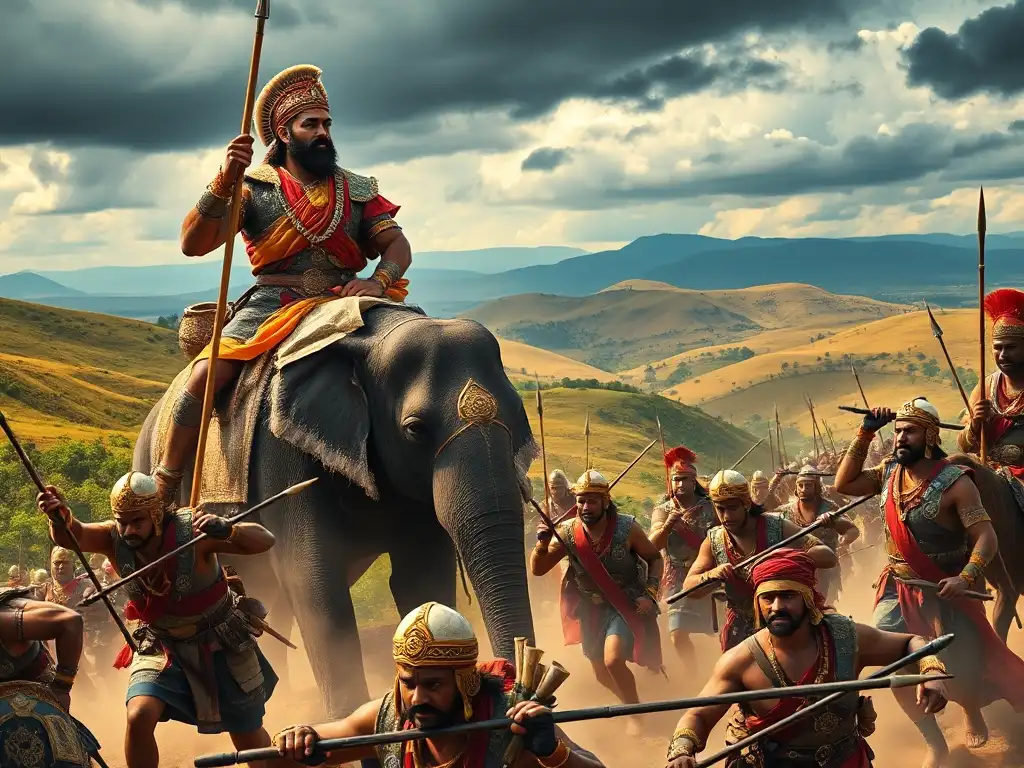
Welcome to Ancient India History, where we embark on a fascinating journey through the rich tapestry of India's past. As we delve into the Mauryan Empire, prepare to uncover the strategic brilliance behind its military campaigns, a key element that shaped the destiny of ancient civilizations. From the audacious conquests to the valiant defenses, each chapter of this empire's military narrative is filled with intrigue and valor.
Join us as we explore these pivotal moments that not only defined an era but also laid the groundwork for future generations. Ready to discover the conquerors and defenders who left an indelible mark on history? Dive in!
The Mauryan Empire, one of the largest and most influential empires of ancient India, is renowned for its military prowess and strategic campaigns that shaped the subcontinent's history. Spanning from 322 BCE to 185 BCE, the empire was not only a political powerhouse but also a testament to the complexities of warfare and diplomacy in ancient times. This article delves into the Mauryan Empire military campaigns, exploring the significant battles that defined the empire's expansion and defense strategies.
From the early conquests under Chandragupta Maurya to the remarkable reign of Ashoka, these campaigns reveal not only the military might of the Mauryans but also their evolving philosophies regarding governance and warfare. Through an examination of these key campaigns, we gain insight into the empire's contributions to military history and the lasting impact it had on the Indian subcontinent.
The Early Conquests of Chandragupta Maurya
Chandragupta Maurya's ascent to power marked the beginning of the Mauryan Empire, characterized by a series of calculated military campaigns that expanded his territory significantly. His initial victories against the Nandas laid the foundation for the empire, but it was his confrontations with the Persian satraps and the Greek forces left behind by Alexander the Great that showcased his military acumen.
- Key Campaigns:
- Defeating the Nandas: Chandragupta's rebellion against the Nanda Dynasty established his rule over Magadha.
- Engagements with Greek Forces: Following Alexander's invasion, Chandragupta faced the remnants of the Macedonian empire, ultimately leading to his control over key territories in northwestern India.
These campaigns not only solidified his power but also set the stage for the expansive reach of the Mauryan Empire.
The Reign of Ashoka: A Shift in Military Strategy
The reign of Ashoka, Chandragupta's grandson, marked a significant transformation in the Mauryan military strategy, especially following the bloody Kalinga War. This conflict was pivotal, as it influenced Ashoka's shift from a conqueror to a proponent of peace and non-violence.
- Impact of the Kalinga War:
- Casualties: The war resulted in significant loss of life, estimated to be in the hundreds of thousands, prompting Ashoka to adopt a policy of Dhamma.
- Cultural Exchange: The aftermath facilitated cultural and economic exchanges with neighboring regions, emphasizing diplomacy over military conquest.
Ashoka's campaigns, particularly his focus on spreading Buddhism, illustrate the duality of military success and moral responsibility.
The Mauryan Military Structure and Tactics
Understanding the Mauryan military campaigns necessitates a closer look at the structure and tactics employed by the empire. The Mauryan army was a formidable force, integrating various components that ensured their effectiveness in warfare.
- Key Features:
- Infantry, Cavalry, and War Elephants: The diverse composition of the army allowed for versatile strategies in battle.
- Fortifications and Logistics: The use of fortified cities and well-planned supply lines enabled sustained military campaigns.
The strategic organization of the Mauryan military played a crucial role in its ability to execute successful campaigns across vast territories.
Conclusion: Legacy of the Mauryan Campaigns
The military campaigns of the Mauryan Empire left a lasting legacy on the Indian subcontinent, influencing both military strategies and governance. The balance of conquest and ethical considerations, especially during Ashoka's reign, provides a profound insight into the complexities of ancient Indian history. As we explore these key campaigns, we uncover not only the battles fought but also the philosophical shifts that continue to resonate in contemporary discussions about warfare and peace.
The Mauryan Empire stands as a testament to the intricate tapestry of conflict and resolution, making its military campaigns a vital area of study for those interested in ancient military history.
- The Early Conquests of Chandragupta Maurya
- The Reign of Ashoka: A Shift in Military Strategy
- The Mauryan Military Structure and Tactics
- Conclusion: Legacy of the Mauryan Campaigns
- What were the primary military campaigns of the Mauryan Empire?
- How did the Mauryan Empire's military strategies evolve?
- What impact did the Mauryan Empire's military campaigns have on India?
- How did Ashoka's reign influence the military campaigns of the Mauryan Empire?
- What were the key factors behind the success of Mauryan military campaigns?
Introduction to the Mauryan Empire Military Campaigns
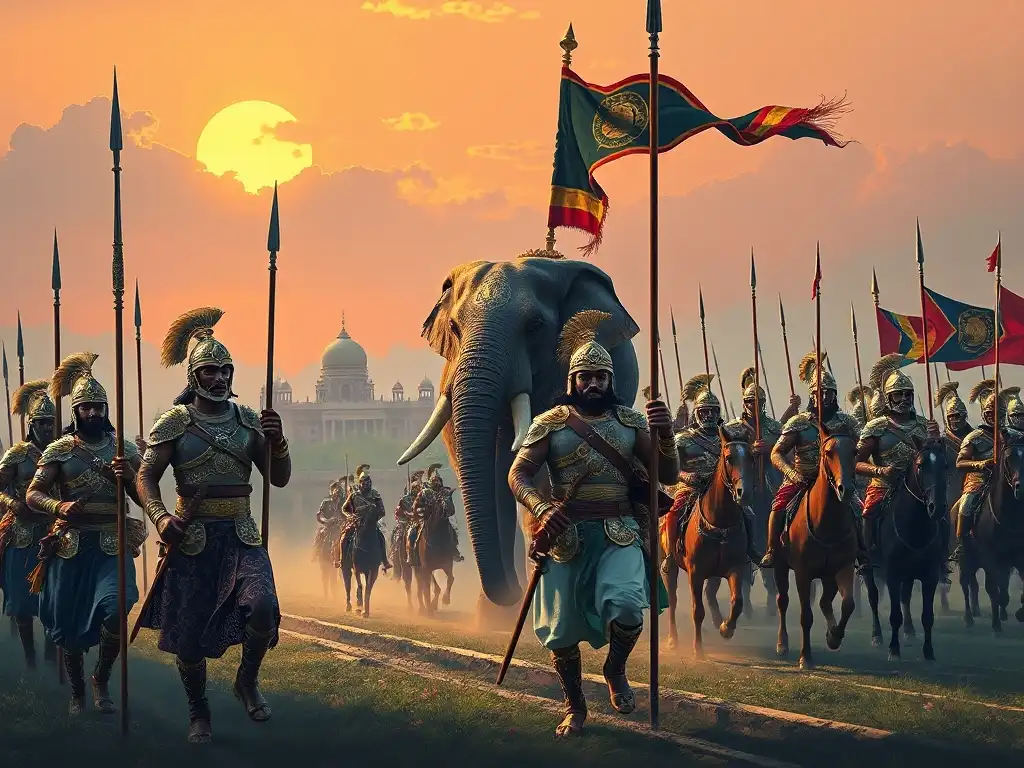
The Mauryan Empire, which thrived from 322 to 185 BCE, stands as one of the most significant empires in ancient Indian history. Renowned for its vast territorial expanse and centralized governance, the empire's military campaigns played a crucial role in its establishment and consolidation.
The military prowess exhibited by the Mauryan rulers, particularly under Chandragupta Maurya and his grandson Ashoka, not only expanded the empire's boundaries but also facilitated the spread of Buddhism and other cultural elements across the subcontinent. This section will delve deeper into the key aspects of the Mauryan Empire's military campaigns, exploring their strategies, outcomes, and lasting impacts.
Overview of the Mauryan Empire
The Mauryan Empire, founded by Chandragupta Maurya, marked a transformative era in ancient India. It encompassed a significant portion of the Indian subcontinent, reaching from the northern regions near the Himalayas down to parts of modern-day South India. The empire reached its zenith under Ashoka the Great, who ruled from 268 to 232 BCE.
During this period, the Mauryan military was characterized by:
- Organized Structure: The Mauryan army was a well-structured entity, comprising infantry, cavalry, elephants, and chariots. This diverse composition allowed for versatile tactics in various terrains.
- Advanced Warfare Techniques: The use of elephants in battle, known as war elephants, was one of the distinctive features of Mauryan military campaigns. They were used for both offensive and defensive strategies and instilled fear in the enemy ranks.
- Regional Campaigns: The Mauryan Empire undertook several notable military campaigns, including the conquests of the Nanda Empire and the Kalinga War, which were crucial in establishing and maintaining control over vast territories.
The administrative reforms initiated by Chandragupta, and later expanded by Ashoka, also played a significant role in supporting military endeavors. The empire was divided into provinces, each governed by appointed officials, which facilitated efficient resource allocation for military campaigns.
Significance of Military Campaigns in Ancient India
The military campaigns of the Mauryan Empire hold immense significance in the broader context of ancient Indian history. These campaigns were not merely about territorial expansion; they had profound implications for political, cultural, and social dynamics across the region.
- Territorial Expansion and Control: The successful military campaigns allowed the Mauryan Empire to unify diverse regions under a centralized rule, promoting stability and governance across vast areas. This unification was instrumental in establishing a single political entity in ancient India, which fostered trade and communication.
- Cultural Exchange and Spread of Buddhism: Ashoka's campaigns, particularly the Kalinga War, resulted in significant cultural shifts. The aftermath of the war led Ashoka to embrace Buddhism, promoting its principles across his empire and beyond. The dissemination of Buddhist teachings facilitated cultural exchange with regions such as Central Asia and Southeast Asia.
- Military Innovations and Tactics: The Mauryan military campaigns introduced various innovations in warfare and military tactics that influenced subsequent Indian kingdoms. The strategic use of elephants, fortified cities, and complex supply lines became templates for future military endeavors in the subcontinent.
- Legacy of Governance: The military conquests laid the groundwork for a bureaucratic system that emphasized law, order, and welfare. Ashoka's edicts, inscribed on rocks and pillars, reflect a governance style that integrated military power with moral governance, emphasizing the responsibilities of rulers toward their subjects.
The Mauryan Empire's military campaigns were pivotal not only for the empire's expansion but also for shaping the socio-political landscape of ancient India. The legacy of these campaigns continued to resonate through the centuries, influencing both military strategies and cultural developments across the region.
Major Conquests of the Mauryan Empire
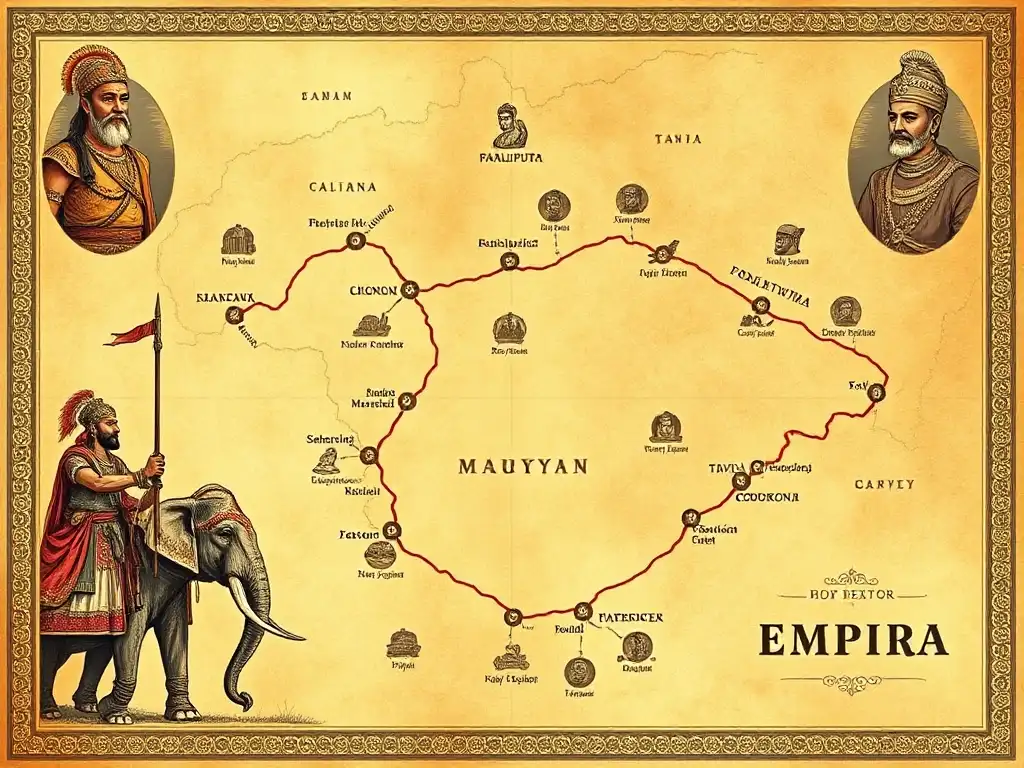
The Mauryan Empire, one of the largest empires in ancient India, was marked by its impressive military campaigns that expanded its territories significantly. Under the leadership of its founding emperor, Chandragupta Maurya, and later, his grandson Ashoka the Great, the Mauryan military campaigns played a pivotal role in establishing a vast and diverse empire.
The Expansion Under Chandragupta Maurya
Chandragupta Maurya, with the guidance of his mentor Chanakya, initiated the expansion of the Mauryan Empire around 321 BCE. His strategic acumen and military prowess allowed him to conquer significant portions of northern India, establishing a foundation for one of the most powerful empires in Indian history.
Key Battles and Strategies
- Battle of Pataliputra: This battle marked the beginning of Chandragupta's rise to power. He successfully overthrew the Nanda dynasty and established Pataliputra as the capital of the Mauryan Empire.
- Defeating Alexander's Satraps: After Alexander the Great's invasion of India, Chandragupta capitalized on the weakened political landscape. He engaged in battles against the satraps left by Alexander, notably defeating Seleucus I Nicator, which marked a significant shift in power dynamics in the region.
- Guerrilla Warfare Tactics: Chandragupta employed guerrilla warfare strategies, utilizing the element of surprise and local geography to outmaneuver larger enemy forces. His ability to adapt to various combat situations was crucial in securing victories.
Territories Gained Through Conquest
Through his military campaigns, Chandragupta Maurya expanded the empire to encompass a vast area, including:
- Magadha: The core region of the empire, established as its political and cultural center.
- Parts of Punjab: Territory gained from the defeat of Alexander's satraps.
- Northwestern India: Extension into present-day Afghanistan, securing trade routes and resources essential for the empire's economy.
Ashoka the Great: A Transformative Leader
Ashoka, the grandson of Chandragupta Maurya, ascended to the throne around 268 BCE. His reign is often characterized by a significant transformation in both military and ethical governance, particularly following the Kalinga War.
Campaigns in Kalinga
The Kalinga War (c. 262-261 BCE) was one of the most significant military campaigns during Ashoka's reign.
- Motivation for War: Kalinga was a prosperous region that resisted Mauryan control. Ashoka aimed to expand his empire to include this strategically important territory.
- Battle Tactics: The Mauryan military employed a combination of infantry, cavalry, and war elephants in this campaign. Although Ashoka's forces were larger, the fierce resistance from the Kalingans made the battle brutal and costly.
- Outcome: The Mauryan Empire emerged victorious, annexing Kalinga. However, the heavy toll on human life and suffering profoundly impacted Ashoka's views on warfare.
The Impact of the Kalinga War on Mauryan Military Strategy
The aftermath of the Kalinga War marked a turning point for Ashoka and the Mauryan military strategy.
- Shift to Non-Violence: The devastation witnessed during the war led Ashoka to embrace the principles of non-violence (ahimsa) and Buddhism. He began to prioritize diplomacy over military conquest in his subsequent policies.
- Promotion of Dhamma: Ashoka implemented the Dhamma, which emphasized ethical governance and welfare of all subjects, a significant departure from the aggressive military tactics of his predecessors.
- Expansion through Alliances: Post-Kalinga, Ashoka focused on expanding the empire through peaceful means, promoting trade and cultural exchanges rather than military campaigns.
The Mauryan Empire's military campaigns under Chandragupta and Ashoka not only shaped the political landscape of ancient India but also laid the groundwork for the ethical governance that would influence future Indian empires. The complexities of these campaigns, particularly the Kalinga War, reveal the dual nature of military power and its impact on leadership and strategy in ancient Indian history.
Defensive Strategies of the Mauryan Empire
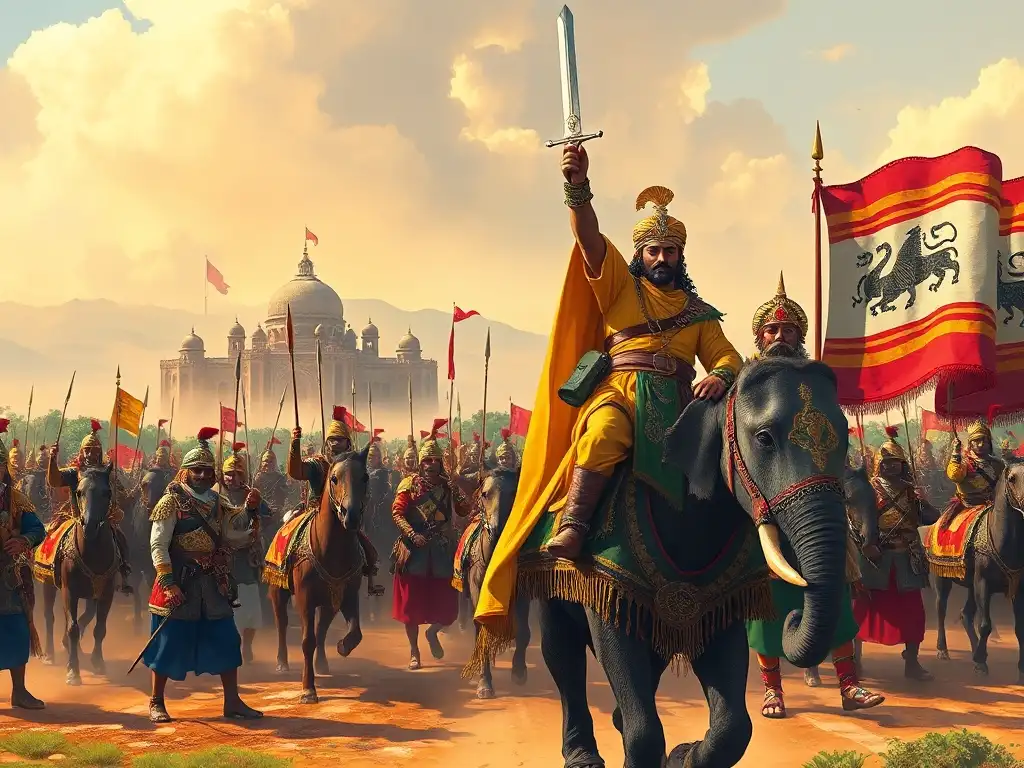
The Mauryan Empire, thriving from 322 to 185 BCE, showcased remarkable military prowess not only through conquest but also via robust defensive strategies. Understanding these strategies is crucial for comprehending how the Mauryan Empire maintained its vast territories and resisted external threats. The empire's defense was characterized by its well-planned fortifications, effective military infrastructure, and strategic diplomatic efforts.
Fortifications and Military Infrastructure
The Mauryan Empire's defensive strategies revolved around sophisticated fortifications and military infrastructure, which were integral to safeguarding its borders and ensuring internal stability.
Key Defensive Structures
- Fortresses and Citadels:
- The Mauryan Empire constructed numerous fortresses throughout its territories, designed to protect key cities and trade routes. Notable examples include the fortifications at Pataliputra, the capital, which were equipped with massive walls and strategic gates.
- Other significant forts included Ujjain and Taxila, which served as military strongholds and administrative centers, enhancing both defense and governance.
- Watch Towers and Surveillance:
- The deployment of watch towers along critical points allowed for early detection of enemy movements. These towers were manned by vigilant guards who communicated alerts to the central command, ensuring rapid response to potential threats.
- Roads and Supply Lines:
- The Mauryan Empire invested in a network of well-maintained roads that facilitated the swift movement of troops and resources. This infrastructure ensured that reinforcements could be sent quickly to areas under threat.
- Effective supply lines were established to ensure that garrisons were adequately supplied with food, weapons, and other necessities, enhancing their longevity in prolonged defensive engagements.
- Military Camps:
- Temporary military camps were strategically established in anticipation of invasions or during military patrols. These camps were equipped with essential amenities and reinforced with defensive structures, allowing soldiers to regroup and rest before engaging in combat.
Diplomatic Efforts and Alliances
In addition to physical defenses, the Mauryan Empire employed diplomatic strategies to fortify its security. By cultivating relationships with neighboring states and engaging in alliances, the empire enhanced its defense capabilities significantly.
Role of Diplomacy in Defense
- Strategic Alliances:
- The Mauryan rulers, particularly Chandragupta Maurya, understood the importance of establishing alliances with regional powers. Such alliances helped to create a buffer against potential aggressors, ensuring that the empire could focus its military efforts on more pressing threats.
- For instance, alliances were forged with local chieftains and smaller kingdoms to secure loyalty and mutual defense agreements.
- Marriages and Political Ties:
- Marriages between royal families were strategically used to strengthen ties with influential families in neighboring regions. These unions often resulted in peace treaties that deterred invasions and fostered stability along the borders.
- Diplomatic Envoys:
- The Mauryan Empire sent diplomatic envoys to negotiate peace and resolve conflicts without resorting to warfare. This approach not only saved resources but also showcased the empire's commitment to peaceful coexistence and stability.
- The use of skilled negotiators helped to maintain favorable relations with powerful states such as the Seleucid Empire, which was crucial for securing the western frontiers.
- Cultural Exchange:
- By promoting cultural and economic exchanges with neighboring regions, the Mauryan Empire built goodwill and mutual respect. These exchanges often reduced hostilities and fostered a sense of common identity, further enhancing the empire's defensive posture.
The Mauryan Empire's defensive strategies were multifaceted, combining formidable military fortifications with astute diplomatic maneuvers. This approach not only protected the empire from external threats but also laid the groundwork for its enduring legacy in ancient Indian history.
Notable Military Campaigns of the Mauryan Empire
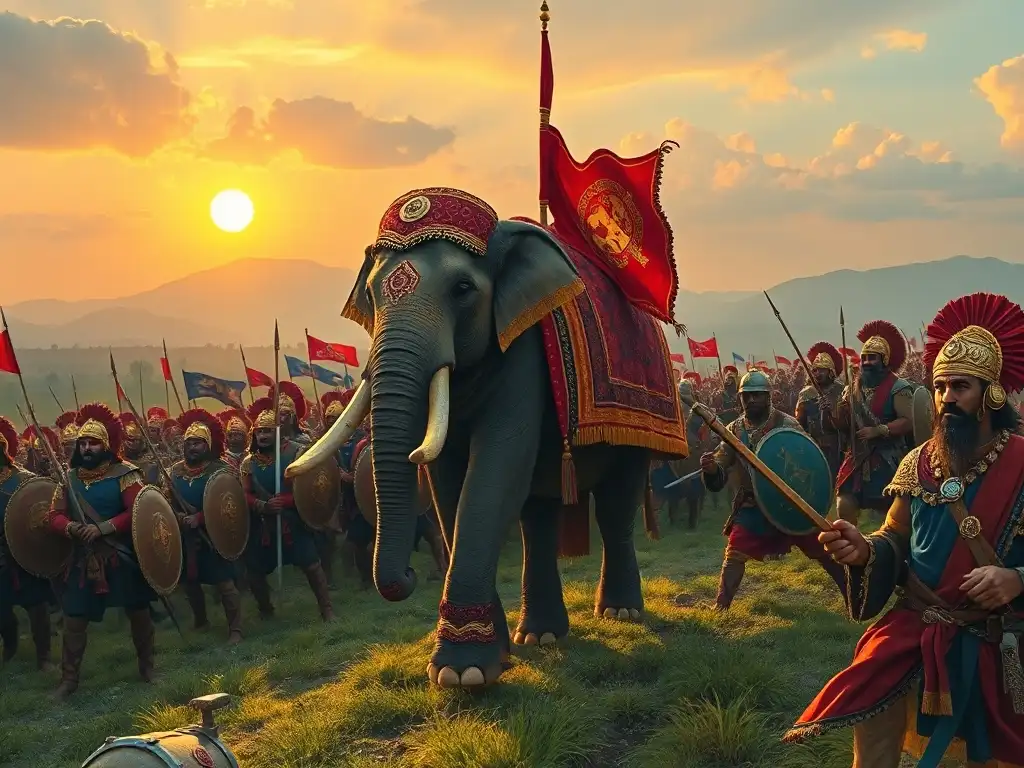
The Mauryan Empire, one of the largest and most powerful empires in ancient India, is well-known for its strategic military campaigns that expanded its territory and influence. These campaigns played a crucial role in establishing the Mauryan dynasty as a dominant force in the Indian subcontinent. By analyzing key military engagements, we can better understand the objectives, strategies, and outcomes that defined the Mauryan military prowess.
Campaigns Against the Nanda Empire
The initial military engagements of the Mauryan Empire were focused on dismantling the formidable Nanda Empire, which was perceived as a significant threat to Chandragupta Maurya's ambitions. The Nandas were known for their wealth and military strength, making them a formidable opponent.
Strategic Objectives and Outcomes
- Objectives: The primary goal of Chandragupta Maurya's campaigns against the Nanda Empire was to seize control over the lucrative territories of Magadha and to eliminate the Nanda dynasty, which had been ruling with an iron fist. Chandragupta aimed to establish a new order that would be more favorable to the common people.
- Military Strategies:
- Guerrilla Warfare: Chandragupta employed guerrilla tactics, leveraging the element of surprise and the support of local populations who were discontented with Nanda rule.
- Alliances: Forming strategic alliances with local rulers and discontented factions within the Nanda Empire helped to bolster his forces and provided crucial intelligence about Nanda movements.
- Outcomes: The result of these campaigns culminated in the defeat of the Nanda Empire around 322 BCE. Chandragupta established the Mauryan Empire and became its first emperor. This victory not only marked the rise of the Mauryan dynasty but also paved the way for further territorial expansions.
The Conquest of the Northwest Territories
Following the establishment of the Mauryan Empire, one of the significant military campaigns was aimed at conquering the northwest territories, which included parts of present-day Afghanistan and Pakistan.
Challenges Faced and Solutions Implemented
- Challenges:
- Geographical Barriers: The mountainous terrain posed significant logistical challenges for the Mauryan army, complicating troop movements and supply lines.
- Local Resistance: The regions were inhabited by various tribes and kingdoms, many of whom resisted Mauryan expansion fiercely, employing both conventional and guerrilla tactics.
- Solutions Implemented:
- Adaptation of Tactics: The Mauryan army adapted their strategies to employ more flexible formations that could navigate the difficult terrain. They also utilized local knowledge to their advantage, recruiting local warriors who were familiar with the landscape.
- Diplomatic Engagements: Chandragupta engaged in diplomacy with some local rulers, which resulted in alliances that reduced the necessity for prolonged military campaigns in certain areas. This tactic allowed the Mauryan Empire to expand its influence without overextending its military resources.
- Outcomes: The successful conquest of the northwest territories solidified the Mauryan Empire's power and facilitated trade routes that connected it to the Persian and Hellenistic worlds. This expansion not only enhanced the empire's wealth but also led to cultural exchanges that enriched Mauryan society.
The military campaigns of the Mauryan Empire were characterized by strategic objectives aimed at territorial expansion and the establishment of a stable rule. The successful implementation of military tactics and diplomatic strategies allowed the empire to grow and thrive, setting the stage for the legacy of one of ancient India's greatest civilizations.
The Role of Military in Mauryan Society
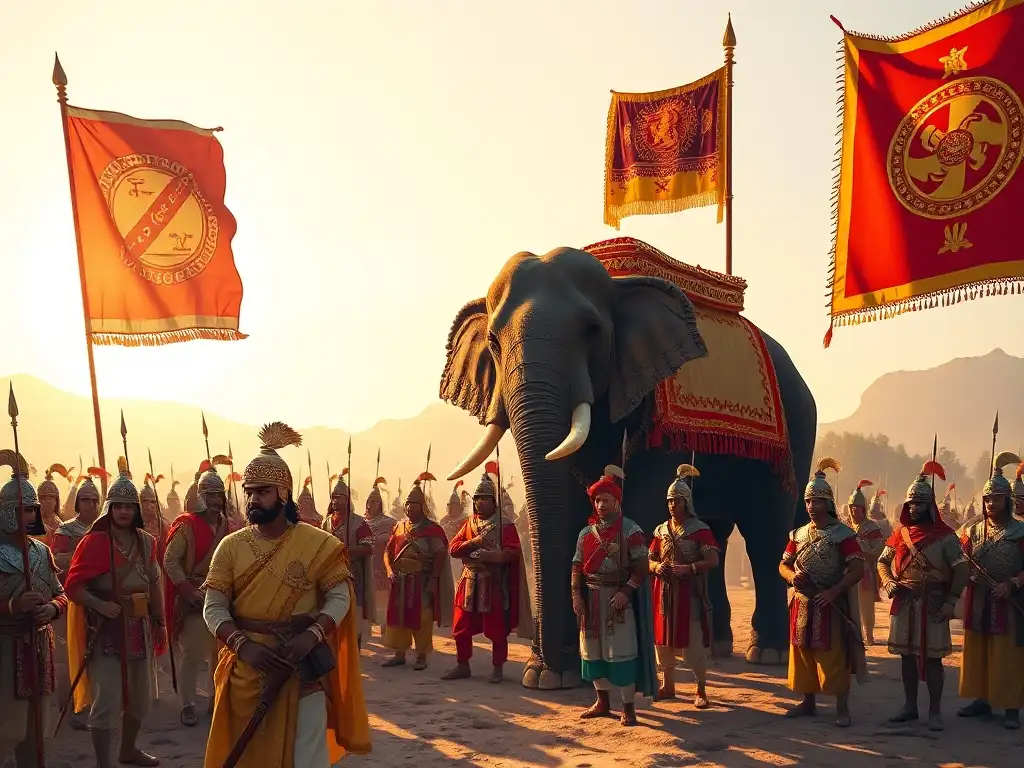
The Mauryan Empire, one of the largest and most powerful empires in ancient India, placed significant emphasis on military organization, which was integral to its expansion and maintenance of power. The military not only served as a means of protection but also as a tool for asserting dominance over neighboring territories. Understanding the role of the military within Mauryan society offers insights into how military campaigns shaped the empire’s structure and culture.
Military Organization and Structure
The Mauryan military was highly organized and structured, allowing for efficient command and control during campaigns. This organization can be broken down into several key components:
- Hierarchy: The military was led by a supreme commander known as the Senapati, who reported directly to the emperor. Below the Senapati were various ranks of officers who managed different divisions of the army.
- Units: The army was divided into multiple units, including infantry, cavalry, and chariots. Each unit specialized in different combat techniques and strategies, allowing for a versatile response to various battlefield scenarios.
- Support Staff: A vast support system accompanied the military campaigns, including supply chain managers, doctors, and engineers. This ensured that the soldiers were well-equipped and maintained during long expeditions.
Composition of the Mauryan Army
The composition of the Mauryan army was diverse, reflecting the empire’s vast geography and the need for various combat styles. Key elements included:
- Infantry: The backbone of the Mauryan military, comprising foot soldiers equipped with spears, swords, and shields. The infantry was crucial for engaging in close combat.
- Cavalry: Mounted troops that provided speed and mobility. They were essential for flanking maneuvers and rapid assaults.
- War Elephants: A unique component of the Mauryan military, war elephants were used to create chaos in enemy lines and serve as mobile platforms for archers. Their presence on the battlefield had psychological and tactical advantages.
The Mauryan army was known for its discipline and training, which was paramount during military campaigns. Rigorous training regimens prepared soldiers for the rigors of warfare, contributing to the empire’s successes in various conquests.
Influence of Military Campaigns on Mauryan Culture
Military campaigns significantly influenced Mauryan culture, impacting art, architecture, and societal norms. The conquests not only expanded the empire’s territory but also facilitated cultural exchange and the integration of diverse traditions.
Artistic and Architectural Contributions
The military successes of the Mauryan Empire led to notable artistic and architectural developments, reflecting the empire’s wealth and power. Key contributions include:
- Stupas: These monumental structures served as reliquaries and were often built to commemorate military victories. The Great Stupa at Sanchi is a prime example, showcasing intricate carvings that depict scenes from the life of the Buddha, blending religious and military themes.
- Rock Edicts: Emperor Ashoka, after his conversion to Buddhism, inscribed edicts on rocks and pillars throughout his empire. These edicts often conveyed messages about peace and ethical governance, stemming from the lessons learned during military campaigns.
- Sculptures and Reliefs: The Mauryan period saw the emergence of detailed sculptures that depicted military scenes, warriors, and elephants, signifying the importance of military might in their culture. These artworks served both as historical records and as propaganda, glorifying the empire's conquests.
The intertwining of military and cultural elements in the Mauryan Empire illustrates how military campaigns were not just about conquest but also about shaping the identity and legacy of an empire that would influence generations to come.
Conclusion: Legacy of the Mauryan Empire Military Campaigns
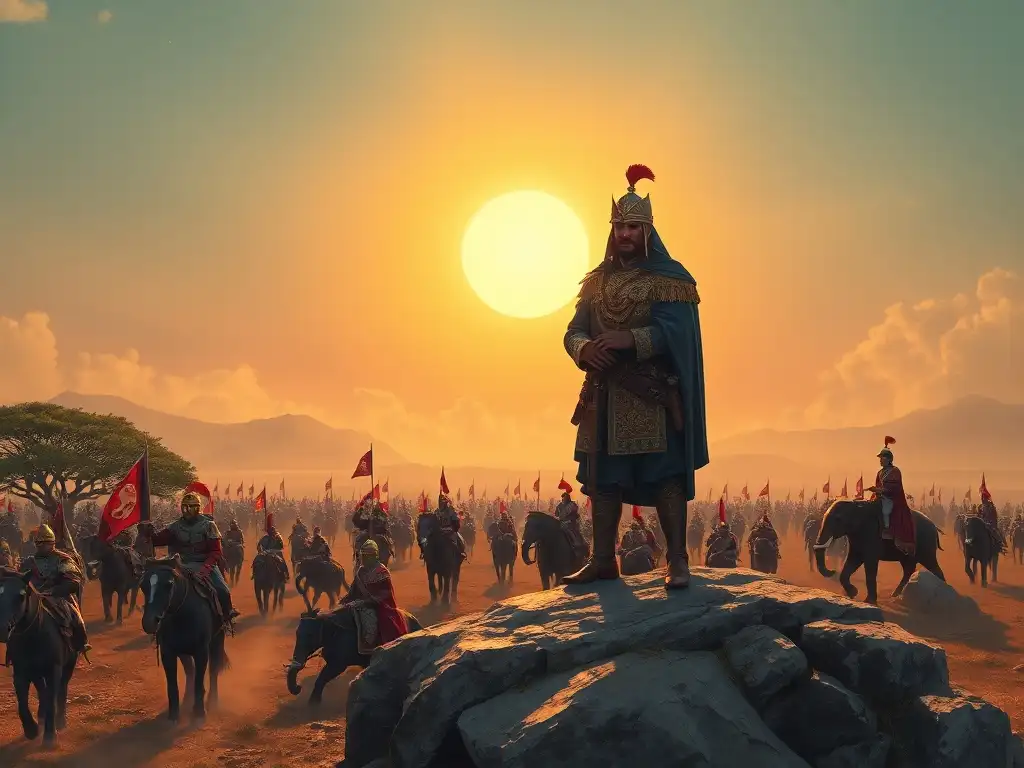
The military campaigns of the Mauryan Empire not only shaped the course of ancient Indian history but also left an indelible mark on subsequent military strategies and governance in the region. The prowess exhibited during these campaigns set a precedent for future empires, influencing their tactical innovations and administrative structures. The Mauryan Empire's approach to warfare, characterized by a blend of diplomacy, strategic alliances, and formidable military might, established a model for unifying diverse territories under a single political entity.
Lasting Impact on Subsequent Indian Military History
The military strategies employed by the Mauryans had a profound influence on the evolution of warfare in India. Their campaigns, particularly under the leadership of Chandragupta Maurya and his grandson Ashoka, introduced several key elements to Indian military operations:
- Integration of Political and Military Strategy: The Mauryan campaigns underscored the importance of integrating military might with political strategy. This dual approach was crucial in consolidating vast territories and maintaining control over them.
- Use of Elephants in Warfare: The Mauryan military made effective use of war elephants, which became a significant aspect of Indian warfare. This tactical innovation was adopted by later empires, such as the Gupta and Mughal dynasties, and showcased the importance of utilizing local resources in military campaigns.
- Diplomatic Engagement: The Mauryan Empire demonstrated the efficacy of diplomacy in conjunction with military action. Ashoka's efforts to spread Buddhism through peaceful means after his conquests illustrated how military victories could be leveraged for political stability and cultural integration.
- Administrative Reforms: The need to manage newly acquired territories led to significant administrative reforms. The Mauryan model of governance, which included a well-defined hierarchy and local governance, influenced the administrative structures of later Indian empires.
The legacy of the Mauryan military campaigns is evident in the military doctrines and governance strategies adopted by subsequent rulers, emphasizing the importance of a strong military foundation combined with effective administration.
Reflection on the Mauryan Empire's Military Legacy
The military legacy of the Mauryan Empire is one of complexity and depth, reflecting the multifaceted nature of ancient Indian civilization. The campaigns not only achieved territorial expansion but also fostered a sense of unity among diverse populations. The following aspects highlight the reflective nature of their military legacy:
- Cultural Exchange and Integration: The conquests facilitated cultural exchanges between various regions. The Mauryan Empire became a melting pot of different cultures, languages, and traditions, enriching the Indian cultural landscape and fostering a sense of shared identity.
- Philosophical Shifts: Ashoka's transformation from a conqueror to a proponent of peace illustrates a significant philosophical shift in the use of military power. This transition laid the groundwork for future rulers who balanced military strength with moral governance.
- Symbol of Power: The Mauryan campaigns symbolized the empire's strength and ambition, serving as a reminder of the capabilities of centralized power. This notion of a powerful state would resonate throughout Indian history, influencing the aspirations of future rulers.
The Mauryan Empire's military campaigns were pivotal not only in shaping the ancient Indian geopolitical landscape but also in establishing a legacy that would resonate through the ages. Their influence on military tactics, governance, and cultural integration continues to be a point of reference in the study of Indian history, illustrating the enduring impact of their military endeavors.
Additional Resources on Mauryan Empire Military Campaigns
Recommended Readings
For those interested in delving deeper into the Mauryan Empire military campaigns, a variety of scholarly texts and historical analyses provide valuable insights. Here are some key recommended readings:
- "The Mauryan Empire" by Romila Thapar
- This book offers a comprehensive overview of the Mauryan Empire, focusing on its military strategies and political maneuvers. Thapar's analysis of key campaigns reveals the sophistication of Mauryan warfare.
- "Mauryan India" by R.S. Sharma
- R.S. Sharma explores the social and economic structures that supported the Mauryan military efforts. The text includes detailed accounts of significant battles and the tactical innovations employed during the campaigns.
- "War in Ancient India" by S.K. Bhattacharyya
- This resource provides a broader context of warfare in ancient India, with a focused chapter on the military campaigns of the Mauryan Empire. Bhattacharyya discusses the impact of these campaigns on the subcontinent's political landscape.
- "The Art of War in Ancient India" by K. N. Chaudhuri
- This book examines the strategies and philosophies behind ancient Indian warfare, including the Mauryan campaigns. It provides a comparative analysis with other ancient military doctrines.
Suggested Documentaries and Films
Visual storytelling can significantly enhance the understanding of the Mauryan Empire military campaigns. Here are some documentaries and films that are worth watching:
- "The Great Mauryan Empire" (Documentary)
- This documentary covers the rise and fall of the Mauryan Empire, with particular attention to its military campaigns. It features expert interviews and reenactments of key battles, providing a vivid portrayal of the era.
- "Buddha: The Great Awakening" (Film)
- While primarily focused on the life of Buddha, this film sets the historical backdrop of the Mauryan Empire and subtly illustrates the military context of the period, especially during Ashoka's reign.
- "Ancient India: The Rise of the Maurya" (Documentary Series)
- This series explores the formation of the Mauryan Empire, detailing its military strategies and conquests. It includes animated maps and expert commentary, making the content accessible and engaging.
- "Ashoka: The Great" (Film)
- A dramatized account of Emperor Ashoka's life, this film provides insight into the military campaigns that defined his rule, showcasing the dynamics of warfare in ancient India.
These resources can significantly enhance one’s understanding of the Mauryan Empire military campaigns, offering both academic perspectives and engaging narratives.
Frequently Asked Questions
What were the primary military campaigns of the Mauryan Empire?
The Mauryan Empire is known for its significant military campaigns, especially under Emperor Ashoka, which expanded its territory across the Indian subcontinent and included conflicts with the Kalinga kingdom.
How did the Mauryan Empire's military strategies evolve?
The military strategies of the Mauryan Empire evolved to include war elephants, advanced infantry formations, and naval forces, allowing them to effectively conquer and defend their vast territories.
What impact did the Mauryan Empire's military campaigns have on India?
The military campaigns of the Mauryan Empire led to the unification of much of India, fostering a sense of cultural identity and enabling the spread of Buddhism after Ashoka's conversion to the faith.
How did Ashoka's reign influence the military campaigns of the Mauryan Empire?
Under Ashoka, military campaigns were marked by a shift from conquest and expansion to a focus on diplomacy and non-violence, particularly after the traumatic Kalinga War, which deeply influenced his policies.
What were the key factors behind the success of Mauryan military campaigns?
Key factors included effective leadership, a well-organized army, use of intelligence, and the establishment of a robust administrative system, which all contributed to the Mauryan Empire's military successes.
Final Reflection: The Enduring Legacy of the Mauryan Empire's Military Campaigns
The military campaigns of the Mauryan Empire are not just historical events; they are a testament to the complexities of power, strategy, and governance that resonate profoundly in today's world. As we navigate through contemporary conflicts and the dynamics of global politics, the lessons learned from the Mauryan Empire's conquests and defenses remind us of the intricate balance between ambition and responsibility. The strategies employed by figures like Chandragupta Maurya and Ashoka the Great continue to offer insights into the art of statecraft and the impact of military endeavors on societal development.
The influence of the Mauryan Empire's military campaigns extends far beyond their time, shaping cultural narratives and political ideologies that persist in modern society. The legacy of Ashoka, particularly his shift from conquest to compassion, serves as a powerful reminder of the potential for transformation in leadership. The true measure of a ruler is not in the lands they conquer, but in the peace they cultivate.
This observation highlights the ongoing relevance of the Mauryan Empire's military strategies, which continue to inform discussions on ethical governance and the role of military power in achieving lasting peace.
As we reflect on the lessons from the Mauryan Empire, I invite you to consider how these historical narratives can inspire your own journey. What can you learn from the balance of conquest and defense in your personal or professional life? Embrace the opportunity to apply these insights, fostering a mindset that values not only ambition but also the responsibility that comes with power. Let the stories of the Mauryan Empire guide you in your quest for growth, encouraging you to be both a conqueror of challenges and a defender of peace in your own sphere of influence.
Unveil the Legacy of the Mauryan Empire!
Thank you for taking the time to explore the fascinating campaigns of the Mauryan Empire with us! We hope you discovered the incredible impact these leaders had on ancient history. Now, it's time to dive deeper and take action!
- Join a discussion in our comments section about your favorite Mauryan leader and what inspires you about their achievements.
- Explore further by checking out our detailed articles on significant campaigns, such as Ashoka's edicts and Chandragupta's unification of India.
- Share your insights with friends or on social media to spread knowledge about this monumental period in history.
What aspect of the Mauryan Empire's campaigns do you find most compelling, and how do you think they influence the world today?