
Legendary Warriors: The Rajput Campaigns Against Invaders

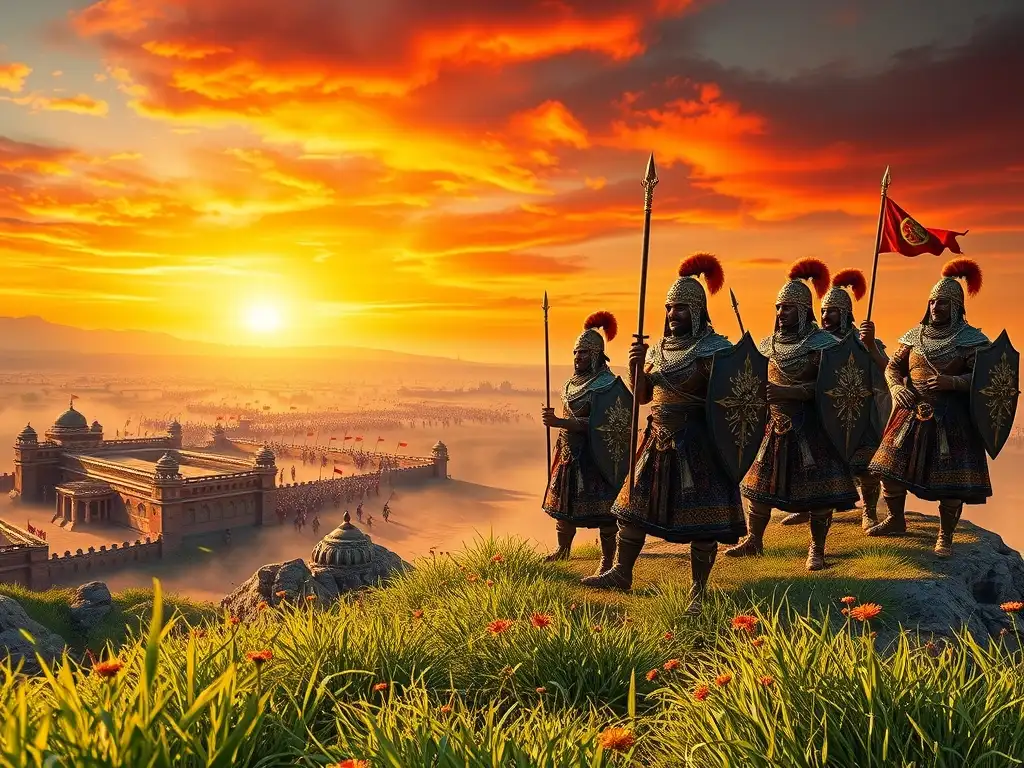
Welcome to Ancient India History, where the echoes of time resonate through the tales of valor and resilience. Here, we delve into the Rajput warriors and their legendary historical campaigns, exploring how these formidable fighters shaped the landscape of ancient India amidst the backdrop of invaders. What drove these fierce warriors to defend their land with unmatched bravery?
Join us as we unravel the intricate stories of honor, strategy, and the enduring spirit of the Rajputs, inviting you to embark on a journey through the vibrant tapestry of India’s military past. Ready to discover the legends that forged a legacy? Dive in and explore!
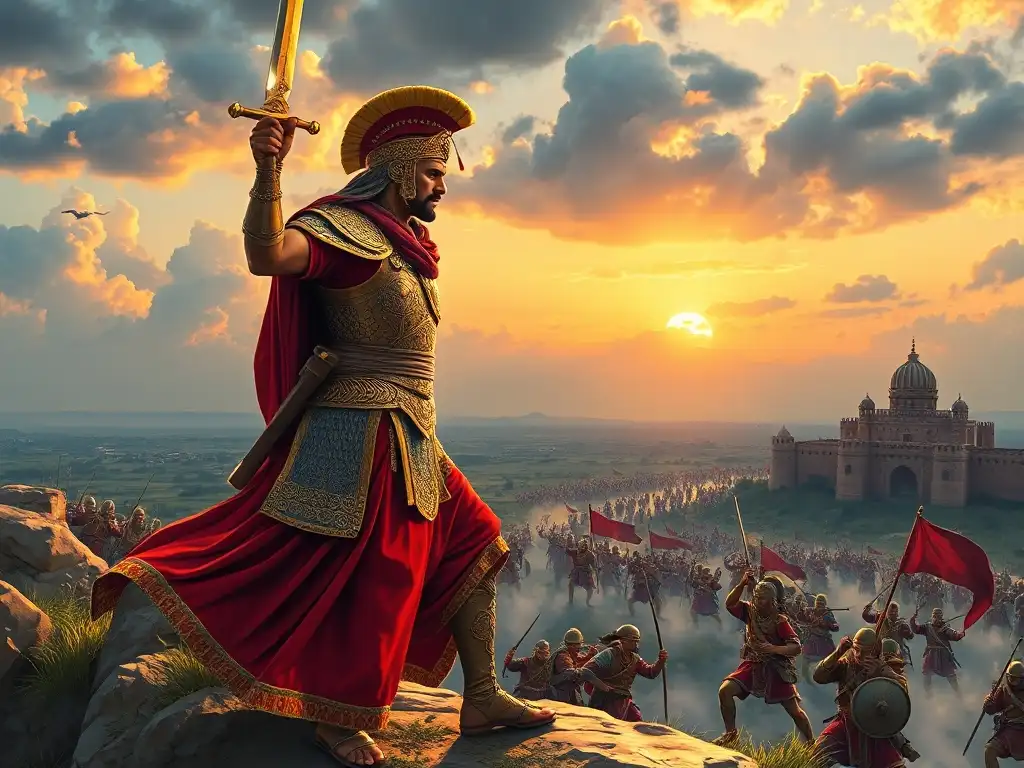
The Rajput warriors, renowned for their valor and chivalry, played a pivotal role in shaping the military landscape of ancient India. Their campaigns against various invaders not only defended the sovereignty of their territories but also defined the cultural and historical identity of the Indian subcontinent.
This article delves into the rich tapestry of Rajput military history, focusing on their legendary campaigns against foreign adversaries, their rise as formidable clans, and the impact of these encounters on the socio-political fabric of India. By exploring the Rajput warriors' historical campaigns, we gain valuable insights into an era characterized by honor, loyalty, and fierce resistance against oppression.
Introduction to Rajput Warriors
Overview of Rajput Warriors in Indian History
The Rajputs were a group of warrior clans that emerged in the 6th century CE, primarily in the regions of present-day Rajasthan and neighboring areas. Known for their martial skills and a strict code of honor, the Rajputs held significant power and influence in medieval India. Their legacy is steeped in tales of bravery, loyalty, and a commitment to protect their land and people. Each clan, such as the Rathores, Sisodias, and Chauhans, contributed to the rich narrative of Rajput history, often engaging in fierce battles to uphold their sovereignty.
The Rajputs are celebrated not only for their military prowess but also for their contributions to art, architecture, and culture. They built magnificent forts and palaces that stand as testaments to their architectural skills and aesthetic sensibilities. These warriors were not mere fighters; they embodied a way of life that celebrated valor and honor, often depicted in the folklore and literature of the time.
Significance of Rajput Warriors Historical Campaigns
The historical campaigns of the Rajput warriors are significant for multiple reasons:
- Defense of Sovereignty: The Rajputs stood as the frontline defenders against invasions from various foreign powers, including the Turks, Mughals, and Afghans. Their campaigns were crucial in protecting the independence of Indian states during turbulent times.
- Cultural Preservation: Through their resistance, the Rajputs played a key role in preserving the cultural and religious identity of India against external influences. Their battles were not just military engagements; they were often fought to uphold dharma (righteousness) and protect the local populace.
- Military Innovations: The Rajput warriors introduced various military tactics and innovations that influenced later Indian warfare. Their strategies, including the use of cavalry and guerilla tactics, showcased their adaptability and resourcefulness.
Historical Context of Rajput Campaigns
The Rise of the Rajput Clans
The rise of the Rajput clans can be traced back to the aftermath of the decline of the Gupta Empire in the 6th century CE. As regional powers began to emerge, the Rajputs consolidated their dominance over vast territories in western and northern India. The establishment of independent kingdoms allowed these clans to gain military strength and political power.
Key events during this period include:
- Formation of Kingdoms: Prominent clans like the Sisodias of Mewar and the Chauhans of Ajmer established strongholds that became centers of power.
- Inter-Clan Rivalries: The competition among clans often led to alliances and conflicts, shaping the political landscape of the region. These rivalries contributed to the Rajputs' military reputation, as they engaged in both offensive and defensive campaigns.
Major Invaders and Their Impact on India
The Rajput warriors faced a series of formidable invaders throughout their history. Among them were:
- Muhammad Ghori: His invasions in the late 12th century marked a significant challenge for the Rajputs. The battles of Tarain (1191 and 1192) showcased the fierce resistance put forth by Rajput forces, particularly by Prithviraj Chauhan.
- The Mughals: The rise of the Mughal Empire in the early 16th century posed another critical challenge. While some Rajput clans initially resisted, others formed alliances with the Mughals, leading to a complex relationship that influenced the political dynamics of India.
The campaigns against these invaders not only defined the Rajput warriors' legacy but also influenced the course of Indian history, leading to significant changes in governance, culture, and social structures.
Key Rajput Campaigns Against Invaders
The Rajput warriors, renowned for their valor and martial prowess, engaged in numerous campaigns against various invaders throughout their history. These battles not only defined the Rajput identity but also played a crucial role in shaping the political landscape of ancient India. Their resistance against foreign incursions is legendary, and several key campaigns stand out for their strategic importance and the legendary tales associated with them.
The Battle of Tarain (1191 and 1192)
The Battle of Tarain marks a significant turning point in the history of Rajput resistance against foreign invaders, particularly the armies of Muhammad Ghori. The first battle occurred in 1191, where the Rajput king Prithviraj Chauhan faced Ghori's forces. Despite being outnumbered, Prithviraj’s tactical acumen allowed him to achieve victory, forcing Ghori to retreat.
However, the second battle in 1192 proved disastrous for the Rajputs. This time, Ghori returned with a more formidable army and a well-planned strategy. Prithviraj Chauhan, despite his previous victory, was defeated, leading to the establishment of Muslim rule in northern India. This battle is often cited as a pivotal moment that changed the course of Indian history, showcasing both the valor and vulnerabilities of the Rajput warriors.
The Siege of Chittorgarh (1567-1568)
The Siege of Chittorgarh stands as a testament to the fierce resistance of the Rajputs against the Mughal emperor Akbar. In 1567, Akbar launched a campaign to capture the formidable fortress of Chittorgarh, a stronghold of the Mewar dynasty ruled by Rana Udai Singh II. The Rajputs, known for their courage, mounted a vigorous defense, but the siege lasted several months.
Ultimately, the fort fell to Akbar's forces in 1568, leading to a catastrophic loss for the Rajputs. The defenders, adhering to their code of honor, chose to perform jauhar (self-immolation) rather than surrender, a practice that epitomized their valor and commitment to their principles. The siege not only marked a significant victory for the Mughals but also became a legendary chapter in Rajput history, symbolizing their noble sacrifices.
The Battle of Haldighati (1576)
Fought between the forces of Maharana Pratap of Mewar and the Mughal army led by Man Singh, the Battle of Haldighati is one of the most storied encounters in Rajput history. Taking place on June 18, 1576, this battle exemplified the fierce resistance of the Rajputs against Mughal expansion. Maharana Pratap, despite being heavily outnumbered, displayed remarkable bravery and tactical ingenuity.
Although the battle was indecisive and did not lead to a clear victory for either side, it became a symbol of Rajput valor and resilience. Maharana Pratap’s commitment to his homeland and his refusal to submit to Mughal authority have made him a legendary figure in Indian history. The battle’s aftermath saw Maharana continue his guerrilla warfare against the Mughals, highlighting the enduring spirit of Rajput warriors.
Characteristics of Rajput Warfare
Rajput warfare was characterized by a blend of valor, strategy, and a strict code of honor. These elements not only defined their military tactics but also served to reinforce their cultural identity. The Rajputs were known for their fierce independence and their commitment to their kingdoms, making them formidable opponents in battle.
Martial Traditions and Code of Honor
The martial traditions of the Rajputs were deeply rooted in their values of honor, bravery, and loyalty. They adhered to a strict kshatriya code, which emphasized valor in battle and loyalty to their sovereign. This code influenced their actions during campaigns, often leading them to fight against overwhelming odds rather than surrender.
Rituals such as jauhar exemplified their commitment to honor, where warriors and their families would choose death over dishonor. This fierce dedication to their principles not only motivated individual warriors but also fostered a strong sense of camaraderie and collective identity among the Rajputs.
Weapons and Armor Used by Rajput Warriors
Rajput warriors were well-equipped with an array of weapons and armor that reflected their martial culture. Key weapons included:
- Swords and Sabers: The Rajputs favored curved swords known as talwar, which were effective in close combat.
- Lances: Often used by cavalry units, lances allowed for powerful charges against enemy formations.
- Bows and Arrows: Skilled archers played a significant role in Rajput campaigns, utilizing composite bows for long-range attacks.
In terms of armor, Rajput warriors donned heavy chainmail and leather armor, combined with decorative elements that denoted their status. Their helmets often featured intricate designs, and they were known to carry large shields adorned with vibrant colors and symbols.
The Role of Cavalry in Rajput Campaigns
Cavalry played a crucial role in Rajput military strategy, often serving as the backbone of their forces. Rajput cavalry units were renowned for their speed and agility, allowing them to execute flanking maneuvers and rapid assaults on enemy positions. The use of horses bred for endurance and strength enabled Rajput warriors to cover large distances quickly, making them formidable in both offensive and defensive operations.
The cavalry also facilitated the Rajputs' ability to engage in guerrilla tactics, allowing them to harass and disrupt larger enemy forces effectively. This mobility, coupled with their commitment to honor and valor, made Rajput cavalry a legendary force in the historical campaigns of ancient India.
Legacy of Rajput Warriors in Military History
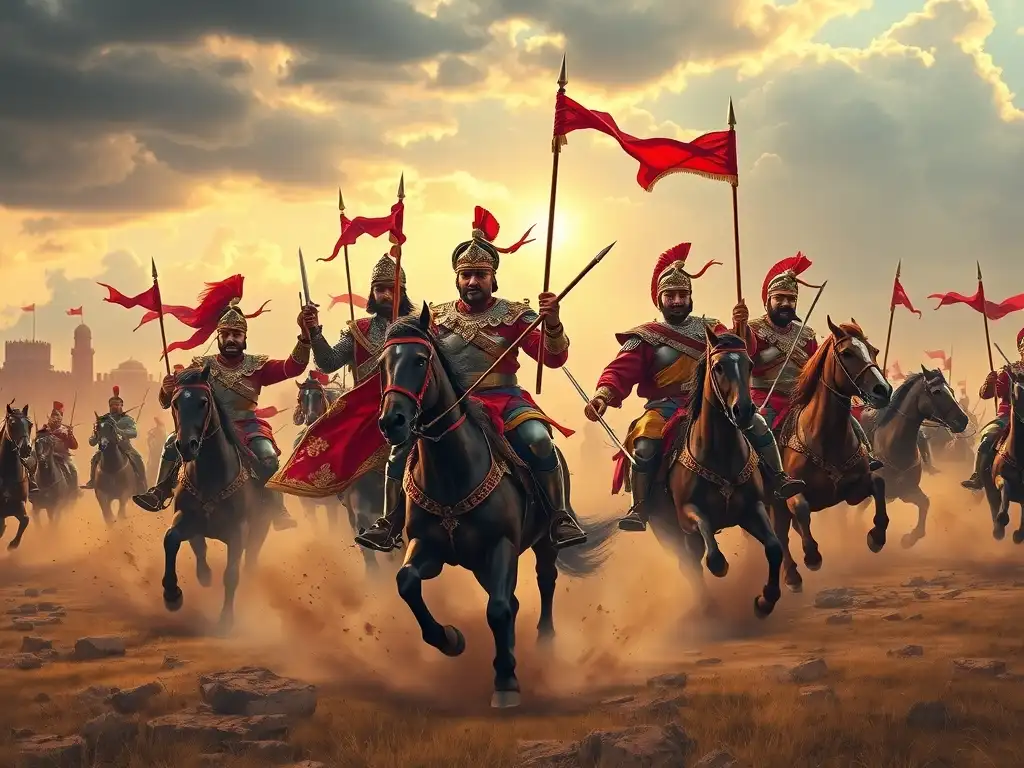
The Rajput warriors are synonymous with bravery, honor, and a rich martial tradition that has significantly shaped military history in India. Originating from the warrior classes of northern India, particularly during the medieval period, they became renowned for their valor in numerous battles against foreign invaders. Their legacy is characterized by the chivalric code they adhered to, which emphasized loyalty, bravery, and the protection of their land and people. The Rajputs not only defended their kingdoms but also engaged in a series of campaigns that showcased their military prowess and strategic acumen.
The Rajput campaigns against various invaders—such as the Mughals, Afghans, and the Turkic forces—were marked by fierce resistance and epic battles. Their ability to adapt to different combat strategies and terrains was crucial in maintaining their autonomy for centuries. The Rajputs formed alliances with other clans and kingdoms, showcasing a level of political acumen that complemented their battlefield skills. Additionally, their unique cavalry tactics and the use of fortified strongholds were instrumental in their military campaigns, making them formidable opponents on the battlefield.
Influence on Subsequent Indian Warfare
The martial traditions of the Rajput warriors laid the foundation for many military practices that influenced subsequent Indian warfare. Their emphasis on cavalry, which involved skilled horsemen and war elephants, became a hallmark of Indian military tactics in the medieval period. The Rajput style of warfare also inspired later Mughal military strategies, particularly in the use of guerrilla tactics and the importance of mobility in combat.
Moreover, the Rajput's fierce sense of honor and the practice of jauhar (self-immolation of women in times of siege) became cultural touchstones that influenced the ethos of warfare in India. This practice, while tragic, illustrated the lengths to which Rajput warriors and their families would go to preserve their honor and dignity against invaders. The legacy of their campaigns can be seen in the way subsequent generations of warriors approached battles, often blending Rajput tactics with new strategies introduced by later rulers.
Cultural Depictions of Rajput Campaigns in Literature and Art
The campaigns of Rajput warriors have been immortalized in numerous literary and artistic forms, echoing their valor and contributions to Indian history. Epic poems and folklore recount tales of their bravery, romanticizing the lives of these warriors. Works like the Prithviraj Raso, an epic poem detailing the life of the legendary king Prithviraj Chauhan, highlight their battles against Muslim invaders, presenting them as heroic figures standing against tyranny.
In visual arts, Rajputana miniatures depict the grandeur of Rajput warriors in full battle regalia, showcasing not only their martial skills but also the rich cultural heritage of the region. These artworks often illustrate significant battles, portraying both the valor of the Rajputs and the dramatic interactions with their adversaries. The influence of Rajput culture is evident in various forms of Indian art and literature, serving as a reminder of their enduring legacy in the historical narrative of India.
Conclusion
The Rajput warriors left an indelible mark on the history of military campaigns in India. Their legacy is characterized by valor, chivalry, and a profound sense of duty towards their kingdoms. The narratives of their struggles against invaders are not just stories of warfare; they encapsulate the spirit of resistance and the complex socio-political dynamics of ancient India.
The Enduring Legacy of Rajput Warriors
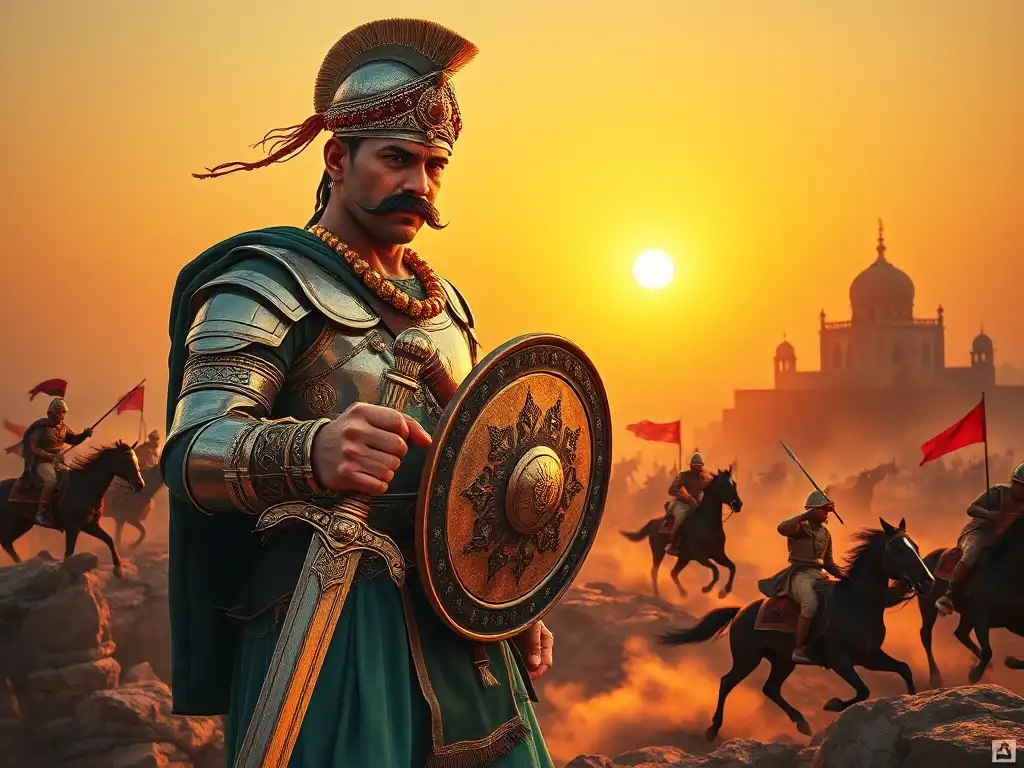
The legacy of the Rajput warriors continues to resonate in contemporary Indian culture. Their stories are celebrated in various forms, from literature to cinema, reflecting the romanticized view of chivalry and honor. Modern Indian society often looks back at the Rajput era as a time of heroic resistance against oppression, with many communities drawing inspiration from their ancestors' valor.
Furthermore, the Rajput spirit of resilience and commitment to one’s homeland remains a source of pride and identity for many. This enduring legacy is not merely historical but serves as a guiding philosophy for contemporary warriors and leaders, emphasizing the importance of honor, bravery, and sacrifice.
Reflections on the Historical Campaigns Against Invaders
Reflecting on the historical campaigns of the Rajput warriors against invaders reveals a complex tapestry of conflict, culture, and resilience. Each campaign played a crucial role in shaping the socio-political landscape of medieval India. The Rajputs were not only fighters; they were also statesmen, diplomats, and cultural custodians who preserved their traditions in the face of adversity.
The intricate dance of warfare, alliances, and cultural exchanges during these campaigns provides valuable insights into the historical dynamics of the subcontinent. The lessons learned from the Rajput campaigns continue to be relevant, reminding us of the importance of unity, honor, and the relentless pursuit of justice in the face of challenges.
Further Reading and Resources
For those interested in delving deeper into the fascinating world of Rajput warriors and their historical campaigns, a wealth of resources is available. These include scholarly books, articles, and online platforms that provide comprehensive insights into the valor, strategies, and cultural significance of the Rajput clans in ancient India. Below are some recommended materials that can enhance your understanding of Rajput history.
Recommended Books on Rajput History
-
"The Rajputs: A History" by A.K. Sharma
This book provides an extensive overview of Rajput history, covering their origins, social structure, and military exploits. It delves into the various clans and their contributions to Indian history.
-
"Rajputana: The Land of Kings" by John Keay
John Keay explores the rich tapestry of Rajputana, detailing the heritage and legendary battles fought by Rajput warriors. This book offers a narrative that combines historical facts with engaging storytelling.
-
"Warriors of the Deccan: The Rajputs" by R. S. Kharbanda
Focusing on the military strategies and campaigns of the Rajputs in the Deccan region, this book highlights their resistance against various invaders and their contributions to regional governance.
-
"The Rajput States of India" by Michael W. Meister
Meister’s work analyzes the political dynamics of Rajput states and their interactions with neighboring powers, providing a deep understanding of their military campaigns and alliances.
-
"The Rajput Legend: A Study of the History of Rajputana" by S. P. Gupta
This study investigates the legends surrounding Rajput warriors, examining how these narratives shaped their identity and historical significance.
Online Resources for Exploring Rajput Campaigns
-
Rajput History Archives
This online archive contains a treasure trove of primary sources, including manuscripts, battle accounts, and royal decrees related to Rajput campaigns. It serves as a valuable research tool for historians and enthusiasts alike.
-
Digital Library of India
The Digital Library offers a collection of historical texts, including books on Rajputana and the military campaigns of Rajput clans. Users can access various documents that shed light on their valor and strategies.
-
YouTube Documentaries on Rajput Warriors
Numerous documentaries available on YouTube explore the history and campaigns of Rajput warriors. Channels dedicated to Indian history often feature episodes that highlight significant battles and the impact of Rajput culture on Indian civilization.
-
Wikipedia: History of the Rajputs
This concise overview provides a general understanding of Rajput history, covering their warrior culture, notable battles, and significant figures. While not exhaustive, it serves as a good starting point for further exploration.
-
ResearchGate Publications
A platform for academics, ResearchGate hosts various papers and articles on Rajput military history. Researchers can find studies that analyze specific campaigns and provide insights into the military tactics employed by the Rajputs.
These resources will not only enrich your knowledge of Rajput warriors and their historical campaigns but also offer a broader perspective on the complexities of ancient Indian military history.
- Introduction to Rajput Warriors
- Historical Context of Rajput Campaigns
- Key Rajput Campaigns Against Invaders
- Characteristics of Rajput Warfare
- Legacy of Rajput Warriors in Military History
- Influence on Subsequent Indian Warfare
- Cultural Depictions of Rajput Campaigns in Literature and Art
- Conclusion
- The Enduring Legacy of Rajput Warriors
- Reflections on the Historical Campaigns Against Invaders
- Further Reading and Resources
- What were the Rajput warriors known for in ancient India?
- What significant historical campaigns did the Rajput warriors undertake?
- How did the Rajput warriors influence the culture of ancient India?
- What role did Rajput clans play in the political landscape of ancient India?
- How did the Rajput campaigns impact the relationship between different kingdoms?
Frequently Asked Questions
What were the Rajput warriors known for in ancient India?
The Rajput warriors were renowned for their bravery and chivalry. They played a crucial role in defending their kingdoms against various invaders throughout history.
What significant historical campaigns did the Rajput warriors undertake?
The Rajput warriors engaged in numerous historical campaigns, notably against Mughal invaders. Their resistance is celebrated in tales of valor, especially during battles like the Siege of Chittorgarh.
How did the Rajput warriors influence the culture of ancient India?
The Rajput warriors significantly influenced Indian culture through their martial traditions, art, and architecture. Their legacy is visible in various forts and palaces across India.
What role did Rajput clans play in the political landscape of ancient India?
Rajput clans formed a crucial part of the feudal system in ancient India, often vying for power and forming alliances through marriage. Their rivalries shaped the political dynamics of the time.
How did the Rajput campaigns impact the relationship between different kingdoms?
The Rajput campaigns often led to a mix of conflict and alliances between various kingdoms. They helped establish a complex web of political relationships that influenced the region's stability.
Final Reflection: The Enduring Legacy of Rajput Warriors
The historical campaigns of the Rajput warriors against invaders resonate profoundly in today's world, showcasing the timeless values of bravery, honor, and resilience. As we navigate a landscape often marred by conflict and division, the tales of these legendary figures remind us of the strength found in unity and the courage to stand against adversity. Their stories are not just relics of the past; they are powerful narratives that inspire contemporary society to uphold the virtues of valor and integrity.
The influence of the Rajput warriors extends beyond mere historical accounts; it shapes our cultural identity and social fabric. Their fierce resistance against invaders has become a symbol of pride and nationalism, fostering a sense of belonging among communities. As we reflect on their legacy, we are reminded of the words of historian K.K. Aziz: The Rajputs were not merely warriors; they embodied the spirit of resistance and the quest for justice.
This enduring spirit continues to inspire generations, urging us to confront our challenges with the same tenacity and resolve.
As we conclude our exploration of the Rajput campaigns, I invite you to reflect on the lessons these legendary warriors impart. Consider how their values can be applied in your own life—whether it’s standing up for what you believe in, protecting your community, or fostering a spirit of resilience in the face of challenges. Let the legacy of the Rajput warriors guide you as you navigate your own battles, reminding you that true strength lies not just in victory, but in the courage to fight for what is right.
Unleash Your Inner Warrior: Embrace the Spirit of the Rajputs!
Thank you for embarking on this journey through the legendary campaigns of the Rajput warriors. We've uncovered stories of bravery, honor, and resilience that are not just historical tales but lessons for our lives today. Now, it’s time to take that inspiration and turn it into action!
- Explore Local History: Visit a museum or cultural site that highlights India’s rich warrior heritage. Engage with exhibits that celebrate the valor and contributions of the Rajputs.
- Share the Legacy: Discuss the Rajput campaigns with your friends or on social media to keep their stories alive. Consider writing a reflection on what their courage and honor mean to you!
- Honor the Craft: Try your hand at martial arts or traditional Indian combat sports as a way to connect with the warrior spirit within you.
As you reflect on these legendary tales, consider this: How can you channel the courage and dedication of the Rajputs in your own life today?