
Harvest Festivals of Ancient India: Celebrating Bountiful Crops

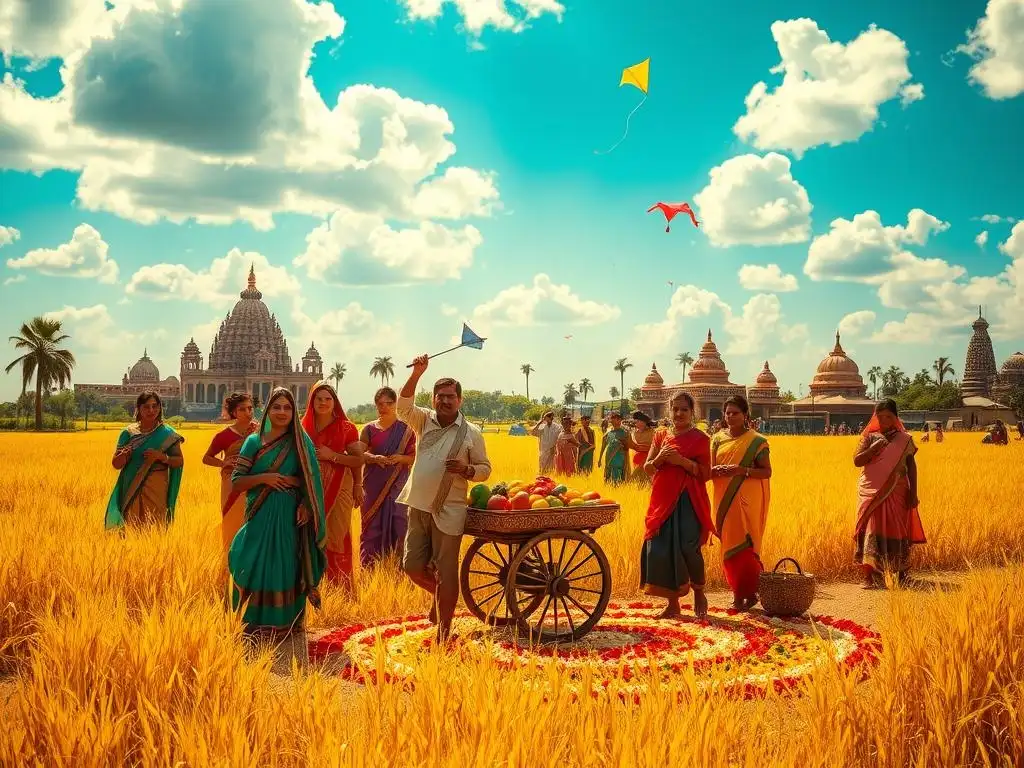
Welcome to Ancient India History, where we embark on a journey through the vibrant tapestry of India’s past. In this exploration, we delve into the fascinating world of ancient Indian harvest festivals, a testament to the ingenuity and celebration of agricultural abundance that shaped civilizations from the Indus Valley to the Gupta Empire.
Discover how these colorful festivities reflected not only the prosperity of crops but also the cultural and spiritual values of the time. Join us as we uncover the stories behind these age-old traditions, and let the rich heritage of ancient India inspire your curiosity to learn more!
- Introduction to Ancient Indian Harvest Festivals
- Major Ancient Indian Harvest Festivals
- Cultural Significance of Harvest Festivals in Ancient India
- Agricultural Techniques and Practices During Ancient Festivals
- Regional Variations of Harvest Festivals in Ancient India
- The Influence of Ancient Indian Harvest Festivals on Modern Culture
- Conclusion: The Legacy of Ancient Indian Harvest Festivals
-
Frequently Asked Questions
- What are the major harvest festivals celebrated in ancient India?
- How did ancient Indian civilizations contribute to the celebration of harvest festivals?
- What role did religion play in ancient Indian harvest festivals?
- How did the Indus Valley civilization influence harvest celebrations?
- Are there any similarities between ancient Indian harvest festivals and those of other cultures?
- Final Reflection: Celebrating the Legacy of Ancient Indian Harvest Festivals
- 🌾 Join the Celebration of Ancient Harvest Festivals!
Introduction to Ancient Indian Harvest Festivals
Harvest festivals have been a vibrant and essential aspect of the agricultural landscape in ancient India, reflecting the deep connection between the people and their land. These celebrations not only marked the end of the harvest season but also honored the efforts of farmers and the blessings of nature.
From the fertile plains of the Indus Valley to the diversified regions of the Gupta Empire, each festival encapsulated the unique agricultural practices, cultural traditions, and spiritual beliefs of various communities. Understanding the significance of these festivals offers a window into the social fabric of ancient Indian civilization and its enduring legacy in modern agricultural practices.
Overview of Agricultural Practices in Ancient India
Ancient Indian agriculture was characterized by a variety of practices that were deeply intertwined with the seasonal rhythms of nature. The following elements played a crucial role in shaping these practices:
- Crop Diversity: Ancient Indians cultivated a wide range of crops, including:
- Cereals: Rice, wheat, barley, and millet.
- Pulses: Lentils, chickpeas, and peas.
- Oilseeds: Mustard and sesame.
- Irrigation Techniques: The development of irrigation systems was vital for sustaining agriculture, particularly in arid regions. Techniques included:
- Canal Systems: Used in regions like the Indus Valley to channel water.
- Wells and Tanks: Built to harness groundwater for crop irrigation.
- Seasonal Farming: Farmers in ancient India practiced seasonal farming, with crops sown and harvested according to monsoon patterns. This led to the establishment of two primary agricultural cycles:
- Kharif: Monsoon crops, sown in June and harvested in October.
- Rabi: Winter crops, sown in November and harvested in March.
Importance of Harvest Festivals in Ancient Indian Culture
Harvest festivals served multiple purposes in ancient Indian societies, reinforcing community bonds and celebrating agricultural success. Key aspects include:
- Cultural Significance: These festivals were not merely agricultural milestones; they were vibrant celebrations of life, community, and spirituality. They often included:
- Rituals and Offerings: Farmers would perform rituals to thank deities for a bountiful harvest, often involving offerings of the first produce.
- Folk Dances and Music: Festivities were marked by traditional dances and songs that echoed the joy of harvest, fostering a sense of unity among participants.
- Economic Impact: Harvest festivals also played a critical role in the economy by:
- Market Exchanges: Farmers would gather to sell their surplus produce, facilitating trade and commerce.
- Community Support: These events often included sharing resources, where wealthier farmers supported their less fortunate neighbors, thus strengthening community ties.
- Seasonal Rhythms: The timing of these festivals aligned with seasonal changes, emphasizing the agrarian lifestyle and the reliance on nature's cycles. This connection instilled a sense of respect for the environment and the importance of sustainable practices in farming.
The harvest festivals of ancient India were vibrant reflections of the agricultural practices, cultural traditions, and social values that defined the civilizations of the time. Through these celebrations, ancient Indians not only acknowledged the fruits of their labor but also fostered a profound connection with their land and community.
Major Ancient Indian Harvest Festivals
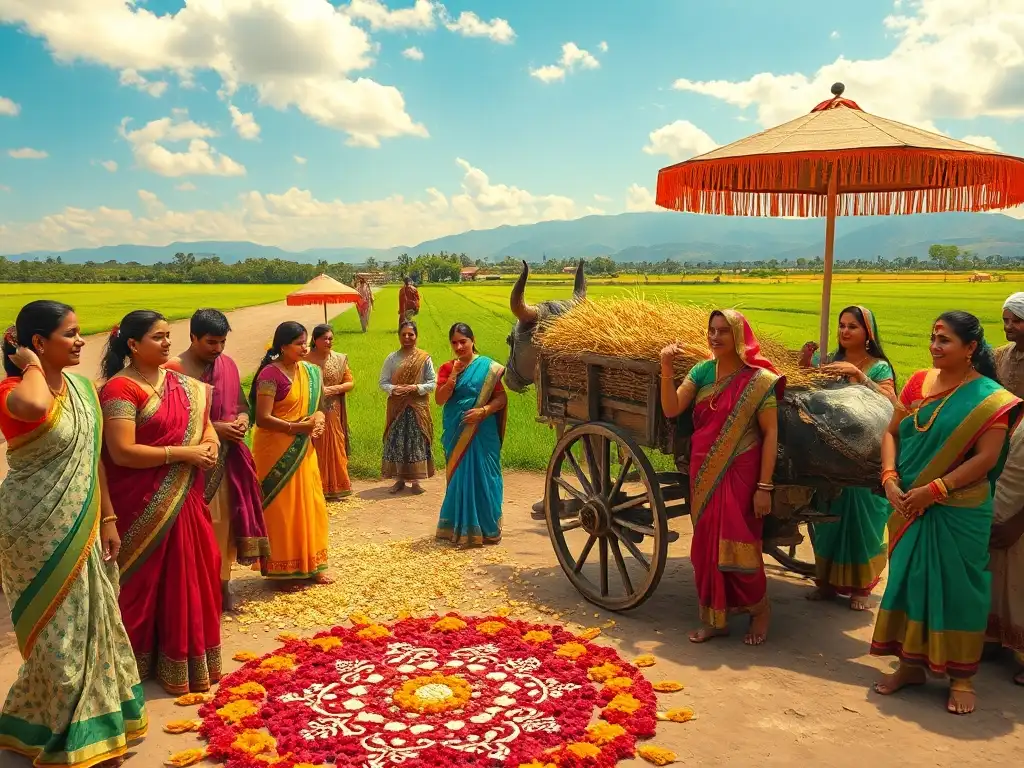
Harvest festivals in ancient India were not merely celebrations of the agricultural bounty but also significant cultural events that strengthened community bonds and reflected the agrarian lifestyle of the time. These festivals, rooted in the cycle of sowing and reaping, were characterized by rituals, regional variations, and unique customs that honored the land and the labor of farmers. Below, we explore some of the prominent harvest festivals celebrated in ancient India.
Makar Sankranti: Celebrating the Winter Solstice
Makar Sankranti, marking the transition of the sun into the zodiac sign of Capricorn (Makar), is one of the oldest harvest festivals in India, celebrated around mid-January. This festival signifies the end of winter and the beginning of the solar cycle, leading to longer days and warmer weather, which are essential for agricultural activities.
- Rituals and Customs:
- Bathing in Sacred Rivers: It is customary for devotees to take holy dips in rivers, particularly the Ganges, to purify themselves.
- Kite Flying: A vibrant feature of Makar Sankranti, kite flying symbolizes the spirit of joy and celebration.
- Offerings: Farmers prepare special dishes such as tilgul (sesame and jaggery sweets) as offerings to deities, expressing gratitude for the harvest.
- Regional Variations:
- In Punjab, it is celebrated as Maghi, commemorating the martyrdom of the forty Sikh martyrs.
- In Gujarat, it is known for its grand kite festivals, attracting enthusiasts from all over.
Pongal: A Festival of Abundance
Pongal is a prominent harvest festival celebrated in Tamil Nadu, typically spanning four days in mid-January. This festival is named after the traditional dish, Pongal, made from newly harvested rice, which is boiled with milk and jaggery.
- Significance:
- The festival honors the Sun God, Surya, and is a way to thank nature for the bountiful harvest.
- Rituals and Celebrations:
- Pongal Preparation: On the first day, Bhogi Pongal is celebrated by discarding old belongings and celebrating new harvests.
- Main Pongal: The second day involves cooking Pongal in decorated pots and offering it to the Sun.
- Mattu Pongal: The third day is dedicated to honoring cattle, which play a crucial role in agriculture.
- Kaanum Pongal: The final day is a time for family reunions and visiting relatives.
- Cultural Importance:
- Pongal reflects the integration of agriculture with religious beliefs and highlights the importance of livestock in farming communities.
Baisakhi: Welcoming the New Harvest
Baisakhi, primarily celebrated in Punjab, marks the beginning of the harvest season for winter crops, especially wheat. Observed on April 13 or 14, this festival is of great significance not only for agricultural reasons but also for its historical and cultural associations.
- Agricultural Significance:
- Baisakhi heralds the end of the harvest season and the start of new agricultural activities. Farmers express gratitude for the successful harvest and pray for future prosperity.
- Celebrations:
- Gidda and Bhangra: Traditional folk dances are performed, showcasing the community's joy and vigor.
- Processions: The festival often features vibrant processions led by the Sikh community, with singing and dancing.
- Langar: Community kitchens (Langars) serve free meals, emphasizing the values of sharing and equality.
- Historical Context:
- Baisakhi holds a dual significance as it also commemorates the formation of the Khalsa in 1699 by Guru Gobind Singh, making it a day of spiritual importance for Sikhs.
These ancient Indian harvest festivals not only celebrate the agricultural bounty but also serve as a reminder of the deep cultural and spiritual connections that agrarian societies have with their land and traditions. Each festival encapsulates the essence of community, gratitude, and the cyclical nature of life, marking the transitions that are central to farming and rural existence.
Nabanna: The Arrival of New Rice
Nabanna, translating to "new rice," is a significant harvest festival celebrated predominantly in the eastern regions of India, especially in Bengal. This festival marks the arrival of the new rice crop, which is harvested around late November to early December. The celebration is deeply rooted in the agrarian culture of the region and is a time of joy and gratitude for the bountiful harvest.
During Nabanna, traditional rituals and customs are observed to honor the agricultural deities and express gratitude for the harvest. Families prepare various dishes using the new rice, which is often accompanied by seasonal vegetables and fish. One of the most popular dishes is "Nabanna" itself, a rice preparation that symbolizes prosperity and abundance. The cooking of new rice is often accompanied by the sounds of traditional music and dance, creating a festive atmosphere.
The festival is not just limited to culinary delights; it also involves community gatherings where people participate in folk dances and songs that celebrate the agricultural heritage of the region. The vibrant colors of traditional attire, along with the rhythmic beats of drums and the melodious tunes of flutes, fill the air with a sense of happiness and unity.
In addition to its cultural significance, Nabanna plays an essential role in reinforcing the bond between the community and the land. It serves as a reminder of the importance of sustainable farming practices and the respect for the natural cycles of growth and harvest.
Overall, Nabanna encapsulates the essence of ancient Indian harvest festivals, reflecting the themes of gratitude, community, and the celebration of nature's bounty. This festival not only honors the new rice crop but also emphasizes the pivotal role agriculture plays in the lives of people in ancient Indian society and its lasting impact on contemporary culture.
Cultural Significance of Harvest Festivals in Ancient India

Role of Harvest Festivals in Community Bonding
Harvest festivals in ancient India served as vital events that fostered community bonding and social cohesion. These festivals were not merely celebrations of agricultural abundance; they were significant social gatherings that brought together individuals from different backgrounds, castes, and communities.
- Collective Celebrations: During harvest time, communities would unite to celebrate the successful yield of crops, which was crucial for their sustenance. For instance, in the context of the Pongal festival in Tamil Nadu, families and neighbors would come together to prepare the special dish of Pongal, symbolizing gratitude and unity.
- Shared Responsibilities: The communal aspect of harvest festivals was evident in the collective efforts of planting, tending, and harvesting crops. This collaboration not only strengthened relationships but also ensured that the workload was manageable. The Baisakhi festival, celebrated primarily in Punjab, illustrates this communal spirit where people engage in collective farming activities before the festivities commence.
- Cultural Exchange: These festivals acted as platforms for cultural exchange, where various communities showcased their customs, music, and dance. This exchange enriched the cultural fabric of ancient Indian society, promoting harmony and understanding among diverse groups.
Symbolism of Fertility and Prosperity
The symbolism of fertility and prosperity is deeply ingrained in the ancient Indian harvest festivals. These celebrations were not only a way to mark the end of the agricultural cycle but also a means to invoke divine blessings for future yields.
- Fertility Symbols: Many festivals featured symbols of fertility, such as earthen pots, sugarcane, and newly harvested grains. These symbols were integral to rituals, emphasizing the community's desire for continued agricultural success. For example, during the Onam festival in Kerala, the Pookalam, a floral arrangement, symbolizes prosperity and the bountiful harvest.
- Ritual Offerings: Offerings made during harvest festivals were often directed towards deities associated with agriculture and fertility, such as Lakshmi and Ganesha. These rituals were performed to express gratitude for the harvest and to seek blessings for future prosperity. The Makar Sankranti festival, celebrated across India, involves flying kites to symbolize the spirit of joy and prosperity, alongside offerings of freshly harvested crops.
- Agricultural Deities: The worship of agricultural deities played a crucial role in these festivals. Communities would perform rituals to honor these deities, seeking their protection and favor over the crops. Festivals like Chhath Puja in Bihar highlight this connection, where devotees offer prayers to the Sun God and the Earth for a bountiful harvest.
Rituals and Customs Associated with Harvest Festivals
The various rituals and customs associated with ancient Indian harvest festivals reflect the rich cultural heritage and agricultural practices of the time.
- Traditional Songs and Dances: Each harvest festival was accompanied by traditional music and dance, which were integral to the celebration. For instance, the Gidda and Bhangra dances performed during Baisakhi are not only entertaining but also serve to narrate stories of agricultural life and community joy.
- Feasting and Sharing: Feasting was a central part of harvest festivals, where communities would prepare special dishes using the newly harvested crops. The sharing of food symbolized goodwill and unity among community members. In the case of Makar Sankranti, dishes like tilgul (sesame and jaggery sweets) are exchanged as a gesture of goodwill.
- Decorative Practices: Homes and fields were often decorated with colorful rangolis and torans (door hangings) during these festivals. Such decorations not only beautified the surroundings but also were believed to invite prosperity and ward off evil spirits.
- Community Prayers: Community prayers and gatherings were common during these festivals, where people collectively expressed gratitude and sought blessings. The Navratri festival, which coincides with harvest time in various regions, includes community prayers and processions that reinforce social bonds.
Through these aspects, ancient Indian harvest festivals encapsulated the essence of community, spirituality, and a deep connection to the land, reinforcing their significance in the agricultural and cultural landscape of ancient India.
Agricultural Techniques and Practices During Ancient Festivals
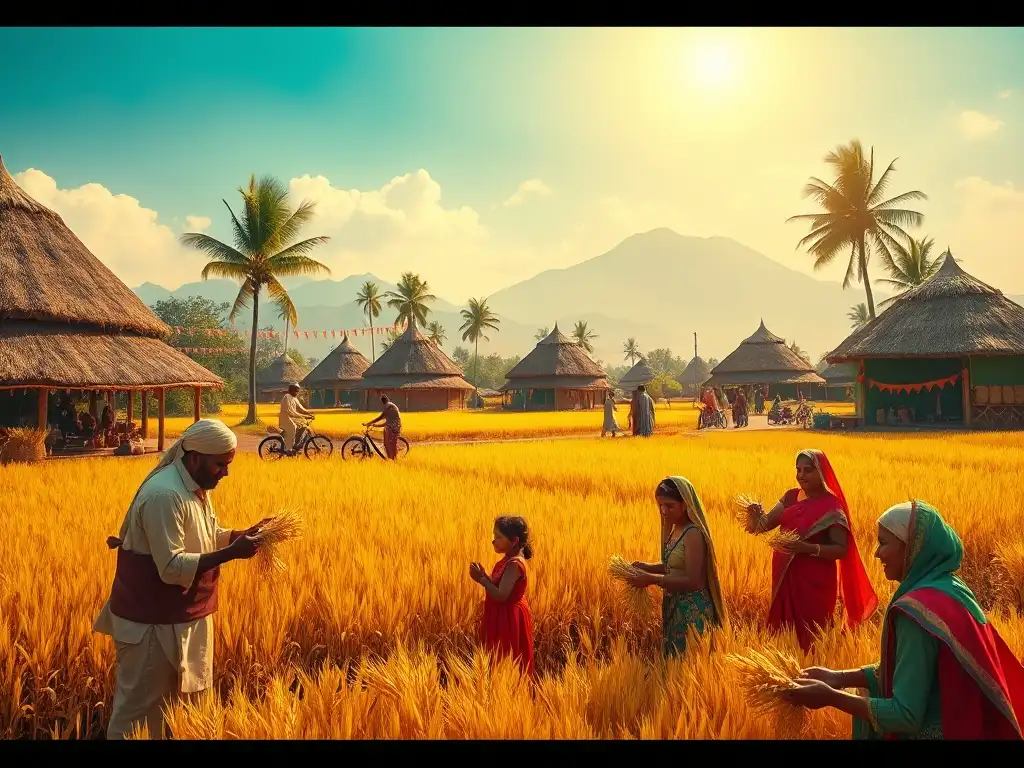
Ancient Indian harvest festivals were not only a time for celebration but also a reflection of the intricate agricultural techniques and practices that were prevalent at the time. These techniques were essential for ensuring bountiful yields, which in turn allowed communities to come together in gratitude and festivity. The agricultural practices used during these festivals reveal much about the socio-economic fabric of ancient Indian civilization.
Traditional Crop Cultivation Methods
In ancient India, crop cultivation was deeply intertwined with the seasons and regional climates, leading to a variety of traditional farming methods. Here are some of the key techniques:
- Sustainable Farming: Ancient farmers practiced sustainable agriculture, relying on crop rotation and intercropping to preserve soil fertility. This method helped prevent the depletion of nutrients and controlled pests naturally.
- Use of Organic Fertilizers: The incorporation of natural fertilizers such as cow dung, compost, and green manure was common. This practice not only enriched the soil but also promoted biodiversity.
- Irrigation Techniques: Effective irrigation systems, including wells, canals, and tanks, were developed to manage water resources efficiently. This was particularly crucial during the dry seasons, ensuring that crops like rice and millet thrived.
- Seed Selection: Farmers paid close attention to seed selection, choosing varieties that were hardy and well-suited to their local environments. This practice helped in achieving higher yields and resilience against diseases.
These methods, combined with the celebration of harvest festivals, highlighted the community's connection to the land and their reliance on agriculture for sustenance.
Tools and Techniques Used in Ancient Agriculture
The tools and techniques employed in ancient Indian agriculture played a significant role in shaping the efficiency of farming practices. Key tools included:
- Ploughs: Made from wood, these were essential for tilling the land and preparing it for sowing. The traditional wooden plough, often pulled by oxen, was a cornerstone of ancient agricultural practices.
- Sickles: Used for harvesting, sickles were crafted from metal or sharpened stones. Their curved blades allowed for efficient cutting of crops, particularly during harvest festivals when large quantities of grain needed to be collected.
- Mortar and Pestle: For processing grains, the mortar and pestle were indispensable. These tools were used to grind harvested grains into flour, a vital step in food preparation for festivals.
- Water Lifting Devices: Devices such as the potter’s wheel and pulley systems facilitated the lifting of water from wells for irrigation, ensuring that crops received adequate moisture.
The mastery of these tools not only improved productivity but also enabled communities to celebrate their harvests with abundant feasts, showcasing the fruits of their labor.
Seasonal Cycles and Their Influence on Festivals
The relationship between seasonal cycles and agricultural practices was pivotal in determining the timing and nature of harvest festivals in ancient India. Key influences include:
- Monsoon Rains: The arrival of the monsoon was critical for crop growth, particularly for staples like rice and pulses. Festivals such as Pongal in Tamil Nadu celebrated the end of the monsoon harvest, expressing gratitude for the rains that nurtured the crops.
- Seasonal Harvests: Different regions had unique harvesting seasons based on their climate. In northern India, the Lohri festival marked the end of winter harvest, while in the south, Makar Sankranti celebrated the sun's transition into Capricorn, aligning with the harvest of sugarcane.
- Cultural Significance: Each festival was steeped in cultural traditions, often accompanied by rituals and offerings to deities for a bountiful harvest. For example, during Baisakhi, farmers would perform Bhangra and Gidda dances to celebrate the new harvest, reinforcing community bonds.
- Agricultural Calendar: The ancient agricultural calendar was closely aligned with lunar cycles, influencing the timing of planting and harvesting. Festivals were often timed to coincide with these cycles, ensuring that communities could celebrate the fruits of their labor together.
The agricultural techniques and practices during ancient harvest festivals were integral to the cultural identity of ancient Indian civilizations. The interplay of traditional methods, tools, and seasonal cycles not only facilitated successful crop cultivation but also laid the groundwork for vibrant celebrations that honored the earth's bounty.
Regional Variations of Harvest Festivals in Ancient India
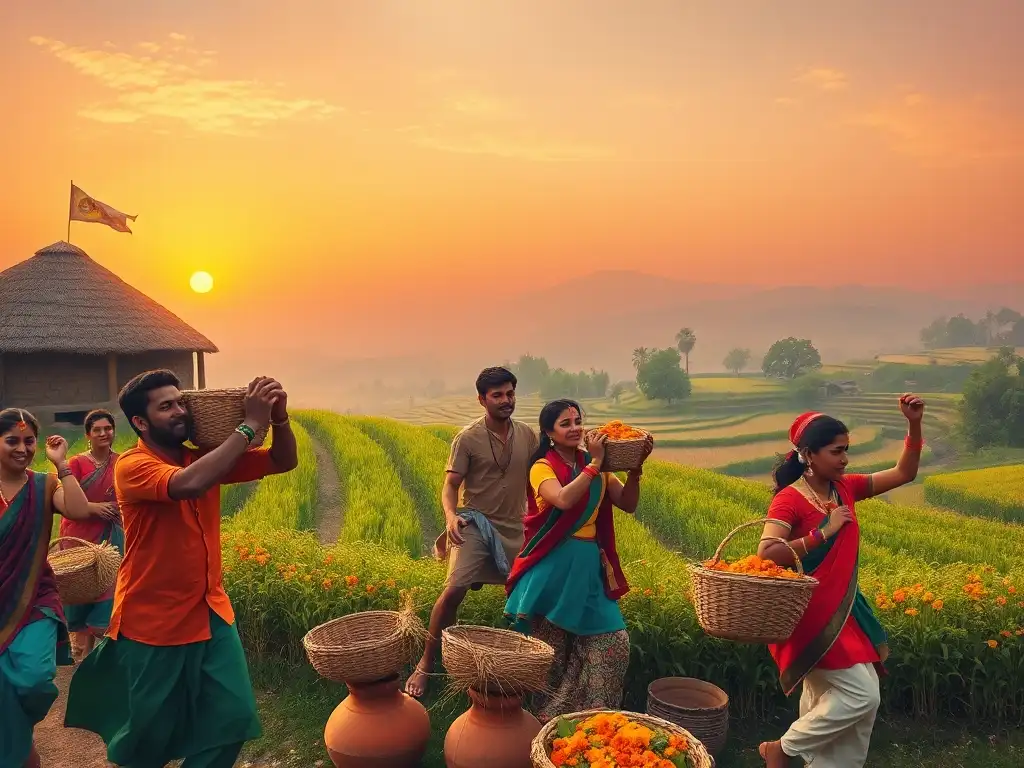
North India: Unique Traditions and Celebrations
North India boasts a wealth of harvest festivals, each reflective of the region's diverse agricultural practices and cultural traditions. One of the most prominent festivals is Pongal, celebrated primarily in Tamil Nadu, although it also has significance in neighboring states. This four-day festival, which occurs in mid-January, marks the end of the winter solstice and the beginning of the sun's northward journey.
The festival is marked by the preparation of a special dish made of newly harvested rice, milk, and jaggery, known as Pongal. Families decorate their homes and prepare colorful rangolis, symbolizing prosperity and abundance. Rituals include worshipping the sun god and expressing gratitude for the bountiful harvest.
Other notable festivals include Makar Sankranti, which also celebrates the harvesting of sugarcane and rice. In Punjab, Lohri is celebrated with great enthusiasm, where families gather around bonfires, sing traditional songs, and dance to folk music, marking the arrival of longer days and the end of winter.
South India: Diverse Harvest Celebrations
The southern states of India exhibit a vibrant tapestry of harvest festivals, each rich in cultural significance and agricultural practices. Pongal, as previously mentioned, holds great importance in Tamil Nadu. This festival not only celebrates the harvest but also symbolizes the community's connection with nature and the earth.
In Andhra Pradesh and Telangana, Makara Sankranti is celebrated with similar fervor. This festival coincides with the solar transition, marking the end of winter and the commencement of the harvest season. Bhogi, the day before Sankranti, involves discarding old belongings and celebrating new beginnings with bonfires, symbolizing the burning of the old and the welcoming of the new.
In Kerala, the festival of Onam is a major harvest celebration, reflecting the agricultural abundance of the region. Onam is celebrated in the month of Chingam (August-September) and includes elaborate feasts, traditional games, and a grand procession featuring Onam boat races.
East India: Cultural Richness in Harvest Festivals
East India is renowned for its rich cultural heritage and vibrant harvest festivals that celebrate the region's agricultural bounty. Nabanna, a festival celebrated in West Bengal, marks the harvesting of rice and is a time for community gatherings and feasting. The festival is characterized by the preparation of various rice dishes, sweets, and traditional snacks, showcasing the culinary diversity of the region.
In Odisha, Nuakhai is another significant harvest festival, celebrated with great enthusiasm. It involves the offering of newly harvested grains to the deities, accompanied by prayers for a prosperous year ahead. The festival is marked by traditional dances, music, and community feasts.
Additionally, in Assam, the Bihu festival celebrates the harvest of crops, particularly rice. The festival, which occurs three times a year, is characterized by vibrant dances, songs, and communal gatherings, reflecting the agrarian lifestyle of the Assamese people.
The regional variations of ancient Indian harvest festivals reveal a profound connection between agriculture, culture, and community. These festivals not only celebrate the bounty of the land but also reinforce social bonds and cultural identity among the people.
West India: Distinctive Practices and Foods
West India, comprising states like Gujarat, Maharashtra, Rajasthan, and Goa, is known for its vibrant cultural tapestry and unique harvest festivals that reflect the region's agrarian roots. The agricultural practices here are closely tied to the monsoon season, leading to a rich variety of crops, which in turn influence the distinct celebrations.
Key Harvest Festivals
- Makar Sankranti: Celebrated in January, Makar Sankranti marks the end of winter and the harvest of sugarcane in many parts of West India. The festival is characterized by kite-flying contests, where the skies are filled with colorful kites, symbolizing the joy of the harvest. Traditional sweets made from jaggery and sesame seeds, like tilgul, are exchanged among friends and family, emphasizing the theme of sharing the bountiful harvest.
- Bhogi: In Maharashtra, Bhogi is celebrated a day before Makar Sankranti. It involves the burning of old items in a bonfire, signifying the discarding of the old and welcoming the new. This festival is closely linked to the agricultural cycle, as it marks the start of the harvest season. People prepare various dishes, including puran poli (sweet flatbread) and bhaji (vegetable fritters), to enjoy with family and friends.
- Gudi Padwa: Primarily celebrated in Maharashtra, Gudi Padwa marks the Maharashtrian New Year and the arrival of spring. This festival is celebrated with the hoisting of a Gudi (a decorated pole with a cloth and garland) outside homes, symbolizing prosperity and good fortune. Festive meals include shrikhand (a sweet yogurt dish) and puris, often accompanied by a variety of seasonal vegetables.
Traditional Foods
The harvest festivals in West India are not just about celebrating the bountiful crops but also about the delicious foods that accompany these festivities. Some notable traditional foods include:
- Undhiyu: A mixed vegetable dish from Gujarat, prepared with seasonal vegetables and spices, traditionally cooked underground during the winter months. It is a staple during the harvest season.
- Dhokla: This steamed savory cake made from fermented gram flour is a popular snack during festivals. It is often served with green chutney and is a favorite among many communities in Gujarat.
- Kadhi: A yogurt-based curry served with rice is a common dish during harvest celebrations in Maharashtra. It is often accompanied by khichdi, a comforting mix of rice and lentils.
- Puran Poli: A sweet flatbread stuffed with a mixture of jaggery and split yellow gram, it is a must-have during Bhogi and other harvest festivals in Maharashtra.
The distinctive practices and foods of West India during harvest festivals not only celebrate the agricultural bounty but also reflect the rich cultural heritage of the region. These festivities bring communities together, fostering a sense of unity and gratitude for the earth's gifts.
The Influence of Ancient Indian Harvest Festivals on Modern Culture
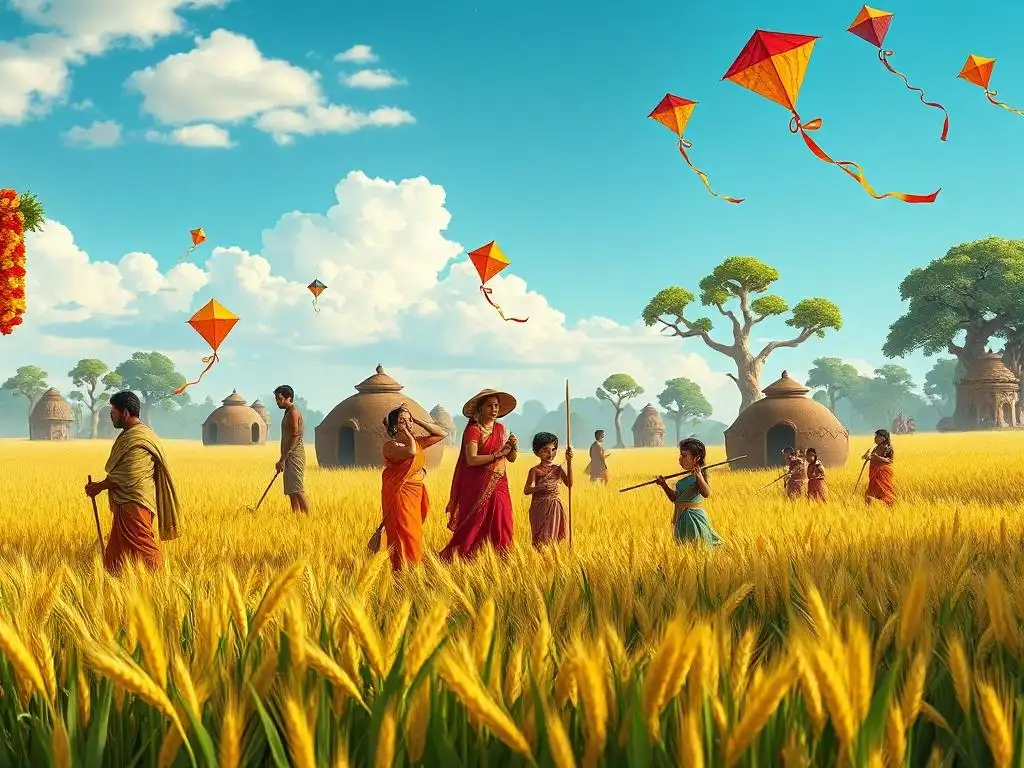
The influence of ancient Indian harvest festivals extends far beyond the past, reaching deep into the fabric of modern culture. These festivals, rooted in agrarian practices and seasonal cycles, have shaped community identities and social structures. Even today, many contemporary celebrations retain elements from ancient traditions, symbolizing the continuity of cultural heritage.
Continuation of Traditions in Contemporary Festivals
Modern harvest festivals in India often reflect the rituals and customs established by ancient civilizations. For instance, festivals like Pongal in Tamil Nadu and Makar Sankranti in various states celebrate the harvest of crops such as rice and sugarcane. These festivals not only mark the end of the harvest season but also serve as opportunities for communities to come together, reinforcing social bonds.
- Key Features of Contemporary Festivals:
- Ritual Offerings: Just as in ancient times, offerings are made to deities in gratitude for bountiful harvests.
- Cultural Performances: Folk dances and music, which were integral to ancient celebrations, continue to be performed, showcasing regional diversity and artistic expression.
- Community Feasts: Sharing food, particularly dishes made from newly harvested crops, fosters communal harmony.
The preservation of these traditions highlights the significant role that ancient harvest festivals play in maintaining cultural continuity. Through such celebrations, communities can reflect on their agrarian roots while adapting to modern realities.
Impact on Modern Agriculture and Community Practices
Ancient Indian harvest festivals have also left a lasting mark on modern agricultural practices and community life. These festivals were traditionally linked to specific agricultural cycles, and their observance encouraged sustainable farming practices that are still relevant today.
- Sustainable Practices:
- Crop Rotation and Diversity: Ancient texts often emphasized the importance of crop rotation, a practice that is gaining renewed attention in sustainable agriculture discussions today.
- Organic Practices: The use of natural fertilizers and pest control methods, common in ancient times, is being revisited in modern organic farming movements.
- Community Engagement:
- Collective Farming: The spirit of cooperation seen in ancient harvest celebrations encourages communal farming initiatives today, where farmers work together to optimize resources and share knowledge.
- Educational Workshops: Many contemporary festivals now include educational components that teach sustainable farming techniques, linking ancient wisdom with modern challenges.
The legacy of ancient Indian harvest festivals is evident in how communities engage with agriculture and each other. By honoring these traditions, modern societies can draw from the past to build a more sustainable future, ensuring that the lessons learned from ancient practices are not lost but rather transformed to meet contemporary needs.
As we celebrate the rich history of ancient Indian harvest festivals, it becomes clear that their influence continues to shape cultural practices and agricultural techniques today, bridging the past with the present in meaningful ways.
Conclusion: The Legacy of Ancient Indian Harvest Festivals
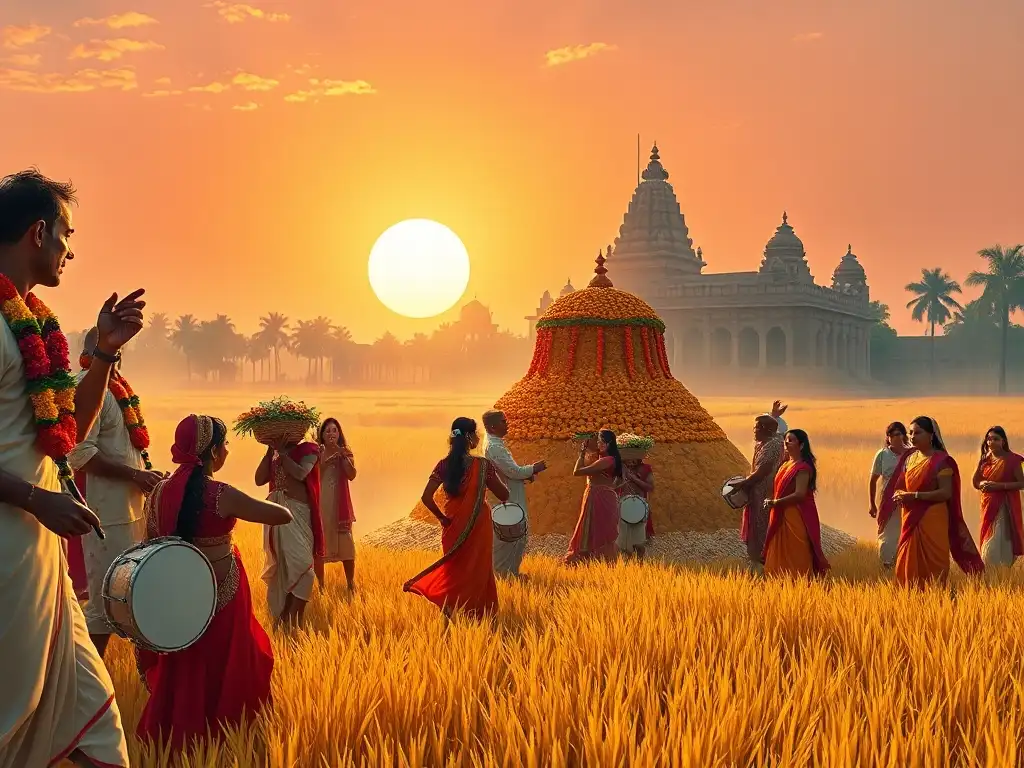
The legacy of ancient Indian harvest festivals is a testament to the deep-rooted connection between agriculture and culture in India. These celebrations were not merely a means to express gratitude for bountiful crops; they were integral to the social and spiritual fabric of ancient Indian society. Rich in rituals and traditions, these festivals reinforced community bonds and underscored the importance of agriculture as the backbone of the economy.
Harvest festivals such as Makar Sankranti, Pongal, and Baisakhi served as vital markers of the agricultural calendar, symbolizing the culmination of hard work and the promise of sustenance. The communal feasting, vibrant dances, and offerings to deities reflected the reverence ancient Indians held for the land and the cycles of nature. These practices have left an indelible mark on the cultural landscape of India, influencing art, music, and social customs even today.
Reflection on the Importance of Agricultural Celebrations
The agricultural celebrations of ancient India were significant not only for their religious and social aspects but also for their role in promoting agricultural practices. By commemorating the harvest, communities reinforced the importance of crop cultivation and the knowledge passed down through generations.
- Cultural Significance:
- Festivals were an expression of cultural identity, showcasing local traditions and customs.
- They provided an opportunity for communities to come together, fostering unity and collaboration among farmers.
- Economic Impact:
- Harvest festivals stimulated local economies through markets and trade, where surplus produce was exchanged.
- They encouraged innovation in agricultural techniques as farmers sought to improve their yields for future celebrations.
- Spiritual Connection:
- Rituals associated with these festivals often included prayers for good weather and favorable conditions for crops, highlighting the spiritual connection to agriculture.
- They reinforced the belief that the well-being of the community was intertwined with the fertility of the land.
By understanding the importance of these celebrations, we can appreciate the profound respect ancient Indians had for agriculture and its pivotal role in sustaining their civilizations.
Future of Harvest Festivals in the Context of Modern India
As India strides into the future, the essence of ancient Indian harvest festivals continues to resonate, albeit in transformed forms. While modern challenges such as urbanization and climate change pose significant threats to traditional agricultural practices, the relevance of these festivals remains strong.
- Revival and Preservation:
- Many communities are actively working to revive ancient practices and festivals, recognizing their cultural significance and potential for community bonding.
- Initiatives aimed at educating younger generations about these traditions are crucial for their preservation.
- Integration with Modern Agriculture:
- Modern agricultural techniques can be incorporated into traditional festivals, showcasing innovations alongside time-honored practices.
- Events can focus on sustainability, promoting eco-friendly farming methods and the importance of biodiversity.
- Tourism and Cultural Exchange:
- Harvest festivals present great opportunities for cultural tourism, attracting visitors interested in experiencing authentic traditions.
- This can lead to a greater appreciation of local cultures and support for farmers and artisans.
While the face of agriculture in India may be changing, the essence of ancient Indian harvest festivals – community, gratitude, and celebration of the earth – remains a vital part of the nation’s cultural heritage and will continue to evolve in harmony with modern advancements.
Frequently Asked Questions
What are the major harvest festivals celebrated in ancient India?
Ancient India celebrated several harvest festivals such as Pongal, Makar Sankranti, and Baisakhi, each marking the end of the harvest season with vibrant rituals and community gatherings.
How did ancient Indian civilizations contribute to the celebration of harvest festivals?
The celebration of harvest festivals in ancient India was deeply intertwined with agricultural practices, showcasing the cultural significance of crops and fostering community bonds through shared gratitude and festivities.
What role did religion play in ancient Indian harvest festivals?
Religion played a central role, with many harvest festivals dedicated to various deities, symbolizing gratitude for the bountiful crops and seeking blessings for future harvests, reflecting the agricultural lifestyle of the society.
How did the Indus Valley civilization influence harvest celebrations?
The Indus Valley civilization laid the groundwork for agricultural practices, which in turn influenced the harvest celebrations that followed, emphasizing the importance of agriculture in sustaining communities and shaping cultural identities.
Are there any similarities between ancient Indian harvest festivals and those of other cultures?
Yes, like many cultures, ancient Indian harvest festivals share similar themes of gratitude, community, and the celebration of nature's bounty, often reflecting the agricultural practices and spiritual beliefs of the societies.
Final Reflection: Celebrating the Legacy of Ancient Indian Harvest Festivals
The rich tapestry of ancient Indian harvest festivals continues to resonate in today's world, reminding us of the profound connection between agriculture and culture. These festivals were not merely occasions for celebration; they were vital expressions of gratitude towards nature and the community. As we navigate the complexities of modern life, the essence of these festivals serves as a poignant reminder of the importance of sustainability and communal harmony.
The influence of ancient Indian harvest festivals extends far beyond their historical roots, shaping contemporary cultural practices and social values. These festivals foster a sense of unity and shared purpose, encouraging communities to come together in celebration of nature's bounty. As we witness a resurgence of interest in traditional practices, we can see that "the past is not dead; it is not even past," as Faulkner aptly noted. This ongoing engagement with our heritage invites us to reflect on how these celebrations can inspire modern agricultural practices and community-building efforts.
As we conclude our exploration of ancient Indian harvest festivals, I invite you to reflect on how these time-honored traditions can inform your own life. Consider how you can celebrate the bounty around you, cultivate gratitude for the resources we have, and foster connections within your community. By embracing the lessons of the past, we can create a more sustainable and harmonious future, honoring the legacy of those who celebrated the harvest long before us.
🌾 Join the Celebration of Ancient Harvest Festivals!
Thank you for exploring the rich tapestry of ancient Indian harvest festivals! By diving into this vibrant history, you’ve uncovered the joy and unity these celebrations brought to communities. Now, let’s keep that spirit alive!
Here are a few ways you can embrace and celebrate these significant traditions in your own life:
- Attend or organize a local harvest festival! Connect with your community by celebrating the bounty of nature together.
- Share your learnings: Discuss the fascinating aspects of these festivals with your friends and family, or share your insights on social media.
- Explore further: Visit museums or historical sites that highlight ancient agricultural practices and cultural festivities.
What is your favorite way to celebrate harvest time, whether inspired by history or your personal experiences? We’d love to hear your thoughts below!