
The Legacy of Indian Handicrafts: Preserving Culture While Profiting

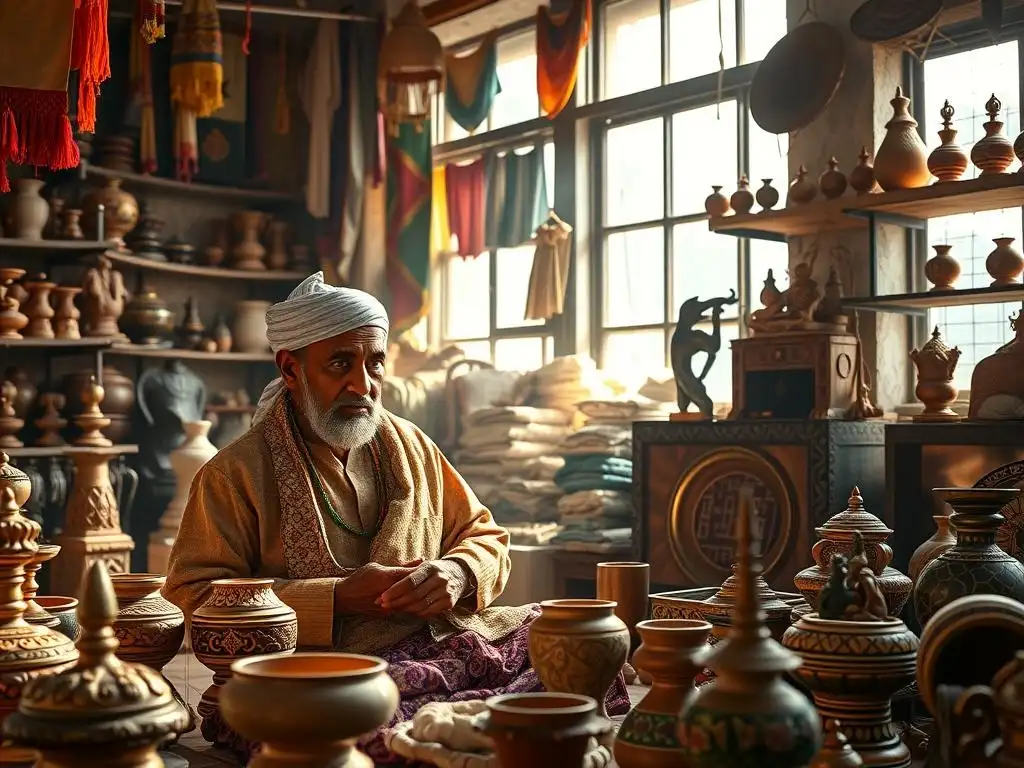
Welcome to Ancient India History, where we embark on a fascinating journey through the rich tapestry of India's past. As we delve into the intricate world of Indian handicrafts cultural heritage, you'll discover how these timeless creations not only reflect the artistic brilliance of ancient civilizations but also play a pivotal role in modern business and investment landscapes.
What secrets do these crafts hold about our cultural identity, and how can they be harnessed for economic prosperity today? Join us as we unravel the legacy of Indian handicrafts and explore the vibrant intersection of culture and commerce that continues to shape our world.
- Introduction to Indian Handicrafts Cultural Heritage
- The Diversity of Indian Handicrafts
- The Economic Impact of Indian Handicrafts
- Challenges Faced by Indian Handicrafts
- Strategies for Profiting from Indian Handicrafts
- Successful Case Studies of Indian Handicrafts
- Preserving Cultural Heritage through Handicrafts
- Conclusion: The Future of Indian Handicrafts Cultural Heritage
- Resources for Further Exploration
- Frequently Asked Questions
- Final Reflection: Embracing the Legacy of Indian Handicrafts for a Sustainable Future
- Embrace the Art of Indian Handicrafts Today!
Introduction to Indian Handicrafts Cultural Heritage
The rich tapestry of Indian handicrafts is a profound embodiment of the diverse cultural heritage that has evolved over thousands of years. From the intricate patterns of textiles to the exquisite carvings of wood and stone, Indian handicrafts reflect the creativity and craftsmanship of various communities across the subcontinent.
The phrase "Indian handicrafts cultural heritage" encapsulates the essence of these artisanal practices, which not only preserve traditional skills but also contribute significantly to the socio-economic fabric of the nation. As we explore the legacy of Indian handicrafts, we uncover a treasure trove of artistic expression that connects generations, sustains livelihoods, and fosters a sense of identity among artisans and consumers alike.
This article delves into the significance of Indian handicrafts, examining their role in cultural preservation and the opportunities they present for economic growth in today's global marketplace.
Understanding Indian Handicrafts and Their Significance
Indian handicrafts encompass a wide array of products crafted by hand, utilizing traditional techniques and materials that vary from region to region. These handicrafts are not merely items for sale; they are vessels of history, tradition, and skill. The significance of Indian handicrafts lies in several key aspects:
- Cultural Expression: Each piece of handicraft tells a story, reflecting the customs, beliefs, and narratives of the community it originates from. For instance, the vibrant colors and motifs of Rajasthani textiles often symbolize local folklore and traditions.
- Skill Preservation: Many artisanal techniques have been passed down through generations. By engaging with these crafts, we help preserve ancient skills that might otherwise be lost to modern industrialization.
- Economic Empowerment: Handicrafts play a crucial role in supporting local economies. Artisans often rely on their craft as a primary source of income, enabling them to sustain their families and communities.
- Global Appeal: In an increasingly interconnected world, there is a growing appreciation for handmade products. Indian handicrafts are celebrated for their uniqueness and quality, making them sought-after items in international markets.
The Role of Handicrafts in Indian Culture and History
The role of handicrafts in Indian culture and history extends beyond mere production; it intertwines with the very fabric of society. Throughout history, various dynasties and empires have fostered craftsmanship, contributing to a rich legacy that is still evident today.
- Historical Roots: The origins of Indian handicrafts can be traced back to ancient civilizations, such as the Indus Valley Civilization, where evidence of pottery and textiles has been found. Over time, different regions developed their distinct styles, influenced by local materials and cultural interactions.
- Cultural Rituals: Handicrafts often play a pivotal role in cultural rituals and festivals. For example, intricate designs in clay pots and decorative items are used during ceremonies, showcasing the artistry involved in these traditions.
- Community Identity: Craftsmanship fosters a sense of belonging among artisans. Many crafts are specific to certain communities, reinforcing their identity and cultural pride. This communal aspect of handicrafts helps maintain social structures and traditions.
- Contemporary Relevance: Today, the resurgence of interest in sustainable and ethically produced goods has revitalized the handicraft sector. Consumers are increasingly drawn to the stories behind the products, valuing authenticity and craftsmanship over mass-produced items.
In summation, Indian handicrafts are a vital aspect of the country's cultural heritage, offering insights into its history, diversity, and resilience. As we continue to explore the nuances of this sector, it becomes evident that the preservation of these crafts is not only about maintaining traditions but also about forging new opportunities for artisans and the economy.
The Diversity of Indian Handicrafts
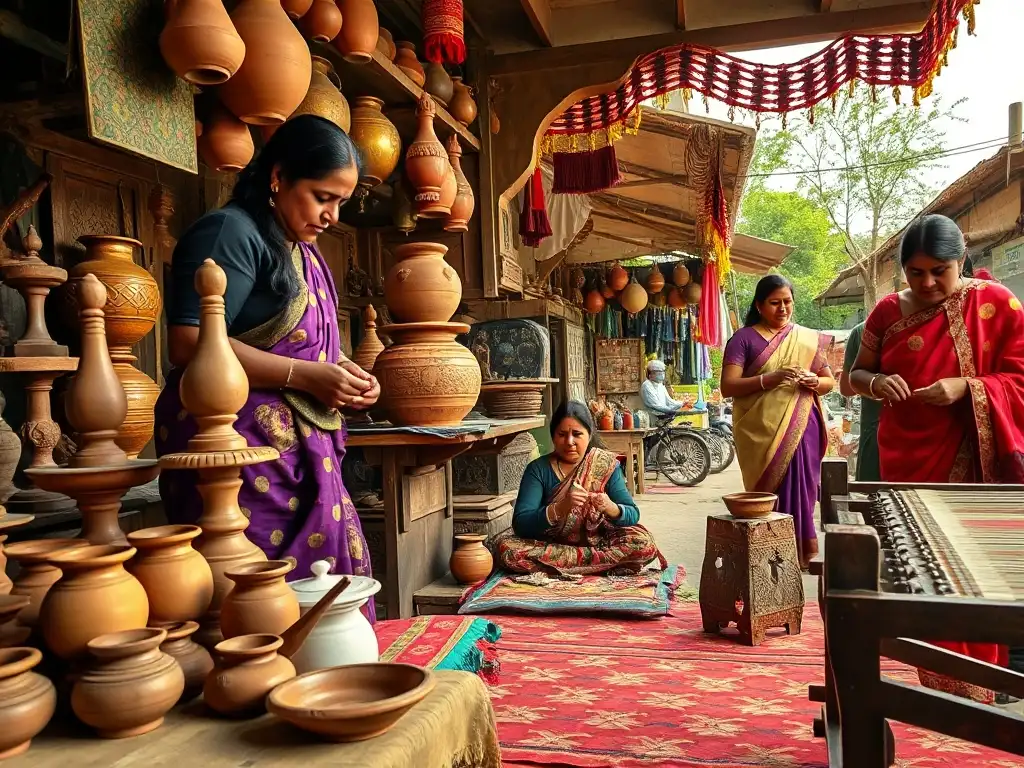
Overview of Different Types of Indian Handicrafts
Indian handicrafts represent a vast tapestry of cultural heritage that spans centuries, reflecting the traditions, skills, and artistic expressions of various regions. These handicrafts not only serve functional purposes but also embody the rich narratives and identities of the people who create them. The diversity of Indian handicrafts can be categorized into several key types, each showcasing unique techniques and materials.
Textiles: The Art of Weaving and Dyeing
Textiles are among the most prominent forms of Indian handicrafts, with a legacy that dates back to ancient times. The art of weaving in India is a profound craft that varies from region to region, incorporating distinctive techniques and materials.
- Traditional Weaving Techniques: Techniques such as handloom weaving, ikat, and brocade are prevalent, with each state contributing its own style. For example, the Banarasi silk sarees from Varanasi are famous for their intricate designs and rich gold and silver brocade.
- Dyeing Methods: Natural dyeing techniques, such as bandhani (tie-dye) and block printing, have been practiced for generations. These methods not only preserve the environmental heritage but also ensure that the colors used are vibrant and lasting.
- Cultural Significance: Textiles serve not only as clothing but also as symbols of cultural identity, often adorned with motifs that tell the stories of local traditions, mythology, and folklore.
Pottery: Traditional Techniques and Modern Innovations
Pottery in India is a traditional craft that showcases the skill of artisans who shape clay into functional and decorative pieces.
- Traditional Techniques: The use of hand-throwing and coiling techniques is common in many regions. For instance, the blue pottery of Jaipur is renowned for its vibrant colors and intricate designs, while the terracotta pottery of West Bengal reflects rural aesthetics.
- Modern Innovations: Today, artisans are blending traditional pottery techniques with contemporary designs to appeal to modern consumers. This fusion has led to the creation of unique products that cater to both functional and aesthetic needs.
- Cultural Heritage: Pottery not only serves practical purposes but is also used in religious ceremonies and cultural festivals, reinforcing its significance in daily life.
Metalwork: Craftsmanship in Jewelry and Utensils
Indian metalwork is a vibrant aspect of the handicraft sector, showcasing exceptional craftsmanship in both jewelry and utensils.
- Jewelry Making: Regions like Rajasthan and Gujarat are famous for their intricate jewelry, which often employs techniques such as meenakari (enameling) and jadau (stone setting). Each piece tells a story of artistry and cultural heritage.
- Utensils and Decor: Metal utensils, particularly those made from brass and copper, are not only functional but also decorative. The Kansa (bell metal) utensils from Odisha are valued for their durability and health benefits.
- Cultural Symbolism: Metalwork often carries cultural significance, used in rituals and ceremonies, thus reflecting the spiritual beliefs and traditions of communities.
Woodwork: Carvings and Furniture from Various Regions
Woodwork is another crucial aspect of Indian handicrafts, characterized by intricate carvings and functional furniture.
- Carving Techniques: Traditional techniques involve detailed carving and inlay work, with regions like Kashmir known for their Kashmiri walnut woodcraft and Rajasthan for its jaali work (latticework).
- Furniture Design: Indian wooden furniture often features unique designs that blend functionality with artistic expression. The use of locally sourced wood ensures sustainability and supports local economies.
- Cultural Relevance: Wooden crafts often depict motifs and designs that reflect local folklore, history, and religious beliefs, making them a vital part of cultural heritage.
Regional Specialties: Exploring Unique Handicraft Styles
Rajasthan: The Land of Colorful Textiles
Rajasthan is renowned for its vibrant textiles, characterized by bold colors and intricate patterns.
- Traditional Techniques: The state is famous for block printing, tie-dye, and mirror work, which are often used in garments, bed linens, and home decor.
- Cultural Festivals: Handicrafts play a significant role in local festivals, with artisans showcasing their work in fairs and exhibitions, preserving age-old traditions.
Kerala: Intricate Coir and Bamboo Products
Kerala's handicrafts are distinguished by their use of natural materials, particularly coir and bamboo.
- Coir Products: The coir industry produces a variety of items, including mats, ropes, and handicrafts that are eco-friendly and sustainable.
- Bamboo Crafts: Artisans in Kerala create intricate bamboo products, ranging from furniture to decorative items, showcasing both utility and artistry.
Punjab: Vibrant Phulkari Embroidery
Punjab is celebrated for its rich embroidery traditions, particularly Phulkari, which is integral to the cultural identity of the region.
- Phulkari Embroidery: This traditional craft involves intricate floral patterns and is often used in shawls, dupattas, and other garments, symbolizing joy and celebration.
- Cultural Events: Phulkari is not just a craft but a part of Punjabi celebrations, with embroidered items often gifted during weddings and festivals, thereby preserving cultural heritage.
The diversity of Indian handicrafts is a testament to the country's rich cultural heritage. Each craft, whether textiles, pottery, metalwork, or woodwork, tells a story of tradition and creativity, contributing to the preservation and celebration of India's artisanal legacy. The continued support and appreciation for these crafts are vital for sustaining the livelihoods of artisans and honoring their cultural contributions.
The Economic Impact of Indian Handicrafts
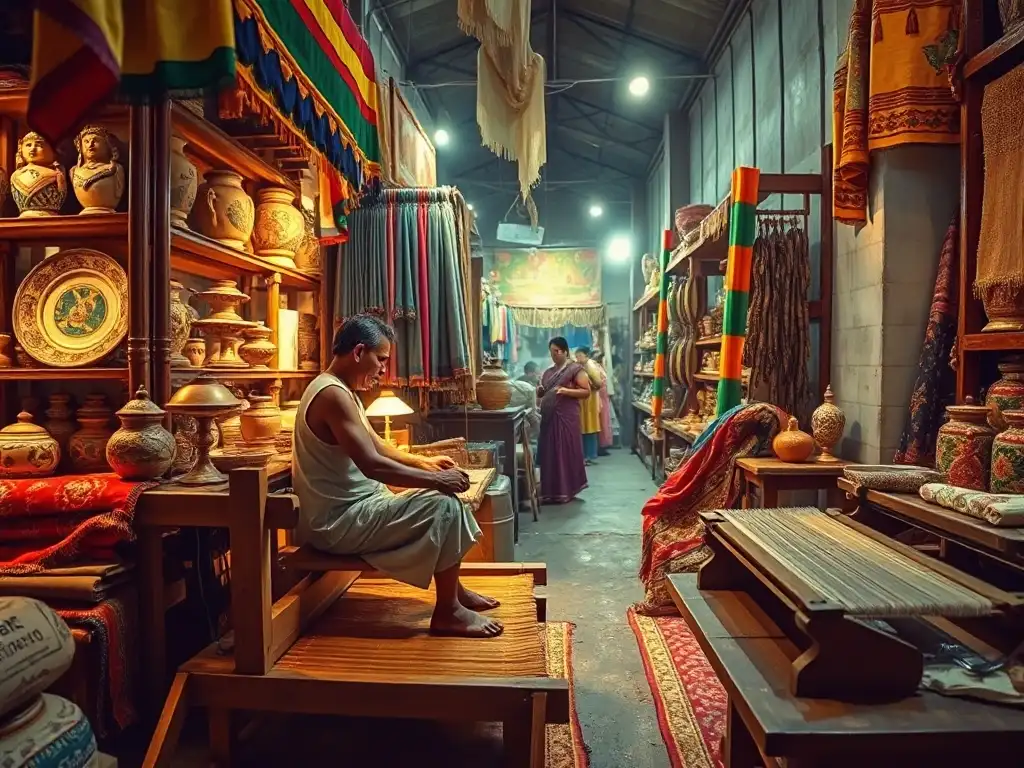
Contribution to Local and National Economies
Indian handicrafts represent a significant economic sector that contributes to both local and national economies. These artisanal products, ranging from textiles to pottery, are not only a source of cultural expression but also a vital economic driver. According to the Ministry of Textiles, the handicrafts sector is one of the largest employment generators in India, supporting over 7 million artisans.
Key Economic Contributions:
- Export Revenue: In the fiscal year 2020-2021, the export of Indian handicrafts was valued at approximately $2.6 billion. This revenue stream plays a crucial role in the Indian economy, promoting trade and enhancing India's global presence.
- Cultural Tourism: Handicrafts are a focal point of cultural tourism, attracting visitors from around the world. Tourists often seek authentic Indian handicrafts, providing a boost to local economies in regions known for their artisanal traditions.
- Sustainable Development: The handicraft industry promotes sustainable practices as many artisans utilize organic materials and traditional methods that have minimal environmental impact. This contributes to eco-friendly economic growth.
Employment Opportunities in the Artisanal Sector
The artisanal sector is a cornerstone of employment in rural and semi-urban areas of India. It provides livelihood opportunities to a diverse range of individuals, including women and marginalized communities. The nature of this work allows artisans to maintain flexible schedules, promoting work-life balance.
Employment Statistics:
- Women Empowerment: Approximately 50% of artisans in the handicraft sector are women. Initiatives aimed at empowering female artisans have led to increased financial independence and improved social status within their communities.
- Skill Development Programs: Government and non-governmental organizations are investing in skill development programs that aim to train artisans in modern techniques, marketing strategies, and quality control. This not only enhances their productivity but also their income potential.
Global Market Trends for Indian Handicrafts
The global market for handicrafts is on an upward trajectory, with increasing demand for unique, handmade products. Consumers are shifting towards sustainable and ethically sourced goods, creating opportunities for Indian artisans to penetrate international markets.
Emerging Trends:
- E-Commerce Growth: The rise of e-commerce platforms has allowed artisans to reach a wider audience. Websites dedicated to handmade goods, such as Etsy, have become popular avenues for Indian handicrafts, providing artisans with a global online marketplace.
- Sustainable Fashion: There is a growing trend in sustainable fashion that emphasizes the use of handcrafted textiles. Global brands are increasingly collaborating with Indian artisans to create eco-friendly products that resonate with environmentally conscious consumers.
- Cultural Authenticity: Consumers are increasingly valuing the narrative behind products. Handicrafts that tell a story or are rooted in cultural traditions are gaining traction, as buyers seek to connect with the heritage of the products they purchase.
The economic impact of Indian handicrafts is profound, contributing significantly to local and national economies while providing employment opportunities and adapting to global market trends. The preservation of Indian handicrafts cultural heritage not only enriches the cultural landscape but also promises a sustainable future for artisans and their communities.
Challenges Faced by Indian Handicrafts
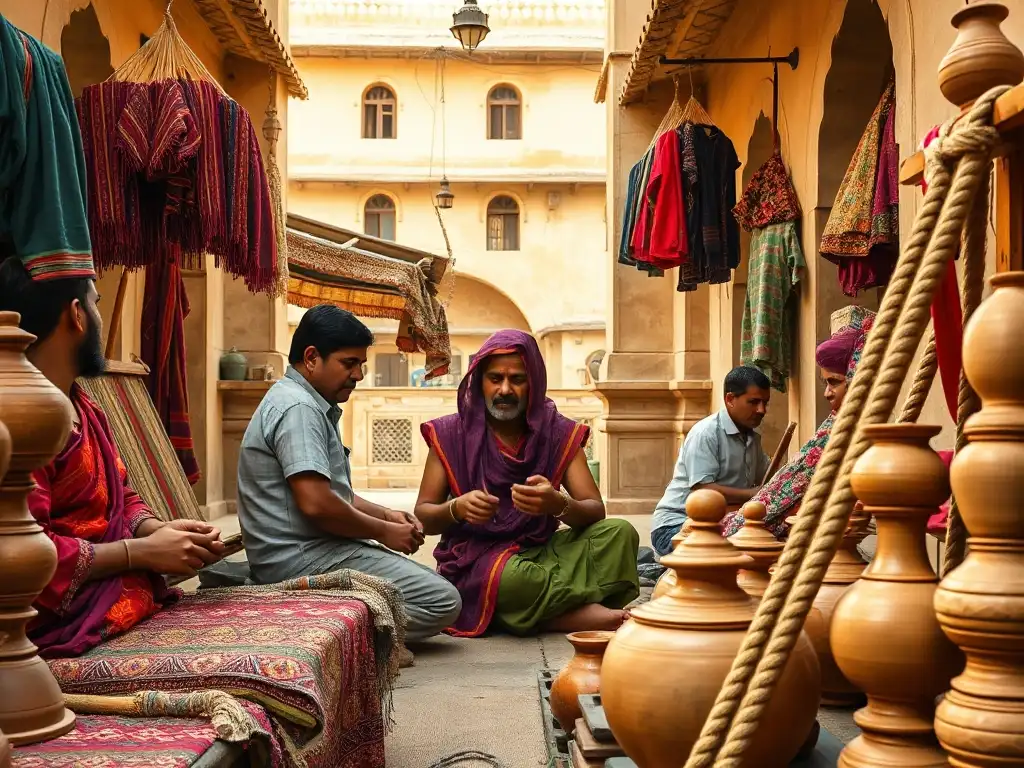
Preserving Traditional Techniques Amidst Modernization
The landscape of Indian handicrafts is marked by a rich tapestry of traditional techniques that have been passed down through generations. However, the advent of modernization poses significant challenges to the preservation of these techniques. Many artisans find themselves at a crossroads, caught between the age-old practices that define their craft and the pressures to adapt to contemporary market demands.
- Loss of Skill: As younger generations gravitate towards urban jobs, the intricate skills required for traditional handicrafts risk being lost. For instance, the art of handloom weaving, prevalent in regions like Varanasi and Kanchipuram, requires years of training and dedication. Yet, with fewer apprentices willing to commit to the rigorous learning process, these crafts face extinction.
- Technological Influence: While technology can enhance production efficiency, it can also dilute the authenticity of handicrafts. For example, machine-made replicas of hand-painted pottery can saturate the market, making it imperative for artisans to find ways to distinguish their handcrafted pieces as unique cultural artifacts.
In this context, organizations and NGOs play a crucial role in promoting workshops and training programs aimed at keeping traditional techniques alive. By fostering an environment where artisans can showcase their skills and educate others, they help bridge the gap between tradition and modernity.
The Impact of Globalization on Local Artisans
Globalization has brought both opportunities and challenges to Indian handicrafts. On one hand, it has opened new markets for artisans, allowing them to reach a broader audience through online platforms. On the other hand, it has introduced stiff competition from international artisans and mass-produced goods.
- Market Competition: Local artisans face pressure from cheaper, mass-produced alternatives flooding the market. For example, synthetic fabrics may overshadow traditional handwoven textiles, making it difficult for weavers to compete on price. This necessitates a focus on the unique qualities of handmade products, such as sustainability and cultural significance.
- Cultural Appropriation: Global interest in Indian handicrafts often leads to cultural appropriation, where elements of traditional crafts are adopted without proper acknowledgment or respect for their origins. This situation can diminish the cultural heritage associated with these crafts, making it essential for artisans to assert their narratives and educate consumers about the significance of their work.
To navigate these challenges, artisans and organizations can collaborate to develop branding strategies that emphasize the authenticity and cultural heritage of their products. Such initiatives can not only help artisans secure fair prices but also elevate the perception of Indian handicrafts in global markets.
Financial Sustainability for Craftspeople
Financial sustainability remains a critical issue for many artisans in the Indian handicraft sector. While the beauty and cultural significance of their work is undeniable, many craftspeople struggle to achieve a stable income.
- Access to Markets: Often, artisans lack direct access to markets that can provide them with fair compensation for their work. Middlemen frequently take a significant cut of the profits, leaving the artisans with little financial reward. Innovative models, such as cooperatives, can help artisans band together to negotiate better prices and access larger markets.
- Investment and Funding: Securing funding for raw materials and production processes is another challenge. Many artisans operate on limited budgets, which restricts their ability to scale their businesses. Initiatives that provide microloans or grants specifically for handicraft production can empower artisans to invest in their craft and improve their livelihoods.
- Skill Development: Investing in skill development not only enhances the quality of products but also allows artisans to diversify their offerings. For instance, training in design and marketing can help artisans create products that appeal to contemporary consumers without losing their traditional essence.
Addressing the financial sustainability of craftspeople is vital for the preservation of Indian handicrafts and cultural heritage. By tackling these challenges through innovative solutions, we can ensure that this vibrant aspect of Indian culture continues to thrive for generations to come.
Strategies for Profiting from Indian Handicrafts
Establishing Online Platforms for Artisanal Products
In the digital age, establishing an online presence is crucial for the success of Indian handicrafts. This not only helps artisans reach a broader audience but also plays a significant role in preserving Indian handicrafts cultural heritage. Here are some effective ways to establish online platforms for artisanal products:
E-commerce Websites: Selling Handmade Goods
Creating dedicated e-commerce websites allows artisans to showcase and sell their products directly to consumers. A well-designed website can serve as a virtual gallery, highlighting the unique aspects of each craft. Key features to consider include:
- User-friendly navigation: Ensures that customers can easily explore different categories of handicrafts.
- High-quality images: Showcase the intricate details of handmade products, enticing buyers.
- Storytelling elements: Share the history and cultural significance behind each craft, enhancing the emotional connection with potential buyers.
| Feature | Importance |
|---|---|
| User-friendly design | Improves customer experience |
| Mobile optimization | Captures a wider audience through mobile shoppers |
| Secure payment options | Builds trust and encourages transactions |
Social Media Marketing: Showcasing Craftsmanship
Social media platforms, such as Instagram and Facebook, are powerful tools for promoting Indian handicrafts. These platforms allow artisans to connect with global audiences and share their craftsmanship through engaging content. Effective strategies include:
- Visual storytelling: Use images and videos to narrate the process of creating handicrafts, emphasizing the skill and dedication involved.
- Influencer collaborations: Partner with influencers who resonate with the brand to reach their followers and enhance credibility.
- User-generated content: Encourage customers to share their purchases, creating a community and fostering brand loyalty.
Collaborations with Local Artisans and Designers
Collaboration is a cornerstone of sustaining and profiting from Indian handicrafts cultural heritage. By partnering with local artisans and designers, businesses can create unique products that reflect the rich traditions of Indian craftsmanship. Here’s how to effectively collaborate:
- Joint product lines: Develop limited-edition collections that fuse traditional techniques with contemporary designs. This not only preserves the craftsmanship but also attracts modern consumers.
- Workshops and events: Organize workshops that invite customers to experience the crafting process firsthand. This deepens their appreciation for the artistry and can lead to increased sales.
- Cross-promotion: Utilize each other’s networks. For instance, a designer can promote the artisans’ work through their channels, and vice versa, enhancing visibility for both parties.
Leveraging online platforms and fostering collaborations not only aids in profiting from Indian handicrafts but also ensures the preservation and promotion of the rich cultural heritage associated with these artisanal products.
Leveraging Export Opportunities for Handicrafts
The global demand for unique, handcrafted items has surged in recent years, creating a significant opportunity for Indian artisans and businesses to tap into export markets. Indian handicrafts, rich in cultural heritage and diversity, can find a receptive audience abroad, offering both cultural significance and artistic value. To effectively leverage these export opportunities, several strategies can be implemented.
Understanding Global Markets
To successfully export handicrafts, it is crucial to understand the preferences and trends within global markets. This involves:
- Market Research: Conduct thorough research to identify which products are in demand in specific countries. For instance, items like traditional textiles, pottery, and wooden crafts often attract attention in Western markets.
- Cultural Sensitivity: Different cultures have varying tastes and values. Understanding these nuances can help artisans tailor their products to meet international standards while retaining their unique essence.
Compliance with International Standards
Navigating the complexities of international trade requires adherence to various regulations and standards. Key compliance areas include:
- Quality Standards: Ensure that products meet the quality expectations of foreign buyers, which may involve certifications or specific manufacturing practices.
- Export Regulations: Familiarize yourself with the export regulations of both India and the destination country, including tariffs, import duties, and documentation requirements.
Building Partnerships and Networks
Creating strong connections can facilitate smoother entry into foreign markets. This can be achieved through:
- Collaborating with Export Promotion Councils: Engage with organizations like the Export Promotion Council for Handicrafts (EPCH) to gain insights and assistance in navigating export processes.
- Participating in Trade Fairs: Attend international trade shows and exhibitions focused on handicrafts to showcase products, network with potential buyers, and gather market intelligence.
Utilizing Digital Platforms
In the digital age, online platforms have become essential for reaching global consumers. Strategies include:
- E-commerce: Set up an online store or utilize established platforms like Etsy or Amazon Handmade to reach a broader audience. This removes geographical barriers and allows artisans to sell directly to consumers.
- Social Media Marketing: Leverage social media channels to promote products, share the stories behind the handicrafts, and engage with potential buyers. Platforms like Instagram and Pinterest are particularly effective for showcasing visually appealing products.
Focusing on Sustainable Practices
As consumers worldwide become more environmentally conscious, emphasizing sustainability in handicraft production can be a significant selling point. This includes:
- Using Eco-Friendly Materials: Sourcing sustainable raw materials not only appeals to eco-conscious consumers but also preserves local ecosystems.
- Promoting Fair Trade Practices: Highlighting fair trade principles can enhance brand reputation and attract a loyal customer base that values ethical consumption.
By strategically leveraging export opportunities, Indian artisans can not only preserve their rich cultural heritage but also significantly enhance their economic prospects. The global marketplace is ripe for the unique offerings of Indian handicrafts, providing a pathway for artisans to thrive while sharing their cultural narratives with the world.
Successful Case Studies of Indian Handicrafts
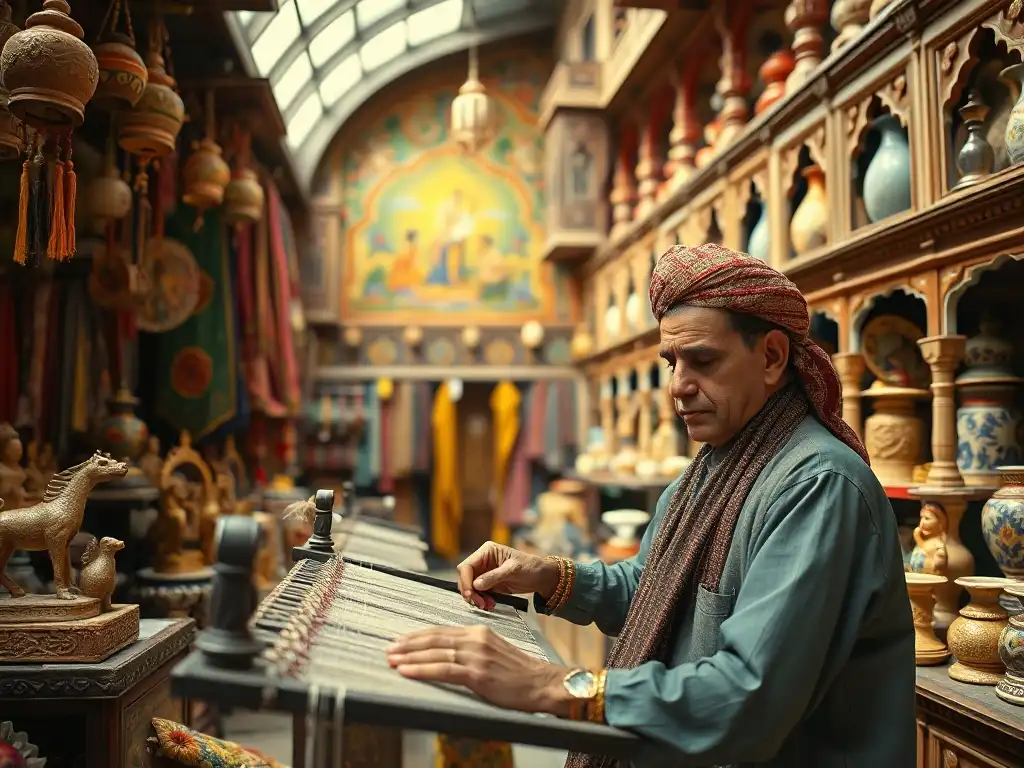
The realm of Indian handicrafts is rich with stories of innovation and resilience, showcasing how traditional art forms and crafts can thrive in a modern economy. Here, we delve into two successful case studies that exemplify the profound impact of these ventures on local artisans and communities, while also emphasizing the importance of preserving India's cultural heritage.
Case Study: Dastkar and Their Impact on Local Artisans
Dastkar, an organization founded in 1986, has played a pivotal role in promoting Indian handicrafts by empowering artisans across the country. Their approach combines advocacy, marketing, and skill development, ensuring that traditional crafts do not merely survive but thrive in contemporary markets.
Key Contributions of Dastkar:
- Empowerment through Training: Dastkar conducts workshops and training programs that enhance the skills of artisans. This is crucial in maintaining the quality and authenticity of crafts.
- Market Access: By organizing exhibitions and fairs, Dastkar provides a platform for artisans to showcase their work to a broader audience. This not only increases sales but also raises awareness about traditional crafts.
- Sustainable Practices: The organization emphasizes sustainability by encouraging the use of natural materials and traditional techniques. This approach helps preserve the environment and the cultural heritage associated with these crafts.
- Cultural Preservation: Dastkar's initiatives contribute to the preservation of regional crafts by documenting techniques and storytelling, ensuring that the rich history behind each craft is not lost.
Through these efforts, Dastkar has helped thousands of artisans improve their livelihoods while preserving India's cultural heritage. Their model showcases how social enterprises can effectively merge profit with purpose, demonstrating that Indian handicrafts are not just products but are vital components of cultural identity.
Case Study: Jaipur Rugs Cooperative Reviving Traditional Crafts
The Jaipur Rugs Cooperative is another exemplary model in the landscape of Indian handicrafts. Founded in 1978, this cooperative focuses on handmade rugs and carpets, directly connecting rural artisans with urban markets.
Significant Aspects of Jaipur Rugs Cooperative:
- Direct Artisan Engagement: Jaipur Rugs works directly with over 40,000 artisans, many of whom are women from marginalized communities. This engagement not only provides them with a steady income but also strengthens their social status.
- Design Innovation: The cooperative collaborates with designers to develop contemporary rug designs that appeal to modern consumers while retaining traditional weaving techniques. This blend of old and new keeps the art form relevant.
- Fair Trade Practices: Committed to fair trade, Jaipur Rugs ensures that artisans receive fair wages, fostering a sense of dignity and respect for their craft. This model has been vital in promoting ethical consumption among buyers.
- Community Development: The cooperative also invests in the communities where artisans live, providing education, healthcare, and other essential services. This holistic approach enhances the overall quality of life for artisans and their families.
Jaipur Rugs Cooperative stands as a testament to how Indian handicrafts can be a vehicle for economic growth and social change. By focusing on the artisans and their communities, the cooperative not only revives traditional crafts but also plays a crucial role in preserving India’s rich cultural tapestry.
Both Dastkar and Jaipur Rugs Cooperative exemplify the potential of Indian handicrafts to serve as a bridge between cultural heritage and modern economic opportunities. Their success stories underscore the importance of preserving traditional crafts while simultaneously empowering artisans and promoting sustainable practices.
Preserving Cultural Heritage through Handicrafts
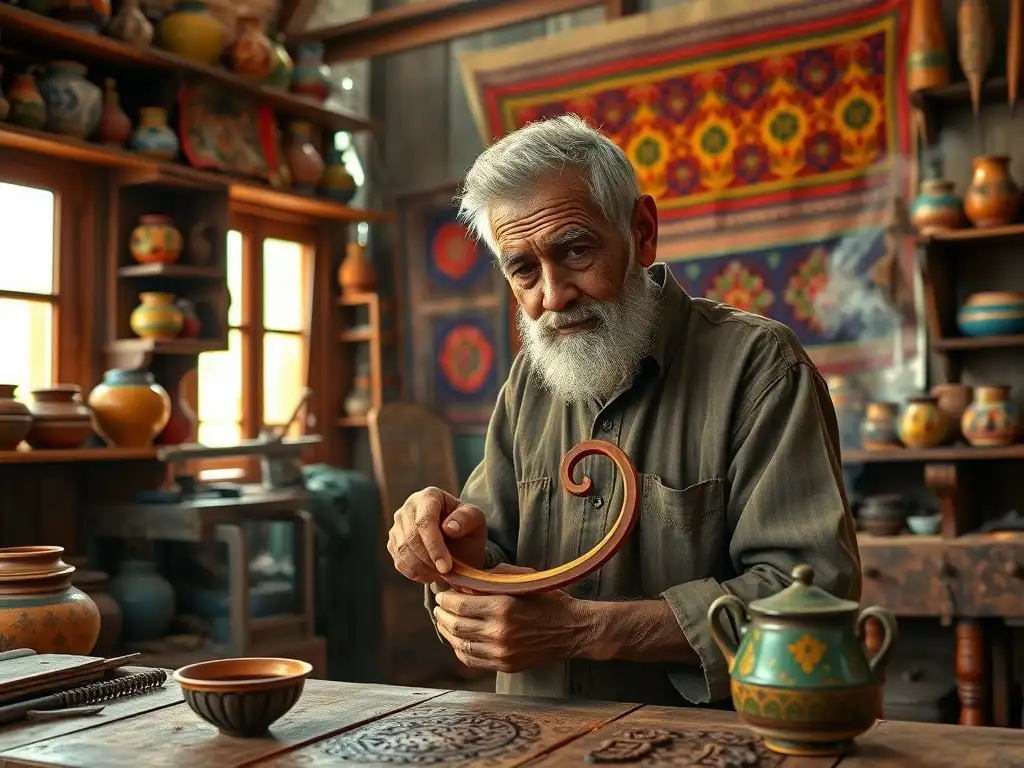
The Importance of Cultural Preservation in Indian Handicrafts
Indian handicrafts are not merely products; they are a reflection of the rich tapestry of history, tradition, and cultural identity that spans centuries. The phrase "Indian handicrafts cultural heritage" encapsulates the essence of how these artisanal creations serve as a bridge connecting modern society with its ancestral roots. Each handicraft embodies stories, techniques, and values passed down through generations, making them vital for cultural continuity.
The significance of preserving these handicrafts lies in their ability to:
- Maintain Identity: Handicrafts are often region-specific and reflect local traditions, languages, and practices. For instance, the intricate Pattachitra paintings of Odisha tell tales from mythology, while the delicate Kanchipuram silk sarees of Tamil Nadu showcase centuries-old weaving techniques.
- Revive Traditions: As modernity encroaches upon traditional lifestyles, handicrafts provide a platform for artisans to revive and sustain age-old practices. This renewal not only preserves techniques but also fosters a sense of pride among communities.
- Economic Empowerment: By promoting handicrafts, communities can engage in sustainable economic practices. Artisans can earn a livelihood while continuing their craft, ensuring that cultural heritage thrives alongside economic growth.
In a world increasingly driven by mass production, the unique nature of Indian handicrafts offers a compelling alternative that honors tradition and individuality.
Initiatives Supporting Artisans and Their Communities
Efforts to support artisans and their communities are crucial for the preservation of Indian handicrafts. Various initiatives have emerged to empower these craftsmen, ensuring that their skills and cultural heritage are not lost.
Some notable initiatives include:
- Government Programs: The Indian government has launched several schemes aimed at promoting artisans, such as the Crafts Village initiative, which provides a platform for artisans to showcase and sell their crafts.
- NGO Collaborations: Organizations like Dastkar work with artisans by providing them with training, marketing support, and fair trade practices. This not only helps artisans improve their craftsmanship but also ensures they receive fair compensation for their work.
- Online Marketplaces: Platforms like Etsy and Amazon Handmade enable artisans to reach a global audience, allowing them to sell their products directly to consumers. This shift to e-commerce has been particularly beneficial during challenging times, such as the COVID-19 pandemic.
These initiatives not only enhance the livelihoods of artisans but also promote the appreciation of Indian handicrafts as a vital cultural heritage.
Educational Programs Promoting Handicraft Skills
Education plays a pivotal role in ensuring the transmission of traditional handicraft skills to future generations. Several programs have been established to equip young artisans with the necessary skills and knowledge, ensuring the sustainability of these crafts.
Key educational initiatives include:
- Vocational Training Centers: Institutions like the National Institute of Fashion Technology (NIFT) offer specialized courses in traditional crafts, helping students acquire technical skills while understanding the cultural significance behind each craft.
- Workshops and Masterclasses: Many NGOs and artisan cooperatives organize workshops where experienced artisans share their expertise with younger generations. This hands-on approach fosters skill development and encourages creativity among aspiring craftsmen.
- Collaborative Projects with Schools: Incorporating handicrafts into school curricula can ignite interest in traditional arts among students. Programs that include field trips to artisan villages or hands-on crafting sessions can help students appreciate the value of cultural heritage.
By investing in education, we can ensure that the legacy of Indian handicrafts continues to thrive, preserving cultural heritage while empowering future artisans to innovate and adapt.
Conclusion: The Future of Indian Handicrafts Cultural Heritage
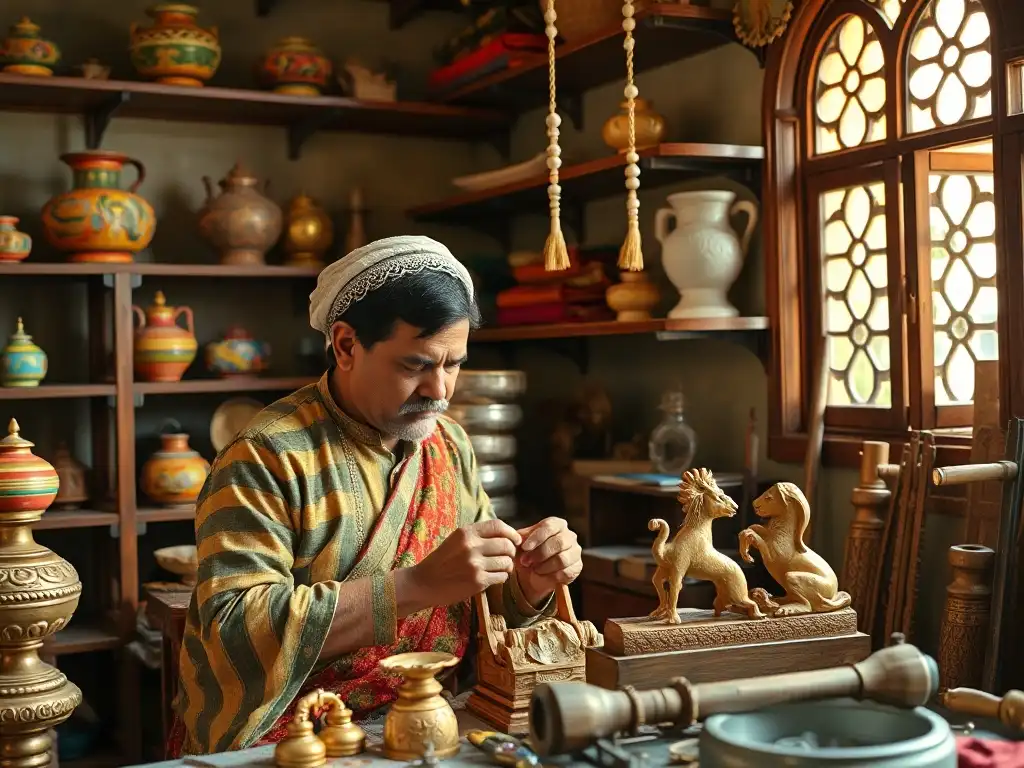
The future of Indian handicrafts cultural heritage is poised at a crucial juncture where the need for profitability intersects with the imperative of cultural preservation. As globalization continues to influence consumer preferences, artisans across India face the dual challenge of maintaining traditional craftsmanship while adapting to contemporary market demands. This balance is vital not only for the survival of these age-old practices but also for ensuring that they thrive in a modern economy.
Balancing Profitability and Cultural Preservation
To sustain the legacy of Indian handicrafts, it is essential to strike a harmonious balance between economic viability and the preservation of cultural identity. Here are some strategies that can be employed:
- Market Diversification: Artisans can expand their offerings by creating products that appeal to both local and international markets. This includes:
- Traditional Items: Maintaining the authenticity of age-old crafts such as pottery, weaving, and metalwork.
- Modern Adaptations: Designing contemporary products that incorporate traditional techniques but cater to current trends, such as home decor or fashion accessories.
- Quality Over Quantity: Focusing on high-quality craftsmanship can command better prices, ensuring that artisans are fairly compensated for their skills. Encouraging limited editions or bespoke items can also enhance perceived value.
- Collaborative Models: Forming cooperatives can empower artisans by pooling resources, sharing knowledge, and enhancing bargaining power in the marketplace. This collective approach can lead to better marketing strategies and improved access to raw materials.
- Skill Development and Training: Investing in educational programs that teach both traditional skills and modern business practices can help artisans navigate the complexities of today’s market. Workshops can cover:
- Digital marketing techniques
- Financial literacy
- Sustainable practices in production
By adopting these strategies, artisans can not only preserve their cultural heritage but also adapt to the evolving economic landscape, ensuring the survival of their crafts for future generations.
Call to Action: Supporting Indian Handicrafts and Artisans
As consumers, we hold significant power to influence the future of Indian handicrafts. Here are actionable steps to support this vibrant community:
- Buy Ethically: Choose to purchase handicrafts directly from artisans or through fair trade organizations. This ensures that the artisans receive a fair wage and that their crafts are valued appropriately.
- Promote Awareness: Share knowledge about Indian handicrafts and their cultural significance within your social circles. Engaging in conversations about the importance of preserving this cultural heritage can elevate its status.
- Participate in Workshops: Join local workshops or online classes to learn about traditional crafts. This not only supports artisans but also fosters a deeper appreciation for their skills and the history behind their work.
- Advocate for Policy Support: Encourage local governments and organizations to implement policies that support artisans, such as grants for small businesses, tax breaks, or subsidies for raw materials.
- Explore Online Platforms: Support online marketplaces that feature Indian handicrafts. By purchasing from these platforms, consumers can help artisans reach a broader audience, thus enhancing their market presence.
By taking these steps, we can collectively contribute to the preservation and flourishing of Indian handicrafts cultural heritage, ensuring that it remains a vital part of our shared history and culture. Together, we can create a future where traditional craftsmanship is celebrated, supported, and sustained.
Resources for Further Exploration
Recommended Books and Documentaries on Indian Handicrafts
To gain a deeper understanding of Indian handicrafts cultural heritage, a variety of books and documentaries offer valuable insights into the history, techniques, and significance of these artisanal traditions. Here are some recommended resources:
- Books
- "Craft Traditions of India" by Vikram Sarabhai: This book explores the rich tapestry of Indian crafts, highlighting regional variations and historical contexts.
- "The Artisans of India" by G. S. D. Sahu: A comprehensive look at various artisan communities and their contributions to preserving cultural heritage through crafts.
- "Indian Handicrafts: A Cultural Perspective": by Anjali D. Sharma: This book discusses the socio-economic impact of handicrafts and their role in cultural identity.
- Documentaries
- "A Stitch in Time": This documentary captures the intricacies of traditional Indian weaving, showcasing the artisans' skills and the cultural significance of their work.
- "Crafting a Nation": A film that delves into the lives of Indian artisans, exploring their challenges and triumphs while preserving their craft.
- "The Last Artisans": This documentary features interviews with master artisans, providing a glimpse into their techniques and the importance of passing down knowledge to future generations.
Online Courses for Learning Traditional Craft Techniques
For those interested in hands-on learning, numerous online platforms offer courses focused on traditional craft techniques. These courses not only help preserve these skills but also empower artisans and enthusiasts alike. Here are some notable options:
- Skillshare
- Offers courses on various crafts such as pottery, weaving, and block printing.
- Example course:“Introduction to Indian Pottery” – A beginner's guide to traditional pottery techniques.
- Udemy
- Features a range of courses dedicated to Indian handicrafts, including embroidery and jewelry making.
- Example course:“Mastering Indian Embroidery Techniques” – A comprehensive course covering various embroidery styles.
- Coursera
- Partners with universities and institutions to provide courses on cultural heritage and craftsmanship.
- Example course:“Cultural Heritage and Craftsmanship” – Focuses on the role of crafts in cultural preservation.
Links to Artisan Cooperatives and E-commerce Platforms
Supporting artisan cooperatives and e-commerce platforms is crucial for the sustainability of Indian handicrafts. These platforms provide artisans with exposure and access to markets, helping preserve their cultural heritage. Here are some notable cooperatives and platforms:
- Dastkar
- An NGO that supports artisans through training and marketing, promoting sustainable and fair trade practices.
- Kraftsvilla
- An e-commerce platform that connects artisans with consumers, offering a wide range of handcrafted products.
- India Craft Village
- A cooperative that showcases and sells traditional handicrafts from various regions of India, emphasizing fair trade and ethical sourcing.
- Amazon Handmade
- A dedicated section of Amazon that features handcrafted products from artisans, allowing for a wider reach and sales opportunities.
By exploring these resources, individuals can deepen their appreciation for Indian handicrafts while contributing to the preservation of this rich cultural heritage.
Frequently Asked Questions
What are Indian handicrafts?
Indian handicrafts are traditional artistic creations made by skilled artisans using natural materials. They reflect the rich cultural heritage and diverse regional influences of India's history.
How do Indian handicrafts contribute to cultural preservation?
Indian handicrafts play a pivotal role in preserving cultural heritage by maintaining traditional techniques and designs passed down through generations, thus keeping cultural identities alive.
What is the economic impact of Indian handicrafts?
The Indian handicraft sector significantly contributes to the economy by providing employment to millions of artisans and generating substantial exports, thereby supporting livelihoods and local communities.
What are some examples of popular Indian handicrafts?
Some popular examples include block printing, pottery, weaving, and metalwork. Each craft offers a glimpse into the unique cultural stories and traditions of various regions in India.
How can one support Indian handicrafts?
Supporting Indian handicrafts can be done by purchasing these items through fair trade channels, promoting local artisans, and raising awareness about the importance of preserving this vital aspect of cultural heritage.
Final Reflection: Embracing the Legacy of Indian Handicrafts for a Sustainable Future
The intricate world of Indian handicrafts cultural heritage serves as a vibrant tapestry woven with the threads of tradition, artistry, and community. Today, as we navigate a rapidly globalizing economy, the relevance of this legacy becomes even more pronounced. The preservation of these crafts not only sustains cultural identity but also fosters economic empowerment for artisans. In a time when mass production threatens individuality, the call to appreciate and support Indian handicrafts is more urgent than ever.
The influence of Indian handicrafts extends far beyond mere aesthetics; it shapes our cultural and social landscape by connecting us to our roots and fostering a sense of belonging. These crafts are not just products; they are stories, histories, and identities encapsulated in every piece. As Mahatma Gandhi once said, “The best way to find yourself is to lose yourself in the service of others.” This sentiment resonates deeply within the realm of handicrafts, where each artisan contributes to a collective narrative that enriches our society and preserves our heritage for future generations.
As we reflect on the significance of Indian handicrafts, I invite you to consider how you can play a role in this preservation. Support local artisans, educate yourself about their crafts, and share their stories. By doing so, you not only honor a rich cultural legacy but also contribute to a sustainable future where tradition and innovation coexist harmoniously. Let us commit to celebrating and safeguarding the artistry that defines our cultural heritage, ensuring it thrives for generations to come.
Embrace the Art of Indian Handicrafts Today!
Thank you for taking the time to explore the invaluable legacy of Indian handicrafts. Your interest not only showcases the beauty of this rich cultural heritage but also empowers artisans across the nation. As we reflect on how to cherish and promote these traditions, here are some inspiring actions you can take:
- Support local artisans by purchasing their handcrafted products. This not only sustains their livelihoods but also helps preserve these beautiful traditions.
- Share your favorite handicraft stories or pieces on social media to raise awareness and inspire others to appreciate this cultural art.
- Join a workshop or class to learn a specific handicraft. Engaging directly with the craft provides insight into the techniques and stories behind each piece.
What unique handicraft inspires you the most, and how will you contribute to its preservation? We would love to hear your thoughts!