
How to Identify Authentic Indian Handicrafts for Investment Purposes

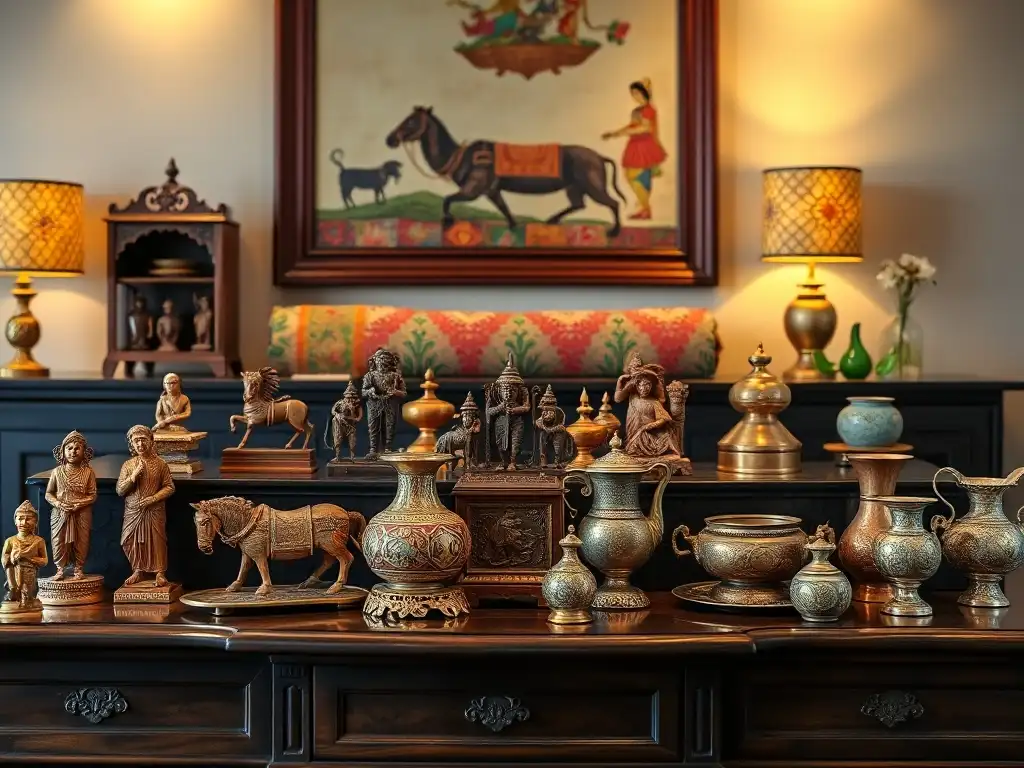
Welcome to Ancient India History, where we delve into the rich tapestry of India's past, celebrating the remarkable civilizations that have shaped its culture and contributions. In this exploration, we invite you to uncover the fascinating world of authentic Indian handicrafts through our latest article, "How to Identify Authentic Indian Handicrafts for Investment Purposes." Discover the timeless artistry and economic potential behind these exquisite creations, and learn why investing in them is not just a financial decision, but a journey into the heart of India's heritage.
As you navigate through our insights, prepare to unlock the secrets of identifying true craftsmanship that stands the test of time. Your adventure into the depths of ancient artistry begins here!
- Introduction to Authentic Indian Handicrafts Investment Guide
- Understanding Indian Handicrafts
- Identifying Authentic Indian Handicrafts
- Evaluating Investment Potential
- Recommended Resources for Authentic Handicrafts
- Tips for Investing in Authentic Indian Handicrafts
- Conclusion: Making Informed Investments in Indian Handicrafts
- Frequently Asked Questions
- Final Reflection: Embracing the Essence of Authentic Indian Handicrafts
- Unleash the Treasure of Authentic Indian Handicrafts!
Introduction to Authentic Indian Handicrafts Investment Guide
Investing in authentic Indian handicrafts offers a unique opportunity to engage with the rich tapestry of India’s cultural heritage while also making a sound financial decision. With roots tracing back to ancient civilizations, Indian handicrafts embody centuries of tradition, artistry, and craftsmanship. This guide aims to illuminate the essential aspects of identifying authentic handicrafts that not only celebrate India's diverse cultural legacy but also serve as valuable investment assets.
Understanding the nuances of these artisanal products is crucial for both collectors and investors alike. In a market increasingly flooded with replicas and mass-produced items, discerning the genuine from the imitation can significantly impact the value and appreciation of your investment.
Overview of Indian Handicrafts and Their Cultural Significance
Indian handicrafts are a vibrant reflection of the country’s diverse cultures, languages, and traditions. Each region of India boasts its own unique styles and techniques, resulting in an array of products that range from textiles and pottery to jewelry and woodwork. Some key aspects include:
- Regional Diversity:
- Kashmiri Pashmina: Renowned for its luxurious softness, Pashmina shawls are handwoven using fibers from the Changthangi goat.
- Rajasthani Miniature Paintings: These exquisite artworks are characterized by intricate details and vibrant colors, often depicting historical events or folklore.
- Kanchipuram Sarees: Famous for their rich silk and intricate designs, these sarees are handcrafted in Tamil Nadu and symbolize Indian femininity.
- Cultural Heritage:
- Handicrafts often tell stories of the communities that create them, preserving ancient skills and traditions. For instance, the art of pottery in Gujarat dates back thousands of years, showcasing not just aesthetic appeal but also functional artistry.
- Economic Impact:
- The handicrafts sector is a significant contributor to India's economy, providing livelihoods to millions of artisans and their families. Investing in these products not only supports these communities but also helps sustain traditional crafts at risk of fading away.
Importance of Authenticity in Handicrafts Investment
When it comes to investing in Indian handicrafts, authenticity is paramount. Here are several reasons why:
- Value Appreciation: Authentic handicrafts tend to appreciate over time due to their rarity and the skill involved in their creation. In contrast, replicas or mass-produced items may lose value as they flood the market.
- Cultural Integrity: Investing in authentic pieces helps preserve the cultural significance and heritage associated with artisanal crafts. This fosters a sense of responsibility towards the artisans and their communities.
- Market Demand: As global awareness and appreciation for genuine handicrafts grow, the demand for authentic pieces has surged. Collectors and investors are increasingly seeking out original items with verified provenance.
- Sustainability: Supporting authentic handicrafts encourages sustainable practices within the artisanal community, promoting eco-friendly methods and materials that benefit the environment.
Understanding the intricacies of authentic Indian handicrafts is essential for anyone looking to invest in these treasured items. By recognizing their cultural significance and ensuring authenticity, investors can not only enjoy financial returns but also contribute to the preservation of India's rich heritage.
Understanding Indian Handicrafts
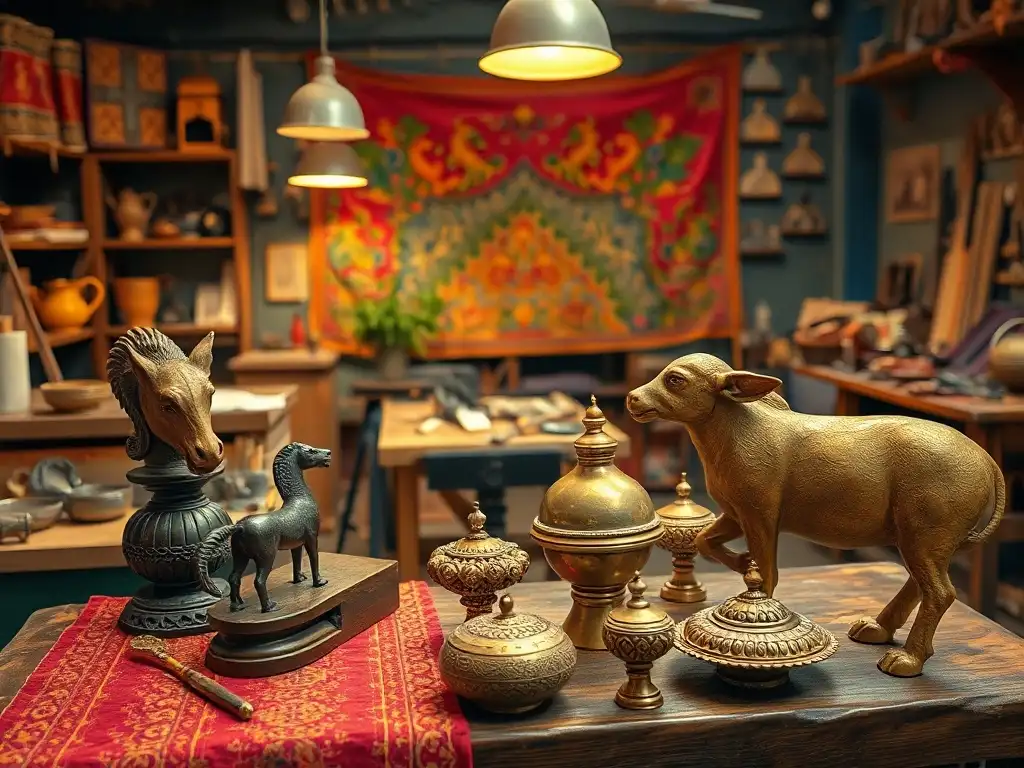
Defining Authentic Indian Handicrafts
Authentic Indian handicrafts are products that reflect the rich artistic traditions and cultural heritage of India. These handicrafts are primarily handcrafted, showcasing the skill, creativity, and craftsmanship of artisans from diverse regions. When considering authentic Indian handicrafts for investment, it is crucial to evaluate several key characteristics:
- Material: Authentic handicrafts often utilize local materials such as wood, clay, textiles, metals, and stone. The choice of material can indicate the craftsmanship's origin and authenticity.
- Technique: Traditional techniques, passed down through generations, such as weaving, pottery, carving, and painting, often define the authenticity of a craft. Each region has its signature methods that contribute to the uniqueness of the product.
- Design and Motifs: Authentic pieces usually feature traditional designs and motifs that reflect the culture and history of the region. These designs are often symbolic and carry deep meanings.
- Artisan's Heritage: Understanding the artisan's background and the lineage of their craft can provide insights into the authenticity of the handicraft. Many artisans belong to communities that have specialized in specific crafts for centuries.
Investing in authentic Indian handicrafts not only offers potential financial returns but also supports local artisans and preserves traditional crafts.
Historical Context of Handicrafts in India
The history of Indian handicrafts spans thousands of years, with evidence of artisanal work dating back to the Indus Valley Civilization (circa 2500-1900 BCE). The artisans of this era were known for their sophisticated techniques in pottery, bead-making, and metallurgy. Over the centuries, a multitude of influences shaped Indian handicrafts:
- Ancient Civilizations: The Mauryan and Gupta empires contributed significantly to the evolution of handicrafts, with advancements in stone carving and textile production.
- Medieval Period: The arrival of various dynasties, such as the Mughals, introduced new styles and materials, leading to exquisite craftsmanship in textiles, inlay work, and metal crafts.
- Colonial Era: British colonial rule had a profound impact on the handicraft sector, leading to both the decline of traditional crafts and the emergence of new markets for local artisans.
- Post-Independence: The Indian government has since focused on reviving and promoting handicrafts through initiatives like the Crafts Council of India and various exhibitions, helping artisans gain recognition and access to larger markets.
Understanding this historical context is essential for investors looking to appreciate the value and significance behind authentic Indian handicrafts.
Types of Indian Handicrafts: An Investment Perspective
When considering investment opportunities in Indian handicrafts, it is vital to recognize the diverse types of crafts available, each with unique characteristics and market potential. Here are some notable categories:
- Textiles
- Handwoven Fabrics: Regions like Varanasi and Kanchipuram are renowned for their silk sarees, which command high prices due to their intricate designs and labor-intensive production.
- Block Printing: Traditional block-printed textiles from Rajasthan or Gujarat are gaining popularity in international markets, appealing to eco-conscious consumers.
- Pottery and Ceramics
- Terracotta: Items such as pottery and figurines made from terracotta reflect the historical significance of clay crafts. They are not only decorative but also functional.
- Blue Pottery: Originating from Jaipur, this unique style features vibrant colors and intricate patterns, making it a sought-after collectible.
- Woodwork
- Carved Furniture: Handcrafted wooden furniture, particularly from regions like Saharanpur, showcases intricate carvings and can be a lucrative investment.
- Toys and Decor: Traditional wooden toys and decorative items have gained traction due to their sustainable appeal.
- Metal Crafts
- Brass and Copper Items: Artisanal metalworks, including utensils and decorative pieces, are valued for their craftsmanship and durability.
- Iron and Steel Crafts: The unique artistry of wrought iron and steel crafts from places like Moradabad can attract collectors and investors alike.
By diversifying investments across these categories, investors can not only enhance their portfolios but also contribute to the sustainability of traditional crafts while enjoying the aesthetic beauty of authentic Indian handicrafts.
Identifying Authentic Indian Handicrafts
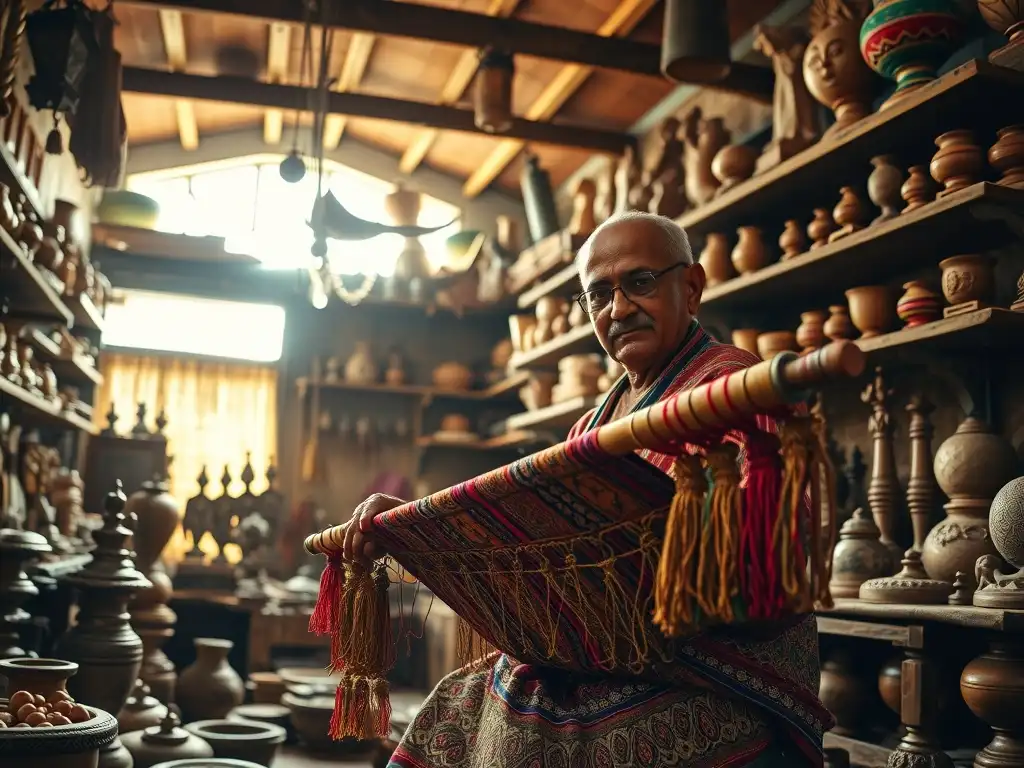
Key Characteristics of Authentic Handicrafts
When seeking to invest in authentic Indian handicrafts, understanding the key characteristics that differentiate genuine pieces from imitations is essential. Authentic handicrafts often feature unique traits that reflect the rich cultural heritage and artisanal skills passed down through generations.
Material Quality: Natural vs. Synthetic
One of the primary factors to consider when identifying authentic Indian handicrafts is the quality of materials used.
- Natural Materials: Authentic handicrafts are typically made from natural materials such as wood, clay, metal, and textiles. For example:
- Wood: Look for products made from sustainable woods like teak or rosewood, often featuring intricate carvings.
- Textiles: Handwoven fabrics like khadi or silk, dyed with natural colors, showcase traditional techniques.
- Synthetic Materials: Beware of items made from synthetic materials. These often lack the uniqueness and quality of natural products. Indicators of synthetic materials include:
- Plastic components: Often used in imitation jewelry or decor items.
- Mass production: Items that look identical are likely manufactured in bulk rather than handcrafted.
Craftsmanship: Skill and Tradition
The level of craftsmanship is a decisive factor in determining the authenticity of handicrafts. Each piece should embody the artisan's skill and cultural heritage. Key aspects to evaluate include:
- Intricacy of Design: Authentic pieces often exhibit detailed and intricate designs that reflect traditional motifs and techniques.
- Finishing Touches: Look for signs of meticulous finishing. Handcrafted items may have slight imperfections, which are often a testament to their authenticity.
- Signature of the Artisan: Many artisans sign their work or include unique marks. This can serve as a verification of the piece's legitimacy and origin.
Regional Variations: Understanding Local Techniques
India's vast cultural diversity results in a wide array of handicraft styles and techniques specific to different regions. Understanding these regional variations can help in identifying authenticity.
- Kutch Embroidery: Known for vibrant colors and mirror work, this craft originates from Gujarat.
- Mysore Silk: Renowned for its rich texture and lustrous finish, originating from Karnataka.
- Blue Pottery: Characteristic of Jaipur, using a unique glazing technique that is difficult to replicate.
Each region's handicrafts tell a story of tradition, culture, and the artisans' connection to their environment, making them valuable investment pieces.
Common Forgery and Imitation Methods
As the demand for Indian handicrafts increases, so does the prevalence of forgeries and imitations. Recognizing these methods can safeguard investors from purchasing inauthentic products.
Recognizing Fake vs. Real Handicrafts
When distinguishing between fake and authentic handicrafts, consider the following indicators:
- Price Point: If a deal seems too good to be true, it likely is. Authentic handicrafts often come at a premium due to the time and skill involved in their creation.
- Packaging and Presentation: Authentic artisans take pride in their work, often presenting their products with care. Look for high-quality packaging that showcases the craftsmanship.
- Authenticity Certificates: Some regions provide certification for authentic handicrafts, which can serve as proof of legitimacy.
Case Studies: Famous Products and Their Authenticity Issues
Several iconic Indian handicrafts have faced authenticity challenges, providing valuable lessons for investors:
- Pashmina Shawls: Often imitated with lower-quality materials, true Pashmina comes from the wool of Changthangi goats found in Ladakh. The price and feel of genuine Pashmina are unmistakable.
- Kolkata's Terracotta: While many replicas exist, authentic terracotta art pieces feature distinct textures and colors that are hard to replicate.
Understanding these case studies aids investors in navigating the market and making informed decisions regarding their purchases.
Investing in authentic Indian handicrafts not only supports local artisans but also ensures the preservation of rich cultural traditions. By focusing on material quality, craftsmanship, regional variations, and being aware of imitation methods, one can build a valuable and meaningful collection.
Evaluating Investment Potential
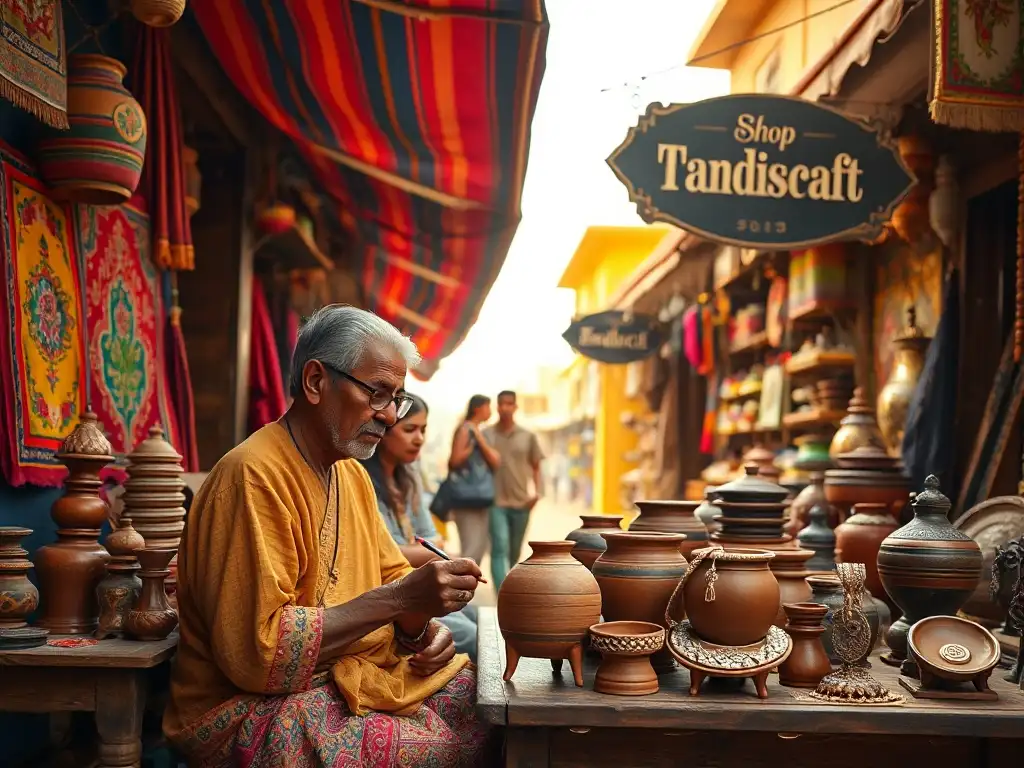
Market Trends in Indian Handicrafts
The market for Indian handicrafts has witnessed a significant evolution over the past decade, driven by a growing global appreciation for artisanal products. The demand for authentic Indian handicrafts is rising, fueled by changing consumer preferences towards sustainable and ethically produced goods. According to recent reports, the Indian handicraft market is expected to reach approximately $100 billion by 2025, creating ample opportunities for investors.
Current Demand for Authentic Handicrafts
Consumers today are increasingly seeking unique, handmade items that tell a story and reflect cultural heritage. This trend is particularly evident in the following areas:
- Home Decor: Items such as handwoven rugs, traditional pottery, and intricate wall hangings are in high demand.
- Fashion Accessories: From hand-embroidered bags to artisanal jewelry, the fashion industry is incorporating more handcrafted elements.
- Gift Items: Unique, handmade gifts are becoming popular, especially during festivals and cultural events.
The rise of e-commerce platforms has also contributed to the accessibility of authentic handicrafts, allowing artisans to reach a global audience. This shift indicates a robust market for investment in authentic Indian handicrafts.
High CPC Products: Top Handicrafts to Invest In
When considering an investment in authentic Indian handicrafts, it is essential to focus on products with high cost-per-click (CPC) rates in online advertising. These products not only show significant consumer interest but also indicate potential profitability. Some top handicrafts to consider include:
| Handicraft Type | Average CPC ($) | Potential Investment Value |
|---|---|---|
| Pashmina Shawls | 2.50 | High |
| Blue Pottery | 1.75 | Medium |
| Tanjore Paintings | 2.00 | High |
| Wooden Handicrafts | 1.50 | Medium |
Investing in these high-demand categories can yield substantial returns, especially if sourced from authentic artisans.
Pricing Strategies for Authentic Handicrafts
Understanding pricing strategies is crucial for anyone looking to invest in authentic Indian handicrafts. The balance between fair pricing and profit margins can be tricky, but it is essential to grasp the underlying principles.
Understanding Fair Trade Pricing
Fair trade pricing is a concept that aims to ensure artisans receive a fair wage for their work, taking into account the labor, skill, and time invested in creating each piece. As an investor, adhering to fair trade principles not only supports artisans but also enhances the value of your investment. Key elements of fair trade pricing include:
- Cost of Production: Calculate the total cost involved in creating the handicraft, including materials, labor, and overhead.
- Artisan Profit Margin: Ensure that artisans receive a profit margin that reflects their skill and craftsmanship.
- Market Demand: Adjust prices based on demand without exploiting the artisans’ labor.
By promoting fair trade practices, investors can contribute to the sustainability of the handicraft sector while ensuring long-term returns on their investments.
How to Spot Overpriced Imitations
The market for Indian handicrafts can sometimes be flooded with imitations that are marketed as authentic. To protect your investment, it is vital to learn how to spot overpriced imitations. Here are some tips:
- Material Quality: Authentic handicrafts are often made from natural and high-quality materials. If a product feels cheap or overly processed, it may be an imitation.
- Artisan Signatures: Many authentic pieces will have the artisan's signature or a certification of authenticity. Always ask for provenance.
- Craftsmanship: Examine the level of detail and skill in the craftsmanship. Authentic handicrafts usually showcase intricate designs and high-quality finishing.
By honing these skills, investors can make informed decisions and avoid the pitfalls of purchasing overpriced imitations, thereby safeguarding their investments in authentic Indian handicrafts.
Recommended Resources for Authentic Handicrafts
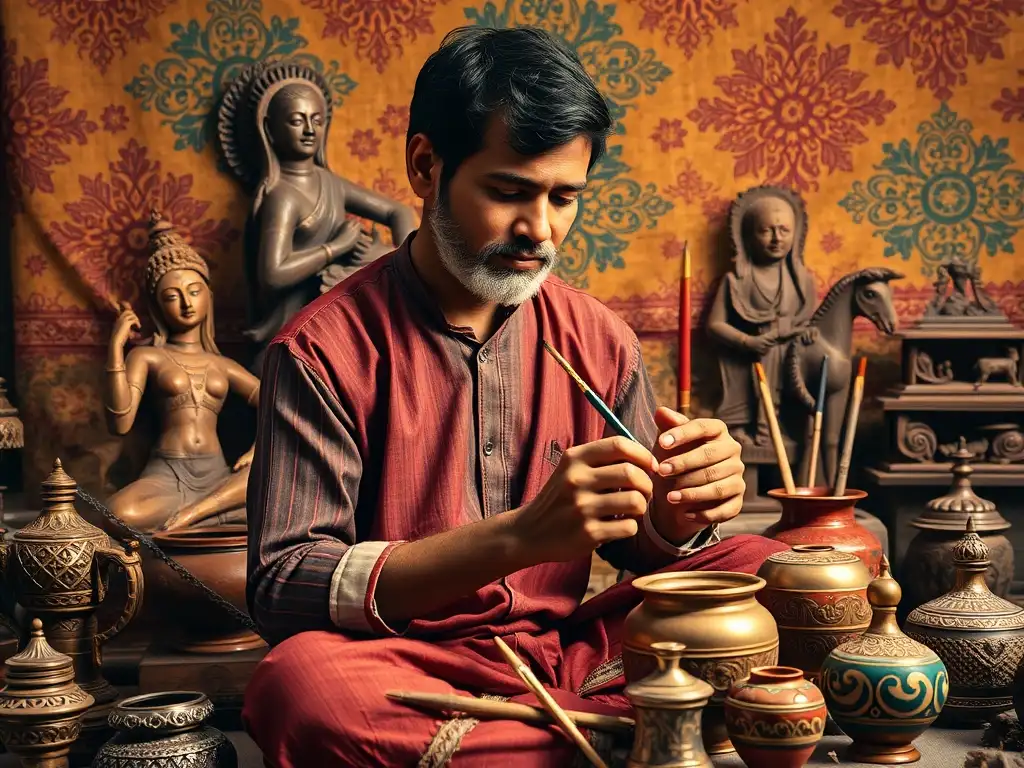
When it comes to investing in authentic Indian handicrafts, leveraging the right resources can significantly enhance your purchasing decisions. Identifying genuine artisans and high-quality products is essential for both personal enjoyment and potential investment returns. Below are some recommended resources that can guide you in your quest for authentic Indian handicrafts.
Online Marketplaces for Authentic Handicrafts
The digital age has transformed how we access and purchase handicrafts. Various online platforms specialize in authentic Indian handicrafts, providing a wide range of products from verified sellers.
Etsy and Amazon Handmade for Verified Sellers
- Etsy: This marketplace is renowned for handmade and vintage items. Sellers on Etsy often provide detailed descriptions of their products, including the materials used, crafting techniques, and the story behind each item. Look for shops with a high number of positive reviews and clear return policies.
- Amazon Handmade: Similar to Etsy, Amazon Handmade features artisans from around the world. The platform allows you to filter products based on categories, making it easier to find specific handicrafts. Always check for the "Handmade" tag and seller profile information to ensure authenticity.
Both platforms offer a convenient way to compare prices, read customer reviews, and gain insights into the craftsmanship behind each piece.
Local Artisan Fairs and Exhibitions
In addition to online marketplaces, attending local artisan fairs and exhibitions is an excellent way to discover authentic Indian handicrafts. These events not only showcase individual artisans but also provide a unique opportunity to interact directly with them, enhancing your understanding of their craft.
Dastkar and Craft Bazar: Major Events to Explore Authentic Handicrafts
- Dastkar: This organization hosts various fairs across India, focusing on promoting traditional crafts and artisans. Their events feature a wide array of handicrafts, including textiles, pottery, and metalwork. Participating in Dastkar fairs allows you to meet artisans, learn about their techniques, and appreciate their work firsthand.
- Craft Bazar: Similar to Dastkar, Craft Bazar provides a platform for artisans to showcase their products. These fairs often include workshops and demonstrations, giving you a deeper insight into the crafting process. Look for Craft Bazar events in your region to engage with local artisans and explore unique offerings.
Engaging with artisans at these events not only fosters a deeper appreciation for their work but also provides invaluable knowledge that can inform your investment decisions.
By utilizing these resources, you can confidently navigate the world of Indian handicrafts, ensuring that your investments are both authentic and meaningful.
Tips for Investing in Authentic Indian Handicrafts
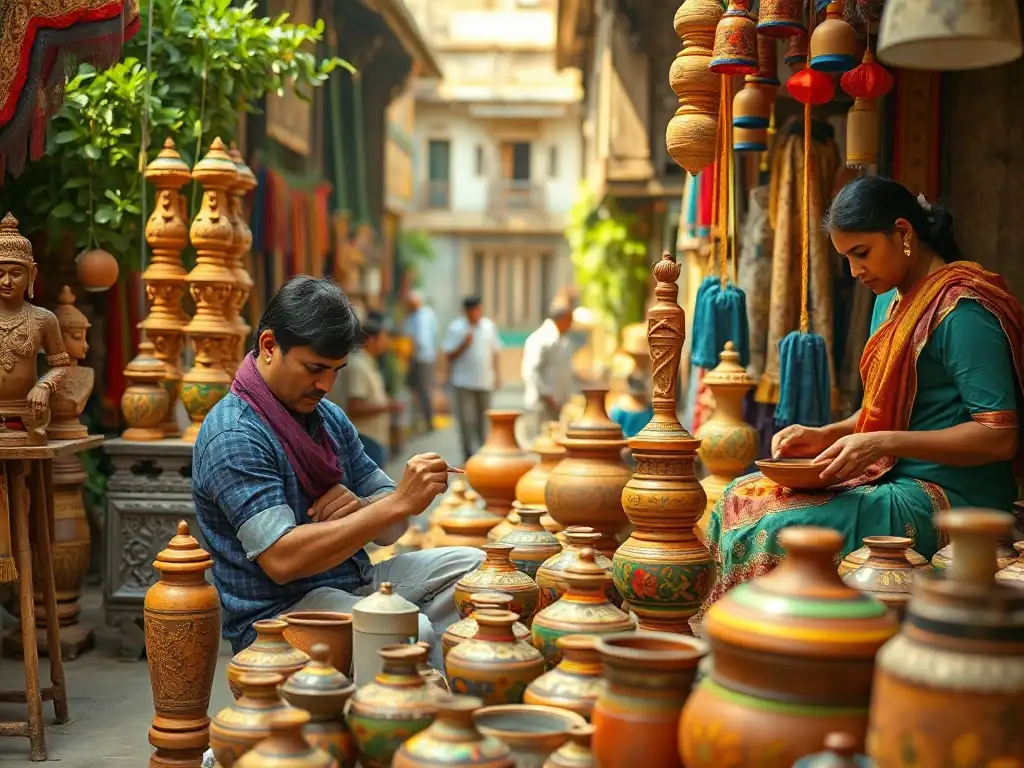
Investing in authentic Indian handicrafts can be a rewarding endeavor, both culturally and financially. However, to ensure that your investments yield positive results, it's crucial to follow certain tips that can guide you through the process of identifying genuine pieces. This section outlines key strategies for making informed decisions in the world of Indian handicrafts.
Building Relationships with Artisans
Establishing direct relationships with artisans is one of the most effective ways to ensure the authenticity of your handicraft investments. Here are several ways to foster these connections:
- Visit Local Markets and Craft Fairs: Engaging directly with artisans at local markets or craft fairs allows you to learn about their craft, techniques, and the stories behind their creations. This interaction can give you firsthand knowledge of the piece's origin and authenticity.
- Ask Questions: Don't hesitate to inquire about the materials used, the crafting process, and the cultural significance of the items. Genuine artisans are usually eager to share their knowledge and passion for their craft.
- Participate in Workshops: Consider attending workshops led by artisans. This not only enhances your understanding of the craft but also builds a rapport with the artisans, which could lead to future investment opportunities.
- Support Fair Trade Organizations: Collaborating with fair trade organizations ensures that your purchases support artisans ethically and provide them with fair compensation. This relationship also often guarantees authenticity, as these organizations typically vet their artisans.
By establishing solid relationships with artisans, you can gain deeper insights into the value of the handicrafts, which can aid you in making informed investment decisions.
In the digital age, social media has become a powerful tool for verifying the authenticity of Indian handicrafts. Here’s how you can leverage these platforms:
- Follow Artisans and Craft Groups: Social media platforms like Instagram and Facebook are home to many artisans who showcase their work. Following these accounts can provide insight into their techniques, craftsmanship, and the authenticity of their products.
- Engage with the Community: Join relevant groups and forums dedicated to Indian handicrafts. Participating in discussions can help you identify reputable sellers and gain recommendations from other collectors.
- Check for Reviews and Feedback: Before making a purchase, look for reviews and feedback from previous buyers. Authentic artisans often have a track record of satisfied customers who can vouch for the quality and authenticity of the products.
- Use Visual Verification: Pay attention to the details of the craftsmanship shared on social media. Genuine pieces often have unique characteristics and imperfections that signify handmade artistry.
By actively utilizing social media, you can enhance your ability to identify authentic Indian handicrafts, thereby making more informed investment choices.
Joining Collectors’ Groups: Networking for Success
Becoming part of collectors’ groups can significantly enhance your understanding of the Indian handicraft market. Here’s how networking with fellow collectors can benefit your investment strategy:
- Sharing Knowledge: Collectors’ groups provide a platform for exchanging information about various crafts, artisans, and investment opportunities. This collective knowledge can help you make better informed decisions regarding authenticity and value.
- Access to Exclusive Sales and Auctions: Many collectors' groups organize exclusive sales, auctions, or exhibitions where you can find rare pieces. These events often feature authentic items that may not be available elsewhere.
- Mentorship Opportunities: Connecting with experienced collectors can offer mentorship opportunities. Seasoned investors can share their insights and experiences, helping you navigate the complexities of investing in handicrafts.
- Building a Community: Networking fosters a sense of community among collectors. This camaraderie can lead to collaborative purchasing opportunities and exclusive insights into new trends in the market.
By actively engaging in collectors’ groups, you not only enhance your knowledge and appreciation of Indian handicrafts but also create valuable connections that can aid in your investment journey.
Conclusion: Making Informed Investments in Indian Handicrafts
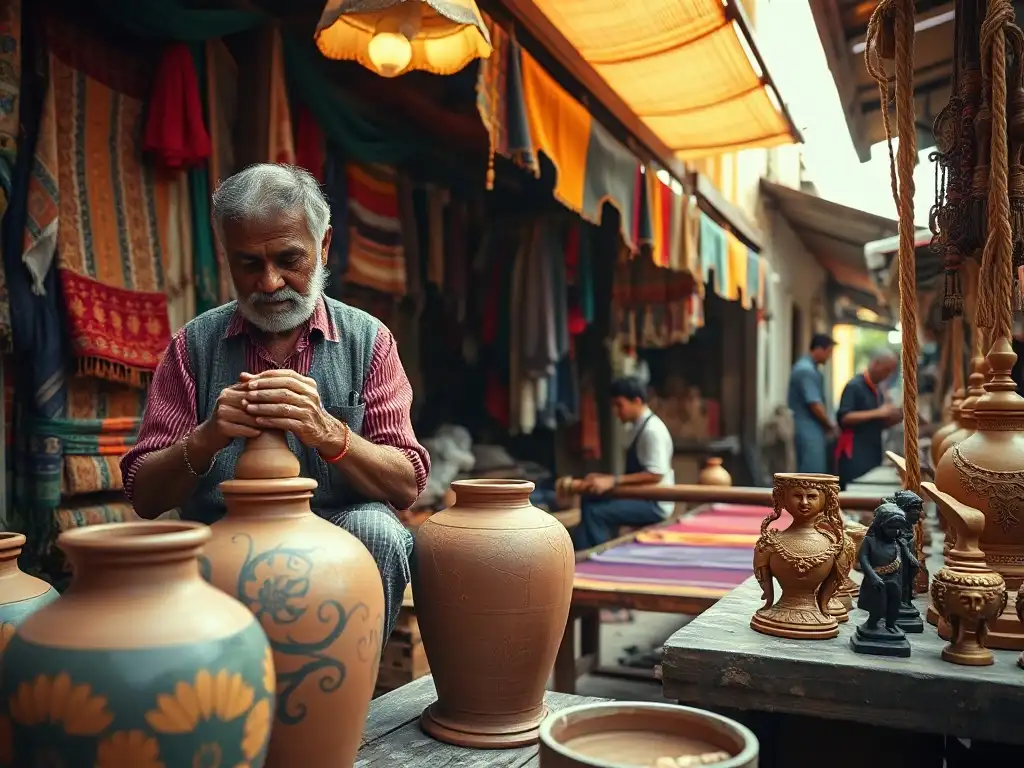
When considering investments in authentic Indian handicrafts, it is crucial to approach the market with a well-informed perspective. The rich tradition of craftsmanship in India, spanning back thousands of years, presents both opportunities and challenges for potential investors. Understanding the nuances of authenticity, quality, and market demand will be pivotal in making sound investment decisions.
Indian handicrafts are not merely products; they embody the culture, history, and stories of the artisans who create them. Each piece carries significance that can enhance its value over time. Therefore, recognizing the intricacies of these crafts, including the materials used, techniques employed, and the socio-economic conditions of the artisans, is essential.
Investors should also remain aware of the growing market for sustainable and ethical products. As consumers become more conscious of their purchases, handicrafts that come with a story and a commitment to fair trade are likely to gain popularity. Therefore, supporting authentic artisans can not only be a rewarding investment but also a contribution to the preservation of traditional arts and crafts.
Recap of Key Points in Authentic Indian Handicrafts Investment
- Understanding Authenticity: Ensure that the handicrafts are sourced from reputable artisans or cooperatives. Look for certifications or documentation that verify the origin and authenticity of the products.
- Quality Assessment: Examine the craftsmanship, materials, and finishing of the items. High-quality handicrafts often reflect superior skill and technique, contributing to their investment value.
- Cultural Significance: Invest in pieces that embody cultural heritage or historical significance. These items often appreciate in value as they become more sought after by collectors and enthusiasts.
- Market Trends: Stay informed about current trends in the handicraft market. Artisanal products that align with contemporary aesthetics or sustainability trends may yield better returns.
- Supporting Artisans: Invest in artisans directly whenever possible. This not only supports the local economy but often results in unique, one-of-a-kind pieces that can become valuable over time.
Encouragement to Explore and Invest in Authentic Artisanal Products
As you consider entering the world of authentic Indian handicrafts, embrace the journey of discovery. Each piece you encounter can tell a story and connect you with the rich tapestry of India's artistic traditions.
🔍 Explore diverse regions: From the intricate Madhubani paintings of Bihar to the exquisite Pashmina shawls of Kashmir, each region offers unique handicrafts that reflect its culture and heritage.
🤝 Engage with artisans: Attend fairs, exhibitions, and workshops to meet artisans directly. Learning about their craft and production processes deepens your appreciation and understanding, enhancing your investment decisions.
📈 Invest with purpose: By choosing to invest in authentic artisanal products, you're not just making a financial decision—you're contributing to the sustainability of traditional crafts and the livelihoods of skilled artisans.
The world of authentic Indian handicrafts presents a unique investment opportunity that combines cultural richness with financial potential. By keeping the key points in mind and actively engaging with the craft community, you can make informed investments that are both meaningful and profitable.
Frequently Asked Questions
What are some indicators of authentic Indian handicrafts?
Authentic Indian handicrafts often showcase traditional techniques, unique designs, and regional characteristics. Look for craftsmanship that reflects the cultural heritage of the region.
Why should I invest in Indian handicrafts?
Investing in Indian handicrafts can offer not only potential financial returns but also a way to support local artisans and preserve traditional craftsmanship. These items often appreciate in value over time.
How can I verify the authenticity of a handicraft?
To verify authenticity, check for certificates of origin, seek reputable sellers, and examine craftsmanship details. Authentic pieces usually come with stories that connect them to their cultural roots.
What are some popular types of Indian handicrafts for investment?
Popular handicrafts include handwoven textiles, pottery, woodwork, and metal crafts. Each category has its own unique appeal and potential for value appreciation.
Are there any risks involved in investing in handicrafts?
Yes, risks include the possibility of purchasing counterfeit items, fluctuating market demand, and the condition of the handicrafts. Conduct thorough research and buy from trusted sources to mitigate these risks.
Final Reflection: Embracing the Essence of Authentic Indian Handicrafts
In a world increasingly dominated by mass production and uniformity, the quest for authentic Indian handicrafts stands as a testament to the rich cultural heritage and craftsmanship that define our society today. As we navigate through the complexities of investment opportunities, understanding the value of these unique creations becomes paramount. The significance of investing in authentic handicrafts is not just about financial gain; it is about preserving traditions and supporting artisans who pour their heart and soul into their work.
The influence of authentic Indian handicrafts extends far beyond mere aesthetics; they embody stories, traditions, and the very essence of our diverse cultures. As we engage with these crafts, we connect with the artisans and their communities, fostering a sense of appreciation and responsibility. The ongoing revival of interest in sustainable and ethical investments highlights the importance of supporting local craftsmanship. Art is the most beautiful of all lies.
— Claude Debussy. This notion resonates deeply as we recognize that each piece of handicraft is not merely an object but a narrative woven into the fabric of our cultural identity.
As you reflect on the insights shared in this article, I invite you to consider how you can contribute to the preservation of these invaluable traditions. Investing in authentic Indian handicrafts is not just a financial decision; it is a commitment to fostering creativity, sustainability, and cultural heritage. Let this guide inspire you to explore, appreciate, and invest in the beauty of authenticity, ensuring that these remarkable crafts continue to thrive for generations to come.
Unleash the Treasure of Authentic Indian Handicrafts!
Thank you for exploring the fascinating world of authentic Indian handicrafts with us! You've gained insights that can empower your investment decisions and celebrate the rich heritage of craftsmanship. Now, it's time to turn that knowledge into action and truly embrace the beauty and value these creations hold.
Here are some steps to get you started on your journey:
- Dive into local crafts markets or online platforms to discover authentic pieces that resonate with your taste and investment goals.
- Join an artisan workshop to connect directly with craftsmen and learn about their processes, enriching your understanding and appreciation.
- Share your findings with friends or on social media—create a community of fellow craft enthusiasts who value genuine artistry!
Are you ready to take that first step towards investing in timeless beauty? Which unique handicraft has inspired you to enhance your collection today?