
Seizing Opportunities in the Resurgence of Handicrafts in PostPandemic India

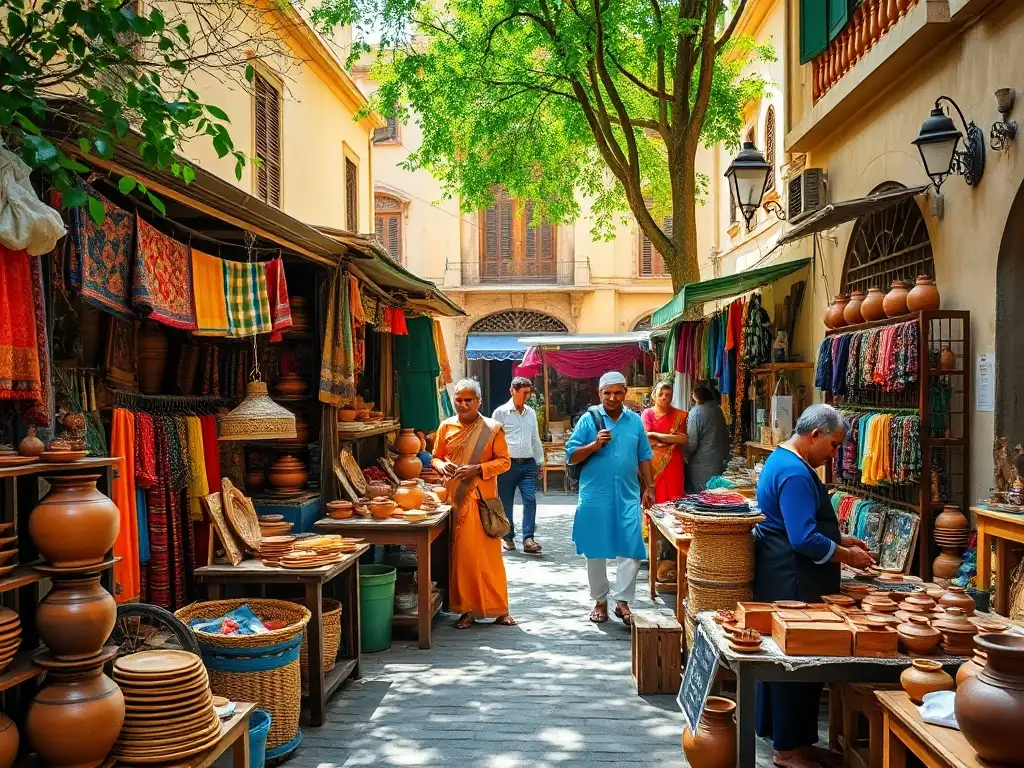
Welcome to Ancient India History, where we invite you to embark on a journey through the vibrant tapestry of India's past. From the ingenious urban planning of the Indus Valley to the cultural zenith of the Gupta Empire, our exploration reveals the profound contributions of ancient civilizations. In this article, we delve into the Resurgence of Indian Handicrafts, uncovering how these timeless crafts are making a remarkable comeback in post-pandemic India.
Join us as we seize the opportunities within this revival, and discover the fascinating intersection of tradition and modernity that awaits. Your adventure into India’s rich heritage starts here!
Introduction to the Resurgence of Indian Handicrafts
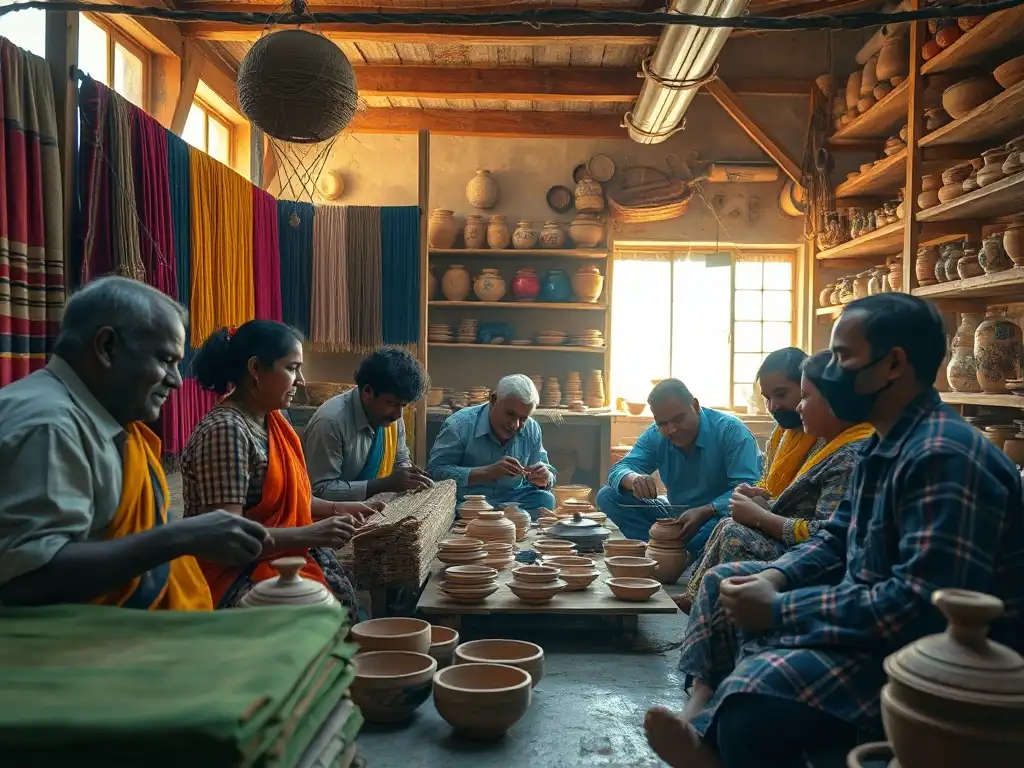
The resurgence of Indian handicrafts in the post-pandemic era reflects a remarkable revival of ancient traditions, skills, and cultural heritage that have been integral to India's identity for centuries. As the world emerged from the grips of the pandemic, there has been a renewed appreciation for artisanal products, which not only represent the rich tapestry of Indian culture but also offer sustainable economic opportunities for artisans and craftsmen. This resurgence is not merely a trend; it signifies a profound shift in consumer behavior, where handmade goods are increasingly valued for their authenticity, craftsmanship, and unique stories.
In this context, the handicraft sector presents a plethora of opportunities for businesses and investors looking to tap into the growing market for artisanal products. With a blend of tradition and innovation, artisans are adapting to modern demands while preserving age-old techniques, creating a vibrant marketplace that resonates with both domestic and international consumers. Understanding the historical significance and the driving factors behind this resurgence is crucial for stakeholders aiming to engage with this dynamic sector effectively.
Historical Context of Indian Handicrafts
Indian handicrafts boast a rich history that dates back thousands of years, rooted in the diverse cultures and civilizations that have flourished on the subcontinent. From the intricate beadwork of the Indus Valley Civilization to the exquisite textiles of the Mughal era, each region has developed its distinctive styles and techniques, reflecting the influences of geography, climate, and cultural exchange.
The craft traditions of ancient India were not only functional but were also imbued with artistic expression, often serving religious and ceremonial purposes. For instance, the use of Mandana and Madhubani art in ritualistic practices exemplifies the intersection of utility and spirituality. As trade routes expanded, Indian handicrafts gained international recognition, with items such as silk, pottery, and metalwork being sought after by traders from distant lands.
However, the onset of colonial rule and the subsequent industrialization posed significant challenges to these traditional crafts. Many artisans faced declining demand for their products, leading to a gradual erosion of skills and knowledge. Understanding this historical backdrop is essential to appreciate the current resurgence and the efforts being made to revive and promote these invaluable artisanal skills.
Factors Driving the Resurgence of Indian Handicrafts
Several key factors contribute to the current resurgence of Indian handicrafts in the post-pandemic landscape:
- Consumer Shift Towards Sustainable Products:
- There is a growing awareness among consumers regarding sustainability and ethical production practices. Handicrafts, often made from natural materials and through eco-friendly processes, align perfectly with these values.
- Digital Transformation:
- The rise of e-commerce and social media platforms has enabled artisans to reach broader audiences. Online marketplaces provide a platform for showcasing their craftsmanship, thereby facilitating direct sales and reducing dependency on intermediaries.
- Government Initiatives:
- The Indian government has launched various programs aimed at promoting handicrafts, such as One District One Product (ODOP) and financial support for artisans. These initiatives aim to enhance the visibility and viability of traditional crafts.
- Cultural Revival and Pride:
- There is a renewed sense of pride in indigenous crafts and a desire among consumers to support local artisans. This cultural renaissance is vital in encouraging the younger generation to engage with and learn traditional crafts.
The resurgence of Indian handicrafts represents a confluence of historical significance and modern opportunities. As we delve deeper into the intricacies of this sector, we can uncover further insights into how stakeholders can harness these opportunities for sustainable growth and cultural preservation.
Exploring Key Handicraft Regions in India
India is home to a plethora of handicraft regions, each with its unique cultural heritage and artisanal skills. Understanding these regions is essential for anyone looking to delve into the world of Indian handicrafts.
- Rajasthan: Known for its vibrant textiles, pottery, and jewelry, Rajasthan is a hotspot for handicrafts. Traditional crafts such as block printing, tie and dye, and blue pottery are not only popular domestically but also have a significant export market. The artisans in this region often use age-old techniques, making their products highly sought after for their authenticity and craftsmanship.
- Gujarat: This state is famous for its intricate embroidery, particularly the Kutch and Rabari styles. The artisans of Gujarat produce beautiful garments, wall hangings, and home decor items that reflect the rich cultural tapestry of the region. Additionally, the state's vibrant mirror work adds a unique flair to various handicrafts.
- Uttar Pradesh: Known for its exquisite woodwork and metal crafts, Uttar Pradesh is home to artisans who specialize in intricate carvings and inlay work. The city of Varanasi, in particular, is renowned for its silk weaving, producing some of the finest sarees in India.
- Karnataka: The handicrafts of Karnataka are diverse, ranging from sandalwood carvings to traditional Mysore paintings. The state is also known for its unique silk sarees, which are recognized for their quality and craftsmanship.
- West Bengal: This region is celebrated for its terracotta, Kantha embroidery, and intricate handloom textiles. The artisans of Bengal create stunning works that are steeped in cultural significance, making them a vital part of India's handicraft heritage.
By exploring these key regions, entrepreneurs and investors can tap into the unique offerings of Indian handicrafts, which not only reflect the rich traditions of India but also present lucrative business opportunities.
Opportunities for Entrepreneurs in the Handicraft Sector
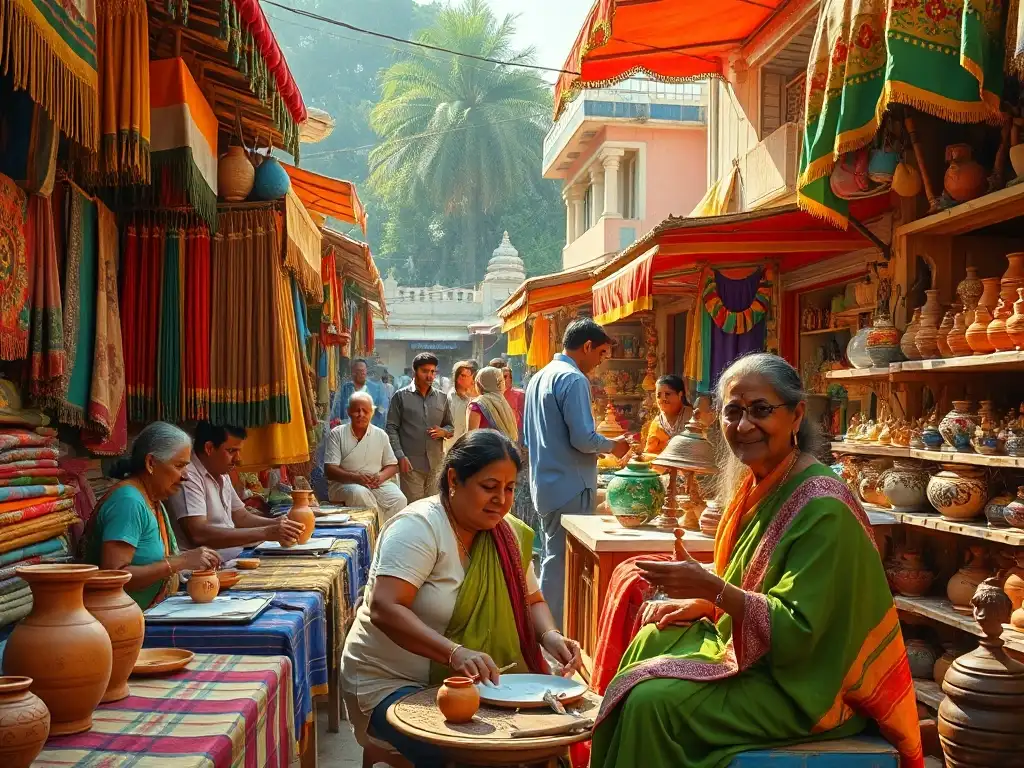
The resurgence of Indian handicrafts in the post-pandemic era has created a fertile ground for entrepreneurs. Here are some key opportunities that can be leveraged:
- E-commerce Platforms: With the shift towards online shopping, there is a significant opportunity for artisans and businesses to sell their products through e-commerce platforms. Setting up an online store can help reach a broader audience, both domestically and internationally.
- Sustainable and Eco-friendly Products: The demand for sustainable products has surged as consumers become more environmentally conscious. Entrepreneurs can focus on creating handicrafts that utilize eco-friendly materials and practices, catering to this growing market segment.
- Skill Development and Training Programs: There is a need for skill development in the handicraft sector to ensure that traditional crafts are not lost. Entrepreneurs can establish training centers to teach new generations the art of traditional handicrafts, ensuring sustainability and continuity.
- Collaborations with Designers: Partnering with contemporary designers can help elevate traditional handicrafts. By merging modern aesthetics with traditional techniques, entrepreneurs can create unique products that appeal to a wider audience, including younger consumers.
- Government Initiatives and Support: The Indian government has launched various initiatives to promote handicrafts, including financial support, marketing assistance, and infrastructure development. Entrepreneurs should take advantage of these programs to enhance their business prospects.
By capitalizing on these opportunities, entrepreneurs can significantly contribute to the growth of the handicraft sector while also preserving India’s rich cultural heritage.
Marketing Strategies for Handicraft Businesses
Effective marketing strategies are crucial for handicraft businesses to thrive in the competitive marketplace. Here are some strategies that can be employed:
- Storytelling and Branding: Crafting a compelling brand story that highlights the heritage, craftsmanship, and uniqueness of the products can create an emotional connection with consumers. Sharing the journey of artisans and the cultural significance of the crafts can enhance brand value.
- Social Media Engagement: Utilizing platforms like Instagram and Pinterest can be particularly effective in showcasing visually appealing handicraft products. Regularly posting high-quality images, behind-the-scenes content, and engaging stories can help build a loyal customer base.
- Influencer Collaborations: Partnering with influencers who resonate with your brand can help reach a larger audience. Influencers can showcase products through authentic content, driving interest and awareness in the handicraft sector.
- Participating in Craft Fairs and Exhibitions: Engaging with customers directly through craft fairs and exhibitions allows businesses to showcase their products and connect with potential buyers. These events also provide networking opportunities with other artisans and industry stakeholders.
- Utilizing SEO and Content Marketing: Developing a content strategy that includes blogs, guides, and articles related to handicrafts can boost online visibility. Implementing SEO best practices will help attract organic traffic to the business website, increasing the chances of sales.
By adopting these marketing strategies, handicraft businesses can enhance their visibility, engage with customers effectively, and ultimately drive sales in a rapidly evolving market.
The Role of Exporting in the Resurgence of Indian Handicrafts
The resurgence of Indian handicrafts in the post-pandemic era has been significantly bolstered by the role of exporting. As global markets begin to recover, artisans and craftspeople in India are finding new opportunities to showcase their unique products to international audiences. The export of handicrafts not only contributes to the revival of traditional art forms but also enhances the economic stability of rural communities.
Economic Impact
Exporting handicrafts creates jobs and stimulates local economies. According to recent data, the handicraft sector employs over 7 million artisans across India, many of whom are women. This workforce is crucial for sustaining traditional craftsmanship and preserving cultural heritage. By tapping into international markets, artisans can achieve better pricing for their goods, ensuring a more sustainable livelihood.
Global Demand
The global demand for authentic and sustainable products has surged, particularly post-COVID-19, as consumers increasingly prioritize ethically sourced items. Indian handicrafts, known for their intricate designs and craftsmanship, align perfectly with this trend. Products such as handwoven textiles, pottery, and traditional jewelry have found a receptive audience abroad, leading to increased export volumes.
Support from Government Initiatives
To facilitate the growth of handicraft exports, the Indian government has implemented various initiatives, such as the “One District One Product” scheme and financial assistance programs. These initiatives aim to promote specific crafts in different districts, ensuring that artisans have the resources and training necessary to meet international standards. Furthermore, participation in global trade fairs and exhibitions has enabled artisans to network and showcase their work, further enhancing export opportunities.
Challenges Facing the Handicraft Sector in India
Despite the promising resurgence, the handicraft sector in India faces several challenges that need to be addressed to ensure long-term growth and sustainability.
Lack of Modernization
Many artisans still rely on traditional methods that are time-consuming and labor-intensive. While these methods preserve cultural heritage, they may hinder competitiveness in a rapidly evolving market. The lack of modernization in production techniques can lead to inefficiencies and an inability to meet changing consumer preferences.
Market Access and Awareness
Artisans often struggle to access larger markets due to inadequate marketing skills and resources. Many talented craftspeople are unaware of digital platforms that could broaden their reach and enhance sales. Bridging this gap requires training and support in digital marketing and e-commerce, enabling artisans to connect with a global audience.
Quality Control and Standardization
For artisans to compete internationally, adherence to quality standards is essential. However, inconsistencies in quality can tarnish the reputation of Indian handicrafts. Establishing a system for quality control and standardization will help ensure that products meet the expectations of global consumers, thereby enhancing marketability.
Socioeconomic Factors
The socioeconomic status of artisans can also pose challenges. Many come from marginalized backgrounds with limited access to education and financial resources. Addressing these issues requires holistic approaches that include skill development, access to credit, and social security measures.
Conclusion: Embracing the Future of Indian Handicrafts
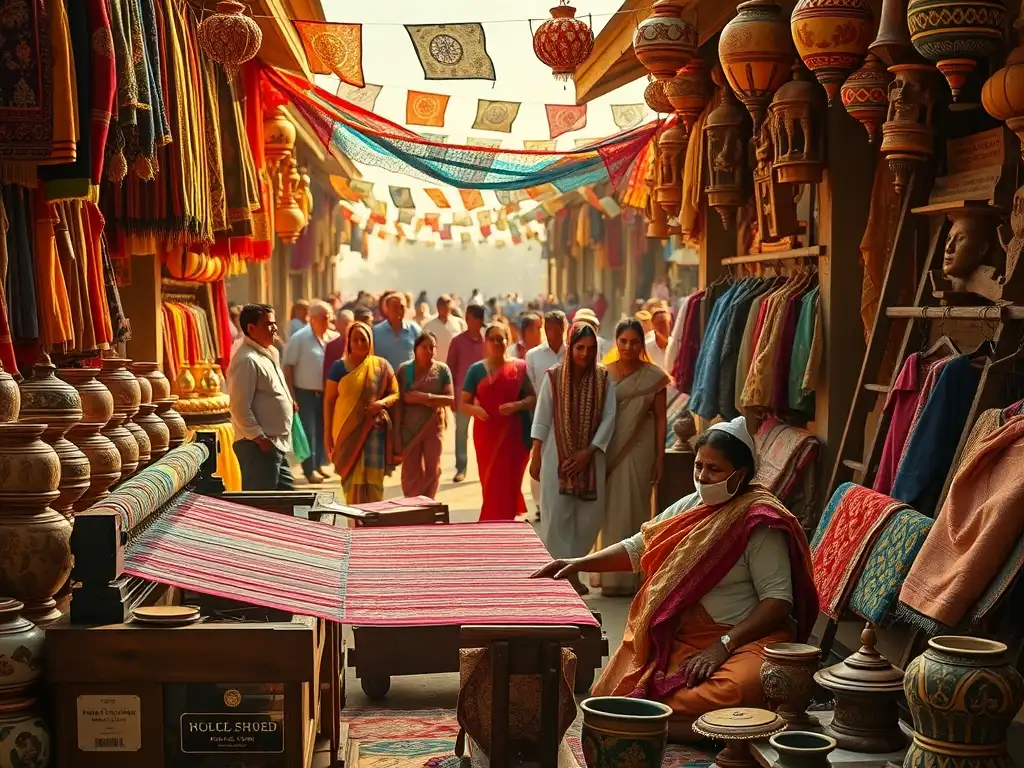
The resurgence of Indian handicrafts in the post-pandemic landscape presents a unique opportunity for artisans and the economy alike. By embracing both traditional craftsmanship and modern marketing strategies, the sector has the potential to thrive. The integration of new technologies, supportive government policies, and a focus on quality can pave the way for a sustainable future.
As the world increasingly seeks authentic and artisanal products, Indian handicrafts stand at the forefront of this trend. By addressing existing challenges and leveraging the power of exporting, the sector can not only preserve its rich heritage but also contribute significantly to India's economic growth. Embracing this future means recognizing the value of craftsmanship, sustainability, and cultural diversity as key drivers of success in the global market.
Additional Resources for Handicraft Enthusiasts
In the wake of the resurgence of Indian handicrafts, numerous resources are available for enthusiasts looking to deepen their understanding or engage with these traditional crafts. These resources encompass a variety of formats, including books, online platforms, workshops, and community groups. Here are some valuable options:
- Books and Publications:
- Crafts of India by the Ministry of Textiles: This comprehensive book covers various Indian handicrafts, detailing techniques, materials, and regional specialties.
- The Art of Indian Handicrafts by Aditi Sethi: This publication explores the historical context and evolution of Indian handicrafts, making it an enlightening read for both enthusiasts and practitioners.
- Online Platforms:
- Craftsvilla: An online marketplace dedicated to Indian handicrafts, allowing buyers to connect directly with artisans.
- India Handicrafts: A digital hub that showcases artisans and their work, offering insights into various crafts and their significance.
- Workshops and Courses:
- Local and virtual workshops are increasingly available, where artisans teach traditional skills such as pottery, weaving, and block printing. These workshops not only promote skill development but also help in preserving cultural heritage.
- Community Groups and Forums:
- Joining local or online community groups can provide invaluable networking opportunities. Organizations like the Dastkar and the Indian Handicrafts and Gifts Fair foster collaboration among artisans and enthusiasts, promoting awareness and appreciation of handicrafts.
Final Thoughts on the Resurgence of Indian Handicrafts
The resurgence of Indian handicrafts in the post-pandemic landscape is not just a revival of artistic expression but also a significant opportunity for economic growth and cultural preservation. As consumers increasingly value authenticity and sustainability, Indian artisans are poised to reclaim their rightful place in the global market.
This resurgence emphasizes several key aspects:
- Cultural Heritage: Handicrafts embody the rich traditions of Indian culture, reflecting the diverse stories and skills passed down through generations. Supporting these crafts helps in preserving this invaluable heritage for future generations.
- Economic Empowerment: By investing in handicrafts, individuals and businesses can contribute to the economic upliftment of artisans and rural communities. This is particularly crucial in the context of post-pandemic recovery, where many artisans faced significant challenges.
- Sustainable Practices: Handicrafts often utilize locally sourced materials and traditional methods, making them an eco-friendly alternative to mass-produced goods. As sustainability becomes a priority for consumers, Indian handicrafts offer a compelling solution.
- Innovation and Adaptation: The revival of handicrafts is also an opportunity for innovation. Artisans can blend traditional techniques with contemporary designs, appealing to modern consumers while maintaining their cultural roots.
The resurgence of Indian handicrafts presents a unique intersection of culture, economy, and sustainability. It invites individuals, businesses, and communities to engage with and support these timeless crafts, ensuring that they thrive in the years to come. By seizing these opportunities, we contribute not only to the revival of artisans but also to the enrichment of our cultural landscape.
- Introduction to the Resurgence of Indian Handicrafts
- Historical Context of Indian Handicrafts
- Factors Driving the Resurgence of Indian Handicrafts
- Exploring Key Handicraft Regions in India
- Opportunities for Entrepreneurs in the Handicraft Sector
- Marketing Strategies for Handicraft Businesses
- The Role of Exporting in the Resurgence of Indian Handicrafts
- Challenges Facing the Handicraft Sector in India
- Conclusion: Embracing the Future of Indian Handicrafts
- Additional Resources for Handicraft Enthusiasts
- Final Thoughts on the Resurgence of Indian Handicrafts
- What is the significance of handicrafts in ancient Indian civilizations?
- How has the pandemic affected the handicraft industry in India?
- What opportunities exist for artisans in post-pandemic India?
- How can consumers support the resurgence of Indian handicrafts?
- What role do government policies play in promoting handicrafts?
Frequently Asked Questions
What is the significance of handicrafts in ancient Indian civilizations?
Handicrafts in ancient India reflect the rich cultural heritage and artistic skills of various civilizations. They served not only as functional items but also as symbols of identity and tradition.
How has the pandemic affected the handicraft industry in India?
The pandemic created challenges for artisans, but it also led to a resurgence as consumers sought out unique, handmade products. This shift has highlighted the importance of supporting local crafts.
What opportunities exist for artisans in post-pandemic India?
There are numerous opportunities for artisans, including online marketplaces and increased demand for sustainable products. Artisans can leverage these trends to expand their reach and improve their livelihoods.
How can consumers support the resurgence of Indian handicrafts?
Consumers can support the resurgence by choosing to purchase handmade goods and by promoting local artisans. This not only helps the economy but also preserves traditional crafts for future generations.
What role do government policies play in promoting handicrafts?
Government policies can significantly impact the handicraft sector by providing financial assistance, promoting export opportunities, and ensuring infrastructure development. This support is crucial for the sustainability of traditional crafts in India.
Final Reflection: Embracing the Resurgence of Indian Handicrafts
The resurgence of Indian handicrafts is not just a revival of traditional skills; it is a powerful movement that intertwines culture, community, and commerce. As we navigate the complexities of a post-pandemic world, the importance of preserving our heritage while fostering economic growth has never been more evident. This resurgence offers a unique opportunity to reconnect with our roots and support artisans who have been the backbone of our cultural identity for centuries.
The impact of this revival extends far beyond the marketplace; it resonates within our communities, fostering a sense of pride and belonging. The revival of handicrafts has sparked conversations about sustainability, ethical consumption, and the value of craftsmanship in an age dominated by mass production. As Mahatma Gandhi once said, “The best way to find yourself is to lose yourself in the service of others.” This quote encapsulates the spirit of the handicraft movement, where supporting artisans is not just about purchasing goods but about investing in lives and stories.
As we reflect on the lessons from the resurgence of Indian handicrafts, let us take a moment to consider how we can contribute to this vibrant tapestry. I invite you to explore local artisans, support sustainable practices, and share the beauty of these crafts with others. By doing so, we not only honor our heritage but also empower communities to thrive in a modern world. Together, let us seize this moment to celebrate and elevate the art of handicrafts, ensuring that they continue to flourish for generations to come.
Seize Your Chance to Revive Handicrafts!
Thank you for diving into the rich world of handicrafts in post-pandemic India! Your engagement with this topic shows your interest in celebrating tradition while embracing new possibilities. Now, it’s time to turn insights into action that can support these artisans and invigorate this vibrant industry.
Here’s how you can get involved:
- Explore local handicrafts: Visit artisans’ workshops or local fairs to discover unique creations and connect with their stories.
- Share your knowledge: Spread the word about the significance of handicrafts through social media or within your community. Your influence can inspire others!
- Support fair trade: Consider purchasing handcrafted items from ethical sources to directly contribute to the livelihoods of skilled artisans.
What unique handicraft would you like to see flourish in your community, and how can you assist in making that happen?