
Tapping into Tradition: The Economic Potential of Indian Artisanal Products

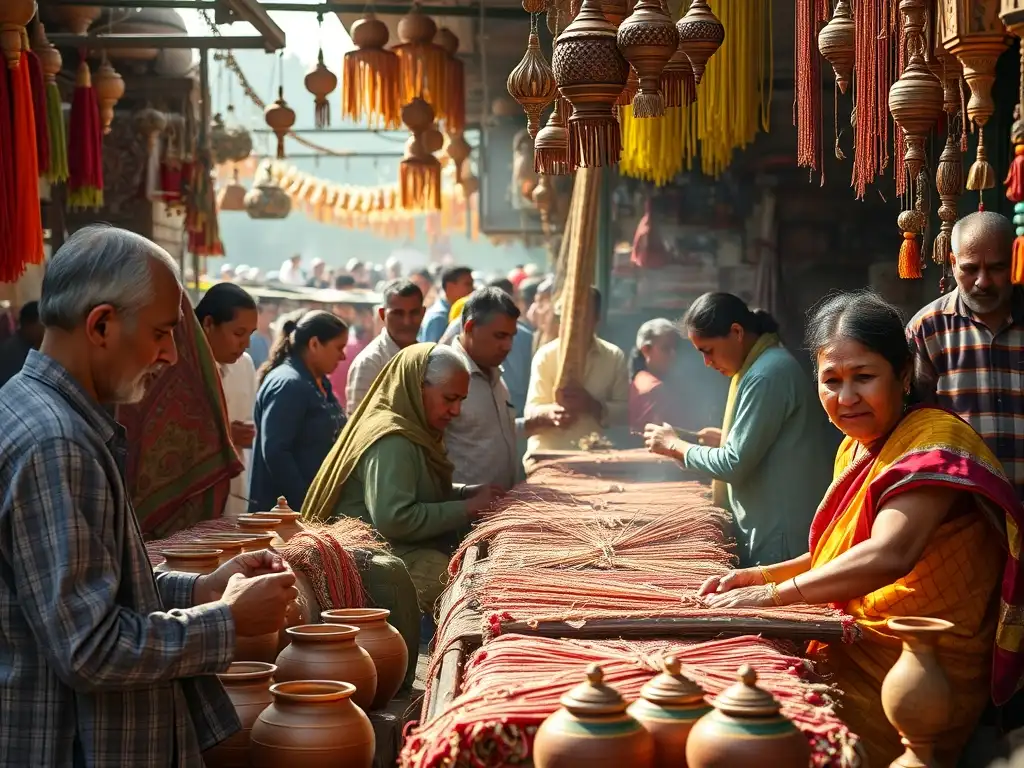
Welcome to Ancient India History, where we embark on a fascinating journey through the vibrant tapestry of ancient Indian civilizations. From the ingenious innovations of the Indus Valley to the artistic brilliance of the Gupta Empire, our exploration sheds light on the profound cultural legacies that continue to shape modern India. In our featured article, “Tapping into Tradition: The Economic Potential of Indian Artisanal Products,” we delve into the thriving market of Indian artisanal products and unveil the hidden treasures that await both investors and enthusiasts alike.
Prepare to be captivated by the stories behind these timeless crafts and discover how they hold the key to unlocking economic opportunities rooted in tradition. Dive in and uncover the past that fuels the future!
Introduction to the Indian Artisanal Products Market
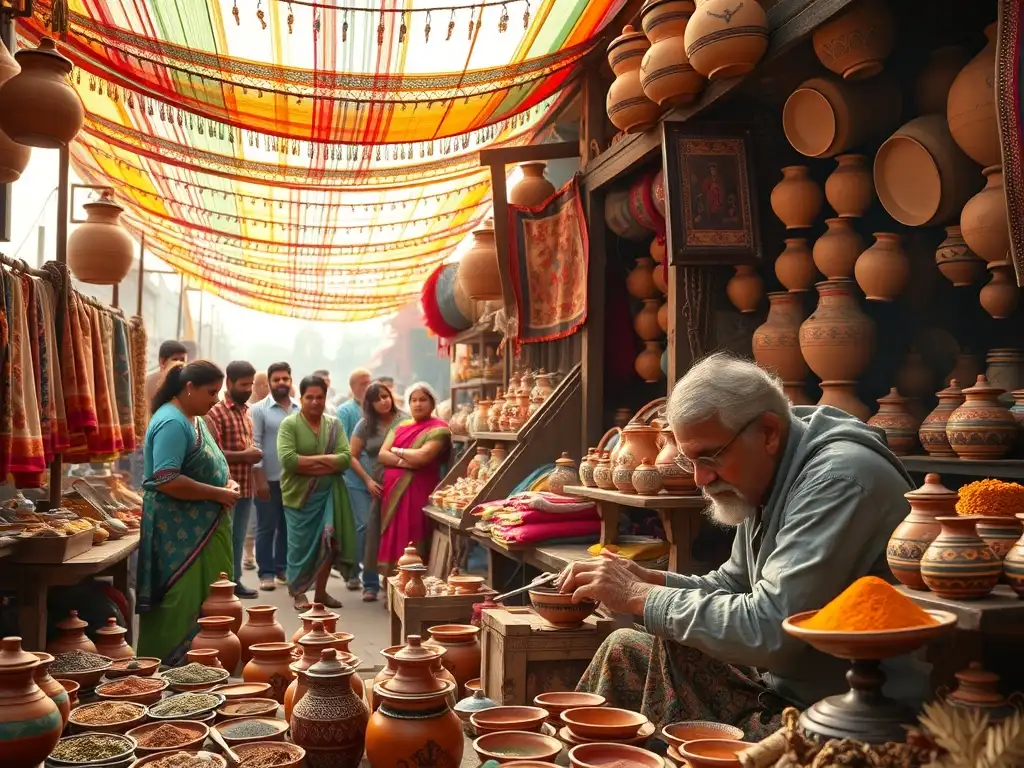
The Indian artisanal products market is a vibrant tapestry woven from the rich history and cultural diversity of the subcontinent. With roots tracing back to ancient civilizations, such as the Indus Valley and the Maurya Empire, these products encapsulate the craftsmanship, traditions, and stories passed down through generations. Today, as consumers globally seek authenticity and sustainability, the demand for Indian artisanal products is experiencing a renaissance.
This burgeoning market encompasses a wide array of handicrafts, textiles, pottery, and traditional art forms, each reflecting the unique heritage of various regions. From the intricate designs of Punjab's phulkari to the exquisite craftsmanship of Kutch's embroidery, these products not only support local economies but also preserve age-old traditions. Understanding the economic potential of this sector is crucial as it presents opportunities for artisans, entrepreneurs, and investors alike, paving the way for sustainable growth and cultural preservation.
In this article, we will explore the current landscape of the Indian artisanal products market, highlighting key trends, challenges, and the promising future that lies ahead for this essential segment of Indian culture and economy.
The Current Landscape of the Indian Artisanal Products Market
As of 2023, the Indian artisanal products market is valued at approximately $9 billion, with projections indicating a compound annual growth rate (CAGR) of around 12% over the next five years. This growth can be attributed to several factors:
- Rising Global Demand: A growing interest in sustainable and ethically sourced products has led to increased demand for handmade goods. Consumers are increasingly looking to support artisans and local economies.
- E-commerce Expansion: The proliferation of online marketplaces has made it easier for artisans to reach global audiences, allowing them to sell their products without the constraints of traditional retail.
- Government Initiatives: Various government programs and policies, such as the "Make in India" initiative, are aimed at promoting local craftsmanship and providing artisans with the necessary support and resources.
- Cultural Preservation: The commitment to preserving traditional techniques and knowledge is paramount. Artisanal products not only serve economic purposes but also play a vital role in maintaining cultural heritage.
Despite the optimistic outlook, several challenges persist, including:
- Quality Control: Maintaining consistent quality across products can be difficult, impacting brand reputation and consumer trust.
- Market Access: Many artisans face barriers to entry in both domestic and international markets due to limited resources and lack of marketing knowledge.
- Competition with Mass Production: The influx of cheaper, mass-produced items can overshadow artisanal products, making it essential for artisans to emphasize their unique value propositions.
The Indian artisanal products market is poised for significant growth, driven by consumer trends towards sustainability and authenticity. As we delve deeper into the opportunities that lie within this sector, it becomes evident that investing in Indian handicrafts and artisanal products is not just an economic venture but a commitment to preserving the rich cultural heritage of India.
Benefits of Investing in Indian Artisanal Products
Investing in Indian artisanal products offers a multitude of benefits that resonate with both economic and cultural dimensions. First and foremost, these products are deeply rooted in tradition, which allows investors to tap into a growing market that values authenticity and heritage. The global consumers are increasingly seeking unique, handcrafted items that reflect cultural narratives, making Indian artisanal products sought after across various demographics.
Moreover, the artisanal sector supports sustainable practices. Many artisans employ eco-friendly methods and local materials, which appeals to environmentally conscious consumers. By investing in these products, investors can contribute to the sustainable development of communities, fostering economic growth while preserving cultural heritage.
Another significant benefit is the potential for high returns. The Indian artisanal products market is expanding, driven by rising disposable incomes and a growing middle class interested in luxury items. By engaging with this market, investors can capitalize on the increasing demand for unique, high-quality goods, ensuring a lucrative return on investment.
Additionally, investing in artisanal products helps in creating jobs and improving livelihoods in rural areas. This not only empowers artisans but also helps in revitalizing local economies. The social impact of such investments often translates into a loyal customer base, as consumers are increasingly inclined to support brands that prioritize ethical practices.
High-Value Indian Artisanal Products
The Indian artisanal products market is diverse, comprising various high-value items that showcase exceptional craftsmanship. Here are some of the most notable categories:
1. Handwoven Textiles
Handwoven textiles are a hallmark of Indian craftsmanship, with each region offering unique styles and techniques. From the intricate patterns of Banarasi sarees to the vibrant colors of Kanchipuram silk, these textiles are not only beautiful but also tell the stories of their origins. The market for handwoven textiles has seen significant growth, driven by both domestic and international demand.
Investors can capitalize on this trend by collaborating with artisans to create exclusive collections or utilizing e-commerce platforms to reach a wider audience. The durability and cultural significance of handwoven textiles further enhance their market value, making them a lucrative investment opportunity.
2. Pottery and Ceramics
Indian pottery and ceramics showcase a diverse range of styles, from the earthy terracotta of the Indus Valley to the delicate blue pottery of Jaipur. Each piece reflects centuries of tradition and skill, appealing to collectors and consumers alike. The resurgence of interest in handmade ceramics, particularly in interior design and home decor, has created a vibrant market for these products.
Investing in pottery and ceramics can yield significant returns, especially through collaborations with designers or by tapping into the growing trend of artisanal home goods. Additionally, by promoting the cultural narratives behind these pieces, investors can create a compelling brand story that resonates with consumers.
3. Jewelry and Accessories
Indian jewelry is renowned for its intricate designs, vibrant gemstones, and cultural significance. From traditional gold and silver adornments to contemporary pieces that blend modern aesthetics with traditional craftsmanship, the jewelry market in India is vast and varied. The rise of ethical fashion has also positioned artisanal jewelry as a desirable investment, as consumers seek authentic pieces with a story.
Investors can explore opportunities in both traditional and contemporary jewelry lines, leveraging social media and online marketplaces to reach a global audience. Collaborations with artisans to create limited-edition collections can further enhance brand visibility and market desirability, tapping into the luxury segment of the market.
The Indian artisanal products market presents a wealth of opportunities for investors. By focusing on high-value products like handwoven textiles, pottery, and jewelry, investors can not only achieve substantial returns but also contribute to the preservation of India's rich cultural heritage.
Exploring Market Opportunities in Indian Artisanal Products
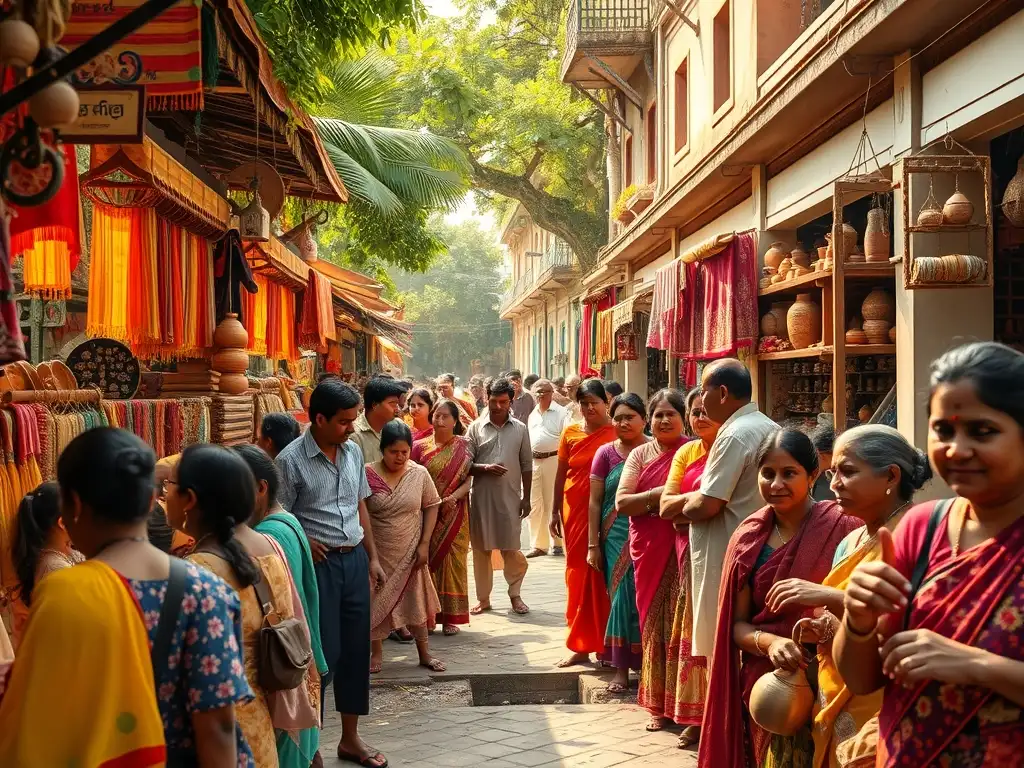
The market for Indian artisanal products is burgeoning, fueled by a growing global appreciation for unique, handcrafted goods. As consumers become increasingly aware of sustainability and ethical production, the demand for such products continues to rise. According to industry reports, the Indian artisanal products market is projected to reach significant growth by 2025, driven by both domestic and international consumer bases. This growth is primarily attributed to the rich heritage of craftsmanship found in various regions across India, each offering distinct styles and techniques.
Local artisans are now recognizing the economic potential of their crafts, leading to collaborations with designers and brands that highlight traditional methods while appealing to modern aesthetics. This synergy not only enhances the visibility of these products but also ensures fair compensation for artisans, thereby promoting socio-economic development in rural areas. Furthermore, government initiatives aimed at promoting traditional crafts, such as the "One District, One Product" scheme, are instrumental in creating market linkages and fostering entrepreneurship within the handicraft sector.
Understanding Consumer Preferences
Understanding consumer preferences is crucial for tapping into the economic potential of Indian artisanal products. Today’s consumers are not just looking for products; they seek authenticity, stories, and cultural significance. Research indicates that buyers are increasingly inclined towards products that reflect individuality and cultural heritage. This trend is especially prominent among millennials and Gen Z, who prioritize sustainability and ethical sourcing in their purchasing decisions.
Moreover, the appeal of handmade goods lies in their uniqueness and the craftsmanship behind them. Consumers are willing to pay a premium for artisanal products that tell a story, thus creating a niche market where quality supersedes quantity. Artisans can leverage social media and storytelling to connect with their audience, sharing insights into their creative processes, the materials used, and the cultural significance behind their craft. By fostering this connection, artisans can build brand loyalty and encourage repeat purchases.
Leveraging E-commerce for Indian Handicrafts
The rise of e-commerce has revolutionized the way Indian artisans market and sell their products. Platforms like Etsy, Amazon, and various niche marketplaces have made it easier for artisans to reach global audiences without the need for extensive retail networks. This burgeoning online presence allows artisans to showcase their products to a wider demographic, thus increasing their sales potential significantly.
Additionally, social media platforms serve as powerful marketing tools, enabling artisans to directly engage with consumers. Instagram and Facebook, for example, provide a visual platform where artisans can display their work and share their narratives, driving interest and engagement. By using targeted advertisements and influencer partnerships, artisans can further amplify their reach, showcasing the craftsmanship and cultural heritage behind their products.
E-commerce also allows for the collection of valuable consumer data, helping artisans understand purchasing behaviors and preferences. This information can guide production decisions, marketing strategies, and product development, ensuring that artisans remain competitive in a dynamic market.
Challenges Facing the Indian Artisanal Products Market
Despite the promising potential, the Indian artisanal products market faces several challenges that must be addressed to unlock its full economic potential. One significant hurdle is the lack of standardization and quality control in artisanal products. With a diverse range of techniques and materials used across different regions, inconsistencies can arise, leading to consumer dissatisfaction and damaging the reputation of handcrafted goods.
Another challenge is the limited access to financing for artisans. Many artisans operate within informal economies and lack the necessary capital to invest in production, marketing, or e-commerce. This financial constraint restricts their ability to scale operations and compete effectively in both domestic and international markets.
Additionally, the market is inundated with mass-produced imitations that undermine the authenticity and value of genuine artisanal products. Consumers, while increasingly aware of the importance of supporting local artisans, can easily be misled by cheaper, low-quality alternatives. This necessitates a concerted effort to educate consumers about the significance of supporting authentic craftsmanship and the value of sustainably sourced products.
Finally, the digital divide remains a significant barrier for many artisans, particularly in rural areas. Limited access to technology and the internet hampers their ability to leverage e-commerce and digital marketing effectively, thus restricting their market reach. Addressing these challenges will be crucial for the sustained growth and success of the Indian artisanal products market.
Case Studies: Successful Brands in Indian Artisanal Products

The Indian artisanal products market is a tapestry woven from the skills and traditions of countless artisans across the country. Some brands have taken it upon themselves to not only preserve these traditions but also innovate and promote them on a global scale. Here, we explore two successful brands that exemplify the potential within this sector.
1. Brand A - Innovating Tradition
Brand A has emerged as a leader in the Indian artisanal products market by marrying traditional craftsmanship with contemporary design. Founded by a group of passionate artisans and designers, the brand focuses on creating unique home decor items that reflect India's rich cultural heritage while appealing to modern sensibilities.
- Product Range: The brand offers a diverse array of products, including handwoven textiles, intricately carved wooden furniture, and handcrafted pottery. Each piece is designed to tell a story and is created using traditional techniques passed down through generations.
- Innovative Collaborations: Brand A collaborates with local artisans, providing them with a platform to showcase their skills. By integrating modern design elements with traditional craftsmanship, they have successfully created a niche market that attracts both domestic and international customers.
- Market Strategy: Utilizing e-commerce platforms and social media, Brand A has effectively reached a wide audience, promoting the concept of "buying local" and highlighting the artistry behind each product. Their marketing campaigns often feature artisans, allowing customers to connect with the individuals behind the craftsmanship.
2. Brand B - Sustainable Practices in Artisanal Production
Brand B stands out in the Indian artisanal products market by prioritizing sustainability in its production processes. This brand focuses on creating eco-friendly products that not only support artisans but also promote environmental conservation.
- Eco-Friendly Materials: Brand B sources materials that are sustainable and biodegradable, such as organic cotton and recycled wood. This commitment to eco-friendly practices resonates with environmentally conscious consumers, making them a preferred choice in the market.
- Fair Trade Practices: The brand ensures fair wages and working conditions for all artisans involved in the production process. By adhering to fair trade principles, Brand B empowers local communities and fosters a sense of pride among artisans.
- Educational Initiatives: In addition to producing artisanal products, Brand B conducts workshops and training sessions for artisans, helping them enhance their skills and adopt sustainable practices. This approach not only preserves traditional techniques but also ensures the longevity of the craft.
Future Prospects of the Indian Artisanal Products Market
The future of the Indian artisanal products market appears promising, driven by several key factors that are set to enhance its growth and sustainability.
- Rising Global Demand: As consumers become more aware of the importance of sustainable and ethically sourced products, the demand for artisanal goods is expected to rise. This shift in consumer behavior presents a significant opportunity for Indian brands to expand their reach internationally.
- Government Support: The Indian government is increasingly recognizing the importance of handicrafts and artisanal products in promoting cultural heritage and creating employment. Initiatives aimed at supporting artisans through funding, marketing assistance, and skill development are likely to boost the market further.
- Technological Advancements: The integration of technology in production processes and marketing strategies is transforming the landscape for artisanal products. E-commerce platforms, social media, and digital marketing are helping artisans reach a broader audience, making their products more accessible.
- Cultural Revival: There is a growing interest in traditional crafts and techniques among younger generations. This cultural revival is not only preserving ancient skills but also inspiring innovation within the artisanal sector, leading to the creation of new products that resonate with contemporary consumers.
The Indian artisanal products market is poised for significant growth, fueled by innovation, sustainability, and a renewed appreciation for traditional crafts. By harnessing these elements, brands can tap into the rich potential that lies within India's artisanal heritage.
Conclusion: Embracing the Economic Potential of Indian Artisanal Products
The Indian artisanal products market holds immense potential for economic growth and cultural preservation. By prioritizing the promotion of traditional crafts, India can not only bolster its economy but also sustain its rich heritage. The unique craftsmanship and stories behind each artisanal product offer a distinctive value proposition that appeals to both domestic and international consumers. As the global market increasingly favors sustainable and ethically produced goods, Indian artisans stand to benefit significantly from this shift in consumer preferences.
Moreover, the integration of technology in marketing and sales strategies can enhance visibility and accessibility for these products. E-commerce platforms and social media can serve as powerful tools to showcase the artistry and cultural significance of Indian handicrafts. By leveraging these platforms, artisans can reach broader audiences, enabling them to thrive economically while preserving their traditional practices.
Embracing the economic potential of Indian artisanal products is not just about generating revenue; it is also about celebrating and safeguarding a legacy that has been passed down through generations. Stakeholders, including government bodies, NGOs, and consumers, must collaborate to create an ecosystem that supports artisans, ensuring that their crafts continue to flourish in the modern economy.
Additional Resources
For those interested in exploring the Indian artisanal products market further, the following resources provide valuable insights and guidance:
- Government Reports: Access reports from the Ministry of Textiles and the Ministry of Micro, Small and Medium Enterprises (MSME) focusing on policies and support systems for artisans.
- Industry Associations: Organizations like the All India Artisans and Craftworkers Welfare Association (AIACW) offer resources for artisans, including training and market access.
- Online Marketplaces: Websites like Craftsvilla, IndiaCrafts, and Etsy feature a variety of artisanal products, providing exposure to different crafts and artisans.
- Books and Journals: Publications that delve into the history, techniques, and socio-economic impact of Indian handicrafts can provide deeper context and understanding.
- Workshops and Training Programs: Many NGOs and cultural institutions offer workshops to learn about traditional crafts, which can enhance appreciation and support for artisans.
By utilizing these resources, individuals and organizations can actively contribute to the growth and sustainability of the Indian artisanal products market, ensuring that this vibrant aspect of Indian culture continues to thrive.
- Introduction to the Indian Artisanal Products Market
- The Current Landscape of the Indian Artisanal Products Market
- Benefits of Investing in Indian Artisanal Products
- High-Value Indian Artisanal Products
- Exploring Market Opportunities in Indian Artisanal Products
- Understanding Consumer Preferences
- Leveraging E-commerce for Indian Handicrafts
- Challenges Facing the Indian Artisanal Products Market
- Case Studies: Successful Brands in Indian Artisanal Products
- Future Prospects of the Indian Artisanal Products Market
- Conclusion: Embracing the Economic Potential of Indian Artisanal Products
- Additional Resources
Frequently Asked Questions
What are Indian artisanal products?
Indian artisanal products are handcrafted items made by skilled artisans using traditional techniques. These products often reflect cultural heritage and include textiles, pottery, jewelry, and more.
How does the Indian artisanal products market contribute to the economy?
The Indian artisanal products market plays a significant role in the economy by providing employment opportunities for artisans and promoting sustainable practices. It also contributes to export revenues through global demand.
What challenges do artisans face in the market?
Artisans often face challenges such as limited access to modern marketing channels, competition from mass-produced goods, and difficulty in sourcing raw materials. These factors can hinder their ability to thrive in the market.
How can consumers support the Indian artisanal products market?
Consumers can support the Indian artisanal products market by choosing to purchase handcrafted items, promoting local craftsmanship, and raising awareness about the importance of sustainable consumption.
What role does culture play in the success of artisanal products?
Culture is a vital element that enhances the uniqueness of artisanal products, making them appealing to consumers. The rich cultural narratives behind these products often drive their popularity and market demand.
Final Reflection: Harnessing Heritage for Economic Growth
In today's rapidly evolving global economy, the Indian artisanal products market stands as a testament to the enduring value of tradition and craftsmanship. As we navigate through the complexities of modern consumerism, the relevance of these artisanal products becomes increasingly clear. They not only offer unique, high-quality alternatives to mass-produced goods but also embody the rich cultural narratives and skills passed down through generations. The revival and promotion of these products are not just about preserving heritage; they represent a significant opportunity for economic empowerment and sustainable development.
The influence of Indian artisanal products extends far beyond mere commerce; it shapes our cultural identity and social fabric. By embracing these products, we honor the artisans who pour their heart and soul into their craft, ensuring that their skills are not lost to time.
As Mahatma Gandhi once said, “The best way to find yourself is to lose yourself in the service of others.” This quote resonates deeply as we consider the artisans who dedicate their lives to their crafts, providing not only for their families but also enriching our communities with their artistry and stories. The ongoing resurgence of interest in these products reflects a collective desire to reconnect with our roots and support sustainable practices that benefit both people and the planet.
As we look to the future, I invite you to reflect on your own consumption choices and the impact they have on the world around you. Consider how you can support the Indian artisanal products market by choosing to invest in these unique creations that tell a story and uplift communities.
By doing so, you not only enrich your own life with authentic experiences but also contribute to a larger movement that values heritage, sustainability, and economic empowerment. Let us all take action to celebrate and promote the artisans who keep our traditions alive, ensuring that their invaluable contributions continue to thrive for generations to come.
Unleash the Power of Indian Artistry!
Thank you for exploring the rich potential of Indian artisanal products with us! By understanding their economic significance, you’ve taken the first step toward supporting these incredible crafts. Now, let’s put that knowledge into action and nurture our thriving artisan communities.
Here’s how you can make a difference today:
- Support Local Artisans: Seek out and purchase Indian artisanal products at local markets or online platforms to create a positive impact on their livelihoods.
- Explore Craft Workshops: Participate in workshops to learn the skills and traditions behind these crafts, fostering a deeper appreciation and connection with the artisans and their work.
- Spread the Word: Share your passion for Indian art on social media to raise awareness and encourage others to discover these exquisite products!
Which artisan craft will you explore or incorporate into your life today?