
Social Status and Health: The Impacts of Caste on Wellbeing in Ancient India


Welcome to Ancient India History, where we delve into the rich tapestry of civilizations that have shaped one of the world's oldest cultures. In today's exploration, we uncover the intricate relationship between the caste system and health in ancient India, revealing how social status influenced wellbeing and daily life. As we journey through the layers of history, prepare to be intrigued by the complexities of caste dynamics and their profound impact on society. Join us as we piece together the past and discover the echoes of ancient wisdom that still resonate today.
- Introduction to Caste System and Health in Ancient India
- Historical Context of the Caste System in Ancient India
- Impacts of Caste on Physical Health
- Psychological and Social Wellbeing Influenced by Caste
- Case Studies: Health Outcomes in Different Castes
- The Role of Religion and Beliefs in Caste-Related Health
- Modern Perspectives on Caste System and Health
- Conclusion: The Interconnection Between Caste and Health in Ancient India
-
Frequently Asked Questions
- What was the caste system in ancient India?
- How did the caste system affect health in ancient India?
- Were there any health benefits associated with higher castes?
- How did the caste system impact daily life in ancient India?
- What contributions did ancient Indian civilizations make to health and medicine?
- Final Reflection: The Enduring Legacy of Caste on Health and Wellbeing
- Uncover the Hidden Links Between Caste and Health!
Introduction to Caste System and Health in Ancient India
The intricate relationship between social status and health in ancient India is a profound aspect of its historical and cultural framework. The caste system, a hierarchical social structure, significantly influenced various facets of life, including access to resources, education, and ultimately, health and wellbeing. Understanding how this system operated sheds light on the health disparities that existed among different groups and reveals how caste delineated not only social interactions but also the quality of life experienced by individuals.
This exploration is critical for comprehending the broader implications of social stratification in ancient societies and its lasting effects on contemporary health outcomes. By examining the caste system and its impacts on wellbeing, we can gain insights into the historical roots of health inequities that may persist in modern India.
Overview of Caste System in Ancient Indian Society
The caste system in ancient India, known as Varna, was a complex social hierarchy that categorized individuals into specific groups based on their birth, occupation, and social standing. The four primary categories included:
- Brahmins: The priestly class responsible for religious rituals and the preservation of sacred knowledge.
- Kshatriyas: Warriors and rulers who maintained order and governance.
- Vaishyas: Merchants and landowners who contributed to the economy through trade and agriculture.
- Shudras: Laborers and service providers who performed various tasks to support the other three Varnas.
In addition to these four main groups, there existed numerous sub-castes, or jatis, which further refined social roles and responsibilities. This rigid structure not only dictated one's occupation but also influenced marriage, dietary restrictions, and social mobility. The implications of such a system were profound, as individuals born into lower castes often faced systemic barriers that limited their access to healthcare, education, and economic opportunities.
The caste system deeply impacted health and wellbeing in ancient India, creating disparities that can still be traced to modern health outcomes. Several factors contributed to this phenomenon:
- Access to Resources: Higher castes typically enjoyed better access to resources such as nutritious food, healthcare, and clean living conditions. In contrast, lower castes often faced poverty and marginalization, leading to inadequate nutrition and healthcare services.
- Occupational Health Risks: The occupations associated with lower castes often involved labor-intensive and hazardous work conditions, exposing them to various health risks. For instance, agricultural laborers might suffer from injuries, while those involved in sanitation work faced health hazards from exposure to waste.
- Social Stigma and Discrimination: Individuals from lower castes often experienced social stigma, which not only affected their mental health but also deterred them from seeking medical help due to fear of discrimination. This reluctance to access healthcare services exacerbated health issues within these communities.
- Cultural Practices and Beliefs: The caste system also influenced cultural practices surrounding health and wellness. Traditional healing practices, rituals, and access to knowledge about health varied significantly between castes, further entrenching health disparities.
The caste system in ancient India shaped the health landscape by dictating access to resources, influencing occupational hazards, and perpetuating social stigmas. Understanding these dynamics is crucial for appreciating the historical context of health inequities in Indian society, as well as their implications for contemporary health policies and practices.
Historical Context of the Caste System in Ancient India
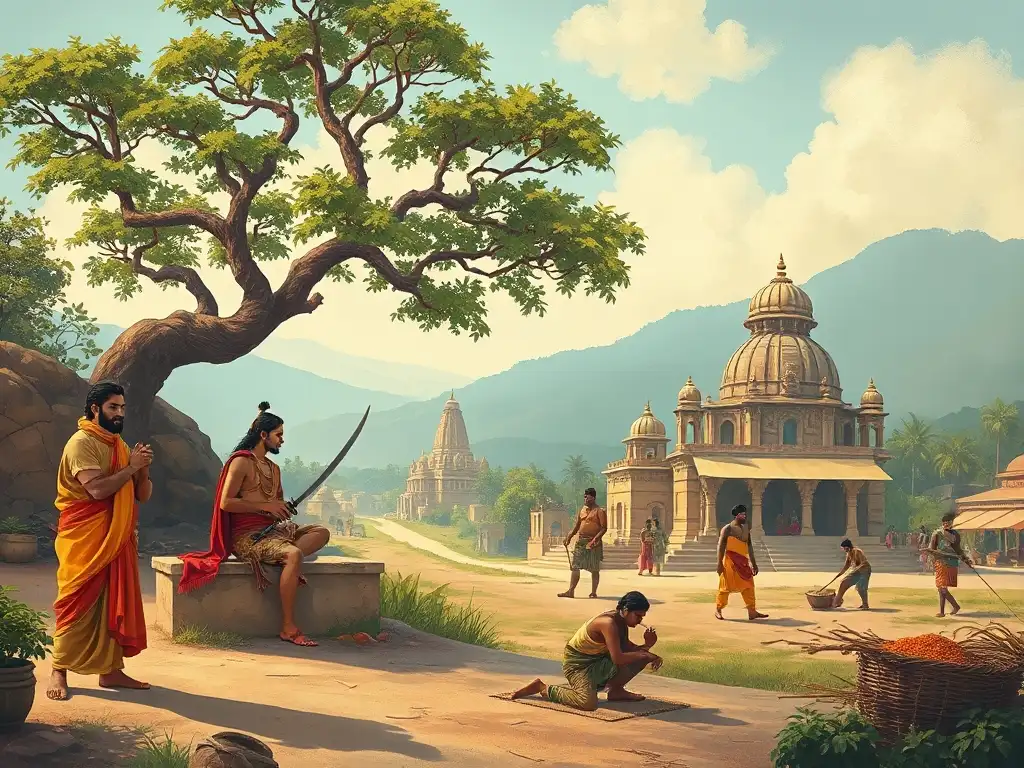
Origins of the Caste System in Vedic Texts
The caste system in ancient India finds its roots in the Vedic texts, particularly the Rigveda, which is one of the oldest sacred texts of Hinduism. The concept of varna (literally meaning "color" or "class") is introduced, categorizing society into four primary groups:
- Brahmins: The priestly class responsible for rituals and maintaining sacred knowledge.
- Kshatriyas: The warrior and ruler class tasked with protection and governance.
- Vaishyas: The merchant and agricultural class engaged in trade and farming.
- Shudras: The laboring class who served the other three varnas.
This initial classification was more fluid, allowing for social mobility based on individual merit and capabilities. The Rigveda mentions various occupations and the interdependence among these groups, highlighting a cooperative social structure rather than a rigid hierarchy.
However, as time progressed, the interpretations of the Vedic texts began to solidify these categories into a more fixed system. The Manusmriti, a later text, played a pivotal role in codifying the caste system, prescribing specific duties and restrictions for each varna and further entrenching the social order. It emphasized the concept of dharma, or duty, whereby adherence to one's prescribed role was seen as essential for maintaining cosmic order.
Evolution of Caste Hierarchies Over Time
Over centuries, the caste system evolved significantly, influenced by various factors, including regional customs, economic changes, and political dynamics. This evolution can be outlined in several key phases:
- Regional Variations: Different regions in India developed their own unique caste structures based on local traditions and interactions with various cultures. For instance, in South India, the Nadars and Paraiyars emerged as distinct communities with specific roles and social standings.
- Birth-Based Hierarchies: By the later periods, especially during the Gupta Empire, the caste system transitioned from an occupational classification to a more rigid, birth-based hierarchy. This meant that one's caste was determined by lineage rather than personal achievements or social contributions.
- Jati System Emergence: With the increasing complexity of society, the jati system, or sub-caste system, evolved. This system introduced thousands of sub-castes, often based on specific occupations or regional affiliations. Each jati had its own customs, rules, and social standing, leading to a more intricate and stratified social hierarchy.
- Impact of Religion and Politics: The rise of Buddhism and Jainism challenged the caste system's legitimacy, promoting ideas of equality and merit over birth status. However, these movements did not entirely dismantle the caste system; instead, they created parallel structures within society. Additionally, various ruling dynasties utilized the caste system to consolidate power and maintain control over diverse populations.
The evolving nature of the caste system, intertwined with health and wellbeing, had profound implications on the lives of individuals within these hierarchies. The disparities in access to resources, healthcare, and social support were often significant, reflecting the enduring legacy of caste in ancient India's social fabric.
Impacts of Caste on Physical Health
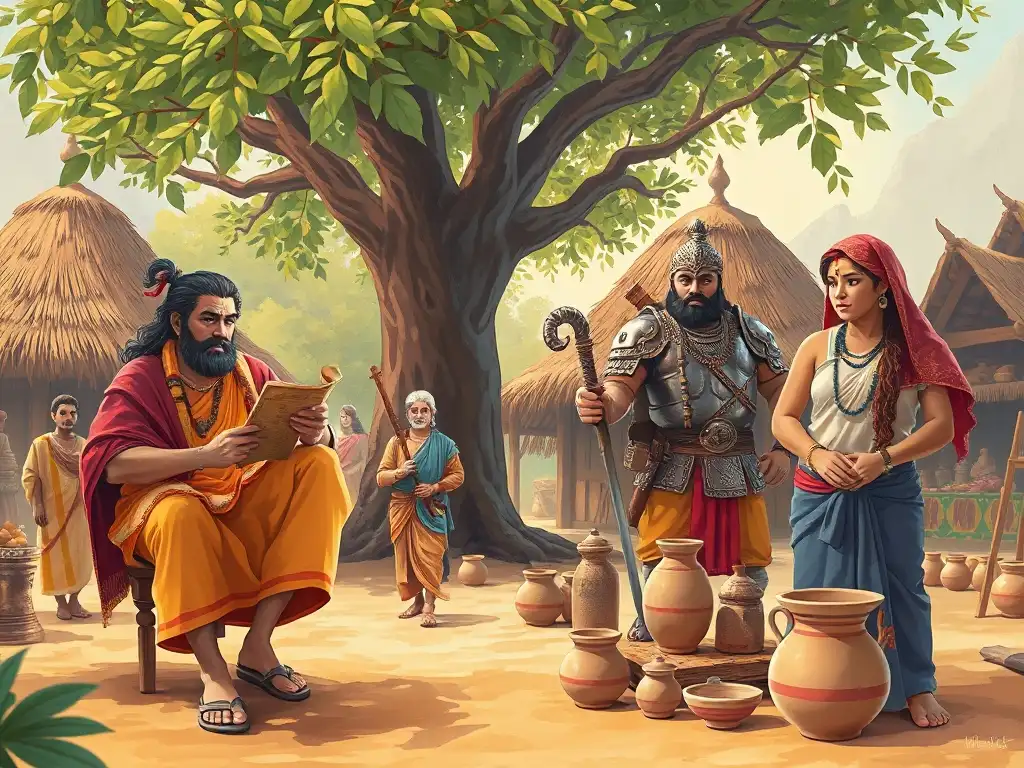
Access to Resources Based on Caste Status
In ancient India, the caste system intricately governed various aspects of life, including access to essential resources that significantly impacted physical health. The hierarchy of castes, which ranged from the Brahmins at the top to the Shudras at the bottom, determined not only social interactions but also the distribution of wealth and resources. Higher castes typically had greater access to land, education, and healthcare, creating a pronounced disparity in health outcomes.
For instance, Brahmins, often serving as priests and scholars, enjoyed privileges that allowed them to cultivate better living conditions. This included access to nutritious food, clean water, and healthcare practices. In contrast, Shudras, comprising laborers and service providers, faced significant barriers to accessing these resources. Their lower status often resulted in poorer living conditions, inadequate nutrition, and limited healthcare options, which collectively contributed to adverse health outcomes.
The access to resources was not merely about wealth but also reflected the cultural and religious beliefs interwoven with the caste system. Certain castes were restricted from engaging in specific professions or accessing certain areas, which further exacerbated existing inequalities. This systemic exclusion from resources not only affected immediate health but also had long-term implications for the overall wellbeing of lower-caste groups.
Nutrition and Diet Variations Among Different Castes
Dietary practices in ancient India were closely linked to caste status, influencing the overall nutrition and health of various groups. Each caste had specific dietary restrictions and preferences that were often rooted in religious beliefs and social norms. For example, Brahmins primarily followed a vegetarian diet, which they believed was purifying and aligned with their spiritual duties. Their access to a diverse range of grains, fruits, and vegetables fostered better nutritional health.
On the other hand, lower castes, such as Chandals (considered outcasts), often had limited access to food sources. Their diets were less varied, consisting mainly of whatever they could forage or labor for. This resulted in malnutrition and a higher incidence of health problems. Additionally, the caste-based restrictions on food preparation and consumption meant that many lower-caste individuals were unable to consume food prepared by higher castes, further exacerbating nutritional deficiencies.
The caste system also influenced agricultural practices, where higher castes owned the land and controlled food production, while lower castes worked as laborers. This disparity in agricultural control meant that food availability was often skewed in favor of the upper castes, leading to significant health disparities across the caste spectrum.
Health Disparities Linked to Caste in Ancient Communities
The health disparities linked to the caste system in ancient India are evident in various historical accounts and archaeological findings. Lower castes, subjected to systemic discrimination, faced a multitude of health challenges that were often overlooked by the dominant societal narratives.
Infectious diseases were rampant among lower-caste communities due to inadequate living conditions, poor sanitation, and limited access to medical care. The stigma surrounding lower castes often meant that they were excluded from community health initiatives and traditional healing practices that benefited higher castes. Consequently, common illnesses could escalate into severe health crises, resulting in higher mortality rates among these populations.
Furthermore, the psychological impacts of caste discrimination contributed to overall health deterioration. The social stigma and marginalization faced by lower-caste individuals not only affected their physical health but also their mental wellbeing. Chronic stress and anxiety related to social exclusion could lead to various health issues, including depression and cardiovascular diseases.
The caste system in ancient India created a framework that not only dictated social interactions but also had profound implications for the physical health of its communities. The disparities in resource access, dietary practices, and overall health outcomes highlight the intricate relationship between social structure and wellbeing, emphasizing the need for a nuanced understanding of health in historical contexts.
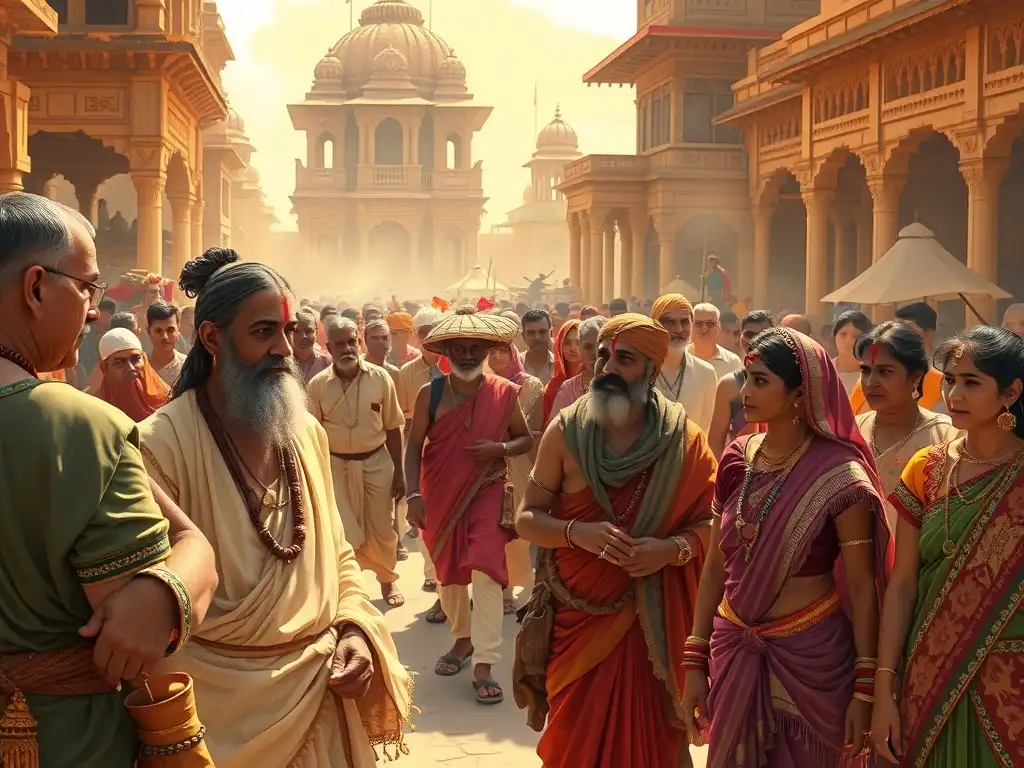
The caste system in ancient India significantly influenced social interactions, often leading to social isolation, particularly among lower castes. Individuals belonging to the lower strata, such as the Shudras and Dalits, faced systemic exclusions from mainstream social life. This lack of integration with higher castes not only deprived them of social companionship but also intensified feelings of loneliness and despair. Research indicates that social isolation can lead to a plethora of mental health issues, including depression, anxiety, and even suicidal tendencies.
- Emotional Distress: The consistent social estrangement experienced by lower castes often resulted in emotional distress. Many individuals were forced to internalize societal stigma, leading to a diminished self-esteem and a pervasive sense of worthlessness.
- Access to Mental Health Resources: The unequal access to mental health resources exacerbated the situation. Higher caste members had better access to educational and psychological support systems, leaving lower caste individuals with limited options to address their mental health challenges.
Role of Caste in Community Support Systems
Despite the adversities posed by the caste system, communities within each caste often developed strong support systems that provided emotional and social backing. These networks played a pivotal role in mitigating some of the psychological ramifications of caste-based segregation.
- Caste-Based Networks: Each caste typically had its own social and economic structures. Within these groups, individuals could rely on one another for support during crises, fostering a sense of belonging and community cohesion.
- Collective Identity: The shared experiences of caste members often led to a collective identity that could bolster resilience against external stigmatization. This communal bond helped individuals navigate the challenges posed by the caste system, providing a buffer against the negative impacts of social isolation.
Stigmatization and Its Impact on Personal Identity
Stigmatization associated with caste identity deeply affected personal identity and self-perception among ancient Indians. The beliefs surrounding purity and pollution created an environment where individuals were often judged based on their caste affiliation.
- Internalized Stigma: Many individuals from lower castes internalized societal prejudices, leading to a fractured sense of self. This internalized stigma could manifest in various ways, including withdrawal from social interactions and diminished aspirations.
- Caste and Social Mobility: The caste system significantly restricted social mobility, leading individuals to feel trapped within their designated roles. This lack of upward mobility could engender feelings of hopelessness and frustration, impacting overall wellbeing.
The interplay of the caste system and health in ancient India illustrates a complex relationship where social status influenced psychological wellbeing, community support, and personal identity. Understanding these dynamics provides valuable insights into the historical context of wellbeing in ancient Indian societies.
Case Studies: Health Outcomes in Different Castes
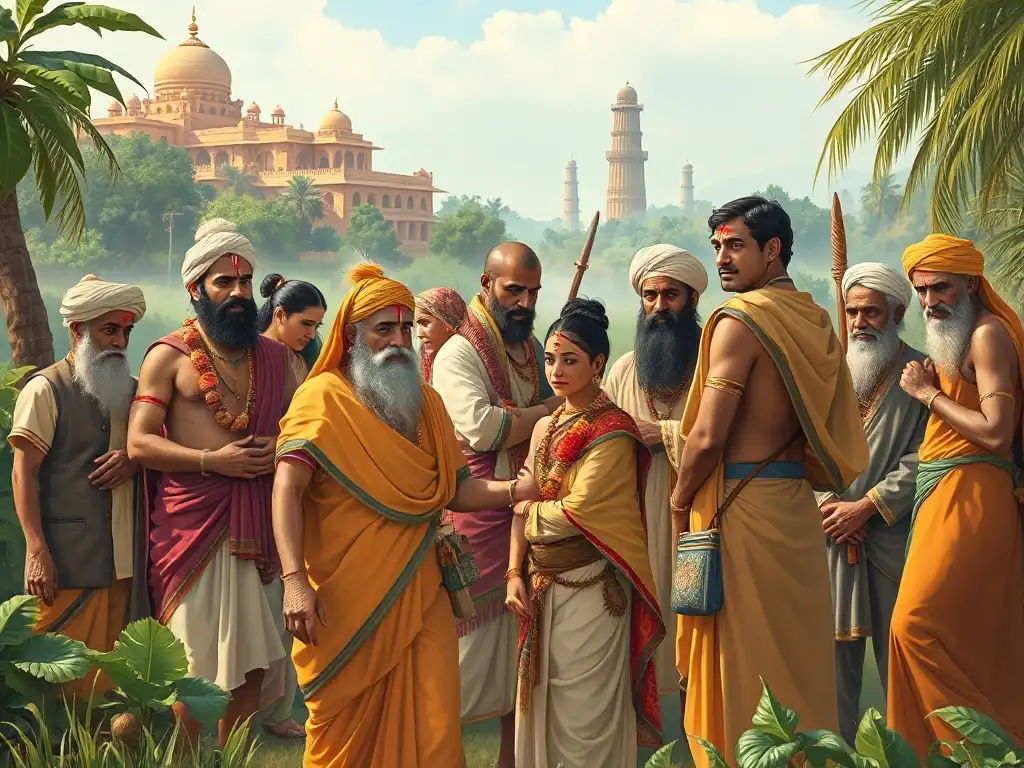
Analysis of Brahmin Health Practices and Outcomes
The Brahmin caste, traditionally seen as the priestly class in ancient India, adhered to specific health practices influenced by their religious and cultural beliefs. Their dietary regulations often included vegetarianism, which was believed to promote purity and spiritual wellness. This dietary choice, while beneficial in many ways, also had implications for their overall health.
Research shows that Brahmins often consumed a range of grains, legumes, and fruits, which provided essential nutrients. However, the strict avoidance of certain foods, such as meat, could lead to deficiencies in vital proteins and vitamins if not managed properly. For instance, a study conducted on Brahmin populations in regions like Varanasi indicated that while they had lower incidences of certain diseases, they were also prone to anemia and other nutritional deficiencies due to their restrictive diets.
Additionally, the Brahmins' social status afforded them greater access to healthcare and medicinal practices. They often employed traditional herbal remedies and were knowledgeable about Ayurveda. This access contributed to a relatively favorable health status when compared to other castes. However, the pressure to maintain ritual purity sometimes led to stress-related health issues, influencing mental health outcomes.
Health Implications for Kshatriyas, Vaishyas, and Shudras
The health implications for Kshatriyas, Vaishyas, and Shudras varied significantly due to their different roles in society and the corresponding lifestyles. Kshatriyas, the warrior class, had lifestyles marked by physical activity and training, which contributed to better cardiovascular health. However, their diets often included higher meat consumption, which, while beneficial for protein intake, could lead to conditions such as hypertension and heart disease.
Vaishyas, as merchants and farmers, had a more varied diet that included grains and pulses, but their health outcomes were heavily influenced by the economic conditions of their trade. Poor economic conditions often led to food scarcity, impacting their health negatively. Reports from regions like the Deccan Plateau show that during periods of drought, the health of Vaishyas declined significantly, leading to malnutrition and related diseases.
On the other hand, Shudras, who occupied the lowest rung of the caste hierarchy, faced significant health challenges. Generally engaged in manual labor, their work was physically demanding, yet they often lacked access to adequate nutrition and healthcare. Studies conducted in rural areas indicated that Shudras had higher rates of infectious diseases and malnutrition, primarily due to their socioeconomic status and limited access to resources.
Comparative Study of Health Among Castes in Various Regions
A comparative study of health outcomes among different castes across various regions of ancient India reveals significant disparities influenced by geography, occupation, and social status.
| Region | Caste | Health Outcomes | Notable Factors |
|---|---|---|---|
| Northern India | Brahmins | Generally healthy, low disease rates | Access to education and healthcare |
| Western India | Kshatriyas | Good physical health, some hypertension | Active lifestyle, high meat consumption |
| Eastern India | Vaishyas | Varied health, affected by economy | Economic fluctuations impact nutrition |
| Southern India | Shudras | High malnutrition and disease rates | Limited access to resources |
In regions like the Indus Valley, archaeological findings suggest that the health of the population was relatively robust, with evidence of advanced drainage systems and public baths, which benefitted all castes. However, as one moves towards regions less developed in infrastructure, such as parts of rural India, the health disparities among castes became more pronounced.
Ultimately, the impact of the caste system on health outcomes in ancient India was multifaceted, with socio-economic factors playing a critical role in shaping the health and wellbeing of individuals across different castes. Understanding these dynamics provides crucial insights into the historical context of health disparities that resonate even in contemporary society.
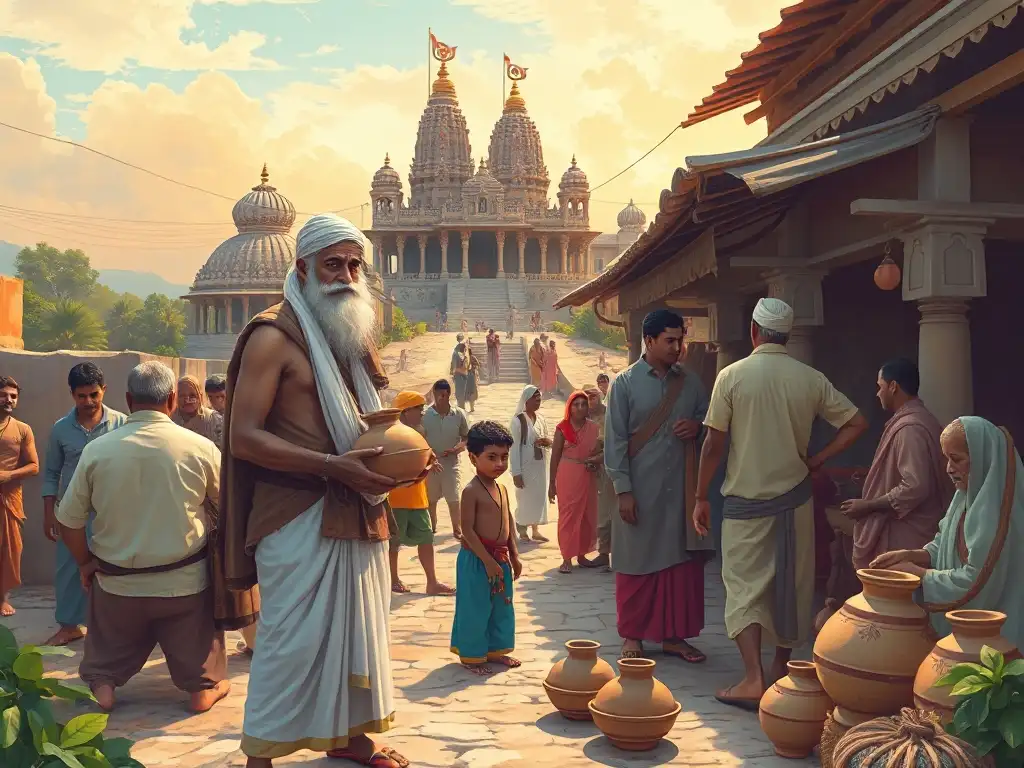
In ancient India, the interplay between religion, beliefs, and the caste system significantly influenced health practices and perceptions of wellbeing. The caste system, which stratified society into hierarchical groups, was deeply rooted in Hindu religious texts and philosophical concepts. This religious framework not only shaped social interactions but also dictated health practices, often aligning with one's caste identity.
Ayurvedic Practices and Caste-Based Healing Traditions
Ayurveda, the ancient system of medicine in India, was intricately connected to the caste system. Different castes often had specific roles and responsibilities concerning health and healing practices. For instance:
- Brahmins: As the priestly class, they were often associated with the preservation and dissemination of Ayurvedic knowledge. Their status allowed them to engage in higher learning and the practice of complex medical treatments.
- Kshatriyas: This warrior class sometimes utilized Ayurvedic principles in the treatment of injuries sustained in battle, often focusing on physical health and strength.
- Vaishyas: Merchants and landowners could afford to practice Ayurveda for preventive health measures, ensuring that they remained healthy to sustain their economic activities.
- Shudras: Generally involved in manual labor, their access to Ayurvedic practices was limited. They were often excluded from advanced medical knowledge, relying instead on folk remedies and practices passed down through generations.
The Ayurvedic texts themselves often reflected these caste distinctions. Certain treatments and herbs were believed to be more suitable for specific castes, reinforcing the idea that health and healing were not universal but rather caste-specific. This division sometimes resulted in unequal access to quality healthcare, leading to disparities in health outcomes among different castes.
Quote: "Health is a reflection of one's dharma and social standing, as much as it is of one's physical state."
Spirituality and Its Influence on Health Perceptions
Spirituality played a significant role in shaping health perceptions within the various castes of ancient India. The beliefs surrounding purity and pollution were pivotal in determining health practices.
- Purity and Pollution: Different castes had varying degrees of access to religious rituals that emphasized purity. For instance, Brahmins, who occupied the highest caste, had strict guidelines regarding ritual purity, which were believed to directly affect their physical and spiritual health. In contrast, lower castes faced restrictions that often led to feelings of social exclusion and lower self-esteem, impacting their overall wellbeing.
- Ritual Practices: Regular participation in spiritual rituals was believed to promote health. For instance, the performance of yajnas (sacrificial rituals) and chanting of mantras were thought to purify the body and soul, instilling a sense of wellbeing. Lower castes often lacked access to these rituals, leading to a spiritual deficit that compounded their health issues.
- Astrological Beliefs: Astrology played a crucial role in health perceptions. Individuals would consult astrologers to determine auspicious times for medical treatments or ceremonies to ward off illness. The influence of caste was evident here, as higher castes typically had better access to knowledgeable astrologers, further entrenching health inequalities.
This complex relationship between spirituality and health underscored the importance of social status in determining health outcomes in ancient India. The caste system not only guided social interactions but also dictated the ways in which individuals understood and approached their health and wellbeing.
The caste system profoundly impacted health and wellbeing in ancient India through the lenses of religion and spirituality. Understanding these dynamics provides valuable insights into how social structures influenced health practices and perceptions, contributing to the broader narrative of ancient Indian civilization.
Modern Perspectives on Caste System and Health
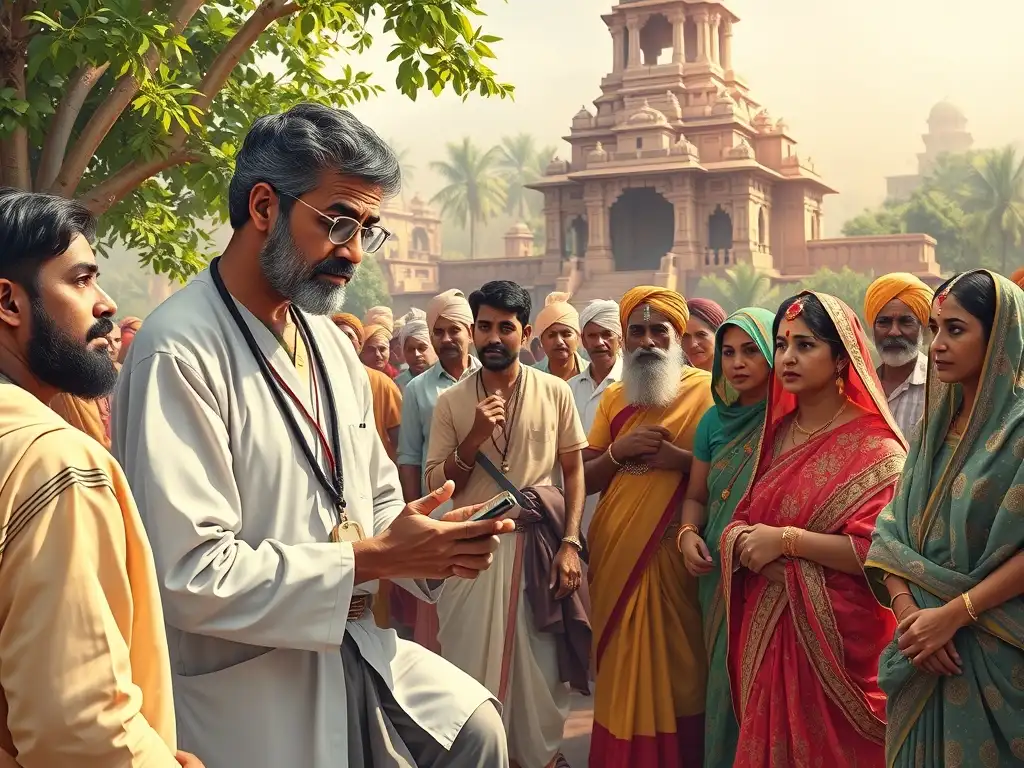
Legacy of the Caste System in Contemporary Health Issues
The caste system in ancient India, which stratified society into rigid hierarchies, has left profound legacies that continue to affect health outcomes in contemporary India. The implications of caste-related discrimination can be observed in various health dimensions, including access to healthcare, nutrition, and overall wellbeing.
-
Access to Healthcare Services
Individuals from lower castes, particularly Dalits and Adivasis, often face barriers to accessing quality healthcare. Historical stigmas and discrimination have resulted in a lack of trust towards healthcare providers, leading to underutilization of health services. A 2018 study highlighted that Dalits were 1.5 times more likely to report unmet healthcare needs compared to their upper-caste counterparts.
-
Nutritional Disparities
The economic disparities rooted in the caste system have also contributed to nutritional inequalities. Lower castes, often engaged in manual labor and low-paying jobs, may struggle to afford nutritious food. According to the National Family Health Survey (NFHS-5), 35% of Dalit children under five are stunted due to chronic malnutrition, a stark contrast to 24% among upper-caste children.
-
Mental Health Impact
The psychological toll inflicted by systemic discrimination cannot be overlooked. The stigma associated with lower castes can lead to feelings of worthlessness and depression. Research indicates that individuals from marginalized communities report higher levels of stress and anxiety, significantly impacting their mental health and overall quality of life.
Reflections on Ancient Practices and Their Relevance Today
The ancient caste system, while often viewed through a lens of social stratification, also included practices that promoted certain health and wellness principles, which can provide insights for contemporary society.
-
Ayurveda and Caste Roles
In ancient India, different castes were associated with specific roles, including those in health practices. The Brahmins were often scholars and physicians, while the Vaishyas focused on trade and agriculture. This division allowed for the development of Ayurveda, which emphasized holistic well-being. Today, revisiting these ancient practices could inspire integrated health approaches that honor traditional knowledge while addressing modern health challenges.
-
Community Support Systems
Ancient Indian society relied heavily on community-based support systems, where caste affiliations often determined social networks. These networks provided emotional and practical support, which are crucial for mental health. In modern settings, fostering similar community ties could enhance resilience amongst lower-caste populations, improving their access to resources and emotional health.
-
Lessons in Equity
The historical context of the caste system serves as a reminder of the importance of equity in health. Addressing contemporary health disparities requires acknowledging the past and restructuring systems that perpetuate inequality. Programs aimed at improving healthcare access for marginalized communities can draw from ancient practices of inclusivity and support, ensuring that no caste remains disadvantaged.
Understanding the interplay between the caste system and health in ancient India not only sheds light on historical inequalities but also emphasizes the need for contemporary solutions that promote equity and wellbeing for all.
Conclusion: The Interconnection Between Caste and Health in Ancient India
Summary of Key Findings on Caste and Wellbeing
The examination of the caste system and health in ancient India reveals a complex interplay between social stratification and the wellbeing of individuals across different castes. Key findings demonstrate that higher caste members often had better access to resources, healthcare, and nutrition compared to their lower caste counterparts. This disparity in access significantly influenced health outcomes and overall quality of life.
- Access to Resources: Higher castes, such as the Brahmins and Kshatriyas, were typically landowners or held positions of power, granting them greater access to food and essential services. In contrast, lower castes, like the Shudras, often engaged in labor-intensive jobs with little economic security, leading to poorer health outcomes.
- Nutrition and Diet: Dietary restrictions and cultural practices associated with caste also played a role in health. Higher castes had diets that were richer in nutrients, while lower castes often faced food scarcity, leading to malnutrition and related health issues.
- Healthcare Access: Access to traditional medicine and healthcare practitioners was also caste-dependent. Higher castes had the privilege of consulting skilled physicians, while lower castes often relied on local healers with less formal training. This difference in healthcare access contributed to varying health statuses.
- Sanitation and Living Conditions: Living conditions for lower castes were generally poorer, with inadequate sanitation facilities contributing to the spread of diseases. Higher castes lived in more hygienic environments, reducing their exposure to health hazards.
The implications of the caste system on health in ancient India provide valuable insights into the broader context of social structures in ancient civilizations. By analyzing the relationship between social hierarchy and health, we can draw several conclusions:
- Social Inequality and Health Disparities: The findings emphasize that social inequality can lead to significant health disparities. In ancient India, the rigid caste system created barriers that inhibited lower castes from accessing the same health benefits available to higher castes, illustrating a systemic issue that resonates throughout history and across cultures.
- Cultural Practices and Health: The intertwining of cultural practices with social status suggests that societal norms can directly influence health outcomes. Understanding these dynamics can help historians and social scientists unravel how cultural beliefs shaped the lives of individuals within ancient societies.
- Lessons for Modern Societies: The historical analysis of the caste system and its impact on health can inform contemporary discussions about social justice and health equity. Recognizing the long-lasting effects of social stratification offers a framework for addressing current health disparities rooted in social structures.
- Holistic Understanding of Ancient Life: Finally, this exploration highlights the need for a holistic understanding of ancient life. The interconnection between caste and health underscores how social structures influenced not only economic and political facets but also the physical wellbeing of individuals, shaping the course of history.
The study of the caste system and health in ancient India serves as a crucial lens for understanding the complexities of social structures in ancient civilizations, revealing patterns that continue to echo in modern society.
Frequently Asked Questions
What was the caste system in ancient India?
The caste system in ancient India was a social stratification system that divided society into distinct groups based on occupation and status, impacting individuals' rights and privileges.
How did the caste system affect health in ancient India?
The caste system significantly influenced access to resources and healthcare, leading to disparities in wellbeing among different castes, where lower castes often faced health disadvantages.
Were there any health benefits associated with higher castes?
Individuals in higher castes generally enjoyed better health outcomes due to increased access to nutrition, medical care, and living conditions compared to those in lower castes.
How did the caste system impact daily life in ancient India?
The caste system shaped almost every aspect of daily life, including marriage, occupation, and social interactions, which in turn affected overall health and wellbeing.
What contributions did ancient Indian civilizations make to health and medicine?
Ancient Indian civilizations contributed significantly to healthcare practices, including Ayurveda and surgical techniques, which were often influenced by social status within the caste system.
Final Reflection: The Enduring Legacy of Caste on Health and Wellbeing
The intricate relationship between the caste system and health in ancient India remains profoundly relevant today, as it highlights how social structures can dictate wellbeing and access to resources. The historical context of caste not only shaped the lives of individuals in ancient times but continues to influence societal dynamics, health disparities, and social mobility in contemporary India. Understanding this connection allows us to recognize the long-lasting impacts of social stratification on health outcomes and the urgent need for reform.
The caste system's legacy is woven into the fabric of Indian society, affecting everything from healthcare access to economic opportunities. The ongoing influence of caste on health disparities serves as a reminder of the importance of addressing these systemic inequalities. As Mahatma Gandhi once said, "> The true measure of any society can be found in how it treats its most vulnerable members." This quote encapsulates the essence of our responsibility to confront these historical injustices and work towards a more equitable society where health is not determined by one's social standing.
As we reflect on the lessons from the past, let us commit to fostering a future where health and wellbeing are accessible to all, regardless of caste or social status. I invite you to consider how you can contribute to breaking down these barriers in your own community. Whether through advocacy, education, or simply raising awareness, each action can help dismantle the remnants of the caste system and promote a healthier, more inclusive society for generations to come.
Thank you for taking the time to explore the profound connections between social status and health in ancient India. Your engagement with this topic not only enriches your understanding but also sheds light on the complexities of well-being across cultures and histories.
Now, let’s put this knowledge into action:
- Dive deeper into your family history or local community to discover how social structures have shaped health outcomes over generations.
- Share your insights! Discuss what you’ve learned with friends or in online forums to spark conversations about social dynamics and their impacts on modern health.
- Join a community or book club focused on historical influences on contemporary issues, where you can further explore subjects like caste systems and health.
What surprising connections between social structures and health have you discovered in your life or community? Share your thoughts, and let’s keep the conversation going!