
The Marriage Market in Ancient India: An Economic Perspective

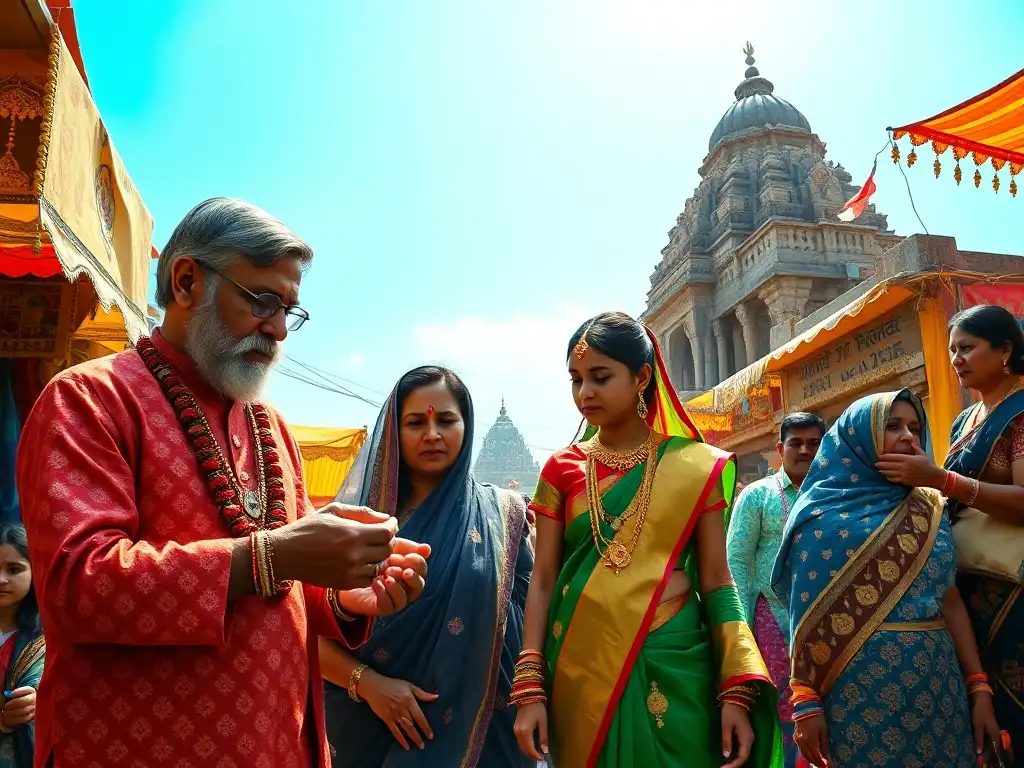
Welcome to Ancient India History, where we delve into the rich tapestry of civilization that shaped one of the world's oldest cultures. In our featured article, "The Marriage Market in Ancient India: An Economic Perspective," we uncover the fascinating marriage customs that not only defined personal unions but also influenced societal structures and economies. Prepare to embark on a journey through time as we explore how these traditions reflect the values and complexities of ancient Indian life. What secrets lie within the rituals and practices of the past? Join us and satisfy your curiosity!
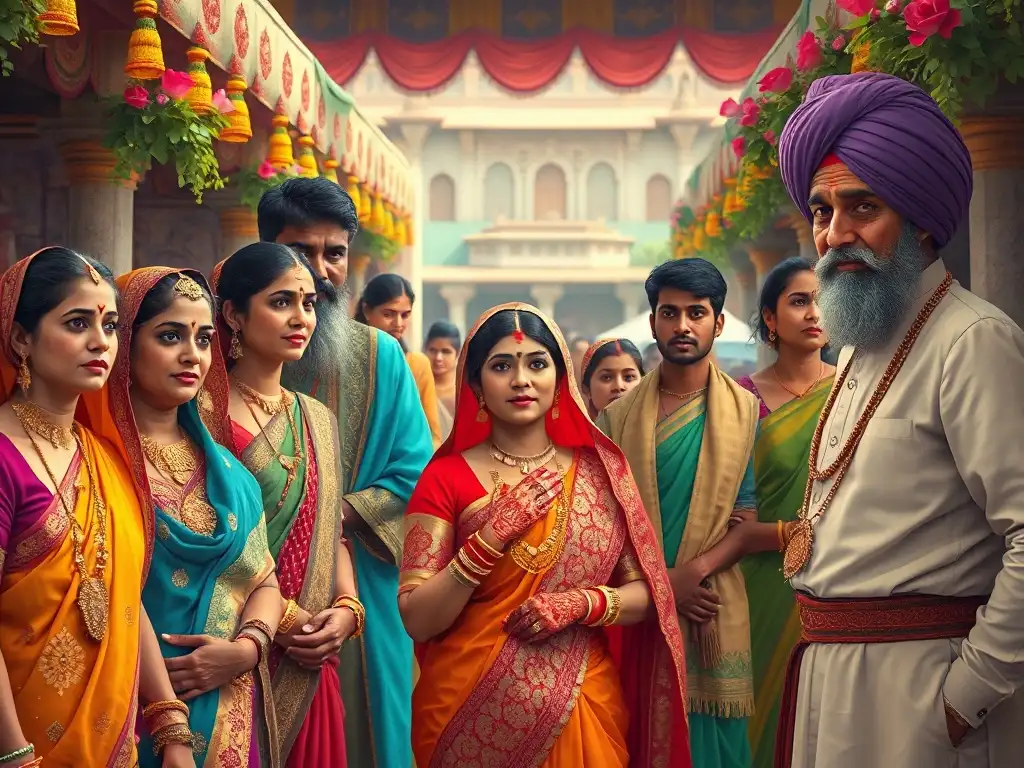
Introduction to Ancient India Marriage Customs
The study of marriage customs in ancient India offers a fascinating glimpse into the daily lives and societal structures of one of the world's oldest civilizations. Marriage was not merely a personal or romantic union; it was a vital institution deeply intertwined with the economic, social, and cultural fabric of ancient Indian society. The customs surrounding marriage varied significantly across different regions and periods, reflecting the dynamic nature of societal values and economic needs. Understanding these practices provides insight into how ancient Indian civilizations navigated the complexities of family, community, and economy.
Overview of Marriage in Ancient Indian Society
In ancient India, marriage served multiple purposes beyond companionship. It was a means of forging alliances, consolidating wealth, and ensuring lineage continuity. The family, often seen as the cornerstone of society, played a pivotal role in marriage arrangements, typically favoring endogamous unions within specific castes or communities.
- Key features of marriage in ancient India:
- Arranged Marriages: Families often took the lead in selecting suitable partners, emphasizing social status and economic stability.
- Dowry System: The practice of dowry emerged as a significant economic factor, impacting marriage negotiations and family dynamics.
- Caste Considerations: Marriages were usually confined within the same caste, reinforcing social hierarchies and community bonds.
Importance of Marriage in Economic Structures
Marriage in ancient India was intricately linked to the economy. It functioned as a strategic tool for resource allocation and wealth distribution, creating networks that facilitated trade and agricultural productivity.
- Economic roles of marriage:
- Land and Property Transfer: Marriages often involved the transfer of land or property, securing economic stability for families.
- Labor Alliances: Marrying into another family could enhance labor resources, especially in agrarian societies where joint labor was crucial for harvests.
- Social Capital: Strong familial alliances bolstered social capital, providing access to broader opportunities in trade and governance.
Historical Context of Marriage Practices in Ancient India
The evolution of marriage customs in ancient India is deeply rooted in historical context, shaped by various dynasties, regional influences, and cultural exchanges. Understanding this context is key to appreciating the complexities of ancient marriage practices.
Marriage Customs Across Different Periods
Throughout ancient Indian history, marriage customs evolved significantly, reflecting changes in political power, economic conditions, and cultural influences.
- Indus Valley Civilization: Evidence suggests a focus on monogamous relationships, but little is known about specific customs.
- Vedic Period: The concept of saptapadi (seven steps) became central to marriage rituals, emphasizing mutual commitment.
- Maurya and Gupta Empires: Marriages among royalty were often strategic, influencing political alliances and regional power dynamics.
Influence of Religion on Ancient India Marriage Traditions
Religion played a crucial role in shaping marriage customs in ancient India. Various religious texts and traditions provided guidelines for marital practices, influencing both the spiritual and practical aspects of marriage.
- Hindu Texts: The Manusmriti and Mahabharata outline various marriage rites, emphasizing the importance of dharma (duty) in marital relationships.
- Buddhism and Jainism: These religions introduced alternative perspectives on marriage, focusing on ethical conduct and the spiritual aspects of relationships.
- Cultural Integration: As different religions coexisted, inter-religious marriages became more common, leading to a fusion of customs and practices.
The exploration of marriage customs in ancient India reveals a complex interplay of economic, social, and religious factors that shaped the institution of marriage over time. Understanding these dynamics not only enriches our knowledge of ancient Indian history but also offers valuable insights into the evolution of family and marriage practices that continue to influence contemporary society.
The Economic Aspects of Marriage in Ancient India
Marriage in ancient India was not merely a social contract; it was deeply intertwined with economic considerations, acting as a significant pillar in the socio-economic structure of the time. The very essence of marriage was to create alliances that would enhance social standing and ensure the economic stability of families. Wealth, land, and lineage played critical roles in shaping marriage decisions, with alliances often made to consolidate power and resources. Families viewed marriages as strategic economic transactions, where the exchange of wealth and property was paramount.
In this context, marriage was a means of wealth redistribution, where the joining of two families could enhance their collective resources. This economic perspective not only included the transfer of property but also the social capital that came with these unions. Furthermore, the dynamics of the marriage market were influenced by factors such as regional agricultural productivity, trade opportunities, and the status of the families involved, all contributing to the complex interplay of economics and marriage.
Dowry System and Its Economic Implications
The dowry system emerged as a significant economic practice in ancient Indian marriages, where the bride’s family was expected to provide gifts, money, or property to the groom's family. This practice had profound economic implications, shaping the financial relationships between families and often dictating the terms of marriage negotiations. The dowry was seen as a way to enhance the groom's social status and was often linked to the bride's family wealth and status.
Economically, the dowry system placed a burden on the bride's family, often leading to financial strain. Families with daughters were compelled to save and accumulate wealth to ensure favorable marriage prospects. This led to the perception of daughters as economic liabilities, influencing family planning and societal attitudes toward women. The expectation of a dowry also reinforced social stratification, as wealthier families were able to command higher dowries, thereby perpetuating inequality and creating a competitive marriage market.
Role of Marriage in Social Stratification
Marriage in ancient India was a critical factor in establishing and maintaining social stratification. The caste system, which was a prominent feature of Indian society, dictated the parameters within which marriages could occur. Marriages were typically arranged within the same caste, reinforcing social divisions and ensuring that wealth and status remained within specific groups.
Through marriage alliances, families could elevate their social standing or consolidate power, further entrenching the existing social hierarchy. The dynamics of marriage practices also reflected broader socio-economic conditions, with wealthier families often having more leverage in marriage negotiations. As such, marriage served as a tool for social mobility for some while simultaneously reinforcing class divisions for others.
The Marriage Market: Structure and Dynamics
The marriage market in ancient India was a complex network of social, economic, and cultural interactions. It operated within the framework of societal norms and values, with families playing a pivotal role in the matchmaking process. This market was not merely about individual preferences; it involved a calculated approach where families sought to maximize their social and economic benefits through strategic alliances.
The structure of the marriage market was influenced by various factors, including caste, economic status, and regional customs. Families often relied on intermediaries or matchmakers, who facilitated the negotiations, ensuring that all parties adhered to social norms while pursuing advantageous matches. This system allowed for a certain level of flexibility within rigid societal structures, albeit still constrained by prevailing customs.
The Process of Arranged Marriages in Ancient India
Arranged marriages were the norm in ancient India, with families taking primary responsibility for selecting suitable partners. The process typically began with families assessing potential matches based on social status, economic background, and familial connections. Once a match was identified, extensive negotiations would ensue, often involving discussions about dowry, gifts, and other economic considerations.
These marriages were seen as alliances between families rather than unions of individuals, leading to a focus on compatibility in terms of wealth and social status rather than personal affection. In many cases, the couple had little say in the selection process, highlighting the importance of family interests over individual desires. This practice ensured that marriages reinforced economic stability and social cohesion within communities.
Economic Transactions in the Marriage Market
The marriage market in ancient India was characterized by various economic transactions that were essential to the establishment of marital unions. These transactions included not only the dowry but also gifts exchanged between families, which served to legitimize the marriage and strengthen familial ties.
The financial negotiations surrounding marriage could be elaborate, often involving discussions about property rights, inheritance, and other economic considerations that would affect both families. The transactions were viewed as investments in social capital, where the economic resources exchanged would ideally lead to social benefits, such as enhanced status and increased wealth over time.
The marriage market in ancient India was a reflection of broader economic realities, where marriages were seen as strategic alliances that brought together families to enhance their social and economic standing. Understanding these dynamics provides valuable insights into the customs and practices that shaped ancient Indian society.
Regional Variations in Marriage Customs
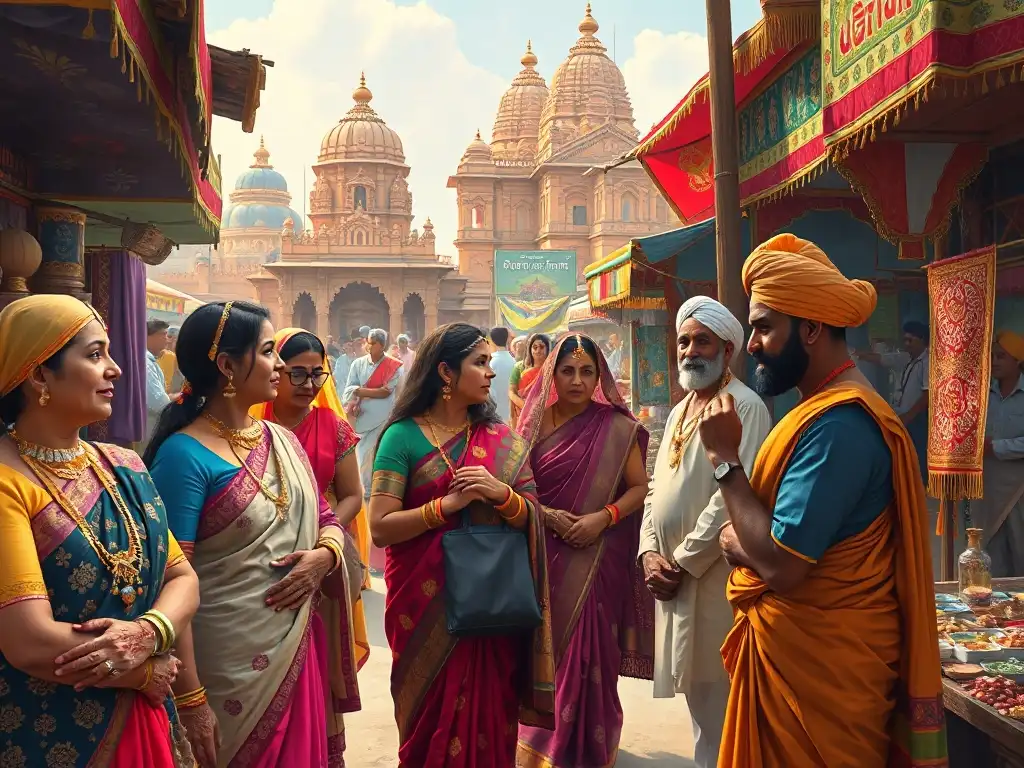
Ancient India was characterized by a vast array of cultures and traditions, leading to significant regional variations in marriage customs. Each region developed its unique practices influenced by local customs, economic conditions, and social hierarchies. Understanding these variations provides insight into how marriage functioned not only as a social contract but also as a critical economic transaction.
Differences in Marriage Practices Across Indian Regions
In the northern regions of India, such as Punjab and Haryana, marriages often involved elaborate ceremonies, and families placed a strong emphasis on the dowry system. The bride's family was expected to provide gifts and money, which could influence the marriage's desirability. In contrast, in southern states like Tamil Nadu and Kerala, the practice of 'thirumana thagaval' (marriage announcements) played a crucial role, often involving extensive community participation and rituals that reflected local traditions.
In the eastern part of India, particularly Bengal, marriages were marked by vibrant festivities and rituals like the 'Bengali wedding' that emphasized the couple's union and family blessings. Meanwhile, in western India, particularly in Gujarat and Rajasthan, arranged marriages were common, with families negotiating terms that were often influenced by caste and economic status.
Each region's customs reflect the local socio-economic context, showcasing how deeply intertwined marriage practices were with the prevailing economic realities.
Economic Factors Influencing Regional Marriage Practices
Economic factors significantly influenced marriage customs across different regions of ancient India. In agrarian societies, for example, the wealth of a family could dictate the kind of marriage they could arrange for their children. Families with more resources could afford lavish weddings, which were seen as a status symbol, while those with fewer resources might opt for simpler ceremonies.
Additionally, the availability of resources impacted the dowry system. Regions with a stronger economic base often had more elaborate dowry practices, while in less affluent areas, the emphasis might shift towards bride price or alternative arrangements. Local economies also determined the role of women in marriage; in some areas, women's contributions to the household economy were highly valued, influencing marriage negotiations and expectations.
Overall, the economic landscape of a region shaped the customs surrounding marriage, dictating the terms of engagement, the importance of dowries, and the overall approach to marital arrangements.
Case Studies of Marriage Practices in Different Kingdoms
Examining specific kingdoms in ancient India reveals how marriage practices were influenced by political, economic, and social factors unique to each region. Two notable examples are the Gupta Empire and the Maurya Dynasty, both of which showcased distinct approaches to marriage.
The Gupta Empire: Marriage and Economic Prosperity
The Gupta Empire, often referred to as the Golden Age of India, experienced significant economic growth, which prominently influenced its marriage customs. Wealthy families engaged in strategic marriages that strengthened political alliances and enhanced economic power. This period saw the emergence of elaborate wedding ceremonies that included numerous rituals, feasts, and the participation of local nobility.
The economic prosperity allowed for the flourishing of the dowry system, where families with sufficient resources would provide substantial gifts to the groom's family, thus enhancing their social standing. The Gupta period also emphasized the importance of education and arts in marriage, leading to unions that not only connected families but also fostered intellectual and cultural exchanges.
The Maurya Dynasty: Marriage as a Political Tool
In contrast, during the Maurya Dynasty, marriage served as a vital political tool. Rulers often arranged marriages to forge alliances with other powerful families and kingdoms, thereby consolidating their power and influence. The famous marriage of Emperor Ashoka's daughter to a foreign king exemplified this practice, showcasing how marriages were used to extend political reach beyond Indian borders.
The economic implications of these alliances were significant; they often included the exchange of gifts, land, or resources, further intertwining marriage with economic strategy. The Maurya period highlighted the role of marriage not merely as a personal union but as a mechanism for political stability and economic gain, reflecting the complexities of social dynamics in ancient India.
Through these case studies, we see that marriage practices in ancient India were deeply rooted in the economic and political contexts of the time, demonstrating how personal relationships were often influenced by broader societal needs.
Conclusion: The Legacy of Ancient India Marriage Customs
The marriage customs of ancient India have left an indelible mark on contemporary society, shaping not only familial structures but also the socio-economic fabric of the nation. The practices that emerged during ancient times—such as arranged marriages, dowries, and the significance of caste—have evolved yet remain influential today. These customs reflect the interplay between economic considerations and social norms, highlighting how marriages were often seen not merely as personal unions but also as strategic alliances that could enhance familial status and wealth.
As we look back, it's evident that the marriage market in ancient India was deeply intertwined with the economic realities of the time. Families would negotiate, leveraging social connections and economic power to secure advantageous marital arrangements. This legacy continues, as modern marriage practices still often reflect economic considerations, albeit in a transformed context. The historical underpinnings of these customs remind us of the enduring significance of marriage as both a personal and socio-economic institution.
Lasting Impacts on Contemporary Indian Marriage Practices
The marriage customs of ancient India have significantly influenced contemporary practices, particularly in terms of arranged marriages and the concept of dowry. Even today, many families prefer arranged marriages, where parents play a pivotal role in selecting partners based on social status, education, and financial stability. This practice stems from a historical context where marriages were often used to forge alliances that would enhance familial wealth and status.
Moreover, the tradition of dowry, which historically served as a financial safeguard for brides, has evolved into a contentious issue, reflecting ongoing economic disparities. While legal reforms aim to curb dowry-related abuses, the cultural expectations and economic motivations tied to this practice still resonate in many communities. The historical importance of caste in marriage arrangements also persists, influencing partner choices and family dynamics in contemporary society.
Reflections on the Economic Perspectives of Ancient Marriages
Examining the economic perspectives of ancient marriages reveals a complex interplay of wealth, power, and social status. Marriages were often transactions that involved negotiations of dowries and bride prices, reflecting the economic conditions of the time. Families would assess potential alliances based on the financial stability of the prospective groom, as well as the dowry that the bride's family could provide.
This transactional nature of marriage not only impacted familial fortunes but also shaped broader societal structures. The economic motivations behind marriage practices contributed to the establishment of social hierarchies and reinforced gender roles, with women often viewed as economic commodities. Understanding these dynamics allows us to appreciate the historical context of contemporary marriage customs, as many of these economic considerations continue to influence marriage practices in modern India.
References and Further Reading on Ancient India Marriage Customs
To gain a deeper understanding of ancient Indian marriage customs and their economic implications, a variety of academic texts, articles, and online resources are available for further exploration.
Suggested Academic Texts and Articles
- "The Hindu Marriage: A Historical Perspective": by Nandini Sundar
- "Marriage and Family in India" by J. S. Grewal
- "Dowry and the Economics of Marriage in India" by A. R. Vasudevan
- "Caste, Marriage, and Family in India" by G. S. Ghurye
These texts provide scholarly insights into the evolution of marriage customs, focusing on the socio-economic factors that shaped these practices throughout history.
Online Resources for Deeper Understanding of Ancient Indian Family Practices
- Digital South Asia Library: A repository of resources related to historical texts and studies on Indian society and culture.
- The Indian History Congress: Offers access to papers and discussions on various aspects of Indian history, including marriage customs.
- Ancient India: A Historical Overview: An online platform featuring articles and research on various elements of ancient Indian life, including family and marriage practices.
These resources serve as valuable tools for individuals seeking to further explore the rich tapestry of ancient Indian marriage customs and their lasting impact on contemporary society.
- Introduction to Ancient India Marriage Customs
- Historical Context of Marriage Practices in Ancient India
- The Economic Aspects of Marriage in Ancient India
- The Marriage Market: Structure and Dynamics
- Regional Variations in Marriage Customs
- Case Studies of Marriage Practices in Different Kingdoms
- Conclusion: The Legacy of Ancient India Marriage Customs
- References and Further Reading on Ancient India Marriage Customs
- What were the primary marriage customs in ancient India?
- How did the economic perspective influence marriage in ancient India?
- What role did caste play in ancient Indian marriages?
- Were there any legal frameworks governing marriage in ancient India?
- How did the Gupta Empire influence marriage customs?
Frequently Asked Questions
What were the primary marriage customs in ancient India?
In ancient India, marriage customs varied significantly by region and community, often involving arranged marriages, where families played a crucial role in selecting partners based on social status and economic stability.
How did the economic perspective influence marriage in ancient India?
The economic perspective on marriage in ancient India emphasized the role of dowries and bride price, which were significant for establishing social ties and ensuring financial security for both families involved in the marriage.
What role did caste play in ancient Indian marriages?
Caste was a fundamental factor in ancient Indian marriages, as individuals were generally expected to marry within their own caste to maintain social order and economic stability, reinforcing the hierarchical structure of society.
Were there any legal frameworks governing marriage in ancient India?
Yes, ancient India had various legal frameworks, such as the Hindu Marriage Act, which outlined the rights and responsibilities of spouses, helping to regulate marriages and address issues like divorce and inheritance.
How did the Gupta Empire influence marriage customs?
During the Gupta Empire, marriage customs became more sophisticated, with an increasing emphasis on romantic love and personal choice, while still adhering to traditional practices like arranged marriages and dowries.
Final Reflection: The Enduring Legacy of Ancient Indian Marriage Customs
The exploration of marriage customs in ancient India reveals a profound connection between economic practices and social structures that still resonates today. As we navigate the complexities of modern relationships, understanding the historical context of marriage not only enriches our perspective but also highlights the intricate web of tradition and economy that has shaped societal norms over centuries. The marriage market of ancient India serves as a reminder of how deeply intertwined love, duty, and economic considerations can be, and how these themes continue to influence contemporary marriage customs.
Clearly, the customs surrounding marriage in ancient India have left an indelible mark on our cultural and social landscape. The practices of dowry, arranged marriages, and the significance of family lineage are not merely relics of the past; they continue to inform the dynamics of relationships in many societies today.
As we reflect on these customs, we can appreciate the wisdom and challenges they present. > “Tradition is not the worship of ashes, but the preservation of fire.” This quote encapsulates the essence of how ancient practices can guide us while encouraging us to evolve and adapt to modern values.
As you consider the lessons from the marriage market of ancient India, I invite you to reflect on your own beliefs and practices surrounding relationships. How can we honor the traditions that have shaped us while also embracing change and promoting equality? Let this reflection inspire you to engage in conversations about marriage customs in your own life, fostering a deeper understanding of how history influences our present and future. Embrace the opportunity to learn from the past, and let it guide you toward a more inclusive and thoughtful approach to relationships.
Unveil the Secrets of Ancient Indian Marriages!
Thank you for diving into the fascinating world of the marriage market in ancient India! You've discovered not just a glimpse of their economic values but also how these practices shaped society. Now it's time to take your newfound knowledge to the next level!
Here are some exciting actions you can take:
- Dive deeper into the topic by exploring related articles on ancient cultural practices to enrich your understanding.
- Share this article with friends and family who might be curious about the intriguing dynamics of ancient Indian society.
- Engage with our community by leaving a comment below—share your thoughts on how economic factors influenced marriage traditions in your own culture!
What aspects of ancient Indian marriage do you think impact our modern relationships today?