
The Legacy of the Pallava Dynasty: Architectural Innovations and Cultural Contributions

Welcome to Ancient India History, where we embark on a captivating journey through the rich tapestry of India's past. In this exploration, we delve into the remarkable architectural innovations of the Pallava dynasty, a period that not only transformed the landscape of ancient structures but also left an indelible mark on culture and artistry.
As you navigate through our content, prepare to uncover the fascinating stories behind these monumental achievements that shaped the very essence of Indian civilization. Join us as we unveil the legacy of the Pallavas and their contribution to the architectural marvels that continue to inspire awe today.
Introduction to the Pallava Dynasty
The Pallava Dynasty, a prominent ruling dynasty in Southern India from the 6th to the 9th centuries CE, is renowned for its remarkable contributions to art, architecture, and culture. This period marked a significant transformation in South Indian history, with the Pallavas playing a pivotal role in shaping the region's architectural landscape and cultural ethos.
Their innovations not only reflected the socio-political dynamics of the time but also laid the groundwork for subsequent architectural developments in Southern India. Through a blend of indigenous styles and influences from neighboring regions, the Pallava dynasty emerged as a beacon of artistic expression, leaving behind a legacy that continues to be celebrated today.
Overview of the Pallava Dynasty
The Pallava dynasty, believed to have originated in the Tamil region, rose to prominence under the leadership of King Simhavishnu in the 6th century CE. The dynasty is particularly known for its capital, Kanchipuram, which became a hub of learning and spiritual activity. The Pallavas were staunch patrons of Hinduism and Buddhism, which is reflected in their architectural endeavors, including temples and rock-cut caves that showcased intricate carvings and structural innovations. Their reign is marked by notable kings such as Mahendravarman I and Narasimhavarman I, who not only consolidated power but also fostered a rich cultural milieu.
Historical Context of the Pallava Era
The historical context of the Pallava era is characterized by a confluence of various cultural and political influences. During this time, the region was experiencing significant changes due to trade, religious movements, and interactions with other dynasties, including the Chalukyas and the Mauryas. The Pallavas utilized these influences to develop a distinct architectural style that combined elements of Dravidian and other regional architectures. This period also saw the rise of various religious philosophies, resulting in the construction of temples that served as not only places of worship but also centers for learning and community gathering.
Importance of Architectural Innovations in Southern India
Architectural innovations during the Pallava dynasty were crucial in shaping the identity of Southern India. These innovations are characterized by their unique blend of utility and aesthetics, paving the way for future architectural endeavors in the region. The Pallavas introduced key features such as the monolithic rock-cut temples and intricate stone carvings, which inspired later dynasties like the Chola and the Vijayanagara. Moreover, these architectural feats served as a testament to the technological advancements of the time, showcasing the Pallavas' engineering skills and artistic vision.
Architectural Innovations of the Pallava Dynasty
Key Features of Pallava Architecture
The architectural style of the Pallava dynasty is distinguished by several key features that reflect their innovative approach:
- Monolithic Temples: Some of the most iconic examples include the Shore Temple and the Pancha Rathas, which are carved from single rock formations.
- Intricate Carvings: The temples are adorned with detailed sculptures that depict deities, mythological narratives, and everyday life, showcasing the artistic prowess of the artisans.
- Structural Innovations: The development of the Dravidian style, characterized by towering gopurams (gateway towers) and spacious courtyard layouts, became a hallmark of Pallava architecture.
The Influence of Pallava Architectural Style
The influence of Pallava architectural innovations extended far beyond their era, significantly impacting subsequent dynasties and regional styles. The architectural principles and styles introduced by the Pallavas served as a foundation for the evolution of temple architecture in Southern India. Their techniques were adopted and adapted by later dynasties, leading to the emergence of more complex and grandiose temple designs. The Pallava legacy is evident in various historical sites across Southern India, making them a crucial part of the region's architectural heritage.
The Pallava dynasty's architectural innovations not only represent technical and artistic achievements but also reflect the cultural and spiritual aspirations of the time, leaving an indelible mark on the history of Southern India.
Major Architectural Marvels of the Pallava Dynasty
The Pallava Dynasty, which thrived from the 3rd to the 9th centuries CE in southern India, is renowned for its significant contributions to architecture, particularly in the context of rock-cut temples and structural edifices. Their innovative architectural style, characterized by intricate carvings and monumental structures, laid the foundation for the evolution of temple architecture in South India. The Pallavas combined artistic creativity with engineering expertise, resulting in architectural marvels that have stood the test of time and continue to be celebrated for their grandeur and aesthetic appeal.
Shore Temple at Mahabalipuram
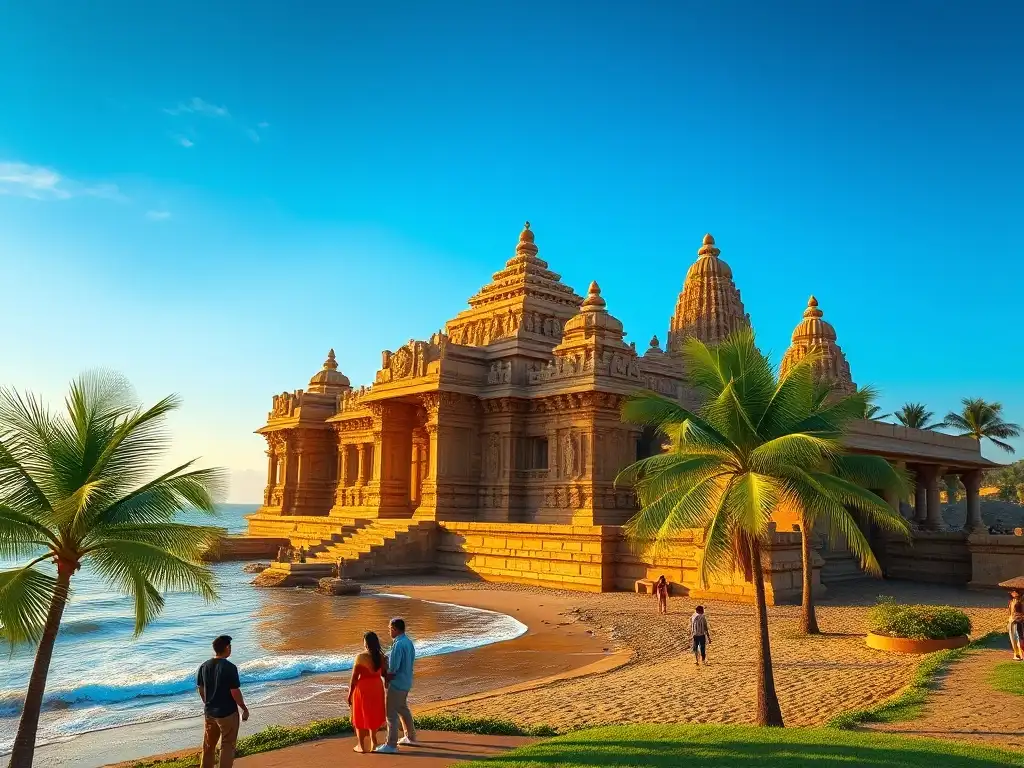
The Shore Temple, located in the coastal town of Mahabalipuram, is one of the most iconic structures of the Pallava dynasty and a UNESCO World Heritage Site. Built in the 8th century CE, this temple complex consists of three main shrines, dedicated to Lord Shiva and the divine consort, Parvati. Constructed primarily from granite, the Shore Temple showcases the hallmark features of Pallava architecture, including intricately carved sculptures and exquisite detailing.
The temple is particularly noted for its stunning location overlooking the Bay of Bengal, symbolizing the Pallavas' mastery in integrating architecture with the natural landscape. The Shore Temple not only served as a place of worship but also as a testament to the Pallavas' prowess in stone craftsmanship. The intricate carvings depict various deities, mythological scenes, and motifs that reflect the religious and cultural milieu of the time. Its enduring legacy is a testament to the architectural innovations of the Pallava dynasty.
The Pancha Rathas: A Unique Architectural Ensemble
The Pancha Rathas, also situated in Mahabalipuram, is an extraordinary cluster of five monolithic rock-cut temples, each named after the Pandava brothers from the Hindu epic Mahabharata. Dating back to the 7th century CE, these structures are carved from a single piece of granite, showcasing the Pallava's skill in rock-cut architecture. Each ratha (chariot) has its unique architectural style and design, reflecting various influences, including Dravidian and Nagara styles.
The Pancha Rathas demonstrate the concept of shikhara (tower) above the sanctum, with intricately carved facades and elaborate sculptures. The most notable among them is the Dharmaraja Ratha, which resembles a monumental chariot and exhibits exquisite reliefs depicting mythological narratives. The Pancha Rathas epitomize the Pallavas' innovative approach to temple architecture, serving both religious and artistic purposes, and they remain a significant highlight in the study of ancient Indian architecture.
The Kailasanathar Temple: A Pinnacle of Pallava Architecture
The Kailasanathar Temple, located in Kanchipuram, is often regarded as one of the finest examples of Pallava architecture. Built during the reign of King Narasimhavarman II in the 8th century CE, this temple is dedicated to Lord Shiva. The temple complex is distinguished by its impressive shikhara and intricately carved pillars that showcase the exceptional craftsmanship of Pallava artisans.
One of the temple's most remarkable features is its elaborate sculptures and reliefs that depict various deities and mythological stories. The Kailasanathar Temple is designed in a manner that reflects the evolution of temple architecture, serving as a precursor to the grander structures that would emerge in later dynasties. Its architectural innovations, including the use of sandstone and the intricate detailing of sculptures, highlight the Pallava dynasty's significant role in shaping South Indian temple architecture.
Cultural Contributions of the Pallava Dynasty
The Pallava dynasty was not only a beacon of architectural brilliance but also a significant cultural force in ancient India. Their patronage of arts, literature, and religion contributed to a rich cultural tapestry that influenced the region for centuries. The Pallavas played a crucial role in the spread of both Hinduism and Buddhism, fostering an environment that encouraged artistic and literary pursuits.
Patronage of Arts and Literature
The Pallava rulers were avid patrons of arts and literature, creating a flourishing environment for cultural developments. They supported poets, scholars, and artists, leading to the emergence of significant literary works in Sanskrit and Tamil. The dynasty is credited with fostering the growth of the Tamil language, with notable literary figures such as Thiruvalluvar and the poets of the Sangam period finding patronage during this time.
In addition to literature, the Pallavas also encouraged various art forms, including sculpture, painting, and music. Their temples served as centers of artistic expression, where artists could showcase their talents through intricate carvings and murals that depicted religious themes and cultural narratives. This patronage significantly enriched the cultural landscape of ancient India, leaving a lasting legacy that continues to resonate today.
Role in the Spread of Hinduism and Buddhism
The Pallava dynasty played a pivotal role in the dissemination of both Hinduism and Buddhism throughout southern India. As influential rulers, they actively promoted Hindu temples and rituals, which contributed to the consolidation of Hindu practices in the region. The architectural innovations of the Pallavas, particularly in temple design, facilitated the establishment of significant religious centers that attracted worshippers and pilgrims.
Simultaneously, the Pallavas were instrumental in the spread of Buddhism, especially in the coastal regions. They built numerous rock-cut caves and stupas that served as monastic retreats for Buddhist monks. The famous rock-cut temples at Mahabalipuram are a testament to their commitment to Buddhist architecture. This dual patronage of religions not only enriched the spiritual life of the region but also fostered a sense of cultural synthesis that characterized the Pallava dynasty's legacy.
The Legacy of the Pallava Dynasty in Contemporary Times
The Pallava Dynasty, which flourished between the 6th and 9th centuries CE in Southern India, left an indelible mark on Indian history through its architectural innovations and rich cultural contributions. Today, the legacy of the Pallava Dynasty remains evident in various aspects of contemporary society, particularly in the fields of architecture, art, and cultural practices.
Their monumental structures, especially the rock-cut temples and intricate sculptures, continue to inspire admiration and study among scholars, architects, and tourists alike. This legacy serves not only as a testament to the craftsmanship of the time but also as a vital link to India’s historical narrative.
As modern India grapples with rapid urbanization and development, the principles of Pallava architecture—such as the harmonious integration of structures with their natural surroundings—apply more than ever. The Pallava period's emphasis on artistry, functionality, and spirituality in architecture resonates within contemporary architectural discourse, prompting a revival of interest in sustainable and culturally sensitive design practices.
Preservation and Restoration of Pallava Monuments
Efforts to preserve and restore Pallava monuments have gained momentum in recent years, driven by both governmental and non-governmental organizations. The UNESCO World Heritage Sites, such as the Group of Monuments at Mahabalipuram, are prime examples of these initiatives. These sites are not only crucial for historical education but also for promoting tourism, which can be a significant source of revenue for local communities.
Restoration projects often involve meticulous documentation and skilled craftsmanship to ensure that the original aesthetics are maintained. For instance, techniques used by Pallava artisans are studied and replicated to preserve the authenticity of the sculptures and carvings. Community engagement is also a vital component of these preservation efforts, as locals are often enlisted to help safeguard their cultural heritage, fostering a sense of ownership and pride in their historical sites.
Influence on Modern Architectural Practices
The architectural innovations of the Pallava Dynasty have significantly influenced modern architectural practices in India and beyond. Their pioneering use of rock-cut architecture, characterized by intricate relief sculptures and well-planned layouts, has inspired contemporary architects to explore similar techniques.
Moreover, the Pallavas’ incorporation of natural materials and local building techniques into their designs has prompted a resurgence of interest in sustainable architecture. This approach not only respects the environment but also revitalizes traditional craftsmanship, enhancing the cultural identity of modern constructions. Today, architects often draw from Pallava aesthetics, incorporating elements such as ornate pillars, domed ceilings, and open courtyards into their designs, thus bridging ancient wisdom with modern functionality.
Conclusion: The Enduring Influence of the Pallava Dynasty
The Pallava Dynasty's architectural innovations and cultural contributions have left a profound and lasting legacy that continues to resonate in contemporary times. Their mastery of rock-cut architecture and temple design reflects a sophisticated understanding of both aesthetics and engineering that remains relevant today.
Summary of Architectural Innovations and Cultural Contributions
The Pallava Dynasty is renowned for several key architectural innovations, including:
- Rock-cut Temples: The creation of magnificent rock-cut temples, such as those in Mahabalipuram, showcases the advanced techniques of stone carving and design.
- Structural Innovations: The transition from rock-cut architecture to free-standing temples laid the groundwork for future temple designs throughout Southern India.
- Sculptural Artistry: Intricate sculptures and reliefs depicting religious narratives illustrate the rich cultural and artistic heritage of the time.
These contributions not only enriched the cultural landscape of ancient India but also laid the foundation for subsequent architectural developments in the region.
Reflection on the Importance of Preserving Historical Legacy
Preserving the historical legacy of the Pallava Dynasty is crucial for several reasons. Firstly, it allows future generations to connect with their cultural heritage and understand the historical context of their identities. Secondly, these monuments serve as invaluable resources for scholars and researchers, facilitating ongoing studies in art, architecture, and history. Lastly, well-preserved sites contribute to tourism, which can drive economic growth while fostering appreciation for India’s rich history.
The legacy of the Pallava Dynasty continues to inspire and instruct, underscoring the importance of safeguarding our historical treasures for future generations to cherish and learn from.
References and Further Reading
The Pallava Dynasty, known for its remarkable contributions to architecture and culture, has been the subject of extensive study. This section aims to provide readers with valuable resources, including books, articles, and online platforms, to deepen their understanding of Pallava architectural innovations and cultural contributions.
Suggested Books and Articles on the Pallava Dynasty
-
"The Pallavas: Their History and Architecture" by R. Nagaswamy
This comprehensive book delves into the historical context and architectural advancements made during the Pallava period. It offers detailed insights into the various styles and techniques employed in their constructions.
-
"Pallava Architecture" by K. R. Srinivasan
This work provides an in-depth analysis of the architectural features of the Pallava dynasty, highlighting significant monuments like the Shore Temple at Mahabalipuram and the rock-cut caves.
-
"The Art and Architecture of the Pallavas" by K. S. Shanmugam
This book explores the artistic expressions and architectural innovations of the Pallavas, emphasizing their influence on subsequent South Indian architecture.
-
"Cave Temples of the Pallavas" by V. S. Bhattacharya
A scholarly article that examines the cave temples carved during the Pallava reign, discussing their significance in the evolution of Indian rock-cut architecture.
-
"The Pallavas and the South Indian Temple" by J. C. Harle
This article provides an overview of how Pallava architectural principles influenced the development of temple architecture in Southern India.
Online Resources for Learning More about Pallava Architecture and Culture
-
Digital South Asia Library (DSAL)
A valuable resource for historical documents, maps, and texts related to the Pallava dynasty and Southern India.
-
The Archaeological Survey of India (ASI) Website
The official website of ASI includes information on various archaeological sites, including those related to the Pallavas, offering insights into preservation efforts and research.
-
Pallava Heritage Center
This online platform features articles, images, and discussions about Pallava architecture, culture, and historical significance, serving as a hub for enthusiasts and scholars alike.
-
Scholar Google
A search engine for scholarly literature, where you can find academic papers and theses related to the Pallava dynasty and its contributions to architecture.
-
YouTube Channels: Ancient Indian History and Heritage
Various educational channels provide video content exploring Pallava architecture and cultural heritage, offering visual insights into their monumental works.
These resources serve as a gateway for anyone interested in exploring the profound legacy of the Pallava dynasty and its architectural innovations.
- Introduction to the Pallava Dynasty
- Architectural Innovations of the Pallava Dynasty
- Major Architectural Marvels of the Pallava Dynasty
- Cultural Contributions of the Pallava Dynasty
- The Legacy of the Pallava Dynasty in Contemporary Times
- Conclusion: The Enduring Influence of the Pallava Dynasty
- References and Further Reading
Frequently Asked Questions
What were the key architectural innovations of the Pallava dynasty?
The Pallava dynasty is renowned for its rock-cut temples and structural architecture. Notable examples include the Shore Temple in Mahabalipuram, showcasing their advanced engineering techniques.
How did the Pallava dynasty influence later Indian architecture?
The architectural innovations of the Pallava dynasty significantly influenced the Chola and Cheras, setting a precedent for temple designs that emphasized intricate carvings and sculptural detailing.
What cultural contributions did the Pallava dynasty make?
Aside from architecture, the Pallavas promoted literature, art, and drama, contributing to the cultural richness of ancient India. Their patronage led to the development of Sanskrit literature and various art forms.
Where can I find examples of Pallava architecture today?
Many examples of Pallava architecture can be found in Tamil Nadu, particularly in Mahabalipuram and Kanchipuram, where numerous temples and rock sculptures still stand as a testament to their architectural prowess.
How did the Pallava dynasty support the arts?
The Pallava kings were enthusiastic patrons of the arts, supporting poets, sculptors, and musicians. This patronage created a flourishing environment for artistic expression that had lasting impacts on Indian culture.
Final Reflection: The Enduring Legacy of Pallava Architectural Innovations
The architectural innovations of the Pallava dynasty resonate profoundly in today's world, illustrating how historical achievements can shape contemporary culture and identity. As we explore the intricate designs and monumental structures that emerged during this era, it becomes clear that these contributions are not merely relics of the past but foundational elements that continue to inspire modern architecture and urban planning. The Pallava dynasty's commitment to artistry and engineering serves as a reminder of the power of creativity in shaping societies.
The influence of the Pallava dynasty extends beyond mere structures; it has woven itself into the cultural fabric of India, enriching the artistic and spiritual landscape. The temples and monuments built during this period are not only architectural feats but also symbols of a vibrant cultural identity that still thrives today. As we reflect on this legacy, we are reminded of the words of historian K. A. Nilakanta Sastri: The Pallavas were not merely builders of temples; they were creators of a cultural ethos that transcended time.
This observation underscores the importance of understanding our historical roots and their ongoing impact on our collective consciousness.
As we conclude our exploration of the Pallava dynasty's architectural innovations, I invite you to reflect on how these historical achievements can inspire your own journey. Consider how the principles of creativity, resilience, and cultural appreciation exemplified by the Pallavas can inform your actions and aspirations today. Let their legacy encourage you to build not just structures, but meaningful connections and contributions in your own community, ensuring that the spirit of innovation and cultural richness continues to thrive for generations to come.
Unveil the Rich Legacy of the Pallava Dynasty!
Thank you for diving into the fascinating world of the Pallava Dynasty and their remarkable contributions to architecture and culture. Your engagement with this rich history is invaluable, and we hope you’ve discovered some inspiring insights along the way! Now, let’s take those insights further—here are some powerful next steps you can take:
- Explore the detailed architectural styles of the Pallava era by visiting historical sites or planning a virtual tour of their iconic monuments.
- Share your newfound knowledge! Discuss the cultural significance of the Pallavas with friends or on social media to inspire others.
- Engage with your local history community or join online forums to connect with fellow enthusiasts and researchers interested in ancient Indian history.
What aspect of the Pallava legacy do you find most intriguing, and how do you think it influences our understanding of architectural innovation today?