
Exploring the Evolution of Indian Art Forms: A Journey Through Time

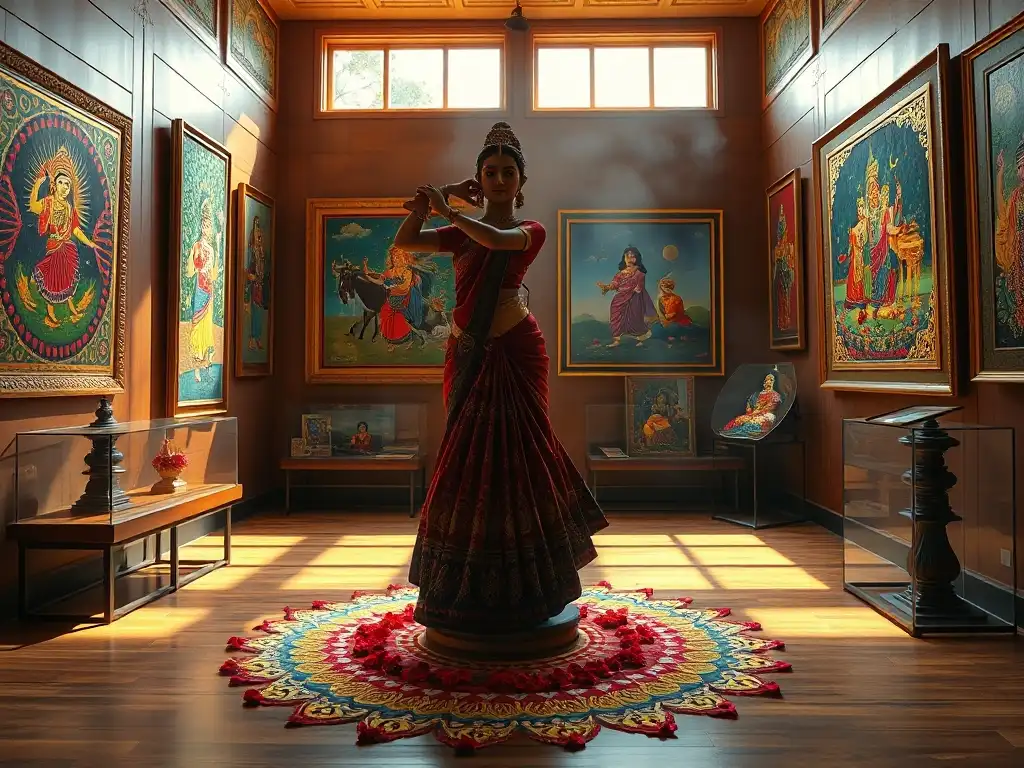
Welcome to Ancient India History, where we embark on an illuminating journey through the vibrant tapestry of India's past. Here, we delve into the evolution of Indian art forms, tracing their roots from the majestic Indus Valley to the illustrious Gupta Empire. Discover how these artistic expressions not only reflect the cultural richness of ancient civilizations but also shaped the very essence of Indian identity.
Are you ready to uncover the stories behind the strokes and sculptures that have stood the test of time? Join us as we unveil the intricate relationship between art, architecture, and philosophy that defines India's historical legacy.
- Introduction to Indian Art Forms History
- Ancient Beginnings of Indian Art Forms
- The Vedic Period: Spiritual and Artistic Developments
- The Mauryan Empire: A Turning Point in Indian Art History
- The Gupta Period: The Golden Age of Indian Art
- Regional Variations in Indian Art Forms
- The Impact of Religion on Indian Art Forms
- Contemporary Indian Art Forms: Bridging Tradition and Modernity
- Conclusion: The Legacy of Indian Art Forms History
-
Frequently Asked Questions
- What are the main Indian art forms discussed in the article?
- How did the Indus Valley Civilization contribute to Indian art forms history?
- What role did religion play in the evolution of Indian art forms?
- How did the Gupta Empire impact Indian art and culture?
- What are some key characteristics of ancient Indian painting?
- Final Reflection: The Timeless Journey of Indian Art Forms
- Embrace the Beauty of Indian Art – Take Action!
Introduction to Indian Art Forms History
The history of Indian art forms is a captivating journey that reflects the rich tapestry of cultural, religious, and social evolutions throughout the ages. From the intricate carvings of the Indus Valley Civilization to the vibrant frescoes of the Gupta Empire, Indian art has served as a vital medium for expressing the diverse narratives of its people.
This exploration not only delves into the aesthetic aspects of these art forms but also highlights their significance within the broader context of Indian heritage. By understanding the evolution of these artistic expressions, we gain insight into the values, beliefs, and daily lives of ancient Indian civilizations, making the study of Indian art forms history an essential facet of understanding the country's rich legacy.
The Significance of Indian Art Forms in Cultural Heritage
Indian art forms play a pivotal role in preserving and narrating the cultural heritage of the subcontinent. They serve as visual narratives that reflect the ideologies, traditions, and spiritual beliefs of various societies across different periods. Here are some key aspects of their significance:
- Cultural Identity: Art forms such as classical dance, sculpture, and painting have helped in shaping and maintaining regional identities within India. Each state boasts its unique styles and techniques that contribute to the country’s cultural mosaic.
- Historical Documentation: Art has been a means of recording historical events, mythological tales, and religious practices. For instance, the murals of Ajanta and Ellora caves vividly depict life in ancient India, providing invaluable insights into the social and religious fabric of the time.
- Spirituality and Philosophy: Many Indian art forms are deeply intertwined with spirituality, often serving as a medium for worship and meditation. Intricate temple sculptures can be seen as a representation of divine narratives, while classical music and dance often convey philosophical concepts.
- Art as a Unifier: Despite linguistic, regional, and religious differences, Indian art has historically acted as a unifying force. Festivals, rituals, and communal events often involve various art forms, fostering a sense of community and shared identity.
Overview of the Evolution of Indian Art Forms
The evolution of Indian art forms is marked by distinct phases that reflect the changing dynamics of society, religion, and culture. Here’s a concise overview:
- Indus Valley Civilization (circa 3300 – 1300 BCE):
- Characterized by pottery, seals, and terracotta figurines.
- Emphasis on symmetry and geometric patterns.
- Vedic Period (circa 1500 – 500 BCE):
- Limited archaeological evidence of art.
- Emergence of oral traditions and early literary forms.
- Mauryan Dynasty (circa 322 – 185 BCE):
- Notable for the development of sculpture, particularly the Ashoka Pillars.
- Introduction of Buddhist art, including stupas and reliefs.
- Gupta Empire (circa 320 – 550 CE):
- Golden age of Indian art, especially in sculpture and painting.
- Flourishing of classical dance and music forms.
- Medieval Period to Mughal Era (circa 600 – 1700 CE):
- Synthesis of indigenous and Persian art styles.
- Notable achievements in architecture, such as the Taj Mahal.
- Colonial Period (18th – 20th centuries):
- Introduction of Western artistic techniques and styles.
- Revival movements that sought to preserve traditional art forms.
Through these stages, we observe a continuous interplay of influences that shaped the diverse landscape of Indian art forms. Understanding this evolution not only enriches our appreciation of the artworks themselves but also highlights their enduring legacy in contemporary culture.
Ancient Beginnings of Indian Art Forms
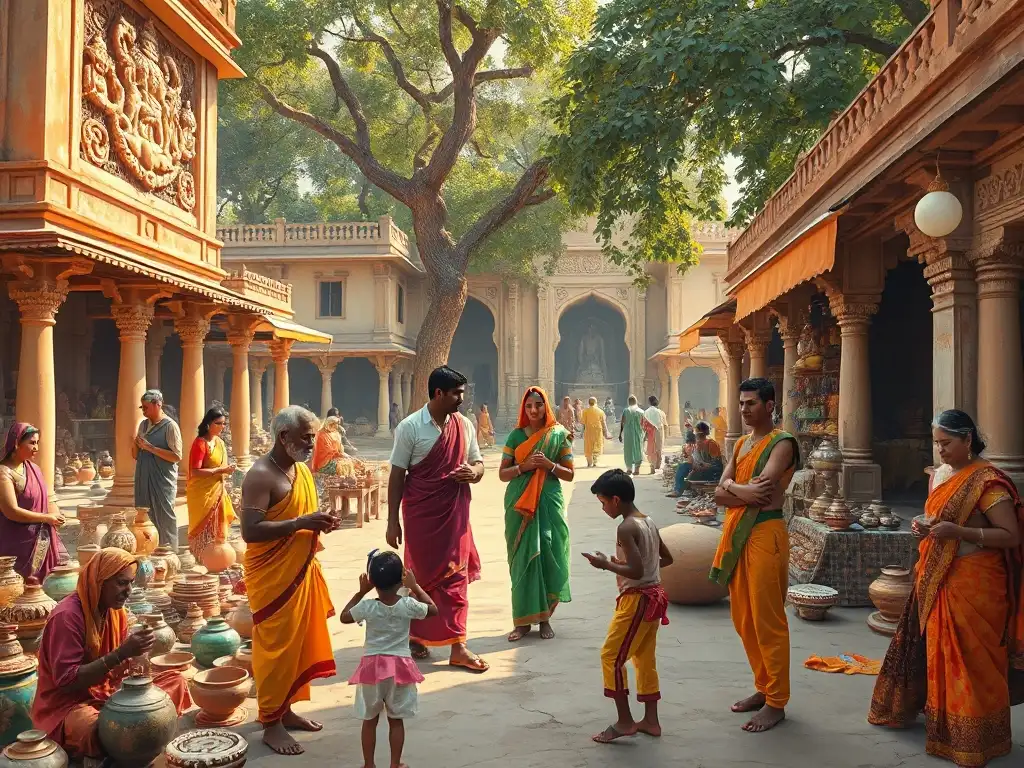
The Indus Valley Civilization: Earliest Artistic Expressions
The Indus Valley Civilization, flourishing between 3300 and 1300 BCE, is often regarded as one of the earliest cradles of civilization, showcasing remarkable advancements in urban planning, social organization, and particularly, art forms. Among its most notable artistic expressions are the intricate seals, terracotta figurines, and pottery that reveal a rich tapestry of cultural and aesthetic values.
Seals and Inscriptions
The seals, often made of steatite, feature a variety of motifs and inscriptions that provide insight into the civilization’s trade practices, religious beliefs, and social structure. Many of these seals depict animals, such as unicorns and bulls, indicating a possible connection to ritualistic practices or territorial symbols. The inscriptions, typically consisting of short, undeciphered texts, suggest an early form of communication that may have been integral to trade and administration.
Terracotta Figurines
Terracotta figurines from this period exhibit an impressive range of craftsmanship, with figures depicting women, animals, and deities. The famous "Dancing Girl" statuette, with its realistic proportions and dynamic pose, exemplifies the artistic skill achieved during this time. These figurines likely served both decorative and ritualistic purposes, reflecting the social and spiritual life of the Indus people.
Pottery Designs
Pottery from the Indus Valley is characterized by its geometric designs and vibrant colors. Notably, the painted pottery features motifs such as fish, birds, and floral patterns, which not only served aesthetic purposes but also held symbolic meanings. The innovative techniques utilized in creating these vessels, such as the use of a potter’s wheel, signified a leap in technological advancement and artistic expression.
Sculptural Techniques and Pottery in Ancient India
As Indian civilization progressed, particularly from the Vedic period through to the Mauryan Empire (approximately 1500 BCE to 300 BCE), the evolution of sculptural techniques and pottery became increasingly sophisticated, reflecting the cultural and philosophical shifts of the time.
Development of Sculpture
Sculpture in ancient India underwent significant transformation, moving from the small-scale terracotta figures of the Indus Valley to grand stone carvings. The Mauryan period saw the emergence of monumental sculptures, notably the Ashoka Pillars, which showcased intricate carvings of animals and edicts in a clear demonstration of artistry and political power.
- Materials and Techniques:
- Stone Carving: Artists utilized hard stones like sandstone and limestone, employing tools such as chisels to create detailed reliefs.
- Bronze Casting: The lost-wax technique allowed for the production of detailed bronze sculptures, as seen in the famous "Dancing Shiva" figures, which highlight both religious significance and aesthetic beauty.
- Regional Variations:
- Different regions in India developed distinct styles. For example, the Gandhara school in the northwest incorporated Hellenistic influences, while the Mathura school emphasized indigenous styles through vibrant depictions of Hindu deities.
Pottery Innovations
The evolution of pottery techniques in ancient India mirrored advancements in society and culture. The Northern Black Polished Ware (NBPW), which emerged around 700 BCE, is particularly noteworthy due to its glossy finish and intricate designs.
| Pottery Type | Characteristics | Cultural Significance |
|---|---|---|
| Painted Grey Ware | Simple designs, functional use | Common in daily life, reflects utility |
| Northern Black Polished Ware | Glossy finish, decorative motifs | Symbol of status and cultural identity |
- Functional and Decorative: Pottery was not only used for everyday activities but also served ceremonial purposes, often featuring inscriptions or symbols that provided insight into the rituals and beliefs of ancient Indians.
- Technological Advances: The introduction of the potter’s wheel allowed for greater uniformity and creativity in pottery design, signaling a shift towards more refined artistic expressions.
The ancient foundations of Indian art forms reveal a complex interplay between functionality, aesthetic appeal, and cultural identity, laying the groundwork for the rich traditions that would follow through subsequent empires. The evolution of sculpture and pottery not only reflects artistic innovation but also serves as a testament to the social and spiritual lives of ancient Indian civilizations.
The Vedic Period: Spiritual and Artistic Developments
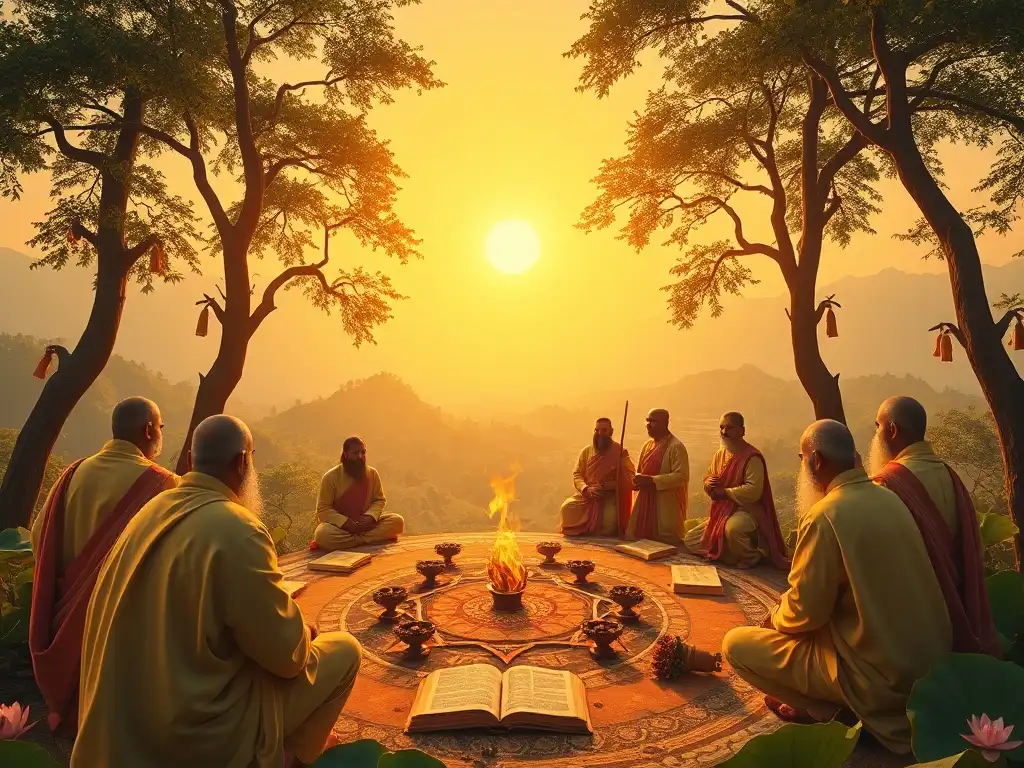
The Vedic period, which spans from approximately 1500 BCE to 500 BCE, stands as a foundational era in the history of Indian art forms. During this time, the religious texts known as the Vedas were composed, laying the groundwork for various spiritual and artistic expressions that would influence subsequent Indian civilizations. The interplay between spirituality and art during this period was marked by a profound connection to the rituals, philosophies, and cosmology prevalent in early Hindu society.
The Role of Religion in Shaping Indian Art Forms
Religion played a pivotal role in shaping the artistic landscape of the Vedic period. The Vedas, particularly the Rigveda, not only served as liturgical texts but also inspired artistic representations of deities, cosmology, and sacred rituals. Art during this time was often an extension of religious practices, manifesting in several forms:
- Symbolic Representations: Early Vedic art often featured symbols that represented various deities, natural elements, and cosmic principles. For instance, the swastika, which symbolizes auspiciousness, became a prominent motif.
- Ceremonial Objects: The creation of pottery and metal artifacts was guided by ritualistic needs. Items such as ceremonial pots, sacrificial altars, and offerings were intricately designed, reflecting both aesthetic sensibilities and religious significance.
- Literature and Oral Tradition: The Vedic hymns themselves were forms of art, rich in poetic devices and metaphors. They conveyed deep philosophical ideas and spiritual truths, influencing the narrative traditions that would follow.
- Visual Arts: Although tangible evidence of visual art from this period is scarce, archaeological findings suggest the existence of painted pottery and figurines, possibly used in rituals. These early visual expressions laid the groundwork for future artistic developments in Indian culture.
The synthesis of art and spirituality in the Vedic period set a precedent for how subsequent Indian art forms would evolve, emphasizing the importance of religious contexts in shaping creative expressions.
Architectural Innovations in Vedic India
The architectural innovations of the Vedic period were primarily influenced by the needs of religious practices and the social structure of early Indian society. While monumental architecture as seen in later periods was not yet prevalent, several significant developments marked this era:
- Temporary Structures: Early Vedic communities often constructed temporary structures using perishable materials like wood and grass. These structures served as shelters for rituals and gatherings, hinting at the communal nature of Vedic society.
- Sacrificial Altars: One of the most notable architectural innovations was the construction of sacrificial altars (yajnashalas). These altars were meticulously designed according to Vedic specifications and were often oriented in specific directions to align with cosmological beliefs. The Agnicayana, a complex fire sacrifice, required elaborate altar constructions that showcased the architectural ingenuity of the time.
- Urban Planning: As Vedic society transitioned towards more settled agricultural practices, the emergence of early urban centers can be observed. While not as prominent as those in the Indus Valley, these settlements exhibited a degree of planning, with designated areas for rituals and community activities.
- Influence on Later Architecture: The principles and techniques developed during the Vedic period laid the foundation for subsequent architectural styles seen in later Indian history. The emphasis on ritual space and community-centered designs can be traced through the ages, influencing temple architecture and urban planning in the Mauryan and Gupta empires.
The Vedic period was a crucial time for the evolution of Indian art forms, characterized by the profound influence of religion on artistic expression and the innovative architectural practices that would shape future developments in Indian civilization.
The Mauryan Empire: A Turning Point in Indian Art History
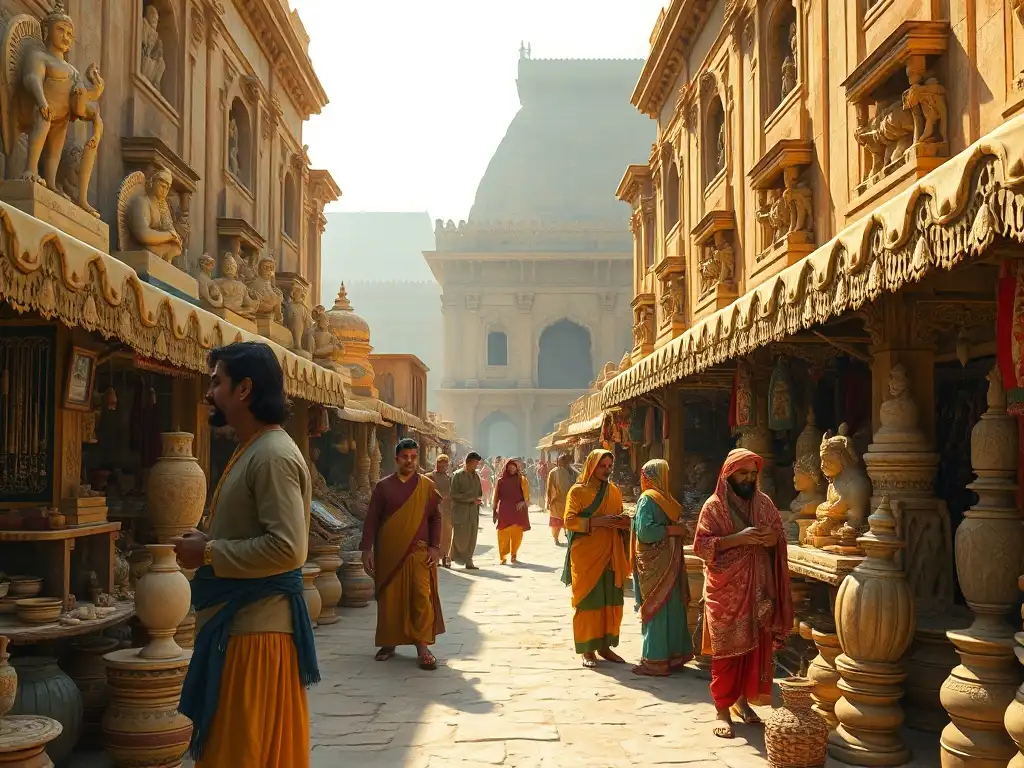
The Mauryan Empire, which thrived from approximately 322 to 185 BCE, marks a significant turning point in the history of Indian art forms. Under the reign of Emperor Chandragupta Maurya and his grandson Ashoka, this period witnessed a remarkable transformation in artistic expression, moving towards a more organized and nuanced representation of culture, religion, and society. The Mauryan Empire not only unified large parts of the Indian subcontinent but also fostered a rich environment for artistic endeavors that reflected the philosophical and spiritual currents of the time.
The emergence of Buddhism and Jainism during this era played a crucial role in shaping art forms. The Mauryan rulers actively supported these religions, which influenced the themes and styles of the artworks produced. The period is characterized by the proliferation of stupas, pillars, and sculptures, all of which served both religious and political purposes.
This era also saw the advent of stone architecture, which replaced the earlier wooden structures, marking a significant development in construction techniques. The art forms from this period not only reflect the aesthetic sensibilities of the Mauryan society but also serve as historical documents that provide insights into the social and religious dynamics of ancient India.
The Influence of Ashoka on Indian Art and Architecture
Emperor Ashoka, who ruled from 268 to 232 BCE, stands out as one of the most influential figures in Indian history, particularly regarding art and architecture. His conversion to Buddhism following the Kalinga War profoundly impacted his reign and the artistic landscape of the time. Ashoka's commitment to spreading Buddhist values led to the commissioning of numerous monuments that became pivotal in the development of Indian art forms.
One of his most notable contributions was the construction of the Ashoka Pillars, which are renowned for their intricate carvings and inscriptions. These pillars often feature animal capitals, such as the famous Lion Capital of Ashoka, which has become a national emblem of India. The pillars not only served as markers of his edicts but also symbolized the spread of Buddhist ideals throughout the empire.
Ashoka also promoted the construction of stupas, particularly the Great Stupa at Sanchi, which remains one of the best-preserved examples of Mauryan architecture. These stupas were not merely religious structures but also artistic expressions that showcased the sophisticated craftsmanship of the time. The elaborate carvings on these stupas depict various events of the Buddha's life and symbolize the core principles of Buddhism.
Additionally, Ashoka's efforts to disseminate Buddhism beyond India led to the exchange of artistic styles with other cultures, further enriching the Indian art forms history. His reign initiated a legacy of art and architecture that would influence subsequent dynasties and remain a significant part of India's cultural heritage.
Notable Art Forms: Stupas, Pillars, and Sculptures
The Mauryan Empire is particularly noted for several key art forms that emerged and evolved during this period, each reflecting the complexities of the society and its beliefs. Below are some of the most significant art forms from the Mauryan era:
- Stupas:
- These dome-shaped structures were built as reliquaries to house the remains of the Buddha or sacred relics.
- The Great Stupa at Sanchi is a prime example, featuring intricate carvings and decorative gateways known as toranas.
- Stupas served as focal points for Buddhist worship and pilgrimage.
- Pillars:
- The Ashoka Pillars are monumental stone pillars that often feature inscriptions of Ashoka's edicts.
- These pillars are adorned with elaborate carvings, including animal motifs such as lions, elephants, and horses.
- Their purpose extended beyond mere decoration; they conveyed messages of governance and moral conduct.
- Sculptures:
- The Mauryan period saw a marked advancement in sculpture, with an emphasis on realism and expression.
- Sculptures often depicted scenes from the life of the Buddha, bodhisattvas, and various deities, showcasing a blend of artistic traditions.
- The Ajanta Caves, although created later, were influenced by the techniques and styles developed during the Mauryan era.
| Art Form | Description | Notable Example |
|---|---|---|
| Stupas | Dome-shaped reliquaries for sacred relics | Great Stupa at Sanchi |
| Pillars | Monumental stone pillars with inscriptions | Ashoka Pillar at Lauriya |
| Sculptures | Realistic representations of religious figures | Sculptures at Bhaja Caves |
The art forms from the Mauryan Empire not only highlight the technical prowess of ancient Indian artisans but also serve as an enduring legacy of the empire's cultural and religious ethos. The confluence of artistic innovation and spiritual significance during this period laid a strong foundation for the evolution of Indian art forms in subsequent centuries.
The Gupta Period: The Golden Age of Indian Art
The Gupta period, often referred to as the "Golden Age" of India, spanned from approximately 320 to 550 CE. This era is characterized by remarkable advancements in the fields of art, science, and culture, which left a lasting legacy on Indian civilization. Under the rule of the Gupta dynasty, there was a significant flourishing of artistic expression, and the period is renowned for its contributions to various art forms that reflect both spiritual and secular themes.
One of the defining features of Gupta art is its emphasis on naturalism and intricate detailing. Artists began to focus on depicting human figures more realistically, moving away from the more abstract forms of earlier periods. This shift is evident in the sculptures and paintings that adorned temples and monasteries, embodying a sense of grace and beauty that deeply resonated with the spiritual beliefs of the time.
The Gupta period also marked a revival of Hinduism and the emergence of new artistic styles that were influenced by Buddhism and Jainism. Temples became not only places of worship but also centers of artistic development, where various forms of art intertwined to create a rich tapestry of cultural expression. The legacy of this period continues to influence Indian art forms history, highlighting the importance of the Gupta period in shaping the artistic landscape of ancient India.
Classical Indian Art Forms: Painting, Sculpture, and Architecture
During the Gupta period, classical Indian art forms evolved significantly, with painting, sculpture, and architecture reaching new heights of sophistication. Each art form played a vital role in conveying religious narratives and societal values, often intertwining with the spiritual life of the people.
Painting
Gupta paintings, particularly those found in cave complexes like Ajanta and Ellora, are celebrated for their vivid colors and intricate storytelling. These murals depict various scenes from Hindu mythology, Buddhist teachings, and everyday life. The technique of using natural pigments combined with a keen eye for detail allowed artists to create lifelike figures and serene landscapes. The themes often revolved around divine beings, which were portrayed in a manner that conveyed both beauty and grace.
Sculpture
Sculpture during this period showcased exceptional craftsmanship, with artists creating intricate stone carvings and bronze statues. The sculptures often depicted deities and mythological figures, reflecting the religious fervor of the time. The use of drapery and intricate facial expressions added depth and emotion to the figures, making them more relatable to worshippers. Notable examples include the iconic sculptures of Vishnu and Buddha, which exhibit a blend of idealized form and naturalistic details.
Architecture
Gupta architecture is characterized by its monumental temples and stupas, which symbolize the spiritual and cultural aspirations of the society. Temples were designed with elaborate carvings, shikhara (spire), and mandapas (halls) that served both functional and aesthetic purposes. The construction techniques employed during this period laid the groundwork for future architectural endeavors in India. The structural innovations and intricate ornamentation seen in temples like the Dashavatara Temple in Deogarh stand as a testament to the architectural prowess of the Gupta era.
The Rise of Temple Architecture in Gupta India
The rise of temple architecture in Gupta India reflects the synthesis of diverse cultural influences and the increasing importance of religion in public life. Temples became the focal point of community life, serving as centers for worship, education, and social gatherings.
Architectural Features
Gupta temples are distinguished by their highly decorative exteriors and well-planned layouts. The use of stone as a primary building material allowed for greater durability and intricate detailing. Key architectural features include:
- Shikhara: The tower above the sanctum, often intricately carved, symbolizing the mount Meru, the axis of the universe in Hindu cosmology.
- Garbhagriha: The innermost sanctum of the temple where the idol of the deity resides, emphasizing the spiritual significance of the site.
- Mandapa: A pillared hall that serves as a gathering space for devotees, showcasing elaborate column designs and sculptures.
Notable Temples
Several remarkable temples emerged during the Gupta period, each showcasing the unique artistic and architectural styles of the time. Among the most notable are:
- Kandariya Mahadeva Temple: Renowned for its intricate carvings and sculptures, this temple exemplifies the grandeur of Gupta architecture.
- Dashavatara Temple: A significant example of early Hindu temple architecture, known for its innovative layout and detailed sculptures depicting the ten avatars of Vishnu.
- Brahma Temple at Pushkar: This temple highlights the integration of various artistic elements that represent the religious fervor of the Gupta period.
The rise of temple architecture not only reflects the religious devotion of the era but also marks a pivotal moment in the evolution of Indian art forms history, influencing subsequent architectural styles and artistic expressions in India.
Regional Variations in Indian Art Forms
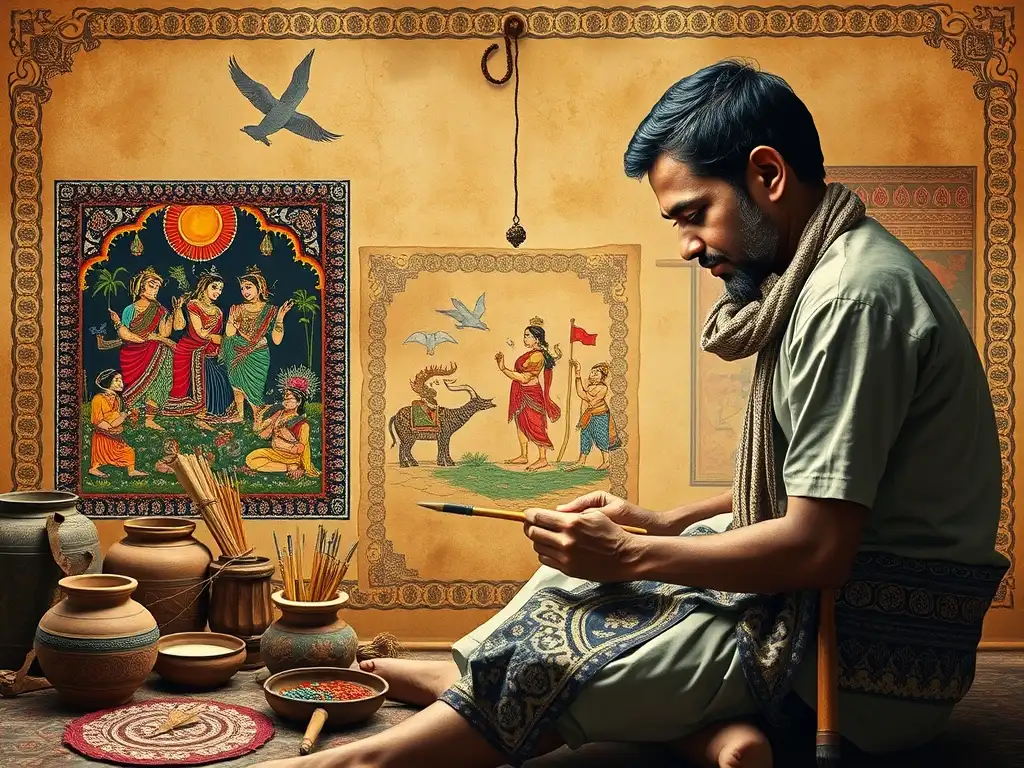
The evolution of Indian art forms is a testament to the rich cultural tapestry woven throughout the country's diverse regions. Each area reflects a unique blend of influences, traditions, and historical contexts, which have shaped its artistic expressions. This section delves into the regional variations of Indian art forms, highlighting the distinctive styles and their cultural significance.
South Indian Art: Dravidian Influence and Temples
South Indian art is predominantly characterized by its Dravidian architectural styles, which have profoundly influenced the design of temples and sculptures. The intricate carvings and towering gopurams (gateway towers) are hallmark features of this art form, exemplified in renowned temples such as the Brihadeeswarar Temple in Thanjavur and the Meenakshi Temple in Madurai.
- Architectural Features:
- Gopurams: Elaborate entrance towers adorned with a plethora of sculptures depicting deities, mythological figures, and floral motifs.
- Vimana: The temple tower above the sanctum sanctorum, often richly detailed with carvings that narrate stories from Hindu scriptures.
- Sculptural Art:
- Reliefs and Statues: Sculptures in South Indian temples often depict gods and goddesses, showcasing a variety of poses and expressions. This reflects the mastery of artists in capturing the divine essence through stone.
- Chola Bronzes: The Chola dynasty is particularly famous for its exquisite bronze sculptures, which combine artistic finesse with religious significance.
The rich traditions of dance and music, such as Bharatanatyam and Carnatic music, also originate from this region, further enhancing the cultural landscape of South Indian art forms.
North Indian Art: Indo-Aryan Styles and Their Characteristics
North Indian art showcases a variety of styles influenced primarily by Indo-Aryan traditions. The region's art forms are characterized by intricate frescoes, miniature paintings, and grand architectural structures that reflect a blend of indigenous and foreign influences.
- Architectural Marvels:
- Temples and Forts: North Indian architecture features ornate temples like the Jagannath Temple and the Khajuraho group of temples, known for their erotic sculptures. Forts such as the Red Fort and Agra Fort highlight the grandeur of Mughal architecture.
- Jali Work: The use of intricately carved lattice screens, or jalis, adds to the aesthetic beauty of structures while providing ventilation and light.
- Miniature Paintings:
- Mughal Miniatures: These paintings are known for their detail and vibrant colors, often depicting court scenes, wildlife, and landscapes. Artists like Basawan and Manohar were pivotal in this genre.
- Rajput Paintings: Characterized by bold colors and themes of romance and valor, Rajput paintings reflect the cultural ethos of the Rajput rulers.
The integration of Persian influences during the Mughal era also significantly shaped North Indian art forms, creating a fusion that is evident in various artistic expressions.
Folk Art and Tribal Art Forms in India
Folk and tribal art forms in India represent the vibrant cultural heritage of local communities, often passed down through generations. These art forms are deeply intertwined with the everyday lives, beliefs, and rituals of the people.
- Diverse Styles:
- Warli Art: Originating from Maharashtra, this tribal art form uses simple geometric shapes to depict scenes of daily life, nature, and rituals. The use of white on earthy red backgrounds creates a striking visual appeal.
- Madhubani Painting: Hailing from Bihar, Madhubani art is known for its intricate patterns and vibrant colors. It often features mythological themes and is traditionally created by women as part of rituals and celebrations.
- Community Engagement:
- Ritualistic Significance: Many folk art forms are created for specific festivals and rituals, reflecting the community's cultural identity. For instance, Pithora paintings are made by the Rathwa tribe during auspicious occasions to honor their deities.
- Sustainability: Folk and tribal art often utilize natural materials and traditional techniques, promoting sustainability and a deep connection to the environment.
These art forms not only serve as a medium of expression but also play a vital role in preserving the cultural narratives and traditions of various communities across India.
In exploring the Indian art forms history, it is evident that regional variations enrich the overall narrative of India's artistic legacy, showcasing the diversity and depth of its cultural heritage.
The Impact of Religion on Indian Art Forms
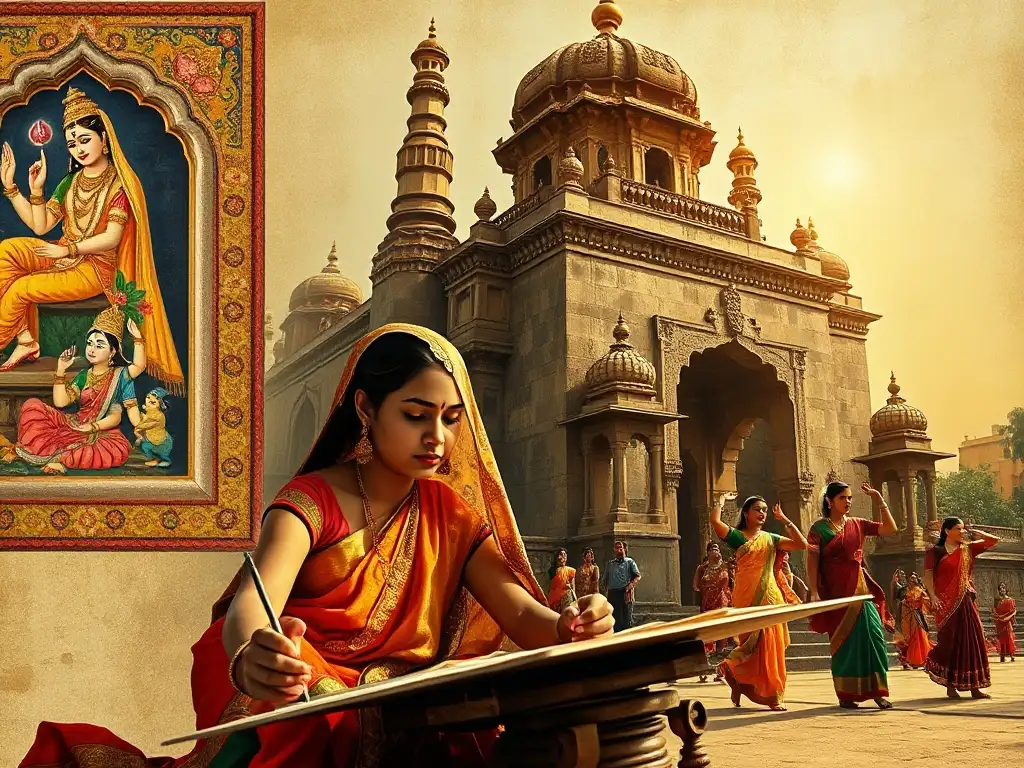
Religion has played a pivotal role in shaping the diverse landscape of Indian art forms throughout history. From ancient times, spiritual beliefs and practices have not only influenced the themes depicted in artworks but have also dictated the methods and materials used by artists. This intricate relationship between religion and art is particularly evident in the visual, performing, and literary arts that have emerged from India's rich cultural tapestry.
Hinduism, Buddhism, and Jainism: Artistic Expressions
The religious traditions of Hinduism, Buddhism, and Jainism have significantly contributed to the development of various art forms in India. Each religion has its own unique set of beliefs, rituals, and iconography, which have found expression in artistic endeavors.
- Hindu Art
- Sculptures and Temples: Hindu art is characterized by intricate sculptures and elaborate temple architecture. Temples such as the Brihadeeswarar Temple in Thanjavur and the Sun Temple in Konark showcase exquisite carvings of deities, mythological scenes, and ornate pillars.
- Painting: The tradition of painting in Hinduism includes styles like Madhubani and Tanjore paintings, which often depict religious themes and stories from epics like the Ramayana and Mahabharata.
- Buddhist Art
- Stupas and Viharas: The emergence of Buddhism in India brought about the construction of stupas and viharas, which served as religious monuments and monastic complexes. The Great Stupa at Sanchi is a prime example, featuring detailed carvings that illustrate the life of Buddha.
- Thangka and Mandala: In addition to monumental art, Buddhist traditions also include the creation of thangkas (scroll paintings) and mandalas, which are used for meditation and spiritual instruction.
- Jain Art
- Temples and Statues: Jainism's emphasis on non-violence and asceticism is reflected in its art. Jain temples, such as the Dilwara Temples in Rajasthan, are known for their intricate marble work and iconography depicting Tirthankaras (spiritual teachers).
- Manuscripts and Miniatures: Jain manuscripts often include detailed illustrations and are an important aspect of Jain art, showcasing the religion's philosophical teachings and stories.
The artistic expressions from these religions not only serve as a means of devotion but also act as historical documents that offer insights into the cultural and social dynamics of their respective periods.
The Influence of Islam on Indian Art and Architecture
The arrival of Islam in India during the 7th century CE introduced a new dimension to Indian art forms, leading to a synthesis of indigenous and Islamic artistic traditions. This fusion is primarily evident in architecture, painting, and decorative arts.
- Mughal Architecture
- Monuments: The Mughal Empire (1526-1857) produced some of the most iconic architectural masterpieces in India, such as the Taj Mahal and the Red Fort. These structures exemplify the use of symmetry, intricate inlay work, and ornamental gardens that reflect Persian influences combined with Indian aesthetics.
- Fortifications: The architectural style also extended to forts and palaces, with notable examples like the Agra Fort and Fatehpur Sikri, showcasing robust structures that merged functionality with beauty.
- Miniature Paintings
- Cultural Syncretism: Mughal miniature paintings represent a significant development in Indian art, where artists combined Persian techniques with Indian themes. These paintings often depicted court scenes, battles, and portraits of emperors, showcasing a rich color palette and detailed narratives.
- Themes and Symbolism: The themes explored in these paintings often reflect the complexities of Mughal court life and the cultural diversity of the empire, illustrating a blend of Hindu and Islamic motifs.
- Calligraphy and Decorative Arts
- Art of Calligraphy: Islamic art emphasizes calligraphy, which became a prominent feature in architectural inscriptions and manuscripts. The use of Arabic script in designs not only served a decorative purpose but also conveyed religious texts and messages.
- Tile Work and Patterns: The intricate tile work and geometric patterns found in mosques and other Islamic structures showcase the importance of symmetry and abstraction in Islamic art, distinguishing it from the figurative traditions of Hindu and Buddhist art.
The influence of Islam on Indian art forms has led to a rich artistic legacy that continues to inspire contemporary artists and architects, highlighting the importance of cultural exchange in shaping the diverse heritage of India.
Contemporary Indian Art Forms: Bridging Tradition and Modernity
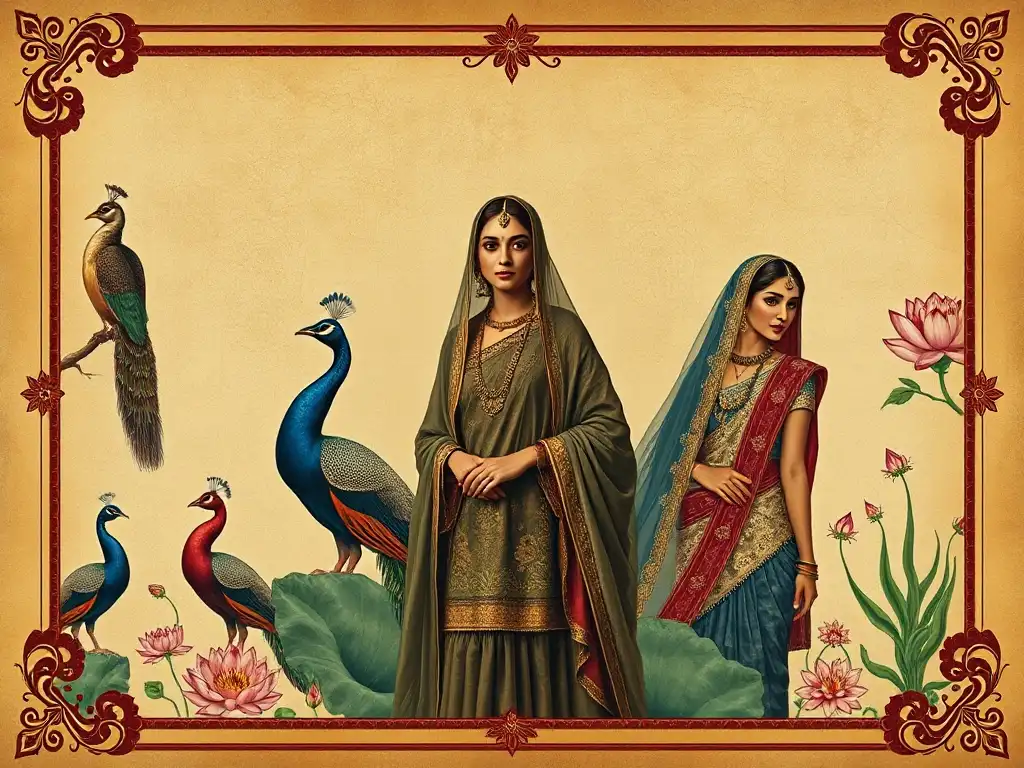
Contemporary Indian art forms represent a vibrant fusion of traditional techniques and modern expressions. As artists navigate their cultural heritage while responding to contemporary issues, these art forms evolve, reflecting both personal narratives and broader societal changes. This dynamic interplay serves to preserve ancient traditions while embracing innovative practices, making Indian art a significant contributor to the global art landscape.
Modern Interpretations of Traditional Indian Art
Modern interpretations of traditional Indian art are characterized by a blend of styles, techniques, and themes that resonate with contemporary audiences. Artists often draw inspiration from classical forms, such as Madhubani, Warli, and Pattachitra, reimagining them through a modern lens.
- Madhubani Art: Originally created by women in the Mithila region of Bihar, Madhubani art has transformed in recent years. Contemporary artists incorporate themes such as environmental issues and social justice, often using unconventional mediums like digital art and installations. This evolution has helped to bring this ancient art form to international platforms.
- Warli Painting: Traditionally a tribal art form, Warli paintings depict daily life and nature through simple geometric shapes. Today, artists are experimenting with Warli motifs on various materials, including textiles and ceramics, while also addressing themes of urbanization and identity.
- Pattachitra: This traditional cloth-based painting style from Odisha is being reinterpreted by modern artists who incorporate contemporary narratives and themes. For instance, some Pattachitra artists are exploring global issues like climate change, using the art form as a medium for activism.
These modern interpretations not only keep the essence of traditional art alive but also ensure its relevance in today's rapidly changing world.
The Role of Indian Art Forms in Global Art Movements
Indian art forms have made significant contributions to global art movements, enriching the dialogue between cultures and fostering a deeper understanding of diverse artistic expressions.
- Influence on Modernism: During the late 19th and early 20th centuries, Indian artists began to incorporate Western techniques into their work while retaining their cultural identity. This fusion paved the way for movements like Progressive Artists' Group, which sought to break away from colonial influences and embrace a more global perspective.
- Postcolonial Art: In the wake of independence, Indian artists used their work to comment on social and political issues. This period saw the rise of artists like F.N. Souza and Raza, whose works reflected the complexities of postcolonial identity and resonated with global audiences.
- Contemporary Global Trends: Today, Indian art forms continue to influence and be influenced by global trends. Artists like Subodh Gupta and Bharti Kher address themes of globalization, migration, and identity, using mixed media and installations to engage with international art communities.
Through exhibitions, collaborations, and participation in global art fairs, contemporary Indian artists play a crucial role in shaping contemporary art discourse, ensuring that their rich heritage is recognized and celebrated in the global arena.
The evolution of Indian art forms is a testament to the resilience and adaptability of cultural expressions. By bridging tradition and modernity, contemporary Indian artists not only honor their heritage but also contribute significantly to the narrative of global art history.
Conclusion: The Legacy of Indian Art Forms History
The legacy of Indian art forms is a testament to the creativity, spirituality, and cultural richness that have defined Indian civilization for millennia. From the intricate sculptures of the Indus Valley Civilization to the vibrant frescoes of the Gupta Era, each art form encapsulates the ethos of its time, reflecting the social, religious, and philosophical currents that shaped society.
The Importance of Preserving Indian Art Forms
Preservation of Indian art forms is crucial for several reasons:
- Cultural Identity: Art forms such as classical dance, music, and visual arts are integral to India's cultural identity. They provide a sense of belonging and continuity for communities, connecting generations through shared traditions.
- Historical Insight: Each art form serves as a historical document, revealing insights into the social structures, beliefs, and daily life of ancient civilizations. For instance, the motifs and themes in ancient temple architecture can inform us about the prevalent religious practices and societal norms.
- Global Influence: Indian art forms have influenced and been influenced by various cultures throughout history. By preserving these art forms, we not only honor our heritage but also contribute to the global art narrative.
- Educational Value: Understanding Indian art history enriches educational curricula, fostering a deeper appreciation for the diverse expressions of human creativity. This can inspire future generations to engage with and innovate upon these traditional forms.
Future Directions for the Study of Indian Art History
The study of Indian art history is poised for exciting developments as scholars and artists alike explore new methodologies and perspectives. Key areas of focus include:
- Interdisciplinary Approaches: Combining art history with disciplines such as anthropology, sociology, and archaeology can yield richer interpretations of art forms. This holistic view allows for a nuanced understanding of how art interacts with various aspects of life.
- Digital Humanities: The use of technology in art history research is expanding. Digital archives, 3D modeling, and virtual reality can help visualize and study art forms in ways previously unimaginable, making ancient works accessible to a global audience.
- Revival and Innovation: There is a growing movement among contemporary artists to revive traditional Indian art forms while infusing them with modern sensibilities. This cross-pollination can lead to innovative expressions that honor the past while appealing to contemporary audiences.
- Global Collaboration: As art becomes increasingly globalized, collaborations between Indian and international artists and scholars can foster a richer dialogue. This exchange can highlight the universal themes present in Indian art while also showcasing its unique characteristics.
The history of Indian art forms is not just a record of the past but a living tradition that continues to evolve. By preserving these forms and exploring their future directions, we can ensure that the rich tapestry of Indian art remains vibrant and relevant for generations to come.
Frequently Asked Questions
What are the main Indian art forms discussed in the article?
The article highlights ancient art forms such as sculpture, pottery, and painting, showcasing their evolution from the Indus Valley Civilization to the Gupta Empire.
How did the Indus Valley Civilization contribute to Indian art forms history?
The Indus Valley Civilization is known for its advanced terracotta figurines and seals, which reflect the artistic skills and cultural practices of early Indian society.
What role did religion play in the evolution of Indian art forms?
Religion significantly influenced Indian art forms, with Hinduism, Buddhism, and Jainism inspiring numerous sculptures and frescoes that conveyed spiritual narratives and teachings.
How did the Gupta Empire impact Indian art and culture?
The Gupta Empire is often regarded as a golden age for Indian art forms, characterized by refined sculptures, intricate carvings, and the establishment of classical Indian styles that set the standard for future generations.
What are some key characteristics of ancient Indian painting?
Ancient Indian painting is marked by vibrant colors, detailed narratives, and symbolic motifs, often found in cave paintings and later miniature paintings that depict various aspects of Indian mythology and daily life.
Final Reflection: The Timeless Journey of Indian Art Forms
The exploration of Indian art forms history reveals a rich tapestry that is not only a reflection of cultural evolution but also a testament to the resilience of artistic expression. In today's fast-paced world, where globalization often overshadows local traditions, understanding the intricate history of Indian art becomes increasingly vital.
It serves as a reminder of our roots and the diverse narratives that shape our identities. The legacy of Indian art forms is not just a relic of the past; it continues to inspire contemporary artists and audiences alike, urging us to appreciate the depth and beauty of our shared heritage.
Cultural expressions through art have a profound impact on society, fostering connections and understanding among diverse communities. The evolution of Indian art forms has played a significant role in shaping social narratives and cultural dialogues. As we witness the resurgence of interest in traditional art practices, it becomes clear that these forms are not merely historical artifacts but living traditions that adapt and thrive in modern contexts. Art is the most beautiful of all lies.
This quote resonates deeply as it encapsulates the transformative power of art to convey truths that transcend time and space.
As we reflect on the journey through Indian art forms, I invite you to consider how these artistic expressions can influence your own life. Take a moment to explore the art that surrounds you, whether it be through visiting galleries, engaging with local artisans, or even creating your own art. Embrace the stories and emotions that art evokes, and let them inspire you to contribute to the ongoing narrative of cultural evolution. By honoring and celebrating the history of Indian art forms, we not only preserve our heritage but also enrich our present and future.
Embrace the Beauty of Indian Art – Take Action!
Thank you for taking the time to explore the rich tapestry of Indian art forms with us. We hope you’ve gained a deeper appreciation for how these artistic expressions reflect the vibrant culture and history of India. Now, it’s time to put that newfound knowledge into action!
Here are some steps you can take to further engage with this captivating topic:
- Dive Deeper: Visit a local museum or cultural center to experience Indian art firsthand. Not only will you learn more, but you’ll also support the preservation of these beautiful traditions.
- Share Your Journey: Start a conversation with friends or on social media about your favorite Indian art form. Engage others by sharing a piece you admire or discussing what you found most fascinating in your exploration.
- Create Your Own Art: Try your hand at a traditional Indian art form, such as Warli painting or Madhubani style. Embrace your creativity and express your understanding of the culture through your own artwork.
Which aspect of Indian art resonates with you the most, and how do you plan to explore it further?