
Ancient Indian Art and its Influence on Contemporary Art Movements

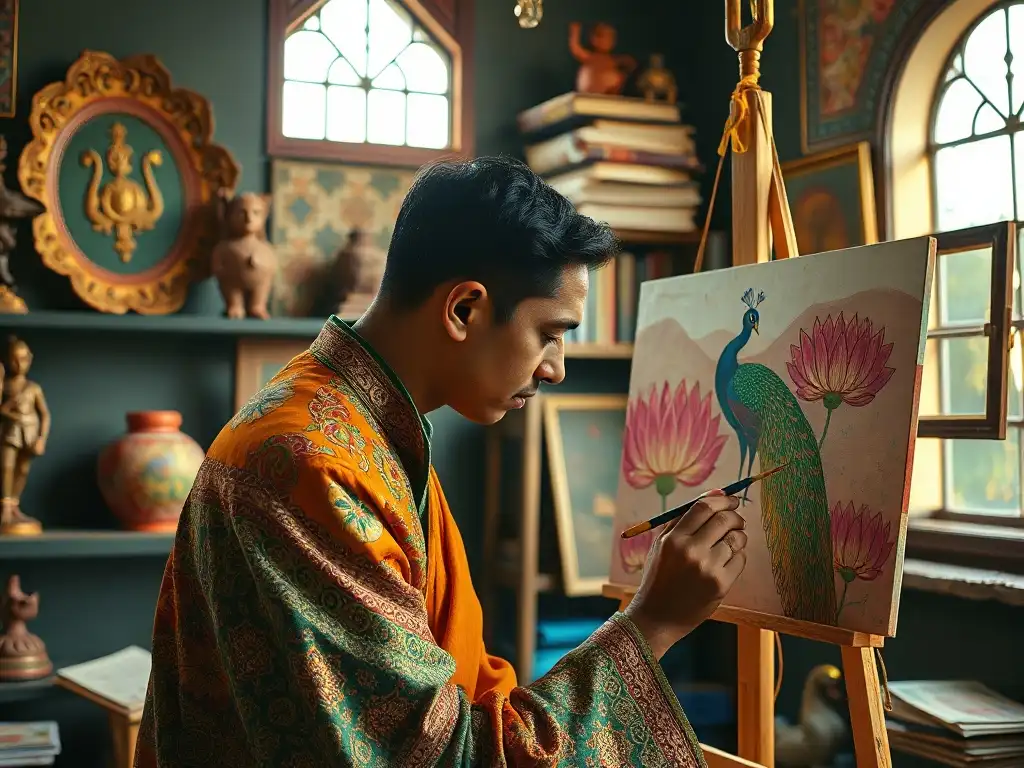
Welcome to Ancient India History, where we embark on a fascinating journey through the rich tapestry of ancient Indian civilizations. Here, we delve into the profound Influence of Ancient Indian Art, a topic that not only highlights the extraordinary creativity of our ancestors but also its enduring impact on contemporary art movements. As you explore the vibrant narratives of art, architecture, and philosophy, prepare to uncover the intricate connections that shape our understanding of culture today. Join us as we unveil the stories behind the masterpieces and reveal how their legacy continues to inspire modern artistry.
-
Influence of Ancient Indian Art on Contemporary Art Movements
- Introduction to Ancient Indian Art
- Overview of Ancient Indian Art Forms
- Historical Context of Ancient Indian Art
- Significance of Ancient Indian Art in World History
- Key Features of Ancient Indian Art
- The Influence of Ancient Indian Art on Contemporary Art
- Direct Influences of Ancient Indian Art on Modern Art Movements
- Indirect Influences of Ancient Indian Aesthetics
- Case Studies of Contemporary Artists Inspired by Ancient Indian Art
- The Role of Ancient Indian Art in Global Art Movements
- Challenges and Critiques of the Influence of Ancient Indian Art
- Conclusion
- References
- Frequently Asked Questions
- Final Reflection: The Enduring Influence of Ancient Indian Art
- Embrace the Legacy: Shape Your Artistic Journey!
Influence of Ancient Indian Art on Contemporary Art Movements
Introduction to Ancient Indian Art
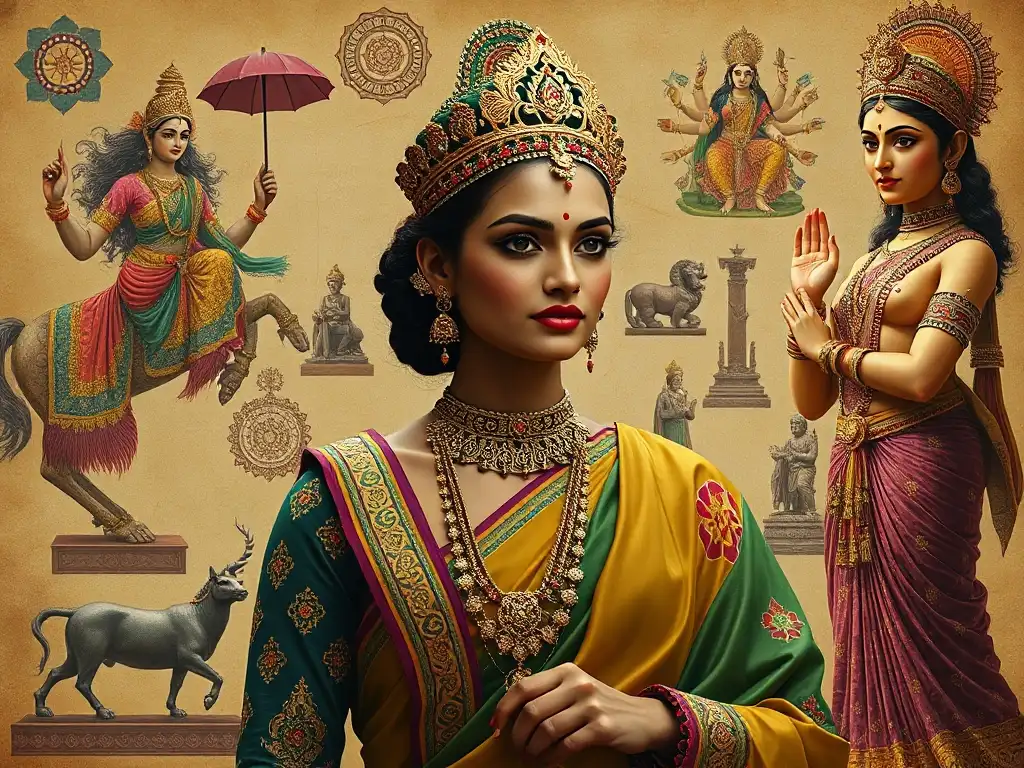
Ancient Indian art is a profound and multifaceted domain that not only reflects the rich cultural heritage of the subcontinent but has also significantly influenced contemporary art movements around the globe. Spanning thousands of years, from the intricate carvings of the Indus Valley Civilization to the exquisite frescoes of the Gupta Empire, this art form embodies the spiritual, philosophical, and aesthetic values of its time.
Understanding the evolution and characteristics of ancient Indian art is essential for appreciating its enduring legacy and relevance in today’s artistic expressions. This article delves into the various dimensions of ancient Indian art, exploring its key features and the ways in which it continues to inspire modern artists.
Overview of Ancient Indian Art Forms
Ancient Indian art comprises a diverse array of forms that include:
- Sculpture: Renowned for its intricate details and spiritual significance, sculptures were often created in stone, metal, and terracotta. Notable examples include the rock-cut caves of Ajanta and Ellora.
- Painting: From the cave paintings of Bhimbetka to the vibrant murals of the Western Indian temples, ancient Indian painting showcases a variety of themes, including mythology, nature, and daily life.
- Architecture: The architectural marvels of ancient India, such as the temples of Khajuraho and the forts of Rajasthan, exemplify the artistic ingenuity and engineering prowess of the time.
- Textiles and Crafts: Ancient techniques in weaving, pottery, and metalwork display the rich craftsmanship that has been passed down through generations.
These art forms not only served decorative purposes but were also integral to religious and cultural practices.
Historical Context of Ancient Indian Art
The historical context of ancient Indian art is deeply intertwined with the evolution of civilization in India.
- Indus Valley Civilization (c. 3300 – 1300 BCE): This period marked the emergence of urban centers with advanced urban planning, where art was functional yet aesthetically pleasing, evident in seals, pottery, and figurines.
- Vedic Period (c. 1500 – 500 BCE): Art during this time was primarily oral and ritualistic, with limited physical manifestations, focusing on spiritual and philosophical themes.
- Maurya and Post-Maurya Periods (c. 322 – 185 BCE): The introduction of Buddhism led to the creation of stupas and sculptures that depicted the life of Buddha, which significantly influenced later Indian art.
- Gupta Empire (c. 320 – 550 CE): Often referred to as the Golden Age of India, this period saw the flourishing of various art forms, characterized by exquisite sculptures and temple architecture reflecting both religious devotion and artistic brilliance.
Significance of Ancient Indian Art in World History
Ancient Indian art has played a pivotal role in shaping global artistic traditions. Its influence can be observed in:
- Cultural Exchange: The Silk Road facilitated the exchange of artistic ideas between India and other civilizations, influencing art in regions such as Southeast Asia and the Middle East.
- Religious Impact: The spread of Buddhism and Hinduism contributed to the dissemination of Indian artistic styles, leading to the development of unique art forms in countries like Japan, Thailand, and Cambodia.
- Modern Movements: Contemporary artists often draw inspiration from ancient Indian motifs, themes, and techniques, integrating them into modern artistic expressions and movements.
Key Features of Ancient Indian Art
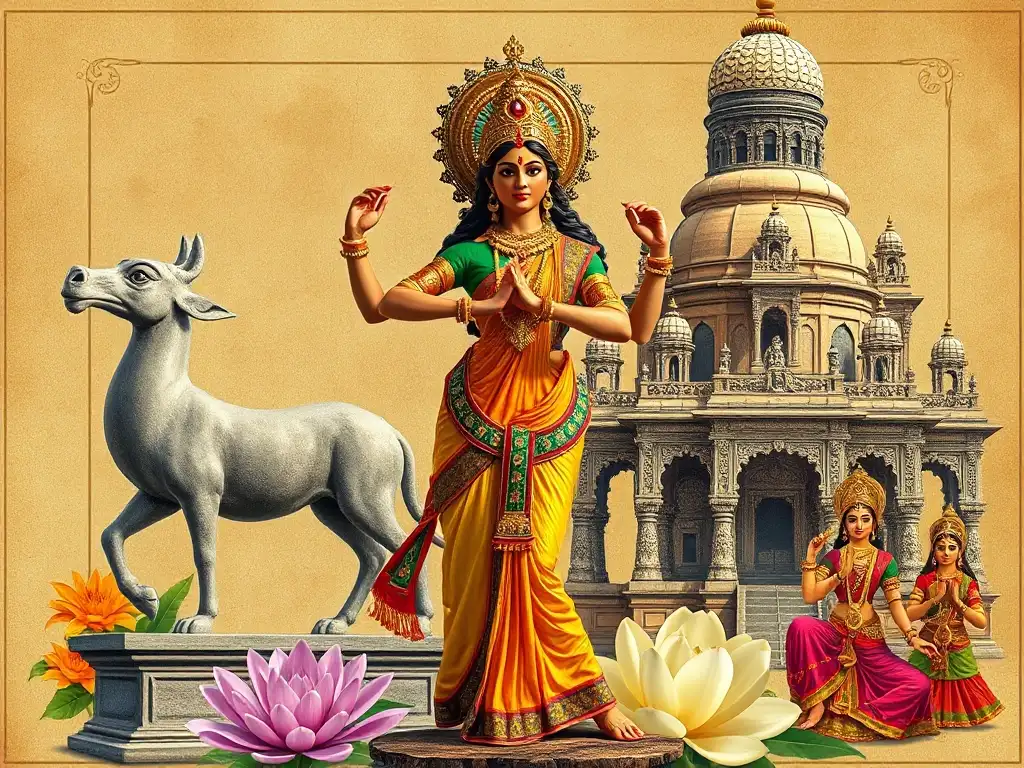
Ancient Indian art is characterized by several distinctive features that set it apart from other artistic traditions:
Iconography and Symbolism in Ancient Art
The use of iconography and symbolism is central to ancient Indian art, where every element carries deeper meanings related to religion, mythology, and philosophy. Common symbols include:
- Lotus: Representing purity and enlightenment.
- Conch Shell: A symbol of the cosmic sound and the call to duty.
- Swastika: An ancient symbol of auspiciousness and well-being.
Artists employed these symbols to convey complex ideas and narratives, allowing viewers to engage with the artwork on multiple levels.
Techniques and Materials Used in Ancient Indian Art
Ancient Indian artists utilized a variety of techniques and materials, showcasing their mastery and innovation. Key aspects include:
- Materials: Commonly used materials included stone, bronze, clay, and textiles, each selected for its durability and aesthetic properties.
- Techniques: Artists employed techniques such as carving, casting, and fresco painting, demonstrating a high level of skill and creativity.
The choice of materials and techniques often reflected the cultural and religious significance of the artwork, with many pieces intended for sacred contexts.
Major Artistic Styles and Movements in Ancient India
Throughout its history, ancient Indian art saw the emergence of various artistic styles and movements, including:
- Buddhist Art: Characterized by the depiction of Buddha and Jataka tales, often found in stupas and cave temples.
- Hindu Temple Architecture: Known for intricate carvings and sculptures that depict deities and mythological stories.
- Mughal Art: A fusion of Persian and Indian styles, notable for its detailed miniature paintings and grand architectural projects like the Taj Mahal.
Each style reflects the socio-political and cultural dynamics of its time, contributing to the rich tapestry of ancient Indian art.
The exploration of ancient Indian art not only enriches our understanding of historical contexts but also reveals its profound influence on contemporary art movements, making it a vital area of study for artists, historians, and enthusiasts alike.
The Influence of Ancient Indian Art on Contemporary Art
The influence of ancient Indian art on contemporary art movements is profound and multifaceted. Ancient Indian art, characterized by its intricate craftsmanship, symbolism, and spiritual depth, has served as a wellspring of inspiration for modern artists. This influence can be observed through various channels, including themes, techniques, and the philosophical underpinnings that continue to resonate in today's art scene. The vibrant legacy of ancient traditions, such as those found in the Indus Valley Civilization, Mughal artistry, and regional folk forms, has inspired contemporary creators to explore their cultural roots while innovating and reinterpreting these elements in modern contexts.
Direct Influences of Ancient Indian Art on Modern Art Movements
Direct influences of ancient Indian art on modern art movements can be seen through the adoption of specific techniques and motifs. For instance, the use of vibrant colors and intricate patterns found in traditional Indian paintings has inspired artists within movements like Abstract Expressionism and Neo-Indian art.
- Techniques: Methods such as fresco painting, miniature painting, and the use of natural dyes have been revived and adapted by contemporary artists looking to create textures and depth in their works.
- Symbolism: The rich symbolism in ancient sculptures and paintings often addressing themes of spirituality, nature, and mythology has found its place in contemporary art, providing depth and context to modern creations.
Furthermore, the revival of traditional crafts, such as Madhubani and Warli paintings, has led to a blending of ancient techniques with contemporary narratives, enriching the overall art landscape.
Indirect Influences of Ancient Indian Aesthetics
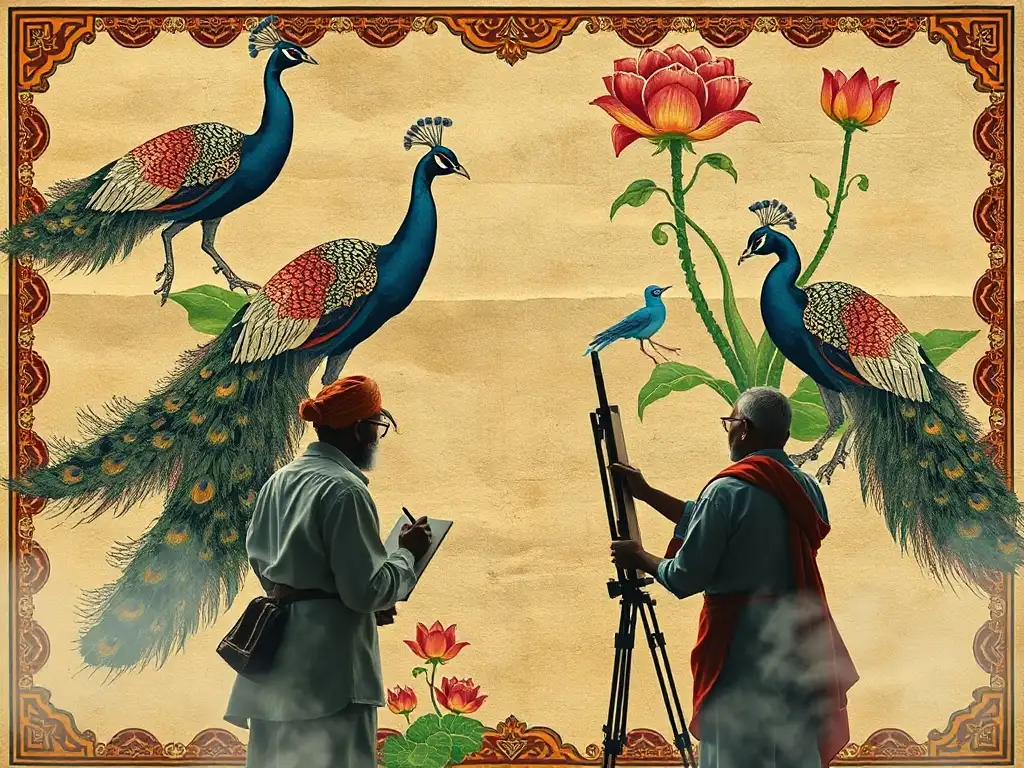
Indirect influences of ancient Indian aesthetics manifest in the broader philosophical and thematic explorations of contemporary art. Many modern artists draw inspiration from the spiritual and philosophical concepts embedded in ancient Indian art, such as:
- Unity with Nature: The ancient Indian belief in the interconnectedness of all living beings encourages contemporary artists to explore ecological themes and sustainable practices in their work.
- Spirituality: The emphasis on spirituality in ancient art has led many modern artists to explore personal and collective journeys through abstract forms and meditative practices, reflecting on the human experience.
- Cultural Identity: As artists grapple with their cultural identities in a globalized world, the aesthetics of ancient Indian art provide a framework for understanding and expressing their heritage.
These influences allow contemporary artists to engage with their cultural legacy in innovative ways, bridging the past and the present.
Case Studies of Contemporary Artists Inspired by Ancient Indian Art
Anish Kapoor and Their Connection to Ancient Indian Art
Anish Kapoor, one of the most celebrated contemporary artists, has often cited the influence of ancient Indian art in his work. His utilization of materials and forms resonates with the traditional practices found in India. Kapoor's sculptures, characterized by their monumental scale and reflective surfaces, embody a sense of spirituality and introspection reminiscent of ancient Indian temple architecture. His exploration of voids and spaces reflects the ancient Indian philosophical concepts of emptiness and existence, creating a dialogue between contemporary art and its historical roots.
Subodh Gupta’s Use of Traditional Techniques in Modern Context
Subodh Gupta is another prominent figure whose work illustrates the influence of ancient Indian art. He employs traditional techniques, such as metalwork and the use of everyday objects, to create his installations. Gupta’s art often reflects themes of migration, identity, and memory, drawing parallels to the historical context of ancient Indian artisans. By incorporating elements like stainless steel utensils, Gupta not only preserves traditional craftsmanship but also evokes the cultural narratives associated with them, blending the old and the new in a contemporary format.
Bharti Kher and the Revival of Ancient Motifs in Contemporary Works
Bharti Kher is renowned for her innovative use of ancient motifs and symbols in her contemporary works. She often incorporates bindis, a traditional forehead decoration, into her art, which serves as a powerful symbol of identity and femininity. Kher’s exploration of mythological themes and narratives from ancient texts not only revives these elements but also contextualizes them within modern societal issues. Her work offers a unique perspective that honors the past while engaging with contemporary dialogues on gender, culture, and identity.
Through these case studies, it becomes evident that the influence of ancient Indian art is not merely a nostalgic revival; rather, it is a dynamic and integral part of contemporary artistic expression.
The Role of Ancient Indian Art in Global Art Movements
Ancient Indian art has played a pivotal role in shaping various global art movements through its unique aesthetics, techniques, and philosophies. From the intricate carvings of the Indus Valley Civilization to the sophisticated frescoes of the Ajanta and Ellora caves, the artistic expressions of ancient India have inspired artists worldwide. This influence can be seen particularly in the realms of sculpture, painting, and textile arts, where traditional Indian motifs and styles have integrated into modern artistic practices.
The impact of ancient Indian art extends beyond mere aesthetics; it embodies deep philosophical and spiritual concepts that resonate with contemporary themes such as identity, globalization, and environmental consciousness. For instance, the use of symbolism and vibrant colors in traditional Indian art has inspired movements like expressionism, which emphasizes emotional experience and subjective interpretation. Artists such as Anish Kapoor and Subodh Gupta have drawn upon ancient techniques and themes, melding them with their contemporary practices to create works that reflect both heritage and modernity.
Ancient Indian Art in the Context of Globalization
Globalization has facilitated a greater exchange of artistic ideas and practices, allowing ancient Indian art to permeate various cultures. The accessibility of information and the rise of digital media have enabled artists and scholars to explore and reinterpret ancient Indian art forms, thereby fostering a renewed appreciation for their significance. The influence of Indian aesthetics can be observed in international art fairs, exhibitions, and educational programs that celebrate cross-cultural dialogues.
As global art movements increasingly embrace fusion and diversity, ancient Indian art offers a rich repository of motifs, narratives, and techniques. This is particularly evident in contemporary installations that incorporate traditional crafts, such as weaving or pottery, into modern frameworks. Artists worldwide are discovering the potential of ancient Indian art to address contemporary issues, such as sustainability and cultural identity, thereby ensuring its continued relevance in the global art scene.
Cross-Cultural Exchanges: Ancient Indian Art and Western Movements
The relationship between ancient Indian art and Western art movements has been one of mutual influence and exchange. During the British colonial period, Western artists and intellectuals became enamored with Indian aesthetics, leading to the Arts and Crafts Movement, which emphasized handcrafted goods and intricate designs. Figures like William Morris were inspired by Indian textiles, ceramics, and architecture, integrating these elements into their own work.
Furthermore, the modernist movement in the early 20th century saw a significant engagement with Eastern philosophies and artistic practices. Artists such as Pablo Picasso and Henri Matisse were influenced by Indian art's abstraction and use of color. The introduction of Indian motifs into Western modernism not only transformed individual practices but also contributed to broader discussions about art's role in society and culture. This cross-pollination continues to shape contemporary art, as artists explore the intersection of Eastern and Western traditions, creating hybrid forms that celebrate diversity.
The Relevance of Ancient Indian Art in Today’s Art Education
Incorporating ancient Indian art into contemporary art education is essential for fostering a comprehensive understanding of global artistic traditions. By examining ancient techniques, materials, and philosophies, students can gain insights into the evolution of artistic practices and the cultural contexts that shape them. Educational programs that emphasize the study of ancient Indian art not only cultivate technical skills but also encourage critical thinking about the role of art in society.
Moreover, the inclusion of ancient Indian art in curricula promotes cultural literacy and appreciation. Art students who engage with these historical forms are better prepared to navigate the complexities of contemporary art, as they recognize the interconnectedness of global artistic movements. Workshops, lectures, and collaborative projects centered on ancient Indian art can inspire new generations of artists to draw from their heritage while innovatively addressing modern themes.
Challenges and Critiques of the Influence of Ancient Indian Art
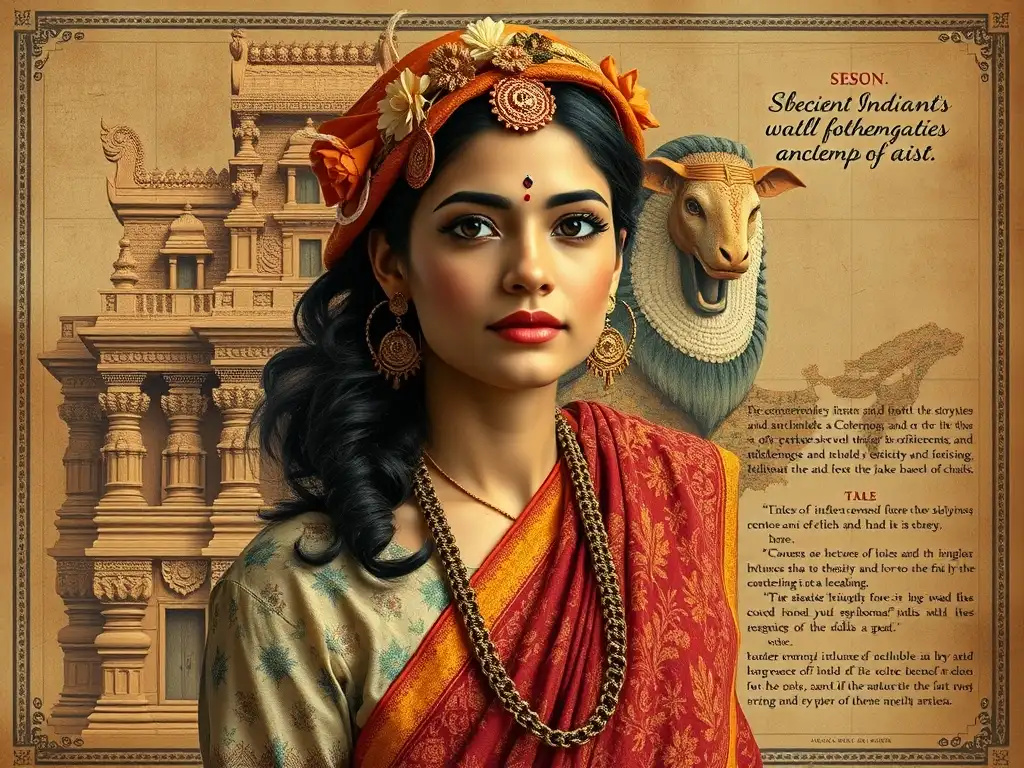
While the influence of ancient Indian art is profound, it is not without challenges and critiques. Discussions surrounding this influence often highlight discrepancies in interpretation, cultural appropriation, and the need for a careful balance between tradition and modern expression. Addressing these challenges is crucial for fostering an authentic appreciation of ancient Indian art within contemporary contexts.
Misinterpretations of Ancient Indian Art in Contemporary Works
One significant challenge is the misinterpretation of ancient Indian art in contemporary works. Artists who draw inspiration from ancient styles may inadvertently distort the original meanings and contexts of these forms. Such misinterpretations can lead to a superficial engagement with the art, stripping it of its cultural significance. It is essential for artists and audiences alike to approach ancient Indian art with sensitivity and an understanding of its historical and cultural contexts to avoid perpetuating inaccuracies.
The Risk of Cultural Appropriation
Cultural appropriation poses another challenge in the dialogue between ancient Indian art and contemporary practices. When artists from outside the culture adopt elements of ancient Indian art without proper acknowledgment or understanding, it can lead to the commodification of cultural symbols. This appropriation often overlooks the significance of these elements to the communities from which they originate. To mitigate this risk, it is vital to emphasize ethical practices in art creation and foster collaborative relationships with traditional artisans and communities.
Balancing Tradition with Modern Artistic Expression
Striking a balance between tradition and modern artistic expression is a complex endeavor for contemporary artists influenced by ancient Indian art. While it is essential to honor and preserve traditional techniques and themes, there is also a need for innovation and personal expression. Artists must navigate this duality, ensuring that their work respects the roots of ancient art while also contributing to the ongoing evolution of artistic practice. This balance can lead to authentic and meaningful expressions that resonate with both contemporary audiences and the legacies of ancient Indian art.
Conclusion
The influence of ancient Indian art on contemporary art movements is profound and multifaceted, demonstrating the timeless nature of creative expression. As modern artists draw upon the rich tapestry of styles, techniques, and philosophies rooted in ancient India, they not only pay homage to their heritage but also recontextualize traditional forms within contemporary frameworks. This interplay between the past and present fosters a dynamic dialogue that enriches the global art narrative, showcasing how ancient traditions can inspire innovation and cultural fusion in today's artistic endeavors.
Summary of the Influence of Ancient Indian Art on Contemporary Art Movements
Ancient Indian art, characterized by its intricate craftsmanship and deep spiritual underpinnings, has significantly influenced contemporary art movements in several ways:
- Symbolism and Themes: Modern artists often incorporate elements of symbolism found in ancient Indian art, such as motifs of spirituality, nature, and mythology. This connection allows contemporary works to resonate on both aesthetic and philosophical levels.
- Techniques and Materials: The use of traditional materials and techniques, such as natural dyes, textiles, and stone carving, has seen a resurgence in contemporary practices. Artists like Subodh Gupta and Bharti Kher have successfully blended these techniques with modern forms, creating complex narratives that honor their roots.
- Cultural Fusion: The globalized nature of contemporary art encourages a fusion of styles, with many artists infusing ancient Indian aesthetics into their work, thus creating a dialogue between different cultures and histories.
- Revival Movements: The revival of traditional art forms, such as Madhubani and Warli painting, within contemporary contexts highlights the ongoing relevance of ancient techniques and stories, ensuring these art forms continue to thrive and evolve.
Future Directions for the Study of Ancient Indian Art and Its Impact
As the exploration of ancient Indian art continues, several future directions are key to understanding its impact on contemporary art movements:
- Interdisciplinary Research: Combining art history with anthropology, sociology, and cultural studies can provide deeper insights into how ancient Indian art has shaped modern practices and societal values.
- Digital Archiving: The digitization of ancient art forms allows for broader access and engagement. Scholars and artists can utilize digital platforms to reinterpret and disseminate ancient techniques and concepts globally.
- Global Art Exchanges: Encouraging collaborations between Indian and international artists can foster a richer understanding of how ancient influences manifest in contemporary practices, leading to innovative and culturally nuanced art forms.
- Educational Initiatives: Increased emphasis on teaching ancient Indian art in academic institutions can inspire a new generation of artists to explore and integrate these influences into their work, ensuring the continuity of this rich heritage.
References
Recommended Reading on Ancient Indian Art
- "The Art of Ancient India: Buddhist, Hindu, Jain": by Susan L. Huntington
- "Indian Art" by Benjamin Rowland
- "Indian Sculpture: A History": by Vidya Dehejia
Resources for Further Exploration of Contemporary Art Influenced by Ancient Traditions
- "Contemporary Indian Art: A South Asian Perspective": by Yashodhara Dalmia
- Online galleries and exhibitions showcasing contemporary artists influenced by ancient Indian art, such as the Kiran Nadar Museum of Art.
- Documentaries and lectures available on platforms like YouTube and TED that explore the intersection of ancient and contemporary art in India.
Frequently Asked Questions
What is the significance of ancient Indian art?
Ancient Indian art holds significant cultural and historical value, showcasing the values, beliefs, and achievements of early civilizations. It has laid the foundation for various artistic traditions that influence contemporary art.
How did ancient Indian art influence contemporary art movements?
The influence of ancient Indian art can be seen in modern movements through its use of symbolism, intricate patterns, and themes derived from spirituality and nature, inspiring artists globally.
What are some key characteristics of ancient Indian art?
Key characteristics include vibrant colors, elaborate sculptures, and detailed frescoes that often depict mythological themes, reflecting the rich cultural heritage of ancient India.
Which ancient Indian art forms have had a lasting impact?
Forms like Madhubani painting, Tanjore art, and stone carvings from the Gupta Empire continue to inspire contemporary artists, demonstrating the enduring legacy of these art forms.
How can one explore ancient Indian art today?
To explore ancient Indian art, visit museums, galleries, and cultural festivals or engage with online resources and documentaries that highlight its historical significance and contemporary relevance.
Final Reflection: The Enduring Influence of Ancient Indian Art
The exploration of the influence of Ancient Indian Art on contemporary art movements reveals a rich tapestry of cultural exchange and inspiration that continues to resonate today. As we navigate a world increasingly defined by globalization, the timeless aesthetics and philosophies of ancient Indian art serve as a reminder of the profound connections that exist across cultures. The striking statement that "art is a universal language" rings true as we witness how these ancient forms have transcended their origins to inspire modern creators.
The impact of ancient Indian art is not merely historical; it actively shapes our cultural and social landscape. From the intricate designs of traditional textiles to the vibrant colors of contemporary paintings, the echoes of ancient techniques and themes are evident in today's artistic expressions. As artists draw from this wellspring of inspiration, they weave a narrative that honors the past while pushing the boundaries of modern creativity. Art is the most beautiful of all lies.
– Claude Debussy. This quote encapsulates the essence of how ancient art continues to influence contemporary practices, reminding us that every brushstroke carries the weight of history and the promise of innovation.
As we reflect on the lessons imparted by ancient Indian art, I invite you to consider how you can incorporate these timeless principles into your own creative endeavors. Whether you are an artist, a student, or simply an admirer of art, think about the ways in which the rich heritage of ancient Indian art can inspire your perspective and practice. Let us embrace the beauty of this influence and allow it to guide us toward a future where art remains a bridge between the past and the present, fostering understanding and appreciation across cultures.
Embrace the Legacy: Shape Your Artistic Journey!
Thank you for diving into the rich tapestry of Ancient Indian art and its profound influence on contemporary movements. By exploring this vibrant history, you've unlocked new perspectives that can elevate your own artistic expression. Now, it's time to take the lessons of the past and weave them into the fabric of your creative journey!
Here are some actionable steps you can take right now:
- Create your own art piece inspired by Ancient Indian styles—experiment with techniques or motifs that resonate with you!
- Share your insights on social media or in art communities; connect with others who are exploring similar themes.
- Host a small gathering with fellow artists to discuss how ancient practices can inform modern creativity and encourage a rich dialogue.
As you reflect on your artistic path, consider this: Which element of Ancient Indian art will you integrate into your unique style and why? Your thoughts could spark meaningful discussions within our community!