
The Art of Writing: Exploring the Aesthetic Beauty of Ancient Indian Scripts

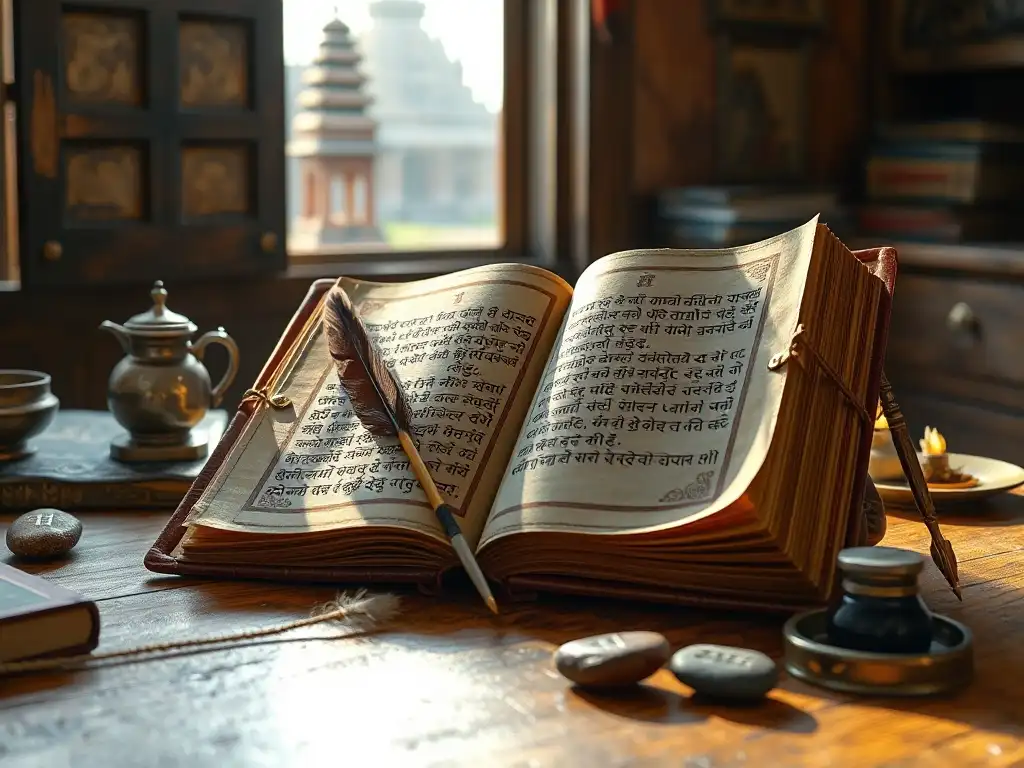
Welcome to Ancient India History, where we embark on a fascinating journey through the rich tapestry of ancient Indian civilizations. Dive into the Art of Writing: Exploring the Aesthetic Beauty of Ancient Indian Scripts, and uncover the intricate history that shaped the very foundations of communication in this vibrant culture.
From the enigmatic symbols of the Indus Valley to the refined elegance of Gupta scripts, each character tells a story waiting to be discovered. Prepare to ignite your curiosity as we unravel the beauty and significance of these ancient scripts, and discover how they continue to influence our understanding of language and heritage today.
Introduction to Ancient Indian Scripts History
The history of ancient Indian scripts is a fascinating journey through time, reflecting the profound cultural and intellectual advancements of one of the world's oldest civilizations. From the intricate markings of the Indus Valley Civilization to the elegant strokes of Brahmi and Kharosthi, each script serves as a testament to the rich linguistic heritage and artistic expression of ancient India. These scripts not only facilitated communication but also played a pivotal role in the preservation and dissemination of knowledge, spirituality, and art.
The study of ancient Indian scripts provides valuable insights into the evolution of language and literacy in the subcontinent. Each script embodies unique aesthetic qualities, showcasing the skill and creativity of its scribes. The significance of these scripts extends beyond their functional use; they are also celebrated as artistic forms that reflect the philosophical and cultural ethos of their time. As we delve deeper into the ancient Indian scripts history, we uncover the layers of meaning embedded within these written forms, illuminating the diverse narratives of Indian civilization.
The Importance of Ancient Scripts in Indian Civilization
The ancient scripts of India were not merely tools for communication; they were vital components of the cultural fabric that shaped society. The importance of these scripts can be seen in several key areas:
- Cultural Preservation:
- Ancient scripts served as vessels for recording religious texts, philosophical treatises, and historical accounts.
- Texts such as the Vedas and Upanishads, inscribed in various scripts, preserved spiritual and cultural wisdom for generations.
- Administrative Functions:
- Scripts like Brahmi were utilized for administrative purposes, facilitating governance and trade.
- Inscriptions found in major archaeological sites provide evidence of their use in royal edicts and public announcements.
- Artistic Expression:
- The aesthetic characteristics of scripts reflect the artistic sensibilities of their creators.
- Calligraphy and decorative elements often accompanied scripts, transforming them into visual art forms.
- Linguistic Development:
- The evolution of scripts marks significant linguistic changes, contributing to the development of regional languages.
- This linguistic diversity enriched the cultural landscape of ancient India, leading to the emergence of various dialects and literary traditions.
Ancient Indian scripts are not only critical to understanding the linguistic history of the region but also serve as a window into the artistic, cultural, and intellectual achievements of ancient civilizations. Their legacy continues to influence contemporary Indian scripts and languages, highlighting the enduring impact of this rich historical heritage.
- Introduction to Ancient Indian Scripts History
- The Importance of Ancient Scripts in Indian Civilization
Overview of Ancient Indian Scripts
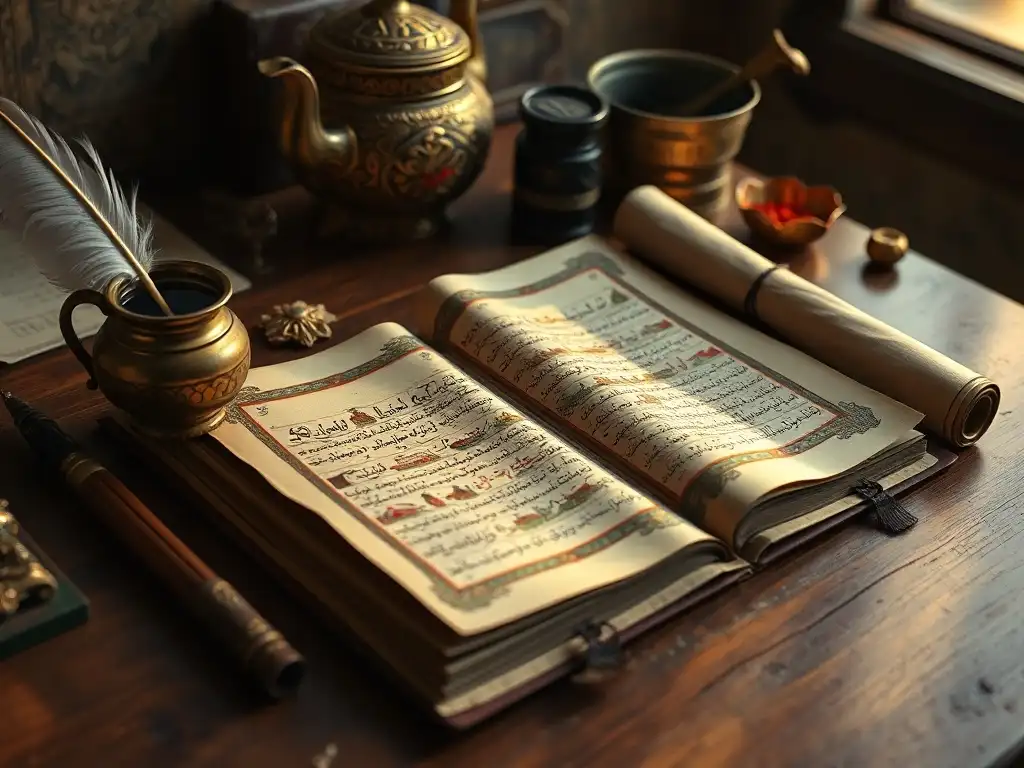
Ancient Indian scripts represent a fascinating tapestry of linguistic evolution and artistic expression that spans millennia. These scripts not only served practical communication purposes but also reflected the diverse cultures and philosophies of ancient India. From the intricate designs of the Indus Valley Civilization to the more standardized forms in later periods, ancient Indian scripts history is a testament to the ingenuity and creativity of its people.
Definition and Characteristics of Ancient Indian Scripts
Ancient Indian scripts are writing systems that originated and evolved in the Indian subcontinent. They are characterized by several distinct features:
- Phonetic Nature: Most ancient Indian scripts were phonetic, meaning they represented sounds rather than ideas. This made them versatile for various languages.
- Alphabetic and Syllabic Systems: While some scripts, like Brahmi, are considered alphabetic, others, such as Devanagari, are syllabic. This duality allowed for a rich variety of written forms.
- Artistic Aesthetics: The scripts often exhibited intricate designs, with ornamental strokes and curves. The aesthetic appeal was significant, as many inscriptions were created not only for communication but also for ceremonial purposes.
- Regional Variations: Different regions developed their own scripts, influenced by local languages and cultures. For example, the Tamil script differs significantly from the scripts used in the north.
- Materials and Mediums: Ancient Indian scripts were inscribed on various materials, including stone, metal, and palm leaves. The choice of medium often dictated the style and form of the writing.
The evolution of these scripts reflects the dynamic nature of language and communication in ancient India, showcasing both utility and beauty.
Historical Context of Ancient Indian Scripts
The history of ancient Indian scripts can be traced back to the early civilizations of the subcontinent. The Indus Valley Civilization (circa 3300-1300 BCE) is often credited with the earliest form of writing in the region. While the script of this civilization remains undeciphered, it consists of symbols that suggest a complex language system.
As societies progressed, the Brahmi script emerged around the 3rd century BCE, becoming the foundation for many subsequent scripts, including Devanagari, Tamil, and others. Brahmi’s characteristics included:
- Adaptability: It was used to write multiple languages, including Sanskrit and Prakrit.
- Influence on Other Regions: Brahmi influenced scripts in Southeast Asia, promoting the spread of Indian culture.
The Gupta period (circa 4th-6th century CE) witnessed a flourishing of writing and literature. During this time, scripts became more standardized, leading to the development of various regional scripts. Notably, the Devanagari script emerged, which is still in use today for languages such as Hindi and Sanskrit.
Throughout history, inscriptions on pillars, temples, and manuscripts played a crucial role in documenting events, religious texts, and philosophical discourses. These artifacts provide valuable insights into the socio-political landscape of ancient India and the role of scripts in cultural transmission.
The historical context of ancient Indian scripts highlights their significance as tools of communication, preservation, and artistic expression, making them an integral part of India's rich heritage.
Major Ancient Indian Scripts
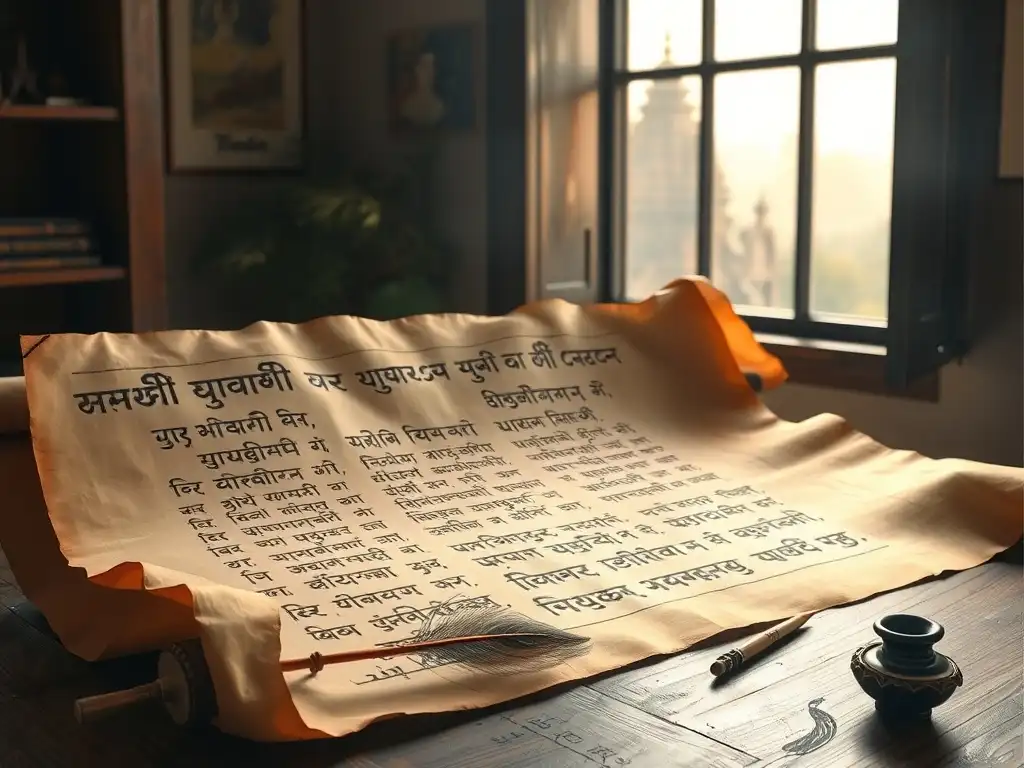
Brahmi Script: The Foundation of Indian Writing
The Brahmi script holds a paramount place in the ancient Indian scripts history as one of the earliest writing systems in the Indian subcontinent. Emerging around the 3rd century BCE, it served as a foundation for various other scripts that followed, including Devanagari, which is widely used today.
Brahmi is characterized by its abugida nature, where each character is based on consonants, with vowel sounds indicated by diacritics. This script was primarily used for inscriptions on stone, metal, and other durable materials, often seen in edicts and religious texts. The most notable example is the Edicts of Ashoka, which were inscribed by Emperor Ashoka during the Mauryan Empire.
Key Features of Brahmi Script:
- Phonetic Nature: Each symbol corresponds to a sound, making it relatively easy to learn.
- Adaptability: Brahmi influenced many regional scripts across India and even beyond, showcasing its versatility.
- Cultural Significance: It reflects the socio-political and cultural milieu of ancient India, often used in a religious context.
The deciphering of Brahmi in the 19th century by scholars like James Prinsep opened new avenues for understanding ancient Indian history and culture, providing invaluable insights into the civilization's thoughts and beliefs.
Kharosthi Script: The Role in Trade and Administration
Kharosthi, another pivotal script in the ancient Indian scripts history, emerged in the 4th century BCE, primarily used in the northwestern regions of the Indian subcontinent. Derived from the Aramaic script, Kharosthi was utilized mainly for administrative purposes and trade transactions, reflecting the economic dynamics of its time.
Kharosthi is distinct in its right-to-left writing direction and is also an abugida. The script was prevalent in regions such as Gandhara and served as a bridge for cultural and commercial exchanges along the Silk Road.
Significance of Kharosthi:
- Economic Influence: As a script used in trade, it facilitated commerce between India and Central Asia, aiding the spread of goods and ideas.
- Historical Records: Inscriptions and manuscripts in Kharosthi provide critical data on the governance, social structure, and religious practices of ancient societies.
- Cultural Exchange: The script embodies the syncretism of cultures, with influences evident from Persian and Greek civilizations.
Despite its decline by the 3rd century CE, Kharosthi's contributions to ancient Indian scripts are invaluable, particularly in understanding the interconnectedness of ancient economies and cultures.
Tamil Script: An Enduring Legacy of the Dravidian Language
The Tamil script, with its rich heritage, represents a significant chapter in the ancient Indian scripts history, particularly for the Dravidian language family. This script has evolved from the Brahmi script, possibly around the 3rd century BCE, and is one of the oldest continuously used writing systems in the world.
The Tamil script is characterized by its distinct curved letters, which are aesthetically pleasing and functional. It is primarily used for writing the Tamil language, which boasts a literary tradition that spans over two millennia.
Characteristics of Tamil Script:
- Phonemic Structure: The script is designed to represent each sound, making it highly phonetic.
- Cultural Significance: Tamil literature, including works like Thirukkural and Sangam poetry, showcases the script's role in preserving the cultural identity of Tamil speakers.
- Modern Usage: Today, the Tamil script is not only used in India but also among Tamil communities worldwide, reflecting the diaspora's cultural continuity.
The Tamil script's endurance and adaptability highlight the significance of ancient scripts in shaping linguistic identities and cultural heritage, making it a vital component of India's historical narrative.
The Aesthetic Elements of Ancient Indian Scripts
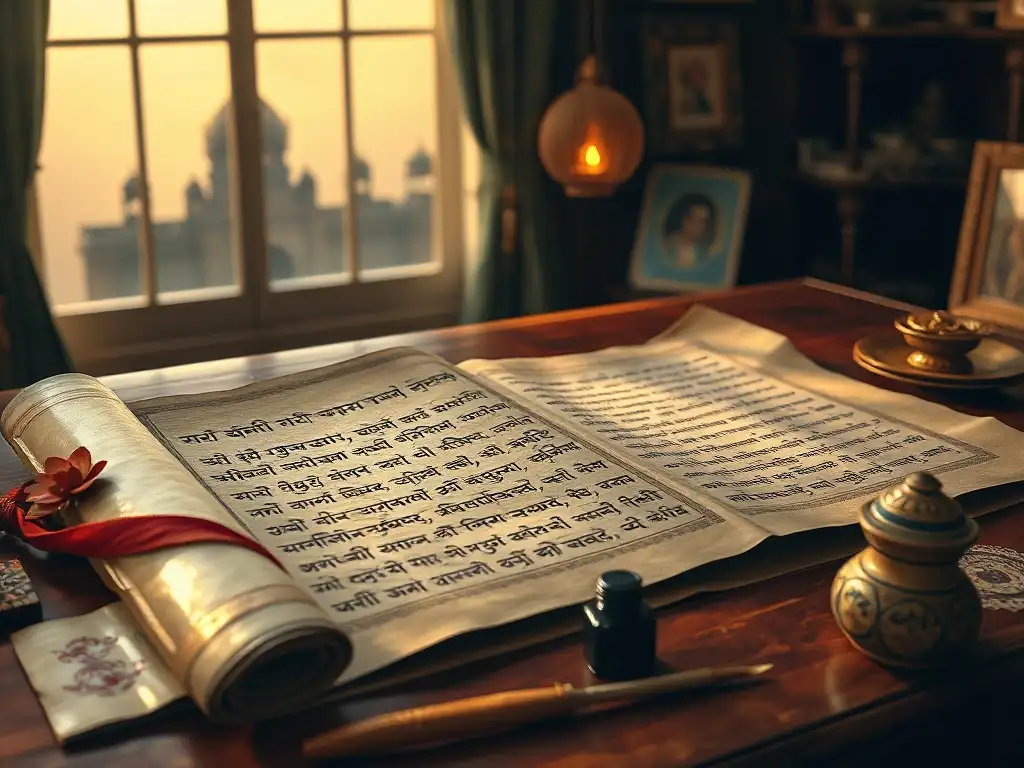
The aesthetic beauty of ancient Indian scripts is a unique fusion of art and functionality, embodying the cultural richness of the civilizations that produced them. From the intricate designs of their characters to the deliberate use of space and form, ancient Indian scripts reflect a deep appreciation for visual harmony and meaning. This section delves into the artistic elements that define these scripts, focusing on their calligraphic nuances and symbolic representations.
Calligraphy and Artistic Expression in Ancient Indian Writing
Calligraphy in ancient Indian writing goes beyond mere communication; it is an art form that conveys the cultural and spiritual ethos of the time. Each script possesses distinctive characteristics that showcase the skill of the calligrapher.
- Sanskrit Calligraphy: Often inscribed on palm leaves or stone, Sanskrit calligraphy features intricate curves and lines. The elegant forms of characters, such as अ (a) and क (ka), reflect an aesthetic sensibility that aligns with the spiritual philosophies of Hinduism and Buddhism.
- Brahmi Script: As one of the earliest scripts used in ancient India, Brahmi is notable for its simplicity and geometric shapes. Its aesthetic appeal lies in the balance of its letters, which are often arranged to create rhythmic patterns, enhancing the visual experience of the text.
- Grantha Script: Used predominantly in South India, Grantha calligraphy exhibits a unique combination of angular and rounded forms. The script’s fluidity makes it particularly suitable for writing classical Tamil literature. Calligraphers often embellished their works with decorative motifs, elevating the text to an art form.
The calligraphic tradition not only served practical purposes but also played a significant role in religious and cultural expressions. Monastic scribes, for instance, meticulously crafted texts for temples, ensuring that the aesthetic quality matched the spiritual significance of the content.
Symbolism and Meaning in Ancient Scripts
Ancient Indian scripts are rich in symbolism, often reflecting philosophical and cultural ideas inherent in the civilizations that created them. The intricate designs within these scripts serve as visual representations of deeper meanings.
- Use of Symbols: Many scripts incorporated symbols that held specific meanings. For example, the Om symbol, prevalent in various ancient texts, signifies the essence of the ultimate reality and is often stylized in a calligraphic manner, merging art with spirituality.
- Cultural Context: The context in which these scripts were developed plays a crucial role in their symbolism. For instance, the Devanagari script, used for Sanskrit and several other languages, features characters that often mirror natural forms and elements, symbolizing the interconnectedness of life and language.
- Inscriptions and Commemorative Art: Inscriptions found on temples and monuments often served dual purposes: to commemorate significant events and to convey messages of power and divinity. The visual layout of these inscriptions was carefully planned to create a sense of grandeur, emphasizing the importance of the text.
The examination of ancient Indian scripts history reveals a profound connection between art, language, and culture. The aesthetic elements embedded in these scripts not only enhance their visual appeal but also enrich our understanding of the civilizations that thrived in ancient India. By appreciating the artistic qualities of these scripts, we gain insight into the values and beliefs of the people who crafted them, making their legacy enduring and significant.
The Evolution of Scripts in Ancient India
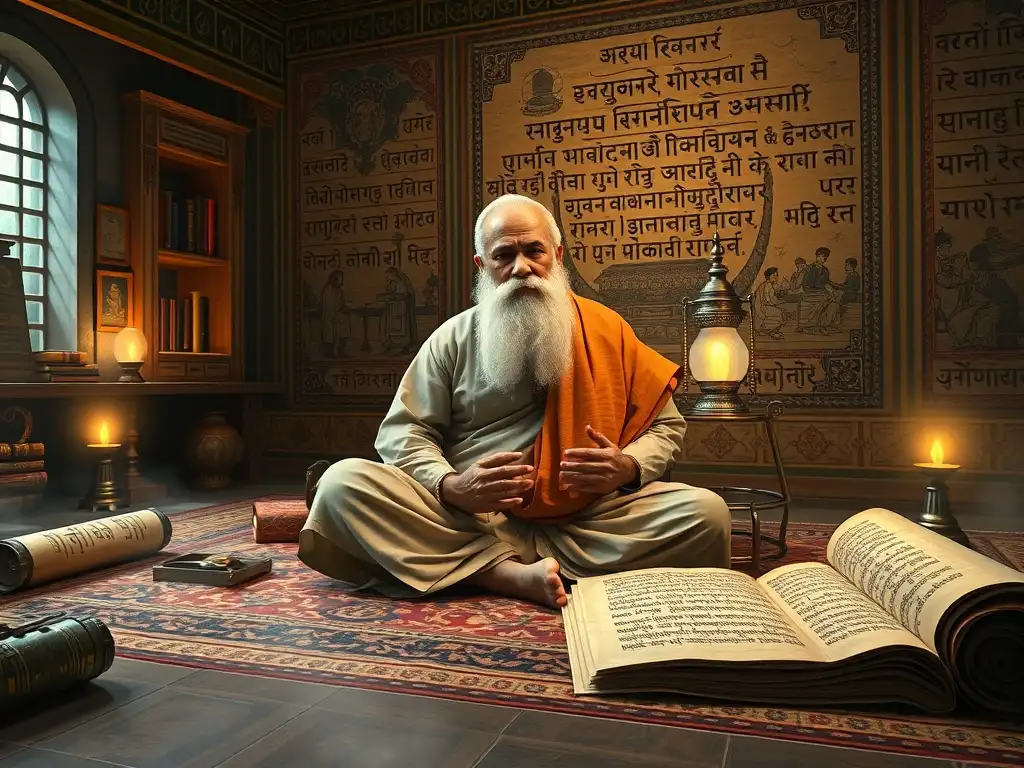
The Transition from Indus Valley Script to Brahmi and Kharosthi
The evolution of writing in ancient India marks a significant transition from the enigmatic Indus Valley Script to more structured scripts such as Brahmi and Kharosthi. The Indus Valley Civilization, which thrived around 2600–1900 BCE, produced symbols that remain largely undeciphered. This script, composed of approximately 400 distinct signs, was primarily used for administrative and religious purposes. Its lack of correlation with known languages complicates our understanding of early Indian writing.
As the Indus Valley Civilization declined, new sociopolitical dynamics emerged, leading to the development of the Brahmi and Kharosthi scripts around the 3rd century BCE. These scripts were pivotal for several reasons:
- Brahmi:
- Considered one of the oldest scripts of India, Brahmi is thought to have evolved directly from the Indus Valley Script.
- It features a syllabic structure, allowing for the representation of vowels and consonants.
- Brahmi inscriptions are found on Ashoka's edicts, which propagated Buddhism across the Indian subcontinent.
- Kharosthi:
- Primarily used in the northwest regions of India, Kharosthi was influenced by Aramaic scripts due to the interactions with the Persian Empire.
- It is a right-to-left script, diverging from the left-to-right orientation of Brahmi.
- Kharosthi inscriptions have been found in various locations, including Gandhara, showcasing the spread of Buddhism and trade.
The transition from the Indus Valley Script to Brahmi and Kharosthi signifies a shift towards more sophisticated forms of communication, deeply intertwined with the cultural and political changes of the time.
Influence of Foreign Cultures on Ancient Indian Scripts
The development of ancient Indian scripts was not solely an indigenous phenomenon; it was significantly influenced by foreign cultures through trade, conquests, and cultural exchanges. Notably, the interactions with the Persian, Greek, and later Turkic cultures played a crucial role in shaping the scripts.
- Persian Influence:
- The Achaemenid Empire's expansion into the Indian subcontinent facilitated the introduction of the Aramaic script, which influenced Kharosthi.
- This interaction led to the incorporation of certain Aramaic symbols into Kharosthi, reflecting a blend of local and foreign elements.
- Greek Interactions:
- Following Alexander the Great's invasion in the 4th century BCE, Greek cultural elements began to permeate Indian society.
- The Brahmi script adapted some Greek letter forms, particularly in the representation of sounds not originally present in the Indian phonetic system.
- Turkic Contributions:
- In later centuries, the arrival of Turkic invaders brought about further scriptural adaptations, influencing both the Nastaʿlīq style of Persian calligraphy and the development of scripts used in northern India.
- This infusion of Turkic elements led to a more diverse array of writing systems, accommodating the multilingual landscape of medieval India.
The interplay of these foreign influences not only enriched the aesthetic qualities of ancient Indian scripts but also facilitated the transference of knowledge, culture, and administrative practices, thereby leaving a lasting legacy on the ancient Indian scripts history.
The evolution of scripts in ancient India is a testament to the dynamic cultural interactions that shaped the region's linguistic landscape, resulting in a rich tapestry of written communication that continues to influence modern Indian scripts today.
The Role of Ancient Scripts in Literature and Documentation
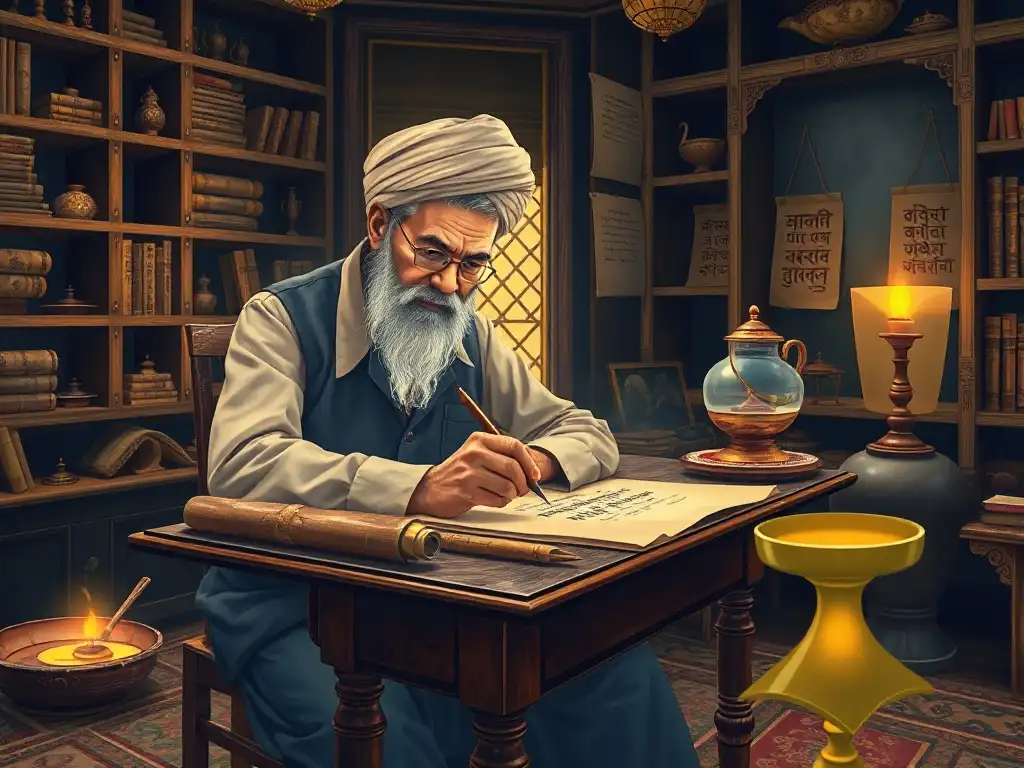
Ancient Texts and Manuscripts: Preserving Knowledge
Ancient Indian scripts played a crucial role in the preservation and transmission of knowledge, culture, and traditions throughout various epochs. The emergence of writing facilitated the documentation of religious texts, literary works, scientific treatises, and administrative records, ensuring the survival of wisdom across generations. Here are some key aspects highlighting the significance of ancient texts and manuscripts in preserving knowledge:
- Diverse Literary Forms: Ancient Indian literature encompassed various genres, including epics, poetry, drama, and philosophical treatises. Notable examples include:
- The Vedas: These sacred texts, composed in the early Brahmi script, are among the oldest literary works in India, containing hymns, rituals, and philosophical discourses.
- The Mahabharata and Ramayana: These epic narratives, written in Sanskrit, explore moral dilemmas, ethical questions, and the complexities of human relationships.
- Manuscript Traditions: The tradition of manuscript writing flourished in ancient India, with palm leaves and birch bark serving as primary materials. Scribes meticulously copied texts, ensuring their accuracy and longevity. Some important manuscript collections include:
- The Bhandarkar Oriental Research Institute: Houses a vast collection of ancient manuscripts, shedding light on various aspects of Indian history and culture.
- The National Mission for Manuscripts: An initiative aimed at preserving and digitizing ancient texts to make them accessible for future generations.
- Regional Scripts and Languages: The evolution of scripts such as Brahmi, Kharosthi, and Devanagari led to the development of regional languages, allowing local cultures to document their histories and traditions. This linguistic diversity enriched the literary landscape of ancient India.
The Impact of Scripts on Religion and Philosophy in Ancient India
Ancient Indian scripts had a profound influence on the religious and philosophical thought of the time. They served as the medium through which spiritual teachings, doctrines, and philosophical ideas were communicated and preserved. Here are some key points illustrating this impact:
- Scriptural Transmission: The use of scripts enabled the recording of religious texts that became foundational to various Indian religions. For instance:
- Buddhism: The Pali Canon, written in Brahmi script, codified the teachings of the Buddha, ensuring their transmission across regions.
- Hinduism: Sanskrit scriptures, such as the Upanishads and the Bhagavad Gita, provided philosophical insights and spiritual guidance, influencing countless generations.
- Philosophical Discourse: Ancient Indian philosophers utilized scripts to articulate complex ideas and engage in debates. The dialectical method employed in texts like the Nyaya Sutras and Vedanta explored various schools of thought, promoting intellectual rigor.
- Cultural Synthesis: The interaction of different scripts fostered a rich dialogue among diverse religious and philosophical traditions. This synthesis is evident in the cross-pollination of ideas between Hinduism, Buddhism, and Jainism, all of which were documented in various scripts.
The history of ancient Indian scripts is intricately woven into the fabric of literature, religion, and philosophy. Their role in preserving knowledge and facilitating intellectual discourse underscores their importance in shaping the cultural heritage of ancient India.
The Study and Preservation of Ancient Indian Scripts
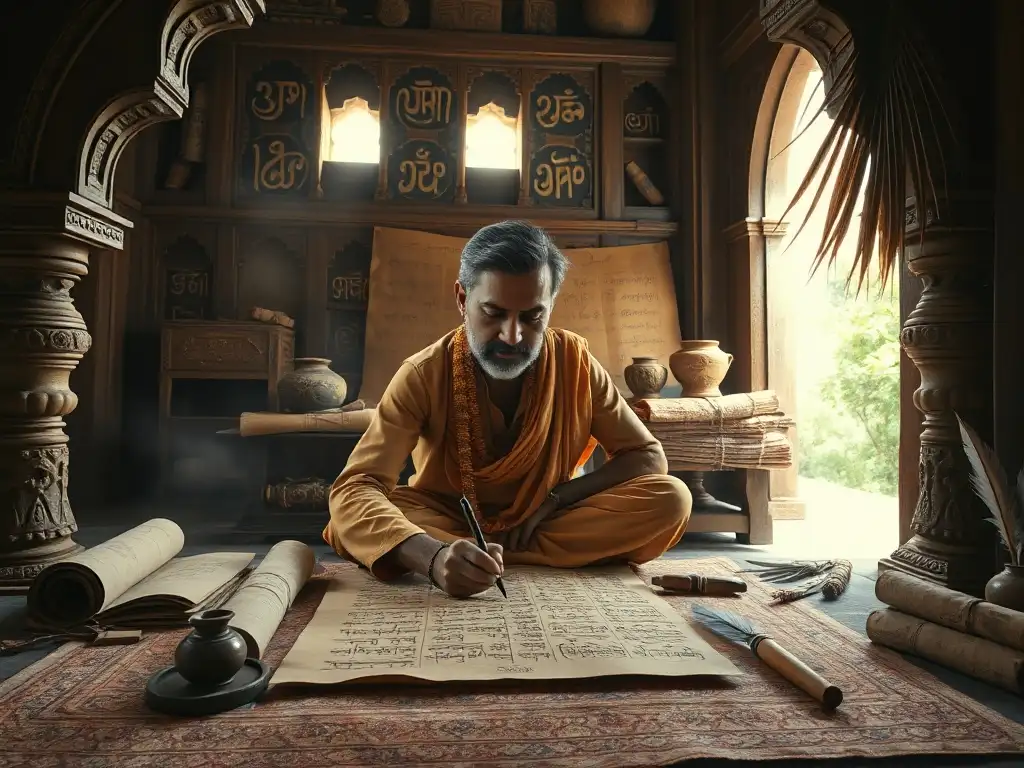
Modern Research on Ancient Indian Scripts History
The study of ancient Indian scripts has garnered increasing attention from historians, linguists, and archaeologists alike. Modern research focuses on deciphering these scripts to better understand their historical context, cultural significance, and literary contributions. Key ancient scripts such as Brahmi, Kharosthi, and the scripts of the Indus Valley Civilization offer valuable insights into the socio-political and economic dynamics of their respective eras.
Recent advancements in technology, particularly in imaging techniques and computational analysis, have revolutionized the way researchers approach ancient inscriptions. For instance, the use of multispectral imaging allows scholars to visualize faded texts that were previously illegible. This has led to the discovery of new inscriptions and a deeper comprehension of existing ones.
Moreover, interdisciplinary collaborations play a pivotal role in the modern study of ancient Indian scripts. Linguists work alongside historians and computer scientists to create databases of script samples, facilitating comparative studies among different regions and time periods. These databases not only preserve the scripts but also make them accessible for further research and educational purposes.
Another significant aspect of modern research is the exploration of the cultural narratives embedded within these scripts. By analyzing the content of inscriptions, researchers can glean information about religious practices, social hierarchies, and even trade relations of ancient Indian civilizations. For example, the inscription of Ashoka, written in Brahmi, reveals much about his governance and the spread of Buddhism.
Preservation Efforts for Ancient Manuscripts and Inscriptions
Preservation of ancient manuscripts and inscriptions is crucial for maintaining the integrity of India's rich cultural heritage. Various organizations and institutions are actively engaged in efforts to safeguard these invaluable resources. Here are some of the key strategies being employed:
- Digitization Projects:
- Many institutions are undertaking digitization projects to create high-resolution copies of ancient manuscripts. This not only protects the originals from deterioration but also makes them available for global research and study.
- For example, the National Mission for Manuscripts in India has digitized thousands of manuscripts, allowing scholars worldwide to access rare texts.
- Conservation Techniques:
- Experts in conservation utilize advanced techniques to restore damaged manuscripts. This includes the application of acid-free materials and specialized cleaning processes.
- Institutions like the Indira Gandhi National Centre for the Arts (IGNCA) have specialized conservation labs where skilled conservators work on preserving manuscripts.
- Awareness and Education:
- Raising awareness about the importance of preserving ancient manuscripts is essential. Workshops and seminars are frequently organized to educate the public and scholars about best practices in preservation.
- Educational programs often highlight the significance of ancient scripts in understanding India's history and culture, fostering a sense of responsibility towards their protection.
- Collaboration with Local Communities:
- Engaging local communities in preservation efforts is critical, as many ancient manuscripts are held in private collections. By collaborating with community members, organizations can encourage the safeguarding and proper maintenance of these texts.
- Initiatives that promote local heritage often empower communities to take pride in their historical artifacts, leading to better preservation.
- Legislation and Policies:
- Governments are enacting policies to protect ancient manuscripts and inscriptions from illicit trade and destruction. Laws regulating the export and sale of antiquities are crucial in preserving these cultural treasures for future generations.
- The Archaeological Survey of India plays a significant role in monitoring and enforcing regulations concerning ancient sites and inscriptions.
The preservation of ancient Indian scripts is a multifaceted endeavor that combines modern technology, interdisciplinary research, and community engagement. These efforts ensure that the beauty and knowledge encapsulated in ancient scripts continue to inspire and educate future generations.
Conclusion: The Legacy of Ancient Indian Scripts
The legacy of ancient Indian scripts extends far beyond their mere functionality as tools for communication. These scripts, each with its unique aesthetic and cultural significance, provide profound insights into the civilizations that flourished in the Indian subcontinent. From the intricate seals of the Indus Valley Civilization to the elegant calligraphy of the Gupta period, ancient Indian scripts serve as a testament to the rich intellectual and artistic heritage of the region.
The aesthetic beauty of ancient Indian scripts is characterized by their fluid forms and intricate designs. For instance, the Brahmi script, often regarded as one of the earliest writing systems in India, exhibits a simplicity that belies its depth. Its letters, composed of straight lines and curves, not only convey meaning but also reflect the artistic sensibilities of the time. Similarly, the Gupta script, known for its graceful flourishes, showcases the sophistication of writing during the Golden Age of India.
Moreover, these scripts are deeply intertwined with the cultural and spiritual fabric of ancient India. They were not merely used for administrative purposes; they also played a crucial role in the transmission of religious texts, literature, and philosophy. The inscriptions found in temples and monuments reveal the values, beliefs, and historical narratives that shaped ancient Indian society.
Reflection on the Aesthetic and Cultural Significance of Ancient Scripts
The aesthetic and cultural significance of ancient Indian scripts can be appreciated through various dimensions:
- Artistic Expression:
- Ancient scripts were often inscribed on stone, metal, and palm leaves, showcasing the craftsmanship of artisans. The calligraphic styles evolved over time, reflecting changes in artistic trends and cultural influences.
- The Kharosthi script, for example, features a unique angularity that distinguishes it from the more rounded Brahmi script, indicating regional variations in artistic expression.
- Historical Narratives:
- Each script carries historical weight, documenting the evolution of language and thought. The inscriptions from different periods provide a glimpse into the socio-political landscapes of the time, revealing alliances, conflicts, and cultural exchanges.
- For instance, the Edicts of Ashoka, written in Brahmi, not only convey the moral and ethical principles of the Mauryan emperor but also indicate the administrative practices of the empire.
- Religious Importance:
- Scripts played a vital role in the preservation and dissemination of religious texts, such as the Vedas, Puranas, and Buddhist scriptures. The use of specific scripts for sacred texts underscores their spiritual significance and the reverence attributed to them.
- The evolution of the Devanagari script highlights its importance in Hinduism, as it became the primary script for Sanskrit literature, enabling the transmission of spiritual knowledge across generations.
The Future of Ancient Indian Scripts in Contemporary Studies
The study of ancient Indian scripts is poised for continued relevance and growth in contemporary scholarship. As researchers delve deeper into archaeological findings and inscriptions, several trends and opportunities are emerging:
- Interdisciplinary Approaches: Scholars are increasingly employing interdisciplinary methodologies, combining linguistics, archaeology, and art history to provide holistic interpretations of ancient scripts. This approach enhances our understanding of the socio-cultural contexts in which these scripts flourished.
- Digital Humanities: The advent of digital technology has revolutionized the study of ancient scripts. Digitization projects are making ancient texts accessible to a wider audience, allowing for collaborative research and analysis. Online databases and tools for script recognition can facilitate the preservation and study of inscriptions that were once difficult to access.
- Cultural Revitalization: There is a growing interest in reviving ancient scripts in contemporary art, education, and cultural practices. This resurgence not only honors the historical significance of these scripts but also fosters a sense of identity and continuity among modern Indian societies.
The history of ancient Indian scripts is a rich tapestry woven with strands of art, culture, and intellectual achievement. As we explore their legacy, we not only unlock the doors to the past but also pave the way for future generations to appreciate and engage with the profound heritage of ancient India.
Frequently Asked Questions
What are ancient Indian scripts?
Ancient Indian scripts refer to the various writing systems developed in the Indian subcontinent, such as Brahmi, Kharosthi, and Devanagari, each contributing to the rich literary heritage.
How did ancient Indian scripts evolve over time?
The evolution of ancient Indian scripts was influenced by cultural exchanges, trade, and conquests, leading to the development and adaptation of writing systems to meet the needs of different regions and languages.
What role did ancient Indian scripts play in preserving history?
Ancient Indian scripts were crucial in documenting historical events, religious texts, and literature, ensuring the preservation and transmission of cultural knowledge across generations.
Which ancient Indian script is considered the oldest?
The Brahmi script is often regarded as one of the oldest ancient Indian scripts, dating back to the 3rd century BCE, and is the progenitor of many modern writing systems in South Asia.
How are ancient Indian scripts relevant today?
Ancient Indian scripts continue to be relevant as they provide insights into linguistic development, cultural practices, and the historical context of the Indian subcontinent, influencing contemporary languages and literature.
Final Reflection: Embracing the Legacy of Ancient Indian Scripts
The exploration of ancient Indian scripts is not merely an academic pursuit; it is a journey into the heart of a civilization that has shaped human thought and expression. Today, as we navigate a world increasingly dominated by digital communication, the intricate beauty and historical significance of these scripts remind us of the profound power of written language. The art of writing, particularly through the lens of ancient Indian scripts, serves as a testament to our shared heritage and the enduring impact of cultural narratives.
The influence of ancient Indian scripts extends far beyond their historical context; they continue to inspire contemporary art, literature, and philosophy. The aesthetic beauty of these scripts, with their flowing lines and intricate designs, invites us to appreciate the artistry involved in communication. As we reflect on this legacy, we are reminded of the words of the renowned poet Rabindranath Tagore: The highest education is that which does not merely give us information but makes our life in harmony with all existence.
This harmony is evident in the way ancient scripts encapsulate the values, beliefs, and stories of a civilization that still resonates with us today.
As we conclude this exploration, I invite you to reflect on the lessons embedded in the history of ancient Indian scripts. Consider how the art of writing can enrich your own life and the lives of those around you. Whether through journaling, storytelling, or simply appreciating the beauty of language, let us honor this legacy by embracing the power of words to connect, inspire, and transform. The beauty of ancient Indian scripts is not just in their form but in their ability to transcend time, urging us to engage with our own narratives and the world we inhabit.
Unveil Your Creativity: Dive into Ancient Scripts Today!
Thank you for joining us on this journey exploring the aesthetic beauty of ancient Indian scripts. We hope you gained insights and inspiration that will enrich your appreciation of this remarkable art form. Now, let’s take that inspiration and transform it into action!
What can you do next? Consider the following steps:
- Experiment with Your Own Script: Grab some paper and create your interpretations of ancient scripts—**let the beauty of their design inspire your creativity! **
- Join a Local Calligraphy Class or explore online tutorials to learn more about traditional writing styles—**it's a fun way to connect with this art! **
- Share Your Discoveries! Post your favorite scripts on social media using #AncientScripts to connect with fellow enthusiasts and spark discussions.
What aspects of ancient scripts resonate most with you, and how can they influence your own writing style? **We’d love to hear your thoughts! **