
The Art of Meditation: Ancient Techniques for Today's Busy Lives

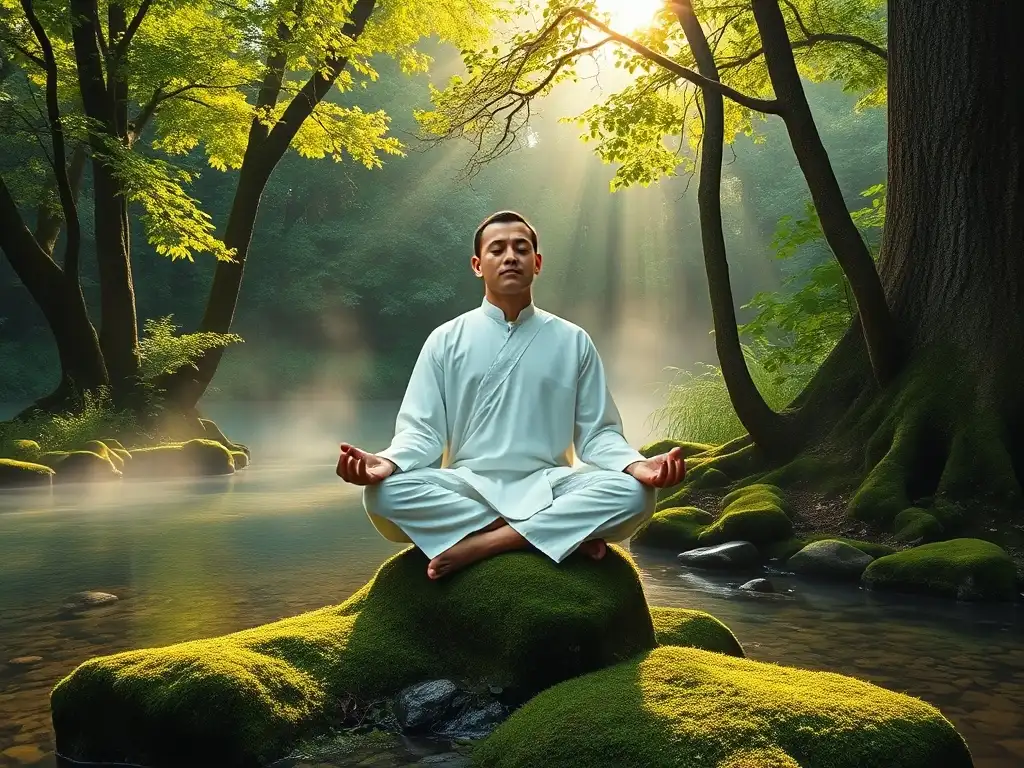
Welcome to Ancient India History, where we embark on a captivating journey through the rich tapestry of India's past. In our featured article, "The Art of Meditation: Ancient Techniques for Today's Busy Lives," we delve into the profound world of ancient Indian meditation techniques—practices that have shaped the minds and spirits of countless individuals through the ages. Discover how these timeless methods can enrich modern living, offering tranquility and insight amidst our fast-paced lives.
Join us as we explore the wisdom of ancient civilizations and uncover the secrets they hold for a balanced, fulfilling existence. Your adventure into the depths of India's historical legacy begins now!
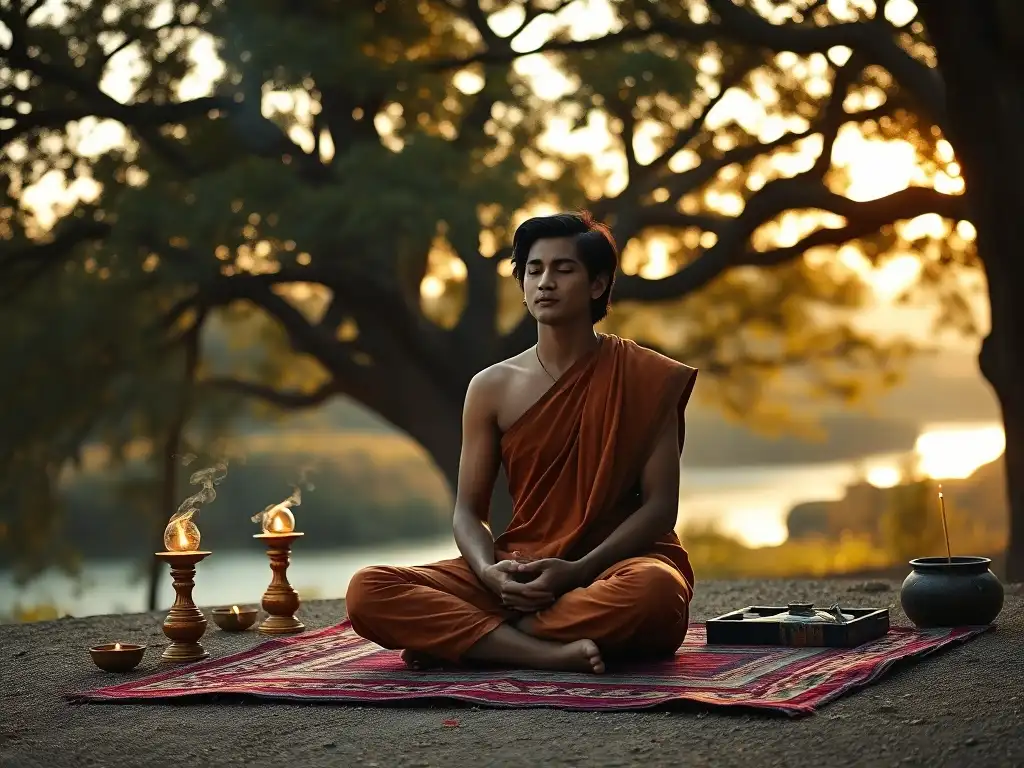
In today's fast-paced world, where stress and distractions abound, the ancient practice of meditation offers a sanctuary of tranquility and focus. Rooted in the rich tapestry of ancient Indian civilization, meditation techniques have been refined over thousands of years, providing profound insights into the human mind and spirit. This article delves into the ancient Indian meditation techniques that have transcended time, exploring their relevance and application in our modern lives. By reconnecting with these historical practices, we can cultivate mindfulness, enhance our mental clarity, and navigate the complexities of contemporary existence with greater ease.
Introduction to Ancient Indian Meditation Techniques
Ancient Indian meditation techniques, originating in the spiritual and philosophical traditions of the subcontinent, encompass a variety of practices designed to promote self-awareness and inner peace. These techniques can be traced back to texts such as the Vedas and Upanishads, which laid the groundwork for various forms of meditation, including:
- Dhyana (Meditation): A focused practice aimed at achieving deep states of concentration and insight.
- Mantra Meditation: The repetition of sacred sounds or phrases (mantras) to aid concentration and connect with the divine.
- Pranayama (Breath Control): Techniques that regulate breath to enhance the flow of vital energy in the body and calm the mind.
- Yoga: A holistic practice encompassing physical postures, breathwork, and meditation to foster unity between body, mind, and spirit.
These techniques not only promote relaxation but also encourage a deeper understanding of oneself and the universe. As modern society grapples with mental health challenges and the demands of daily life, the wisdom embedded in these ancient practices offers valuable tools for personal development and emotional well-being.
Benefits of Ancient Indian Meditation Techniques in Modern Life
The benefits of incorporating ancient Indian meditation techniques into our daily routine are manifold, addressing both mental and physical health. Here are some key advantages:
- Stress Reduction: Regular practice has been shown to significantly lower stress levels, helping individuals manage anxiety and pressure effectively.
- Increased Focus and Clarity: Techniques like Dhyana enhance concentration, allowing for improved productivity and decision-making.
- Emotional Balance: Meditation fosters greater emotional resilience, enabling individuals to respond to challenges with calmness and composure.
- Enhanced Creativity: By quieting the mind, practitioners often find a boost in creativity and inspiration, opening new avenues for problem-solving.
- Physical Health Benefits: Research indicates that meditation can lower blood pressure, improve sleep quality, and enhance overall well-being.
Embracing these ancient techniques in our modern lives not only helps us navigate the complexities of our surroundings but also enriches our personal growth journey. By integrating the wisdom of the past, we can cultivate a more balanced and fulfilling life today.
Key Ancient Indian Meditation Techniques for Busy Lives
In today's fast-paced world, the ancient practices of meditation can offer profound benefits for mental clarity, emotional stability, and overall well-being. Here are some key ancient Indian meditation techniques that can seamlessly fit into the busy lives of modern individuals.
1. Mindfulness Meditation (Vipassana)
Mindfulness meditation, also known as Vipassana, is one of the oldest forms of meditation that focuses on cultivating awareness of the present moment. This technique encourages practitioners to observe their thoughts, feelings, and sensations without judgment.
- Practice: To practice mindfulness, one can start with a few minutes each day, sitting quietly and focusing on their breath. As thoughts arise, simply acknowledge them and return to the breath, fostering a sense of calm and clarity.
- Benefits: Research shows that mindfulness can reduce stress, enhance emotional resilience, and improve focus, making it a perfect tool for busy professionals and students alike.
2. Mantra Meditation (Japa)
Mantra meditation involves the repetition of specific sounds, words, or phrases to help focus the mind and achieve a state of deep concentration. In ancient Indian traditions, this practice is known as Japa.
- Practice: Individuals can select a mantra that resonates with them, such as "Om" or "So Hum," and chant it either silently or aloud. This practice can be integrated into daily activities, like commuting, making it accessible for those with tight schedules.
- Benefits: The rhythmic repetition of a mantra helps to quiet the mind and can lead to a heightened sense of peace, reducing anxiety and promoting relaxation.
3. Guided Visualization
Guided visualization is a meditation technique that involves creating mental images to promote relaxation and positive mental states. Traditionally rooted in ancient Indian practices, this technique can be especially effective for busy individuals seeking a quick mental escape.
- Practice: Practitioners can find guided visualization recordings or scripts that lead them through a serene landscape or peaceful scenario. Spending just a few minutes visualizing can refresh the mind and spirit.
- Benefits: This technique not only helps in stress relief but also enhances creativity and problem-solving skills, making it a valuable tool for those juggling multiple responsibilities.
4. Breath Control (Pranayama)
Pranayama, the practice of breath control, is an essential aspect of ancient Indian meditation techniques. It emphasizes the connection between breath and mental state, enabling practitioners to harness their breath for physical and emotional balance.
- Practice: Simple pranayama exercises, such as alternate nostril breathing or deep belly breathing, can be performed in just a few minutes throughout the day. These exercises can be done at a desk, in a park, or even at home.
- Benefits: Regular practice of pranayama can significantly reduce stress levels, enhance focus, and improve overall health by increasing oxygen flow to the body.
Integrating Ancient Indian Meditation Techniques into Daily Routines
Incorporating ancient Indian meditation techniques into daily life doesn't require significant time or a specific setting. Here are some practical tips to make these practices a routine part of a busy lifestyle:
- Set Aside Short Time Blocks: Dedicate 5-15 minutes each day to meditation, perhaps in the morning or during lunch breaks. Consistency is key to experiencing the benefits.
- Combine with Existing Activities: Integrate meditation with daily tasks, such as practicing mindfulness during meals or incorporating pranayama while commuting.
- Utilize Technology: Leverage meditation apps or online resources that offer guided sessions, making it easier to follow along even in a busy schedule.
- Create a Calming Space: Designate a quiet corner in your home or office where you can retreat for a few moments of meditation, helping to cultivate a peaceful mindset.
By adopting these ancient techniques, individuals can cultivate a sense of balance and tranquility amidst the chaos of modern life, ultimately enhancing their overall well-being.
Comparison of Modern Meditation Tools Inspired by Ancient Techniques
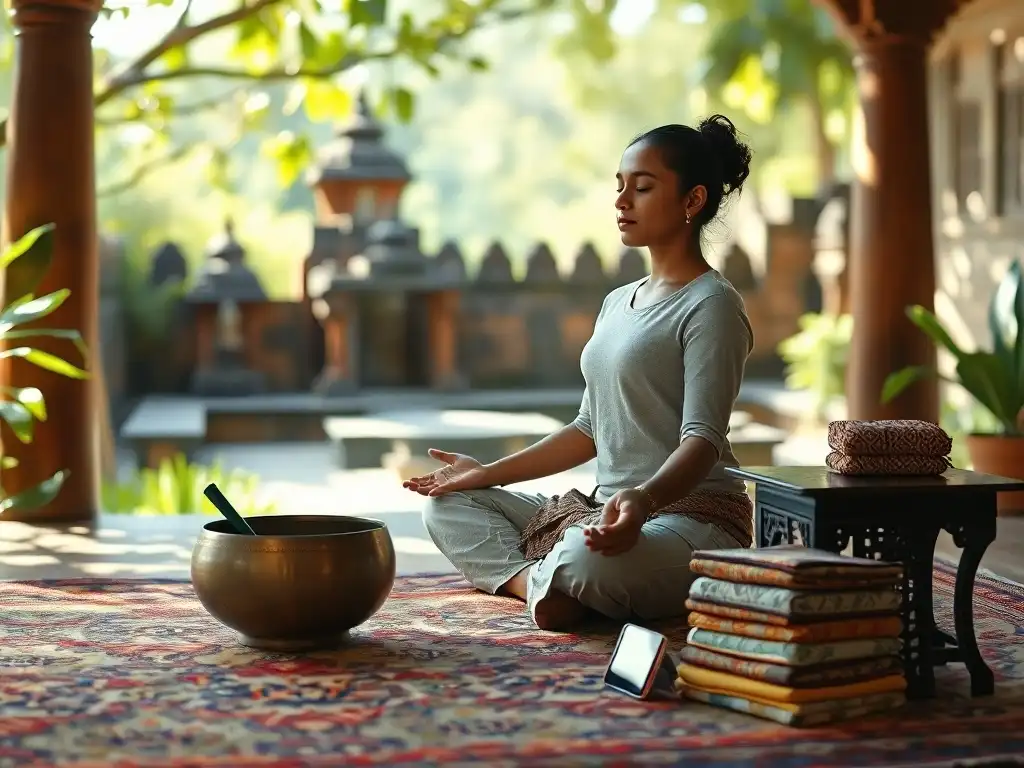
As we delve into the world of meditation, it is fascinating to observe how ancient Indian meditation techniques have influenced modern tools and practices. Today, technology offers various platforms that help individuals incorporate meditation into their busy lives, drawing inspiration from age-old methods. Here, we will compare some of the most popular modern meditation tools that take cues from ancient practices.
1. Meditation Apps: Calm vs. Breethe
In the realm of meditation apps, Calm and Breethe stand out as two popular options. Both apps are designed to make meditation accessible and appealing, but they approach the concept with different features and focuses.
- Calm:
- Features: Calm offers guided meditations, sleep stories, breathing exercises, and soothing music. Its visually appealing interface and variety of content cater to different meditation styles, including mindfulness and visualization techniques.
- Ancient Influence: Calm incorporates principles from ancient Indian practices, such as focused attention and the importance of breath control (Pranayama), to enhance mental clarity and relaxation.
- Breethe:
- Features: Breethe focuses on holistic wellness, combining meditation with personal growth and stress management resources. The app provides guided meditations, sleep aids, and tools for managing anxiety and relationships.
- Ancient Influence: Breethe emphasizes the emotional and spiritual aspects of meditation, reflecting ancient Indian philosophies that view meditation as a pathway to self-discovery and inner peace.
Both apps serve as effective tools for integrating ancient meditation techniques into modern lifestyles, yet they cater to different user preferences and goals.
2. Online Courses: The Mindfulness Project vs. Mindfulness-Based Stress Reduction
When it comes to online courses, The Mindfulness Project and Mindfulness-Based Stress Reduction (MBSR) are two prominent options that stem from ancient practices while adapting them for contemporary needs.
- The Mindfulness Project:
- Content: This course provides a comprehensive introduction to mindfulness meditation, focusing on practical applications for daily life. Participants learn various techniques, including body scans and mindful breathing.
- Ancient Influence: The project draws heavily from ancient Indian meditation practices, particularly Vipassana, which emphasizes observation and awareness of the present moment.
- Mindfulness-Based Stress Reduction (MBSR):
- Content: Developed by Dr. Jon Kabat-Zinn in the late 1970s, MBSR is an evidence-based program that incorporates mindfulness meditation to alleviate stress and improve mental health. It involves an 8-week structured course that combines meditation with yoga and other techniques.
- Ancient Influence: MBSR is rooted in Buddhist and yogic traditions, embodying the essence of ancient Indian meditation practices while utilizing scientific methods to validate its effectiveness.
Both online courses provide valuable insights into ancient meditation techniques, offering participants the chance to experience their benefits in a structured and supportive environment.
Common Myths about Ancient Indian Meditation Techniques
Despite the growing popularity of meditation, several misconceptions persist regarding ancient Indian meditation techniques. It is essential to debunk these myths to foster a better understanding and appreciation for these practices.
Debunking Misconceptions
- Myth 1: Meditation is only for spiritual individuals.
- Reality: While meditation has spiritual roots, it is practiced by people of all backgrounds for various reasons, including stress relief, mental clarity, and emotional well-being. Its benefits extend beyond spirituality.
- Myth 2: You need to empty your mind to meditate effectively.
- Reality: Meditation is not about completely clearing the mind but rather about observing thoughts without judgment. Ancient practices often focus on mindfulness and awareness, allowing thoughts to come and go.
- Myth 3: Meditation requires a lot of time and is difficult to learn.
- Reality: Ancient Indian meditation techniques can be practiced in short sessions, and many modern resources make it accessible for beginners. Even a few minutes of meditation can yield significant benefits.
- Myth 4: Meditation is only about sitting in silence.
- Reality: There are various forms of meditation, including movement-based practices like yoga and walking meditations. Ancient techniques encompass a wide range of practices that can be tailored to individual preferences.
By addressing these misconceptions, we can encourage more individuals to explore the transformative power of ancient Indian meditation techniques in their daily lives.
Conclusion: Embracing Ancient Indian Meditation Techniques in a Modern Context
In today's fast-paced and often chaotic world, the art of meditation has emerged as a beacon of tranquility and mental clarity. Ancient Indian meditation techniques, rooted in rich philosophical traditions, offer invaluable tools for individuals seeking to navigate the complexities of modern life. These practices, which emphasize mindfulness, self-awareness, and inner peace, can enhance emotional resilience and promote overall well-being.
By integrating techniques such as Vipassana, Transcendental Meditation, and Yoga Nidra, individuals can cultivate a deeper connection with themselves and their surroundings. These methods not only provide a pathway to stress reduction but also encourage a more profound understanding of one’s thoughts and emotions. As people increasingly turn to these ancient practices, they find solace in their simplicity and effectiveness.
Moreover, the flexibility of these techniques allows them to be adapted to fit the busy schedules of contemporary life. Whether through short meditation sessions, guided practices, or immersive retreats, the essence of ancient Indian meditation can be seamlessly woven into daily routines. This adaptability ensures that the benefits of meditation are accessible to everyone, regardless of their lifestyle or experience level.
In embracing these ancient techniques, individuals not only honor a rich cultural heritage but also pave the way for improved mental health and emotional stability. Ultimately, the art of meditation serves as a timeless bridge between the wisdom of ancient India and the demands of modern living, inviting us all to explore the depths of our consciousness and achieve a balanced state of being.
Additional Resources
To further explore ancient Indian meditation techniques and their applications in modern life, consider the following resources:
- Books:
- The Heart of Yoga: Developing a Personal Practice by T.K.V. Desikachar
- The Miracle of Mindfulness by Thich Nhat Hanh
- The Art of Meditation by Daniel Goleman
- Online Courses:
- Platforms like Coursera and Udemy offer courses on meditation and mindfulness based on ancient Indian practices.
- Insight Timer, a meditation app, features guided meditations inspired by traditional techniques.
- Local Retreats and Workshops:
- Many wellness centers and yoga studios provide retreats focusing on ancient meditation methods, offering immersive experiences for practitioners of all levels.
- Podcasts:
- Explore podcasts such as "On Being" and "The Mindfulness Meditation Podcast", which discuss mindfulness and meditation techniques, including those rooted in ancient traditions.
Engaging with these resources can deepen your understanding of ancient Indian meditation techniques and enhance your practice, allowing you to reap the full benefits of these time-honored methods in today’s busy world.
- Introduction to Ancient Indian Meditation Techniques
- Benefits of Ancient Indian Meditation Techniques in Modern Life
- Key Ancient Indian Meditation Techniques for Busy Lives
- Integrating Ancient Indian Meditation Techniques into Daily Routines
- Comparison of Modern Meditation Tools Inspired by Ancient Techniques
- Common Myths about Ancient Indian Meditation Techniques
- Conclusion: Embracing Ancient Indian Meditation Techniques in a Modern Context
- Additional Resources
Frequently Asked Questions
What are ancient Indian meditation techniques?
Ancient Indian meditation techniques are practices developed over centuries, aiming to enhance mental clarity, spiritual growth, and inner peace. They include methods such as Dhyana, Vipassana, and Yoga Nidra.
How can ancient meditation techniques benefit modern lifestyles?
These techniques offer stress relief, improved focus, and enhanced emotional well-being, which are crucial for coping with today's busy lives. Integrating them can lead to a more balanced and mindful existence.
Are there specific ancient texts that detail these techniques?
Yes, texts like the Yoga Sutras of Patanjali and the Upanishads provide comprehensive insights into ancient meditation practices, outlining their philosophies and methods.
Can beginners practice ancient Indian meditation techniques?
Absolutely! Many techniques can be adapted for beginners. Starting with simple practices, such as breath awareness or guided meditation, can help ease into these ancient methods.
How do these techniques compare to modern meditation practices?
While modern practices often focus on quick stress relief, ancient techniques emphasize holistic well-being, encompassing mental, physical, and spiritual aspects, making them more comprehensive for lasting benefits.
Final Reflection: Embracing Ancient Wisdom for Modern Serenity
In a world that often feels chaotic and overwhelming, the ancient Indian meditation techniques discussed in this article resonate with an urgent need for inner peace and mindfulness. As we navigate the complexities of contemporary life, the wisdom of these time-honored practices serves as a beacon of hope, reminding us that tranquility is not just a luxury but a necessity. The ability to pause, reflect, and center ourselves is more crucial now than ever, as we seek balance amidst the demands of our fast-paced existence.
The influence of meditation on our cultural and social landscape is profound and far-reaching. These ancient practices have transcended time and geography, becoming a vital part of wellness movements around the globe. As more individuals embrace meditation, we witness a collective shift towards prioritizing mental health and emotional well-being. In the midst of movement and chaos, keep stillness inside of you.
– Deepak Chopra. This quote encapsulates the essence of meditation as a sanctuary in our busy lives, highlighting its enduring relevance and transformative power.
As you reflect on the insights shared in this article, I invite you to take a moment to consider how you can incorporate these ancient techniques into your daily routine. Whether it's through a few minutes of mindful breathing or a deeper exploration of meditation practices, each step you take towards embracing this art can lead to profound changes in your life. Let the wisdom of the ancients guide you on your journey to inner peace, and remember that in the stillness, you may find the clarity and strength to navigate the challenges ahead.
Embrace Inner Peace: Start Your Meditation Journey Today!
Thank you for taking the time to explore the transformative world of meditation with us! You've uncovered invaluable techniques that can seamlessly integrate into your busy life. Now, let’s take those insights and turn them into actions that spark your journey towards tranquility and balance.
Here’s how you can start making meditation a meaningful part of your daily routine:
- Prioritize Your Practice: Set aside just 5 minutes a day to meditate. Start simple—focus on your breath or use a meditation app that guides you through the process.
- Join a Community: Seek out local or online meditation groups where you can share experiences, deepen your practice, and find encouragement from others.
- Experiment with Techniques: Explore various styles of meditation and blend traditional methods with contemporary practices. You might uncover a technique that resonates deeply with you!
What will you choose to focus on in your meditation practice this week?