
From Weights to Measurements: The Standardization of Trade in the Indus Valley

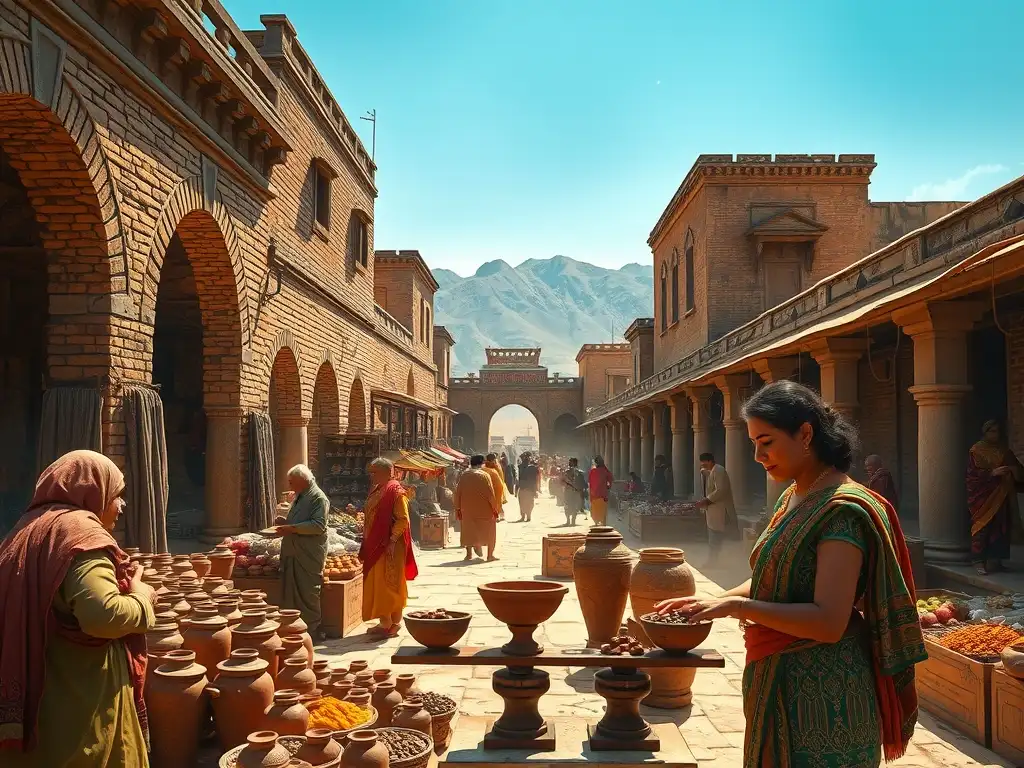
Welcome to Ancient India History, where we embark on a fascinating journey through time to uncover the rich tapestry of ancient Indian civilizations. In our featured article, "From Weights to Measurements: The Standardization of Trade in the Indus Valley," we delve into the groundbreaking systems that shaped economic interactions in one of the world’s earliest urban cultures. Discover how the Indus Valley trade standardization not only facilitated commerce but also laid the groundwork for future societies. Prepare to ignite your curiosity and explore the remarkable achievements that continue to influence us today!
- Introduction to Indus Valley Trade Standardization
- The Need for Standardization in Indus Valley Trade
- Key Features of Indus Valley Trade Standardization
- The Impact of Standardization on Indus Valley Economy
- Comparison of Indus Valley Trade Practices with Other Civilizations
- Legacy of Indus Valley Trade Standardization
- Conclusion: The Significance of Trade Standardization in the Indus Valley
-
Frequently Asked Questions
- What is the significance of trade standardization in the Indus Valley civilization?
- How did the Indus Valley civilization implement weights and measures?
- What materials were commonly used in Indus Valley trade?
- How did the standardization of trade impact the economy of the Indus Valley?
- What evidence supports the existence of a trade standardization system in the Indus Valley?
- Final Reflection: The Enduring Legacy of Indus Valley Trade Standardization
- Unveil the Secrets of Ancient Trade!
Introduction to Indus Valley Trade Standardization
The Indus Valley Civilization, one of the world's earliest urban cultures, flourished around 2500 BCE in what is now Pakistan and northwest India. This ancient society is renowned for its advanced city planning, sophisticated architecture, and remarkable technological innovations. Among these, the standardization of trade practices stands out as a critical component that facilitated economic growth and cultural exchange.
The Indus Valley trade standardization encompassed the implementation of uniform weights and measures, which played a pivotal role in trade efficiency and helped establish a robust economic network that connected various regions. This article delves into the intricacies of trade standardization within the Indus Valley Civilization, examining its significance, impact on society, and the innovations that emerged from this early practice.
Overview of the Indus Valley Civilization
The Indus Valley Civilization (IVC) emerged around 3300 BCE and is characterized by its impressive cities, such as Harappa and Mohenjo-Daro, which showcased advanced urban planning. Key features of the IVC include:
- Urban Planning: The cities were meticulously laid out on a grid system, with well-constructed drainage systems and public baths.
- Architecture and Engineering: The use of standardized baked bricks in construction highlighted their architectural ingenuity.
- Agriculture and Economy: The civilization thrived on agriculture, utilizing irrigation techniques to cultivate crops like wheat, barley, and cotton.
Through archaeological findings, it is clear that the IVC had a complex social structure and engaged in extensive trade networks, both internally and with distant regions such as Mesopotamia and Persia.
Importance of Trade in Ancient Societies
Trade was a cornerstone of economic stability and growth in ancient societies, facilitating the exchange of goods, services, and ideas. In the context of the Indus Valley Civilization, trade served several vital purposes:
- Resource Acquisition: The IVC was rich in resources like cotton and metals, which were traded for materials not locally available.
- Cultural Exchange: Trade routes allowed for the interchange of cultural practices, technologies, and religious beliefs, enriching societies.
- Economic Prosperity: A thriving trade network contributed to the wealth of cities and the development of social hierarchies, as merchants and traders gained prominence.
Overall, trade was not merely an economic activity but a vital process that shaped the cultural and social landscapes of ancient civilizations.
Purpose of Standardization in Trade
The standardization of weights and measures in trade was crucial for several reasons:
- Facilitated Fair Trade: Uniform measures allowed for equitable transactions, reducing disputes over quantities and values.
- Enhanced Efficiency: Standardized systems streamlined trade processes, enabling quicker exchanges and fostering trust among traders.
- Promoted Economic Integration: A common framework for trade helped unify various regions within the IVC, encouraging more extensive trade networks and economic collaboration.
By implementing standardized practices, the Indus Valley Civilization laid the groundwork for future economic systems and demonstrated an early understanding of the importance of regulation in trade. The legacy of these practices continues to inform modern trade and economic policies.
The Need for Standardization in Indus Valley Trade
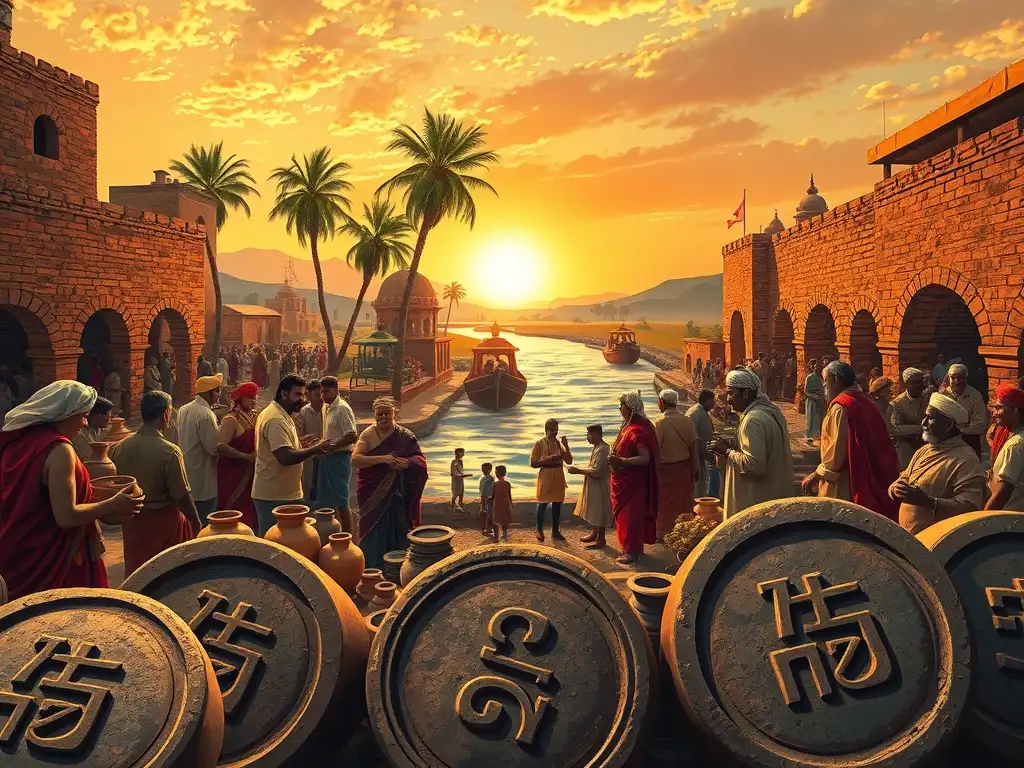
The Indus Valley Civilization, one of the world's earliest urban cultures, thrived between 3300 BCE and 1300 BCE in what is now Pakistan and northwest India. A critical aspect of its economic success was the standardization of trade practices, which facilitated commerce across the vast network of cities. This standardization was essential for overcoming various obstacles that merchants faced, thereby promoting economic stability and growth.
Challenges in Early Trade Practices
Trade in the early Indus Valley was characterized by a variety of challenges that necessitated a system of standardization. Some of these challenges included:
- Diversity of Goods: The Indus Valley engaged in trade of diverse goods ranging from agricultural products to crafted items. This variety made it difficult to establish a consistent value for different items.
- Lack of Uniformity: Merchants often used differing weights and measures, leading to confusion and disputes during transactions. A lack of universal standards resulted in significant discrepancies in trade, undermining trust among traders.
- Geographical Barriers: The vastness of the Indus Valley region meant that traders faced geographical barriers, which complicated the logistics of transporting goods. Standardized measures would alleviate these issues by ensuring that goods could be reliably exchanged over long distances.
As trade expanded beyond local exchanges to long-distance commerce with regions like Mesopotamia, the need for a more organized trade system became increasingly apparent, prompting the development of standardized weights and measures.
The Role of Weights and Measures
The introduction of a standardized system of weights and measures played a pivotal role in facilitating trade throughout the Indus Valley. Archaeological findings reveal that the Indus people employed a meticulous approach to this standardization:
- Uniform Weights: Excavations of Indus Valley sites have uncovered a variety of weights made from materials such as stone and metal, most commonly cubic in shape, which provided a consistent basis for measurement. The weights typically ranged from 1 to 13 grams, indicating a systematic approach to trade.
- Measurement Systems: The Indus Valley civilization also utilized a standard unit of length, believed to be based on the human body, which provided a consistent basis for measuring goods. The "Indus cubit" is thought to be approximately 18 inches long, underlining the civilization’s remarkable understanding of measurement.
- Seals and Markings: The use of seals, often inscribed with symbols and weights, played a crucial role in trade practices. These seals not only denoted ownership but also indicated the quality and weight of goods, further enhancing trust in commercial transactions.
The establishment of these weights and measures was a significant advancement for the Indus Valley trade standardization, facilitating smoother transactions and reducing conflicts among merchants.
Benefits of Standardized Trade Systems
The standardization of trade in the Indus Valley yielded numerous benefits, greatly influencing the economic landscape of the civilization:
- Increased Trust: With uniform weights and measures, traders could engage in commerce with greater confidence, knowing that they would receive fair value for their goods. This trust was foundational for building long-term trading relationships.
- Efficiency in Transactions: Standardized systems streamlined the trading process, reducing the time and effort required for negotiations. Traders no longer needed to spend excessive time verifying weights and measures, allowing for quicker exchanges.
- Expansion of Trade Networks: The establishment of a reliable trading system enabled the Indus Valley to expand its commerce beyond local boundaries. This was essential for economic growth and the integration of the civilization into broader regional trade networks.
- Economic Stability: A standardized trade system contributed to the overall economic stability of the Indus Valley Civilization. By minimizing disputes and enhancing the efficiency of trade, the civilization could focus on production and innovation, further fueling its advancements in technology and culture.
The standardization of trade practices in the Indus Valley was a transformative development that not only addressed the challenges of early trading systems but also laid the groundwork for a flourishing economy that would influence future civilizations.
Key Features of Indus Valley Trade Standardization
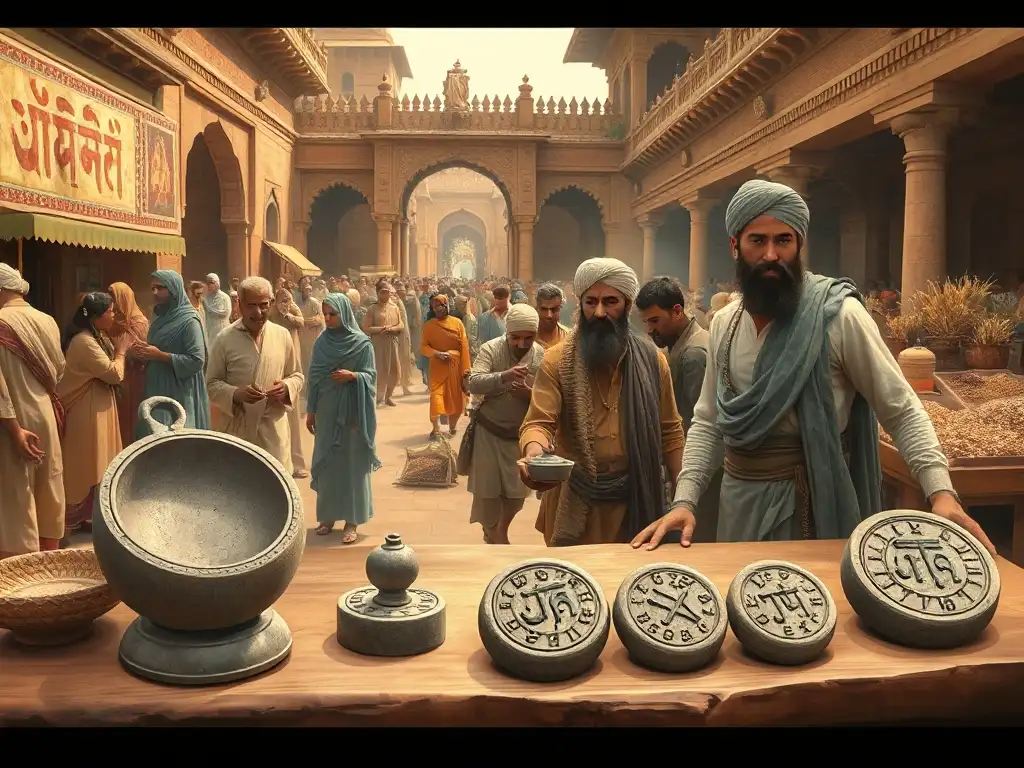
The Indus Valley Civilization, flourishing between 2600 BCE and 1900 BCE, is renowned for its advanced urban planning and trade practices. One of the cornerstones of its economic success was the standardization of trade, which facilitated commerce not only within the civilization but also with neighboring regions. This section explores the key features of the trade standardization practices in the Indus Valley, focusing on standardized weights, measurement systems, and archaeological evidence supporting these practices.
Standardized Weights: Materials and Design
The standardized weights used in the Indus Valley trade system were primarily made from materials such as stone, terracotta, and metal. These weights were meticulously designed to ensure uniformity and precision in trade activities.
- Materials Used:
- Stone Weights: Often crafted from a variety of stones, these weights were durable and could withstand rigorous use in trade.
- Terracotta Weights: These were more common and were frequently used in local markets. Their availability made them a practical choice for daily transactions.
- Metal Weights: Less common but used for higher-value trades, metal weights often featured intricate designs that could indicate the weight's value.
- Design Specifications:
- Most weights were cubical or cylindrical, with a standardized size that allowed traders to measure goods accurately.
- The weights typically followed a binary system, with divisions that made calculations straightforward. For instance, a common weight unit was around 13 grams, which could be multiplied to assess larger quantities.
The precision in the design and the materials used reflects the sophistication of the Indus Valley economy, ensuring that trade practices were efficient and reliable.
Measurement Systems Used in Trade
Measurement systems in the Indus Valley were intricately linked to the trade activities of the civilization. Various standards were employed to ensure uniformity across different goods and trades.
- Length Measurements:
- The most notable unit of length was the 'standard cubit', approximately 44.5 cm. This measurement was crucial for assessing textiles and other goods.
- Smaller units, such as the 'finger' and 'hand', were also used for finer measurements in trading smaller items.
- Volume Measurements:
- The Indus Valley utilized specific containers for measuring liquids and grains, which were calibrated to ensure consistency.
- Standardized pots and containers were often used to ensure that the volume of goods being traded was accurate, notably for commodities like grain and oil.
The adoption of these measurement systems highlights the organized nature of trade in the Indus Valley, enabling merchants to conduct transactions with confidence in the measurements being used.
Evidence from Archaeological Sites
Archaeological excavations across the former sites of the Indus Valley Civilization have uncovered compelling evidence supporting the trade standardization practices.
- Weight Finds:
- Numerous standardized weights have been discovered in sites like Mohenjo-Daro and Harappa, showcasing the consistency in trade practices.
- These weights often bear inscriptions or markings that suggest a formalized system of measurement, indicative of an organized trade network.
- Trade Goods:
- Artifacts such as seals and pottery have been found, indicating the types of goods traded and the measurement systems employed.
- For example, seals often depict animals, symbols, and weights, suggesting their dual purpose as a means of branding and measurement.
- Marketplaces:
- Excavated sites reveal organized marketplaces, with designated areas for weighing and measuring goods, indicating the importance of trade standardization in daily commerce.
The archaeological evidence from these sites underscores the advanced nature of the Indus Valley trade system and the importance of standardization in facilitating economic transactions across extensive trade networks.
Through these key features, it is evident that Indus Valley trade standardization was a sophisticated system that not only enhanced local and regional commerce but also laid the groundwork for future economic practices in ancient civilizations.
The Impact of Standardization on Indus Valley Economy
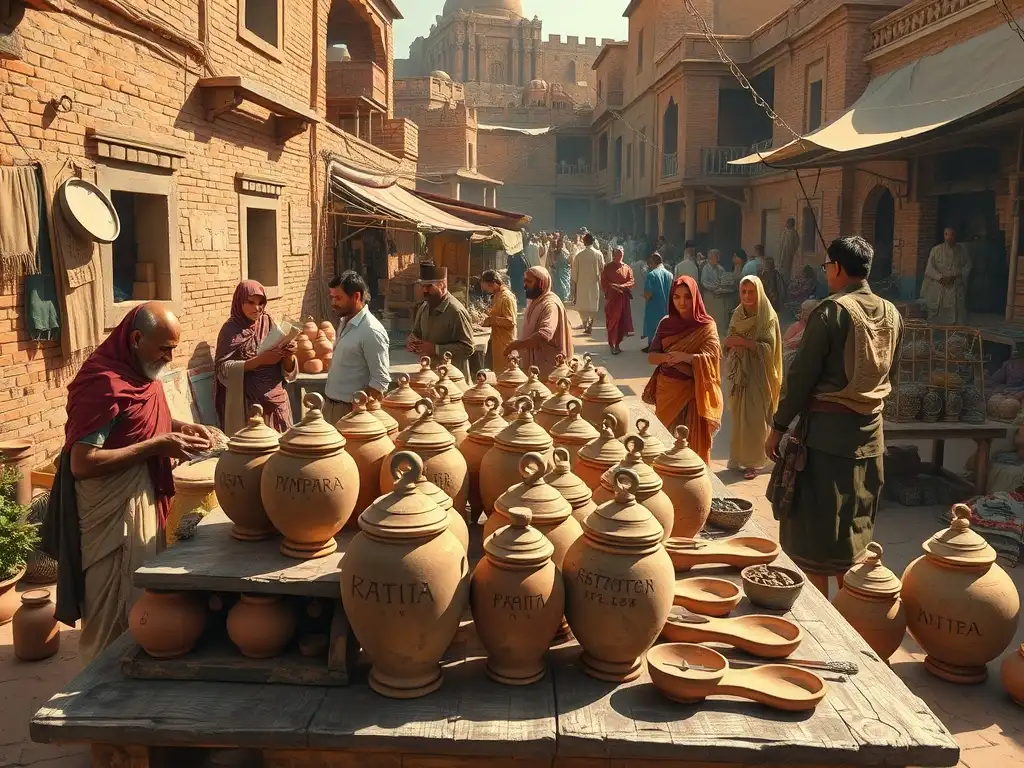
The standardization of trade practices in the Indus Valley Civilization (IVC) played a pivotal role in shaping its economy. By establishing uniform weights and measurements, the IVC facilitated smoother transactions, increased trade efficiency, and promoted economic growth. This section delves into the multifaceted impacts of trade standardization on the Indus Valley economy.
Enhanced Trade Efficiency and Reliability
The implementation of standardized weights and measures significantly enhanced trade efficiency in the Indus Valley. Merchants and traders could rely on a common metric system, which reduced disputes over transactions and ensured that goods exchanged were of fair value.
- Uniform Weights: The use of standardized weights, typically made from stone or metal, allowed for accurate measurement of commodities such as grains, textiles, and metals. This uniformity minimized discrepancies in trade.
- Standardized Measures: Length and volume measurements were also standardized. For example, the 'cubit' was a common unit for length, derived from the length of the forearm. This uniformity was crucial for bulk goods and facilitated trade across different regions.
- Trade Seals: The use of trade seals, often inscribed with specific symbols, further promoted reliability. These seals served as a form of quality assurance, indicating that the goods met certain standards and were ready for trade.
The cumulative effect of these practices led to an increase in the volume of trade, as merchants could conduct business with a high degree of confidence.
Influence on Regional and Long-Distance Trade
The standardization of trade not only improved local commerce but also had a profound influence on both regional and long-distance trade networks.
- Regional Trade Networks: With standardized weights and measures in place, various city-states within the Indus Valley could engage in more extensive trade with one another. Cities like Harappa and Mohenjo-Daro became central trading hubs where merchants congregated, exchanging goods and ideas.
- Long-Distance Trade Connections: The standardization practices also allowed the IVC to establish trade routes extending beyond its borders. Evidence suggests trade with Mesopotamia and Persia, where commodities such as lapis lazuli, carnelian, and textiles were exchanged. The reliability of standardized trade practices ensured that goods could be traded over long distances without the fear of fraud or misrepresentation.
- Cultural Exchange: The interaction between different cultures fostered by trade led to an exchange of ideas, technologies, and cultural practices. This cultural intermingling further enriched the civilizations involved and contributed to the overall growth of the Indus Valley economy.
Standardization and Economic Growth
The long-term economic growth of the Indus Valley Civilization can be directly linked to the effects of trade standardization.
- Increased Production: As trade became more efficient, the demand for goods increased, which in turn encouraged production. Artisans and craftsmen began to specialize in various trades, leading to the development of more sophisticated manufacturing methods.
- Expansion of Markets: The establishment of standardized trade practices allowed for the expansion of markets, both locally and regionally. The ability to trade goods across a larger area meant that producers could reach a wider audience, leading to greater sales and profits.
- Economic Stability: The predictability that came with standardized trade fostered economic stability. With reduced disputes and increased reliability, the Indus Valley economy became more resilient to fluctuations, contributing to longer periods of prosperity.
The standardization of trade in the Indus Valley not only streamlined economic transactions but also laid the groundwork for an expansive and stable economy. The effects of these practices were felt across local, regional, and long-distance trade, ultimately contributing to the flourishing of one of the earliest and most significant civilizations in ancient history.
Comparison of Indus Valley Trade Practices with Other Civilizations
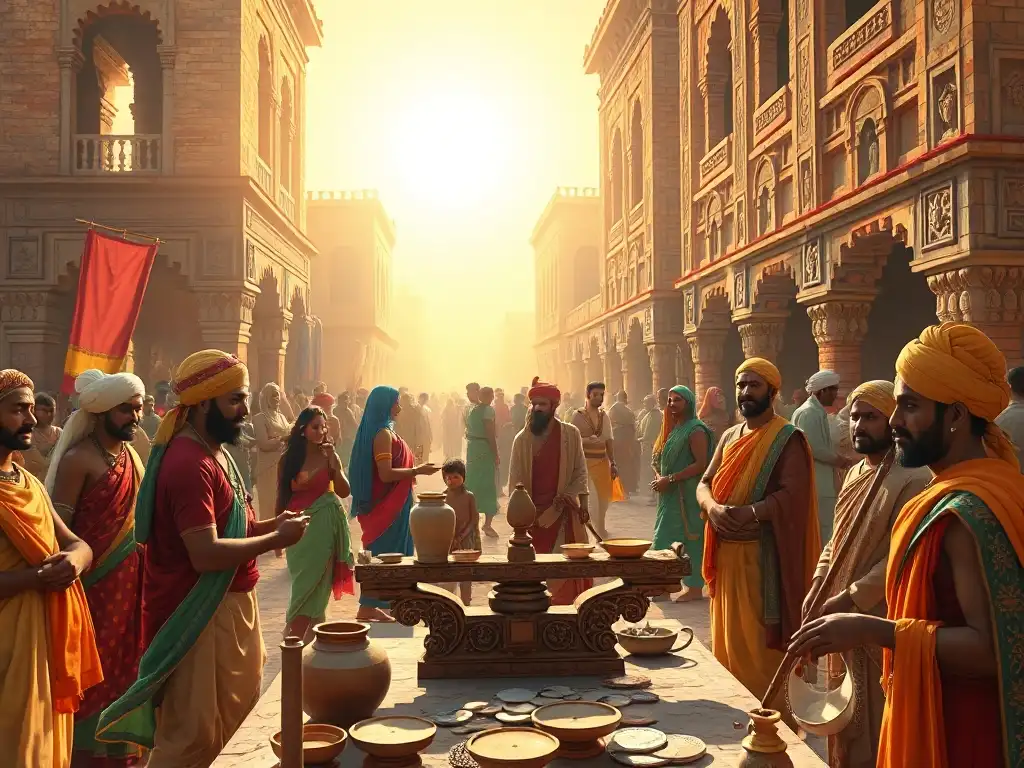
The trade practices of the Indus Valley Civilization (IVC) were remarkable for their level of organization and standardization, particularly when compared to other ancient civilizations such as Mesopotamia and Ancient Egypt. The IVC's approach to trade was characterized by a unique system of weights and measures, which facilitated commerce and ensured fairness. This section delves into the trade standardization practices in Mesopotamia, contrasts them with those of the Indus Valley and Ancient Egypt, and outlines valuable lessons that can be learned from the Indus Valley model.
Trade Standardization in Mesopotamia
Mesopotamia, often regarded as the cradle of civilization, developed its own trade standardization systems that were different yet comparable to those of the Indus Valley. The Sumerians, who inhabited the southern part of Mesopotamia, utilized a system of weights typically made from stone, which were standardized for various commodities, including barley, silver, and textiles.
- Weights and Measures:
- Stone Weights: These provided a basic measure for trade, similar to the standardized weights found in the Indus Valley.
- Shekels: The shekel became a common currency, establishing a standardized unit of account, although it varied in weight across different regions.
This standardization in Mesopotamia allowed for a more organized trade network, connecting various city-states through a common understanding of value. However, unlike the IVC, which employed a more uniform system across its cities, Mesopotamian trade measures were often localized, leading to inconsistencies.
Differences in Trade Systems: Indus Valley vs. Ancient Egypt
The trade systems of the Indus Valley and Ancient Egypt also exhibited significant differences, particularly in their approaches to standardization and the scope of trade networks.
- Geographical Scope:
- The Indus Valley trade network extended from the Arabian Sea to regions as far as Mesopotamia and the Persian Gulf, showcasing a vast interconnectedness.
- In contrast, Ancient Egypt's trade was primarily centered around the Nile River, which limited its trade interactions to neighboring regions and required reliance on the river's seasonal flooding for transportation.
- Standardization Practices:
- The IVC implemented a highly standardized system of weights and measures, with the use of uniform brick weights and precise measurements for trade goods.
- Egypt, while having its own systems of weights, did not achieve the same level of standardization across its trade practices. Different regions often used varying units, leading to potential discrepancies in trade.
The contrast highlights the IVC's advanced organizational capabilities, allowing it to maintain efficient trade relations across vast distances.
Lessons Learned from the Indus Valley Model
The Indus Valley Civilization provides several key lessons regarding trade standardization that are relevant even today:
- Uniformity in Weights and Measures:
- The implementation of standardized weights facilitated equitable trade, minimizing disputes and fostering trust among traders. A similar approach can enhance modern trade practices by promoting fairness and transparency.
- Centralized Trade Regulations:
- The IVC's ability to maintain a consistent trade system across its cities underscores the importance of centralized regulations in commerce, which can lead to improved economic stability and predictability.
- Integration of Technology:
- Advanced technologies, such as the use of seals and inscriptions for marking goods, played a significant role in trade documentation. This aspect emphasizes the importance of integrating technology in trade practices to enhance efficiency and traceability.
- Cross-Cultural Trade Relations:
- The IVC's extensive trade connections with other civilizations illustrate the value of fostering cross-cultural relationships. Modern economies can benefit from engaging in international trade agreements that promote collaboration and exchange.
The study of Indus Valley trade standardization not only sheds light on the sophistication of ancient commerce but also offers valuable insights for contemporary trade practices, highlighting the enduring importance of standardization in facilitating trade across cultures and regions.
Legacy of Indus Valley Trade Standardization
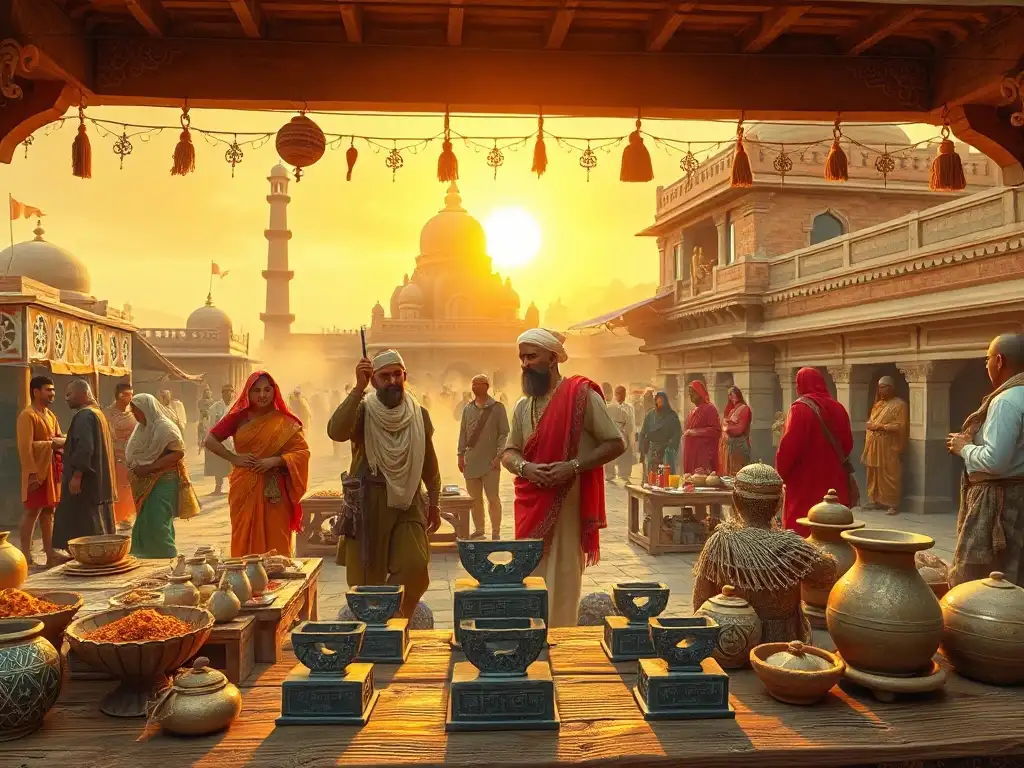
Influence on Future Trade Practices in India
The trade standardization established during the Indus Valley Civilization laid a foundational framework that significantly influenced future trade practices in India. The meticulous systems of weights and measures created by the Indus people were not just practical tools for commerce; they embodied principles of fairness and equality in trading relationships. This legacy is evident in several key aspects:
- Continuity of Measurement Systems: The standardized weights used in the Indus Valley, often made from materials like chert, were designed with precision. These weights have provided a template for subsequent civilizations, including the Maurya and Gupta Empires, who adopted similar systems, ensuring consistency across regions.
- Trade Networking: The Indus Valley's trade routes linked various regions, extending as far as Mesopotamia. This network encouraged the exchange of goods and ideas, establishing a culture of trade that persisted through the ages. The emphasis on standardized measurements facilitated smoother transactions and fostered trust among traders.
- Cultural Exchange: The standardization of trade practices allowed for the integration of diverse cultural elements as goods were exchanged. This not only enriched local economies but also contributed to the broader cultural tapestry of India. The practices initiated in the Indus Valley thus became a cornerstone for the vibrant trade culture that would flourish throughout Indian history.
The Role of Standardization in Later Indian Civilizations
In later Indian civilizations, the impact of the Indus Valley trade standardization became increasingly pronounced. The principles established by the earlier civilization were not merely abandoned; instead, they evolved and adapted to meet the demands of growing empires. Some notable aspects include:
- Legal Frameworks: As trade expanded, so did the need for regulatory measures. The Mauryan Empire, for example, developed legal codes that incorporated principles of fair trade, influenced by earlier practices. These codes often referenced standardized weights and measures, ensuring compliance and fairness in commercial transactions.
- Urban Planning and Infrastructure: The urban centers established during the Indus Valley period, characterized by their grid layouts and advanced infrastructure, influenced later city planning. Cities like Pataliputra adopted similar layouts, enhancing logistical efficiency for trade through effective infrastructure that supported standardized practices.
- Cultural Institutions: The continuation of trade standardization can also be seen in the establishment of guilds and trade associations in later periods. These organizations often upheld standards similar to those of the Indus Valley, promoting ethical trade practices and fostering community among merchants.
Modern Implications of Ancient Trade Standards
The legacy of the Indus Valley trade standardization extends far beyond ancient history and holds modern implications that resonate in contemporary trade practices. Some key areas of impact include:
- Global Trade Standards: The principles of standardization initiated in the Indus Valley have echoes in today’s global trade environment. Modern trade relies heavily on standardized measurements and practices to ensure fairness and efficiency. The historical precedent set by the Indus Valley Civilization is an early example of how such systems can facilitate international commerce.
- Technological Advancements: The emphasis on precision in measurement during the Indus Valley period can be seen in today’s technological advancements in trade. Modern weighing devices and measurement tools owe a debt to the innovations of early civilizations, as they continue to evolve from simple physical weights to sophisticated digital systems.
- Cultural Heritage and Identity: Understanding the trade standardization of the Indus Valley contributes to a broader appreciation of Indian cultural heritage. It highlights the ingenuity of ancient civilizations and their influence on modern practices, fostering a sense of identity rooted in historical achievements.
The Indus Valley trade standardization not only shaped the economic landscape of ancient India but also laid the groundwork for future trade practices, influencing subsequent civilizations and continuing to resonate in modern contexts.
Conclusion: The Significance of Trade Standardization in the Indus Valley
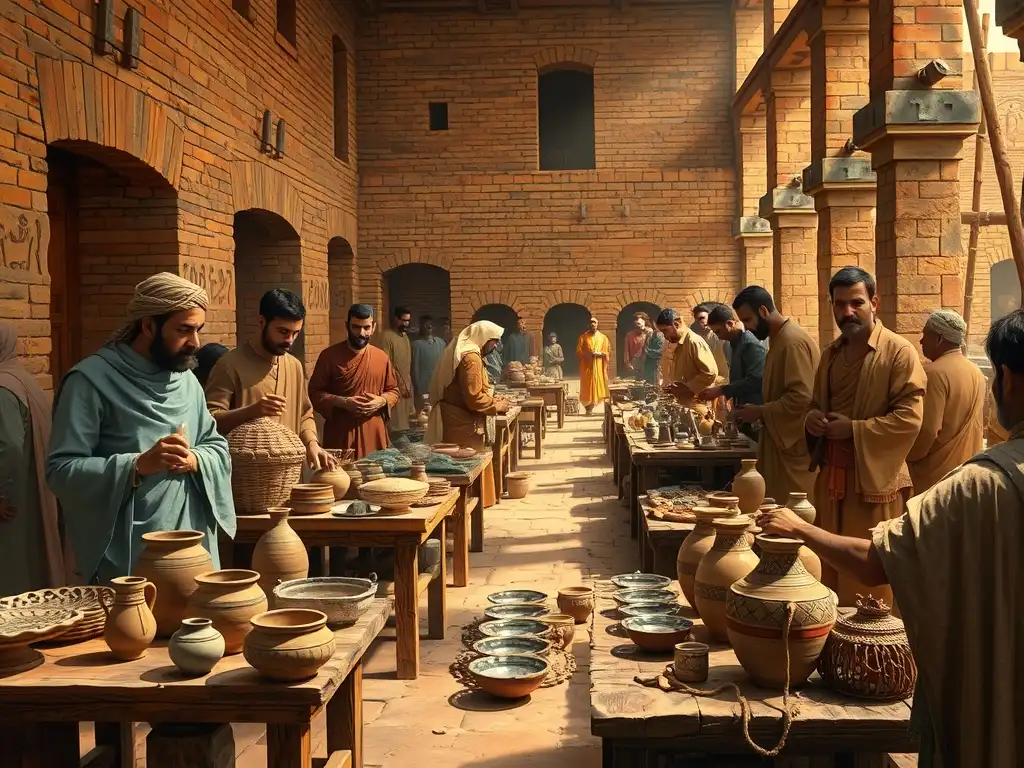
Summary of Key Points
Trade standardization in the Indus Valley was a pivotal element that facilitated economic interactions both within the civilization and with neighboring cultures. The key aspects of this standardization included:
- Uniform Weights and Measures: The discovery of standardized weights, primarily made of stone, indicates a sophisticated understanding of trade dynamics. These weights often adhered to specific ratios, promoting fairness in commerce.
- Metrological Systems: The Indus Valley civilization employed a decimal system for measurements, showcasing advanced mathematical concepts. This system allowed for precise calculations, which were crucial for trade involving bulk goods.
- Trade Networks: The strategic positioning of cities such as Harappa and Mohenjo-Daro along trade routes enabled the exchange of goods not only locally but also with distant regions like Mesopotamia. The uniformity in trade practices promoted trust and reliability in these transactions.
- Cultural Exchanges: Standardization also fostered cultural exchanges, as consistent trade practices led to interactions that influenced art, architecture, and technology across regions.
Final Thoughts on the Indus Valley Trade Standardization
The Indus Valley trade standardization represents a remarkable achievement in the realm of ancient economies. By establishing uniform practices, the civilization ensured that trade was efficient and equitable, laying the groundwork for economic prosperity. This system not only facilitated local commerce but also integrated the Indus Valley into broader trade networks, enhancing its influence and cultural exchanges with other civilizations.
The implications of these practices extend beyond mere economic transactions; they reflect a society that valued organization, precision, and mutual trust. As we explore the legacies of the Indus Valley civilization, it becomes evident that their approaches to trade and standardization were foundational in shaping the economic models of subsequent Indian civilizations and continue to resonate in the principles of trade today. The Indus Valley trade standardization, therefore, is a testament to the ingenuity and foresight of one of the world’s earliest urban societies.
Frequently Asked Questions
What is the significance of trade standardization in the Indus Valley civilization?
The standardization of trade in the Indus Valley was crucial for facilitating economic exchange, ensuring fairness, and enabling the growth of a complex trading network across ancient regions.
How did the Indus Valley civilization implement weights and measures?
The Indus Valley civilization developed a system of weights and measures that was based on specific ratios, using uniform materials to create standardized artifacts that enhanced trade efficiency.
What materials were commonly used in Indus Valley trade?
Traders in the Indus Valley primarily used bronze, copper, and stone to create goods, while also engaging in the exchange of valuable items like precious stones and textiles.
How did the standardization of trade impact the economy of the Indus Valley?
The standardization of trade led to increased economic stability, encouraged long-distance trade, and fostered interactions between various cultures, contributing to the region's prosperity.
What evidence supports the existence of a trade standardization system in the Indus Valley?
Archaeological findings, such as uniform weights, standardized seals, and trade artifacts, provide significant evidence of the trade standardization system that facilitated commerce in the Indus Valley.
Final Reflection: The Enduring Legacy of Indus Valley Trade Standardization
The standardization of trade in the Indus Valley is not merely a historical curiosity; it is a profound testament to the ingenuity and foresight of ancient civilizations. In an era where commerce was burgeoning, the establishment of uniform weights and measures facilitated not only economic growth but also social cohesion. The principles of standardization that emerged in the Indus Valley continue to resonate today, as they lay the groundwork for modern trade practices and global commerce. The impact of this ancient system is a striking reminder of how foundational practices can shape the very fabric of society.
The influence of Indus Valley trade standardization extends far beyond its geographical origins, permeating contemporary discussions on trade, economy, and cultural exchange. As we navigate a world increasingly defined by globalization and interdependence, the lessons from the Indus Valley remind us of the importance of consistency and fairness in trade. The words of historian David Christian resonate here: The past is not just a series of events; it is a continuous thread that weaves through our present and future.
This perspective encourages us to recognize the ongoing relevance of historical trade practices in shaping our current economic landscape and fostering international relationships.
As we reflect on the significance of trade standardization in the Indus Valley, let us consider how these ancient practices can inspire our actions today. I invite you to think about the systems in your own life that promote fairness and equality, whether in commerce, community, or personal relationships. How can we apply the lessons of the past to create a more equitable and interconnected world? By embracing the principles of standardization and cooperation, we can honor the legacy of the Indus Valley and contribute to a future where trade serves as a bridge rather than a barrier.
Unveil the Secrets of Ancient Trade!
Thank you for diving into the fascinating world of the Indus Valley and discovering how **standardization** revolutionized trade. Your curiosity not only enriches your knowledge but also connects you with the innovative spirit of ancient societies. Now, let’s take the next step in exploring this intriguing topic!
- Dive deeper into history: Research how trade systems in other ancient civilizations, such as Mesopotamia and Egypt, compare to those of the Indus Valley.
- Share your insights: Discuss what you've learned with friends or in an online community dedicated to ancient history; you might be surprised at the new perspectives you'll uncover!
- Explore the artifacts: Visit a local museum or a virtual exhibit that features artifacts from the Indus Valley to see firsthand the ingenuity of their measurement systems.
What connections can you draw between the trade practices of the Indus Valley and the modern trade standards we utilize today?