
Script and Society: The Relationship Between Ancient Writing Systems and Social Hierarchy

Welcome to Ancient India History, where we embark on a fascinating journey through the rich tapestry of ancient Indian civilizations. Dive deep into the intriguing world of ancient Indian writing systems, a cornerstone of communication that not only shaped language but also reflected the intricate social hierarchies of the time. As we explore the interplay between script and society, you’ll uncover how these writing systems influenced cultural development and left a lasting legacy. Prepare to be captivated by the stories that unfold, and let your curiosity guide you as you delve into the remarkable past of India.
The intricate tapestry of ancient Indian history reveals a profound connection between writing systems and social structures. From the sophisticated urban centers of the Indus Valley Civilization to the flourishing courts of the Gupta Empire, the development and use of ancient Indian writing systems played a pivotal role in shaping societal hierarchies, cultural exchanges, and administrative practices.
These scripts not only facilitated communication and record-keeping but also reflected the values and organization of the societies that employed them. Understanding the evolution of these writing systems offers valuable insights into how language and literacy influenced social stratification, governance, and trade in ancient India.
In this exploration, we will delve into various ancient Indian scripts, examining their characteristics, functions, and the socio-political contexts in which they thrived. We will also discuss the implications of literacy on social hierarchy, the role of scribes and scholars, and how these elements contributed to the rich and diverse heritage of ancient Indian civilization. By uncovering the layers of script and society, we can better appreciate the legacy of ancient Indian writing systems and their enduring impact on culture and communication.
- Introduction to Ancient Indian Writing Systems
- Historical Context of Ancient Indian Scripts
- The Role of Writing in Social Hierarchy
- Case Studies of Ancient Indian Scripts and Their Societal Impact
- Comparison of Ancient Indian Writing Systems and Their Influence
- The Decline of Ancient Indian Writing Systems
- Conclusion: The Lasting Impact of Ancient Indian Writing Systems on Society
- References and Further Reading on Ancient Indian Writing Systems
-
Frequently Asked Questions
- What are the main ancient Indian writing systems?
- How did writing systems influence social hierarchy in ancient India?
- What role did the Brahmi script play in ancient Indian culture?
- How did ancient Indian writing systems contribute to the preservation of history?
- Are there any surviving examples of ancient Indian texts written in these scripts?
- Final Reflection: The Enduring Legacy of Ancient Indian Writing Systems
- Unveil the Power of Ancient Scripts in Society!
Introduction to Ancient Indian Writing Systems
Ancient Indian writing systems played a pivotal role in shaping the cultural, social, and political landscapes of early Indian civilizations. These scripts not only served as tools for communication but also acted as markers of social status and power. The evolution of these writing systems reflects the complex societal structures that existed in ancient India, providing insights into the lives and priorities of its people.
Overview of Ancient Indian Writing Systems
Ancient India is known for its diverse and sophisticated writing systems, which can be broadly categorized into three main scripts: Brahmi, Kharosthi, and various regional scripts derived from these two.
- Brahmi Script:
- One of the earliest writing systems in India, Brahmi is believed to have originated around the 3rd century BCE.
- It is characterized by its phonetic representation, where each character corresponds to a sound, making it versatile and applicable to various languages.
- Brahmi was used across different regions and influenced many other scripts, serving as the foundation for several modern Indian scripts, including Devanagari.
- Kharosthi Script:
- Kharosthi was primarily used in the northwest regions of India, particularly in Gandhara, during the same period as Brahmi.
- Unlike Brahmi, Kharosthi is written from right to left and represents syllables rather than individual sounds.
- This script was used extensively for administrative and commercial purposes, indicating its importance in trade and governance.
- Regional Variants:
- Over time, regional scripts evolved from these foundational systems, including Tamil, Telugu, and Bengali scripts.
- Each of these scripts embodies unique characteristics and adaptations, reflecting local languages and cultural influences.
The discovery of inscriptions, such as those found at Ashoka’s edicts, allows us to trace the geographic spread and use of these scripts throughout ancient India. The inscriptions not only detail royal decrees but also reveal insights into the social hierarchies and administrative practices of the time.
Importance of Writing in Ancient Societies
The emergence of writing systems in ancient India significantly impacted societal development and organization. Here are some key areas where writing played a crucial role:
- Record Keeping and Administration:
- Writing enabled effective governance by allowing rulers to document laws, tax records, and administrative orders.
- The use of scripts like Brahmi and Kharosthi facilitated communication across vast distances, ensuring that information could be relayed efficiently throughout the empire.
- Cultural Preservation:
- Ancient texts such as the Vedas and Upanishads were inscribed in early scripts, ensuring that religious and philosophical knowledge was preserved for future generations.
- Literature, poetry, and historical accounts were recorded, contributing to the rich cultural tapestry of ancient India.
- Social Hierarchy:
- Access to literacy was often restricted to certain classes, particularly the priestly and ruling elites, which reinforced social stratification.
- Writing became a symbol of power and education, differentiating those who could read and write from those who could not.
- Trade and Commerce:
- Inscriptions on trade goods, seals, and pottery indicate the use of writing in commerce, enhancing trade relationships and economic transactions.
- The ability to document agreements and contracts using written scripts fostered trust and facilitated trade between different regions.
Ancient Indian writing systems were not merely tools of communication; they were instrumental in shaping the societal structures and cultural practices of their time. Through their evolution and application, these scripts reveal the complexities of ancient Indian civilization and its enduring legacy.
Historical Context of Ancient Indian Scripts

The historical context of ancient Indian scripts is essential for understanding how writing systems emerged and evolved in relation to social structures and cultural practices. Writing in ancient India can be traced back to multiple civilizations, each contributing to the rich tapestry of linguistic development. This evolution reflects the complexities of societal hierarchies and the need for communication, record-keeping, and the codification of laws and religious texts.
Evolution of Writing in Ancient India
The evolution of writing in ancient India began with the early Indus Valley Civilization (circa 3300–1300 BCE), where evidence of glyphs and symbols suggests a form of written communication. Scholars believe that the necessity for trade, administration, and religious practices propelled the development of these early scripts.
As societies transitioned from the Indus Valley to the Vedic period (circa 1500–500 BCE), there was a significant shift towards oral traditions, yet the need for written systems persisted. The Brahmi and Kharosthi scripts emerged later, around the 3rd century BCE, during the Mauryan Empire, indicating a formalized approach to writing that reflected growing administrative complexity and cultural exchanges.
The evolution of these writing systems is intricately linked to social hierarchies, as literacy often delineated the elite from the masses. The written word became a powerful tool for maintaining power, disseminating knowledge, and solidifying religious beliefs.
Major Ancient Indian Writing Systems
Ancient Indian writing systems played a crucial role in the cultural and administrative practices of their time. The most significant scripts include:
Indus Valley Script
The Indus Valley Script remains one of the most enigmatic writing systems in ancient India. Comprising around 400 distinct symbols, the script has yet to be conclusively deciphered.
- Characteristics:
- Primarily found on seals, pottery, and other artifacts.
- The symbols are mostly pictographic and some are ideographic.
- Cultural Significance:
- Reflects the sophisticated urban planning and trade practices of the Indus Valley Civilization.
- Suggests a form of governance and social organization, though the exact nature remains speculative.
Despite ongoing research, the lack of a bilingual inscription has hindered complete understanding, leaving scholars to ponder the social implications of this mysterious writing system.
Brahmi Script
The Brahmi script, considered one of the oldest writing systems in India, emerged around the 3rd century BCE. It served as the foundation for many other scripts in South and Southeast Asia.
- Characteristics:
- An abugida, where each character represents a consonant with an inherent vowel sound.
- Contains a variety of characters, including both phonetic and syllabic elements.
- Cultural Significance:
- Used widely during the Mauryan Empire and for inscriptions by Emperor Ashoka.
- Facilitated the spread of Buddhism, as many important texts were written in Brahmi, aiding in the dissemination of ideas and philosophies.
The Brahmi script not only represents a vital part of India's linguistic heritage but also underscores the central role of writing in shaping social and religious dynamics.
Kharosthi Script
Kharosthi, contemporary to Brahmi, was predominantly utilized in the northwestern regions of ancient India and is notable for its unique features.
- Characteristics:
- Also an abugida, it is written from right to left, in contrast to Brahmi.
- Primarily used for administrative and commercial purposes.
- Cultural Significance:
- Associated with the spread of Gandharan Buddhism, with many manuscripts and texts composed in this script.
- Reflects the cultural exchanges between India and the Hellenistic world, particularly during the Greco-Bactrian period.
Kharosthi's existence highlights the diverse linguistic landscape of ancient India and its interactions with neighboring cultures, further emphasizing the connection between writing systems and societal hierarchies.
Writing in ancient Indian civilizations was not merely a means of communication; it was a powerful tool that shaped social hierarchies and governance structures. The ability to read and write conferred significant advantages and often determined one's status within society. This section explores how ancient Indian writing systems influenced the dynamics of power, governance, and class structures.
Writing as a Tool of Power
The development of ancient Indian writing systems, such as Brahmi and Kharosthi, played a pivotal role in the consolidation of power among ruling elites. The ability to document laws, treaties, and administrative orders allowed rulers to exert control over their territories and subjects.
- Documentation and Record Keeping: Writing enabled the preservation of important records, including land ownership, taxation, and trade agreements. This not only facilitated governance but also reinforced the authority of those in power.
- Religious Texts and Authority: The production of religious scriptures, such as the Vedas and Upanishads, established a spiritual framework that legitimized the authority of the priestly class (Brahmins). These texts were often written in Sanskrit, a language that was accessible primarily to the educated elite, further entrenching social divisions.
- Literary Patronage: Kings and rulers often sponsored literary works that glorified their reigns and accomplishments. This patronage created a direct connection between writing, power, and prestige, as those who could write or commission texts gained social recognition.
Influence of Scripts on Governance and Administration
The ancient Indian writing systems were integral to the administrative frameworks of various kingdoms and empires. Scripts were utilized not only for record-keeping but also for establishing a bureaucratic system that could manage complex societies.
- Administrative Efficiency: Writing allowed for the efficient administration of vast empires. For example, the Mauryan Empire, under Ashoka, emphasized the use of inscriptions to communicate edicts and laws across different regions, which helped maintain order and governance.
- Standardization of Language: The use of specific scripts for official purposes contributed to the standardization of language and legal codes. This helped in unifying diverse populations, making governance more streamlined and effective.
- Communication Channels: Writing facilitated communication between different levels of administration. Officials could relay information swiftly and accurately, which was essential for maintaining control over distant provinces.
Scripts and the Class Structure in Ancient India
The class structure of ancient Indian society was closely tied to literacy and the ability to engage with written texts. The social stratification based on access to education and writing had profound implications for social mobility and hierarchy.
- Literacy and Class Distinction: Literacy was often restricted to higher castes, especially Brahmins and Kshatriyas. The inability to read and write marginalized lower castes and women, who were typically excluded from formal education.
- Cultural Capital: Knowledge of languages and scripts functioned as a form of cultural capital. Those who were literate could engage in religious, legal, and philosophical discourse, thus reinforcing their status and influence in society.
- Impact on Social Mobility: The rigid association between literacy and social class meant that upward mobility was challenging for those from lower castes. The ancient Indian writing systems thus not only reflected but also perpetuated existing social hierarchies.
The relationship between ancient Indian writing systems and social hierarchy was multifaceted, influencing governance, administration, and class structures. The power of writing in ancient India underscores its critical role in shaping societal dynamics and the distribution of power within various civilizations.
Case Studies of Ancient Indian Scripts and Their Societal Impact
The Indus Valley Civilization (IVC), one of the earliest urban cultures, thrived between 2500 and 1900 BCE. This civilization is notable for its advanced city planning, but equally intriguing is its writing system. The Indus script, found on seals, pottery, and tablets, remains undeciphered, yet it offers profound insights into the society's structure.
Researchers believe that the writing system was integral to trade and administration. The seals, often inscribed with symbols, suggest a form of record-keeping that facilitated economic transactions. The presence of script in various urban centers like Harappa and Mohenjo-Daro indicates a centralized authority that likely regulated trade, suggesting a hierarchical society where written communication played a critical role.
- Key Features of the Indus Script:
- Pictographic elements that may represent objects or concepts.
- The script is generally short, implying it was used for specific, official purposes.
- Evidence suggests that literacy may have been limited to a select group, reinforcing social stratification.
The social organization of the IVC, with its sophisticated urban centers and economic systems, likely relied on these early forms of writing. While the exact nature and function of the Indus script remain elusive, its existence underscores the importance of ancient Indian writing systems in shaping societal hierarchies.
The Mauryan Empire: Brahmi Script and Administration
The Mauryan Empire, flourishing from 322 to 185 BCE, marked a significant evolution in ancient Indian writing systems, particularly with the development of the Brahmi script. This script became a vital tool in state administration and communication, reflecting the empire's expansive reach and complex governance.
Brahmi was the first script to be used for writing Sanskrit and Prakrit languages, facilitating a broader dissemination of literature and administrative records. It played a crucial role in the following areas:
- Administration:
- Inscriptions on pillars and edicts, such as those by Emperor Ashoka, communicated laws and ethical guidelines to the populace.
- The use of Brahmi enabled efficient governance, allowing for detailed record-keeping and communication across vast territories.
- Cultural Integration:
- Brahmi served as a unifying script across diverse regions and languages within the empire, promoting a shared cultural identity.
- It provided a means for the dissemination of Buddhist teachings, contributing to the spread of Buddhism beyond India.
- Societal Impact:
- The ability to read and write in Brahmi was likely limited to certain classes, including scribes and religious leaders, thus reinforcing social hierarchies.
- The script's influence extended beyond administration into literature, with works composed in Brahmi, reflecting the intellectual and artistic achievements of the time.
The Brahmi script's role in the Mauryan Empire exemplifies how ancient Indian writing systems were intricately linked to the functioning of society and governance, impacting everything from daily administration to cultural cohesion.
The Gupta Period (approximately 320 to 550 CE) is often referred to as the Golden Age of India, marked by significant advancements in arts, sciences, and literature. During this time, the Devanagari script emerged, which would become one of the most important ancient Indian writing systems.
- Literary Flourishing:
- The Gupta Empire produced a rich body of literature, including significant works like Kalidasa's Shakuntala and the Panchatantra. These texts were pivotal in shaping Indian literary tradition.
- The use of Devanagari facilitated the preservation and dissemination of these works, enabling a broader audience to engage with literature.
- Cultural and Religious Texts:
- The period saw the composition of many religious texts, including the Mahabharata and Puranas, which were written in Sanskrit using Devanagari.
- This script's accessibility allowed for greater participation in religious and philosophical discourse, yet literacy remained concentrated among the upper strata of society.
- Social Stratification:
- The ability to read and write in Devanagari was predominantly limited to the Brahmin class and other educated elite, reinforcing existing social hierarchies.
- The relationship between literacy and social status became more pronounced, with those possessing literary skills gaining influence and power within society.
The Devanagari script's significance during the Gupta Period illustrates how ancient Indian writing systems not only facilitated cultural and intellectual growth but also mirrored and reinforced the social stratification of the time. The interdependence of literacy, literature, and social hierarchy highlights the vital role that writing played in the evolution of ancient Indian civilization.
Comparison of Ancient Indian Writing Systems and Their Influence
The ancient Indian writing systems, primarily Brahmi and Kharosthi, serve as fundamental pillars in understanding the socio-political landscape and cultural developments of ancient Indian civilizations. These scripts not only facilitated communication but also reflected the complexities of social hierarchy, governance, and regional identity.
The emergence and evolution of these scripts were closely intertwined with the dynamics of power and administration in various regions. By analyzing their characteristics and usage, we can gain insights into how these writing systems influenced societal structures and governance.
Distinctions Between Brahmi and Kharosthi
Brahmi and Kharosthi are two of the earliest writing systems in ancient India, each with distinct features and historical significance.
- Brahmi Script:
- Origins: Believed to have originated in the 3rd century BCE, Brahmi is considered the ancestor of many modern Indian scripts.
- Characteristics: It is an abugida, where each character represents a consonant with an inherent vowel sound that can be modified with diacritics.
- Usage: Brahmi was predominantly used in inscriptions on pillars, edicts, and coins, signifying its role in state communication and Buddhist texts.
- Kharosthi Script:
- Origins: Kharosthi emerged around the same period but is more closely associated with the northwestern regions of ancient India, particularly Gandhara.
- Characteristics: This script is also an abugida but is written from right to left, which sets it apart from Brahmi.
- Usage: Kharosthi was primarily found on inscriptions and manuscripts related to trade and Buddhism, indicating its significance in the cultural and economic exchanges of the time.
The distinction between these scripts is not merely linguistic; it reflects the geographic and cultural divergences within ancient Indian society. Brahmi's extensive usage across a wider area indicates a more centralized form of governance, while Kharosthi's localized use suggests regional autonomy and the importance of trade routes.
The Impact of Scripts on Regional Governance and Society
The relationship between ancient Indian writing systems and social hierarchy is profound, as scripts played a pivotal role in governance, administration, and the dissemination of cultural values.
- Administrative Tool:
- Both Brahmi and Kharosthi served as crucial tools for administration. Edicts issued in these scripts helped in communicating laws, decrees, and governance policies to the populace.
- Inscriptions found in places like the Ashoka Edicts demonstrate how Brahmi was utilized to propagate moral and ethical governance, thereby reinforcing the state’s authority.
- Cultural Identity:
- Writing systems contributed to the development of regional identities. For instance, Kharosthi's association with trade routes and Buddhist texts facilitated the spread of cultural and religious ideas across regions, impacting social hierarchies.
- The use of Brahmi in various kingdoms throughout India helped unify diverse cultures under a common administrative framework, promoting a shared cultural identity.
- Social Stratification:
- Access to literacy was often limited to certain social classes, predominantly the elite and priestly orders. This created a hierarchy where knowledge and information were concentrated among the few, reinforcing existing power structures.
- The ability to read and write in Brahmi or Kharosthi often determined an individual’s status within society, with scribes and scholars holding significant influence.
- Interregional Influence:
- The spread of these scripts, particularly Brahmi, across different regions facilitated cross-cultural interactions, leading to a blend of administrative practices and cultural exchanges.
- The adaptation of Brahmi into various regional scripts illustrates how writing systems can evolve while retaining their core functions in governance and social hierarchy.
Ancient Indian writing systems like Brahmi and Kharosthi were not merely tools of communication; they were instrumental in shaping the very fabric of society, governance, and cultural identity in ancient India. Understanding their distinctions and impacts reveals the intricate relationship between language and social structure in the ancient world.
The Decline of Ancient Indian Writing Systems

The decline of ancient Indian writing systems is a multifaceted phenomenon influenced by various social, political, and cultural factors. The writing systems that flourished during the Indus Valley Civilization and later periods, such as Brahmi and Kharosthi, saw a gradual decrease in usage, leading to their eventual obscurity. Understanding this decline requires an exploration of the contextual elements that contributed to the erosion of these scripts.
Factors Contributing to the Decline of Writing Systems
-
Political Disruptions
The rise and fall of empires significantly impacted the continuity of writing systems. For instance, the invasions by foreign powers, such as the Greeks and later the Kushans, introduced new languages and scripts, which often supplanted local writing systems. The shift in power dynamics led to a decline in the use of indigenous scripts as new administrative languages took precedence.
-
Cultural Assimilation
As different cultures interacted through trade, conquest, and migration, there was a tendency for cultural assimilation. The adoption of Persian and later Arabic scripts during the medieval period contributed to the decline of earlier writing systems. This cultural shift diminished the relevance of ancient scripts in everyday life, especially in administrative and literary contexts.
-
Religious and Philosophical Shifts
The emergence of new religious movements and philosophies often brought with them new texts and scriptures, which were written in different scripts. For example, the rise of Buddhism and Jainism introduced texts that utilized the Brahmi script, but as these religions evolved and encountered new influences, the scripts associated with them faced competition from newer writing systems.
-
Decline in Literacy Rates
The decline in literacy rates, particularly during periods of socio-economic instability, also played a crucial role. As fewer people became literate in ancient Indian writing systems, the transmission of knowledge through these scripts waned. The focus shifted to oral traditions, which further diminished the necessity of maintaining written records.
-
Technological Advancements
The advent of new technologies, such as the printing press in later centuries, marked a significant transition in how information was disseminated. The shift from hand-written manuscripts to printed texts favored more widely recognized scripts, leading to a decline in the use of ancient Indian writing systems.
Legacy of Ancient Indian Scripts in Modern India
Despite their decline, the legacy of ancient Indian writing systems remains deeply embedded in modern Indian culture and language.
-
Cultural Heritage
The scripts developed during ancient times are the foundation of several modern Indian languages. For example, Devanagari, which is used to write Hindi and Sanskrit, has its roots in the Brahmi script. This continuity signifies the enduring influence of ancient writing on contemporary linguistic practices.
-
Linguistic Diversity
The evolution of scripts has contributed to the rich tapestry of linguistic diversity in India. Modern Indian scripts, including Tamil, Bengali, and Gurmukhi, reflect the historical developments of their ancient predecessors, showcasing the dynamic nature of Indian language and script.
-
Preservation Efforts
In recent years, there has been a renewed interest in preserving and studying ancient Indian scripts. Academic institutions and cultural organizations are increasingly focusing on deciphering inscriptions and manuscripts, which helps revive interest in these ancient writing systems.
-
Cultural Identity
The scripts of ancient India serve as a symbol of cultural identity, connecting modern society with its historical roots. Festivals, literature, and art often draw upon ancient motifs and scripts, thereby reinforcing the significance of this heritage in contemporary culture.
While the ancient Indian writing systems experienced a decline due to various factors, their legacy continues to shape the linguistic and cultural landscape of modern India. The exploration of this relationship reveals the intricate connections between writing, society, and identity throughout history.
Conclusion: The Lasting Impact of Ancient Indian Writing Systems on Society
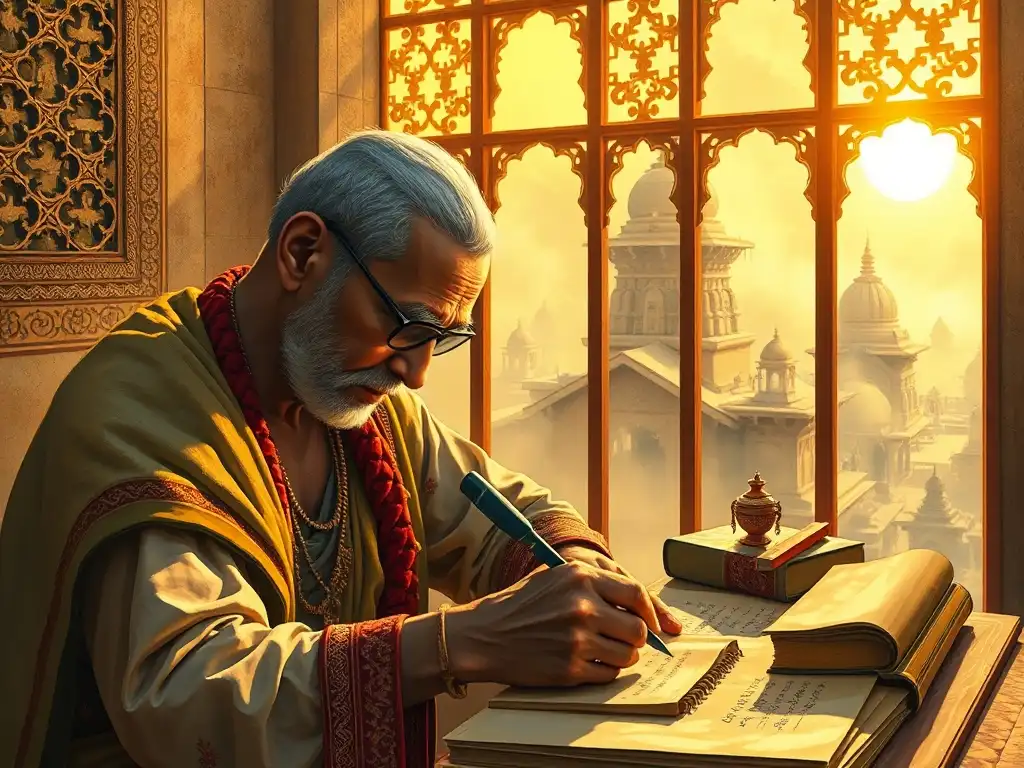
The exploration of ancient Indian writing systems offers profound insights into the social hierarchies and cultural frameworks of early civilizations. These scripts, such as Brahmi and Kharosthi, were not merely tools for communication; they played a pivotal role in shaping societal structures and preserving historical narratives. The ability to read and write often determined one's status, facilitating the rise of literate elites who wielded power over the largely illiterate masses. Thus, ancient Indian writing systems not only reflect linguistic evolution but also encapsulate the intricate web of social dynamics prevalent in ancient India.
The Indus Valley Civilization, for instance, showcased an advanced script that remains largely undeciphered. This script hints at a highly organized society where writing could have been used for trade, administration, and possibly even religious purposes. The lack of clear understanding of this script does not diminish its significance; rather, it underscores the mystery and complexity of a civilization that laid the groundwork for future Indian societies.
The relationship between writing and social hierarchy in ancient India is a compelling area of study. Writing systems served as a means of reinforcing and legitimizing social structures. In many cases, literacy was confined to specific classes, such as priests or merchants, who utilized written records for religious rituals, trade transactions, and legal matters. This exclusivity allowed the literate elite to maintain control over knowledge and resources.
- Literate vs. Illiterate: The division between those who could read and write and those who could not created a significant power imbalance. For example, inscriptions on pillars and edicts, like those from Emperor Ashoka, were often directed at the literate elite, highlighting their role in governance.
- Cultural Transmission: Writing facilitated the transmission of cultural and religious texts, allowing certain social groups to perpetuate their ideologies and maintain their status. The Vedas and Upanishads, composed in ancient Sanskrit, were preserved through writing, ensuring the continuity of Brahminical authority.
- Administrative Control: The use of writing in administration allowed rulers to codify laws and manage resources effectively. This not only strengthened the power of the elite but also contributed to the establishment of complex bureaucratic systems.
The ancient Indian writing systems were instrumental in both reflecting and shaping social hierarchies. They provided a medium through which the elite could assert their influence while simultaneously marginalizing those who remained illiterate.
The Importance of Studying Ancient Scripts in Understanding History
Studying ancient scripts is crucial for several reasons, particularly in the context of ancient Indian history. These scripts offer a window into the past, revealing insights into the social, political, and economic aspects of ancient civilizations.
- Cultural Identity: Ancient writing systems are key to understanding the cultural identities of different regions in India. Scripts like Brahmi and Kharosthi not only denote language but also symbolize the cultural evolution of diverse communities.
- Historical Narratives: The texts inscribed in these scripts provide firsthand accounts of historical events, royal decrees, and everyday life. The inscriptions of Ashoka, for instance, are invaluable for understanding the spread of Buddhism and its impact on society.
- Linguistic Development: Analyzing ancient scripts aids in tracing the development of languages in the Indian subcontinent. The evolution of scripts reflects changes in phonetics, grammar, and syntax, contributing to our understanding of linguistic diversity.
- Archaeological Insights: The discovery of inscriptions and ancient texts at archaeological sites enriches our knowledge of trade routes, urban planning, and social structures. These findings help historians reconstruct the complexities of ancient societies.
The study of ancient Indian writing systems is not merely an academic endeavor; it is essential for unraveling the intricate tapestry of India's rich history. By understanding these scripts, we gain a deeper appreciation of the cultural and social transformations that have shaped the subcontinent over millennia.
References and Further Reading on Ancient Indian Writing Systems
Recommended Books and Articles
Exploring ancient Indian writing systems provides a fascinating glimpse into the social hierarchy and culture of various civilizations. Here are some seminal works that delve into this subject:
-
"The Indus Script: A Historical and Linguistic Analysis" by Iravatham Mahadevan
This book offers a comprehensive analysis of the Indus Valley script, examining its symbols and potential meanings. Mahadevan's work is crucial for understanding the earliest forms of writing in ancient India.
-
"Ancient Scripts of India" by Asko Parpola
Parpola's exploration of various ancient Indian scripts provides insights into their evolution and significance within societal structures. This book discusses the connections between language, culture, and power dynamics.
-
"The Origins of Writing in India: A Study of the Early Brahmi and Kharosthi Scripts" by D. C. Sircar
This scholarly article investigates the origins and development of Brahmi and Kharosthi scripts, shedding light on their roles in administration and religious contexts within ancient Indian society.
-
"Inscriptions of Ashoka" by J. F. Fleet
Fleet's work compiles and translates the edicts of Emperor Ashoka, showcasing how writing was used to communicate governance and moral principles, thus reflecting the social order of the time.
-
"Writing and Society in Ancient India" by Richard Salomon
Salomon's extensive research provides a detailed overview of how writing systems influenced social structures, trade, and religious practices in ancient India.
Online Resources and Archives
Digital platforms have made it easier to access a wealth of information on ancient Indian writing systems. Here are some valuable online resources:
-
Digital South Asia Library (DSAL)
A comprehensive repository that includes texts, maps, and images related to South Asian history. Researchers can find primary sources about ancient writing systems and scripts.
-
The British Library: Indian Manuscripts Collection
This online archive contains digitized manuscripts, many of which feature ancient Indian scripts. It provides insights into literature, administration, and culture.
-
Ancient India: A Historical Overview (Website)
This resource offers articles and educational materials focused on various aspects of ancient Indian civilization, including writing systems and their societal implications.
-
Indus Valley Civilization Research Network
A collaborative platform where scholars share their findings on the Indus script and related topics. It includes research papers and discussions on the significance of early writing in society.
-
Archive.org: Ancient Texts Collection
A vast digital library with access to various historical texts that discuss ancient Indian writing systems. It includes translations and interpretations that highlight their use in social contexts.
These resources provide comprehensive insights into the evolution and significance of ancient Indian writing systems, enhancing our understanding of their impact on society.
Frequently Asked Questions
What are the main ancient Indian writing systems?
The primary ancient Indian writing systems include Brahmi, Kharosthi, and Tamil script. Each system played a significant role in documenting literature and administration throughout various periods.
Writing systems were often associated with elite classes who had the education to use them, reinforcing social hierarchies. The ability to read and write distinguished priests, scholars, and royalty from the general populace.
What role did the Brahmi script play in ancient Indian culture?
The Brahmi script is one of the earliest writing systems in India, serving as the foundation for many modern scripts. It was crucial for inscriptions, religious texts, and administration, reflecting the cultural richness of ancient India.
How did ancient Indian writing systems contribute to the preservation of history?
Ancient writing systems were essential for record-keeping and historical documentation. They allowed for the preservation of texts on philosophy, science, and religion, ensuring that knowledge was passed down through generations.
Are there any surviving examples of ancient Indian texts written in these scripts?
Yes, many ancient texts survive today, such as the Edicts of Ashoka written in Brahmi and Tamil Sangam literature. These texts provide valuable insights into society, culture, and politics of their time.
Final Reflection: The Enduring Legacy of Ancient Indian Writing Systems
**The exploration of ancient Indian writing systems reveals their profound impact on social hierarchy and cultural identity, emphasizing that language is not merely a tool for communication but a powerful instrument of societal structure. As we navigate the complexities of modern society, understanding the roots of our communication systems helps us appreciate the intricate tapestry of human civilization and its evolution. The significance of these ancient scripts is not confined to history; they resonate with our contemporary struggles for identity and representation.
The influence of ancient writing systems extends far beyond their original contexts, shaping the cultural and social landscapes we inhabit today. The scripts developed in ancient India, such as Brahmi and Devanagari, laid the groundwork for diverse languages and dialects, fostering a rich literary tradition that continues to thrive. Their legacy serves as a reminder of the power of words to elevate, divide, and connect communities. Language is the road map of a culture. It tells you where its people come from and where they are going.
- Rita Mae Brown. This quote encapsulates the ongoing relevance of ancient writing systems in understanding our cultural heritage and the dynamics of social hierarchy.
As we reflect on the lessons drawn from ancient Indian writing systems, let us consider how we can apply these insights to our lives today. Embrace the power of language in your own community, recognizing its potential to bridge divides and foster understanding.
Take a moment to reflect on how you communicate and engage with others, and consider how you can contribute to a more inclusive and equitable society. The legacy of ancient scripts is not just a relic of the past; it is a call to action for us to harness the power of language to shape a brighter future.
Unveil the Power of Ancient Scripts in Society!
Thank you for diving into the fascinating relationship between ancient writing systems and social hierarchy! Your interest opens the door to a deeper understanding of how these scripts shaped cultures and societies throughout history. Now, let’s take this knowledge a step further and explore how you can engage with this topic in your own life and community.
- Dive Deeper: Select an ancient writing system that captivates you! Explore local museums or online resources to uncover its historical significance and how it influenced social structures.
- Share and Discuss: Initiate a conversation with friends or fellow history enthusiasts about the impact of writing on society. Consider organizing a book club or discussion group focused on ancient civilizations and their contributions.
- Get Creative: Experiment by creating your own writing system inspired by ancient scripts! Share your creations on social media and invite others to participate in the fun.
Which ancient script resonates with you the most, and in what ways do you think it influenced the society that utilized it? Let’s spark a conversation!