
The Art of Inscribing: Craftsmanship Behind Ancient Indian Texts

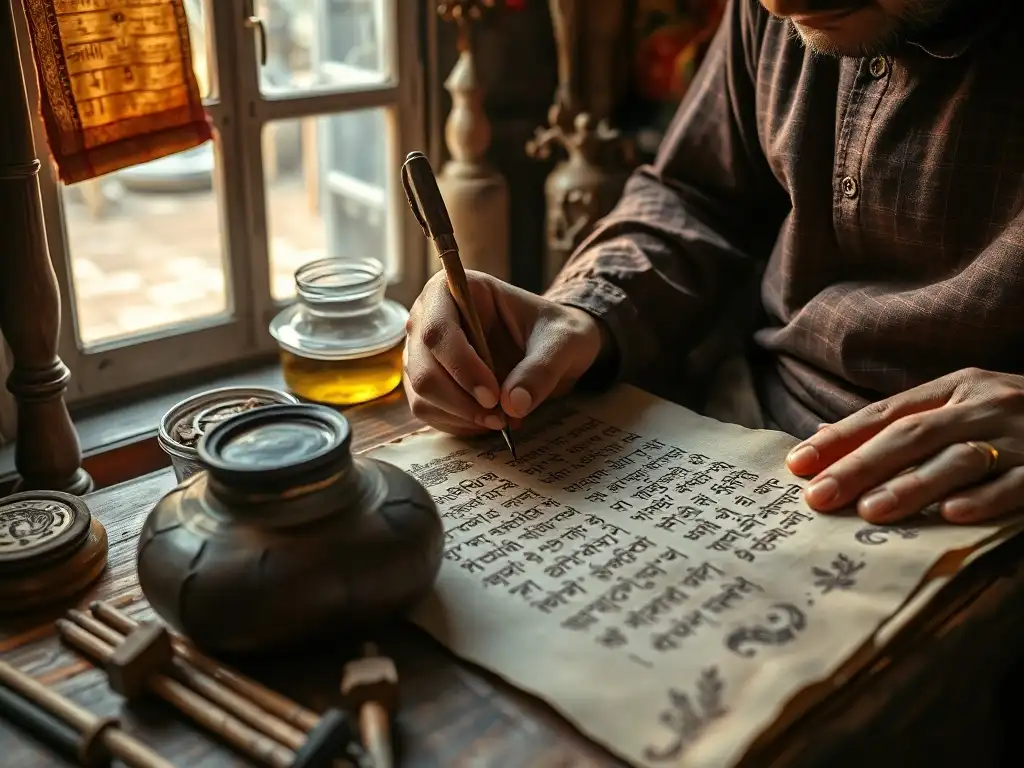
Welcome to Ancient India History, where we invite you to embark on a journey through the breathtaking tapestry of ancient Indian civilizations. Our focus today is on the intricate art of inscribing, specifically exploring the craftsmanship behind ancient Indian texts. From the meticulous engravings of the Indus Valley to the profound inscriptions of the Gupta Empire, each stroke tells a story of culture, knowledge, and artistry that has shaped our world. Curiosity piqued? Delve deeper with us into this fascinating realm of inscriptions and epigraphy, where history is not just written, but masterfully crafted.
Introduction to Ancient Indian Text Craftsmanship
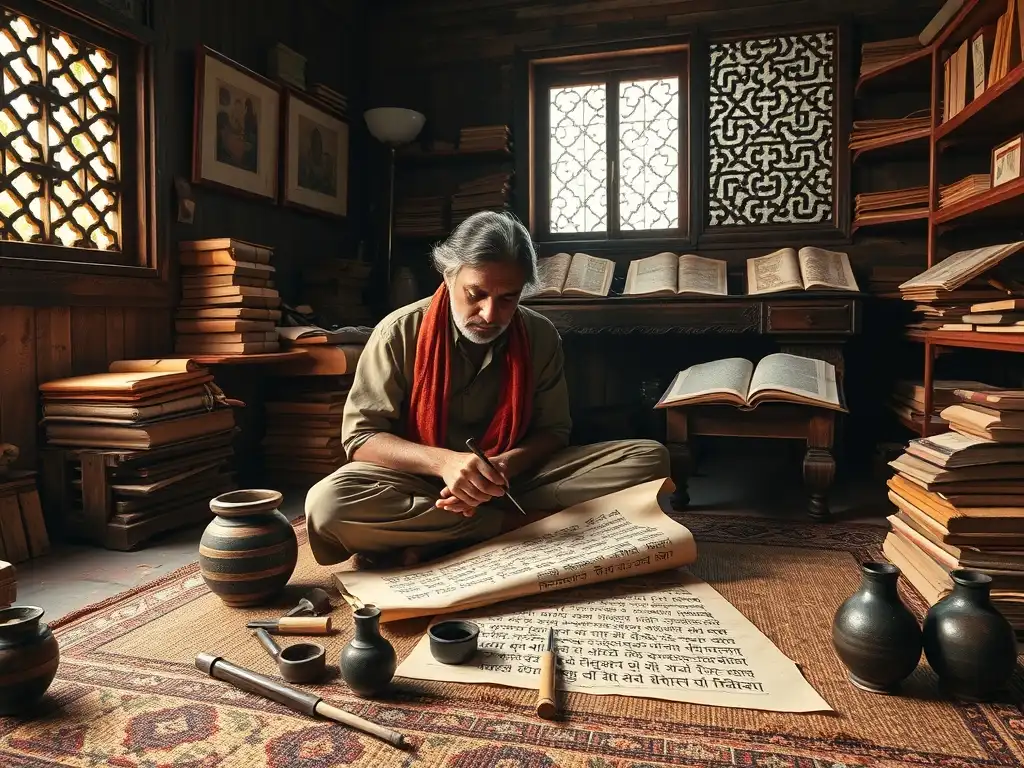
The craftsmanship behind ancient Indian texts is a fascinating aspect of the subcontinent’s rich cultural heritage. From the sophisticated scripts of the Indus Valley Civilization to the ornate inscriptions of the Gupta Empire, the art of inscribing reflects not only the technical skill of ancient artisans but also the philosophical and spiritual dimensions of the societies that produced these texts. This article delves into the intricate world of ancient Indian text craftsmanship, exploring its historical significance, stylistic diversity, and the enduring legacy of these inscriptions in understanding India's past.
Overview of Ancient Indian Inscriptions
Ancient Indian inscriptions serve as crucial historical documents, providing insight into the social, political, and religious contexts of their times. These inscriptions were primarily engraved on materials such as stone, metal, and clay. The scripts used varied significantly across different regions and periods, showcasing a remarkable evolution in literacy and artistic expression.
- Types of Inscriptions:
- Epigraphs: Often found on pillars, monuments, and temples.
- Manuscripts: Written texts on palm leaves and birch bark.
- Seal Inscriptions: Utilized by the Indus Valley Civilization for trade and administrative purposes.
The study of ancient inscriptions not only helps us understand linguistic development but also reveals the artistic and technological prowess of ancient Indian craftsmen.
Significance of Text Craftsmanship in Indian History
The craftsmanship behind ancient Indian texts goes beyond mere writing; it embodies the cultural and spiritual ethos of the time. Text inscriptions played a pivotal role in:
- Preserving Knowledge: Texts served as repositories of knowledge, philosophy, and religious beliefs.
- Cultural Identity: They reflected the values, traditions, and social norms of various civilizations.
- Political Authority: Inscriptions often commemorated rulers and their achievements, reinforcing the legitimacy of their reign.
The meticulous attention to detail in the craftsmanship of these texts not only highlights the artisans' skills but also their deep understanding of language and symbolism, which continues to inspire contemporary scholars and artists alike.
Historical Context of Ancient Indian Texts
Evolution of Writing in Ancient India
The evolution of writing in ancient India is a testament to the region’s intellectual and cultural advancements. The earliest known script, the Indus script, remains undeciphered, yet it indicates a sophisticated level of administrative organization. Following this, the Brahmi and Kharosthi scripts emerged during the Mauryan period, laying the foundation for various regional scripts.
- Key Phases in Writing Evolution:
- Indus Valley Civilization: The use of seals and symbols for trade and communication.
- Mauryan Empire: The proliferation of Brahmi and Kharosthi scripts.
- Gupta Empire: The refinement of script styles, leading to the creation of more ornate inscriptions.
This evolution of writing not only facilitated communication but also allowed for the preservation of religious texts, literature, and legal documents, marking a significant development in the history of ancient Indian civilization.
Major Civilizations and Their Contributions to Text Craftsmanship
Several ancient Indian civilizations made monumental contributions to text craftsmanship, each leaving an indelible mark on the art of inscribing.
- Indus Valley Civilization: Known for its seals and symbols, showcasing an early form of written communication.
- Mauryan Empire: Under Ashoka, the use of inscriptions became widespread for propagating Buddhist teachings and state policies, often carved on rock edicts.
- Gupta Empire: Characterized by intricate stone carvings and a flourishing of Sanskrit literature, the Gupta period witnessed a peak in text craftsmanship with a blend of art and religion.
These civilizations not only advanced the techniques of inscription but also enriched the cultural landscape of ancient India, influencing later generations and shaping the subcontinent’s literary heritage.
Techniques of Inscribing in Ancient India
The techniques of inscribing in ancient India were as diverse as the civilizations that practiced them. These methods evolved over centuries, influenced by regional practices, available materials, and the intended purpose of the inscriptions. The most prominent techniques included incising, engraving, and painting.
- Incising: This was a prevalent technique where artisans would carve letters or symbols into hard surfaces such as stone, metal, or wood. This method was often employed for creating durable inscriptions that would withstand the test of time. The use of chisels and other pointed tools allowed for precision in creating intricate designs.
- Engraving: Similar to incising, engraving involved deeper cuts into the material, often resulting in more ornate designs. This technique was particularly popular in metalwork, where artisans could create detailed reliefs and intricate patterns alongside textual inscriptions.
- Painting: In contrast to the above techniques, painting involved applying pigments to surfaces, such as pottery or walls. This method allowed for vibrant colors and more freedom in design, although it was less permanent than carving. Many ancient texts were adorned with painted illustrations that complemented the written word.
These techniques not only served functional purposes but also reflected the aesthetic values of the time, showcasing the skill and creativity of ancient Indian artisans.
Materials Used in Ancient Indian Text Craftsmanship
The choice of materials was crucial in ancient Indian text craftsmanship, impacting both the durability and the visual appeal of the inscriptions. The primary materials included:
- Stone: Hard stones like granite and sandstone were commonly used for inscriptions, especially in temples and monuments. These materials provided a long-lasting surface for carvings.
- Bronze and Copper: Metals like bronze and copper were favored for their malleability and resilience. Inscriptions on metal plates often served as official records and were used in various ceremonial contexts.
- Wood: While not as durable as stone or metal, wood was widely used for inscriptions, especially in manuscripts and smaller artifacts. The surface could be carved or painted, allowing for a variety of expression.
- Clay: Clay tablets were another medium for inscriptions, especially during the early historical periods. They were easy to shape and could be fired to create a permanent record.
The selection of materials often depended on the context of the inscription, the social status of the patron, and the intended audience, reflecting the multifaceted nature of ancient Indian culture.
Tools and Methods Employed by Ancient Artisans
Ancient Indian artisans utilized a range of tools and methods that were essential for producing high-quality inscriptions. Key tools included:
- Chisels: Various sizes and shapes of chisels were used for incising and engraving. Skilled artisans would select specific chisels based on the desired depth and detail of the inscription.
- Hammers: Hammers, often made of wood or metal, were used in conjunction with chisels to create the necessary force for carving into hard surfaces.
- Brushes and Pigments: For painted inscriptions, artisans employed brushes made from animal hair or plant fibers. Natural pigments derived from minerals and plants were used to create vibrant colors, allowing for decorative elements alongside textual content.
- Templates and Stencils: To ensure consistency in the lettering and design, artisans sometimes used templates or stencils, particularly in more extensive projects like temple carvings.
These tools were often crafted with great care, reflecting the artisans' deep understanding of their materials and techniques, and their commitment to their craft.
Styles and Forms of Ancient Indian Texts
The styles and forms of ancient Indian texts were remarkably varied, influenced by regional traditions, historical contexts, and cultural exchanges. The most notable forms included inscriptions on stone, metal, and palm leaves, each reflecting unique stylistic elements.
Overview of Different Inscription Styles
Different inscription styles emerged throughout ancient India, often categorized by their script and artistic features:
- Brahmi Script: One of the earliest writing systems in India, Brahmi was used extensively for inscriptions from the 3rd century BCE onwards. Its angular shapes and simple design made it highly adaptable for different surfaces.
- Kharosthi Script: Predominantly used in the northwest regions, Kharosthi featured a more cursive style that was distinct from Brahmi. This script often appeared on coins and official documents.
- Sanskrit Inscriptions: As the language of scholarship and administration, Sanskrit inscriptions adopted various scripts like Gupta and Devanagari, showcasing elegant curves and flourishes that highlighted the artistic skill of the inscribers.
These styles not only conveyed information but also served as a means of artistic expression, reflecting the cultural and philosophical values of their time.
Calligraphy and Decorative Elements in Ancient Texts
Calligraphy played a significant role in ancient Indian text craftsmanship, where the aesthetic presentation of the written word was as important as the content itself. Decorative elements often included:
- Floral and Geometric Patterns: Many inscriptions were embellished with intricate patterns that framed the text, enhancing its visual appeal and drawing attention to the message.
- Symbolic Motifs: Elements such as lotus flowers, animals, and religious symbols were commonly integrated into inscriptions, enriching the cultural significance of the texts.
- Color Usage: In painted inscriptions, the use of vibrant colors not only highlighted the text but also conveyed deeper meanings and emotional resonance. The choice of colors often had symbolic implications, reflecting the beliefs of the time.
The combination of calligraphy and decorative elements resulted in inscriptions that were not only informative but also beautiful, contributing to the rich tapestry of ancient Indian art and culture.
Cultural Significance of Ancient Indian Texts
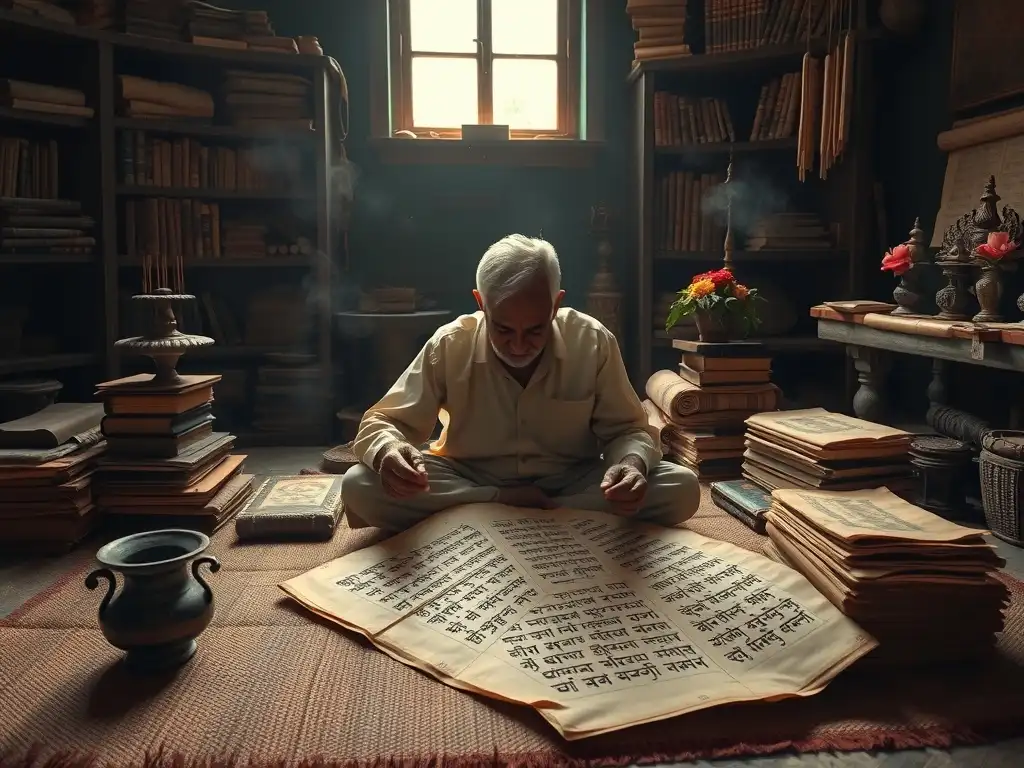
Ancient Indian texts hold immense cultural significance, reflecting the values, beliefs, and artistic expressions of the civilizations that produced them. These inscriptions not only served as a medium of communication but also played a vital role in the preservation of language, philosophy, and religion. The craftsmanship involved in creating these texts reveals a deep understanding of aesthetics and an appreciation for the written word as a form of art.
The texts often functioned as a bridge between the past and present, allowing future generations to connect with their heritage. From the intricate scripts to the materials used, each element of the craftsmanship is imbued with meaning, symbolizing the cultural identity of ancient Indian societies. The beauty and precision of these inscriptions are a testament to the skill of the artisans, who employed various techniques to ensure that their work would endure through the ages.
Role of Texts in Religious and Philosophical Traditions
In ancient India, texts served as sacred repositories of knowledge, particularly within religious and philosophical contexts. Scriptures such as the Vedas, Upanishads, and various Puranas were inscribed with great reverence, reflecting their significance in Hinduism, Buddhism, and Jainism. These inscriptions played a critical role in codifying beliefs and practices, providing guidelines for spiritual and ethical living.
The craftsmanship behind these texts often involved elaborate calligraphy and ornamentation, making the act of inscription a ritualistic endeavor. For instance, the use of specific symbols and motifs in Buddhist texts was not merely decorative but also served to convey deeper philosophical concepts. The meticulous attention to detail in these inscriptions illustrates the understanding that the written word was believed to possess spiritual power, thereby enhancing the texts' status as sacred artifacts.
Preservation of History Through Inscriptions
Inscriptions have long been recognized as vital historical documents that provide insights into the socio-political landscape of ancient India. They serve as primary sources of information about kings, dynasties, and important events, effectively chronicling history in a way that oral traditions could not. The craftsmanship displayed in these inscriptions is indicative of the technological advancements and artistic capabilities of the time.
Many inscriptions were created on durable materials such as stone and metal, ensuring their survival through centuries of change. This durability has allowed historians and archaeologists to study these texts and understand the complexities of ancient Indian society. The preservation of history through inscriptions is not just about the content; it is also about the artistry involved in their creation, which reflects the cultural values and priorities of the civilizations that produced them.
Case Studies of Notable Ancient Indian Inscriptions
Analysis of the Ashoka Edicts
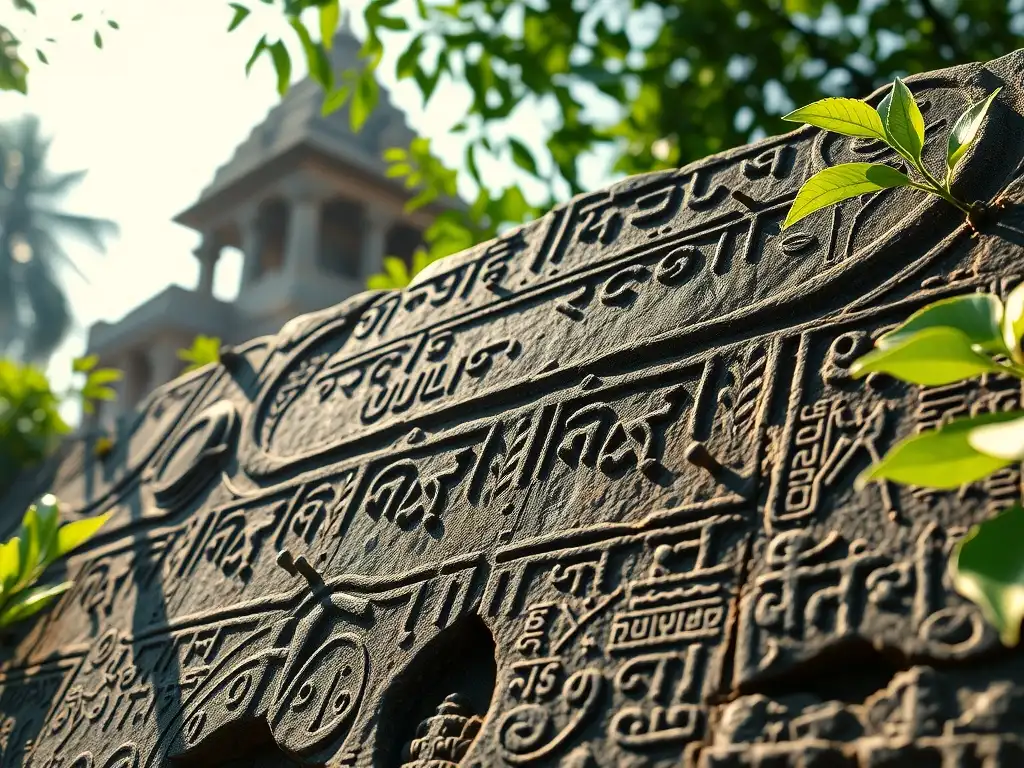
The Ashoka Edicts, inscribed during the reign of Emperor Ashoka in the 3rd century BCE, are among the most significant examples of ancient Indian inscriptions. These edicts, carved on stone pillars and rocks across the Indian subcontinent, convey messages of moral governance and Buddhist philosophy. The craftsmanship involved in these inscriptions is noteworthy, with clear and precise lettering that reflects the importance of the messages being communicated.
Each edict serves as a moral directive, emphasizing values such as non-violence, compassion, and respect for all living beings. The artistry of the inscriptions is complemented by their strategic placement in public spaces, ensuring that they were accessible to the populace. This combination of craftsmanship and social intent marks the Ashoka Edicts as a cornerstone of ancient Indian text craftsmanship, illustrating how inscriptions can serve both artistic and communicative purposes.
Insights from the Gupta Era Inscriptions
The Gupta era (approximately 320 to 550 CE) is often referred to as the Golden Age of India, marked by significant advancements in art, science, and literature. Inscriptions from this period provide valuable insights into the cultural and political milieu of the time. The craftsmanship seen in Gupta inscriptions often features graceful scripts and intricate designs, reflecting the high level of artistic skill achieved during this era.
Notable examples include the inscriptions found at the famous Udayagiri Caves and the iron pillar of Delhi, which not only showcase the technical prowess of the artisans but also record achievements of the Gupta rulers. These inscriptions often commemorate victories, donations, and religious dedications, highlighting the intertwining of art, politics, and spirituality. The elegance and durability of Gupta inscriptions symbolize the zenith of ancient Indian text craftsmanship, serving as a lasting legacy of a remarkable civilization.
Challenges in Studying Ancient Indian Text Craftsmanship
The study of ancient Indian text craftsmanship is a complex field that involves numerous challenges. These challenges stem from various factors, including the material conditions of the inscriptions, the linguistic evolution over centuries, and the socio-political contexts that shaped the creation and preservation of these texts. Understanding these challenges is crucial for epigraphists and historians alike, as they navigate the intricacies of ancient inscriptions to uncover the narratives of India’s rich heritage.
Issues of Preservation and Restoration of Inscriptions
One of the most significant challenges in studying ancient Indian text craftsmanship is the preservation and restoration of inscriptions. Many ancient texts are inscribed on materials such as stone, metal, and clay, which have been subjected to the ravages of time, weathering, and human activity.
- Environmental Factors: Inscriptions carved into stone can erode due to natural elements like rain, wind, and temperature fluctuations. Similarly, metal inscriptions may suffer from rust and corrosion, while clay tablets are susceptible to breakage and degradation.
- Human Activity: The impact of urban development, mining, and tourism can also threaten the integrity of these inscriptions. In many cases, inscriptions have been defaced or destroyed due to neglect or intentional vandalism, further complicating restoration efforts.
Efforts to restore and preserve these texts often involve sophisticated techniques from conservation science, yet these methods can sometimes alter the original material or context, leading to debates among scholars about the authenticity of restored pieces.
Interpretation Challenges Faced by Epigraphists
Interpreting ancient inscriptions presents another layer of difficulty for epigraphists. Several factors contribute to the challenges of accurate interpretation:
- Linguistic Evolution: The languages and scripts used in ancient texts have evolved significantly over the centuries. Scholars must possess a deep understanding of various scripts, such as Brahmi, Kharosthi, and Devanagari, and the corresponding languages, including Sanskrit and Prakrit, to decipher the inscriptions accurately.
- Cultural Context: The meanings of words and phrases can vary significantly depending on the cultural and historical context in which they were written. Interpretations may differ based on the prevailing social norms, religious beliefs, and political circumstances of the time.
- Fragmentation: Many inscriptions are incomplete or fragmented due to damage, making it challenging to derive full meanings or understand complete narratives. This often leads to differing interpretations among scholars, complicating the establishment of a consensus on historical events or cultural practices.
Conclusion: The Legacy of Ancient Indian Text Craftsmanship
The craftsmanship behind ancient Indian texts is a testament to the artistic and intellectual achievements of past civilizations. Despite the challenges faced in studying these inscriptions, their legacy continues to resonate through time, offering insights into the rich tapestry of Indian culture and history.
Continuing Influence on Modern Indian Art and Culture
The craftsmanship exhibited in ancient Indian texts has left a lasting influence on modern Indian art and culture. Contemporary artists often draw inspiration from ancient motifs, calligraphy, and techniques, integrating them into their works. Moreover, the revival of traditional crafts and the promotion of heritage arts highlight the importance of these ancient practices, ensuring that they remain relevant in the modern context.
- Artistic Techniques: The use of intricate designs and calligraphic styles in contemporary Indian art can often be traced back to ancient practices, showcasing the continuity of craftsmanship through generations.
- Cultural Pride: The appreciation of ancient craftsmanship fosters a sense of cultural pride among Indians, encouraging the preservation and promotion of traditional art forms in a globalized world.
The Importance of Preserving Ancient Texts for Future Generations
Preserving ancient texts is vital not only for understanding India's past but also for enriching future generations. These inscriptions serve as primary sources of historical knowledge, providing insights into societal norms, religious practices, and artistic expressions of ancient civilizations.
- Educational Value: Ancient inscriptions are essential tools for education in history and archaeology. They offer students and researchers firsthand experience with the linguistic and artistic heritage of India.
- Cultural Continuity: Ensuring the preservation of these texts allows future generations to connect with their heritage, fostering a sense of identity and continuity. Moreover, as global interest in ancient cultures grows, the preservation of India's textual heritage becomes increasingly significant on the world stage.
Through careful preservation and interpretation, the legacy of ancient Indian text craftsmanship can continue to inspire and educate future generations, ensuring that the rich history of Indian civilization remains alive and vibrant.
- Introduction to Ancient Indian Text Craftsmanship
- Historical Context of Ancient Indian Texts
- Techniques of Inscribing in Ancient India
- Styles and Forms of Ancient Indian Texts
- Cultural Significance of Ancient Indian Texts
- Role of Texts in Religious and Philosophical Traditions
- Preservation of History Through Inscriptions
- Case Studies of Notable Ancient Indian Inscriptions
- Challenges in Studying Ancient Indian Text Craftsmanship
- Conclusion: The Legacy of Ancient Indian Text Craftsmanship
- What are some notable ancient Indian texts that showcase craftsmanship?
- How did the craftsmanship of ancient Indian texts influence later generations?
- What materials were commonly used in ancient Indian text craftsmanship?
- How did ancient Indian craftsmanship impact culture and education?
- Are there any modern interpretations of ancient Indian text craftsmanship?
Frequently Asked Questions
What are some notable ancient Indian texts that showcase craftsmanship?
Ancient Indian texts such as the Vedas, Upanishads, and Mahabharata are celebrated for their intricate craftsmanship in both writing and illustration, reflecting the cultural richness of the era.
How did the craftsmanship of ancient Indian texts influence later generations?
The craftsmanship seen in ancient Indian texts laid the groundwork for future literary traditions in India, inspiring calligraphy and manuscript art that continued to evolve over centuries.
What materials were commonly used in ancient Indian text craftsmanship?
Ancient Indian texts were often inscribed on materials like palm leaves, bark, and parchment, using tools like styluses for writing and natural dyes for illustrations, showcasing the resourcefulness of the time.
How did ancient Indian craftsmanship impact culture and education?
The high-quality craftsmanship of texts played a crucial role in preserving knowledge, promoting literacy, and serving as a foundation for educational systems in ancient India.
Are there any modern interpretations of ancient Indian text craftsmanship?
Today, artists and scholars are reviving ancient techniques of inscription and illustration, blending traditional craftsmanship with contemporary styles to celebrate and preserve India’s rich literary heritage.
Final Reflection: The Enduring Legacy of Ancient Indian Text Craftsmanship
The craftsmanship behind ancient Indian texts is not merely a relic of the past; it is a vibrant testament to the ingenuity and creativity that flourished in a time when knowledge was meticulously inscribed and preserved. Today, as we navigate an era dominated by digital media, the significance of these ancient practices resonates more than ever.
The art of inscribing serves as a reminder of the value of patience, precision, and the deep respect for knowledge that characterized ancient Indian scholars. In a world that often prioritizes speed over substance, we must pause and reflect on the profound impact of these artisans.
The influence of ancient Indian text craftsmanship continues to shape our cultural and social landscape, fostering a sense of identity and continuity. As we explore the intricate designs and philosophies embedded within these texts, we uncover a rich tapestry of thought that transcends time. The meticulous work of ancient scribes not only preserved wisdom but also inspired generations of thinkers and artists. The pen is mightier than the sword,
a saying that encapsulates the power of words and the enduring legacy of those who inscribe them. This ongoing influence invites us to appreciate the depth and breadth of our cultural heritage, reminding us that craftsmanship is an essential part of our shared human experience.
As we conclude our exploration of this fascinating topic, I invite you to reflect on the lessons embedded in the art of inscribing. Consider how you might apply the principles of dedication, artistry, and respect for knowledge in your own life. Whether through your work, your relationships, or your pursuit of learning, let the spirit of ancient Indian text craftsmanship inspire you to create, preserve, and honor the stories that shape our world. Embrace the call to become a modern-day scribe in your own right, weaving your narrative into the rich tapestry of human history.
Unleash Your Creativity and Craft Your Story!
Thank you for diving into the fascinating world of ancient Indian texts with us! We hope you enjoyed exploring the intricate craftsmanship and the stories that these timeless inscriptions tell. Now, it’s your turn to create, share, and connect with this rich heritage.
Here are a few ways you can get involved:
- Start a personal project by inscribing your favorite quote or story onto a piece of art. Let your creativity flow as you honor the tradition of craftsmanship!
- Join our community on social media by sharing your own creations and inspirations. Connect with fellow enthusiasts and showcase your unique perspective!
- Take a moment to research an ancient text that intrigues you, and discover how its craftsmanship has influenced modern art forms.
What inscription or story resonates with you that you would love to explore further? Share your thoughts in the comments below!