
Inscriptions and the Preservation of Oral Traditions in Ancient India

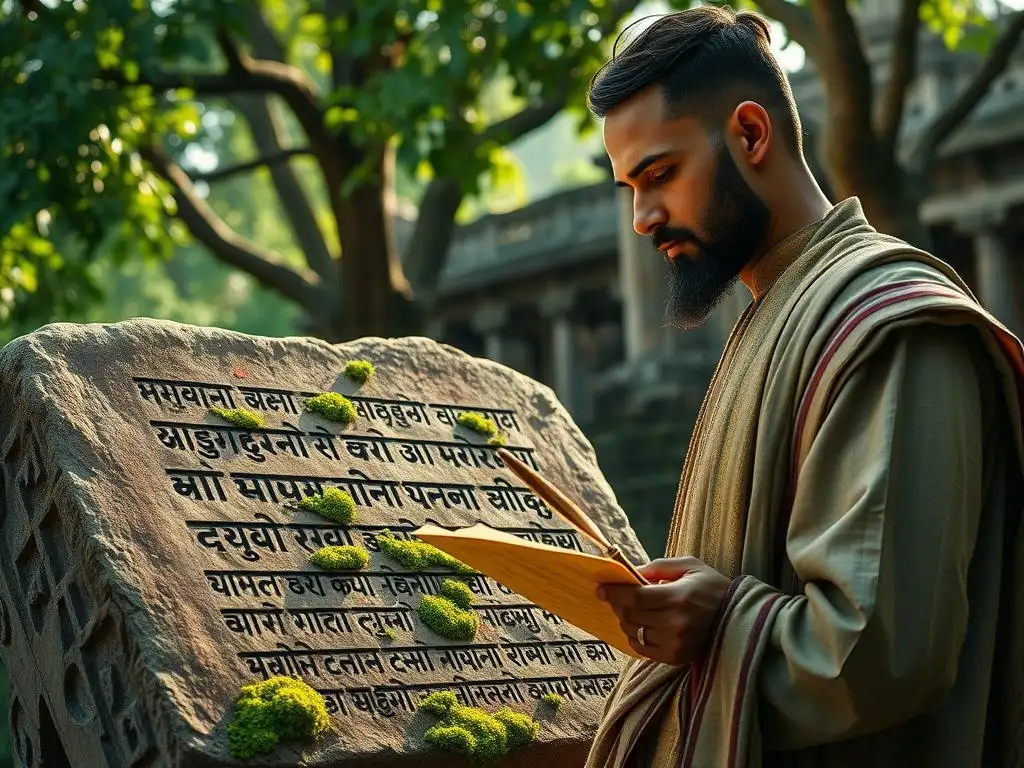
Welcome to Ancient India History, where we invite you to embark on a fascinating journey through the rich tapestry of ancient Indian civilizations. In our featured article, “Inscriptions and the Preservation of Oral Traditions in Ancient India,” we delve into the intriguing world of ancient Indian inscriptions and traditions—a gateway to understanding the profound cultural legacies that shaped a vibrant society. Discover how these inscriptions not only preserved historical narratives but also intertwined with the oral traditions that have echoed through the ages.
Join us as we unravel the mysteries of the past and illuminate the remarkable contributions of ancient India that continue to influence our world today. Dive deeper and let your curiosity guide you!
Introduction to Ancient Indian Inscriptions and Traditions
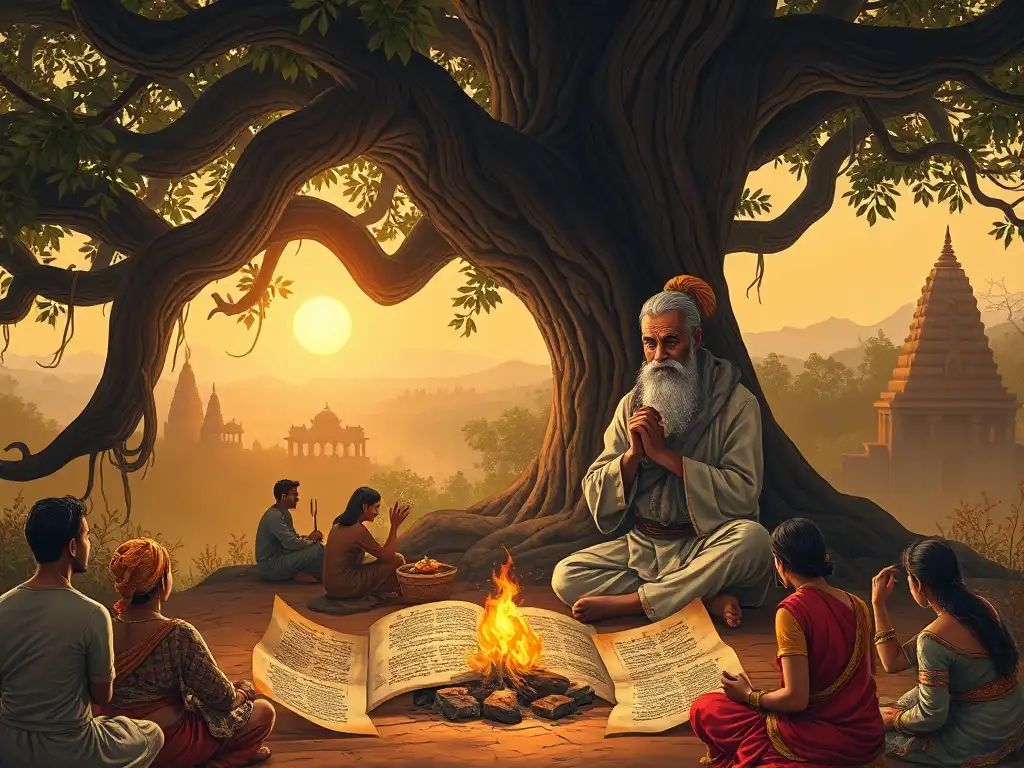
Ancient Indian inscriptions and traditions serve as pivotal elements in understanding the rich tapestry of India’s historical landscape. These inscriptions, etched in stone, metal, and various mediums, provide invaluable insights into the socio-political, cultural, and religious dynamics of ancient Indian civilizations. From the sophisticated urban planning of the Indus Valley Civilization to the philosophical advancements during the Gupta Empire, the nuances of these societies are captured in their inscriptions.
Furthermore, oral traditions, passed down through generations, play a crucial role in complementing and enriching our understanding of these civilizations. This article delves into the intricate relationship between ancient Indian inscriptions and oral traditions, exploring their significance and the ways they interweave to preserve the legacy of India's ancient past.
Overview of Ancient Indian Civilizations
Ancient India was home to several notable civilizations, each contributing uniquely to the subcontinent's historical narrative.
- Indus Valley Civilization (c. 3300–1300 BCE)
- Known for its advanced urban centers like Harappa and Mohenjo-Daro.
- Emphasized trade and craftsmanship, with many seals and inscriptions discovered.
- Vedic Period (c. 1500–500 BCE)
- Marked the composition of the Vedas, foundational texts that shaped Indian philosophy and religion.
- Oral traditions were predominant, with stories and hymns passed down verbally.
- Maurya Empire (c. 322–185 BCE)
- Chandragupta Maurya and his grandson Ashoka left significant inscriptions, promoting Buddhism and governance.
- The Edicts of Ashoka are among the most famous inscriptions that convey moral and ethical teachings.
- Gupta Empire (c. 320–550 CE)
- Known as the Golden Age of India, marked by advancements in science, art, and literature.
- Inscriptions from this era reflect the prosperity and cultural richness.
Importance of Inscriptions in Historical Context
Inscriptions are vital historical documents that provide concrete evidence of political authority, cultural practices, and societal norms. They serve several essential purposes:
- Chronological Anchors: Inscriptions often include dates and names of rulers, helping historians construct timelines of events.
- Cultural Insights: They reveal insights into the beliefs, philosophies, and daily lives of people, offering a window into their thoughts and practices.
- Legal and Administrative Records: Many inscriptions detail laws, treaties, and administrative orders, showcasing governance and political structures.
- Religious Artifacts: Inscriptions often contain religious texts, prayers, and dedications that illustrate the spiritual landscape of the time.
The Role of Inscriptions in Preserving Oral Traditions
Definition and Significance of Oral Traditions
Oral traditions encompass the transmission of knowledge, stories, and cultural practices from one generation to another through verbal means. They are significant for several reasons:
- Cultural Identity: Oral traditions contribute to the cultural identity of communities, preserving histories and values that define them.
- Narrative Flexibility: These traditions allow for adaptability and reinterpretation, ensuring relevance across generations.
- Community Bonding: Sharing stories fosters a sense of community and belonging, creating connections among individuals.
How Inscriptions Complement Oral History
Inscriptions and oral traditions, while distinct, work in tandem to enrich historical understanding:
- Validation of Narratives: Inscriptions provide tangible evidence that can validate or challenge oral histories, ensuring a more comprehensive view of the past.
- Preservation of Knowledge: As oral traditions can be susceptible to loss through time, inscriptions serve as a permanent record, safeguarding knowledge against the uncertainties of memory.
- Cultural Continuity: The interplay of inscriptions and oral traditions encourages cultural continuity, allowing communities to maintain their heritage while adapting to changes.
The study of ancient Indian inscriptions and oral traditions not only enhances our understanding of historical contexts but also highlights the resilience and dynamism of cultural practices that have shaped Indian civilization throughout the ages.
Types of Ancient Indian Inscriptions
Ancient Indian inscriptions serve as a vital resource for understanding the history and culture of past civilizations. These inscriptions, often carved on stone, metal, or pottery, provide insights into various aspects of life, including language, administration, and social customs. The two primary scripts used for inscriptions in ancient India were Brahmi and Kharosthi. Each of these scripts reflects the linguistic and cultural diversity of the subcontinent.
Brahmi and Kharosthi Scripts
Brahmi script is one of the earliest writing systems used in India, dating back to the 3rd century BCE. It is characterized by its linear form and has been the progenitor of numerous writing systems across Asia, influencing scripts such as Devanagari and even Southeast Asian languages. The inscriptions written in Brahmi often include edicts, religious texts, and records of donations.
In contrast, Kharosthi script, primarily used in the northwest region of India (particularly in present-day Pakistan and Afghanistan), is an abugida that incorporates elements of both syllabic and alphabetic writing. Kharosthi inscriptions are often found on coins, seals, and monuments, providing valuable information about trade and cultural exchanges between regions during the ancient period. Both scripts played a crucial role in preserving the oral traditions of various communities, bridging the gap between spoken language and written records.
Inscriptions from Major Dynasties
Inscriptions from various dynasties offer a glimpse into the socio-political landscape of ancient India. The Maurya Dynasty, for instance, left behind the famous edicts of Ashoka, which emphasized moral governance and the promotion of Dharma. These inscriptions, inscribed in Brahmi, exemplify how rulers utilized inscriptions to communicate their policies and ideals to the public.
The Gupta Empire, often referred to as the Golden Age of India, produced inscriptions that celebrated achievements in art, science, and literature. These inscriptions frequently praised the patronage of the arts and documented significant events such as royal victories and temple constructions. They reflect the flourishing cultural environment of the time and provide evidence of the patronage that supported scholars and artists.
Key Themes Reflected in Ancient Indian Inscriptions
Ancient Indian inscriptions are not merely historical records; they encapsulate the values, beliefs, and daily practices of the societies that produced them. By analyzing these inscriptions, historians can glean insights into various key themes that defined ancient Indian life.
Religious and Spiritual Beliefs
Many inscriptions reveal the profound religious and spiritual beliefs prevalent in ancient India. From the edicts of Ashoka promoting Buddhist principles to inscriptions commemorating Hindu deities, these texts serve as a testament to the rich tapestry of religious traditions. They often include prayers, hymns, and philosophical discourses, highlighting the significance of spirituality in daily life and governance.
Additionally, inscriptions frequently mention the construction of temples, monasteries, and stupas, indicating the importance of these spaces as centers of worship and community engagement. The interplay between religion and statecraft is evident, showcasing how rulers leveraged religious authority to legitimize their reigns.
Social Structure and Daily Life
Inscriptions also provide a window into the social structure and daily life of ancient Indian societies. They reveal information about different social classes, occupational roles, and community organization. For example, some inscriptions record donations made by merchants and guilds to temples, illustrating the economic relationships within society.
The mention of various occupations, such as artisans, farmers, and traders, in inscriptions indicates the diversity of skills and professions that existed. Furthermore, inscriptions often highlight festivals, rituals, and communal activities, portraying a vivid picture of how people engaged with one another in their daily lives.
Political Events and Governance
Political events and governance are prominent themes in ancient Indian inscriptions. Many inscriptions commemorate military victories, royal decrees, and administrative reforms. They often serve to legitimize the authority of the ruler and to communicate important policies to the populace.
For instance, the inscriptions of the Mauryan and Gupta empires detail the administrative divisions and the roles of local officials, shedding light on the governance structures of the time. These records also provide insight into diplomatic relations and treaties, revealing how ancient Indian states interacted with one another and with foreign powers. The preservation of such political narratives through inscriptions illustrates their significance in maintaining continuity and stability within ancient Indian civilizations.
The Process of Transition from Oral to Written Traditions
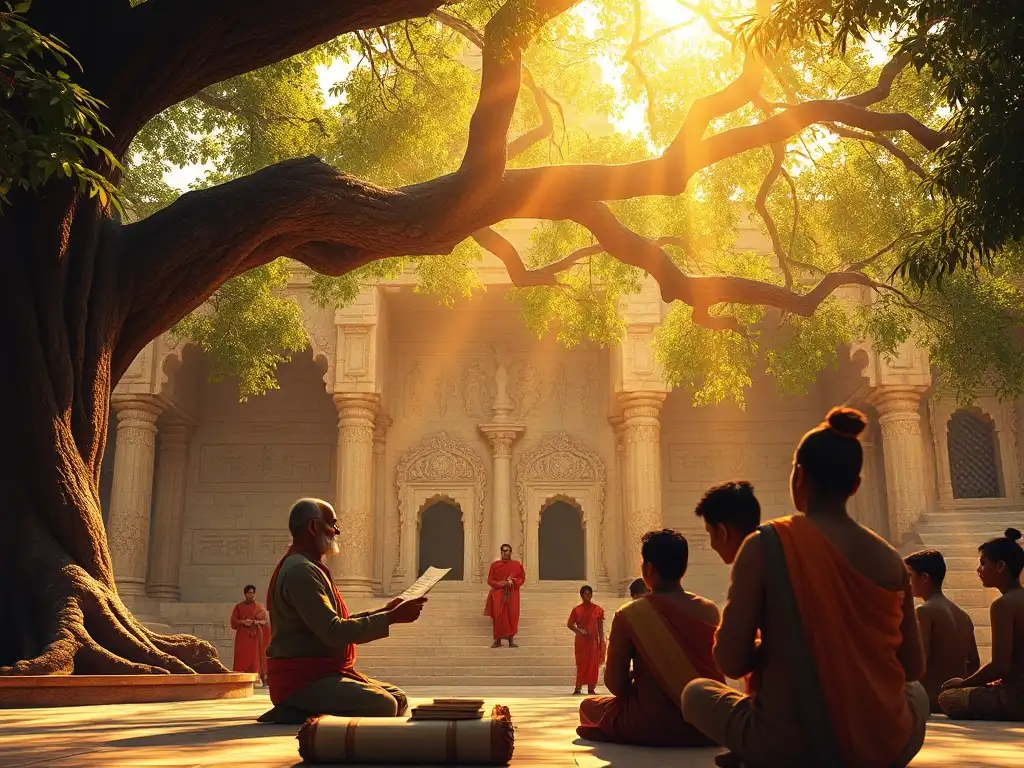
The transition from oral to written traditions in ancient India marked a significant evolution in cultural and historical documentation. Initially, oral traditions served as the primary means of preserving and transmitting knowledge, beliefs, and cultural practices. Storytelling, chants, and oral recitations were not only means of entertainment but also vital methods for preserving history, laws, and philosophies. However, with the rise of complex societies and the need for more permanent records, the shift towards written inscriptions became essential.
The development of writing systems allowed for the documentation of information in a way that could be consistently referenced and shared across generations. This transition was gradual and influenced by various societal needs, including administrative efficiency, trade, and the codification of religious texts. As inscriptions began to appear on stone, metal, and other durable materials, they provided a tangible means of preserving knowledge, marking the beginning of a new era for cultural and historical preservation in ancient India.
Factors Influencing the Shift to Written Records
Several key factors contributed to the shift from oral traditions to written records in ancient India:
- Administrative Needs: As kingdoms and empires expanded, the need for efficient record-keeping grew. Written records facilitated taxation, land ownership, and legal documentation, which were critical for governance.
- Religious and Cultural Preservation: The desire to preserve religious texts, such as the Vedas and Upanishads, prompted the development of writing systems. These texts contained essential philosophical and spiritual teachings that communities wished to codify.
- Trade and Economic Expansion: Increased trade with neighboring regions necessitated the documentation of transactions, agreements, and trade routes. Written records became vital for ensuring clarity and trust in commerce.
- Technological Advancements: The invention of writing materials, such as palm leaves and later, paper, along with tools like styluses, made the act of writing more accessible and practical.
- Cultural Exchange: Interactions with other civilizations, such as the Persians and Greeks, introduced new ideas about documentation and record-keeping, influencing local practices.
These factors collectively fostered an environment conducive to the adoption of written inscriptions, which became integral to the preservation of ancient Indian history.
Case Studies of Specific Inscriptions
Several notable inscriptions from ancient India illustrate the significance of this transition:
- The Ashoka Edicts: Emperor Ashoka, who ruled during the 3rd century BCE, inscribed his edicts on rocks and pillars across his empire. These inscriptions promoted moral governance, Buddhism, and social welfare, serving as a vital link between the ruler and his subjects.
- The Hathigumpha Inscription: This inscription, found in Odisha, dates back to the 1st century BCE and is attributed to King Kharavela. It showcases the king's achievements and the prosperity of his reign, reflecting the political history of the region.
- The Allahabad Pillar Inscription: Dating from the 3rd century CE, this inscription provides valuable insights into the reign of Samudragupta of the Gupta Empire, detailing his conquests and the political landscape of the time.
These inscriptions not only provide concrete historical data but also highlight the cultural and societal values of their respective eras.
Preservation and Interpretation of Inscriptions
The preservation and interpretation of ancient inscriptions are crucial for understanding the history and culture of ancient India. Inscriptions serve as primary sources that offer insights into various aspects of life, including politics, religion, and social structures. However, the fragility of materials and the passage of time pose significant challenges to their preservation.
Archaeological Methods in Studying Inscriptions
Archaeological methods play a vital role in studying ancient inscriptions. Various techniques are employed to uncover, document, and analyze these historical artifacts:
- Excavation: Systematic excavation allows archaeologists to locate inscriptions in their original context, providing information about their use and significance.
- Conservation Techniques: Methods such as cleaning, stabilization, and protective coating are employed to preserve inscriptions from environmental damage and deterioration.
- Digital Imaging and 3D Scanning: Advanced technologies enable detailed documentation of inscriptions, allowing researchers to analyze markings and features that might be invisible to the naked eye.
- Comparative Analysis: By comparing inscriptions across different regions and periods, scholars can trace the evolution of language, script, and cultural practices.
These methods enhance our understanding of inscriptions and their role in documenting ancient Indian traditions.
Challenges in Deciphering Ancient Scripts
Deciphering ancient scripts presents several challenges that hinder our ability to fully understand the inscriptions of ancient India:
- Linguistic Diversity: Ancient India was characterized by a multitude of languages and dialects. The presence of various scripts, like Brahmi and Kharosthi, complicates the interpretation of inscriptions.
- Incompleteness of Inscriptions: Many inscriptions are fragmented or damaged, making it difficult to ascertain their full meaning or context.
- Cultural Context: Understanding the cultural and historical context in which an inscription was created is crucial. Without this knowledge, interpretations can be misleading.
- Scholarly Disagreements: Different interpretations among scholars can lead to conflicting understandings of the same inscription, necessitating a cautious approach to conclusions drawn from them.
Despite these challenges, ongoing research and advancements in technology continue to shed light on the rich tapestry of ancient Indian inscriptions, preserving their legacy for future generations.
The Impact of Inscriptions on Understanding Ancient Indian Culture
Inscriptions serve as a vital link to the past, allowing historians and scholars to decode the cultural, social, and political landscapes of ancient India. These inscriptions, found on stone, metal, and various other materials, provide tangible evidence of the languages, scripts, and artistic expressions prevalent during different periods. They encapsulate the ideologies, beliefs, and practices of ancient civilizations, offering a snapshot of life, governance, and community interactions.
The study of inscriptions illuminates the complexities of ancient Indian society, showcasing the diversity of languages, dialects, and scripts used across regions. For example, the use of Brahmi and Kharosthi scripts in inscriptions from the Mauryan era highlights the linguistic evolution and cultural exchanges that occurred during this time. By analyzing the inscriptions, researchers gain a clearer understanding of how ancient Indian civilizations communicated, recorded events, and preserved their traditions, ultimately enriching our comprehension of their cultural identity.
Contributions to Historical Research
Ancient Indian inscriptions have significantly contributed to historical research by providing primary sources that document events, reigns, and societal norms. They serve as chronological markers that help historians establish timelines and understand the progression of various dynasties. Notable inscriptions, such as those by Emperor Ashoka, offer insights into governance, ethical principles, and the spread of Buddhism, enabling a deeper exploration of political and religious transformations.
Furthermore, inscriptions often contain detailed information about trade, agriculture, and economic practices, revealing how ancient societies organized their livelihoods. This data is invaluable for understanding the economic frameworks that supported these civilizations and how they interacted with neighboring cultures. By bridging the gap between oral traditions and documented history, inscriptions allow historians to create more nuanced narratives of ancient Indian life.
Influence on Modern Perceptions of Ancient India
The discovery and interpretation of ancient inscriptions have profoundly influenced modern perceptions of ancient India. They challenge many preconceived notions about the simplicity of early Indian societies, instead highlighting their sophistication, organization, and cultural richness. The inscriptions help dismantle stereotypes, portraying ancient India as a tapestry of diverse cultures and philosophies rather than a monolithic entity.
Moreover, inscriptions often inspire contemporary art, literature, and philosophy, serving as a reminder of the enduring legacies of ancient Indian traditions. The revival of interest in ancient scripts and languages, such as Sanskrit and Prakrit, can be attributed to the fascination with inscriptions. This resurgence not only enriches modern knowledge but also provides a sense of cultural continuity and identity for current generations.
Conclusion: The Legacy of Ancient Indian Inscriptions and Traditions
The legacy of ancient Indian inscriptions is profound, leaving an indelible mark on our understanding of history, culture, and identity. These inscriptions, along with the oral traditions they often complement, form a rich repository of knowledge that continues to shape our comprehension of ancient Indian civilizations.
Summary of Key Insights
Ancient Indian inscriptions are crucial for preserving oral traditions and documenting the complexities of historical narratives. They facilitate a deeper understanding of societal structures, cultural exchanges, and the evolution of languages. By preserving these inscriptions, we ensure that the voices of ancient civilizations continue to resonate in contemporary discourse.
The Importance of Continued Research in Inscriptions and Oral Traditions
Continued research in inscriptions and oral traditions is essential for unearthing further insights into ancient Indian history. As archaeological methods advance and new discoveries are made, the potential for gaining a more comprehensive understanding of ancient societies increases. This ongoing research not only enriches our historical knowledge but also fosters a greater appreciation of the cultural heritage that has shaped modern India. Emphasizing the need for interdisciplinary approaches, scholars can bridge gaps between written records and oral histories, ensuring the preservation and celebration of ancient traditions for future generations.
- Introduction to Ancient Indian Inscriptions and Traditions
- The Role of Inscriptions in Preserving Oral Traditions
- Types of Ancient Indian Inscriptions
- Key Themes Reflected in Ancient Indian Inscriptions
- The Process of Transition from Oral to Written Traditions
- Preservation and Interpretation of Inscriptions
- The Impact of Inscriptions on Understanding Ancient Indian Culture
- Conclusion: The Legacy of Ancient Indian Inscriptions and Traditions
Frequently Asked Questions
What are ancient Indian inscriptions?
Ancient Indian inscriptions are writings found on surfaces like stone, metal, and pottery, which provide valuable insights into the history, culture, and languages of ancient Indian civilizations.
How did inscriptions help in preserving oral traditions?
Inscriptions served as a means to document and formalize oral traditions, ensuring that stories, religious beliefs, and cultural practices were maintained and transmitted across generations.
What role did the Gupta Empire play in the creation of inscriptions?
The Gupta Empire was notable for its advancements in art and literature, leading to the creation of numerous inscriptions that reflect the political, religious, and cultural landscape of that era.
Are there specific regions in India known for ancient inscriptions?
Yes, regions like Tamil Nadu, Karnataka, and the Indus Valley are renowned for their rich collections of inscriptions that shed light on their respective civilizations.
How do modern historians study ancient Indian inscriptions?
Modern historians use techniques like epigraphy and paleography to analyze ancient inscriptions, helping them decode languages and understand the historical context in which they were created.
Final Reflection: The Enduring Legacy of Ancient Indian Inscriptions and Traditions
The exploration of ancient Indian inscriptions and traditions reveals their profound relevance in today's world, as they serve as a bridge connecting us to our rich cultural heritage. In a time when globalization often overshadows local customs, understanding the significance of these inscriptions helps us appreciate the narratives that have shaped our identities. The wisdom embedded in these ancient texts is not merely historical; it resonates with contemporary issues, reminding us of the values and lessons that have stood the test of time.
The impact of ancient Indian inscriptions on our cultural and social landscape is immense, influencing everything from literature to philosophy. These inscriptions are more than mere artifacts; they are living testimonies of our ancestors' beliefs, practices, and aspirations. Their preservation is crucial for fostering a sense of belonging and continuity in an ever-changing world.
As Mahatma Gandhi once said, "> A nation's greatness is measured by how it treats its weakest members." This quote underscores the importance of honoring our traditions and ensuring that the voices of the past continue to inspire and guide us in our present and future endeavors.
As we reflect on the lessons drawn from ancient Indian inscriptions and traditions, I invite you to consider how these insights can be woven into your own life. Take a moment to explore your cultural heritage, engage with local traditions, and share these stories with others. By doing so, you not only preserve the essence of your identity but also contribute to a richer tapestry of collective human experience. Let us embrace the wisdom of our ancestors and carry it forward, ensuring that the legacies of the past continue to illuminate our paths in the future.
Unveil the Wisdom of Ancient Oral Traditions!
Thank you for exploring the fascinating world of inscriptions and oral traditions in ancient India. You've gained valuable insights into how these forms of communication shaped history and culture. Now, it's time to take what you've learned and put it into action!
- Dive deeper into the rich history by visiting your local museum or exploring online archives that focus on ancient Indian artifacts and inscriptions.
- Engage with your community by sharing your newfound knowledge with friends and discussing how oral traditions influence modern storytelling.
- Contribute your voice by documenting your own family traditions and stories, ensuring their preservation for future generations.
What aspect of ancient oral traditions resonates with you the most, and how can you incorporate it into your daily life?