
The Ramayana and Its Depiction of the Ideal Man and Woman

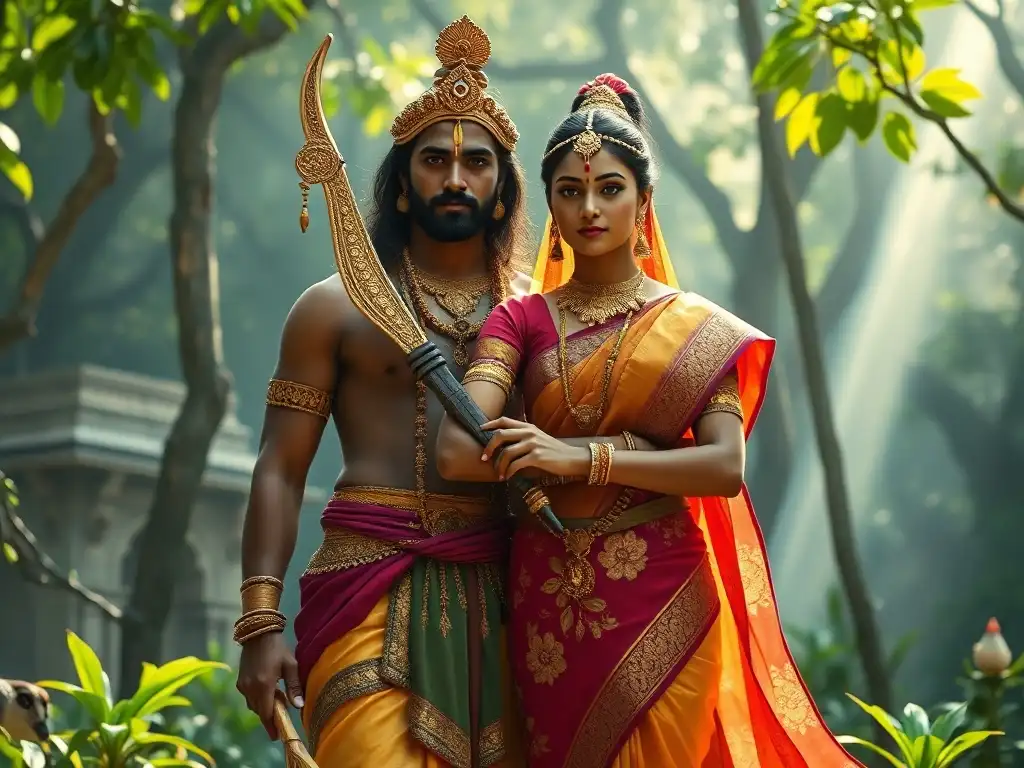
Welcome to Ancient India History, where we delve into the fascinating tapestry of ancient Indian civilizations that shaped the world as we know it. In our exploration today, we invite you to uncover the profound insights of the Ramayana, a timeless epic that not only tells a gripping tale but also paints a vivid picture of the ideal man and woman through its characters.
What qualities defined these archetypes, and how do they resonate with our lives today? Join us as we embark on a journey through the pages of history, culture, and literature, igniting your curiosity and inspiring a deeper understanding of ancient India’s rich legacy.
Introduction to the Ramayana
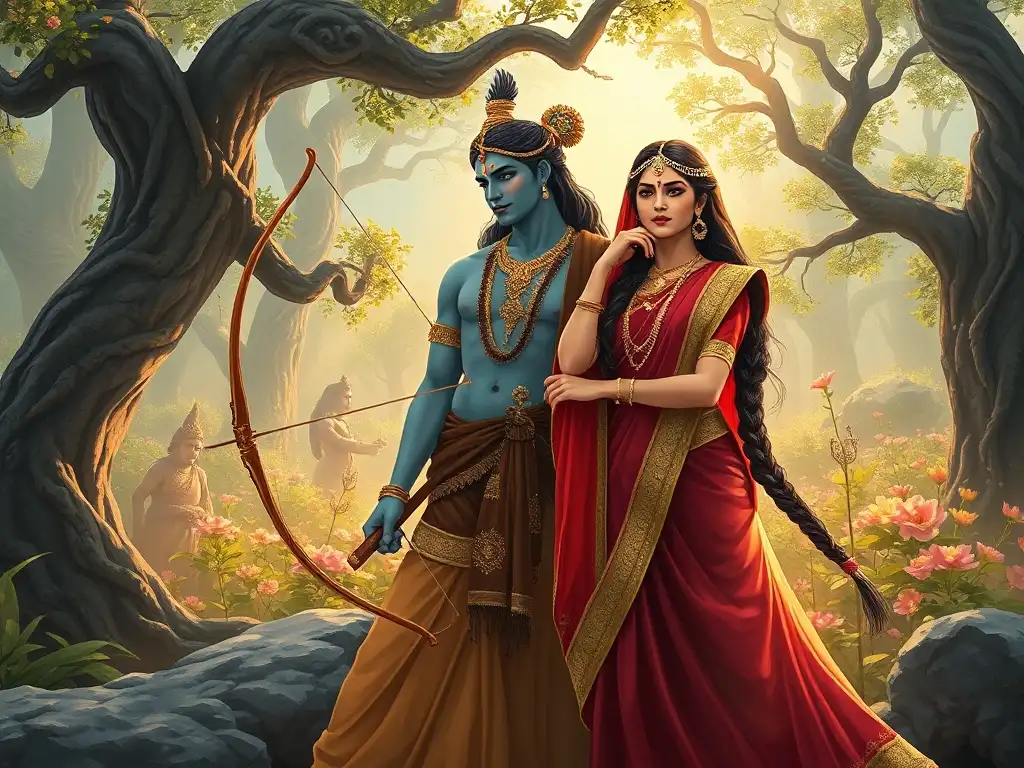
The Ramayana, one of the two major Sanskrit epics of ancient Indian literature, serves as a profound narrative exploring the ideals of morality, duty, and virtue. Through its engaging storytelling and rich characterizations, the Ramayana not only entertains but also educates its readers about the values and principles that define an ideal man and woman.
This epic, attributed to the sage Valmiki, unfolds the life of Lord Rama, his wife Sita, and their trials and tribulations, encapsulating the essence of dharma (righteousness) in personal and societal contexts. As we delve into the themes presented in the Ramayana, we uncover its timeless relevance in shaping the understanding of ideal male and female archetypes in Indian culture.
Overview of the Ramayana's Significance in Epic Literature
The Ramayana holds a pivotal place in the realm of epic literature. It is not merely a story of heroism and adventure but a complex exploration of human emotions, relationships, and ethical dilemmas. The epic comprises 24,000 verses, divided into seven Kandas (books), each detailing different phases of Rama's life and his quest to rescue Sita from the demon king Ravana.
- Moral Lessons: The Ramayana is imbued with moral teachings that resonate with readers across generations. The ideals of loyalty, sacrifice, and honor are central themes that guide the characters' actions, providing a blueprint for ethical living.
- Cultural Influence: The Ramayana has profoundly influenced Indian culture, art, and religious practices. Its narratives have been depicted in various forms, including dance, theater, and visual arts, reinforcing its role as a cultural cornerstone.
Cultural Context of the Ramayana in Ancient India
To grasp the full impact of the Ramayana, it is essential to consider the cultural context in which it was composed. The epic reflects the societal norms, values, and expectations prevalent in ancient India.
- Societal Structure: Ancient Indian society was predominantly patriarchal, where the roles of men and women were distinctly defined. The Ramayana mirrors these societal norms, presenting characters that embody the virtues expected of their genders.
- Religious Significance: The Ramayana is not just a literary work; it plays a crucial role in Hindu religious practices. Lord Rama is revered as an avatar of Vishnu, and his life story is celebrated during festivals, symbolizing the triumph of good over evil.
The Concept of the Ideal Man in the Ramayana
The depiction of the ideal man in the Ramayana is primarily personified by Lord Rama, whose character serves as a model for righteousness and virtue. His journey encapsulates the qualities that define an ideal man within the framework of ancient Indian values.
Characteristics of the Ideal Man in Ramayana
The ideal man in the Ramayana is characterized by several key attributes that align with the principles of dharma:
- Virtue: Rama embodies moral integrity and righteousness, consistently making choices that reflect his commitment to ethical conduct.
- Courage: He demonstrates immense bravery in the face of adversity, confronting powerful foes while adhering to his principles.
- Compassion: Rama's empathy towards others, including his enemies, showcases his ability to maintain compassion even in challenging situations.
- Loyalty: His unwavering loyalty to his family, particularly his devotion to Sita and respect for his father, King Dasharatha, exemplifies the importance of familial bonds.
Key Figures Representing the Ideal Man
Apart from Lord Rama, several other characters in the Ramayana also exemplify the ideals of masculinity:
- Hanuman: The devoted monkey god symbolizes selfless service and loyalty. His unwavering support for Rama in the quest to rescue Sita highlights the importance of friendship and dedication.
- Lakshmana: Rama's younger brother, Lakshmana, embodies loyalty and bravery, following Rama into exile and supporting him unconditionally.
Through these characters, the Ramayana presents a comprehensive portrayal of the ideal man, illustrating values that continue to resonate in contemporary discussions about masculinity and ethical conduct.
The Concept of the Ideal Woman in the Ramayana
The Ramayana presents a multifaceted portrayal of the ideal woman, primarily embodied in the character of Sita. Her representation reflects the values, virtues, and expectations of women in ancient Indian society. Central to Sita's character is her unwavering devotion to her husband, Lord Rama, which symbolizes loyalty and fidelity. This devotion is not merely personal but is deeply intertwined with the societal expectations of women during this epoch. Sita's trials and tribulations throughout the epic highlight her strength, resilience, and moral fortitude, setting a benchmark for feminine ideals.
In addition to Sita, the Ramayana also explores the concept of the ideal woman through various other female characters, each embodying specific virtues that contribute to the overall narrative. These portrayals serve to reinforce societal norms and expectations regarding womanhood, including aspects such as self-sacrifice, purity, and nurturing tendencies. The ideal woman in the Ramayana is not just a passive figure; she actively influences the course of events, showcasing a blend of strength and grace.
Characteristics of the Ideal Woman in Ramayana
The ideal woman in the Ramayana is characterized by several key traits, which include:
- Devotion: Sita's unwavering loyalty to Rama illustrates the importance of devotion in a woman's character. This loyalty is seen as a virtue that defines a woman's role within the family and society.
- Purity: The concept of purity is paramount, where a woman's virtue is often measured by her chastity and moral integrity. Sita's abduction by Ravana and her subsequent trials serve to highlight the theme of purity and its challenges.
- Courage and Resilience: Despite facing significant adversities, Sita displays remarkable courage. Her ability to endure hardships, such as her exile and the trials she undergoes, showcases inner strength as an essential characteristic of the ideal woman.
- Compassion and Empathy: The ideal woman is expected to possess a nurturing spirit, capable of understanding and caring for others. Sita's compassion towards those around her reinforces this trait.
- Wisdom and Intelligence: Sita is not only revered for her beauty but also for her wisdom. Her decisions and actions reflect a deep understanding of dharma, or duty, which guides her through complex situations.
Key Figures Representing the Ideal Woman
In addition to Sita, other characters in the Ramayana exemplify the qualities of the ideal woman:
- Mandodari: The wife of Ravana, Mandodari is depicted as wise and virtuous. Despite her husband's flaws, she remains a figure of strength and moral integrity, advising him against his wrongdoings.
- Anjana: The mother of Hanuman, Anjana embodies dedication and strength. Her character reinforces the notion of a strong maternal figure who plays a crucial role in shaping the next generation.
- Tara: The wife of Vali and a character who displays intelligence and diplomacy. Tara plays a significant role in the events following her husband's death, showcasing the complexity of female agency in the narrative.
These characters collectively illustrate the diverse representations of women in the Ramayana and enrich the understanding of the ideal woman within this epic.
The Interplay of Gender Roles in the Ramayana
The Ramayana intricately weaves the roles of men and women, showcasing how these roles complement each other in the pursuit of dharma. The ideal man and woman are depicted as two halves of a whole, each contributing uniquely to the moral fabric of society. The male figures, particularly Rama, exemplify virtues such as bravery, honor, and leadership, while female characters like Sita represent loyalty, compassion, and wisdom. This interplay emphasizes the significance of both genders in maintaining societal harmony and fulfilling their respective duties.
How the Ideal Man and Woman Complement Each Other
In the Ramayana, the ideal man and woman are not merely juxtaposed but are intricately connected. Rama's character embodies the qualities of an ideal king and husband, while Sita complements him by embodying the virtues of an ideal wife. Their relationship is marked by mutual respect and understanding, illustrating that both partners are essential in achieving a harmonious existence.
- Shared Values: Both characters uphold the values of dharma, showcasing how their relationship is built on a foundation of moral integrity and mutual support.
- Support in Adversity: Throughout the epic, Rama and Sita face numerous challenges together. Their unwavering support for one another during trials, such as Sita's abduction and Rama's quest to rescue her, underscores the strength of their partnership.
- Symbol of Balance: The ideal man and woman together symbolize balance in society, where each gender plays a vital role in the functioning of both family and the larger community.
The Role of Duty (Dharma) in Shaping Gender Expectations
Duty, or dharma, is a central theme in the Ramayana that significantly influences the expectations placed upon men and women. The characters are often faced with moral dilemmas that test their adherence to dharma, highlighting how these choices shape their identities and roles.
- Defining Responsibilities: Men, like Rama, are depicted as warriors and protectors, tasked with upholding justice and righteousness. Women, represented by Sita, are seen as caretakers and moral guides, emphasizing their roles in nurturing and supporting the family unit.
- Moral Choices: The dilemmas faced by Sita and Rama exemplify the struggles inherent in fulfilling one's duty. Sita's decision to accompany Rama into exile reflects her commitment to her husband's dharma, while Rama's decisions throughout the narrative highlight the weight of his responsibilities as a ruler and husband.
- Cultural Reflection: The depiction of duty in the Ramayana serves as a reflection of the societal norms of ancient India, where rigid gender roles were prevalent. This framework influences how characters navigate their lives and responsibilities, ultimately reinforcing the concept of ideal man and woman in the context of their time.
The Ramayana offers profound insights into the ideals of masculinity and femininity, illustrating how these ideals are shaped by duty and reinforced through the characters' interactions and experiences.
Critiques and Interpretations of Ideal Masculinity and Femininity
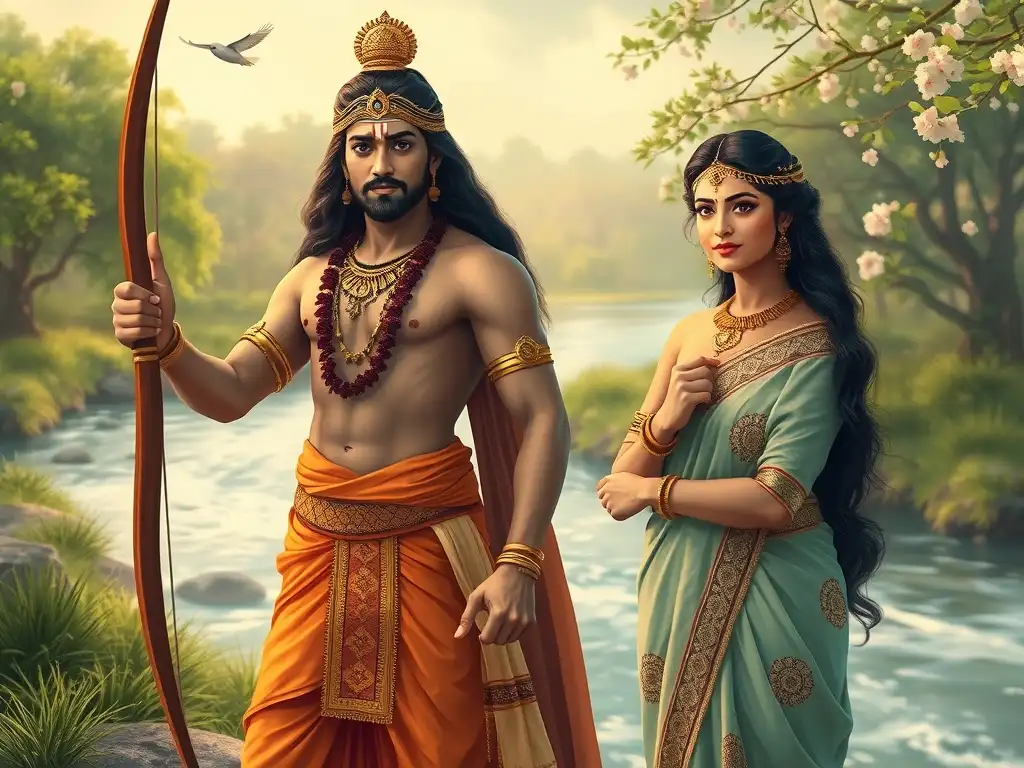
The Ramayana offers a complex portrayal of masculinity and femininity, often celebrated as the epitome of ideal behavior in both male and female characters. However, various critiques have emerged over time, questioning the rigid gender roles depicted in the epic. Scholars argue that the representation of Lord Rama as the ideal man embodies virtues like righteousness, courage, and loyalty, while simultaneously reinforcing patriarchal values. Critics point out that Rama’s adherence to dharma, which often prioritizes duty over personal happiness, can be seen as a limitation for modern interpretations of masculinity.
On the other hand, Sita, as the ideal woman, is often characterized by her unwavering devotion, purity, and self-sacrifice. This portrayal raises concerns regarding the expectations placed on women to conform to societal standards of virtue and obedience. Feminist interpretations of the Ramayana suggest that while Sita’s character can inspire resilience, it also perpetuates the notion that a woman's worth is largely defined by her relationship to men and her adherence to traditional roles. These critiques invite readers to reconsider the implications of these ideals and their relevance in modern discourse on gender.
Modern Perspectives on the Ideal Man and Woman in Ramayana
In contemporary society, the ideals of masculinity and femininity as depicted in the Ramayana are increasingly analyzed through a modern lens. Many individuals seek to balance the virtues associated with Rama and Sita with progressive values that promote equality and individual agency. The ideal man is now often viewed as someone who embodies strength but also emotional intelligence, compassion, and respect for women as equals.
Similarly, modern interpretations of the ideal woman challenge the notion of self-sacrifice, advocating instead for autonomy, empowerment, and the pursuit of personal goals. This shift reflects a broader cultural movement towards recognizing diverse expressions of gender identity and the rejection of dichotomous roles. As a result, discussions surrounding the Ramayana encourage a more nuanced understanding of gender that moves beyond traditional confines.
The Relevance of Ramayana's Ideals in Contemporary Society
The ideals presented in the Ramayana resonate with contemporary societal values, influencing discussions on morality, ethics, and interpersonal relationships. The concepts of dharma, loyalty, and integrity are timeless and continue to be relevant as individuals navigate complex moral dilemmas in their lives. The epic serves as a cultural touchstone, prompting reflections on personal conduct in the face of adversity.
Moreover, the Ramayana's exploration of familial and social responsibilities offers valuable lessons on the importance of community and connection. In an increasingly individualistic society, these themes can foster a sense of belonging and purpose, encouraging individuals to engage in their communities with a sense of duty and care for others. Thus, the Ramayana remains a significant reference point for understanding the dynamics of ideal behavior in both historical and modern contexts.
Conclusion
The Ramayana's depictions of the ideal man and woman provide a rich tapestry of virtues and values that have shaped cultural norms throughout history. While these ideals have faced critique and reinterpretation over time, their core messages continue to inspire and challenge contemporary society.
Reflection on the Ideal Man and Woman in Ramayana
Reflecting on the ideal man and woman in the Ramayana invites a deeper engagement with the text and its implications for modern life. The character of Rama encourages individuals to strive for righteousness and ethical conduct, while Sita embodies strength through resilience and devotion. However, as society evolves, it is essential to reassess these ideals to ensure they align with contemporary values of equality and personal freedom. This reflection fosters a dialogue about how ancient narratives can inform modern identities and relationships.
The Enduring Legacy of the Ramayana’s Depictions in Modern Culture
The legacy of the Ramayana's depictions of ideal masculinity and femininity endures in various cultural expressions today, from literature and cinema to theater and art. These representations continue to evoke discussions about gender roles, ethical conduct, and the essence of human relationships. As adaptations of the Ramayana emerge in modern storytelling, they often reinterpret the characters and their virtues to resonate with current audiences, demonstrating the epic's adaptability and relevance.
The Ramayana not only serves as a historical text but also a living narrative that invites ongoing exploration of what it means to embody the ideals of manhood and womanhood in a rapidly changing world.
References
The Ramayana, one of the two major Sanskrit epics of ancient Indian literature, comprises a wealth of narratives and teachings that explore the concepts of dharma (duty/righteousness) and personal relationships. The depiction of the ideal man and woman in this epic has been the subject of extensive scholarly research and analysis. Below is a curated list of references that delve into the themes of the Ramayana, particularly focusing on gender roles and the societal standards depicted through character archetypes.
Suggested Reading on the Ramayana and Gender Studies
-
"The Ramayana: A New Translation" by Robert Grieve
This translation offers an accessible rendition of the epic while maintaining the depth of its philosophical teachings. Grieve's introduction provides insights into the roles of Sita and Rama as archetypes of ideal masculinity and femininity, examining how these roles reflect and influence societal norms.
-
"Women in the Ramayana" by K. S. Ramakrishna
This work specifically focuses on the representation of female characters in the Ramayana, highlighting how Sita embodies the virtues of loyalty and sacrifice, while also discussing the implications of her portrayal on contemporary gender perspectives.
-
"The Ideal Man: Rama in the Ramayana" by V. Raghunathan
This book analyzes Rama's character as the quintessential ideal man, exploring the moral and ethical dimensions of his actions. It provides a comprehensive look at how Rama's decisions shape perceptions of masculinity in ancient Indian society.
-
"Dharma and the Ideal Woman: Sita's Role in the Ramayana" by N. S. Nair
Nair's exploration of Sita’s character highlights her complexity beyond the traditional view of submissiveness. This reading challenges the reader to consider Sita's agency and the broader implications for understanding gender in ancient texts.
Academic Resources on Epic Literature and Ancient Indian Culture
-
"Epic and Myth: The Ramayana" in The Journal of Indian Literature
This academic paper discusses the genre of epic literature in ancient India, focusing on the narrative structure of the Ramayana. The paper provides critical analysis on how these narratives reflect cultural values and societal expectations.
-
"Gender Dynamics in the Ramayana: A Historical Overview" by Meera B. Sharma
This research article investigates the shifting interpretations of gender roles within the Ramayana throughout history, offering a critical lens that connects historical context to modern gender studies.
-
"Cultural Heritage of Ancient India: Literature and Philosophy" edited by R. K. Sharma
This compilation includes various essays on ancient Indian literature, with dedicated sections on the Ramayana. It discusses the philosophical underpinnings of the epic and its influence on Indian culture and gender roles.
-
"The Ramayana and Its Impact on Indian Society" by P. K. Rao
Rao examines the long-lasting effects of the Ramayana on Indian culture, including its portrayal of the ideal man and woman. This resource provides a comprehensive understanding of the epic's significance beyond literature, exploring its social and cultural ramifications.
These references serve as a foundational starting point for those looking to explore the intricate themes of gender, duty, and idealism in the Ramayana, offering both historical context and contemporary interpretations.
- Introduction to the Ramayana
- The Concept of the Ideal Man in the Ramayana
- The Concept of the Ideal Woman in the Ramayana
- The Interplay of Gender Roles in the Ramayana
- Critiques and Interpretations of Ideal Masculinity and Femininity
- Conclusion
- References
- What is the main theme of the Ramayana regarding ideal figures?
- How does Rama embody the qualities of an ideal man?
- In what ways does Sita represent the ideal woman?
- How do cultural values influence the depiction of ideal figures in the Ramayana?
- What lessons can modern society learn from the ideals presented in the Ramayana?
Frequently Asked Questions
What is the main theme of the Ramayana regarding ideal figures?
The Ramayana portrays the ideal man and woman through its central characters, Rama and Sita, exemplifying virtues like duty, honor, and devotion.
How does Rama embody the qualities of an ideal man?
Rama is depicted as the epitome of righteousness, showcasing bravery, compassion, and selflessness throughout his journey, making him a role model for men.
In what ways does Sita represent the ideal woman?
Sita is characterized by her strength, loyalty, and sacrifice, portraying the ideal woman who upholds family values and dharma despite facing numerous challenges.
How do cultural values influence the depiction of ideal figures in the Ramayana?
The cultural values of ancient India are reflected in the Ramayana, emphasizing traits like loyalty and duty, which resonate with the societal expectations of both men and women during that era.
What lessons can modern society learn from the ideals presented in the Ramayana?
The ideals of Rama and Sita convey timeless lessons on virtue, commitment, and the importance of moral integrity, encouraging contemporary readers to reflect on their own values and relationships.
Final Reflection: Embracing the Ideal Man and Woman in the Ramayana
The exploration of the ideal man and woman in the Ramayana resonates deeply in today's society, where the quest for role models and moral guidance is more pertinent than ever. As we navigate the complexities of modern life, the timeless virtues embodied by Rama and Sita serve as a beacon, reminding us of the values of duty, honor, and love. Their stories are not merely ancient tales; they are powerful narratives that challenge us to reflect on our own lives and relationships.
The influence of the Ramayana extends far beyond its pages, shaping cultural and social norms across generations. In a world often clouded by confusion regarding gender roles and expectations, the Ramayana offers clarity and inspiration. The ideals of Rama's righteousness and Sita's unwavering strength continue to inspire countless individuals, encouraging them to strive for excellence in their own lives.
As Mahatma Gandhi once said, "> The Ramayana is a great epic that teaches us the values of life and the importance of living in harmony with our duties." This enduring wisdom underscores the relevance of these archetypes in our contemporary discourse on gender and morality.
As you reflect on the lessons from the Ramayana, I invite you to consider how these ideals can be integrated into your own life. What does it mean to embody the qualities of the ideal man and woman in your daily interactions? How can you cultivate virtues such as compassion, integrity, and resilience in your own journey?
By embracing these timeless principles, you not only honor the legacy of Rama and Sita but also contribute to a more harmonious and virtuous society. Let their stories inspire you to become the best version of yourself, fostering a world where love and righteousness prevail.
Unveil the Lessons of the Ramayana Today!
Thank you for taking the time to delve into the profound teachings of the Ramayana. We hope you’ve gained valuable insights into the depiction of the ideal man and woman in this epic narrative. Now, let’s carry these timeless lessons into our lives!
Here are some simple yet powerful actions you can take right now:
- Reflect on your relationships: Identify a quality from the characters in the Ramayana that you admire and practice it in your daily interactions.
- Share the wisdom: Discuss the themes of the Ramayana with friends or family; start a conversation that enriches understanding and perspective.
- Explore further: Pick up a copy of the Ramayana or related literature—discover a new interpretation or retelling that resonates with you.
What characteristic from the Ramayana would you like to embody in your life, and how do you plan to incorporate it into your daily actions?