
Understanding the Ramayana's Moral Dichotomy: Good vs Evil

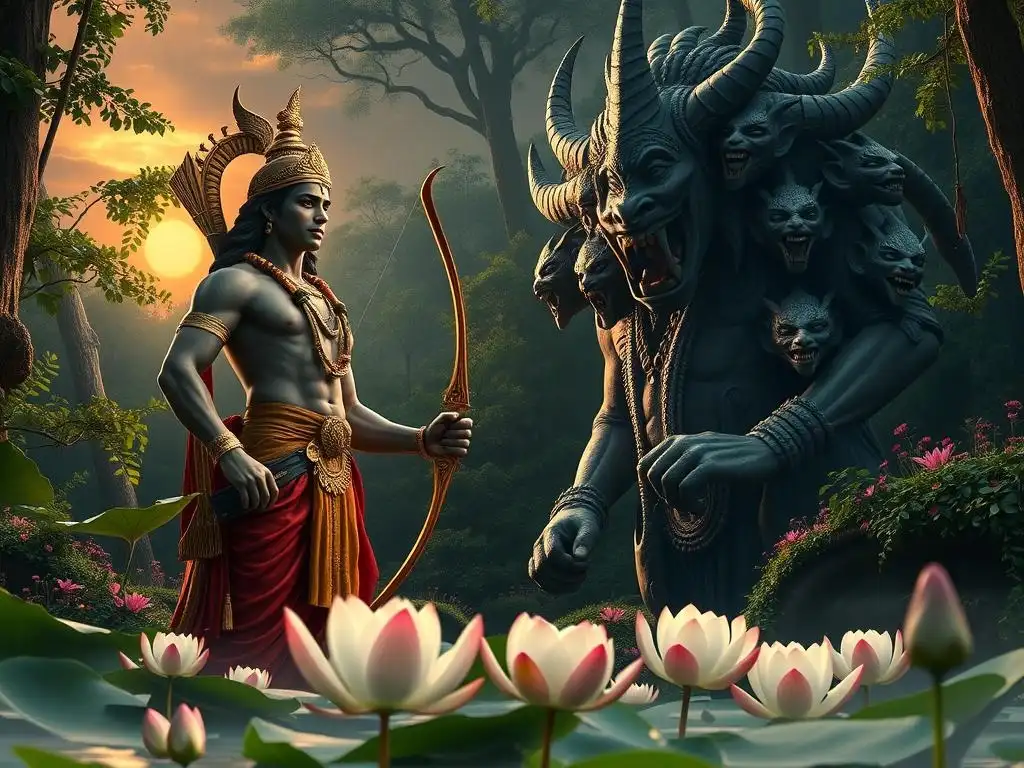
Welcome to Ancient India History, where we delve into the rich tapestry of ancient civilizations that have shaped the world as we know it. Today, we invite you to embark on an enlightening journey through the epic tale of the Ramayana, exploring its profound themes of good vs evil. What moral lessons can we draw from this timeless narrative? As we unravel the layers of this monumental work, you'll discover how the characters and their choices resonate with contemporary dilemmas. Join us in this exploration and uncover the moral dichotomy that has captivated hearts for centuries!
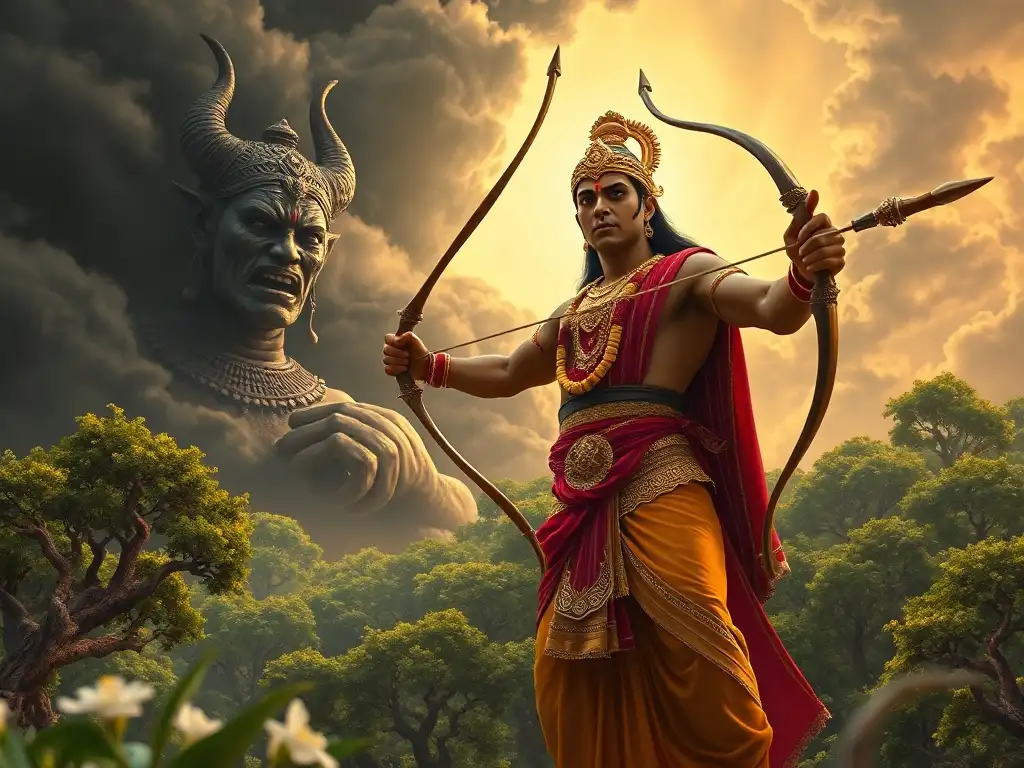
The Ramayana, one of the two major Sanskrit epics of ancient Indian literature, serves as a profound exploration of the moral dichotomy between good and evil. This epic narrative, attributed to the sage Valmiki, not only delineates the adventures of Lord Rama, his wife Sita, and his loyal companion Hanuman but also weaves a complex tapestry of ethical and moral lessons that resonate throughout Indian culture.
In this article, we will delve into the intricate layers of the Ramayana, focusing specifically on the themes of good versus evil that permeate its storylines. This analysis aims to illuminate the essential moral teachings embedded in the text, revealing how the epic not only reflects the values of its time but also offers timeless insights into the human condition.
Introduction to the Ramayana
Overview of the Ramayana Epic
The Ramayana is divided into seven Kandas (books) and comprises approximately 24,000 verses, detailing the life and trials of Rama, an avatar of the god Vishnu. The narrative begins with Rama’s exile from his kingdom of Ayodhya due to a palace intrigue, leading to his epic quest to rescue Sita from the demon king Ravana. The tale explores themes of loyalty, honor, and the struggle between righteousness and malevolence, positioning itself as a cornerstone of Indian literature and philosophy.
Significance of Good vs Evil in Ancient Indian Literature
In ancient Indian literature, the conflict between good and evil is not merely a thematic device but a reflection of the society's moral framework. Texts like the Ramayana illustrate the consequences of ethical choices, serving as a guide for personal conduct. This moral dichotomy is essential in understanding the societal values of the time, as it establishes a clear framework for distinguishing between virtuous behavior and malevolence, influencing generations of readers and thinkers.
The Concept of Good in the Ramayana
Characteristics of Goodness in Key Characters
The Ramayana is populated with characters that embody the essence of goodness. Lord Rama, often regarded as the ideal man (Maryada Purushottama), exemplifies virtues such as honesty, bravery, compassion, and unwavering commitment to dharma (righteousness). Similarly, Sita represents purity and devotion, while Hanuman epitomizes selfless service and loyalty. Each character's traits not only contribute to the overarching narrative but also serve as models for righteous conduct.
The Role of Dharma in Defining Goodness
Dharma, or moral duty, plays a pivotal role in defining what is considered good within the Ramayana. Rama’s adherence to dharma, even at the cost of personal happiness, underscores the epic’s moral teachings. The concept of dharma is multifaceted, guiding characters in their decisions and actions. This adherence to duty is intricately woven into the fabric of the narrative, illustrating the belief that righteousness leads to harmony and prosperity.
Symbolism of Good in the Ramayana’s Narrative
The Ramayana employs rich symbolism to convey the essence of goodness. For instance, Rama’s bow is not merely a weapon but a representation of dharma and justice. The forest, where much of the story unfolds, symbolizes both trials and the path to self-realization. Additionally, the divine intervention of deities highlights the ongoing battle between good and evil, reinforcing the notion that righteousness ultimately prevails, a theme that resonates deeply within the cultural consciousness of India.
In this exploration of the Ramayana's moral dichotomy, we will continue to dissect the layers of good and evil, providing insights into their implications and teachings that are relevant even in contemporary discourse.
The Concept of Evil in the Ramayana
The Ramayana, one of the two major Sanskrit epics of ancient Indian literature, presents a profound exploration of the concept of evil through its characters and narrative structure. At its core, the epic delineates the stark dichotomy between good and evil, often embodied by its protagonists and antagonists.
The character of Ravana, the demon king of Lanka, serves as a primary representation of evil, showcasing traits that are inherently destructive and morally corrupt. Evil in the Ramayana is not merely a force to be vanquished; it is portrayed as a complex phenomenon that arises from desires, ambitions, and a fundamental disregard for dharma (righteousness).
Evil is intricately linked to the themes of power and desire. Ravana's lust for power and his abduction of Sita, the wife of Rama, signify a profound violation of moral codes, leading to catastrophic consequences. The narrative suggests that evil often stems from a skewed perception of power and entitlement, illustrating how ambition can lead individuals to forsake their moral compass. Additionally, the Ramayana addresses the psychological aspects of evil, examining how inner turmoil and unresolved conflicts can manifest as malevolent actions.
Characteristics of Evil in Key Antagonists
The primary antagonists in the Ramayana exhibit distinct characteristics that collectively define the nature of evil within the epic.
- Ravana: As the most notable villain, Ravana possesses immense knowledge and power, yet his hubris blinds him to the consequences of his actions. His arrogance and belief in his invincibility lead him to challenge divine authority, epitomizing the corrupting influence of power.
- Surpanakha: Ravana's sister, whose unrequited love for Rama leads her to instigate chaos. Her transformation from a passionate being into a vengeful force illustrates how personal desires can catalyze evil actions.
- Kumbhakarna: Another key antagonist, he represents a different facet of evil—an overwhelming lethargy combined with fierce loyalty to Ravana. His character serves as a reminder that even the most powerful can become pawns in the hands of evil if they succumb to inertia and ignorance.
These characters reflect that evil is not just an external force but also a product of internal flaws such as pride, jealousy, and ignorance.
The Role of Adharma in Defining Evil
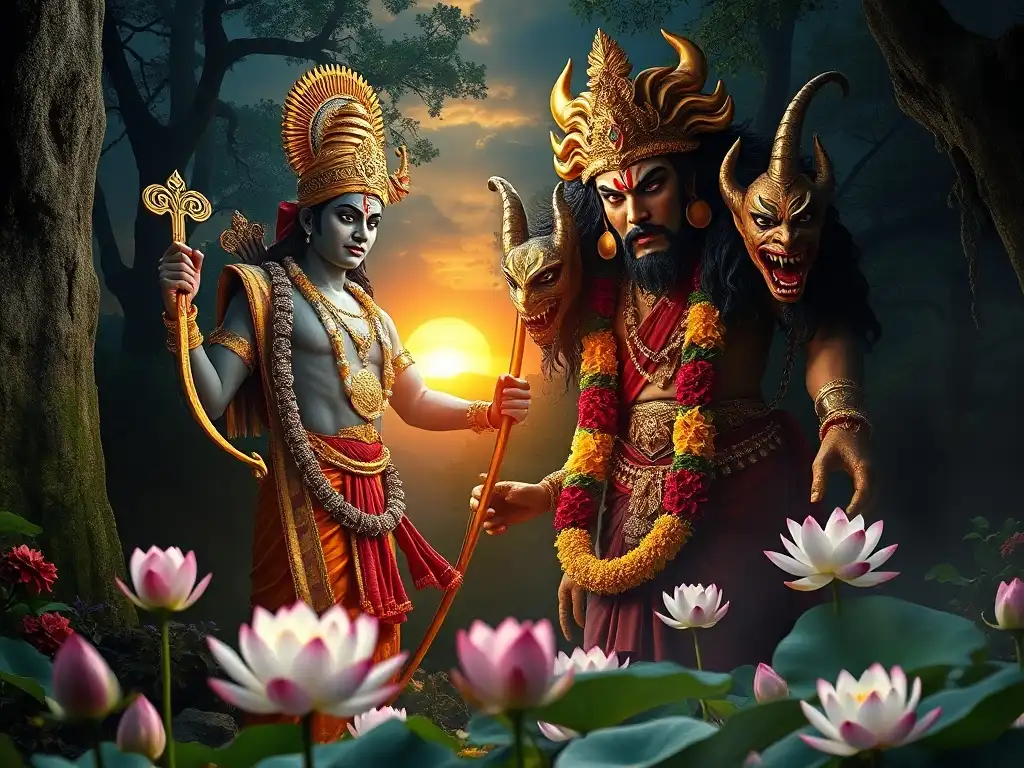
Adharma, or the principle of unrighteousness, plays a crucial role in shaping the narrative of the Ramayana. It is through the lens of adharma that the epic critiques the actions of its antagonists. The blatant disregard for dharma by figures like Ravana and his allies signifies a fundamental moral corruption.
The Ramayana posits that adharma leads to the destabilization of societal order and harmony. Ravana's abduction of Sita not only violates personal dharma but also disrupts the cosmic balance, prompting divine intervention. The text suggests that the consequences of adharma are inevitable; the forces of good, represented by Rama, will ultimately restore the balance, reinforcing the notion that righteousness prevails over wickedness.
Thus, adharma is not merely a characteristic of evil; it is the very catalyst that propels the narrative forward, emphasizing the epic’s moral framework.
Symbolism of Evil in the Ramayana’s Narrative
The Ramayana employs rich symbolism to convey the intricacies of evil throughout its narrative. The forest, for instance, represents a realm where evil thrives, as seen in the encounters Rama and Sita face with various demons. This setting symbolizes both physical and moral wilderness, where the forces of evil operate freely, often luring individuals away from their righteous paths.
- The Golden Deer: The golden deer that lures Sita away from Rama's side symbolizes deception and the alluring nature of evil. It represents how temptation can lead to dire consequences, reflecting the idea that what appears beautiful and enticing may harbor destructive intentions.
- Lanka: Ravana's kingdom serves as a representation of opulence overshadowed by moral decay. Its beauty is marred by the evil actions of its ruler, reinforcing the theme that external splendor often hides internal corruption.
Through these symbols, the Ramayana illustrates that evil is multifaceted, manifesting in various forms that challenge the protagonists at every turn.
Ramayana Good vs Evil Analysis
The analysis of good versus evil in the Ramayana is a profound exploration of moral philosophy. This dichotomy is not merely a battle between two opposing forces; it is a reflection of the internal struggles faced by individuals. The epic emphasizes that the battle against evil is as much about external conflicts as it is about inner moral dilemmas.
Rama, embodying virtue and righteousness, stands as the ideal hero. His journey is marked by challenges that test his resolve, illustrating that the path of righteousness is fraught with trials. The ultimate triumph of good over evil in the Ramayana serves as a narrative device to convey hope and the importance of adhering to dharma.
Key Conflicts Representing Good vs Evil
The Ramayana is replete with conflicts that epitomize the struggle between good and evil:
- Rama vs. Ravana: The central conflict where Rama's adherence to dharma leads him to fight against Ravana, who represents adharma. This battle is not just physical but ideological, representing the clash of righteousness against moral corruption.
- Sita's Abduction: The act of Sita's abduction by Ravana initiates a series of events that highlight the consequences of evil actions. Sita's resilience against her captor symbolizes the strength of virtue in the face of adversity.
- The Battle of Lanka: The climactic battle showcases the collective struggle of good, represented by Rama and his allies, against the forces of evil. It serves as a microcosm of the larger moral battle, emphasizing the importance of unity and righteousness.
These conflicts showcase that the fight against evil is an essential aspect of the human experience, resonating with audiences across cultures and epochs.
The Moral Lessons Derived from Good vs Evil
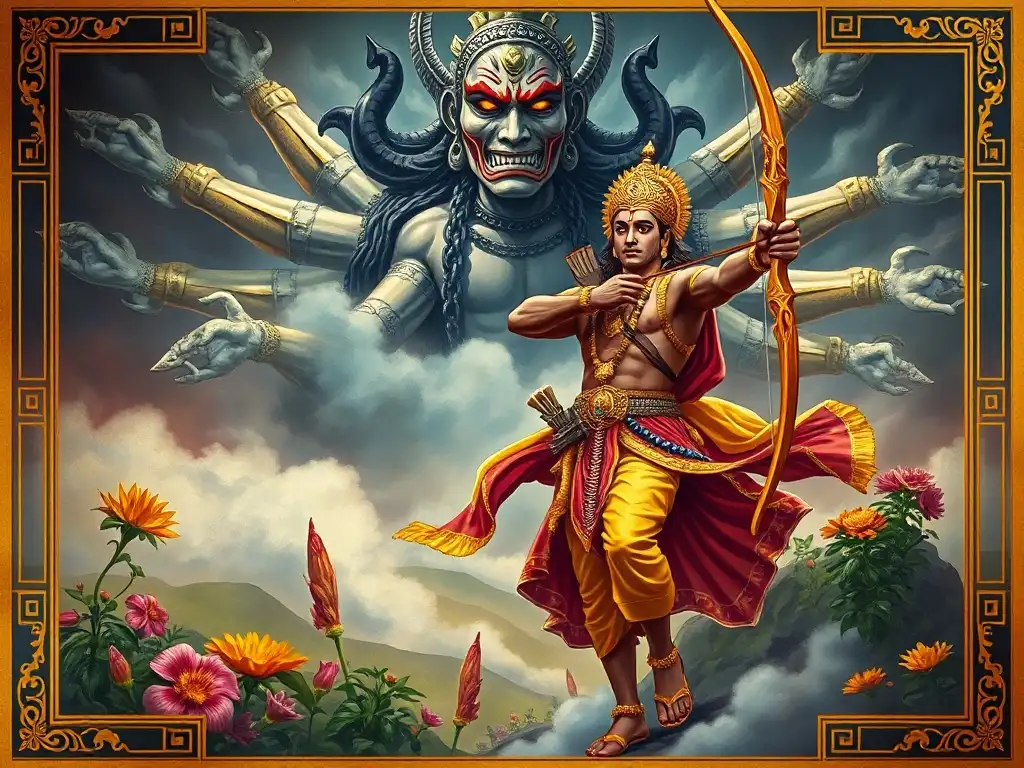
The Ramayana imparts several moral lessons that arise from the good versus evil dynamic.
- Importance of Righteousness: The epic underscores that adhering to dharma is paramount, even in the face of adversity. Rama's unwavering commitment to righteousness exemplifies the virtues of integrity and honor.
- Consequences of Evil Actions: The narrative illustrates that evil actions have repercussions. Ravana’s downfall serves as a cautionary tale about the inevitable consequences of adharma.
- Redemption and Forgiveness: Characters such as Ravana also evoke reflections on the potential for redemption, hinting that understanding and forgiveness are pathways to overcoming evil.
Through these lessons, the Ramayana encourages readers to reflect on their moral choices and the impact of their actions on the greater fabric of society.
Comparative Analysis of Good and Evil Characters
The Ramayana offers a rich tapestry of characters, each embodying different facets of good and evil.
| Character | Representation of Good | Representation of Evil |
|---|---|---|
| Rama | Ideal hero, virtue, dharma | - |
| Sita | Fidelity, purity | - |
| Ravana | - | Hubris, desire for power |
| Surpanakha | - | Jealousy, revenge |
| Hanuman | Devotion, bravery | - |
This comparative analysis highlights that good characters, while idealized, are not without flaws, and similarly, evil characters can possess redeeming qualities. For instance, Ravana's intelligence and strength can be seen as admirable traits, yet they are overshadowed by his moral failures.
The interplay between these characters illustrates the complexity of human nature, suggesting that the battle between good and evil is nuanced, reflecting the struggles inherent in every individual. This complexity invites readers to ponder their moral compass, enhancing the Ramayana's role as a timeless exploration of human ethics.
The Influence of Good vs Evil on Indian Culture
The theme of good versus evil in the Ramayana has had a profound influence on Indian culture, shaping moral values, social norms, and philosophical thought throughout history. This epic not only serves as a narrative of divine intervention and moral righteousness but also establishes a framework for understanding the complexities of human nature. It highlights the eternal struggle between dharma (righteousness) and adharma (unrighteousness), which resonates deeply within the Indian psyche.
The characters in the Ramayana, such as Rama, Sita, and Ravana, symbolize various facets of good and evil. Rama, often regarded as the ideal hero and embodiment of virtue, represents the ideal qualities of bravery, compassion, and fidelity. In contrast, Ravana, despite his formidable intellect and power, embodies the pitfalls of arrogance and desire. This dichotomy serves not only as a plot device but also as a moral compass for individuals navigating their own lives, encouraging them to aspire toward virtue while recognizing the potential for evil within themselves and society.
Reflection of Good and Evil in Indian Society
The moral lessons drawn from the Ramayana have deeply permeated Indian society, influencing various aspects of daily life and communal interactions. The epic's portrayal of good versus evil has led to the establishment of cultural practices and festivals, such as Diwali, which celebrates the victory of light over darkness, symbolizing the triumph of good.
Moreover, the values depicted in the Ramayana are often invoked in discussions about justice, duty, and morality. In legal and ethical debates, references to the characters and events from the epic serve as illustrative examples of righteousness and the consequences of deviating from dharma. This reflection of good and evil not only fosters a collective identity among communities but also provides a moral framework for resolving conflicts and dilemmas within Indian society.
Impact on Arts and Literature Through the Ages
The moral dichotomy of good versus evil in the Ramayana has inspired countless artistic and literary expressions throughout the centuries. From classical dance forms like Bharatanatyam and Kathak to contemporary theatre and cinema, the themes of the Ramayana continue to resonate. Artists often depict the struggle between good and evil, highlighting the lessons of sacrifice, loyalty, and the complexities of moral decisions.
In literature, adaptations of the Ramayana have emerged in various regional languages, each interpreting the epic through the lens of local culture and values. These adaptations not only preserve the essence of the original text but also allow for a rich dialogue about morality and ethics, demonstrating the enduring relevance of the Ramayana's themes. The evolving interpretations reflect the changing societal norms while still anchoring themselves in the fundamental good vs evil dichotomy that the epic embodies.
Modern Interpretations of the Ramayana’s Moral Dichotomy
In contemporary discourse, the Ramayana's themes of good and evil have taken on new meanings as society grapples with modern ethical dilemmas. Scholars and thinkers analyze the epic through various lenses, including feminism, post-colonialism, and psychoanalysis. This re-examination reveals complexities in the characters and their motivations, challenging simplistic notions of good and evil.
For instance, the character of Sita has been reinterpreted in modern feminist readings as a symbol of strength and agency, despite her portrayal as a traditional wife. Similarly, Ravana's character is often explored for his multifaceted personality and the reasons behind his antagonism, prompting discussions about moral ambiguity and the nature of evil. These modern interpretations encourage a deeper understanding of human motivations and the societal structures that shape our actions.
Conclusion: The Enduring Legacy of the Good vs Evil Theme in the Ramayana
The enduring legacy of the good vs evil theme in the Ramayana is a testament to its profound impact on Indian culture and society. This theme not only serves as a moral guide but also reflects the complexities of human experiences, making it relevant across generations. The Ramayana invites individuals to examine their own choices and the broader implications of those choices in the context of societal values.
Final Thoughts on Moral Lessons in the Ramayana
The moral lessons embedded within the Ramayana continue to inspire individuals to strive for righteousness and uphold the principles of dharma. The characters' journeys illustrate the importance of integrity, selflessness, and the pursuit of justice, serving as a reminder of the consequences of succumbing to evil. This timeless relevance underscores the necessity of internalizing these lessons in modern life, where moral choices remain as critical as ever.
The Ramayana's Relevance in Contemporary Discussions of Morality
In an age characterized by rapid change and moral ambiguity, the Ramayana offers a framework for navigating ethical challenges. Its exploration of the good vs evil dichotomy prompts discussions about justice, compassion, and the responsibilities of individuals within society. As contemporary society grapples with issues such as inequality, environmental degradation, and social justice, the insights gleaned from the Ramayana remain invaluable. The epic continues to serve as a source of inspiration, urging individuals to reflect on their moral choices and the impact of those choices on the world around them.
- Introduction to the Ramayana
- The Concept of Good in the Ramayana
- The Concept of Evil in the Ramayana
- Characteristics of Evil in Key Antagonists
- The Role of Adharma in Defining Evil
- Symbolism of Evil in the Ramayana’s Narrative
- Ramayana Good vs Evil Analysis
- Key Conflicts Representing Good vs Evil
- The Moral Lessons Derived from Good vs Evil
- Comparative Analysis of Good and Evil Characters
- The Influence of Good vs Evil on Indian Culture
- Conclusion: The Enduring Legacy of the Good vs Evil Theme in the Ramayana
Frequently Asked Questions
What is the main theme of the Ramayana?
The Ramayana explores the moral dichotomy between good and evil, illustrating how righteousness (dharma) prevails over adversity through the characters' trials and tribulations.
How does the Ramayana depict good and evil?
The epic portrays good through characters like Rama and Sita, who embody virtue, while Ravana represents evil, showcasing the eternal struggle between righteousness and immorality.
What lessons can be learned from the Ramayana?
The Ramayana teaches the importance of dharma, the value of loyalty, and the necessity of sacrifice in the face of evil, emphasizing that good will ultimately triumph.
How does the Ramayana influence modern society?
The teachings of the Ramayana continue to resonate, influencing ethical values, literature, and art, and serving as a reminder of the consequences of good and evil in contemporary life.
Why is the Ramayana significant in Indian culture?
As a foundational text, the Ramayana is crucial for understanding Indian culture and spirituality, shaping moral philosophy and social values that persist in society today.
Final Reflection: Embracing the Complexity of Good and Evil in the Ramayana
The moral dichotomy presented in the Ramayana remains profoundly relevant today, as it challenges us to navigate our own lives through the lens of good versus evil. In a world increasingly polarized by conflicting ideologies and ethical dilemmas, the timeless lessons of the Ramayana urge us to reflect on our choices and the consequences they bear. The epic serves as a reminder that the struggle between good and evil is not merely a narrative device but a fundamental aspect of the human experience.
The Ramayana's exploration of morality continues to resonate within our cultural and social landscapes, shaping our understanding of justice, duty, and righteousness. This epic tale not only reflects the complexities of human nature but also invites us to examine our own moral compass. As we grapple with contemporary issues, we can draw inspiration from the characters' journeys and their unwavering commitment to uphold dharma. The greatest glory in living lies not in never falling, but in rising every time we fall.
— Nelson Mandela. This sentiment echoes the Ramayana's core message: that the path of righteousness is often fraught with challenges, yet it is our resilience that defines us.
As you reflect on the themes of good and evil in the Ramayana, I encourage you to consider how these lessons can be applied in your own life. What choices will you make in the face of adversity? How can you embody the principles of dharma in your daily interactions? The Ramayana invites us to engage with our moral dilemmas thoughtfully and courageously. Let this epic not only be a story of the past but a guiding light for our future, inspiring us to strive for goodness in a world that often tests our resolve.
Unveil the Lessons of the Ramayana Today!
Thank you for delving into the profound insights of the Ramayana with us! By exploring the epic's moral dichotomy, you've unlocked a treasure trove of wisdom that can inspire action in our everyday lives. Now, it’s time to transform this knowledge into practical steps that resonate with you!
Here’s how you can take action:
- Reflect on your own values: Spend a few moments journaling about your personal definitions of good and evil, drawing inspiration from the character arcs of Rama and Ravana.
- Share your insights: Engage in discussions about these moral lessons with friends or family—initiate conversations that can foster deeper understanding and community involvement.
- Explore related literature: Immerse yourself in other ancient texts that emphasize morality and ethics; you may uncover additional facets of human nature!
How will you apply the lessons from the Ramayana to create a positive impact in your life or community?