
The Vedas: A Comparative Study with Other Ancient Civilizations

Welcome to Ancient India History, where we embark on a captivating journey through the rich tapestry of India’s past. Our exploration delves into the profound connections between the Vedas and other ancient civilizations, unveiling the intricate layers of wisdom and cultural heritage that shaped the world.
In our featured article, “The Vedas: A Comparative Study with Other Ancient Civilizations,” we invite you to discover how these sacred texts not only reflect the spiritual essence of ancient India but also resonate with the narratives of civilizations far and wide. Prepare to unlock the secrets of the past and let your curiosity guide you deeper into the fascinating realm of epic literature!
The Vedas, a cornerstone of ancient Indian literature, are not merely texts; they are the bedrock of spiritual, philosophical, and cultural thought that has shaped Indian civilization for millennia. This article aims to delve into the intricate relationship between the Vedas and other ancient civilizations, providing a comparative study that highlights their unique features and shared characteristics.
By examining the Vedas alongside contemporary civilizations, we can uncover the influences, similarities, and differences that reflect the diverse tapestry of human history. Through this exploration, readers will gain a deeper understanding of how the Vedas not only encapsulate the essence of ancient Indian thought but also contribute to the broader narrative of human civilization.
Introduction to the Vedas
Overview of the Vedas and Their Significance
The Vedas, composed in Sanskrit and dating back to approximately 1500-500 BCE, are a collection of hymns, prayers, rituals, and philosophical discourses that form the foundation of Hinduism. They are divided into four main texts:
- Rigveda: The oldest and most significant, containing hymns dedicated to various deities.
- Samaveda: Focused on melodies and chants, primarily used in rituals.
- Yajurveda: A prose text that outlines the procedures for rituals.
- Atharvaveda: A compilation of hymns, spells, and incantations catering to daily life and healing.
The significance of the Vedas extends beyond their religious context; they offer profound insights into the social, political, and economic aspects of ancient India. Their teachings have influenced not only Hindu culture but also the philosophical underpinnings of various Indian schools of thought.
Historical Context of the Vedas in Ancient India
To fully appreciate the Vedas, one must understand the historical backdrop of ancient India. The Vedic period, often referred to as the early Iron Age, marked a transition from the Indus Valley Civilization to a more varied cultural landscape. This period saw the emergence of the Indo-Aryans, whose societal structure, as depicted in the Vedas, reflects the complexities of early Indian society, including:
- Social Stratification: The emergence of the varna system (class structure).
- Ritual Practices: The importance placed on rituals and sacrifices for societal cohesion.
- Philosophical Inquiry: The beginnings of metaphysical discussions that would influence later philosophical schools.
By situating the Vedas in their historical context, we can better understand their role in shaping the identity and values of ancient Indian civilization.
Key Features of Vedic Literature
Vedic literature is characterized by several distinct features that set it apart from other ancient texts:
- Oral Tradition: The Vedas were primarily transmitted orally before being written down, emphasizing the importance of memorization and recitation.
- Ritualistic Focus: A substantial portion of the Vedas is devoted to rituals, highlighting their significance in Vedic society.
- Philosophical Depth: The Vedas contain profound philosophical concepts, including the nature of reality (Brahman) and the individual soul (Atman).
- Linguistic Richness: The use of Sanskrit in the Vedas showcases the linguistic sophistication of ancient Indian culture.
These features not only underscore the uniqueness of the Vedas but also invite comparisons with the literary and philosophical traditions of other ancient civilizations.
Understanding Ancient Civilizations
Definition and Characteristics of Ancient Civilizations
Ancient civilizations are typically defined as complex societies characterized by:
- Urban Development: The establishment of cities and organized governments.
- Social Hierarchies: Structured social classes with distinct roles and responsibilities.
- Economic Systems: The emergence of trade and various forms of economic exchange.
- Cultural Innovations: Advancements in art, literature, and science that reflect societal values and beliefs.
Through these characteristics, we can analyze how the Vedas interacted with and influenced the development of ancient civilizations, both in India and beyond.
Major Ancient Civilizations: A Brief Overview
To draw a comprehensive comparison with the Vedas, it is essential to briefly explore other major ancient civilizations that have left a lasting impact on human history:
- Mesopotamia: Known for the creation of cuneiform writing and the Code of Hammurabi, reflecting early legal and governance systems.
- Ancient Egypt: Renowned for its monumental architecture, such as the pyramids, and its rich mythology and religious practices.
- Chinese Civilization: Distinguished by Confucianism and Daoism, with significant contributions to philosophy, governance, and technology.
- Mesoamerican Cultures: Including the Maya and Aztec, known for their advanced astronomical knowledge and societal organization.
By examining these civilizations alongside the Vedas, we can illuminate the shared journeys of humanity, exploring how these ancient texts and cultures influenced each other across time and space.
The Vedas and Their Role in Ancient Indian Civilization
The Vedas, comprising four primary texts—Rigveda, Samaveda, Yajurveda, and Atharvaveda—are foundational to ancient Indian civilization. They are revered as the oldest scriptures of Hinduism, believed to have been composed between 1500 and 500 BCE. These texts are not merely religious documents; they encapsulate the socio-political, cultural, and spiritual ethos of early Indian society. The Vedas served as a guiding framework for life, offering insights into rituals, ethics, and governance.
In addition to their spiritual significance, the Vedas contributed to the formation of the caste system and the structuring of society into various classes, thus influencing social dynamics. They also laid the groundwork for later philosophical and religious developments in India, making them pivotal to understanding the evolution of Indian civilization.
The Historical Impact of the Vedas on Indian Society
The impact of the Vedas on Indian society is profound and multifaceted. Historically, the Vedas provided a unifying cultural narrative that shaped the identity of ancient Indian people. Their verses guided rituals and ceremonies, which were central to community life and reinforced social cohesion.
The Vedas also established the authority of the Brahmins, who were the priestly class responsible for interpreting these texts. This led to the creation of a hierarchical society where knowledge and ritual practices were concentrated among the Brahmins, influencing governance and law. Furthermore, the Vedas’ emphasis on dharma (duty) and karma (action) created ethical frameworks that governed personal and communal behavior, impacting legal systems and moral philosophies.
Vedic Philosophy and Spirituality
Vedic philosophy is characterized by its exploration of fundamental questions about existence, the nature of the universe, and humanity's place within it. The Upanishads, which are philosophical texts derived from the Vedas, delve into concepts such as Brahman (the ultimate reality) and Atman (the individual soul), laying the groundwork for later Hindu philosophical thought.
Spiritual practices recorded in the Vedas, including meditation, chanting, and sacrifice, underscore a deep connection between ritual and spirituality. These practices aimed to align individuals with cosmic principles and foster a sense of unity with the universe. The Vedic worldview also encouraged a quest for knowledge and self-realization, influencing generations of thinkers and spiritual seekers.
Contributions of the Vedas to Indian Culture
The Vedas have made significant contributions to various aspects of Indian culture, including art, music, and literature. The Samaveda, for instance, is a source of musical notation and has greatly influenced Indian classical music. Its verses are designed to be sung, establishing a foundation for the rich musical traditions that followed.
In literature, the Vedas inspired a vast body of texts, including the Upanishads and later epics like the Mahabharata and Ramayana. Their themes of morality, duty, and the divine have permeated Indian storytelling, enriching cultural narratives. The Vedas also laid the groundwork for various festivals and rituals that continue to be celebrated in modern India, showcasing their lasting cultural relevance.
Comparative Analysis of the Vedas and Other Ancient Texts
The Vedas stand as a monumental achievement in ancient literature, yet they share similarities and differences with texts from other ancient civilizations. A comparative analysis reveals insights into the cultural exchanges and philosophical underpinnings that shaped human thought across regions.
Similarities between the Vedas and Mesopotamian Texts
There are notable similarities between the Vedas and ancient Mesopotamian texts, particularly regarding mythology and cosmology. Both cultures feature creation myths that reflect their understanding of the cosmos. For instance, hymns from the Rigveda parallel the Enuma Elish of Babylon in exploring themes of creation and the role of divine beings.
Additionally, both sets of texts emphasize the importance of rituals and sacrifices. In Mesopotamian civilization, temple rituals were central to appeasing gods and ensuring societal prosperity, akin to the Vedic emphasis on yajnas (sacrificial rituals) as a means to maintain cosmic order.
Differences between the Vedas and Ancient Egyptian Texts
While both the Vedas and ancient Egyptian texts share a focus on the divine and the afterlife, they differ significantly in their spiritual approaches. The Egyptian texts, such as the Book of the Dead, emphasize the afterlife, detailing rituals and spells to guide the deceased through the underworld. In contrast, the Vedas focus more on life rituals and duties in the present world, promoting an understanding of dharma rather than an elaborate afterlife journey.
Furthermore, the Vedic texts celebrate a polytheistic pantheon with gods embodying various natural forces, while ancient Egyptian religion, although also polytheistic, often centered around a more defined set of deities with specific roles in cosmic order and governance.
Vedic Literature Compared to Ancient Chinese Philosophies
When comparing Vedic literature with ancient Chinese philosophies, such as Confucianism and Daoism, several distinctions emerge. Vedic texts emphasize ritualistic practices and the transmission of knowledge through oral tradition, while Chinese philosophies prioritize ethical conduct and social harmony.
The Vedas posit a hierarchical structure within society, reflected in their caste system, whereas ancient Chinese thought, particularly Confucianism, emphasizes relationships and moral virtues such as filial piety and loyalty. While both traditions explore the nature of the cosmos and humanity's place within it, their methodologies and societal implications reveal different cultural priorities and philosophical orientations.
The Influence of Geography on Vedic and Ancient Civilizations
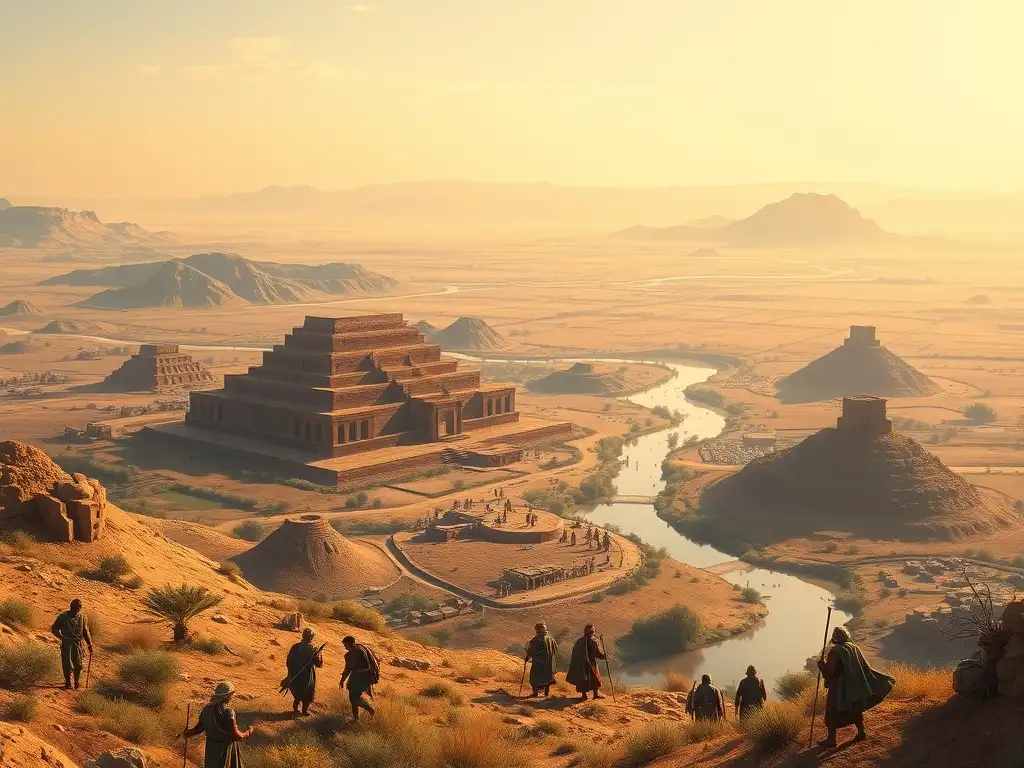
Geography played a pivotal role in shaping the development and characteristics of the Vedic civilization as well as influencing other ancient civilizations. The geographical features of the Indian subcontinent, such as the Himalayas, the fertile plains of the Ganges, and the Thar Desert, created a unique environment that facilitated the emergence of the Vedic texts and the culture surrounding them. The availability of natural resources, agricultural potential, and trade routes significantly impacted the social, political, and religious aspects of Vedic society, leading to its distinct evolution.
Geographic Factors Shaping the Vedas
The Vedas, considered the oldest scriptures of Hinduism, were composed in a geographical context that highly influenced their content and themes.
- River Systems: The Indus and Ganges river systems provided fertile land for agriculture, which was central to the economy and sustenance of the Vedic people. The abundance of resources allowed for population growth and the establishment of complex social structures.
- Mountain Barriers: The Himalayan mountains acted as natural barriers, protecting the Vedic civilization from invasions while also fostering a sense of isolation that encouraged unique cultural and religious practices to develop.
- Climate: The monsoon climate of the region contributed to agricultural cycles, which were closely intertwined with the spiritual beliefs expressed in the Vedas. The texts often reflect the importance of nature, seasonal changes, and agricultural rites.
These geographical factors not only influenced the life and beliefs of the Vedic people but also contributed to the formation of societal norms and spiritual practices that would resonate throughout Indian history.
Comparative Geographic Influences on Other Ancient Civilizations
When comparing the Vedic civilization to other ancient civilizations, it is evident that geography played a similar yet diverse role in shaping cultural and spiritual developments.
- Mesopotamia: The Tigris and Euphrates rivers provided fertile land, leading to the development of city-states. Unlike the Vedic civilization's emphasis on pastoral life, Mesopotamian cultures were more urbanized, with a focus on trade and governance.
- Ancient Egypt: The Nile River’s annual flooding created a reliable agricultural system, fostering stability and centralized power under pharaohs. Egyptian civilization placed heavy emphasis on the afterlife, contrasting with the Vedic focus on dharma and karma.
- Chinese Civilization: The Yellow River, known as the cradle of Chinese civilization, facilitated agricultural growth. Chinese philosophical texts, such as the Tao Te Ching, reflect a harmonious relationship with nature, much like the Vedic texts but often with different cultural expressions.
These comparative geographic influences illustrate how distinct landscapes and resources shaped the ideologies, practices, and societal structures of ancient civilizations, including the Vedic.
Conclusion: The Vedas in the Context of Ancient Civilizations
The Vedas present a fascinating study of how geography influences not only the content of religious texts but also the broader cultural context of a civilization. The interplay of natural elements and human development offers rich insights into the Vedic way of life, in contrast with other ancient civilizations.
Summary of Key Comparisons
While all ancient civilizations were shaped by their geographic environments, the Vedic civilization uniquely integrated its natural surroundings into its spiritual and social frameworks. Key comparisons include:
- Agricultural Basis: All civilizations, including the Vedic, relied on agriculture but differed in their socio-political structures and religious doctrines.
- Religious Expressions: The Vedas focused on rituals and cosmic order, while other civilizations, such as Egyptians, concentrated on the afterlife and divine kingship.
- Urban vs. Pastoral: The Vedic civilization was primarily pastoral, contrasting with the urban-centric societies of Mesopotamia and Egypt.
The Lasting Legacy of the Vedas and Their Relevance Today
The Vedas have left an indelible mark on Indian culture and spirituality, continuing to influence contemporary practices and beliefs. Their teachings on ethics, governance, and cosmology remain relevant, highlighting the importance of dharma (righteousness) and karma (actions) in daily life.
Moreover, the Vedic texts serve as a reminder of the rich tapestry of human history, illustrating how ancient civilizations navigated their environments to create complex societies. The comparative study of the Vedas alongside other ancient civilizations enhances our understanding of the universal themes of human existence, culture, and spirituality that transcend geographical boundaries.
Further Reading and Resources
The study of the Vedas in the context of ancient civilizations provides a rich landscape for exploration. For those interested in delving deeper into this fascinating subject, a variety of resources are available to enhance understanding and appreciation of the Vedic texts and their place among other ancient cultures.
Recommended Books and Articles on the Vedas
-
"The Vedas: An Introduction to Hinduism's Sacred Texts" by Roshen Dalal
This book serves as an accessible guide to the Vedas, detailing their historical significance, content, and influence on Hindu philosophy and culture.
-
"The Rig Veda: A Historical Analysis" by A. L. Basham
Basham's scholarly work provides an in-depth examination of the Rig Veda, exploring its origins, structure, and the socio-political context of its verses.
-
"Vedic India: An Overview" by R. C. Sharma
This comprehensive overview covers the Vedic period, its literature, and how the Vedas interact with other ancient texts, drawing parallels and distinctions.
-
"Comparative Religion: A History" by Ninian Smart
Although not solely focused on the Vedas, this book offers insight into how the Vedic texts compare with religious literature from other ancient civilizations.
-
Articles from the Journal of Ancient Indian History
This academic journal publishes a variety of articles that often include comparative studies of the Vedas and other ancient texts, providing valuable perspectives and research findings.
Online Resources for Studying Ancient Civilizations
-
Internet Ancient History Sourcebook
This website offers a plethora of primary source documents, including translations of Vedic texts and comparative materials from other ancient cultures such as Mesopotamia and Egypt.
-
The Vedas Online Archive
An extensive online repository that hosts digitized versions of Vedic texts, commentaries, and translations, making it easier to access primary sources.
-
Ancient History Encyclopedia
This resource provides articles, timelines, and educational videos that cover the Vedic period and its interconnections with other ancient civilizations.
-
Coursera and edX Courses on Ancient Civilizations
Various universities offer online courses that explore ancient civilizations, including modules specifically dedicated to the Vedas and their comparative significance.
-
YouTube Lectures and Documentaries
Channels such as "The School of Life" and "PBS Eons" provide engaging video content that highlights the Vedas within the broader context of ancient history.
These resources can serve as a foundation for anyone interested in exploring the Vedas and their comparative significance within the tapestry of ancient civilizations. By engaging with these materials, readers can gain a nuanced understanding of the Vedas and their enduring legacy.
- Introduction to the Vedas
- Understanding Ancient Civilizations
- The Vedas and Their Role in Ancient Indian Civilization
- Comparative Analysis of the Vedas and Other Ancient Texts
- The Influence of Geography on Vedic and Ancient Civilizations
- Conclusion: The Vedas in the Context of Ancient Civilizations
- Further Reading and Resources
- What are the Vedas and their significance in ancient Indian civilization?
- How do the Vedas compare with texts from other ancient civilizations?
- What are some key contributions of ancient Indian civilizations reflected in the Vedas?
- How did the Vedic society influence later Indian civilizations?
- What is the relevance of studying the Vedas in the context of ancient civilizations?
Frequently Asked Questions
What are the Vedas and their significance in ancient Indian civilization?
The Vedas are a collection of ancient Hindu texts that form the foundation of Indian philosophy, spirituality, and culture. They are considered sacred scriptures and provide insights into the beliefs and practices of early Indian society.
How do the Vedas compare with texts from other ancient civilizations?
The Vedas share similarities with texts from other ancient civilizations, such as the Epic of Gilgamesh from Mesopotamia and the Bible from the Israelites, in terms of mythology and moral teachings, but differ in their ritualistic and spiritual focus.
What are some key contributions of ancient Indian civilizations reflected in the Vedas?
Ancient Indian civilizations contributed significantly to philosophy, astronomy, and mathematics, all of which are reflected in the Vedic texts. These contributions laid the groundwork for later developments in these fields throughout the world.
How did the Vedic society influence later Indian civilizations?
The Vedic society established social structures, such as the varna system, which influenced later civilizations in India, including the Maurya and Gupta Empires, shaping their social and cultural frameworks.
What is the relevance of studying the Vedas in the context of ancient civilizations?
Studying the Vedas provides insights into the philosophical and cultural evolution of ancient India, allowing for a deeper understanding of how ancient civilizations, including Mesopotamia and Egypt, interacted and influenced each other through shared ideas and practices.
Final Reflection: The Vedas and Their Timeless Influence on Ancient Civilizations
The exploration of the Vedas and their comparative significance with other ancient civilizations reveals a profound connection that transcends time and geography. As we delve into the wisdom encapsulated in these ancient texts, we recognize their role not only as spiritual guides but also as foundational pillars that shaped the cultural and philosophical landscapes of their respective societies. The insights gleaned from this comparative study underscore the relevance of the Vedas in understanding the complexities of human thought and civilization today.
The impact of the Vedas extends far beyond their historical context; they continue to resonate within the cultural and social fabric of contemporary society. Their teachings on ethics, governance, and the nature of existence influence modern philosophical discourse and spiritual practices. As we reflect on this enduring legacy, we are reminded of the words of Mahatma Gandhi: The Vedas are the foundation of our civilization.
This sentiment encapsulates the ongoing relevance of these texts, highlighting their role in guiding moral and ethical frameworks that persist in today's world.
As we conclude this exploration, I invite you to reflect on the lessons drawn from the Vedas and their comparative study with other ancient civilizations. Consider how these teachings can inspire you in your own life, whether through fostering a deeper understanding of your cultural heritage or encouraging a more profound engagement with the diverse philosophies that shape our global community. Let us carry forward the wisdom of the past, allowing it to illuminate our paths as we navigate the complexities of the present and future.
Unveil the Wisdom of the Ages!
Thank you for delving into the fascinating world of the Vedas and their place in ancient civilizations! You've gained valuable insights into the profound teachings that have shaped cultures across the globe. Now, it's time to take this knowledge further and engage with it actively.
Here are some actionable steps you can take right now:
- Explore a local library or online archive to find translations and commentaries on the Vedas that can deepen your understanding.
- Join a discussion group or online community to share your thoughts and engage with others who are passionate about ancient wisdom.
- Host a small gathering with friends or family to discuss how the teachings of the Vedas compare to other philosophical texts you admire—educate one another and embrace diverse perspectives!
What aspect of the Vedas resonates most with you, and how do you plan to incorporate their teachings into your daily life?