
Exploring the Ancient Port Cities of Southern India: A Historical Voyage

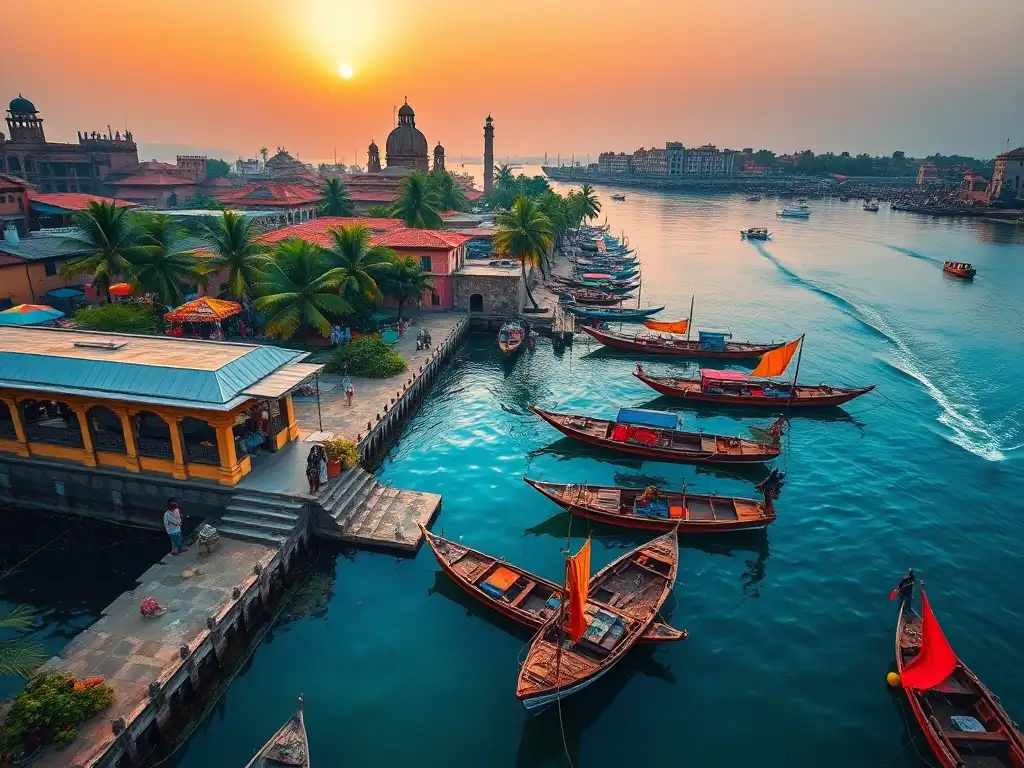
Welcome to Ancient India History, where we invite you to embark on a fascinating journey through time! In this exploration of the ancient port cities of India, we delve into the vibrant trade routes and cultural exchanges that shaped the southern region of our rich heritage. Have you ever wondered how these bustling hubs influenced the rise of civilizations and connected diverse cultures? Join us as we uncover the stories, innovations, and legacies of these remarkable cities. Your adventure into the depths of ancient history begins now—read on to discover the treasures that await!
Introduction to Ancient Port Cities of India
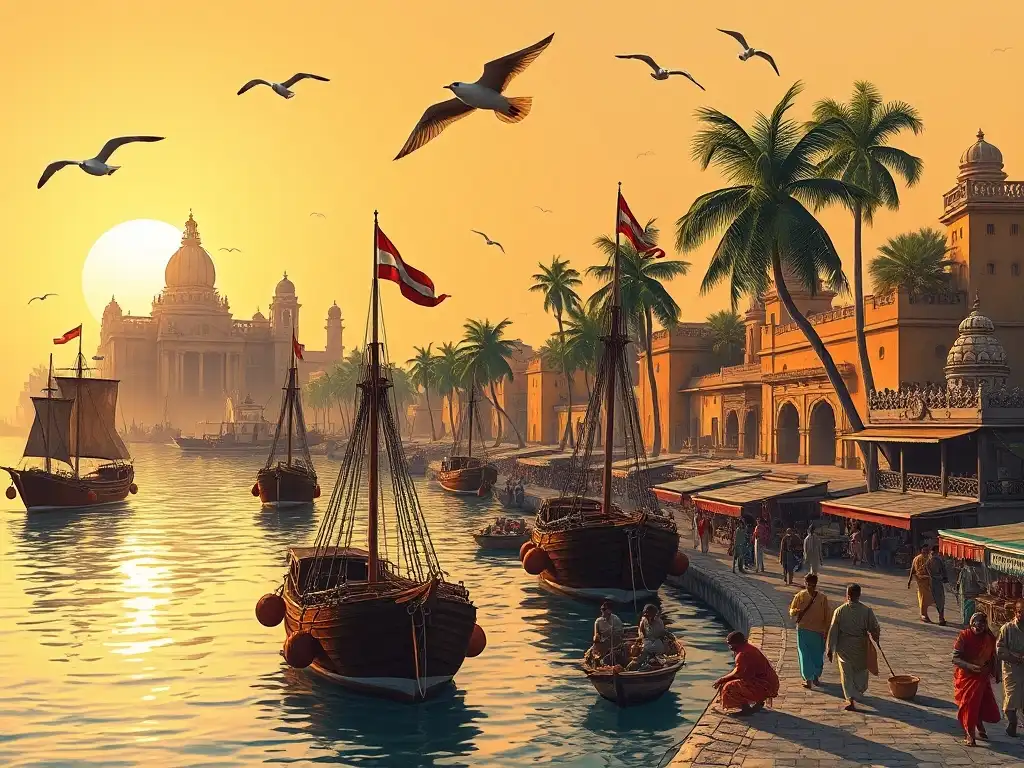
The ancient port cities of India, particularly those located in the southern region, served as vital hubs of trade, culture, and exchange throughout history. These bustling coastal settlements not only facilitated maritime commerce but also played a crucial role in the cultural and social dynamics of ancient Indian civilization.
With a rich tapestry of interactions among various cultures, including those from the Middle East, Southeast Asia, and beyond, these port cities were instrumental in shaping the historical narrative of Southern India. In this article, we will embark on a detailed exploration of these significant urban centers, uncovering their historical significance, the factors that contributed to their rise, and their lasting impact on the region.
Significance of Port Cities in Ancient Indian Civilization
The importance of port cities in ancient Indian civilization cannot be overstated. These urban centers were not merely points of trade; they were melting pots of ideas, cultures, and innovations. Their significance can be highlighted through the following aspects:
- Economic Hubs: Port cities such as Kaveripattinam, Musiris, and Puhar were vital for trade, connecting India with global markets. They facilitated the exchange of goods like spices, textiles, metals, and luxury items.
- Cultural Exchanges: These ports acted as conduits for cultural interactions. Traders and travelers brought diverse influences, leading to a rich cultural amalgamation evident in art, architecture, and languages.
- Political Centers: Many port cities were also administrative capitals, establishing control over trade routes and enhancing the political influence of local rulers. They often served as focal points for dynasties, such as the Cholas and the Pandyas.
The ancient ports were not just gateways for trade but also pathways for cultural dialogue that shaped the course of Indian history.
Overview of Southern India’s Maritime History
Southern India's maritime history is marked by a series of thriving port cities that emerged as significant players in regional and international trade networks. From the Indus Valley Civilization, which showcased early maritime activities, to the flourishing port cities of the Chola dynasty, Southern India has a rich maritime legacy characterized by:
- Early Maritime Activities: Evidence of shipbuilding and navigation skills among ancient Indians, seen in archaeological remains and historical texts.
- Trade Networks: Southern India was a critical player in the Indian Ocean trade, connecting it with regions like the Mediterranean, Africa, and Southeast Asia.
- Cultural Exchanges: The influx of foreign influences, including Buddhism and Hinduism spread through maritime routes, significantly impacting the cultural landscape of Southern India.
The Rise of Ancient Port Cities in Southern India
The rise of ancient port cities in Southern India can be attributed to several interrelated factors that fostered their development and prosperity.
Geographical Factors Influencing Port Development
Geography played a pivotal role in the establishment and growth of port cities. Key factors include:
- Natural Harbors: Many ancient ports were strategically located in natural harbors that provided safe anchorage for ships, such as Kaveripattinam and Puhar.
- Proximity to Trade Routes: The location of these cities along major trade routes amplified their accessibility and attractiveness as trading hubs.
- Fertile Land: Regions surrounding these port cities often featured fertile land, facilitating agriculture and providing food supplies for traders and residents.
Key Trade Routes and Their Impact on Civilization
The development of trade routes significantly impacted the rise of port cities, contributing to their prosperity and cultural richness. Some of the critical routes included:
- Maritime Trade Routes: The Indian Ocean trade routes allowed for the exchange of goods between Southern India and various regions, including the Arabian Peninsula, East Africa, and Southeast Asia.
- Land Routes: Overland routes connected these port cities to the interior regions of India, further enhancing trade possibilities and cultural exchanges.
As we delve deeper into the exploration of Southern India's ancient port cities, we will uncover specific examples and case studies that illustrate their profound impact on the region's history, culture, and economy.
Prominent Ancient Port Cities of Southern India
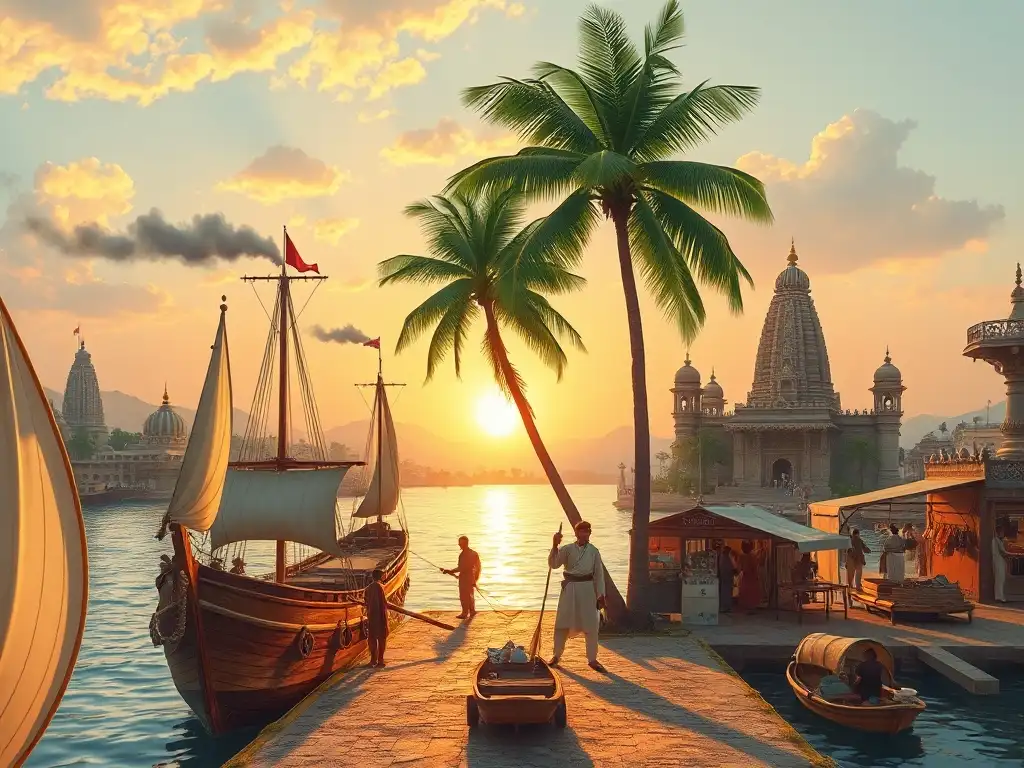
Southern India was home to several ancient port cities that played a significant role in trade, culture, and the spread of ideas across the Indian Ocean. These cities were not only vital hubs of commerce but also served as melting pots for different cultures and religions. Their strategic locations along the coast facilitated the exchange of goods, knowledge, and even people, contributing to the rich tapestry of India's history.
Cochin: The Gateway to the Indian Ocean
Cochin, now known as Kochi, was one of the most important port cities in ancient India. Situated on the southwestern coast, it acted as a gateway to the Indian Ocean, connecting traders from various regions including the Middle East, Africa, and Southeast Asia. The city’s natural harbor, protected by a series of islands, made it an ideal location for maritime activities.
During the ancient period, Cochin was famous for its spices, particularly black pepper, which attracted traders from far and wide. The city was also known for its unique blend of cultures, influenced by the Portuguese, Dutch, and British colonial powers. This cultural amalgamation is still evident today in the local cuisine, architecture, and traditions. Cochin’s thriving trade contributed significantly to the economic prosperity of the region and positioned it as a key player in global trade networks.
Korkai: The Pearl of the South
Korkai, believed to be one of the oldest port cities in southern India, was situated near the present-day town of Thoothukudi in Tamil Nadu. Known as the "Pearl of the South," Korkai was renowned for its pearl fisheries, which were highly sought after in ancient trade. The city was a significant center for commerce, particularly during the early Tamil period, and served as a major trading hub for merchants from across the Indian Ocean.
The archaeological findings in Korkai reveal a sophisticated settlement with evidence of advanced maritime practices and trade routes. The wealth generated from the pearl trade allowed the city to flourish, leading to the establishment of a vibrant cultural and economic landscape. Korkai's significance diminished over time due to changing trade routes, but its legacy as a crucial player in ancient maritime trade remains.
Nagapattinam: A Center for Maritime Trade
Nagapattinam, located on the southeastern coast of Tamil Nadu, emerged as a prominent port city during the Chola dynasty. Its strategic position along the Coromandel Coast facilitated extensive trade with Southeast Asia, particularly with regions like Sri Lanka, Malaysia, and Indonesia. The city's port was bustling with activity and served as a vital link in the maritime trade network.
Nagapattinam was not only a commercial hub but also a center for cultural exchange. It became a melting pot of diverse influences, evident in its architecture, literature, and religious practices. The city’s temples and monuments reflect the prosperity and artistic achievements of the time. The thriving trade in textiles, spices, and other goods contributed to the economic growth of the region, making Nagapattinam a significant player in the ancient port cities of India.
Mahabalipuram: Architectural Marvel and Trade Hub
Mahabalipuram, also known as Mamallapuram, is famous for its stunning rock-cut temples and sculptures, which date back to the 7th century during the Pallava dynasty. Situated along the southeastern coast, this ancient port city was not only a center for maritime trade but also a hub for artistic and architectural innovation.
The city played a crucial role in facilitating trade with Southeast Asian countries, particularly during the height of the maritime trade routes. Mahabalipuram was known for exporting goods such as textiles and spices, while also attracting traders and artisans from various regions. The exquisite shore temples and monolithic sculptures, such as the famous Arjuna's Penance, showcase the advanced craftsmanship and artistic vision of the time. This blend of commerce and culture solidified Mahabalipuram's place in the annals of ancient Indian history.
Cultural Contributions of Ancient Port Cities
The ancient port cities of Southern India were not just centers of trade; they were also vibrant cultural hubs that contributed significantly to the region's heritage. These cities facilitated the exchange of ideas, art, and religion, leading to a rich cultural tapestry that is still evident in contemporary Indian society.
Trade and Economic Prosperity
The economic prosperity of ancient port cities was primarily driven by their involvement in maritime trade. The exchange of goods such as spices, textiles, and precious stones fostered relationships with distant lands, enhancing trade networks across the Indian Ocean. This economic activity not only enriched the cities themselves but also the surrounding regions, leading to the establishment of thriving markets and workshops.
The wealth generated from trade allowed for advancements in infrastructure, including the construction of roads and ports, which further facilitated commerce. The flourishing economy also supported the arts, as merchants invested in cultural projects, leading to a vibrant cultural scene characterized by literature, music, and dance.
Influence on Art, Architecture, and Religion
The interactions among different cultures in these port cities led to significant developments in art and architecture. The blending of local styles with foreign influences resulted in unique architectural forms, such as the rock-cut temples of Mahabalipuram and the intricate carvings found in Nagapattinam.
Religious practices also evolved in these urban centers, with the introduction of various belief systems. The exchange of ideas among traders and travelers contributed to the spread of religions such as Buddhism, Jainism, and later, Hinduism, which left a lasting impact on the region's spiritual landscape. Temples became not only places of worship but also centers of learning and community gathering.
Interactions with Other Civilizations and Cultures
The ancient port cities of Southern India were crucial in facilitating interactions with various civilizations and cultures. Trade routes connected them to regions in Africa, the Middle East, and Southeast Asia, allowing for the exchange of not just goods, but also ideas, technologies, and cultural practices.
These interactions led to a mutual influence that enriched the local culture. For instance, the introduction of new agricultural techniques, navigational knowledge, and artistic motifs can be traced back to these exchanges. The cosmopolitan nature of these port cities fostered a spirit of collaboration and innovation, making them key players in the global history of trade and culture.
The ancient port cities of Southern India were not only vital economic centers but also dynamic cultural landscapes that significantly contributed to the region's history and development. Their legacies continue to shape modern India, reflecting a rich heritage of trade, art, and cultural exchange.
The Decline of the Ancient Port Cities
The decline of the ancient port cities of Southern India marks a significant transition in the region's maritime history. While these cities flourished as bustling trade hubs for centuries, various factors contributed to their gradual decline, leading to economic shifts and changes in trade routes. Understanding this decline is crucial to appreciating the historical context of Southern India's maritime legacy.
Factors Leading to Economic Decline
Several interrelated factors contributed to the economic decline of ancient port cities in Southern India.
- Changing Trade Routes: With the rise of new maritime powers and changing global trade dynamics, established trade routes shifted. The emergence of European colonial powers in the 15th and 16th centuries redirected trade to ports under their control, diminishing the significance of traditional Indian ports.
- Political Instability: Internal conflicts, invasions, and the fragmentation of power among various kingdoms led to instability. This political turmoil disrupted trade activities and deterred merchants from visiting these ports.
- Economic Rivalry: The competition among emerging regional powers for control over maritime trade routes further strained the economic viability of these ancient ports. As new centers of commerce emerged, the economic focus shifted away from established port cities.
- Decline in Demand for Goods: As trade patterns evolved, the demand for specific goods that these ports were known for began to wane. This decline in demand negatively impacted local economies dependent on trade.
Environmental Changes and Their Impact
Environmental changes also played a critical role in the decline of ancient port cities.
- Coastal Erosion: Many ancient ports were located along coastlines that have undergone significant erosion over the centuries. This natural phenomenon has led to the loss of land and made access to the sea more difficult for ships.
- Climate Change: Changes in climate, including shifting monsoon patterns, have affected agricultural productivity and, consequently, trade. Droughts and floods could disrupt local economies, impacting the availability of goods for trade.
- Silting of Rivers: The silting of rivers that served as essential trade routes further hampered navigation and access to ports. As silt built up, larger ships could no longer reach these ports, leading to a decline in maritime activities.
Transition to Modern Ports and Cities
As ancient port cities declined, there was a notable transition towards the establishment of modern ports and cities.
- Development of New Ports: In response to changing trade dynamics and the need for more efficient maritime infrastructure, new ports were developed. Cities like Chennai (formerly Madras) and Kochi (Cochin) emerged as significant modern ports, taking over the commercial activities that once thrived in ancient ports.
- Urbanization: The decline of ancient ports coincided with urbanization trends. Many former port cities saw their populations shrink as people migrated to emerging urban centers in search of better opportunities.
- Integration into Global Trade Networks: Modern ports have become integrated into global trade networks, utilizing advanced technology and infrastructure to facilitate international trade, a stark contrast to the primarily regional focus of ancient ports.
Legacy of Ancient Port Cities in Contemporary India
Despite their decline, the ancient port cities of Southern India leave a lasting legacy that continues to influence contemporary society. Their historical significance is reflected in various aspects of culture, economy, and tourism.
Preservation of Historical Sites
Efforts to preserve the remnants of ancient port cities are evident in contemporary India.
- Archaeological Sites: Many ancient port cities have been recognized for their archaeological value, leading to preservation initiatives aimed at protecting historical sites. Excavations in places like Mamallapuram and Poompuhar reveal insights into the maritime heritage of the region.
- Cultural Festivals: Local governments and organizations often organize cultural festivals that celebrate the history and heritage of these ancient ports. Such events help raise awareness and promote the significance of these historical sites.
Influence on Modern Maritime Trade
The ancient port cities have laid the groundwork for modern maritime trade in Southern India.
- Trade Practices: Many trade practices and goods that were once prevalent in ancient times continue to influence contemporary trade. The region's rich tradition in spice and textile trade, for example, remains a vital part of the economy.
- Strategic Locations: The geographical locations of ancient ports have often been repurposed for modern shipping. Ports like Chennai and Tuticorin are strategically located and play crucial roles in international shipping routes today.
Cultural Heritage and Tourism Opportunities
The legacy of ancient port cities also offers significant opportunities for cultural heritage tourism.
- Historical Tours: Tourists are increasingly drawn to the ancient port cities' stories, architecture, and archaeological sites. Guided historical tours educate visitors about the maritime history and cultural significance of these locations.
- Culinary Tourism: The unique culinary traditions rooted in the ancient maritime trade have become a focal point for tourists seeking authentic experiences. Local cuisines influenced by centuries of trade are increasingly celebrated in culinary tours and festivals.
- Art and Craft: Artisans in these regions often draw inspiration from the rich history of ancient trade, creating crafts that reflect the cultural convergence of the past. This artistic expression serves as a bridge between ancient and contemporary cultures, attracting tourists and preserving traditional crafts.
Conclusion: The Enduring Impact of Ancient Port Cities on Southern India’s History
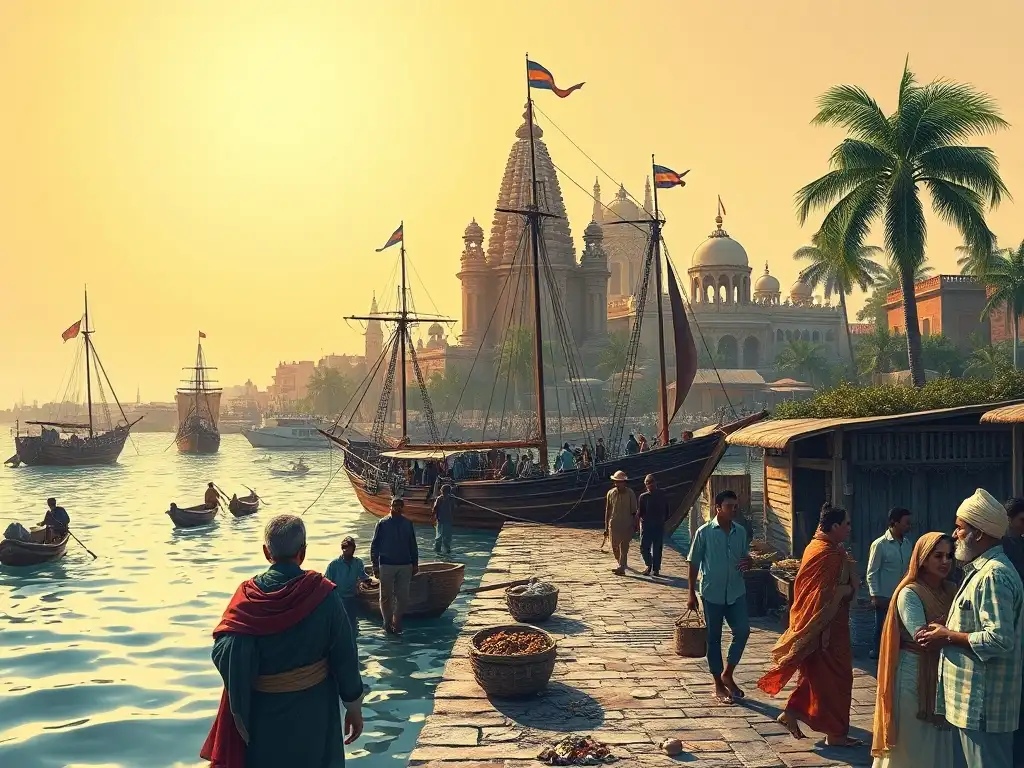
The ancient port cities of Southern India, such as Kochi, Muziris, and Kaveripattinam, played a pivotal role in shaping the region's history and cultural landscape. These bustling maritime hubs were not merely points of trade; they served as melting pots of diverse cultures, facilitating the exchange of goods, ideas, and traditions. The legacy of these cities is evident in the rich tapestry of Southern India's history, where influences from various civilizations, including the Greeks, Romans, Arabs, and Chinese, converged.
The economic prosperity generated by these ports allowed for advancements in art, architecture, and literature, which were integral to the growth of the region. Furthermore, the maritime routes established by these ancient cities fostered connections with distant lands, contributing significantly to the spread of religions such as Buddhism and Hinduism, as well as the proliferation of languages and customs across borders. As a result, the ancient port cities not only contributed to the wealth of Southern India but also laid the groundwork for its cultural and social frameworks.
Reflecting on the Importance of Maritime Heritage
Maritime heritage remains a crucial aspect of understanding the ancient civilizations of India. The port cities of Southern India exemplify the ingenuity and adaptability of early coastal communities, whose lives were intertwined with the sea. This connection to the ocean was not only economic but also deeply spiritual, influencing religious practices, folklore, and local traditions.
The archaeological findings in these ancient port cities provide valuable insights into trade practices, shipbuilding techniques, and the daily lives of their inhabitants. They reveal the sophisticated nature of their interactions with various cultures, highlighting the importance of these ports in the broader context of global maritime history. The preservation and study of this maritime heritage are essential for future generations, as they offer a window into the complexities of ancient trade networks and the socio-political dynamics of the time.
Future Research Directions in Ancient Indian Maritime History
As scholars continue to explore the ancient port cities of Southern India, several research directions present opportunities for deeper understanding and discovery. Future studies may focus on:
- Archaeological Excavations: Continued excavations in sites like Muziris could uncover further artifacts that shed light on trade routes, cultural exchanges, and technological advancements in shipbuilding.
- Interdisciplinary Approaches: Integrating fields such as anthropology, oceanography, and environmental studies can provide a more holistic view of how ancient civilizations adapted to their maritime environments.
- Comparative Studies: Examining the ancient port cities of India alongside those in other regions, such as Southeast Asia and the Mediterranean, can enhance our understanding of global trade dynamics and cultural interactions.
- Digital Humanities: Utilizing technology to create comprehensive databases and virtual reconstructions of ancient port cities can help in visualizing their historical significance and accessibility for educational purposes.
Through these research avenues, the enduring legacy of the ancient port cities of Southern India can continue to be explored, ensuring that their rich history is preserved and appreciated in contemporary discourse on maritime heritage.
- Introduction to Ancient Port Cities of India
- Significance of Port Cities in Ancient Indian Civilization
- Overview of Southern India’s Maritime History
- The Rise of Ancient Port Cities in Southern India
- Prominent Ancient Port Cities of Southern India
- Cultural Contributions of Ancient Port Cities
- The Decline of the Ancient Port Cities
- Legacy of Ancient Port Cities in Contemporary India
- Conclusion: The Enduring Impact of Ancient Port Cities on Southern India’s History
- Reflecting on the Importance of Maritime Heritage
- Future Research Directions in Ancient Indian Maritime History
- What are the major ancient port cities of India highlighted in the article?
- Why were port cities important to ancient Indian civilization?
- What role did trade routes play in the development of southern Indian port cities?
- How did the Gupta Empire influence the ancient port cities?
- What are some cultural contributions from these ancient port cities?
Frequently Asked Questions
What are the major ancient port cities of India highlighted in the article?
The article focuses on key cities like Kaveripattinam, Musiri, and Muziris, which were significant trade hubs during ancient times.
Why were port cities important to ancient Indian civilization?
Port cities served as vital trade centers, facilitating commerce, cultural exchanges, and the spread of ideas between India and other regions.
What role did trade routes play in the development of southern Indian port cities?
Trade routes linked southern Indian port cities to international markets, enhancing their economic prosperity and cultural diversity through imports and exports.
How did the Gupta Empire influence the ancient port cities?
Under the Gupta Empire, there was a resurgence in trade and maritime activity, leading to the flourishing of these port cities and further development of their infrastructure.
What are some cultural contributions from these ancient port cities?
These port cities were melting pots of culture, contributing to advancements in art, architecture, and literature, which have left a lasting legacy in Indian heritage.
Final Reflection: The Timeless Legacy of Ancient Port Cities
The exploration of the ancient port cities of India reveals not only their historical significance but also their enduring relevance in today's globalized world. These cities were once bustling hubs of trade and cultural exchange, shaping the very fabric of society as we know it. Their stories remind us that the past is not merely a collection of dates and events but a vibrant tapestry that continues to influence our present and future.
The ancient port cities of Southern India serve as a testament to the rich cultural heritage that has shaped our modern identity. They were melting pots of diverse cultures, languages, and traditions, fostering a spirit of collaboration and innovation. As we navigate the complexities of our contemporary world, we can draw inspiration from these historical sites. History is not a burden on the memory but an illumination of the soul.
This quote encapsulates the idea that understanding our past can guide us toward a more enlightened future.
As you reflect on the ancient port cities of India, consider how their legacies can inspire your own journey. Embrace the lessons of resilience, adaptability, and cultural appreciation that these cities embody. Let their stories encourage you to explore your own roots, engage with diverse perspectives, and contribute to the rich tapestry of our shared human experience. The past is not just a chapter closed; it is a foundation upon which we can build a brighter, more interconnected future.
Unveil the Secrets of Ancient Port Cities!
Thank you for diving into the rich history of Southern India's ancient port cities! Your enthusiasm for exploring these remarkable sites not only enriches your understanding but also helps keep their stories alive. Now, let's transform that knowledge into action!
Here are a few steps you can take to deepen your connection with the history you're excited about:
- Dive Deeper: Research and plan a visit to one of these historic port cities. Experience their history firsthand and immerse yourself in the vibrant culture.
- Share Your Journey: Document your findings or experiences online. Inspire others and connect with a community of fellow history enthusiasts.
- Start a Discussion: Join or create a local history group. Share insights, exchange stories, and spark interest in these ancient marvels.
What ancient tales or experiences are you most eager to explore on your next adventure?