
The Impact of Ancient Indian Warfare on Neighboring Civilizations

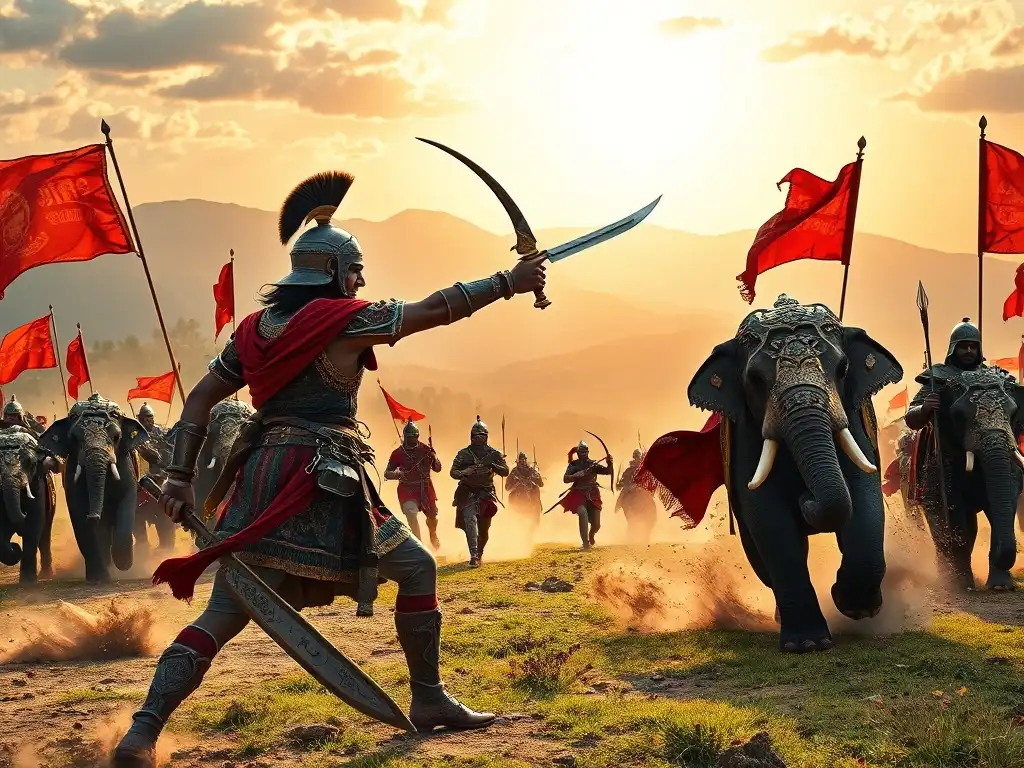
Welcome to Ancient India History, where we embark on a fascinating journey through the vibrant tapestry of ancient Indian civilizations! In this exploration, we delve into the profound influence of ancient Indian warfare on neighboring cultures, uncovering how strategies, technologies, and philosophies shaped the course of history. Prepare to be intrigued as we reveal the hidden connections and legacies that echo through time.
Join us as we unravel the stories that define not just a region, but an era of remarkable achievement and cultural exchange. Read on to discover how the battlefields of ancient India left an indelible mark on the world!
Introduction to Ancient Indian Warfare Influence
Ancient Indian warfare was not merely a matter of conflict; it served as a pivotal force that shaped not only the subcontinent but also had far-reaching implications for neighboring civilizations. The intricate tapestry of ancient Indian military strategies, technologies, and philosophies influenced a myriad of cultures across Asia, leaving a legacy that resonates through history.
From the well-organized armies of the Mauryan Empire to the tactical innovations during the Gupta period, the influence of ancient Indian warfare is a critical area of study for understanding the historical dynamics of the region. This article delves into the multifaceted impact of ancient Indian warfare on neighboring civilizations, examining the strategies employed, the key battles fought, and the overarching significance of military influence in shaping regional interactions.
Overview of Ancient Indian Warfare
The evolution of warfare in ancient India can be traced through various periods and regions, reflecting a rich blend of indigenous practices and external influences. The early stages of Indian warfare were characterized by tribal conflicts and small-scale skirmishes, which gradually transformed into organized military campaigns with the rise of powerful kingdoms.
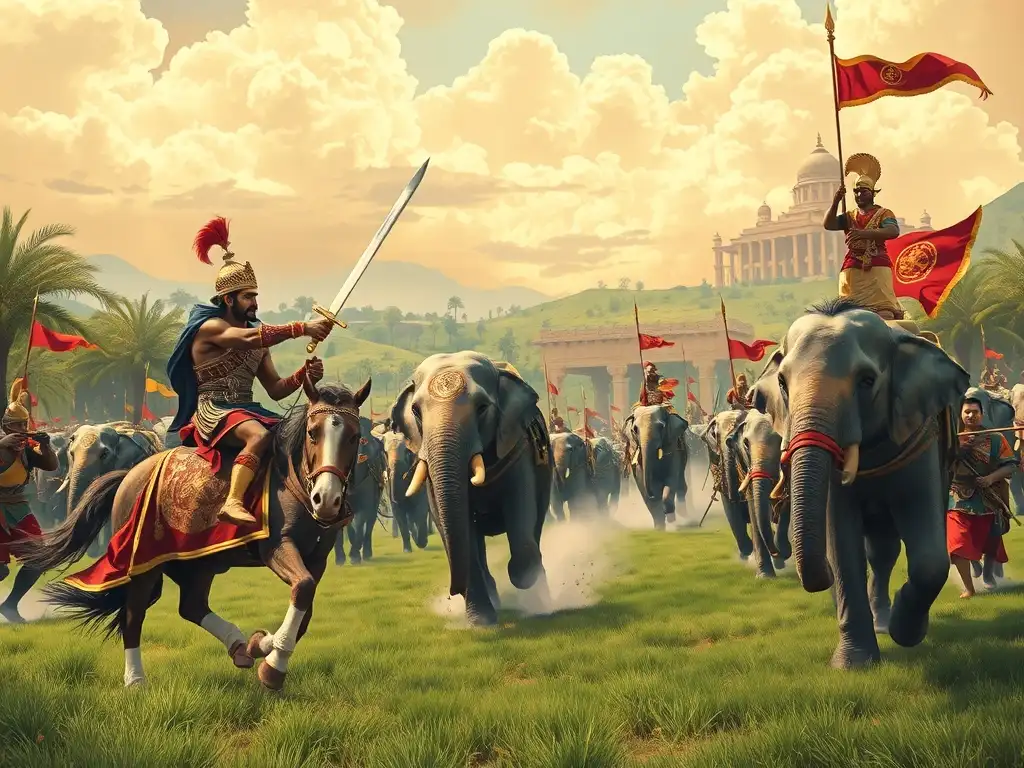
- Military Organization: Ancient Indian armies were typically composed of infantry, cavalry, and war elephants. The use of elephants, in particular, became a hallmark of Indian warfare, symbolizing might and often employed in battle formations to instill fear in opponents.
- Weapons and Technology: Innovations in weaponry, such as the use of bows, swords, and siege engines, played a crucial role in the effectiveness of Indian armies. The development of advanced metallurgy allowed for the production of superior weapons, further enhancing military capabilities.
Significance of Military Strategies in Ancient India
The strategic approaches to warfare in ancient India were deeply influenced by cultural, geographic, and political factors. The military treatises, such as the "Arthashastra" attributed to Kautilya (Chanakya), provided insightful guidance on statecraft and military tactics, emphasizing the importance of:
- Diplomacy and Alliances: Ancient Indian rulers often engaged in diplomacy, forming alliances to strengthen their positions before embarking on military campaigns.
- Terrain Utilization: The diverse geography of India, including mountains, rivers, and plains, necessitated adaptable strategies that leveraged the terrain to gain tactical advantages in battles.
Historical Context of Ancient Indian Warfare
To understand the influence of ancient Indian warfare on neighboring civilizations, it is essential to explore the historical context in which these military activities occurred. The rise and fall of various kingdoms and empires not only shaped India’s internal dynamics but also impacted its interactions with neighboring cultures.
Major Kingdoms and Empires Involved in Warfare
Several prominent kingdoms and empires defined the landscape of ancient Indian warfare:
- Maurya Empire: Under Chandragupta Maurya and his grandson Ashoka, the Maurya Empire expanded through strategic conquests and military prowess, significantly influencing neighboring regions.
- Gupta Empire: Known for its cultural achievements, the Gupta period also saw military conquests that extended influence into Southeast Asia, fostering cultural exchanges.
Key Battles and Conflicts in Ancient Indian History
The chronicles of ancient Indian warfare are filled with significant battles that not only altered the course of Indian history but also left a lasting impact on surrounding civilizations. Some notable examples include:
- Battle of Kalinga (261 BCE): Fought between the Mauryan Empire and the state of Kalinga, this battle is renowned for its brutality and its profound effect on Ashoka, leading him to embrace Buddhism and non-violence, which eventually influenced cultures beyond India.
- Conflicts with the Huns: The incursions of the Huns into India during the Gupta period led to significant military responses, affecting the political landscape and interactions with neighboring regions.
These elements underscore the complex and multifaceted legacy of ancient Indian warfare, highlighting its role as a significant influencer in the broader historical narrative of the region and beyond.
The Influence of Ancient Indian Warfare on Neighboring Civilizations
Ancient Indian warfare had a profound influence on neighboring civilizations, shaping military strategies, technologies, and cultural exchanges across the subcontinent and beyond. The conflicts and conquests of ancient Indian empires not only fortified their own territories but also left lasting legacies on the military practices of regions such as Central Asia, Southeast Asia, and the Middle East. The dissemination of techniques, weaponry, and even philosophical concepts of warfare through trade routes and invasions catalyzed the evolution of military structures in these areas, leading to a rich tapestry of shared military heritage and cultural intermingling.
The strategic importance of India's geographic location facilitated interactions with various civilizations, fostering an environment where military innovations could be both shared and adapted. This mutual influence helped create a dynamic landscape where the martial doctrines of one culture could be integrated into another, leading to advancements in tactics and technologies that would have long-lasting effects on warfare in the ancient world.
Military Innovations and Techniques Adopted by Neighbors
The military innovations developed in ancient India significantly impacted neighboring regions. Notable techniques included the use of war elephants, which provided psychological and physical advantages on the battlefield. These massive creatures were utilized not only for their strength but also as platforms for archers, making them formidable assets. Neighboring civilizations, particularly in Southeast Asia, adopted this practice, integrating elephants into their own military strategies.
Moreover, the development of advanced weaponry and fortification techniques in ancient India contributed to military evolutions elsewhere. The use of crossbows and sophisticated bows, which originated in Indian warfare, spread to various parts of Asia. This technology enhanced the range and efficacy of archery in military engagements. The architectural innovations in constructing fortified cities and defensive walls also influenced neighboring cultures, leading to more resilient urban centers capable of withstanding sieges.
Cultural Exchange Through Military Conquests
Military conquests often catalyzed cultural exchanges that transcended mere territorial gains. As armies moved across regions, they brought with them not only their martial traditions but also elements of art, religion, and governance. The spread of Buddhism, for instance, was significantly facilitated by the military campaigns of the Maurya Empire. Ashoka, the third Mauryan emperor, is known for his role in propagating Buddhism following his conversion after the Kalinga War. This led to the establishment of Buddhist monastic communities across Asia, influencing spiritual practices and cultural developments in regions such as Tibet, China, and Southeast Asia.
Moreover, the interactions between Indian and Persian cultures during military engagements resulted in a blend of artistic styles, religious ideas, and administrative practices. The cross-pollination of ideas fostered by these interactions contributed to the rich cultural landscapes of the regions involved, illustrating how warfare can serve as a conduit for cultural exchange.
Case Studies of Conflict Impact
Understanding the impact of ancient Indian warfare on neighboring civilizations can be further elucidated through specific case studies of notable empires.
The Maurya Empire and Its Reach
The Maurya Empire, particularly under the leadership of Ashoka, exemplifies the far-reaching influence of ancient Indian warfare. Following its expansion through military conquests, the empire established a vast domain that extended into present-day Afghanistan and parts of Iran. This expansion not only brought diverse regions under Mauryan control but also facilitated the exchange of ideas, goods, and cultural practices.
The Mauryan military strategies, which included the organization of troops into well-disciplined units and the strategic use of terrain in battle, were studied and emulated by neighboring cultures. The empire's administration further solidified its influence, as its bureaucratic practices were adopted by subsequent rulers in the region, showcasing how military success could lead to the dissemination of governance models.
The Gupta Empire's Military Influence
The Gupta Empire, often referred to as the "Golden Age" of ancient India, also played a significant role in shaping military practices in neighboring regions. During its reign, the Guptas implemented advanced military tactics, including the use of cavalry and coordinated infantry maneuvers, which became models for contemporary and future armies in Asia.
The Gupta military expeditions extended into Central Asia, which allowed for the exchange of goods, culture, and military knowledge. This period saw the flourishing of trade routes like the Silk Road, where Indian merchants and warriors interacted with various cultures, further enhancing the military and cultural ramifications of Gupta conquests. The Gupta influence is evident in the military structures of subsequent empires, demonstrating the enduring legacy of ancient Indian warfare on the broader geopolitical landscape.
Comparative Analysis of Ancient Indian Warfare and Neighboring Military Practices
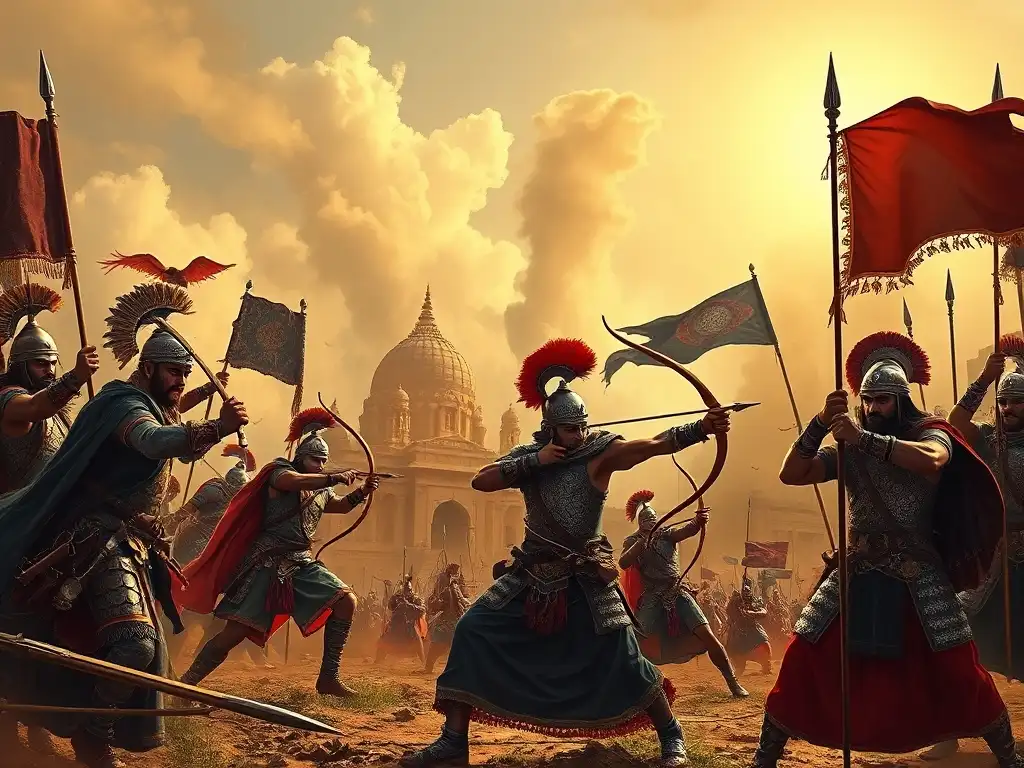
Ancient Indian warfare was not an isolated phenomenon; it evolved through interactions with neighboring civilizations, leading to a fascinating blend of military strategies and practices. By examining the similarities and differences between ancient Indian warfare and that of surrounding regions, we can better understand the influence and significance of these military traditions.
Similarities in Warfare Strategies
Both ancient Indian and neighboring civilizations, such as those in Persia, Central Asia, and the Mediterranean, employed a range of strategies that reflected the common challenges faced in warfare. Key similarities include:
- Chariots and Cavalry: The use of chariots was prominent in both ancient Indian warfare and among neighboring cultures. Indian armies utilized chariots for mobility and as platforms for archers, similar to their counterparts in Persia and Mesopotamia.
- Infantry Tactics: Foot soldiers were essential in both military traditions. The use of infantry formations and coordinated attacks was a shared characteristic, with both cultures adapting their tactics based on the terrain and enemy force.
- Siege Warfare: The development of siege techniques was another area of overlap. Both ancient Indian states and their neighbors employed various methods to breach fortifications, including battering rams and siege towers, showcasing a mutual understanding of the complexities of fortified warfare.
These commonalities highlight a shared military culture that transcended regional boundaries and laid the groundwork for the development of sophisticated warfare practices.
Differences in Military Organization and Tactics
Despite these similarities, significant differences in military organization and tactics characterized ancient Indian warfare compared to neighboring civilizations:
- Decentralized Warfare: Ancient Indian warfare often featured a decentralized approach, where local rulers maintained their armies. This contrasts with the more centralized military systems of neighboring empires, such as the Achaemenid Empire, where a standing army was maintained under a single command.
- Role of Elephants: One of the most distinctive features of ancient Indian warfare was the use of war elephants. Unlike other civilizations, Indian states utilized elephants not only for transportation but also as a formidable force in battle, capable of causing chaos among enemy ranks.
- Philosophical and Ethical Considerations: The philosophical underpinnings of warfare in ancient India, influenced by texts such as the Mahabharata and Arthashastra, emphasized dharma (righteousness) in warfare. This contrasts sharply with the more pragmatic approaches seen in neighboring military traditions, where ethical considerations were often secondary to victory.
These differences underscore the unique nature of ancient Indian warfare and its distinct contributions to military theory and practice.
Conclusion: Lasting Legacy of Ancient Indian Warfare Influence
The impact of ancient Indian warfare extends beyond its immediate context, influencing military practices and strategies across Asia and beyond. This legacy is observed in various aspects of warfare, culture, and governance.
Reflection on Cultural and Military Contributions
Ancient Indian warfare contributed significantly to the broader military landscape. The adoption of particular tactics, such as the use of war elephants and unique formations, influenced neighboring civilizations. For instance, the techniques of Indian warfare were integrated into the military systems of Southeast Asia, where they adapted these practices to local contexts. Additionally, the philosophical discourse surrounding warfare in ancient India laid the groundwork for later military strategic thought, emphasizing a balance between ethics and effectiveness in combat.
The Relevance of Ancient Indian Warfare in Modern Context
The lessons learned from ancient Indian warfare continue to resonate today. Modern military strategists and historians study these ancient practices to inform contemporary military tactics and strategies. The emphasis on local governance and decentralized military structures can be seen in various modern military contexts, where local knowledge and adaptability play crucial roles in contemporary warfare. Furthermore, the ethical considerations derived from ancient texts provide a rich resource for discussions on just warfare in modern military ethics.
The influence of ancient Indian warfare is evident in both historical and modern contexts, reflecting a rich tapestry of military tradition that continues to inspire and educate.
Further Reading and Resources
To deepen your understanding of the impact of ancient Indian warfare on neighboring civilizations, a variety of resources are available, including books, documentaries, and scholarly articles. These materials provide valuable insights into the military strategies, technologies, and cultural exchanges that shaped ancient Indian warfare and its influence across regions.
Recommended Books on Ancient Indian Military History
-
"The Art of War in Ancient India" by R.C. Majumdar
This book explores the various military strategies employed in ancient India, examining key texts such as the Arthashastra and their relevance to warfare practices.
-
"Ancient Indian Warfare: The Evolution of Weaponry and Tactics" by Rakesh Ranjan
Ranjan's work focuses on the technological advancements in weaponry throughout ancient Indian history and how these innovations influenced regional conflicts.
-
"Kshatriyas: The Warrior Class of Ancient India" by Aditi Roy
This book delves into the social structure of ancient Indian warriors, discussing their role, culture, and the impact of their military campaigns on neighboring civilizations.
-
"Warfare in Ancient India" by P.C. Jain
Jain provides a comprehensive overview of ancient Indian warfare from the early Vedic period to the Gupta Empire, detailing battles, military organization, and regional influences.
-
"The Mauryan Empire and Its Impact on India" by R. S. Sharma
This book discusses the military and administrative strategies of the Mauryan Empire, highlighting its influence on neighboring regions and subsequent empires.
Notable Documentaries and Articles on Warfare Influence
-
Documentary: "Warfare in Ancient India: Strategies and Tactics"
This documentary offers a visual exploration of ancient Indian military strategies, showcasing reenactments and expert analyses of significant battles and their consequences.
-
Article: "The Influence of Ancient Indian Warfare on Southeast Asia"
Published in the Journal of Asian Studies, this article examines how ancient Indian military practices and philosophies were adopted and adapted by Southeast Asian kingdoms, significantly shaping their military traditions.
-
Documentary: "Empires of the Ancient World: The Mauryan Dynasty"
This documentary provides insights into the military campaigns of the Mauryan Empire and their effects on surrounding regions, emphasizing the empire's strategic prowess.
-
Article: "Cultural Exchanges Through Warfare: India and Its Neighbors"
This scholarly article discusses how warfare facilitated cultural exchanges between ancient India and neighboring civilizations, impacting trade, art, and social structures.
These resources will not only enhance your understanding of ancient Indian warfare but also illustrate its profound influence on neighboring civilizations and the broader historical narrative.
- Introduction to Ancient Indian Warfare Influence
- Historical Context of Ancient Indian Warfare
- The Influence of Ancient Indian Warfare on Neighboring Civilizations
- Case Studies of Conflict Impact
- Comparative Analysis of Ancient Indian Warfare and Neighboring Military Practices
- Conclusion: Lasting Legacy of Ancient Indian Warfare Influence
- Further Reading and Resources
- What were the key features of ancient Indian warfare?
- How did ancient Indian warfare influence neighboring civilizations?
- What role did the castes play in ancient Indian military?
- Can you name any key battles that highlight ancient Indian warfare?
- How did ancient Indian texts contribute to warfare strategies?
Frequently Asked Questions
What were the key features of ancient Indian warfare?
Ancient Indian warfare was characterized by strategic use of elephants, chariots, and infantry. The military tactics evolved over time, influenced by various regional and cultural factors.
How did ancient Indian warfare influence neighboring civilizations?
The tactics and strategies developed in ancient India were adopted by neighboring civilizations, contributing to their military advancements. This influence can be seen in artillery techniques and battle formations.
What role did the castes play in ancient Indian military?
The Kshatriya caste, traditionally associated with warriors, played a crucial role in ancient Indian military. They were responsible for defending territories and engaging in warfare, reflecting the significance of social hierarchy in military affairs.
Can you name any key battles that highlight ancient Indian warfare?
Notable battles such as the Battle of Kurukshetra from the Mahabharata and historical conflicts during the Maurya and Gupta Empires exemplify the complexity and influence of ancient Indian warfare on regional dynamics.
How did ancient Indian texts contribute to warfare strategies?
Texts like the Arthashastra by Kautilya provided insights into military strategy, espionage, and political tactics. These writings have been influential, not just in India, but also in shaping the military doctrines of neighboring regions.
Final Reflection: The Enduring Legacy of Ancient Indian Warfare Influence
The exploration of ancient Indian warfare reveals its profound impact on neighboring civilizations, shaping not only military strategies but also cultural exchanges and diplomatic relations. Today, as we navigate a world still marked by conflict and cooperation, understanding these historical influences offers invaluable insights into how societies evolve through shared experiences and interactions. The lessons learned from the past resonate loudly in our contemporary global landscape, reminding us that the echoes of ancient battles can still inform modern strategies for peace and collaboration.
Cultural and social dynamics have been deeply influenced by the strategies and philosophies that emerged from ancient Indian warfare. The intricate relationships forged through conflict and alliance have left an indelible mark on the civilizations that surrounded India, fostering a rich tapestry of shared knowledge and mutual respect. As historian Romila Thapar aptly stated, History is not just about the past; it is a continuous dialogue between the past and the present.
This ongoing dialogue invites us to reflect on how ancient practices can inform our current understanding of conflict resolution and cultural exchange, urging us to appreciate the interconnectedness of our histories.
As we conclude this exploration of ancient Indian warfare's influence, I invite you to reflect on how these historical narratives can inspire your own approach to conflict and collaboration in today's world. Consider how the lessons of the past can guide your actions and decisions, fostering a spirit of understanding and cooperation in your personal and professional relationships. By embracing the wisdom of history, we can cultivate a future that honors our shared heritage while striving for harmony and unity across cultures.
Unveil the Legacy of Ancient Warfare Today!
Thank you for exploring the intricate world of ancient Indian warfare and its profound impact on neighboring civilizations. Your interest in this fascinating topic helps bring this rich history to life! Now that you’ve gained insights into these monumental events, it's time to take meaningful action.
- Dive deeper: Explore related articles on our website to further enrich your understanding of ancient cultures and their exchanges.
- Share your thoughts: Join the conversation by commenting below—let us know which ancient civilization you find most intriguing and why!
- Connect with history enthusiasts: Follow us on social media to stay updated with the latest insights and engage with a community that shares your passion!
What aspect of ancient warfare do you believe had the most significant influence on shaping modern civilizations?