
The Role of Ancestors and Heritage in the Warrior Culture of Ancient India

Welcome to Ancient India History, where we embark on a fascinating journey through the rich tapestry of India's past. Delve into the ancient Indian warrior heritage—a legacy replete with valor, strategy, and cultural significance. In our featured article, "The Role of Ancestors and Heritage in the Warrior Culture of Ancient India," we unravel the profound connections between lineage and martial prowess that shaped the destinies of ancient civilizations. Prepare to ignite your curiosity and explore the pivotal role that warriors played in the evolution of India’s diverse cultural landscape. Your adventure through time begins now!
Introduction to Ancient Indian Warrior Heritage
The concept of warrior heritage in ancient India is deeply intertwined with the values of honor, courage, and familial lineage. From the majestic palaces of the Indus Valley to the formidable fortresses of the Gupta Empire, the warrior culture evolved as a vital component of societal structure, reflecting the ideals and aspirations of various civilizations.
This exploration of ancient Indian warrior heritage reveals not only the martial prowess of these societies but also the significant role that ancestors and heritage played in shaping the identities of the warriors. Understanding this aspect of ancient Indian history offers a comprehensive perspective on how the past influences contemporary views on valor and duty.
Overview of Warrior Culture in Ancient India
Warrior culture in ancient India was characterized by a blend of martial skills, ethical codes, and a profound sense of duty towards one's community and family. Warriors, often referred to as Kshatriyas, were seen as protectors of dharma (moral order) and were expected to uphold righteousness in times of conflict. The culture fostered a sense of camaraderie and competition among warriors, leading to the establishment of various military strategies and philosophies.
- Influence of Scriptures: Texts such as the Mahabharata and Ramayana not only narrate epic battles but also emphasize the virtues of bravery, loyalty, and sacrifice.
- Training and Rituals: Rigorous training regimes and initiation rituals were common, instilling discipline and resilience in young warriors.
The warrior ethos was celebrated in art, literature, and folklore, ensuring that the legacy of these figures was immortalized for future generations.
Importance of Ancestors in Shaping Warrior Identity
In ancient India, the reverence for ancestors was paramount, particularly among warriors. This respect was not merely a familial obligation but a fundamental aspect of their identity.
- Lineage and Honor: A warrior's lineage often dictated their status and reputation. Ancestors were seen as guiding spirits, and their achievements were a source of pride and motivation.
- Rituals and Offerings: Ancestors were honored through various rituals, ensuring that their spirits remained a part of the warrior's journey.
This connection to ancestry provided warriors with a sense of purpose and accountability, reinforcing their commitment to honor their family's legacy in battle.
Historical Context of Warrior Heritage
Understanding the historical context of ancient Indian warrior heritage requires an examination of the key civilizations that shaped this culture.
Key Civilizations Influencing Warrior Culture
- Indus Valley Civilization: Although primarily known for its urban planning and trade, archaeological findings suggest the presence of a warrior class that engaged in defense and conflict.
- Vedic Period: The emergence of the Kshatriya class marked a significant evolution in warrior culture, characterized by the valorization of martial prowess and governance.
- Mauryan and Gupta Empires: These empires expanded the notion of warfare through organized military campaigns, sophisticated strategies, and the codification of warrior ethics.
Each civilization left a distinct imprint on the warrior culture, influencing social structures, military tactics, and the philosophical underpinnings of warfare.
The Significance of Lineage in Ancient Indian Society
Lineage in ancient Indian society was not merely a matter of ancestry but a crucial aspect that determined social status, responsibilities, and the warrior's role within the greater community.
- Caste System: The rigid caste system categorized individuals based on their lineage and profession, with warriors occupying a prestigious position due to their role in protecting society.
- Inheritance of Skills and Values: Skills, weapons, and knowledge were often passed down through generations, ensuring that the warrior identity was preserved and celebrated.
This deep-rooted connection to lineage and heritage reinforced the warriors' dedication to their craft, shaping a culture that revered not only martial skills but also the values instilled by their ancestors.
The warrior heritage of ancient India, marked by its rich historical context and the profound influence of ancestry, paints a vivid picture of a society where honor and duty were paramount. Understanding this heritage offers invaluable insights into the complexities of ancient Indian warfare and the enduring legacy it has left behind.
Features of Ancient Indian Warrior Heritage
The ancient Indian warrior heritage is characterized by a rich tapestry of cultural, martial, and spiritual elements that shaped the identity and practices of warriors across various dynasties. This heritage is not merely a collection of fighting techniques; it encompasses a deep-seated tradition of honor, duty, and respect for ancestors. Key features include:
- Diverse Martial Systems: Ancient India was home to numerous martial arts, such as Kalaripayattu, Gatka, and Silambam, each reflecting regional customs and philosophies. These arts were not just physical exercises but integrated spiritual and philosophical teachings.
- Clan-based Warrior Classes: The warrior class, primarily known as Kshatriyas, was often divided into clans, each with its own unique insignias, traditions, and codes of conduct. Loyalty to one's clan and ancestors played a vital role in shaping a warrior's identity.
- Emphasis on Honor and Duty: The warrior culture was steeped in the ideals of dharma (righteousness) and karma (action), which guided warriors in their conduct both on and off the battlefield. The notion of sacrifice for the greater good was central to their ethos.
Martial Traditions and Training Practices
Martial training in ancient India was rigorous and multifaceted, blending physical conditioning with mental discipline and ethical instruction. Young warriors underwent extensive training in various combat techniques, weapons handling, and battlefield tactics. Key components included:
- Physical Training: Warriors engaged in exercises designed to enhance strength, agility, and endurance. Activities such as wrestling, archery, and horseback riding were staples in their training regimen.
- Guru-Shishya Parampara: A traditional system of mentorship where experienced warriors (gurus) imparted knowledge and skills to their disciples (shishyas). This relationship was not only about physical training but also included lessons on strategy, ethics, and the importance of heritage.
- Rituals and Ceremonies: The initiation of young warriors often involved rituals to honor ancestors and seek their blessings. These ceremonies reinforced the connection between the past and the present, fostering a sense of duty towards their lineage.
The Role of Ancestors in Military Strategy and Tactics
Ancestors played a pivotal role in shaping military strategies and tactics in ancient Indian warfare. The reverence for forebears influenced decision-making processes and the moral framework within which battles were fought. Key aspects include:
- Historical Precedents: Military leaders often drew inspiration from the successes and failures of their ancestors. The study of past battles and strategies was integral to formulating effective plans in contemporary warfare.
- Spiritual Guidance: Ancestors were believed to provide spiritual support during conflicts. Rituals and invocations were performed to seek their guidance and blessings, which were thought to enhance a warrior's prowess and fortitude.
- Legacy of Valor: The tales of legendary ancestors, such as Arjuna and Bhishma from the Mahabharata, served as moral compasses for warriors. These stories reinforced the ideals of bravery, loyalty, and justice, shaping the tactical decisions made on the battlefield.
Spiritual and Philosophical Aspects of Warrior Culture
The warrior culture of ancient India was deeply intertwined with spiritual and philosophical beliefs. This connection influenced not only their martial practices but also their understanding of life and duty. Key elements are:
- Bharata and the Concept of Dharma: The epic narratives, especially the Mahabharata, emphasize the importance of dharma as a guiding principle for warriors. The conflict between duty and personal desire is a recurring theme, highlighting the moral dilemmas faced by warriors.
- Spiritual Preparedness: Warriors were trained not just in physical combat but also in meditation and mindfulness, which were believed to enhance focus and clarity during conflicts. This spiritual aspect contributed to their resilience and mental fortitude in battle.
Connection Between Ancestors and Warrior Ethos
The connection between ancestors and warrior ethos in ancient India was profound. Ancestors served as role models, with their virtues and valor inspiring generations of warriors. This relationship fostered a sense of responsibility to uphold family honor and maintain the legacy of bravery. Key points include:
- Cultural Transmission: Values and stories of ancestral bravery were passed down through generations, often through oral traditions and literature. This cultural transmission reinforced the importance of preserving one's heritage.
- Community and Identity: The ancestral connection fostered a strong sense of community among warriors. Clans would band together in battle, driven by a collective identity rooted in their shared ancestry.
- Moral Imperatives: Ancestors instilled a moral framework for warriors, emphasizing righteousness in warfare. The notion of fighting for just causes, protecting the weak, and upholding truth was deeply embedded in their ethos.
Heritage and Its Influence on Warrior Morality and Values
Heritage played a critical role in shaping the morality and values of ancient Indian warriors. These influences guided their actions and decisions on and off the battlefield. Important aspects include:
- Code of Conduct: The Kshatriya code emphasized virtues such as bravery, loyalty, and honor. Warriors were expected to adhere to these principles, which were deeply influenced by their heritage and the legacy of their ancestors.
- Ritual and Responsibility: Engaging in rituals that honored ancestors reinforced a warrior's commitment to uphold their family's values. These practices served as reminders of the responsibilities they bore as protectors of their lineage.
- Legacy of Sacrifice: The concept of sacrifice was central to warrior morality. Warriors were taught to prioritize the welfare of their community and clan, often placing their lives on the line to defend their heritage and values.
Case Studies of Notable Ancient Indian Warriors
In the rich tapestry of ancient Indian history, numerous warriors exemplified the profound connection between their military prowess and their ancestral heritage. These warriors were not merely fighters; they were embodiments of their lineage, often drawing strength from their family's legacy and cultural values. Notable figures such as Chhatrapati Shivaji Maharaj, Rani Lakshmibai, and Samrat Ashoka serve as prime examples of how ancestral heritage shaped their identities and military strategies.
- Chhatrapati Shivaji Maharaj: A master strategist and the founder of the Maratha Empire, Shivaji is celebrated for his innovative guerrilla warfare tactics. His commitment to the protection of his homeland and its people was deeply rooted in the values imparted by his mother, Rajmata Jijabai, who emphasized the importance of courage and honor. His ancestral lineage, tracing back to the Bhonsle clan, instilled in him a sense of duty towards his kingdom and its heritage.
- Rani Lakshmibai: Known for her valiant resistance against British colonial forces during the 1857 rebellion, Rani Lakshmibai's warrior spirit was influenced by her royal heritage. As the queen of Jhansi, she drew upon her family's legacy of valor and leadership, inspiring her troops to fight against oppression. Her dedication to her ancestral land and its people fueled her determination, making her a symbol of resistance and courage.
- Samrat Ashoka: As one of the most powerful emperors of the Maurya dynasty, Ashoka's military campaigns were initially characterized by conquest. However, after the Kalinga War, he underwent a profound transformation, influenced by the teachings of Buddhism and his family's commitment to dharma (righteousness). His heritage, rooted in the principles of compassion and non-violence, led him to abandon warfare in favor of spreading peace and welfare.
Examples of Warriors Influenced by Ancestral Heritage
The influence of ancestral heritage on ancient Indian warriors can be seen in their values, strategies, and leadership styles. Many warriors were not only shaped by their immediate backgrounds but were also guided by the legendary exploits of their forebears.
- Bhagavad Gita's Arjuna: A central figure in the Indian epic Mahabharata, Arjuna's lineage as a Kshatriya (warrior class) and the teachings imparted by his charioteer, Lord Krishna, reflect the cultural significance of duty and righteousness in warfare. His internal conflict about fighting against relatives and teachers showcases the deep-rooted principles of dharma learned from his ancestors.
- Prithviraj Chauhan: The last Hindu king to sit on the throne of Delhi, Prithviraj Chauhan's martial skills and leadership were influenced by the traditions of his family. His valor in battles against invaders like Muhammad Ghori is often romanticized, yet it highlights the importance of heritage in motivating warriors to defend their realm.
The Impact of Heritage on Their Military Achievements
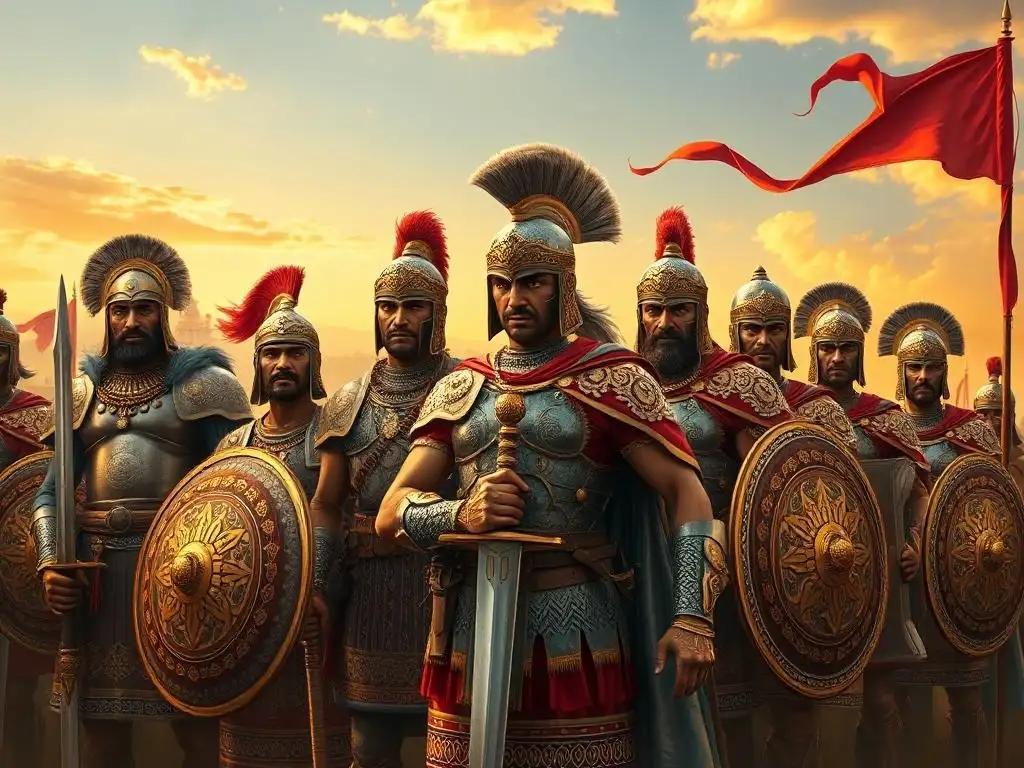
The military achievements of ancient Indian warriors cannot be separated from the influence of their heritage. The values, strategies, and legacies passed down through generations played a crucial role in shaping their approaches to warfare.
- Motivation and Identity: Many warriors drew motivation from their ancestral legacies, which instilled a sense of identity and purpose. This connection provided them with the resolve to face formidable challenges in battle.
- Strategic Wisdom: The wisdom of previous generations often informed the military strategies of these warriors. They learned from the successes and failures of their forefathers, adapting these lessons to their own contexts.
- Cultural Values: The principles of honor, loyalty, and valor emphasized in their heritage influenced how warriors conducted themselves on the battlefield. Upholding these values often led to unity among troops and inspired them to fight for a common cause.
The Role of Heritage in Modern Interpretations of Warrior Culture
In contemporary society, the heritage of ancient Indian warriors continues to inspire interpretations of warrior culture, influencing both academic discourse and popular narratives.
Preservation of Ancient Indian Warrior Heritage Today
Efforts to preserve the legacy of ancient Indian warrior heritage are evident in various cultural initiatives. Museums, literature, and educational programs aim to highlight the stories of notable warriors and their contributions to Indian history. Festivals celebrating warrior traditions, such as Maharashtra's Shivaji Jayanti, not only honor these historical figures but also reinforce the values they embodied.
- Cultural Festivals: Events commemorating the bravery of warriors serve to educate younger generations about the significance of their heritage. These festivals often include reenactments and storytelling, making history accessible and engaging.
- Academic Research: Scholars are increasingly focusing on the military strategies and cultural significance of ancient warriors, contributing to a broader understanding of their impact on modern Indian identity.
Influence of Ancestral Values on Contemporary Military Practices
The values and principles derived from ancient warrior heritage continue to resonate within contemporary military practices in India. Modern soldiers often draw inspiration from the courage and ethics exemplified by their predecessors.
- Training and Leadership: Modern military training programs emphasize values such as discipline, honor, and sacrifice—principles deeply rooted in ancient warrior culture. The emphasis on teamwork and camaraderie reflects the traditional warrior ethos.
- National Identity: The stories of ancient warriors are invoked during national celebrations and military commemorations, fostering a sense of pride and continuity in the Indian armed forces. This connection to heritage reinforces the idea of duty towards the nation, echoing the ancestral commitment to protect and serve.
Through understanding the role of ancestors and heritage in ancient Indian warrior culture, we can appreciate the profound influence these elements have on both historical narratives and contemporary practices. The legacy of these warriors continues to inspire and shape the identity of modern India.
Conclusion: The Lasting Legacy of Ancestors in Ancient Indian Warrior Heritage
The legacy of ancestors in ancient Indian warrior culture is profound, shaping not only the military strategies and practices of the time but also the societal values that revered honor, bravery, and loyalty. The reverence for ancestors was deeply embedded in the fabric of life, influencing various aspects of warfare, including training, leadership, and the ethical conduct of warriors. These values were often transmitted through oral traditions, scriptures, and rituals, enshrining the stories of legendary figures who embodied the ideals of heroism and sacrifice.
The intricate relationship between heritage and warfare can be seen in the way that warrior clans and dynasties traced their lineage back to revered ancestors. This connection not only instilled a sense of pride and duty among warriors but also served as a motivational force on the battlefield. The belief that they were fighting not just for themselves but for the honor of their lineage propelled many warriors to achieve remarkable feats in combat.
Moreover, the cultural practices surrounding warfare were often accompanied by rituals that honored the ancestors, further intertwining martial prowess with respect for heritage. The warriors' adherence to these traditions reinforced their identities and commitments, creating a cyclical relationship between the past and present in shaping the warrior ethos.
Summary of Key Insights on Warfare and Heritage
- Cultural Significance: Ancestors played a pivotal role in shaping the warrior culture, establishing a framework of values that emphasized loyalty, courage, and honor.
- Lineage and Identity: The concept of lineage was crucial, with many warriors drawing strength and motivation from their family histories and ancestral stories.
- Rituals and Traditions: Various rituals were conducted to honor ancestors, which reinforced the importance of heritage in the context of warfare.
- Heroic Narratives: Legends and stories of past warriors served as inspirational tales that guided the conduct and aspirations of contemporary fighters.
These insights underline the fact that understanding the role of ancestors in ancient Indian warfare is essential for comprehending the broader military history and cultural identity of the region. The warrior heritage that emerged from these ancestral connections continues to influence perceptions of valor and honor in modern contexts.
Final Thoughts on the Importance of Understanding Ancestors in Warrior Culture
Understanding the ancestral roots of ancient Indian warrior heritage is crucial for several reasons. Firstly, it provides a window into the values and ethics that governed warrior conduct, which can inform modern interpretations of military honor and duty. Secondly, recognizing the ties between heritage and warfare helps illuminate the complex social structures that existed within ancient Indian societies, showcasing how these dynamics influenced political and military decisions.
Additionally, the exploration of ancestral legacies offers valuable lessons on the importance of identity and community in the face of adversity. The stories of valiant warriors and their heroic sacrifices resonate through the ages, reminding us of the enduring spirit of courage that defines not only ancient Indian warriors but also the collective identity of their descendants.
The study of ancestors and heritage within the context of ancient Indian warrior culture is not merely an academic pursuit; it is a vital exploration of how history shapes identity and informs the values that persist over generations. Embracing this understanding enriches our appreciation for the complexities of ancient Indian civilizations and their contributions to the broader spectrum of military history.
- Introduction to Ancient Indian Warrior Heritage
- Overview of Warrior Culture in Ancient India
- Importance of Ancestors in Shaping Warrior Identity
- Historical Context of Warrior Heritage
- Features of Ancient Indian Warrior Heritage
- Martial Traditions and Training Practices
- The Role of Ancestors in Military Strategy and Tactics
- Spiritual and Philosophical Aspects of Warrior Culture
- Case Studies of Notable Ancient Indian Warriors
- Examples of Warriors Influenced by Ancestral Heritage
- The Impact of Heritage on Their Military Achievements
- The Role of Heritage in Modern Interpretations of Warrior Culture
- Conclusion: The Lasting Legacy of Ancestors in Ancient Indian Warrior Heritage
- What is the significance of ancestors in ancient Indian warrior culture?
- How did heritage influence the identities of ancient Indian warriors?
- What are some notable warrior classes in ancient India?
- How did the Gupta Empire contribute to the warrior heritage of ancient India?
- What modern influences can be seen from ancient Indian warrior heritage?
Frequently Asked Questions
What is the significance of ancestors in ancient Indian warrior culture?
Ancestors played a crucial role in shaping values and traditions within warrior families, instilling a sense of duty, honor, and courage in their descendants.
How did heritage influence the identities of ancient Indian warriors?
The heritage of ancient Indian warriors was deeply rooted in their caste, clan, and regional traditions, which influenced their codes of conduct and martial practices.
What are some notable warrior classes in ancient India?
Key warrior classes included the Kshatriyas, known for their military prowess, and various regional clans like the Rajputs, who were celebrated for their bravery and loyalty.
How did the Gupta Empire contribute to the warrior heritage of ancient India?
The Gupta Empire is often referred to as the "Golden Age" of India, where warrior culture flourished, leading to advancements in military strategy, art, and literature celebrating warrior values.
What modern influences can be seen from ancient Indian warrior heritage?
Modern Indian society still reflects elements of warrior heritage through festivals, folk tales, and martial arts, highlighting the enduring legacy of ancient warriors in contemporary culture.
Final Reflection: Embracing Our Ancient Indian Warrior Heritage
The exploration of our ancestors and heritage is not merely a journey into the past; it is a vital connection to our identity and values today. The warrior culture of ancient India, steeped in bravery, honor, and tradition, continues to resonate in contemporary society, reminding us of the strength that lies within our roots. As we navigate the complexities of modern life, understanding this heritage can empower us to face challenges with the same valor that our forebears exhibited on the battlefield.
Cultural narratives shape our collective consciousness, and the legacy of ancient Indian warriors serves as a powerful reminder of resilience and integrity. The stories of these warriors, their struggles, and their triumphs are woven into the fabric of our society, influencing everything from art to ethics. As Mahatma Gandhi once said, “A nation’s greatness is measured by how it treats its weakest members.” This perspective invites us to reflect on how the values of courage and honor can inspire us to uplift not only ourselves but also those around us, fostering a sense of community and responsibility.
As we contemplate the lessons embedded in our ancient Indian warrior heritage, I encourage you to reflect on your own lineage and the values it instills in you. Consider how you can embody the spirit of these warriors in your daily life, whether through acts of kindness, standing up for justice, or preserving the rich tapestry of your culture. Let the stories of your ancestors guide you, and may their legacy inspire you to forge a path of strength and honor in the modern world.
Embrace Your Heritage: Ignite Your Inner Warrior!
Thank you for exploring the profound connections between ancestors and heritage in the warrior culture of ancient India. By delving into this rich history, you’ve taken the first step towards understanding how our roots shape our identity today. Now, let’s turn that knowledge into action!
- Dive deeper into your own ancestry by researching your family’s background. Uncovering your roots can reveal strength and stories that empower you in the present.
- Join a local history group or forum to discuss ancient warrior cultures and share insights with others who appreciate the legacy of our ancestors.
- Challenge yourself: Engage in a traditional martial art or practice mindfulness rooted in your culture, embodying the warrior spirit.
What aspect of your heritage inspires you the most to take meaningful action in your life today?