
The Role of Dance and Music in Ancient Indian Education Systems

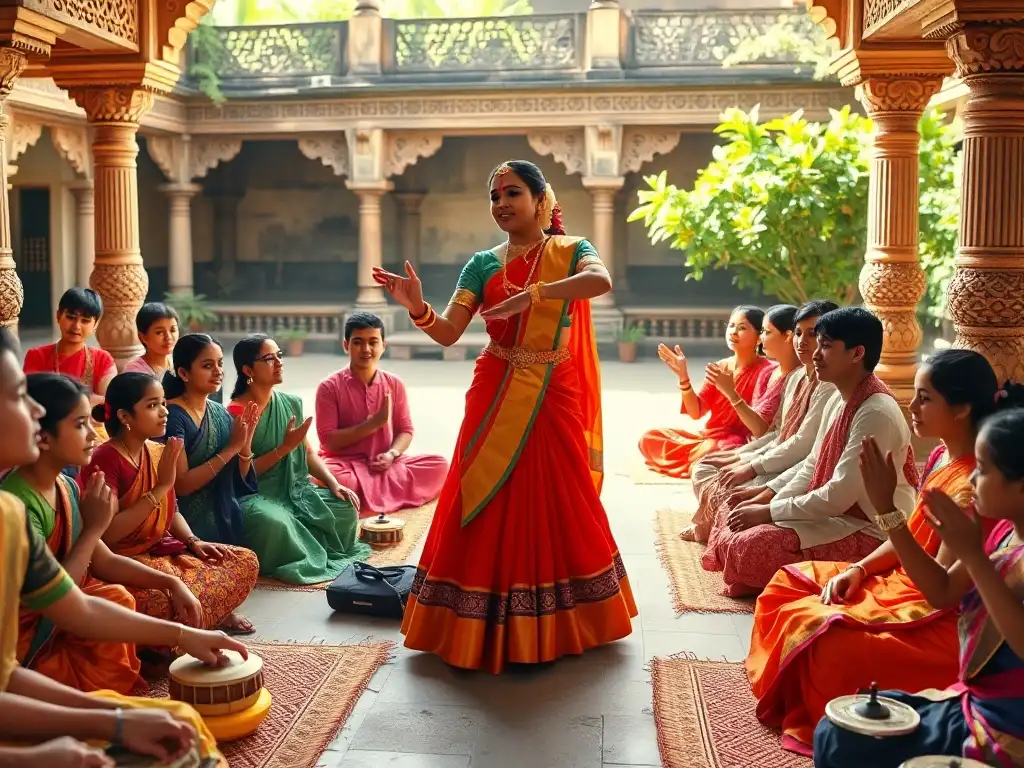
Welcome to Ancient India History, where we embark on a captivating journey through the rich tapestry of ancient Indian civilizations. Dive deep into the profound significance of dance and music in the educational systems that shaped the minds and spirits of scholars from the Indus Valley to the Gupta Empire. In our featured article, "The Role of Dance and Music in Ancient Indian Education Systems," we unravel how these vibrant art forms not only enriched learning but also fostered cultural identity.
Prepare to be intrigued as we explore the harmonious blend of creativity and knowledge that defined an era. Keep reading to discover the melodies and rhythms that continue to resonate through time!
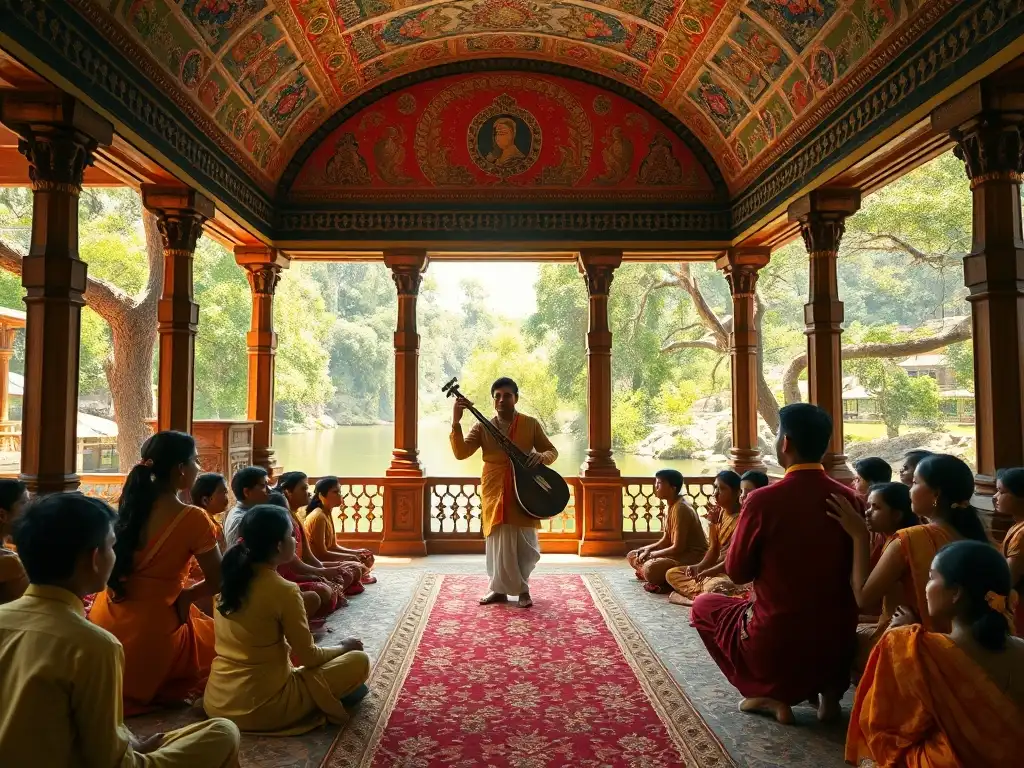
The intricate tapestry of ancient Indian civilization is adorned with the vibrant threads of dance and music, which played a pivotal role in the educational systems of the time. From the hallowed halls of the Gurukuls to the structured learning environments of ancient universities like Nalanda and Takshashila, the incorporation of arts was not merely an embellishment but a fundamental aspect of education.
This article delves into the profound influence of music and dance within the ancient Indian education framework, illustrating their significance in nurturing both intellectual and artistic growth. By exploring various dimensions—ranging from the types of music and instruments used to their educational functions—we aim to uncover how these art forms enriched the learning experience in ancient India and contributed to the holistic development of students.
Introduction to Ancient Indian Education
Education in ancient India was deeply rooted in tradition and philosophy, emphasizing not only knowledge acquisition but also the cultivation of values and skills essential for personal and societal development. The Gurukuls, or traditional schools, served as centers of learning where students were immersed in a curriculum that encompassed various disciplines, including philosophy, mathematics, and the arts. Dance and music were integral components of this curriculum, fostering creativity and emotional expression alongside academic learning.
Overview of Education in Ancient India
The ancient Indian education system was characterized by its guru-shishya (teacher-student) relationship, which emphasized mentorship and personal growth. Education was predominantly oral, relying on memorization and recitation. Subjects covered included:
- Vedic texts and scriptures
- Philosophy and ethics
- Mathematics and astronomy
- Arts, including dance and music
This holistic approach underscored the belief that education was a means to develop not only the intellect but also the character and spirituality of an individual.
Importance of Arts in Education
The arts, particularly dance and music, were seen as essential to the educational experience, serving multiple purposes:
- Enhancing cognitive skills: Engaging with music and dance nurtured memory, attention, and creativity.
- Cultural transmission: Through performance, students learned the traditions and values of their culture, fostering a sense of identity.
- Emotional expression: Arts provided an outlet for personal expression, allowing students to explore and articulate their feelings.
Incorporating dance and music into the education system ensured a well-rounded development, preparing students for both personal and societal roles.
The Significance of Music in Ancient Indian Education
Music held a distinguished place within ancient Indian education, often intertwined with spiritual and philosophical teachings. It was not merely an art form but a medium through which complex ideas and emotions were conveyed.
Types of Music in Ancient Indian Education
Ancient Indian musical education included various forms, each with its unique characteristics and purposes:
- Vedic chants: These chants were essential for religious rituals and spiritual learning, emphasizing the power of sound in communication with the divine.
- Classical music: Styles such as Hindustani and Carnatic music were developed, focusing on intricate melodies and rhythms.
- Folk music: Rooted in local traditions, folk music reflected the everyday lives and struggles of the people.
These diverse musical forms enriched the educational experience, allowing students to appreciate the vast cultural heritage of India.
Instruments Used in Ancient Indian Music Education
Instruments played a vital role in music education, serving both instructional and performative purposes. Notable instruments included:
| Instrument | Description |
|---|---|
| Veena | A string instrument used in classical music. |
| Mridangam | A percussion instrument fundamental to South Indian music. |
| Bansuri (Flute) | A bamboo flute associated with folk and classical music. |
The hands-on experience with these instruments allowed students to develop technical skills while fostering an appreciation for the beauty of music.
Music as a Tool for Learning and Memory
Music served as an effective mnemonic device in ancient Indian education, aiding students in memorizing complex texts and concepts. The rhythmic patterns and melodic structures made it easier to retain information, facilitating deeper learning.
The integration of dance and music into ancient Indian education systems was a reflection of the holistic approach to learning, emphasizing the development of the mind, body, and spirit. By appreciating the historical significance of these art forms, we can better understand their enduring legacy in contemporary education and cultural practices.
The Role of Dance in Ancient Indian Education
Dance played a significant role in the educational systems of ancient India, serving not only as a form of artistic expression but also as a vital component of holistic learning. It was intertwined with spiritual, cultural, and social aspects, fostering creativity, discipline, and emotional intelligence among students. The teachings of dance were often conducted in the context of Gurukulas, where the guru (teacher) imparted knowledge through various art forms, including dance, enabling students to experience learning in a dynamic and engaging manner.
The practice of dance in education also emphasized the importance of rhythm and movement, which were believed to enhance physical coordination and promote a sense of harmony. This integration of dance into educational practices allowed students to explore their identities, express emotions, and connect deeply with their cultural heritage.
Traditional Dance Forms in Ancient India
Ancient India was home to a plethora of traditional dance forms, each with unique styles, themes, and cultural significance. Notable forms included:
- Bharatanatyam: Originating from Tamil Nadu, this dance form is known for its intricate footwork, expressive hand gestures (mudras), and storytelling through facial expressions. It was traditionally performed in temples and is one of the oldest classical dance forms in India.
- Kathak: With roots in Northern India, Kathak is characterized by its storytelling through dance, intricate footwork, and rhythmic movements. It often incorporates elements from Persian and Mughal influences due to historical interactions.
- Odissi: Hailing from Odisha, this dance form is distinguished by its fluid movements, graceful poses, and religious themes, often depicting narratives from Hindu mythology.
- Manipuri: Originating from Manipur, this dance form is known for its graceful and gentle movements, often depicting themes of love and devotion, particularly in the context of Radha and Krishna.
These traditional dance forms were not merely entertainment; they were deeply embedded in the educational curriculum, teaching students about mythology, philosophy, and social values.
Dance as a Medium of Expression and Communication
In ancient Indian education, dance served as a powerful medium of expression and communication. It provided students with a platform to convey complex emotions and narratives without the need for words. Through dance, students could express joy, sorrow, devotion, and other sentiments, allowing for a deeper understanding of human experiences.
Moreover, dance was a means of communication between the performer and the audience, creating a shared experience that transcended language barriers. This aspect of dance encouraged students to develop empathy and emotional intelligence, which were essential skills in both personal and communal contexts.
Integration of Dance in Educational Practices
The integration of dance into educational practices in ancient India was systematic and multifaceted. Dance was incorporated into various subjects, including literature, history, and philosophy, enriching the learning experience.
- Curricular Activities: Dance was often included in the curriculum alongside other artistic pursuits, such as music and drama, promoting an interdisciplinary approach to education. Students would not only learn the technical aspects of dance but also engage in discussions about the cultural and historical contexts of the performances.
- Rituals and Festivals: Educational institutions frequently organized dance performances during religious rituals and festivals, reinforcing the connection between education, culture, and spirituality. Participation in these events instilled a sense of community and cultural pride among students.
- Mentorship and Guidance: Students learned under the tutelage of accomplished gurus who imparted not just dance techniques but also the philosophical and ethical values inherent in the art form, ensuring a well-rounded education that emphasized personal growth alongside artistic development.
The Interconnection Between Dance, Music, and Education
The interconnection between dance, music, and education in ancient India was profound and multifaceted. These art forms were not isolated; rather, they complemented each other, creating a rich tapestry of cultural expression and learning.
How Music and Dance Complement Each Other in Learning
Music and dance were intricately linked in ancient Indian education, with each enhancing the other to foster a deeper understanding of rhythm, movement, and expression.
- Rhythmic Patterns: Students learned to synchronize their movements with music, developing an awareness of rhythm that was crucial for both dance and musical performance. This synchronization also encouraged teamwork and collaboration among peers.
- Emotional Resonance: Music served as an emotional backdrop for dance, allowing students to explore the emotional depths of their performances. The combination of melody and movement created a holistic learning experience that nurtured creativity and emotional expression.
- Cultural Narratives: Many traditional dances were accompanied by music that narrated stories from mythology, history, or folklore. This synergy helped students connect with their cultural heritage in a meaningful way, enhancing their understanding of historical and philosophical concepts.
Case Studies of Educational Institutions Promoting Arts
Several ancient Indian educational institutions, known as Gurukulas, exemplified the integration of dance and music into their teaching methodologies.
- Nalanda University: Renowned for its comprehensive curriculum, Nalanda included dance and music as essential components of its education system. Students engaged in various art forms, fostering a well-rounded intellectual and artistic development.
- Takshashila: This ancient university encouraged students to learn music and dance as part of their holistic education. The emphasis on the arts allowed students to develop a deep appreciation for cultural expression and creativity.
These case studies illustrate the historical commitment to fostering a rich, artistic educational environment that valued dance and music as vital components of a well-rounded education.
The Influence of Music and Dance on Cognitive Development
Research and historical accounts suggest that engagement in music and dance can have profound effects on cognitive development. In ancient India, the arts were recognized for their capacity to enhance various cognitive abilities among students.
- Memory and Concentration: Learning choreography and musical patterns required students to enhance their memory and concentration, skills that were beneficial in their academic pursuits as well.
- Critical Thinking: The interpretative nature of dance and music encouraged students to think critically about the themes and emotions they were portraying, promoting analytical skills that were applicable in other areas of learning.
- Motor Skills and Coordination: The physical requirements of dance, coupled with the rhythmic aspects of music, aided in the development of motor skills and coordination, contributing to overall physical and mental well-being.
The interplay of dance and music in ancient Indian education systems fostered a rich environment for learning, personal growth, and cultural expression, laying the groundwork for the vibrant artistic traditions that continue to thrive today.
Cultural Impact of Dance and Music on Ancient Indian Education
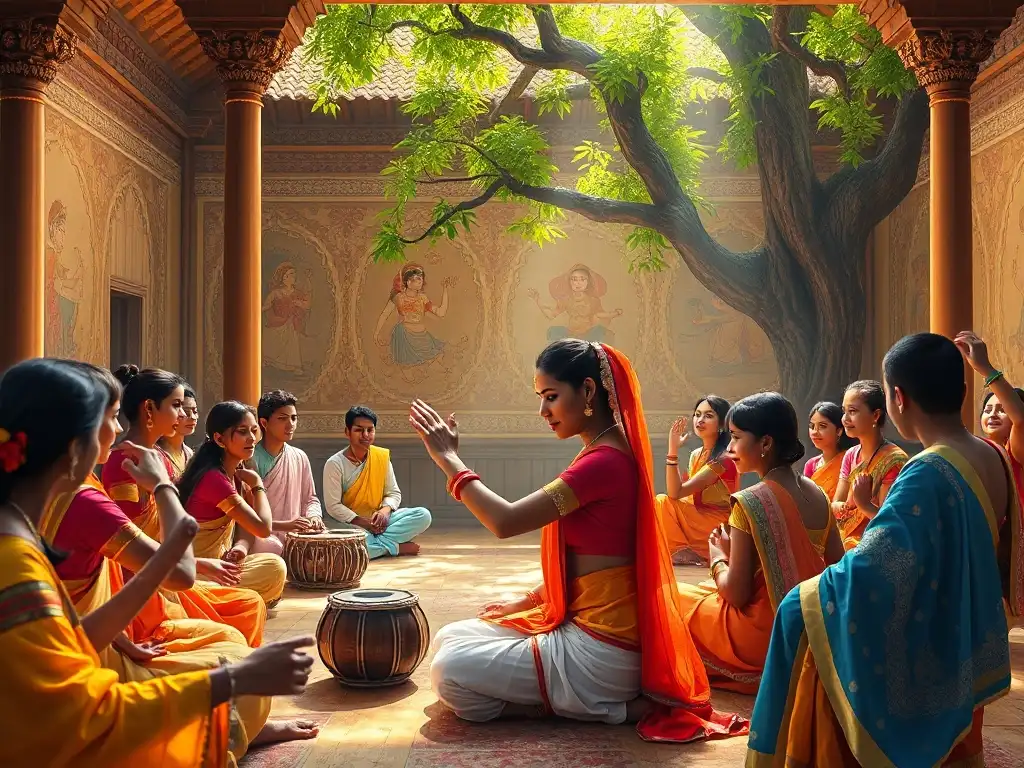
Dance and music held significant cultural importance in ancient Indian education systems, serving not only as forms of artistic expression but also as vital components of the learning process. They were intricately woven into the fabric of educational institutions such as the Gurukuls, where students learned various subjects including philosophy, mathematics, and the arts. The integration of dance and music in education facilitated a holistic approach to learning, enriching cognitive development and emotional intelligence.
The cultural impact was profound; dance and music were not merely recreational activities but were viewed as essential tools for moral and spiritual education. Through rhythmic movements and melodic sounds, students could explore complex philosophical concepts and societal values. This engagement with the arts helped to cultivate a sense of identity and continuity with the past, reinforcing the social and cultural fabric of ancient Indian society.
Preservation of Cultural Heritage Through Dance and Music
Dance and music acted as vital mediums for preserving cultural heritage in ancient India. They were not just art forms but also vehicles for storytelling, transmitting historical narratives, and preserving folklore. Various traditional dances, such as Kathak, Bharatanatyam, and Odissi, often depicted tales from ancient epics like the Mahabharata and the Ramayana, ensuring that these stories were passed down through generations.
Educational institutions emphasized the importance of these art forms in maintaining the cultural ethos. Performances were often part of festivals and rituals, reinforcing community bonds and shared values. The structured learning of dance and music in these educational settings also contributed to the preservation of local dialects, languages, and dialectics, enriching the cultural tapestry of ancient India.
Dance and Music in Ancient Indian Texts and Scriptures
Ancient Indian texts and scriptures provide extensive references to the role of dance and music in education. The Natyashastra, attributed to Bharata Muni, is a seminal treatise that not only outlines the principles of dance and drama but also highlights their educational significance. It details how the performance arts serve as a medium for imparting wisdom and knowledge.
Moreover, texts such as the Vedas and Upanishads mention the use of music in rituals and education, showcasing its importance in spiritual learning. The Bhagavad Gita emphasizes the notion of Raga, or melodic frameworks, as a means of attaining higher states of consciousness. This illustrates the profound connection between the arts and spiritual education in ancient Indian philosophy, establishing a framework for integrating dance and music into educational curricula.
Conclusion: Legacy of Dance and Music in Ancient Indian Education
The legacy of dance and music in ancient Indian education systems is enduring and multifaceted. These art forms played a crucial role in shaping the educational practices of the time, fostering creativity, discipline, and a deep appreciation for cultural heritage. The teachings imparted through dance and music have left an indelible mark on the Indian psyche, influencing generations to embrace the arts as a vital component of education.
Lasting Influence on Modern Educational Practices
The influence of ancient Indian education systems that prioritized dance and music continues to resonate in modern educational practices. Today, many educational institutions in India incorporate arts education, recognizing its importance in developing well-rounded individuals. Programs that emphasize dance and music not only enhance creativity but also improve cognitive skills and emotional well-being among students.
Furthermore, the revival of traditional art forms in contemporary curricula reflects a renewed appreciation for the historical significance of these practices. By integrating dance and music into education, modern educators aim to cultivate a sense of identity and cultural awareness, paralleling the ancient emphasis on these vital art forms.
Reflections on the Importance of Arts in Education Today
The importance of arts in education today cannot be overstated. As society evolves, the need for creativity, critical thinking, and emotional intelligence becomes increasingly apparent. Dance and music, as integral elements of a comprehensive education, foster these skills while allowing students to connect with their cultural heritage.
In reflecting on the ancient Indian education systems, it is clear that embracing the arts is essential for nurturing a balanced and enriched learning environment. By valuing dance and music, educators can inspire future generations to appreciate their cultural roots while also encouraging them to express themselves creatively and think critically about the world around them. The legacy of ancient Indian education serves as a reminder of the transformative power of the arts in shaping a holistic educational experience.
Further Reading and Resources
To gain a deeper understanding of the role of dance and music within the ancient Indian education systems, various texts and online resources offer valuable insights. Below is a curated list of recommended readings and online platforms that delve into this fascinating aspect of ancient Indian culture.
Recommended Texts on Ancient Indian Education Systems
- "The History of Indian Education: From Ancient Times to the Present" by J.P. Sharma
- This comprehensive work outlines the evolution of education in India, including the significant role of arts like dance and music in the curriculum.
- "Indian Classical Dance: The Renaissance of Tradition" by Sunil Kothari
- This book provides an in-depth analysis of classical dance forms in India, discussing their historical significance and educational implications throughout ancient history.
- "Music in Ancient India" by R. S. Chaudhuri
- A detailed exploration of the types of music prevalent in ancient India, this text highlights how music was integral to educational practices and cultural transmission.
- "The Vedic Education System" by K. P. Singh
- This text focuses on the Vedic period and explains how education was structured, including the importance of arts and music in the holistic development of students.
- "Indian Philosophy: A Very Short Introduction" by Sujit Mukherjee
- Although primarily a philosophical text, it touches upon the role of music and dance in education as a means of imparting moral and ethical values.
Online Resources for Exploring Dance and Music in Ancient India
- Digital Library of India
- An extensive collection of scanned books and manuscripts covering various aspects of ancient Indian education, including dance and music.
- Indian Classical Dance – A Visual Encyclopedia
- An online resource that offers videos, articles, and images detailing the various classical dance forms of India, their history, and educational significance.
- National School of Drama (NSD)
- The NSD provides resources and materials related to the arts in India, including dance and music education. Their website includes information on workshops and academic programs.
- Cultural India - Dance and Music Section
- This site provides an overview of different dance forms and musical traditions in India, emphasizing their historical context and importance in ancient education.
- YouTube Channels dedicated to Indian Classical Arts
- Channels such as "Dance with Madhuri" and "Swaranjali" offer tutorials and performances that reflect the educational aspects of dance and music in ancient contexts.
Engaging with these recommended texts and online resources will provide a well-rounded understanding of the significant role that dance and music played in ancient Indian education systems, illustrating their lasting impact on Indian culture.
- Introduction to Ancient Indian Education
- The Significance of Music in Ancient Indian Education
- The Role of Dance in Ancient Indian Education
- The Interconnection Between Dance, Music, and Education
- Cultural Impact of Dance and Music on Ancient Indian Education
- Conclusion: Legacy of Dance and Music in Ancient Indian Education
- Further Reading and Resources
- What was the significance of dance and music in ancient Indian education?
- How did ancient Indian education systems incorporate dance and music?
- Were there specific forms of dance and music taught in ancient India?
- How did dance and music contribute to the overall development of students in ancient India?
- Is there a connection between ancient Indian education and modern practices in dance and music?
Frequently Asked Questions
What was the significance of dance and music in ancient Indian education?
Dance and music played a crucial role in ancient Indian education, serving not only as a means of cultural expression but also as tools for moral instruction and the transmission of knowledge.
How did ancient Indian education systems incorporate dance and music?
Ancient Indian education systems often included dance and music as essential subjects, promoting creativity and artistic skills along with traditional learning, particularly in institutions like the Gurukul.
Were there specific forms of dance and music taught in ancient India?
Yes, ancient Indian education featured various forms of dance such as Bharatanatyam and Kathak, along with musical traditions like classical ragas, which were integral to spiritual and cultural practices.
How did dance and music contribute to the overall development of students in ancient India?
Incorporating dance and music in education not only enhanced artistic abilities but also helped in the development of discipline, teamwork, and emotional intelligence among students.
Is there a connection between ancient Indian education and modern practices in dance and music?
Yes, many modern practices in dance and music education in India can trace their roots back to the ancient systems, emphasizing the continuity and evolution of these art forms in the cultural landscape.
Final Reflection: The Timeless Harmony of Dance and Music in Education
The exploration of ancient Indian education systems reveals a profound connection between music, dance, and learning that remains relevant in today’s world. As we navigate an era dominated by technology and standardized testing, the holistic approaches of our ancestors remind us of the importance of creativity and expression in education. The integration of art forms into learning not only enriches the educational experience but also fosters emotional and social development, underscoring that education is not merely about rote memorization but about cultivating the whole person.
The influence of music and dance in ancient Indian education continues to resonate in contemporary society, shaping our cultural identity and educational philosophies. The lessons learned from these ancient practices encourage us to embrace diverse methods of learning that honor individuality and creativity. As noted by the philosopher Rabindranath Tagore, The highest education is that which does not merely give us information but makes our life in harmony with all existence.
This perspective challenges us to reflect on how we can incorporate the arts into modern curricula, ensuring that education nurtures both intellect and spirit.
As we move forward, let us take inspiration from the ancient Indian education systems and advocate for a more integrated approach to learning that includes music and dance. I invite you to reflect on your own educational experiences and consider how you might incorporate the arts into your life or community. Whether through participating in a dance class, learning a musical instrument, or simply appreciating the beauty of artistic expression, we can all contribute to a richer, more harmonious educational landscape that honors the wisdom of the past while paving the way for a brighter future.
Embrace the Rhythm: Transform Your Understanding of Ancient Education!
Thank you for diving into the captivating world of ancient Indian education systems! You've uncovered the powerful interplay of dance and music that shaped learning in remarkable ways. Now, let’s take your newfound knowledge a step further!
Here are some rewarding actions you can take to deepen your connection with this rich legacy:
- Join a local dance or music class to explore how these art forms can enhance your creativity and appreciation for culture.
- Share this article with friends and family to spark conversations about the influence of art in education.
- Visit a museum or cultural exhibition that highlights the historical significance of dance and music in ancient India.
Which aspect of ancient Indian education resonates with you the most, and how do you think it can influence modern learning practices? Let's engage in a discussion!