
How the Mauryan Empire Fostered Diplomatic Ties Across Borders


Welcome to Ancient India History, where we embark on a journey through the vibrant tapestry of our past. Here, you'll uncover the remarkable stories and cultural exchanges that shaped ancient Indian civilizations, from the awe-inspiring Indus Valley to the illustrious Gupta Empire. In our featured article, "How the Mauryan Empire Fostered Diplomatic Ties Across Borders," we delve into the intricate web of diplomatic relations that not only strengthened alliances but also enriched the cultural landscape of the time.
Prepare to be captivated by the legacy of the Mauryan Empire and the profound influence it wielded across borders. Dive in and discover the threads of history that connect us all!
- Introduction to the Mauryan Empire Diplomatic Relations
- Historical Context of Mauryan Empire Diplomatic Relations
- Mechanisms of Diplomacy in the Mauryan Empire
- Notable Diplomatic Relations of the Mauryan Empire
- The Impact of Mauryan Diplomatic Relations
- Conclusion: Legacy of the Mauryan Empire's Diplomacy
-
Frequently Asked Questions
- What was the significance of the Mauryan Empire in terms of diplomatic relations?
- How did the Mauryan Empire maintain its diplomatic relations?
- Who were some key figures in the Mauryan Empire's diplomatic efforts?
- What impact did the Mauryan Empire's diplomatic relations have on trade?
- How did the Mauryan Empire influence diplomatic practices in later civilizations?
- Final Reflection: The Enduring Legacy of Mauryan Empire Diplomatic Relations
- Ignite Your Curiosity and Build Connections!
Introduction to the Mauryan Empire Diplomatic Relations
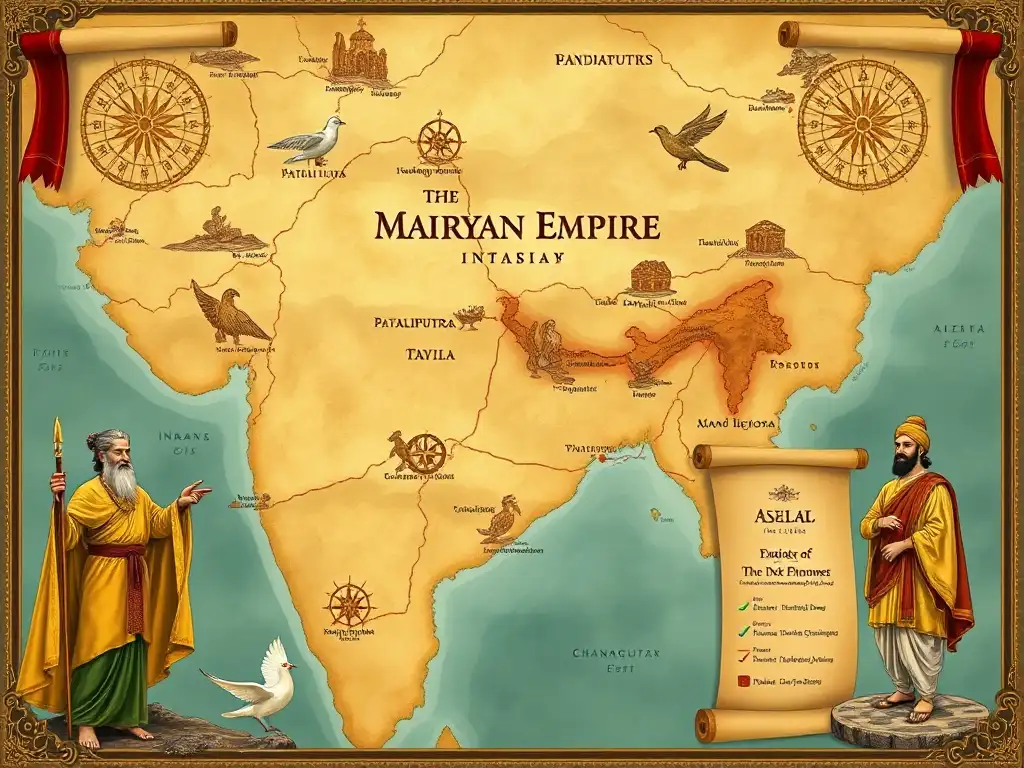
The Mauryan Empire, one of the most significant and expansive empires in ancient India, played a vital role in shaping diplomatic ties across the Indian subcontinent and beyond. Established in the 4th century BCE by Chandragupta Maurya, this empire not only laid the foundations for political unification but also fostered an era of cultural and economic exchanges with neighboring civilizations.
The Mauryan Empire's approach to diplomacy was multifaceted, encompassing alliances, trade agreements, and cultural exchanges, which significantly influenced the political landscape of the time. Understanding the dynamics of Mauryan diplomatic relations provides insights into how ancient India interacted with other cultures, ultimately contributing to its rich historical legacy.
Overview of the Mauryan Empire
The Mauryan Empire emerged in a period marked by fragmentation and regional power struggles in the Indian subcontinent. Under Chandragupta Maurya's leadership, the empire expanded rapidly, covering vast territories that included present-day India, Pakistan, and parts of Afghanistan. This expansion was characterized by:
- Strategic Conquests: The Mauryan rulers employed military prowess to conquer neighboring kingdoms, ensuring a vast and unified territory.
- Administrative Innovations: The empire is renowned for its sophisticated administrative system, enabling efficient governance across diverse regions.
- Cultural Flourishing: The Mauryan period saw significant advancements in art, architecture, and philosophy, with the emergence of notable figures like Ashoka the Great.
Ashoka, Chandragupta's grandson, is particularly noteworthy for his role in promoting non-violence and Buddhism after the Kalinga War, which greatly influenced the empire's diplomatic strategies.
Significance of Diplomacy in Ancient India
Diplomacy in ancient India, especially during the Mauryan Empire, was not merely about political alliances; it was a complex interplay of cultural, economic, and social factors that fostered long-lasting relationships. Key aspects include:
- Cultural Exchange: Diplomatic relations facilitated the exchange of ideas, art, and religion, enriching both Mauryan and neighboring cultures.
- Trade Relations: The establishment of trade routes underpinned economic prosperity, allowing for the exchange of goods such as spices, textiles, and precious metals.
- Political Alliances: Through strategic marriages and treaties, the Mauryan Empire was able to stabilize regions and deter potential conflicts.
The diplomatic efforts of the Mauryan Empire were foundational in shaping the regional dynamics of South Asia and beyond, laying the groundwork for future interactions among civilizations. Understanding these aspects provides a clearer picture of how the Mauryan Empire navigated its relations and influenced the broader historical context of ancient India.
Historical Context of Mauryan Empire Diplomatic Relations
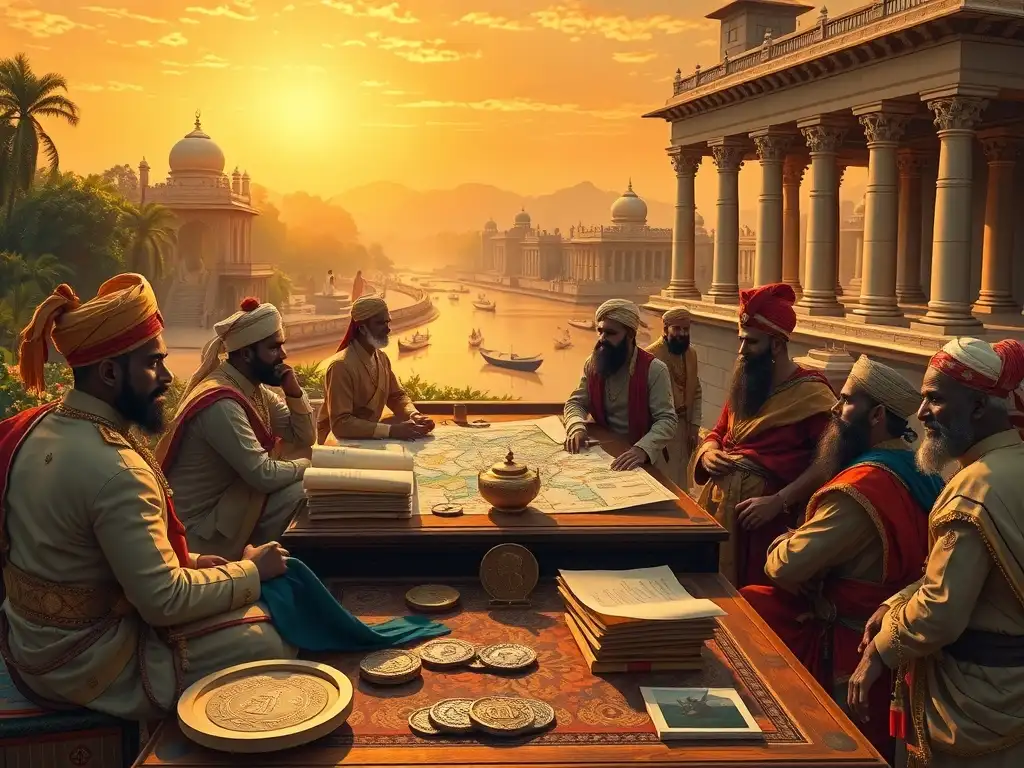
The Mauryan Empire, which flourished from 322 to 185 BCE, is renowned not only for its political and military might but also for its sophisticated approach to diplomacy. This period marked a significant shift in how ancient Indian civilizations interacted with their neighbors and the broader world. The empire's strategic geographical positioning allowed it to engage with a variety of cultures and civilizations, fostering a network of diplomatic ties that would influence the region for centuries.
The Mauryan Empire emerged in a time when regional powers were vying for dominance in the Indian subcontinent. The establishment of a unified empire under Chandragupta Maurya laid the groundwork for a centralized administration that could effectively manage diplomatic relations. This period saw the need for alliances, treaties, and communication with neighboring states, as the Mauryans sought to secure their borders and expand their influence.
Key Historical Events Leading to Diplomatic Engagements
Several key historical events catalyzed the Mauryan Empire's diplomatic engagements.
- Conquest of Magadha: The rise of the Mauryan Empire began with Chandragupta's conquest of the Magadha kingdom, which was a major player in the region. This conquest not only solidified his power but also opened avenues for engaging with neighboring states, such as the Nandas and the various republics of the Ganges plain.
- Interactions with Alexander the Great: Chandragupta’s interactions with Alexander the Great in the late 4th century BCE were pivotal. Although Alexander did not establish direct diplomatic ties, his campaigns across the northwest of India prompted local rulers, including Chandragupta, to consider diplomatic strategies to counter foreign invasions. The eventual withdrawal of Alexander's forces created an opportunity for the Mauryan Empire to consolidate power and establish itself as a dominant force in diplomacy.
- Cultural Exchanges through Trade: The Mauryan Empire thrived on trade, which necessitated diplomatic relations not only with neighboring kingdoms but also with far-off places like Persia and the Hellenistic states. These exchanges facilitated cultural diffusion and the establishment of trade treaties, enhancing the empire's diplomatic stature.
Major Rulers and Their Diplomatic Strategies
The Mauryan Empire's diplomatic relations were significantly shaped by its rulers, each adopting unique strategies to foster alliances and maintain peace.
Chandragupta Maurya's Diplomacy
Chandragupta Maurya, the founder of the Mauryan Empire, utilized a blend of military prowess and shrewd diplomacy. His notable strategies included:
- Alliances through Marriage: Chandragupta often sought alliances through marital ties, marrying into influential families to strengthen political bonds. This practice not only secured loyalty but also facilitated smoother relations with rival kingdoms.
- Intelligence and Espionage: He recognized the importance of intelligence in diplomacy. By establishing a network of spies, he gathered crucial information about neighboring states, which informed his diplomatic decisions. This intelligence network allowed him to anticipate threats and negotiate from a position of strength.
- Treaties and Agreements: Chandragupta engaged in treaties with local rulers, ensuring peace and stability within the empire’s borders. These agreements often included mutual defense pacts and trade arrangements that benefited both parties.
Ashoka the Great's Approach to International Relations
Ashoka the Great, the third Mauryan emperor, is often celebrated for his transformative approach to governance and diplomacy. His strategies included:
- Promotion of Dhamma: Ashoka’s focus on Dhamma (moral law) was central to his diplomatic strategy. He believed in promoting peace and non-violence, which resonated with neighboring states. His edicts, inscribed on rocks and pillars, communicated his commitment to ethical governance and fostered goodwill.
- Diplomatic Missions: Ashoka sent envoys to various kingdoms, including those in the Hellenistic world, to promote Buddhism and establish peaceful relations. His diplomatic missions were not merely political but also cultural, aimed at fostering a shared understanding and respect among different civilizations.
- Engagement with Sri Lanka and Southeast Asia: Ashoka's efforts to establish diplomatic ties with Sri Lanka and other regions through the spread of Buddhism exemplified his diplomatic vision. He sent missionaries to propagate Buddhist teachings, which in turn created enduring cultural ties and mutual respect.
The Mauryan Empire's diplomatic relations were thus characterized by a blend of strategic military actions, cultural exchanges, and ethical governance, leaving a lasting legacy on the ancient Indian subcontinent and beyond.
Mechanisms of Diplomacy in the Mauryan Empire
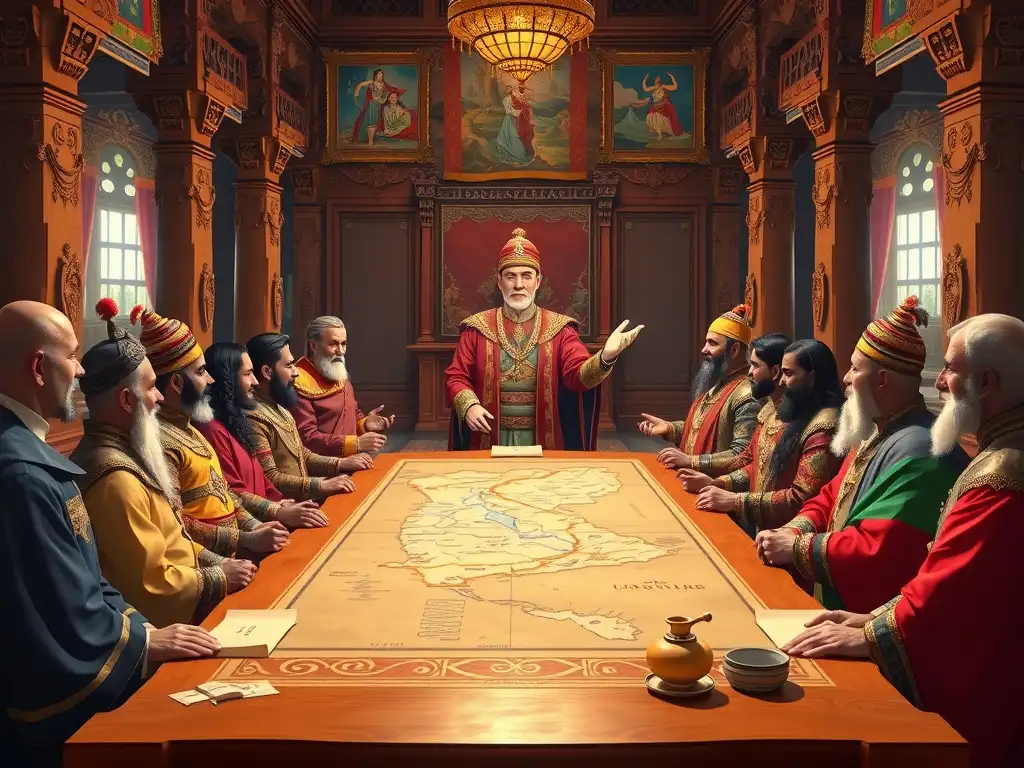
The Mauryan Empire, which thrived from 322 to 185 BCE, is renowned for its sophisticated governance and military organization. However, one of its most notable aspects was its diplomatic relations with neighboring civilizations. The mechanisms of diplomacy during this period were multifaceted, involving a range of practices and strategies that facilitated interactions and alliances across borders.
The Mauryan rulers, particularly Chandragupta Maurya and his grandson Ashoka, utilized diplomacy not only for political gain but also to promote cultural exchanges and mutual understanding. These mechanisms included the use of envoys, treaties, and cultural exchanges, all of which played a crucial role in establishing and maintaining diplomatic ties.
Envoys and Their Roles in Diplomacy
Envoys were pivotal figures in the diplomatic landscape of the Mauryan Empire. Appointed by the emperor, these representatives were tasked with carrying messages, negotiating treaties, and fostering relationships with foreign states. The roles of envoys included:
- Representation: Envoys served as the official representatives of the Mauryan Empire, embodying its interests and policies in foreign courts.
- Negotiation: They were skilled negotiators, adept at discussing terms of treaties and resolving conflicts. Their ability to communicate effectively was vital in establishing and maintaining diplomatic relations.
- Cultural Ambassadors: Beyond political duties, envoys often acted as cultural ambassadors, sharing aspects of Mauryan culture, philosophy, and religion, which helped to create a favorable image of the empire abroad.
The effectiveness of these envoys can be seen in the correspondence between Ashoka and various Hellenistic rulers, where mutual respect and common interests were emphasized.
Treaties and Agreements: Structure and Importance
The Mauryan Empire engaged in various treaties and agreements that were instrumental in solidifying its diplomatic relations. These treaties were characterized by:
- Formal Documentation: Treaties were often documented in writing, outlining terms that included trade agreements, territorial boundaries, and mutual defense pacts. The formal nature of these documents underscored their importance in maintaining peace and cooperation.
- Mutual Benefits: The agreements were designed to provide mutual benefits, such as economic advantages through trade or military support against common enemies. For instance, alliances with neighboring kingdoms were crucial for maintaining stability in the region.
- Diplomatic Marriages: Marriage alliances were another strategy employed in these treaties, strengthening ties between royal families and ensuring loyalty among vassal states.
The significance of these treaties lay not just in their immediate political impact but also in their long-term contributions to regional stability and cultural exchanges.
Cultural Exchanges as Diplomatic Tools
Cultural exchanges played a fundamental role in the diplomatic strategies of the Mauryan Empire. These exchanges were not merely incidental; rather, they were actively cultivated to foster goodwill and mutual understanding. Key aspects included:
- Spread of Buddhism: Under Ashoka, the promotion of Buddhism served as a diplomatic tool. Ashoka dispatched missionaries to various regions, including Sri Lanka and the Hellenistic world, to spread Buddhist teachings. This not only created spiritual ties but also positioned the Mauryan Empire as a custodian of a significant cultural heritage.
- Art and Architecture: The Mauryan Empire's artistic expressions, such as the construction of stupas and pillars, were shared with neighboring cultures. These architectural marvels became symbols of cultural diplomacy, showcasing the empire's artistic prowess and inviting admiration.
- Trade and Commerce: Diplomatic relations often facilitated trade agreements that allowed for cultural exchanges through goods, ideas, and technologies. The Silk Road, for example, enabled the flow of not just commodities but also cultural practices and philosophies, enriching both the Mauryan Empire and its trading partners.
The Mauryan Empire's diplomatic relations were characterized by strategic use of envoys, well-structured treaties, and active cultural exchanges. These mechanisms not only enhanced the empire's political power but also contributed significantly to its cultural legacy and influence across ancient civilizations.
Notable Diplomatic Relations of the Mauryan Empire

The Mauryan Empire, which thrived from 322 to 185 BCE, is renowned not only for its vast territorial expansion but also for its adept diplomatic strategies. Under the leadership of Chandragupta Maurya and his grandson Ashoka, the empire established significant diplomatic relations that helped it maintain stability and foster cultural exchanges across borders. These relations played a crucial role in shaping the political landscape of ancient India and its neighboring territories.
Diplomatic Ties with Neighboring Kingdoms
The Mauryan Empire's diplomatic efforts were characterized by both strategic alliances and negotiations, enabling it to navigate complex relationships with various kingdoms. The empire's approach to diplomacy involved a mix of military strength and diplomatic finesse, which allowed it to secure advantageous agreements that benefitted its interests.
Relations with the Seleucid Empire
One of the most notable diplomatic engagements of the Mauryan Empire was with the Seleucid Empire. Following Alexander the Great's conquests, the Seleucid Empire emerged as a powerful Hellenistic state in the northwest of India. After Alexander's death, Chandragupta Maurya recognized the need to establish a peaceful coexistence with the Seleucids.
- Treaty of Friendship: Around 305 BCE, a treaty was signed between Chandragupta and Seleucus I Nicator, the founder of the Seleucid Empire. This treaty not only ensured peace between the two powers but also involved a strategic exchange of territories. Chandragupta gained control over parts of present-day Afghanistan, while Seleucus retained territories in the western regions.
- Marriage Alliance: To solidify this alliance, a royal marriage was arranged between the Mauryan and Seleucid families, a common diplomatic practice aimed at strengthening ties and promoting loyalty.
Ties with the Hellenistic World
The Mauryan Empire's relations with the Hellenistic world extended beyond the Seleucid Empire. The empire's diplomatic engagements were characterized by cultural exchanges and the spread of ideas.
- Cultural Exchange: The interactions with Hellenistic states facilitated the exchange of art, philosophy, and scientific knowledge. Greek philosophers and scholars traveled to India, contributing to a fusion of ideas that enriched both cultures.
- Trade Agreements: The Mauryan Empire established trade routes with Hellenistic territories, leading to increased commerce and economic prosperity. This exchange of goods further solidified diplomatic ties and mutual respect between the civilizations.
Engagements with Other Indian Kingdoms
The Mauryan Empire also prioritized maintaining cordial relations with other Indian kingdoms, which was essential for regional stability and political dominance.
Diplomatic Ties with the Kingdom of Kalinga
The relationship between the Mauryan Empire and the Kingdom of Kalinga is particularly significant due to its historical impact.
- Initial Hostility: The Mauryan Empire initially faced hostility from Kalinga, leading to a fierce war around 261 BCE. This conflict, known as the Kalinga War, was marked by significant loss of life and resources. However, it ultimately prompted a shift in Ashoka's perspective on warfare and diplomacy.
- Post-War Diplomacy: After the war, Ashoka adopted a policy of non-violence and sought to establish peaceful diplomatic ties with Kalinga. He promoted the spread of Buddhism and sent missionaries to foster goodwill and cultural exchange. This diplomatic shift helped to heal the wounds of war and build a cooperative relationship with Kalinga, which had lasting effects on regional politics.
The Mauryan Empire's diplomatic relations were instrumental in shaping the historical trajectory of ancient India and its interactions with neighboring civilizations. Through strategic alliances and cultural exchanges, the empire not only enhanced its political influence but also contributed to the rich tapestry of ancient Indian history.
The Impact of Mauryan Diplomatic Relations
Influence on Trade and Commerce
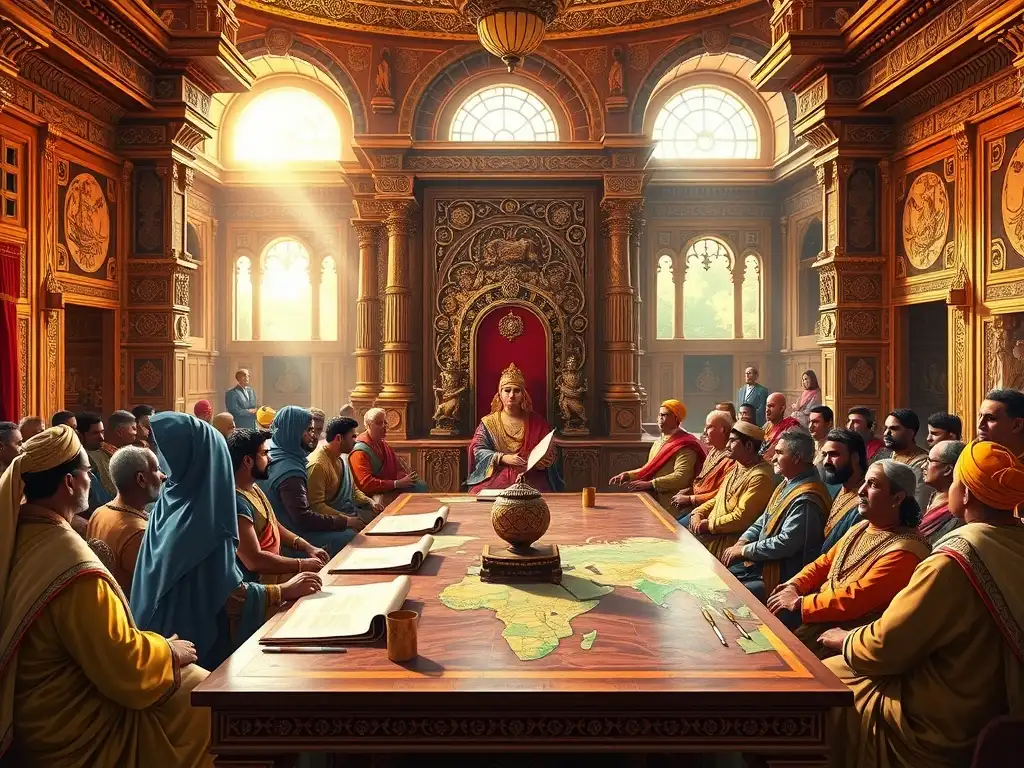
The Mauryan Empire, which thrived from 322 to 185 BCE, played a pivotal role in establishing and enhancing diplomatic relations that significantly influenced trade and commerce across its borders. Under the reign of Emperor Ashoka, the Mauryan Empire expanded its reach not only through military conquests but also through strategic alliances and diplomatic negotiations.
- Trade Routes: The Mauryans developed crucial trade routes that connected India with Central Asia, the Mediterranean, and beyond. The Silk Road, for instance, became a vital artery for commerce due to the diplomatic ties established by the Mauryan rulers. These routes facilitated the exchange of goods such as spices, textiles, and precious stones.
- Market Regulations: The Mauryan administration implemented regulations that standardized weights and measures, ensuring fair trade practices. This not only bolstered local markets but also attracted foreign merchants, fostering an environment of trust and cooperation.
- Diplomatic Envoys: The use of diplomatic envoys was a hallmark of Mauryan foreign policy. These envoys were instrumental in negotiating trade agreements and establishing trade privileges with neighboring kingdoms, such as those in Persia and the Hellenistic world.
The economic framework established through these diplomatic relations laid the groundwork for a prosperous trade network that would thrive long after the fall of the Mauryan Empire.
Cultural and Religious Exchanges
The Mauryan Empire's diplomatic relations significantly contributed to cultural and religious exchanges that enriched the civilizations it interacted with. The empire, known for its promotion of Buddhism under Ashoka, utilized its diplomatic reach to spread religious beliefs and cultural practices.
- Buddhism as a Cultural Bridge: Ashoka's commitment to Buddhism led to the dispatch of missionaries across borders. Notably, he sent emissaries to regions such as Sri Lanka and Central Asia, promoting the teachings of Buddha. This not only spread Buddhism but also facilitated the exchange of cultural practices and philosophical ideas.
- Art and Architecture: Diplomatic interactions led to a fusion of artistic styles. The Mauryan period saw the development of unique architectural forms, such as stupas and rock-cut caves, which influenced neighboring regions. The exchange of artisans and craftsmen during diplomatic missions resulted in cross-cultural artistic expressions.
- Festivals and Celebrations: Through diplomatic ties, various cultural festivals were shared and celebrated among neighboring civilizations. This sharing of traditions fostered a sense of unity and mutual respect, paving the way for peaceful coexistence.
These cultural and religious exchanges enriched not only the Mauryan Empire but also its neighbors, creating a legacy of shared heritage that influenced subsequent generations.
Long-term Effects on Neighboring Civilizations
The diplomatic relations fostered by the Mauryan Empire had profound long-term effects on neighboring civilizations, shaping their political, cultural, and economic landscapes.
- Political Alliances: The strategic alliances formed during the Mauryan period often led to long-lasting political relationships. Neighboring states, inspired by Mauryan governance, adopted similar administrative practices, leading to the emergence of centralized states in regions like South India and beyond.
- Cultural Integration: The cultural exchanges initiated by the Mauryans contributed to a sense of regional identity among neighboring civilizations. For example, the spread of Buddhism resulted in the establishment of monasteries and educational institutions, which became centers of learning and cultural integration.
- Economic Interdependence: The trade networks established during the Mauryan Empire created economic interdependence among neighboring states. This interdependence encouraged cooperation and reduced conflicts, fostering a climate of peace that allowed for cultural and economic flourishing.
The diplomatic relations of the Mauryan Empire not only facilitated immediate interactions but also laid the foundation for enduring impacts on trade, culture, and political dynamics in the region, showcasing the significance of the Mauryan Empire's diplomatic relations in shaping the ancient world.
Conclusion: Legacy of the Mauryan Empire's Diplomacy
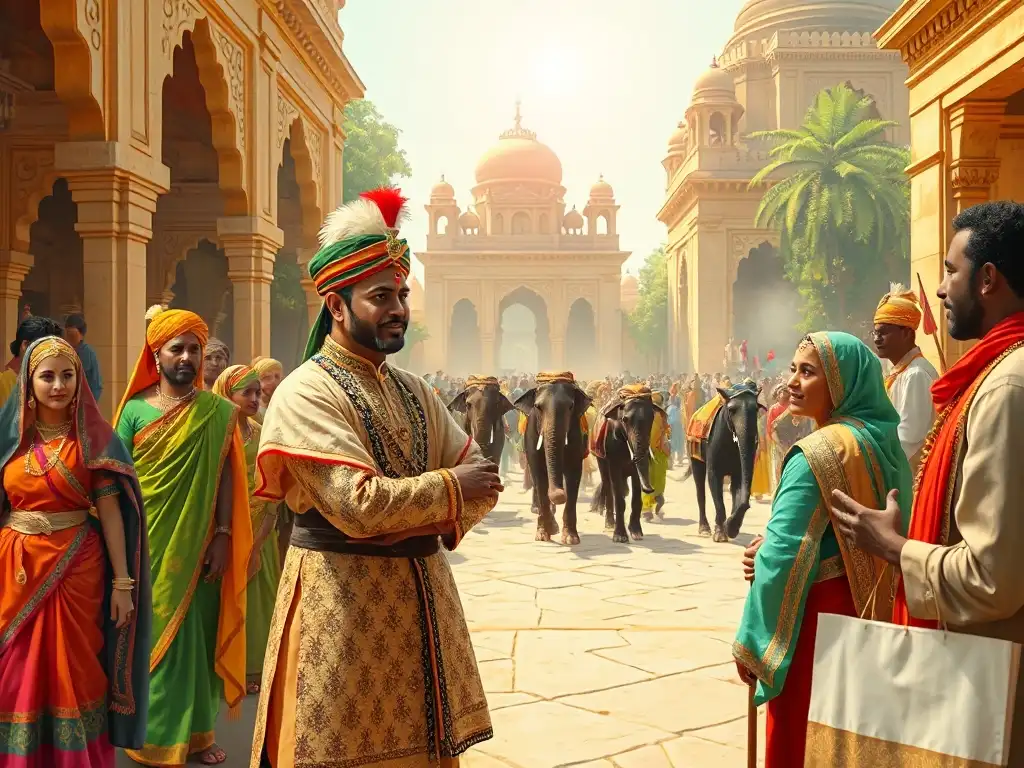
The Mauryan Empire, which flourished from approximately 322 to 185 BCE, left a profound impact on the art of diplomacy and international relations in the ancient world. Its diplomatic strategies and practices not only facilitated trade and cultural exchanges but also established a framework that would influence future empires. The legacy of Mauryan diplomacy is evident in the way it fostered peaceful coexistence, mutual respect, and collaboration among diverse civilizations.
Summary of Key Diplomatic Achievements
The Mauryan Empire's diplomatic achievements were characterized by a blend of strategic alliances, treaties, and cultural exchanges. Some of the most significant accomplishments include:
- Treaties with the Seleucid Empire: After the conquest of Alexander the Great, the Mauryan Emperor Chandragupta Maurya engaged in diplomatic negotiations with Seleucus I Nicator, a successor of Alexander. This led to a treaty that established boundaries and facilitated trade between the two empires.
- Marriage Alliances: The Mauryan rulers often formed marital ties with neighboring royal families, enhancing political stability and fostering goodwill. For instance, Emperor Ashoka married into the families of local rulers to solidify alliances.
- Cultural Exchanges: The Mauryan Empire was instrumental in promoting cultural exchanges with other regions, including Hellenistic Greece and Persia. The spread of Buddhism under Ashoka furthered diplomatic relations, as he sent missionaries to various countries, enhancing the empire's influence.
- Use of Diplomats: The Mauryans employed skilled diplomats who were adept at negotiation and communication. This practice was crucial in maintaining peace and fostering relationships with neighboring states, including those in Central Asia.
These achievements illustrate the Mauryan Empire's sophisticated approach to diplomacy, which blended statecraft with cultural diplomacy, establishing a legacy that would resonate through the ages.
The Enduring Influence of Mauryan Diplomatic Relations on Future Empires
The diplomatic practices of the Mauryan Empire set a precedent for future empires in the Indian subcontinent and beyond. Their approach to diplomacy can be observed in several key areas:
- Model for Future Diplomats: The emphasis on trained diplomats during the Mauryan period laid the groundwork for the professionalization of diplomacy in subsequent empires, such as the Gupta Empire. The skills and strategies developed during this time became foundational in the art of negotiation and statecraft.
- Cultural Integration: The Mauryan practice of integrating foreign cultures and ideas through diplomatic relations influenced later empires to adopt similar approaches. This not only enriched their own cultures but also promoted a greater understanding among diverse populations.
- Peaceful Coexistence: The Mauryan focus on peaceful negotiations and alliances served as a model for conflict resolution that later empires, such as the Mughal Empire, would adopt. Their diplomatic frameworks emphasized the importance of coexistence, setting a standard for future governance.
- Expansion of Trade Networks: The Mauryan Empire's diplomatic relations facilitated extensive trade networks that persisted long after its decline. These trade routes became vital for economic exchanges among empires, influencing the wealth and power of successor states.
The Mauryan Empire's diplomatic relations not only shaped its own historical trajectory but also left an indelible mark on the diplomatic practices of future civilizations, fostering a legacy of engagement and cultural exchange that continues to resonate in historical studies today.
Frequently Asked Questions
What was the significance of the Mauryan Empire in terms of diplomatic relations?
The Mauryan Empire is known for establishing extensive diplomatic ties across borders, which helped enhance trade and cultural exchange with neighboring regions.
How did the Mauryan Empire maintain its diplomatic relations?
The Mauryan Empire employed various strategies, including marriage alliances, envoys, and treaties, to ensure stable and beneficial relations with surrounding states.
Who were some key figures in the Mauryan Empire's diplomatic efforts?
Prominent figures like Chandragupta Maurya and his grandson Ashoka played vital roles in shaping the empire’s diplomatic policies and fostering international relations.
What impact did the Mauryan Empire's diplomatic relations have on trade?
The diplomatic relations established by the Mauryan Empire significantly boosted trade routes, allowing for the exchange of goods, ideas, and culture with distant lands.
How did the Mauryan Empire influence diplomatic practices in later civilizations?
The diplomatic practices of the Mauryan Empire set a precedent for future Indian states, influencing their approaches to international relations and diplomacy in subsequent eras.
Final Reflection: The Enduring Legacy of Mauryan Empire Diplomatic Relations
The diplomatic relations established during the Mauryan Empire resonate profoundly in today's interconnected world. The strategies and principles employed by this ancient civilization not only laid the groundwork for international diplomacy but also serve as a reminder of the importance of dialogue and cooperation in resolving conflicts. In an era marked by geopolitical tensions, the Mauryan Empire's approach to fostering relationships across borders is a testament to the timeless value of diplomacy.
Culture and society have been significantly shaped by the diplomatic ties initiated during the Mauryan Empire. These early efforts at establishing peaceful relations and trade routes have influenced modern diplomatic practices and international relations. As we navigate our increasingly globalized society, we can draw inspiration from the Mauryan Empire's commitment to mutual respect and understanding. > “Peace is not merely the absence of war. It is also a state of mind.” This quote encapsulates the essence of diplomacy that the Mauryan Empire exemplified, reminding us that true peace requires ongoing effort and engagement.
As we reflect on the lessons from the Mauryan Empire, let us embrace the call to foster our own diplomatic relations in our daily lives. Consider how you can build bridges in your community, promote understanding among diverse groups, and engage in meaningful dialogue. The legacy of the Mauryan Empire encourages us to be proactive in our relationships, reminding us that every conversation has the potential to create a ripple effect of peace and cooperation. Together, we can honor this ancient wisdom and contribute to a more harmonious world.
Ignite Your Curiosity and Build Connections!
Thank you for diving into the fascinating world of the Mauryan Empire and its diplomatic prowess! You've explored how they fostered relationships that transcended borders, providing a valuable lesson in collaboration and communication. Now, it’s your turn to apply this inspiration in your own life and connections!
Here are some steps you can take right now:
- Engage with new cultures: Connect with local cultural groups or participate in online communities to learn about their traditions and histories. Building relationships starts with understanding.
- Share your insights: Discuss your discoveries about the Mauryan Empire with friends or share them on social media. Your perspective may spark meaningful conversations.
- Explore diplomatic history: Read a book or watch a documentary about another historical empire and its diplomatic strategies. Broaden your knowledge beyond the Mauryan Empire!
As you reflect on these actions, consider this: How can understanding historical diplomacy enhance your ability to communicate and connect with others today?