
The Historical Impact of Ancient Indian Trade Cities on Neighboring Civilizations

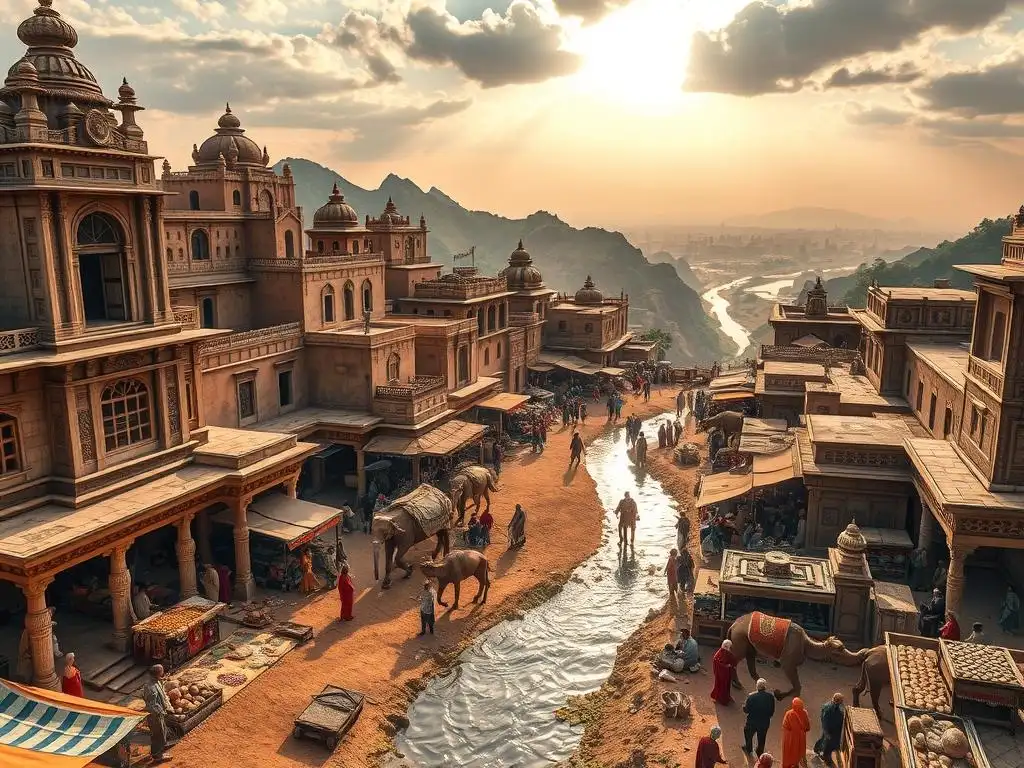
Welcome to Ancient India History, where we embark on a captivating journey through the vibrant tapestry of ancient Indian civilizations. In this exploration, we unravel the historical impact of ancient Indian trade cities on neighboring cultures, revealing how these bustling hubs fostered cultural exchanges and influenced societies far and wide. What secrets did these trade routes hold? How did commerce shape the connections between civilizations? Prepare to delve deeper into the intriguing legacy of these cities and discover the profound ways they transformed the world around them. Your adventure into the past begins now!
- Introduction to Ancient Indian Trade Cities Impact
- The Historical Context of Ancient Indian Trade
- Economic Contributions of Ancient Indian Trade Cities
- Cultural Exchanges Facilitated by Trade Cities
- The Impact of Trade on Political Relations
- Case Studies of Trade Cities and Their Regional Influence
- Legacy of Ancient Indian Trade Cities
- Conclusion
-
Frequently Asked Questions
- What were the major ancient Indian trade cities?
- How did ancient Indian trade cities influence neighboring civilizations?
- What role did the Indus Valley civilization play in ancient trade?
- What were some of the key commodities traded from ancient Indian cities?
- How did the Gupta Empire contribute to trade in ancient India?
- Final Reflection: The Enduring Legacy of Ancient Indian Trade Cities
- Unveil the Legacy: Take Action on Ancient Trade Insights!
Introduction to Ancient Indian Trade Cities Impact
The history of ancient India is marked by a tapestry of trade cities that played a pivotal role in shaping the cultural, economic, and political landscapes of not only the Indian subcontinent but also its neighboring civilizations. The ancient Indian trade cities, particularly those like Taxila, Ujjain, and Pataliputra, served as bustling hubs where goods, ideas, and cultures converged.
These cities facilitated extensive trade networks that linked India to regions as far as Africa, the Middle East, and Southeast Asia. Understanding the impact of these trade cities is crucial in grasping how ancient Indian civilizations interacted with and influenced their neighbors, leading to the exchange of not only commodities but also philosophies, technologies, and cultural practices.
Overview of Ancient Indian Trade Cities
Ancient Indian trade cities emerged as centers of commerce and culture, flourishing from the Indus Valley Civilization (circa 3300–1300 BCE) through to the Gupta Empire (around 320–550 CE). These cities were strategically located along trade routes that connected India with other significant regions, such as the Silk Road and maritime routes across the Indian Ocean.
- Key Trade Cities:
- Taxila: Renowned for its educational institutions and diverse trade, Taxila was a melting pot of cultures and a significant stop on the trade routes.
- Ujjain: This city not only served as a trade center but was also a vital religious hub, attracting pilgrims and traders alike.
- Pataliputra: As the capital of several empires, Pataliputra was integral in facilitating trade and cultural exchanges.
The wealth generated from trade contributed to urbanization, advancements in arts and sciences, and the establishment of regional power dynamics.
Importance of Trade in Ancient India
Trade was the lifeblood of ancient Indian civilizations, influencing economic stability and cultural development. The exchange of goods such as spices, textiles, and precious stones was complemented by the sharing of knowledge and innovations.
- Economic Impact:
- Trade routes contributed to the prosperity of city-states and empires, creating wealth and facilitating the development of infrastructure.
- The introduction of coinage and standardized weights and measures streamlined commercial transactions, boosting trade efficiency.
- Cultural Exchanges:
- Alongside tangible goods, merchants and travelers exchanged ideas, leading to the diffusion of religions like Buddhism and Hinduism throughout Asia.
- Artistic styles, architectural techniques, and scientific knowledge were also disseminated through these interactions, enriching cultures across borders.
Purpose of the Article
This article aims to explore the multifaceted impact of ancient Indian trade cities on neighboring civilizations. By examining historical evidence and archaeological findings, we will uncover how these cities not only served as economic powerhouses but also as cultural bridges that facilitated interactions between diverse peoples. Through this exploration, we hope to highlight the significance of ancient Indian trade cities in shaping regional dynamics, fostering cultural exchanges, and influencing the development of neighboring civilizations. In doing so, we can appreciate the profound legacy left by these historical hubs of trade and interaction.
The Historical Context of Ancient Indian Trade

Ancient Indian trade cities served as significant hubs of commerce, culture, and interaction between civilizations. The trade routes established in India facilitated not only the exchange of goods but also the spread of ideas, technologies, and cultural practices. This interconnectedness played a crucial role in shaping the socio-economic and political landscapes of the region, influencing neighboring civilizations like Persia, Greece, and China.
The trade networks that emerged during this period were characterized by their extensive reach and diversity, linking various regions within India to foreign markets. The importance of these ancient Indian trade cities cannot be overstated; they were pivotal in establishing India as a major player in global trade long before the advent of modern commerce.
Early Trade Routes in Ancient India
The early trade routes in ancient India were primarily land and maritime paths that connected various regions and facilitated the flow of goods. Key routes included:
- Silk Road: A network that connected India with Central Asia, allowing for the exchange of silk, spices, and precious stones.
- Maritime Trade Routes: These routes linked the western coasts of India with the Arabian Peninsula and East Africa, facilitating the exchange of textiles, spices, and other goods.
- Overland Trade Routes: Connecting the northern plains to the Deccan plateau, these routes enabled trade between different Indian kingdoms and neighboring regions.
These routes not only facilitated economic exchanges but also served as conduits for cultural and technological diffusion, leading to significant interactions with neighboring civilizations.
Major Trade Cities and Their Locations
Ancient Indian trade cities were strategically located along these trade routes, often emerging as thriving centers of commerce and cultural exchange. The following sections detail some of the most significant trade cities in ancient India.
Harappa and Mohenjo-Daro
Harappa and Mohenjo-Daro, two of the most prominent cities of the Indus Valley Civilization, showcased advanced urban planning and trade practices.
- Location: Located in present-day Pakistan, these cities were situated near the Indus River, providing easy access to agricultural resources and trade routes.
- Trade Activities: Evidence suggests that these cities engaged in extensive trade with Mesopotamia and other regions, exchanging goods like cotton textiles, pottery, and metalwork. The use of standardized weights and measures indicates a sophisticated trading system.
- Cultural Influence: The interactions with neighboring civilizations led to the exchange of cultural practices, including art, writing systems, and religious beliefs.
Pataliputra
Pataliputra, the capital of the Maurya Empire, emerged as a major trade center during the 4th century BCE.
- Location: Situated at the confluence of the Ganges and Son rivers, Pataliputra was strategically positioned to facilitate trade with both northern and eastern India.
- Economic Significance: The city became a melting pot of cultures and ideas, fostering trade with regions as far as Greece and Central Asia. It was known for its wealth in textiles, gems, and spices.
- Political Impact: As a thriving trade hub, Pataliputra played a vital role in the economic stability of the Maurya Empire, enabling the state to exert influence over surrounding territories.
Taxila
Taxila was another significant trade city that exemplified the impact of ancient Indian trade on neighboring civilizations.
- Location: Located near modern-day Islamabad, Pakistan, Taxila was at the crossroads of major trade routes connecting India with Central Asia and Persia.
- Cultural Exchange: The city was renowned for its educational institutions and attracted scholars from various regions, leading to an exchange of knowledge in philosophy, science, and arts.
- Trade Relations: Taxila's strategic location facilitated trade in luxury goods, such as silk and spices, contributing to its reputation as a cosmopolitan center.
The ancient Indian trade cities not only influenced the economic landscape of the region but also played a pivotal role in shaping the cultural and political dynamics of neighboring civilizations. Their impact is a testament to the interconnectedness of ancient societies and the enduring legacy of trade in fostering cultural exchanges.
Economic Contributions of Ancient Indian Trade Cities
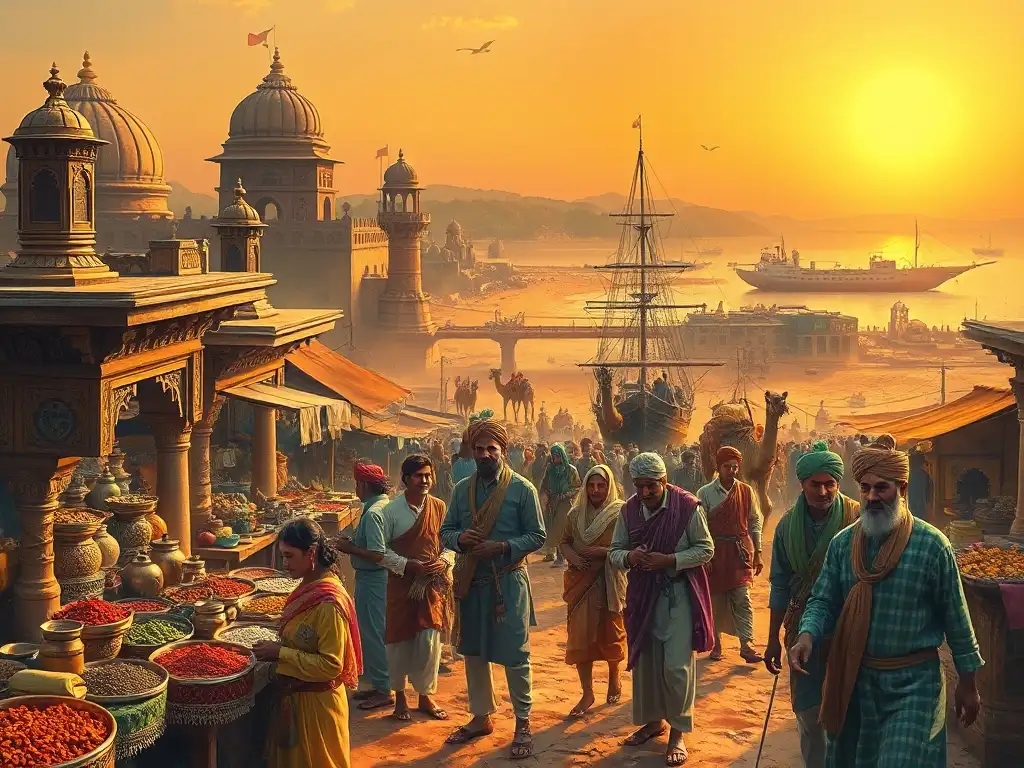
Ancient Indian trade cities played a crucial role in shaping not only the economy of the subcontinent but also the historical narratives and cultural exchanges with neighboring civilizations. These bustling hubs of commerce facilitated the movement of goods, ideas, and cultures, which significantly impacted the regions around them. The economic contributions of these cities were multifaceted, encompassing the import and export of various goods, the establishment of intricate trade networks, and the overall enhancement of wealth and prosperity in the region.
Trade Goods and Their Significance
Trade goods from ancient Indian trade cities were highly sought after and varied widely, each holding unique significance in the global market of the time. Below is a detailed exploration of some of the most valuable commodities:
Spices, Textiles, and Precious Metals
- Spices:
- Black Pepper: Renowned as "black gold," black pepper was one of the most coveted items in trade, often used as currency and in culinary practices across Asia and Europe.
- Cardamom and Cloves: These spices were not only valued for their flavor but also for their medicinal properties, making them essential in various traditional practices.
- Textiles:
- Cotton and Silk: Indian textiles, especially those made from fine cotton and intricate silk, were highly prized. The famous "muslin" fabric from Bengal became synonymous with quality and luxury.
- Dyeing Techniques: The use of natural dyes and complex weaving techniques made Indian textiles distinct and desirable in international markets.
- Precious Metals and Gems:
- Gold and Silver: India was a significant source of gold, with trade in these metals often driving economic interactions with other civilizations.
- Jewels and Gemstones: The expertise in lapidary arts resulted in exquisite jewelry, which was not only a symbol of status but also a significant export commodity.
The demand for these goods led to the establishment of trade routes that connected India with distant lands, including the Mediterranean, the Middle East, and Southeast Asia. The exchange of these commodities facilitated cultural interactions and the spread of ideas, further highlighting the importance of ancient Indian trade cities in historical contexts.
Economic Networks Established by Trade Cities
The economic networks established by ancient Indian trade cities were intricately woven, creating a tapestry of commerce that spanned vast distances. These networks can be categorized into several key aspects:
-
Maritime Trade Routes:
Ancient Indian cities like Lothal and Bharukachchha were integral to maritime trade, utilizing the Arabian Sea to connect with ports in Persia, Africa, and beyond. This maritime prowess enabled the efficient transport of goods and cultural exchanges across oceans.
-
Overland Trade Routes:
The Silk Road, connecting India to Central Asia and the Mediterranean, was heavily influenced by Indian traders who facilitated the exchange of not only goods but also ideas, religions, and technologies. Cities such as Taxila and Pataliputra served as important nodes in these overland routes, enhancing their economic significance.
-
Cultural Exchanges through Trade:
The economic interactions fostered by trade led to significant cultural exchanges, with Indian art, philosophy, and religious beliefs permeating neighboring regions. The spread of Buddhism, for instance, was closely tied to trade routes, showcasing how economic activities were intertwined with cultural diffusion.
The ancient Indian trade cities were not merely centers of commerce; they were vibrant hubs of economic activity that left a lasting impact on neighboring civilizations. The trade goods they produced and the economic networks they established played a pivotal role in shaping the historical landscape of the region, evidencing the profound influence of ancient Indian trade cities on global history.
Role of Trade in Urban Development
Trade played a pivotal role in the urban development of ancient Indian trade cities, serving as a catalyst for economic growth, cultural exchange, and social evolution. The flourishing trade networks connected these cities not only with neighboring regions but also with far-flung civilizations, shaping their growth and infrastructure.
- Economic Growth: The establishment of trade routes facilitated the influx of goods, resources, and wealth, leading to the economic prosperity of cities such as Taxila, Pataliputra, and Ujjain. These cities became centers of commerce where merchants, artisans, and traders congregated, fostering a vibrant marketplace. The increased economic activity attracted a diverse population, contributing to urban expansion and the development of a more complex social structure.
- Cultural Exchange: Ancient Indian trade cities were melting pots of cultures, where ideas, languages, and traditions intermingled. As traders from different regions interacted, they exchanged not only goods but also knowledge and practices. This cultural diffusion enriched the local society, leading to advancements in art, science, and philosophy. The spread of Buddhism, for instance, was significantly propelled by trade routes that connected India to Central Asia and beyond, establishing a new cultural landscape.
- Infrastructure Development: The growth of trade necessitated the development of infrastructure to support commerce. Roads, ports, and marketplaces were constructed to facilitate the movement of goods and people. Urban planning became increasingly sophisticated, with the layout of cities designed to accommodate trade activities. For example, cities like Lothal featured well-planned docks that allowed for maritime trade, showcasing the importance of trade in shaping physical urban landscapes.
- Political Influence: The economic power derived from trade also translated into political influence. Cities that thrived on trade often became political hubs, attracting rulers and their courts. The wealth generated from trade provided the means for influential leaders to consolidate power, build monumental architecture, and patronize the arts. This interdependence between trade and political power was evident in the rise of city-states, where economic prosperity enabled the establishment of strong governance structures.
- Demographic Changes: The growth of trade cities led to significant demographic changes, as people migrated in search of economic opportunities. This influx resulted in a diverse population, which contributed to the cosmopolitan nature of these urban centers. The blending of different cultural backgrounds fostered innovation, leading to the emergence of new crafts and industries that further propelled economic growth.
The role of trade in the urban development of ancient Indian trade cities was multifaceted, intertwining economic prosperity with cultural exchange and infrastructure growth. These cities not only flourished as trading hubs but also evolved into vibrant centers of civilization, leaving a lasting legacy on neighboring cultures and societies.
Cultural Exchanges Facilitated by Trade Cities
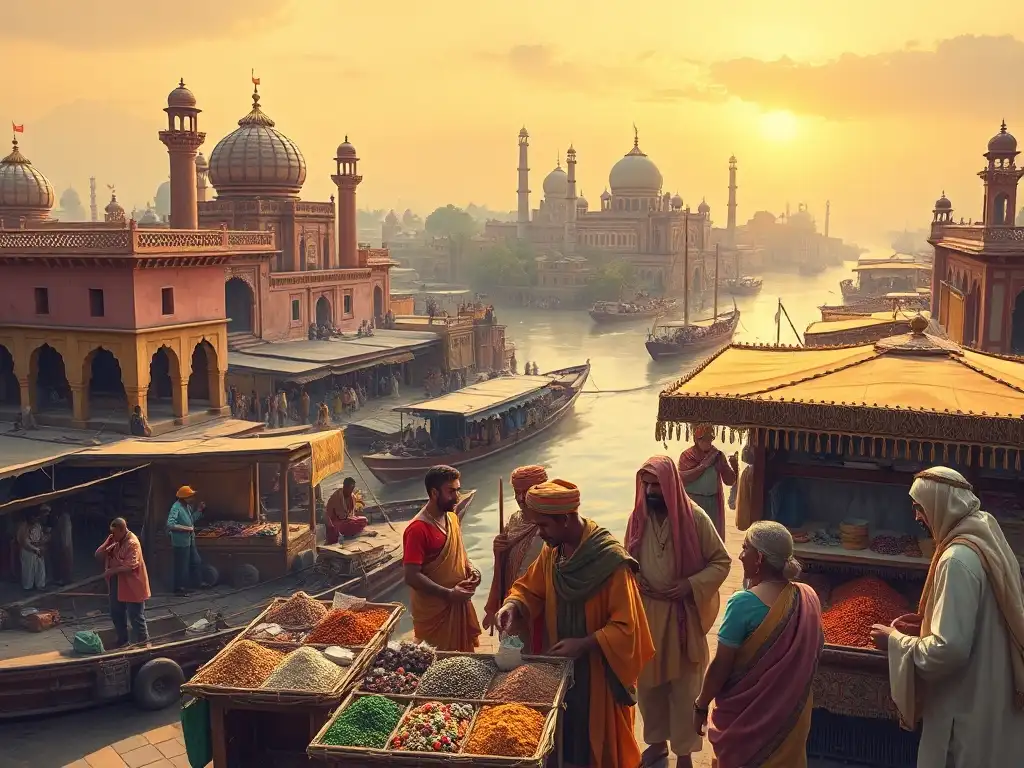
Influence on Neighboring Civilizations
Ancient Indian trade cities, such as Taxila, Pataliputra, and Ujjain, played a crucial role as hubs of commerce that fostered significant interactions with neighboring civilizations. These cities not only facilitated the movement of goods but also served as conduits for cultural, philosophical, and technological exchanges. The impact of these trade cities was felt far beyond the Indian subcontinent, influencing regions like Persia, the Greek world, and even Southeast Asia.
Persia and the Achaemenid Empire
The Achaemenid Empire, stretching from the Indus Valley to Egypt, had extensive trade interactions with Indian cities. Persian traders were drawn to the Indian subcontinent for its rich resources, including spices, textiles, and precious stones. In return, they brought Persian cultural elements, such as art and administrative practices.
- Trade Routes: The Royal Road of Persia connected with Indian trade routes, facilitating not just economic exchanges but also cultural dialogues. This interaction led to the introduction of Persian administrative methodologies in Indian governance.
- Cultural Syncretism: The blending of Persian and Indian cultures is evident in the adoption of certain artistic styles and architectural features that emerged in the regions bordering the two empires.
The Greek World and Hellenistic Influence
Following Alexander the Great's campaign in India, there was a significant transfer of ideas and culture between the Hellenistic world and the Indian subcontinent. The establishment of Greek settlements in regions like Gandhara marked the beginning of a new cultural era.
- Buddhism and Hellenism: The fusion of Hellenistic and Indian art is best exemplified in Gandhara's sculptures, which depicted Buddhist themes with Greco-Roman stylistic influences. This combination attracted Greek scholars and philosophers, who studied Indian philosophies.
- Trade of Knowledge: The exchange of knowledge during this period not only included commodities but also philosophical concepts, such as the ideas of ethics and governance, which were shared through trade interactions.
Introduction of New Ideas and Technologies
The trade cities of ancient India were not just centers of commerce; they were also vibrant spaces for the exchange of ideas and technologies that shaped neighboring civilizations.
Art and Architecture
The influence of Indian trade cities on art and architecture can be seen in various regions, particularly in Southeast Asia. The architectural styles developed in India were transmitted through trade routes and adopted in local structures.
- Stupas and Temples: Southeast Asian cultures, notably in regions like modern-day Indonesia and Cambodia, adopted the stupa design and temple architecture from Indian models, as seen in the famous Borobudur and Angkor Wat.
- Artistic Techniques: Indian artisans shared their skills in metalwork and stone carving, which influenced the decorative arts of neighboring civilizations, leading to a rich fusion of styles that can still be observed today.
Science and Mathematics
The ancient Indian trade cities were instrumental in the dissemination of scientific knowledge and mathematical concepts, which had a profound impact on civilizations beyond India.
- Numerical Systems: The Indian numeral system, including the concept of zero, traveled through trade routes to the Middle East and eventually Europe, revolutionizing mathematics and commerce.
- Astronomy and Medicine: Indian advancements in astronomy, such as the heliocentric model proposed by Aryabhata, and medical practices like Ayurveda were shared through trade networks, influencing scholars and practitioners in Persia, Greece, and beyond.
The ancient Indian trade cities were not merely economic centers but were pivotal in shaping the cultural, technological, and intellectual landscapes of neighboring civilizations. Their impact is a testament to the interconnectedness of the ancient world, demonstrating how trade facilitated a rich tapestry of cultural exchanges.
The Impact of Trade on Political Relations

Ancient Indian trade cities played a pivotal role in shaping political relations with neighboring civilizations. These bustling hubs of commerce not only facilitated the exchange of goods but also fostered alliances and sometimes ignited conflicts. Understanding these dynamics sheds light on the far-reaching impact of trade in ancient India.
Alliances Formed Through Trade
Trade often served as a catalyst for political alliances among ancient Indian trade cities and neighboring states. Merchants and traders acted as intermediaries, facilitating not just economic exchanges but also cultural and political engagements.
-
Mutual Benefits:
Trade brought about mutual benefits that encouraged political collaboration. For instance, the flourishing trade between the Mauryan Empire and the Hellenistic kingdoms led to the establishment of diplomatic ties. Both parties sought to secure trade routes and ensure the safety of merchants, ultimately paving the way for alliances.
-
Cultural Exchanges:
The interactions through trade also resulted in significant cultural exchanges. The import of Greek art and philosophy influenced local Indian traditions, while Indian goods such as spices and textiles found their way into foreign markets, enhancing India's status as a commercial powerhouse.
-
Trade Agreements:
Formal trade agreements often emerged as a means to solidify alliances. The Silk Road, for instance, saw Indian traders collaborating with Persian and Central Asian merchants, leading to treaties that not only guaranteed trade but also established political alliances for mutual security.
-
Shared Interests:
Shared economic interests often led to the formation of alliances that transcended geographical borders. The trade cities of Taxila and Pataliputra established connections with the Parthians, facilitating the exchange of goods and cultural ideas that reinforced their political ties.
Conflicts Arising from Trade Interests
While trade could foster alliances, it also led to conflicts as competing interests emerged among ancient Indian trade cities and neighboring civilizations.
-
Resource Competition:
Disputes over control of lucrative trade routes and resources were common. The competition for access to the Indian Ocean trade network often sparked conflicts between Indian states and rival powers, such as the Roman Empire and local kingdoms in Southeast Asia.
-
Piracy and Invasions:
With the prosperity of trade cities came the threat of piracy and invasions. Coastal cities like Kalinga faced attacks from rival traders and foreign powers seeking to control trade routes. These conflicts often escalated into larger military engagements that disrupted trade and political stability.
-
Political Manipulation:
Rival states sometimes manipulated trade dynamics to weaken their opponents. For example, by imposing tariffs or disrupting supply chains, a state could destabilize a neighboring trade city, leading to economic hardship and political turmoil.
-
Cultural Conflicts:
Trade also introduced cultural differences that could lead to tensions. The influx of foreign goods, ideas, and customs sometimes conflicted with local traditions, causing unrest that could escalate into broader conflicts.
The impact of ancient Indian trade cities on political relations was profound, characterized by both alliances and conflicts. These dynamics shaped not only the economic landscape of the region but also influenced the cultural and political narratives of ancient India and its neighbors. The interplay of cooperation and competition continues to be a significant aspect of historical analysis in understanding ancient trade interactions.
Case Studies of Trade Cities and Their Regional Influence
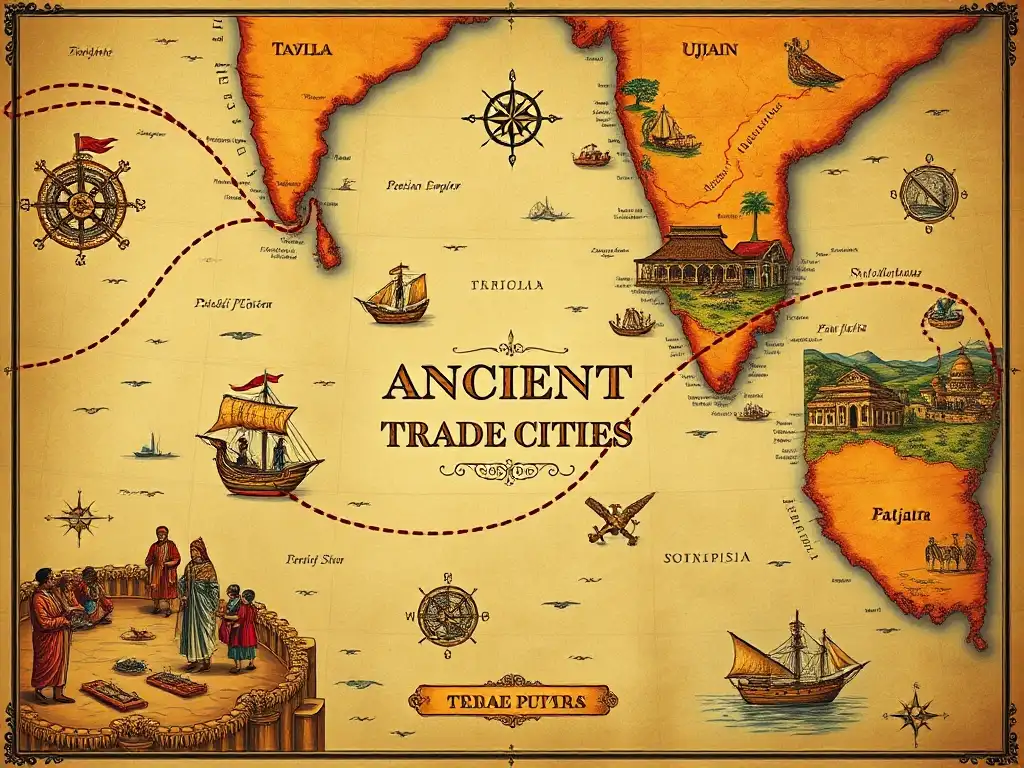
The impact of ancient Indian trade cities extends far beyond their immediate geographical boundaries. These urban centers were not only pivotal in the economic landscape of their time but also served as melting pots of culture, knowledge, and technology. Below, we delve into two prominent trade cities—Taxila and Pataliputra—to illustrate their regional influence and the broader implications of their interactions with neighboring civilizations.
Taxila: A Hub of Learning and Trade
Taxila, located at the crossroads of several major trade routes, was renowned for its role as a center of commerce and education. This city flourished from the 6th century BCE and became a significant node for the exchange of goods, ideas, and cultures.
- Economic Significance
- Taxila's strategic location allowed it to facilitate trade between the Indian subcontinent, Central Asia, and beyond. It was a key player in the exchange of silk, spices, and precious metals.
- The city hosted a variety of merchants, including those from Persia and Greece, which enriched its economy and contributed to its wealth.
- Cultural Exchange
- Taxila is perhaps best known for its ancient university, which attracted students from various parts of the world, including China and Greece. This institution was a beacon of learning, where subjects such as medicine, mathematics, and philosophy were taught.
- The presence of diverse populations in Taxila fostered an environment of cultural synthesis, leading to the exchange of artistic styles, religious beliefs, and scientific knowledge.
- Influence on Neighboring Civilizations
- The educational and cultural exchanges that took place in Taxila significantly influenced neighboring regions. For instance, the transmission of Buddhist teachings from Taxila to Central Asia played a crucial role in the spread of Buddhism.
- Furthermore, the city’s scholars contributed to the intellectual legacy that would later shape Asian and European thought.
Pataliputra: Political and Economic Power Center
Pataliputra, the capital of several powerful dynasties, including the Maurya and Gupta empires, was a key player in the political and economic landscape of ancient India. Its influence reached far and wide, impacting neighboring civilizations through trade and governance.
- Political Power
- As the seat of power, Pataliputra was the administrative and political heart of ancient India. It was instrumental in the unification of large territories under a centralized rule.
- The city’s political stability attracted traders and scholars, turning it into a bustling hub of activity.
- Economic Influence
- Pataliputra's markets were known for their vibrancy, showcasing a wide array of goods, from textiles to metalwork. This economic prosperity facilitated trade relations with regions such as Southeast Asia, which in turn influenced local economies.
- The development of infrastructure, including roads and river ports, further enhanced trade efficiency and connectivity with neighboring regions.
- Cultural and Intellectual Exchange
- The city was not only a commercial center but also a cultural melting pot. Pataliputra hosted scholars, artists, and diplomats from various cultures, leading to a rich exchange of ideas and traditions.
- The Gupta Empire, known for its patronage of the arts and sciences, saw Pataliputra emerge as a center for advancements in literature, astronomy, and mathematics, which had lasting impacts on neighboring civilizations.
The ancient Indian trade cities like Taxila and Pataliputra played pivotal roles in shaping the cultural and economic landscape of their time. Their influence extended beyond trade, fostering interactions that enriched not only their own societies but also those of neighboring civilizations. Understanding these dynamics provides valuable insights into the profound impact of ancient Indian trade cities on the broader historical context.
Legacy of Ancient Indian Trade Cities
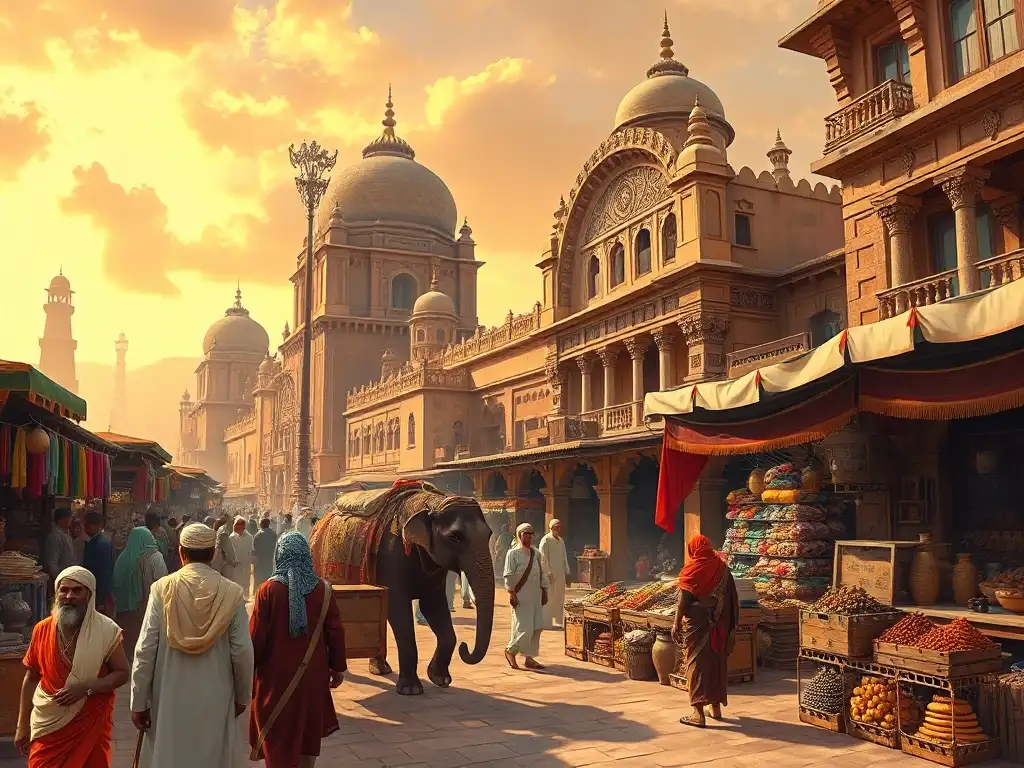
The legacy of ancient Indian trade cities is profound and multifaceted, influencing not only their immediate surroundings but also shaping trade practices and cultural exchanges across regions. These cities, such as Harappa, Mohenjo-Daro, and later, Pataliputra and Kanauj, served as crucial nodes in a vast network of commerce, extending as far as the Mediterranean and Southeast Asia. Their strategic locations along trade routes facilitated the exchange of goods, ideas, and cultures, leading to significant developments in various aspects of life, from economics to religion.
Lasting Effects on Modern Trade Practices
The ancient Indian trade cities established foundational practices in trade that resonate in modern commerce. Key aspects include:
- Market Organization: These cities were characterized by sophisticated market systems that included standardized weights and measures, which laid the groundwork for fair trade practices. The use of coins, such as those introduced during the Mauryan Empire, further enhanced trade efficiency.
- Trade Routes: The establishment of extensive trade networks, including the famous Silk Road, enabled not only the exchange of goods like spices, textiles, and metals but also facilitated the spread of innovations. Modern trade routes can often trace their origins back to these ancient paths, showcasing the long-lasting influence of these early trading practices.
- Cultural Exchanges: The interactions between traders from different civilizations, such as the Greeks, Persians, and Chinese, led to a rich exchange of ideas, technology, and culture. This has evolved into the modern concept of global trade, where cultural exchange remains integral to economic relationships.
- Economic Policies: The regulations and policies developed in ancient trade cities regarding tariffs and trade agreements have influenced contemporary economic strategies. Many modern nations still employ similar tactics to promote trade and protect local economies.
These lasting effects underscore the importance of ancient Indian trade cities in shaping the commercial landscape of today.
Cultural Heritage and Its Continuing Influence
The cultural heritage of ancient Indian trade cities continues to impact modern society in various ways:
- Art and Architecture: The architectural styles and artistic expressions that emerged from these cities, such as intricate carvings and urban planning, are echoed in contemporary design. Elements like the use of symmetry and decorative motifs can be seen in modern architecture across India and beyond.
- Religious and Philosophical Exchange: Trade interactions facilitated the spread of religious ideas, including Buddhism and Jainism, which traveled along trade routes and influenced neighboring regions. The philosophical dialogues that emerged from these exchanges continue to shape spiritual and ethical discussions today.
- Language and Literature: The interactions among diverse cultures fostered linguistic exchanges that contributed to the development of languages and literary traditions. Modern Indian languages carry traces of these ancient exchanges, and the literary works from that era have inspired countless writers and poets throughout history.
- Culinary Influence: The exchange of spices and cooking techniques among ancient trade cities has led to the vibrant culinary traditions of modern India and its neighbors. Ingredients once traded across borders remain central to the cuisines of these regions.
The cultural heritage stemming from ancient Indian trade cities not only enriches the identities of modern civilizations but also fosters a sense of continuity, linking current practices to those of the past. The influence of these cities extends beyond trade, permeating various aspects of life and continuing to inspire future generations.
Conclusion
Summary of Ancient Indian Trade Cities Impact
The ancient Indian trade cities played a pivotal role in shaping not only the subcontinent's economy but also its cultural and political landscape. Cities such as Taxila, Pataliputra, and Ujjain emerged as vibrant centers where commerce flourished and diverse cultures intertwined. The impact of these trade hubs extended far beyond India’s borders, influencing neighboring civilizations in profound ways.
-
Economic Influence:
Ancient Indian trade cities were instrumental in establishing trade networks that connected India with distant lands such as Persia, the Mediterranean, and Southeast Asia. By facilitating the exchange of goods like spices, textiles, and precious stones, these cities contributed significantly to the wealth of neighboring regions.
-
Cultural Exchange:
The interactions within these trade cities led to a rich tapestry of cultural exchange. Ideas, art forms, and religious beliefs were shared and adapted. For instance, the spread of Buddhism along trade routes like the Silk Road is a testament to how these cities acted as conduits for cultural transmission.
-
Political Alliances and Conflicts:
The strategic location of trade cities often made them focal points for political alliances and conflicts. Control of trade routes could enhance a kingdom’s power, leading to both collaboration and competition among neighboring states. The establishment of trade treaties and alliances often influenced political dynamics in the region.
-
Technological Advancements:
The necessity for efficient trade practices prompted technological innovations. Ancient Indian trade cities were hubs for advancements in navigation, shipbuilding, and even coinage, which later influenced trading practices in neighboring civilizations.
Reflection on the Importance of Trade in Shaping Civilizations
The importance of ancient Indian trade cities extends beyond mere economic transactions; they were instrumental in shaping civilizations as a whole. Trade facilitated not only the flow of goods but also the movement of people and ideas. This exchange fostered understanding and collaboration between diverse cultures, leading to enriched societal developments.
-
Cultural Identity Formation:
Through trade, ancient Indian cities contributed to the formation of cultural identities. The blending of local traditions with external influences resulted in unique cultural expressions, including art, cuisine, and festivals.
-
Diplomatic Relationships:
Trade established diplomatic channels among ancient civilizations. The relationships built through commerce often led to peaceful coexistence, mutual respect, and collaboration in various domains, including military and technological advancements.
-
Sustainability of Civilizations:
The economic prosperity generated by trade was crucial for the sustainability of ancient civilizations. A thriving economy allowed for advancements in infrastructure, education, and the arts, which in turn contributed to the overall stability and longevity of these societies.
The impact of ancient Indian trade cities resonates through history, demonstrating the power of trade as a catalyst for cultural exchange and civilization-building. Their legacy continues to inspire contemporary understandings of globalization and interconnectedness.
Frequently Asked Questions
What were the major ancient Indian trade cities?
Ancient Indian trade cities included Taxila, Pataliputra, and Ujjain, which served as crucial hubs for commerce and cultural exchange.
How did ancient Indian trade cities influence neighboring civilizations?
These cities facilitated the spread of ideas, technologies, and goods, significantly impacting the economic and cultural development of surrounding regions.
What role did the Indus Valley civilization play in ancient trade?
The Indus Valley civilization was known for its advanced urban planning and trade networks, establishing early connections with Mesopotamia and other cultures.
What were some of the key commodities traded from ancient Indian cities?
Ancient Indian cities traded a variety of commodities, including spices, silks, and precious stones, which were highly sought after by other civilizations.
How did the Gupta Empire contribute to trade in ancient India?
The Gupta Empire promoted trade by enhancing infrastructure, such as roads and ports, thus fostering economic prosperity and cultural exchange across regions.
Final Reflection: The Enduring Legacy of Ancient Indian Trade Cities
The historical significance of ancient Indian trade cities is not merely a relic of the past; it is a vibrant thread woven into the fabric of modern global commerce. These bustling hubs of trade and culture facilitated the exchange of goods, ideas, and innovations that shaped neighboring civilizations and continue to influence contemporary trade practices. The impact of these ancient cities is a testament to the power of connectivity and collaboration, reminding us that the roots of our global economy can be traced back to these remarkable centers of commerce.
The legacy of ancient Indian trade cities resonates deeply within our cultural and social landscapes today. Their influence is evident in the diverse culinary traditions, artistic expressions, and philosophical ideas that have transcended borders over centuries. As we navigate an increasingly interconnected world, the lessons learned from these ancient cities about trade, diplomacy, and cultural exchange remain relevant. Trade is not just about goods; it is about building bridges between cultures.
This quote encapsulates the essence of how these cities fostered relationships that went beyond mere transactions, creating a rich tapestry of shared human experience.
As we reflect on the historical impact of ancient Indian trade cities, I invite you to consider how their lessons can be applied in your own life. How can you foster connections and collaborations in your community or professional endeavors? Embrace the spirit of these ancient hubs by seeking out opportunities for exchange, understanding, and growth. Let us honor the legacy of these trade cities by building our own bridges, ensuring that the impact of their history continues to inspire future generations.
Unveil the Legacy: Take Action on Ancient Trade Insights!
Thank you for exploring the rich history of ancient Indian trade cities! You’ve discovered how these vibrant centers thrived and shaped neighboring civilizations through commerce and culture. Now, let's harness this knowledge for your own journey of discovery!
Here are some meaningful actions you can take:
- Explore a Local Museum: Visit a museum or cultural center that showcases artifacts from ancient trade networks to understand how these legacies continue to influence us today.
- Share Your Insights: Discuss what you’ve learned with friends or on social media—keep the conversation about ancient cultures vibrant and ongoing!
- Join a Historical Forum: Engage with fellow history enthusiasts by participating in online forums dedicated to ancient civilizations for deeper insights and discussions.
How do you think ancient trade practices resonate with modern global commerce methods? We invite you to share your thoughts below!