
The Influence of Northern Indian Cuisine: Culinary Traditions Through the Ages

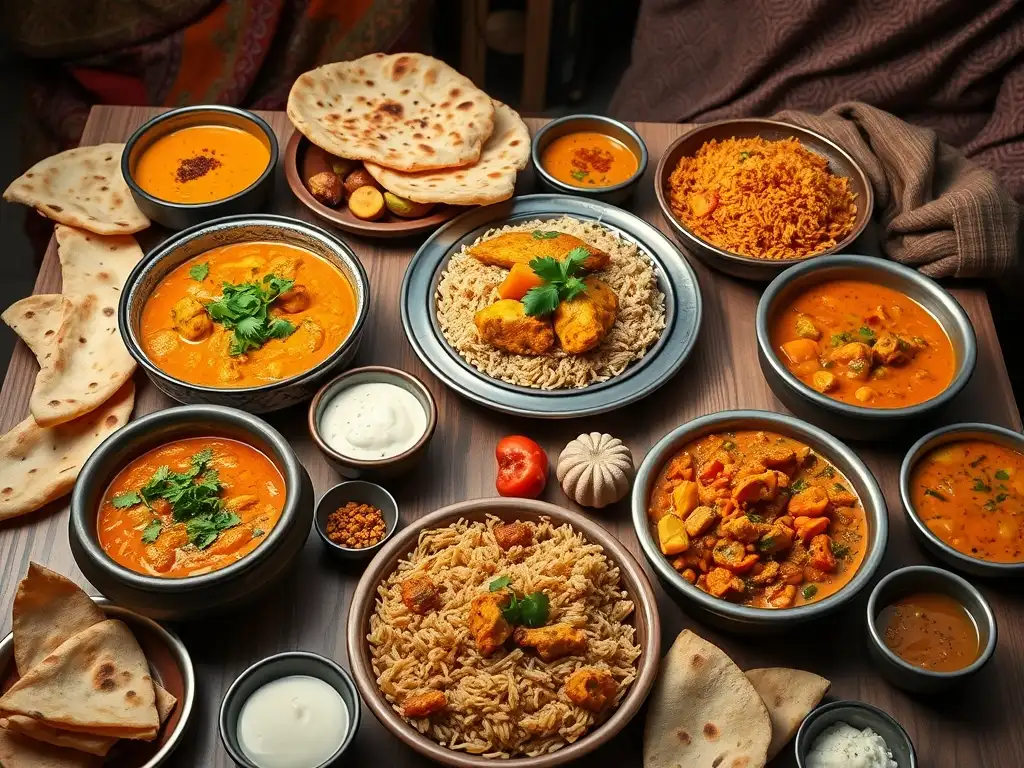
Welcome to Ancient India History, where we embark on a fascinating journey through the tapestry of time, unveiling the rich and diverse legacies of ancient Indian civilizations. In our latest exploration, we delve into the captivating world of Northern Indian culinary traditions, revealing how the flavors and techniques of the past have shaped contemporary cuisine. What secrets lie within the spices and dishes that have been passed down through generations? Join us as we uncover the influence of Northern Indian cuisine and its remarkable evolution through the ages—your taste buds will thank you!
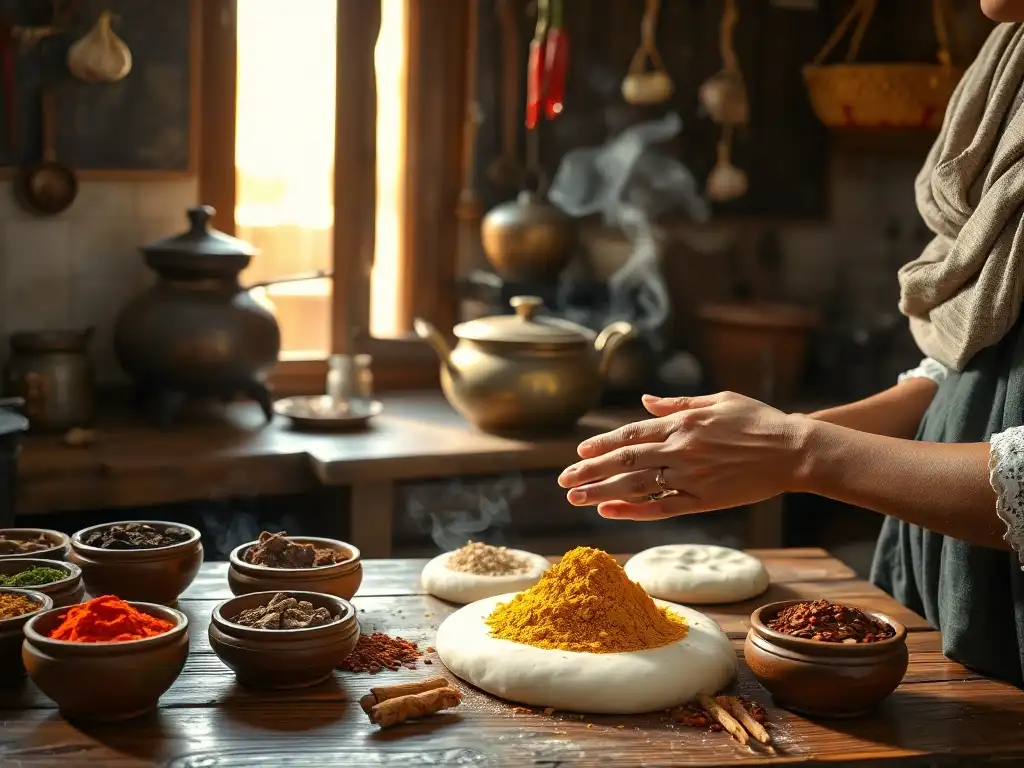
Introduction to Northern Indian Culinary Traditions
Northern Indian culinary traditions are a vibrant tapestry woven from the rich history, culture, and geographical diversity of the region. This area, known for its varied landscapes—from the towering Himalayas to fertile plains—has cultivated a unique gastronomic heritage that reflects the influences of various civilizations over the centuries.
The significance of Northern Indian culinary traditions extends beyond mere sustenance; it encompasses the very essence of social rituals, festivals, and communal gatherings that have shaped the fabric of society in ancient India. As we delve into the historical context of these traditions, we will uncover the myriad influences that have contributed to the evolution of Northern India's diverse cuisine.
Overview of Northern Indian Cuisine
Northern Indian cuisine is characterized by its use of a wide array of spices, herbs, and cooking techniques that vary from region to region. The predominant cooking methods include:
- Tandoori: A style of cooking in a clay oven that imparts a unique flavor to meats and breads.
- Braising and Stewing: Commonly used for preparing rich, flavorful dishes like curries and dals.
- Frying: Often used for snacks and street food, providing a crispy texture to various dishes.
Key ingredients frequently found in Northern Indian recipes include:
- Grains: Wheat (used in making rotis and naan) and rice (served with curries).
- Dairy: Ghee, yogurt, and paneer, which add richness to the cuisine.
- Legumes: Lentils and beans, which are staples in many dishes.
Through this intricate blend of flavors and techniques, Northern Indian cuisine has become a significant aspect of the region's cultural identity.
Importance of Culinary Traditions in Ancient India
Culinary traditions in ancient India were not merely about food; they played a crucial role in cultural and social practices. Meals were often prepared for significant occasions, symbolizing abundance and hospitality. The sharing of food fostered community bonds and reinforced social structures, making culinary practices integral to the fabric of ancient Indian society. Moreover, food customs varied across different regions and communities, showcasing the diversity within the broader culinary landscape of India.
Historical Context of Northern Indian Culinary Traditions
Understanding the historical context of Northern Indian culinary traditions requires a closer examination of the various influences that have shaped its evolution over time. The region's rich history can be divided into several key periods, each contributing to the development of its unique culinary identity.
Ancient Influences on Northern Indian Cuisine
The origins of Northern Indian cuisine can be traced back to the Indus Valley Civilization, where early agricultural practices laid the groundwork for a diverse culinary culture. Archaeological findings suggest an early use of grains, legumes, and various cooking methods. As trade routes expanded, culinary influences from neighboring regions, such as Persia and Central Asia, began to permeate Northern Indian kitchens. The introduction of new ingredients, spices, and cooking techniques enriched the local cuisine, leading to the fusion of flavors that characterize Northern Indian dishes today.
Key Historical Periods Impacting Culinary Traditions
Several significant historical periods have profoundly impacted Northern Indian culinary traditions:
- Mauryan Empire (322–185 BCE): This era marked the unification of Northern India, facilitating the exchange of culinary practices across regions.
- Gupta Period (circa 240–550 CE): Known as the Golden Age of India, this period saw advancements in agriculture and trade, further diversifying the cuisine.
- Medieval Period: The arrival of the Mughals introduced new cooking techniques and dishes, such as biryanis and kebabs, which remain essential to Northern Indian cuisine today.
Through these historical lenses, we can appreciate how Northern Indian culinary traditions have been continually shaped by a blend of indigenous practices and external influences, resulting in a rich and diverse gastronomic heritage that endures to this day.
Regional Variations in Northern Indian Cuisine
Northern Indian cuisine is a mosaic of flavors and ingredients influenced by the diverse ethnic groups, climates, and historical events that have shaped the region. Each state within Northern India boasts its own culinary identity, showcasing unique dishes and cooking methods. For instance, the cuisine of Punjab is known for its hearty dishes like Sarson da Saag and Makki di Roti, reflecting the agriculture of the region with an abundance of mustard greens and maize. In contrast, the cuisine of Uttar Pradesh is marked by its Mughlai influences, featuring rich, aromatic dishes such as Biryani and Kebabs.
The mountainous regions of Himachal Pradesh and Uttarakhand offer a different perspective with their reliance on local produce, dairy, and meats. Dishes such as Chana Madra and Siddu represent the flavors of the highlands, emphasizing the use of fresh ingredients. Additionally, the cuisine of Jammu and Kashmir is characterized by its use of saffron and dry fruits, with dishes like Rogan Josh and Yakhni that highlight the region’s rich heritage. Each of these variations reflects the local culture and traditions, making Northern Indian cuisine a vivid representation of its diverse landscape.
The Diverse Flavors of Northern India
The flavors of Northern Indian cuisine are as varied as its regional influences. The interplay of sweet, sour, spicy, and savory is a hallmark of this culinary tradition. Northern Indian dishes often incorporate both fresh and dried ingredients, allowing for a complex layering of flavors. For example, the use of tamarind adds a tangy twist to many dishes, while jaggery lends sweetness that balances spiciness.
Moreover, Northern Indian cuisine places a strong emphasis on seasonality and locality, which means that the flavors can change dramatically throughout the year. During the winter months, dishes tend to be richer and warmer, featuring ingredients like ghee and nuts, while summer recipes often include refreshing elements such as yogurt and cucumber. This adaptability not only enhances the taste but also reflects the agricultural practices and seasonal offerings of the region.
Key Ingredients in Northern Indian Culinary Traditions
At the heart of Northern Indian culinary traditions lie several key ingredients that define its unique flavors and textures. These ingredients are not only staples in everyday cooking but also reflect the agricultural richness of the region.
Staple Grains and Legumes in Northern Indian Cuisine
Grains and legumes are foundational to Northern Indian cooking. Wheat is the predominant grain, commonly used to make roti, paratha, and naan, which serve as essential accompaniments to many dishes. In contrast, rice is more prevalent in certain areas, particularly in the eastern parts, where dishes like Pulao and Biryani are enjoyed.
Legumes, such as lentils (dal) and chickpeas, are crucial for their nutritional value and versatility. Dishes like Dal Makhani and Chole showcase the rich flavors that can emerge from these humble ingredients. The practice of combining grains and legumes not only enhances the nutritional profile of meals but also reflects the cultural importance of vegetarianism in many Northern Indian communities.
Spices and Herbs That Define Northern Indian Dishes
The use of spices and herbs is what truly distinguishes Northern Indian cuisine. A well-stocked spice rack is essential for crafting authentic dishes. Common spices include cumin, coriander, turmeric, and garam masala, each contributing unique aromas and flavors. For instance, garam masala is a blend of spices often added towards the end of cooking to infuse warmth and depth into dishes.
Fresh herbs, particularly cilantro and mint, are also vital, used not just as garnishes but as integral components of many recipes. The careful balancing of these spices and herbs is key to achieving the rich, layered flavors characteristic of Northern Indian cuisine.
Dairy Products: The Role of Milk and Yogurt
Dairy products play a significant role in Northern Indian culinary traditions, adding creaminess and depth to many dishes. Milk, yogurt, and paneer (Indian cottage cheese) are commonly used in cooking. Yogurt is often served as a side dish or used in marinades, such as in Tandoori Chicken, where it helps tenderize the meat while imparting flavor.
Paneer is a versatile ingredient featured in various preparations, from Palak Paneer to Paneer Tikka, offering a rich source of protein for vegetarian diets. Additionally, ghee (clarified butter) is a staple fat used for frying and flavoring, providing a distinct richness to dishes. The incorporation of these dairy products not only enhances the taste but also reflects the pastoral traditions of Northern India, where dairy farming has been a significant part of the culture for centuries.
Cooking Techniques and Methods in Northern Indian Cuisine
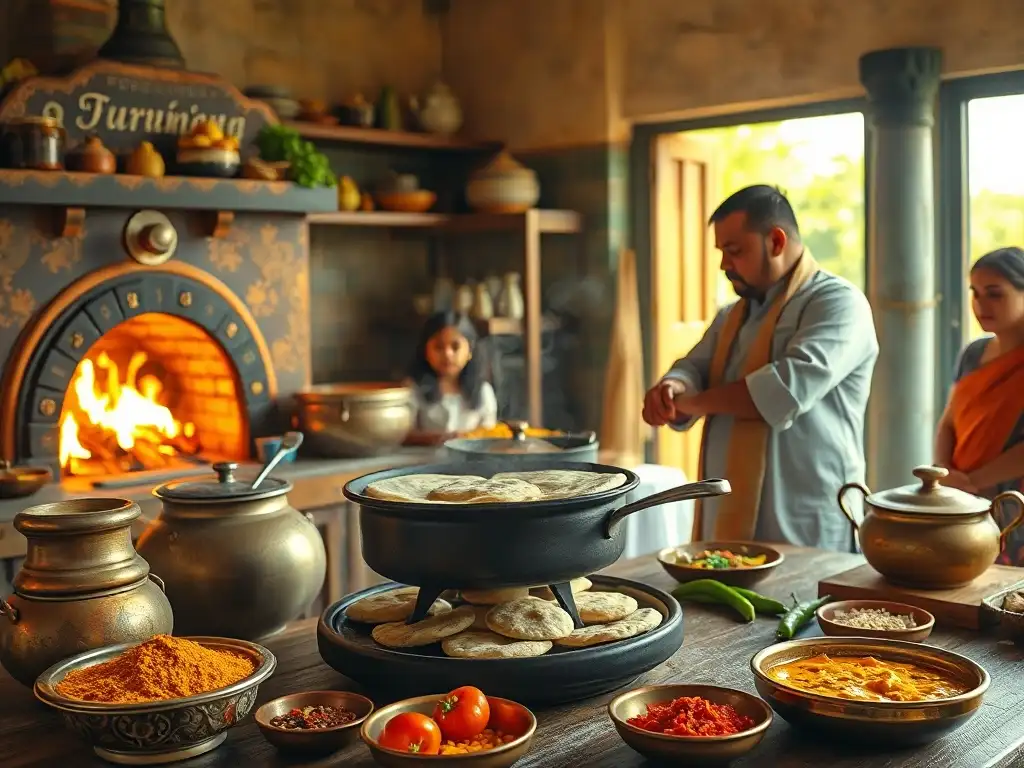
Northern Indian culinary traditions are characterized by a diverse array of cooking techniques and methods that have evolved over centuries. The region's cuisine reflects a rich tapestry of cultural influences, local ingredients, and historical factors. Cooking methods such as frying, steaming, and slow-cooking are prevalent, each contributing unique flavors and textures to the dishes.
One of the hallmark techniques in Northern Indian cuisine is the use of the tandoor, a traditional clay oven that imparts a distinct smokiness and char to various foods. This method is particularly celebrated for its role in preparing bread, meats, and vegetables, allowing for a unique cooking experience that enhances the flavor profile of the dishes. Additionally, methods like dum cooking—a slow-cooking technique that involves sealing the pot with dough—are widely used to prepare biryanis and other rice dishes, allowing the ingredients to meld together beautifully.
Traditional Cooking Methods: Tandoor and Dum Cooking
The tandoor is one of the most iconic cooking methods associated with Northern Indian cuisine. Originating from Central Asia, this cylindrical clay oven is heated with charcoal or wood, creating an intense heat that cooks food quickly and evenly. This method is ideal for preparing naan (leavened bread), roti (unleavened bread), and marinated meats, such as tandoori chicken. The high temperature of the tandoor creates a unique texture, resulting in a crispy exterior and tender interior, while the smoky flavor enhances the overall taste of the dish.
Dum cooking is another fundamental technique in Northern Indian culinary traditions. This method involves cooking food slowly in its own juices, often with the pot sealed tightly to trap steam. This technique is commonly used in the preparation of biryani, a fragrant rice dish layered with marinated meat and aromatic spices. The slow cooking process allows the flavors to develop deeply, resulting in a rich and complex dish that is a staple in many Northern Indian households.
Influence of Heat and Smoke in Flavor Development
Heat and smoke play pivotal roles in shaping the flavors of Northern Indian cuisine. The use of high heat in the tandoor not only cooks the food rapidly but also caramelizes sugars and browns proteins, enhancing the dish's overall flavor. The charring that occurs during this process adds a layer of smokiness that is highly sought after, creating a distinctive taste that is synonymous with Northern Indian cooking.
Furthermore, the infusion of smoky flavors is not limited to the tandoor. Techniques like smoked spices and the use of charcoal in marinades also contribute to the depth of flavor in many dishes. For instance, the practice of dhungar, where a small piece of charcoal is set on fire and placed in a covered dish with ghee and spices, allows the smoke to penetrate and flavor the food. This technique is commonly used in dishes like dal makhani, enhancing its richness and complexity.
Festivals and Their Impact on Northern Indian Culinary Traditions
Festivals in Northern India are vibrant celebrations marked by communal gatherings, rituals, and, importantly, an abundance of food. Each festival comes with its unique culinary traditions that highlight the region's rich heritage and diversity. Food plays a central role in these festivities, serving not only as nourishment but also as a means of expressing cultural identity and community bonding.
Dishes prepared during festivals often carry symbolic meanings and reflect the seasonal availability of ingredients. For instance, certain sweets might be made to celebrate harvest festivals, while specific savory items may be reserved for religious observances. These culinary practices are passed down through generations, ensuring that traditions remain alive and continue to evolve.
Major Festivals Celebrated in Northern India
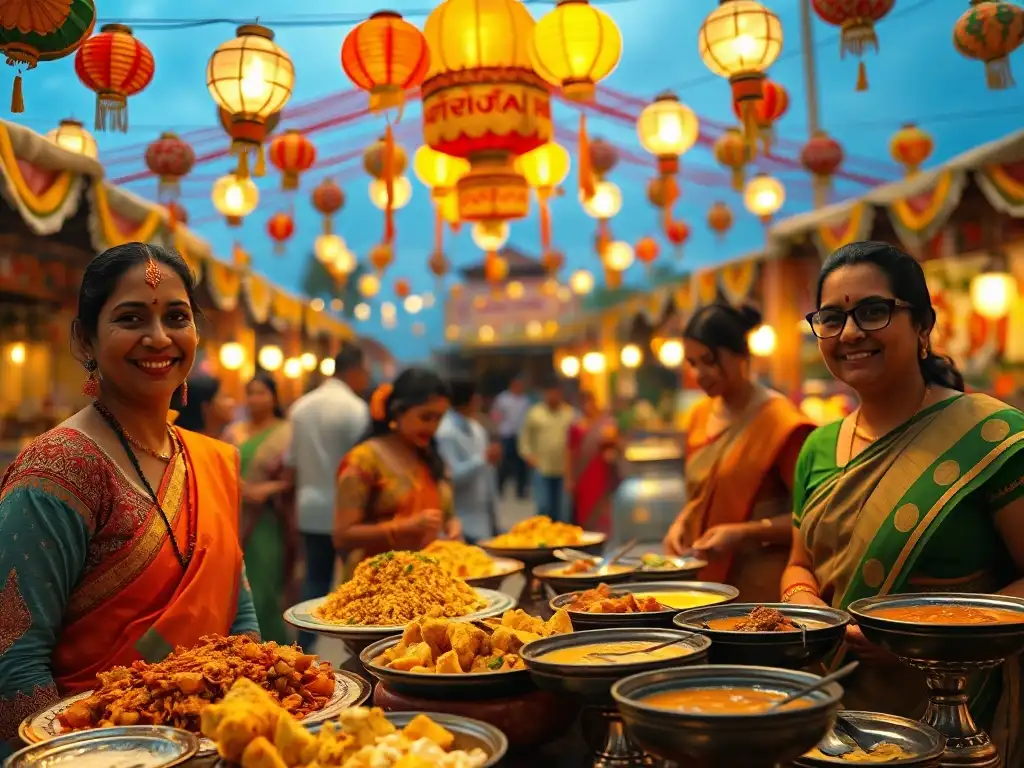
Northern India is home to a myriad of festivals, each with its distinctive culinary delights. Some of the major festivals include:
- Diwali: The festival of lights celebrated with sweets like gulab jamun and barfi, along with savory snacks such as samosas and kachoris.
- Holi: Known as the festival of colors, it features festive foods like gujiya (stuffed sweets) and thandai (a traditional drink).
- Eid: Marked by the preparation of rich meat dishes such as biryani and kebabs, along with a variety of sweets.
- Navratri: Celebrated with fasting foods like sabudana khichdi and kuttu ki puri, emphasizing vegetarian dishes that vary by day.
These festivals not only showcase the culinary traditions of Northern India but also highlight the region's cultural richness, fostering a sense of community and shared heritage.
Modern Influences on Northern Indian Culinary Traditions
Northern Indian culinary traditions have evolved significantly over the years, influenced by numerous factors including migration, trade, and globalization. In modern times, these influences have led to a dynamic culinary landscape that blends traditional recipes with contemporary practices. Chefs and home cooks alike are experimenting with local ingredients while incorporating global techniques and flavors, creating a vibrant fusion that reflects a broader cultural exchange. This ongoing evolution not only preserves ancient practices but also adapts them to suit modern palates and lifestyles.
The Impact of Globalization on Northern Indian Cuisine
Globalization has had a profound impact on Northern Indian cuisine, facilitating the exchange of culinary ideas and ingredients across borders. As a result, Northern Indian dishes are now often prepared with international influences that were once absent. For instance, the introduction of ingredients such as quinoa and avocado has led to innovative adaptations of traditional recipes, such as adding quinoa to pulao or creating avocado raita.
Moreover, the proliferation of Indian restaurants worldwide has sparked interest in authentic Northern Indian dishes, prompting chefs to maintain traditional cooking methods while incorporating contemporary presentation styles. The rise of social media has also allowed for a broader sharing of these culinary experiences, enabling cross-cultural culinary practices to flourish.
Fusion Foods: Blending Traditional and Contemporary Flavors
Fusion cuisine has become a hallmark of modern Northern Indian culinary traditions, where chefs are creatively merging traditional recipes with influences from various global cuisines. Dishes like butter chicken tacos or paneer tikka pizzas exemplify this trend, fusing beloved Indian flavors with popular international formats. This culinary fusion is not only appealing to a diverse audience but also reflects the adaptability and resilience of Northern Indian cuisine.
The blending of flavors often leads to unique culinary experiences that cater to the evolving tastes of diners, making traditional dishes more accessible. Additionally, these innovations encourage younger generations to engage with their culinary heritage, ensuring that the essence of Northern Indian flavors remains relevant in a rapidly changing food landscape.
Conclusion: The Enduring Legacy of Northern Indian Culinary Traditions
The enduring legacy of Northern Indian culinary traditions is a testament to the region's rich history and cultural diversity. From ancient recipes passed down through generations to contemporary adaptations, the cuisine continues to evolve while maintaining its core essence. The balance between tradition and innovation ensures that these culinary practices remain vibrant and relevant in today's global context.
Preservation of Culinary Heritage in Northern India
Efforts to preserve Northern India's culinary heritage are crucial in maintaining the authenticity of its traditional dishes. Various organizations and culinary enthusiasts are working to document and promote classic recipes, as well as the stories behind them. Initiatives such as food festivals, workshops, and cooking classes aim to educate the younger generation about the significance of their culinary roots.
Furthermore, local communities play a vital role in preserving regional specialties, often celebrating their unique flavors through family gatherings and cultural events. By fostering an appreciation for traditional cooking methods, these efforts help ensure that Northern Indian culinary traditions continue to thrive in the face of modern influences.
Future of Northern Indian Culinary Traditions in a Global Context
Looking ahead, the future of Northern Indian culinary traditions appears promising, as globalization continues to shape the food landscape. The integration of new ingredients and cooking techniques will likely result in further innovation while still honoring traditional practices. As more people around the world become aware of the rich flavors and cultural significance of Northern Indian cuisine, its popularity is expected to grow.
Additionally, the rise of sustainable and ethical eating practices may encourage a return to local sourcing of ingredients and a renewed focus on traditional cooking methods. By embracing both innovation and heritage, Northern Indian cuisine is poised to not only endure but also flourish in a global context, continuing to captivate palates and inspire culinary creativity for generations to come.
- Introduction to Northern Indian Culinary Traditions
- Historical Context of Northern Indian Culinary Traditions
- Regional Variations in Northern Indian Cuisine
- Key Ingredients in Northern Indian Culinary Traditions
- Cooking Techniques and Methods in Northern Indian Cuisine
- Traditional Cooking Methods: Tandoor and Dum Cooking
- Influence of Heat and Smoke in Flavor Development
- Festivals and Their Impact on Northern Indian Culinary Traditions
- Major Festivals Celebrated in Northern India
- Modern Influences on Northern Indian Culinary Traditions
- Conclusion: The Enduring Legacy of Northern Indian Culinary Traditions
- What are the main features of Northern Indian culinary traditions?
- How have historical events influenced Northern Indian cuisine?
- What role do spices play in Northern Indian culinary traditions?
- Can you name some traditional dishes from Northern Indian cuisine?
- How have Northern Indian culinary traditions evolved over time?
Frequently Asked Questions
What are the main features of Northern Indian culinary traditions?
Northern Indian culinary traditions are characterized by rich flavors, diverse spices, and the use of various cooking techniques. Dishes often incorporate ingredients like yogurt, lentils, and seasonal vegetables.
How have historical events influenced Northern Indian cuisine?
Historical events, such as Mughal invasions, brought new ingredients and cooking methods, thereby enriching Northern Indian cuisine. The fusion of local and Persian flavors created unique dishes that are still popular today.
What role do spices play in Northern Indian culinary traditions?
Spices are essential in Northern Indian cuisine, enhancing the flavor and aroma of dishes. Common spices include cumin, coriander, and turmeric, which not only add taste but also have health benefits.
Can you name some traditional dishes from Northern Indian cuisine?
Some iconic dishes include Biryani, Butter Chicken, Palak Paneer, and Dal Makhani. Each dish reflects the rich culinary heritage and regional variations of Northern India.
How have Northern Indian culinary traditions evolved over time?
Northern Indian culinary traditions have evolved through cultural exchanges, trade, and migration. Modern trends now integrate global influences while still preserving the essence of traditional cooking methods.
Final Reflection: The Enduring Legacy of Northern Indian Culinary Traditions
The exploration of Northern Indian culinary traditions reveals a rich tapestry of flavors and techniques that continue to resonate in today's global food landscape. As we navigate an increasingly interconnected world, the significance of these culinary practices becomes even more pronounced, serving not only as a means of sustenance but also as a bridge between cultures. The vibrant spices, diverse ingredients, and age-old recipes of Northern India are not just remnants of the past; they are living traditions that inspire contemporary chefs and home cooks alike.
The influence of Northern Indian cuisine extends far beyond the kitchen, shaping social interactions and cultural identities across the globe. From family gatherings centered around a hearty biryani to the communal joy of sharing a thali, these culinary traditions foster connections and create memories. As noted by food historian Madhur Jaffrey, Food is a way of bringing people together, transcending borders and cultures.
This sentiment underscores the importance of preserving and celebrating these culinary practices, as they play a vital role in our shared human experience.
As you reflect on the lessons embedded in Northern Indian culinary traditions, consider how you can incorporate these rich flavors and practices into your own life. Embrace the opportunity to explore new recipes, share meals with loved ones, and honor the cultural significance of the dishes you prepare. By doing so, you not only enrich your own culinary journey but also contribute to the ongoing legacy of these time-honored traditions, ensuring they continue to thrive for generations to come.
Savor the Richness of Northern Indian Cuisine!
Thank you for diving into the vibrant world of Northern Indian culinary traditions! We hope you’ve gained a deeper appreciation for the flavors and history that shape this region’s exquisite dishes. Now it’s time to take those insights and transform your culinary journey.
Here are a few ways you can embrace the legacy of these traditions:
- Explore a New Recipe: Choose a dish that piqued your interest and try your hand at preparing it at home. Let the spices and flavors transport you to Northern India!
- Share Your Experience: Capture and share your culinary adventure on social media. Connect with fellow food enthusiasts by tagging your posts with #NorthernIndianCuisine!
- Join a Cooking Class: Look for local cooking classes that specialize in Northern Indian dishes. Learning from skilled chefs can enhance your understanding and appreciation of this incredible cuisine.
As you embark on this flavorful journey, we invite you to ponder: Which Northern Indian dish are you most excited to try, and what story do you hope it will tell you?