
The Legacy of Ancient Indian Trade: Lessons for Today's Global Economy

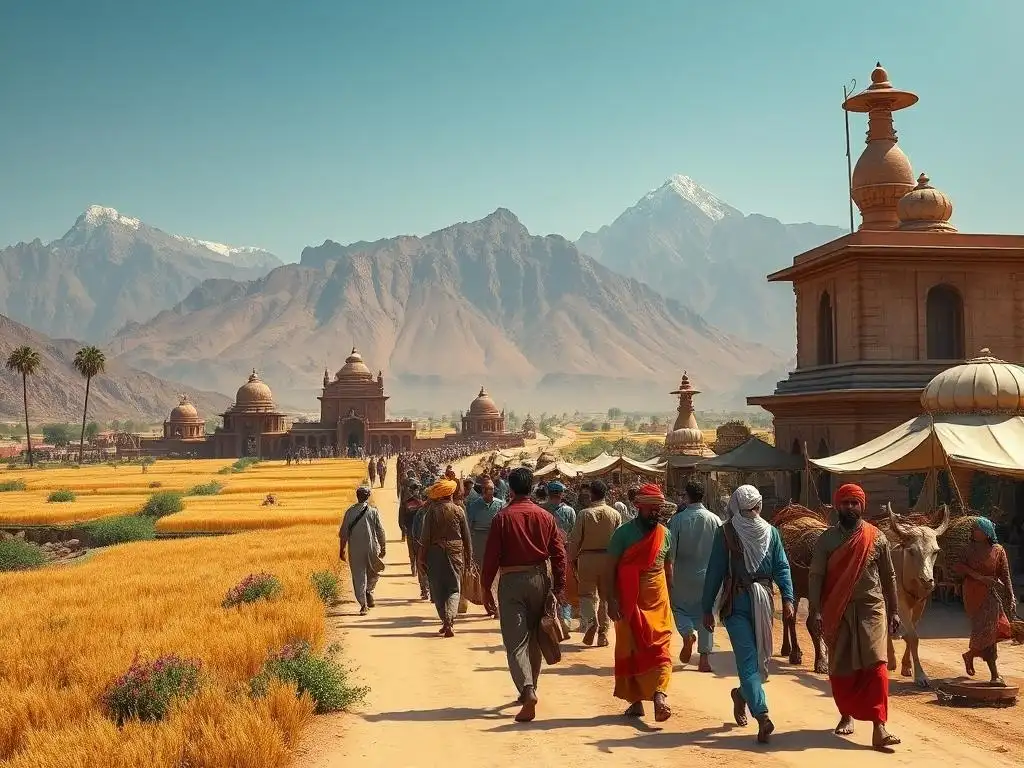
Welcome to Ancient India History, where we invite you to embark on a captivating journey through the rich tapestry of India's past. Delve into the intricate world of ancient Indian trade routes, a fascinating subject that not only shaped the civilization of its time but also offers valuable lessons for today’s global economy.
As you explore the legacies of trade that connected diverse cultures, prepare to uncover the remarkable stories and innovations that flourished along these pathways. Your adventure into the depths of ancient commerce begins here—let's discover together how the echoes of the past continue to resonate in our modern world!
Introduction to Ancient Indian Trade Routes
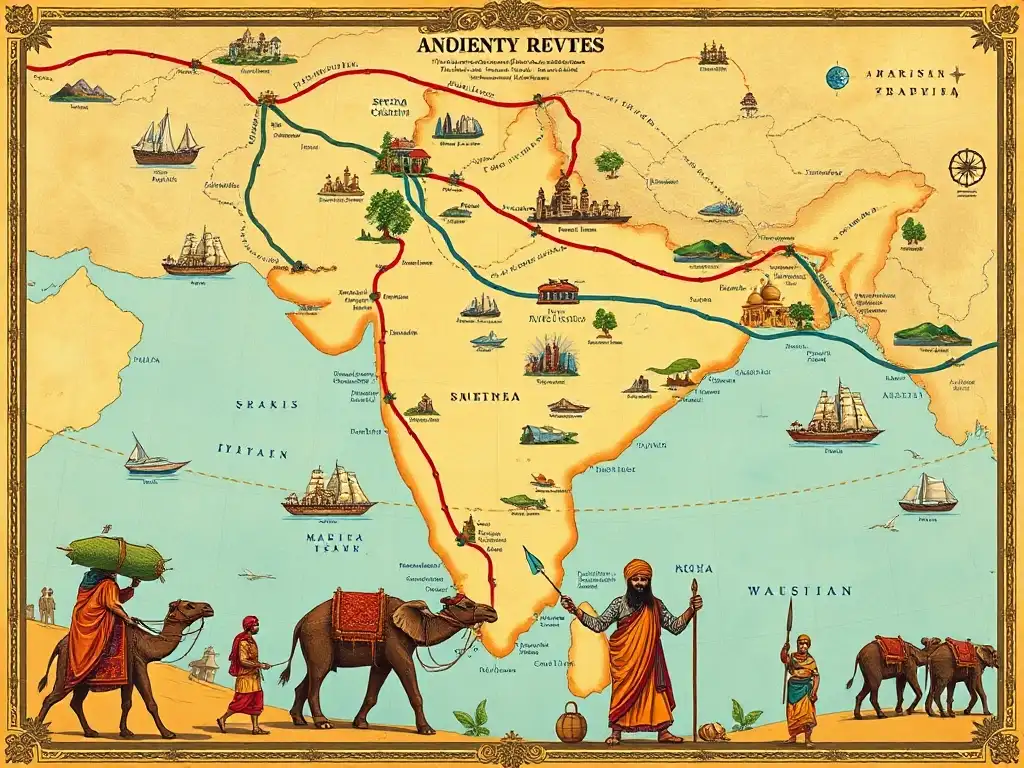
The intricate web of ancient Indian trade routes serves as a testament to the rich history and vibrant culture of India's past. From the bustling markets of the Indus Valley Civilization to the thriving trade networks established during the Gupta Empire, these routes not only facilitated the exchange of goods but also the sharing of ideas, cultures, and innovations across vast distances.
Understanding these trade routes is crucial for comprehending how ancient Indian civilizations flourished economically and culturally, and how their legacies continue to influence modern global trade practices. As we explore the fascinating world of ancient Indian trade, we uncover valuable lessons that resonate with today's global economy.
Overview of Ancient Indian Trade Routes
Ancient Indian trade routes were diverse and extensive, encompassing both land and maritime paths that connected India to various regions, including Central Asia, the Middle East, and beyond. These routes played a pivotal role in the movement of goods such as spices, textiles, and precious metals. Key trade centers emerged along these routes, where merchants exchanged not only commodities but also cultural and intellectual property.
- Land Routes: Primarily facilitated by the Silk Road, these routes crossed deserts and mountains, linking India with China, Persia, and the Mediterranean.
- Maritime Routes: Utilizing the Indian Ocean, these pathways enabled trade with distant lands, including Africa and Southeast Asia.
The strategic geographical location of India allowed it to become a central hub in these extensive networks, promoting economic prosperity and cultural exchange.
Importance of Trade in Ancient Indian Civilizations
Trade was a cornerstone of ancient Indian societies, shaping their economies and social structures. The prosperity derived from trade led to the growth of cities and the rise of powerful kingdoms. Additionally, trade fostered a spirit of innovation and craftsmanship, resulting in the production of exquisite goods that were highly sought after internationally.
- Economic Development: Trade stimulated agriculture, craftsmanship, and urbanization, leading to a robust economy.
- Cultural Exchange: Through trade, ideas, religions, and technologies were exchanged, enriching Indian society and contributing to its diversity.
The legacy of ancient Indian trade highlights its role as a critical driver of civilization, emphasizing the interconnectedness of societies long before the advent of modern globalization.
Major Trade Routes of Ancient India
The Silk Road and Its Influence on Indian Trade
The Silk Road stands out as one of the most significant trade routes in history, connecting the East and West. This network of interconnected trade paths facilitated not only the movement of silk but also a variety of other goods, including spices, precious stones, and textiles from India.
- Cultural Exchange: Along with goods, the Silk Road enabled the exchange of philosophies, religions (like Buddhism), and technologies, profoundly influencing Indian civilization.
- Economic Impact: The wealth generated from trade along the Silk Road contributed to the establishment of powerful empires in India, fostering an environment ripe for cultural and artistic achievements.
Maritime Trade Routes: Connecting India to the World
The maritime trade routes were equally crucial, as they allowed ancient Indian traders to engage in commerce across the Indian Ocean. This network connected India with regions such as Southeast Asia, Africa, and the Arabian Peninsula.
- Trade Goods: Spices, textiles, and ivory were among the primary exports from India, attracting merchants from far and wide.
- Cultural Interactions: These routes facilitated not only economic exchanges but also cultural interactions, leading to the spread of Indian culture and influence throughout the region.
Land Routes and Their Economic Significance
In addition to the maritime routes, land trade routes played a vital role in the economic landscape of ancient India. These routes connected India to the northern territories and beyond, facilitating the movement of goods and people.
- Regional Trade Centers: Key cities along these routes became thriving trade hubs, fostering economic activity and cultural exchange.
- Strategic Importance: The control of these land routes often determined the power dynamics among ancient kingdoms, underscoring their significance in the broader context of trade and economy.
The examination of these major trade routes reveals the extensive and sophisticated nature of ancient Indian trade networks, offering insights that remain relevant to contemporary economic frameworks.
Key Players in Ancient Indian Trade
The landscape of ancient Indian trade was characterized by a diverse array of players who contributed to the flourishing of commerce across the subcontinent and beyond. These key players included traders, merchant communities, and royal patrons, each of whom played a significant role in establishing the intricate web of trade routes that connected India to other civilizations.
Prominent Traders and Merchant Communities
Ancient India was home to several prominent trading communities, notably the Sresthins and Baniyas. The Sresthins were wealthy merchants, often engaged in large-scale trade, while the Baniyas were known for their involvement in finance and commerce. These communities not only traded goods but also facilitated credit and financial transactions, which were crucial for the expansion of trade networks.
Additionally, various guilds, such as the Shreshthas and Nagar Seths, emerged, organizing traders and ensuring the smooth flow of goods. These merchant communities established trade networks that extended from the bustling ports of the Indian Ocean to the markets of Central Asia, effectively integrating India into the global trading system.
The Role of Kings and Empires in Trade Expansion
The patronage of kings and empires was vital in the expansion of ancient Indian trade. Rulers such as those from the Maurya and Gupta dynasties implemented policies that promoted trade by ensuring the safety of trade routes, establishing fair taxation, and investing in infrastructure.
For instance, the Mauryan Empire, under Chandragupta Maurya and his grandson Ashoka, established a vast network of roads and ports, facilitating trade both overland and via maritime routes. The Gupta Empire further expanded trade by encouraging agricultural production and establishing trade relations with foreign kingdoms, thus enhancing economic prosperity and cultural exchanges.
Cultural Exchanges Facilitated by Trade
Trade in ancient India was not merely an economic activity; it was a significant channel for cultural exchange. As merchants traversed the bustling trade routes, they brought with them diverse ideas, customs, and technologies. This exchange enriched Indian society and also led to the spread of Indian culture abroad.
For example, the spread of Buddhism was closely linked to trade routes, as monks traveled alongside merchants, sharing their teachings in regions as far as Central Asia and China. Similarly, artistic influences exchanged through trade led to the evolution of various art forms, including the fusion of Indian motifs with those of Hellenistic cultures.
Economic Contributions of Ancient Indian Trade
The economic landscape of ancient India was profoundly shaped by its trade practices, which not only stimulated local economies but also positioned India as a key player in the ancient global market. The robust trade networks established during this period had lasting impacts on economic structures and practices.
The Impact of Trade on Ancient Indian Economy
Ancient Indian trade significantly contributed to the economy by enhancing agricultural productivity and industrial output. The demand for goods such as textiles and spices led to increased agricultural production, particularly in regions like Gujarat and Tamil Nadu, which were known for their rich farmland.
Moreover, trade stimulated urbanization, as cities became commercial hubs. Key trading cities like Taxila, Ujjain, and Kanchi emerged, showcasing advanced infrastructure, markets, and a concentration of artisans and traders, thereby fostering economic growth and development.
Trade Goods: Spices, Textiles, and More
The ancient Indian economy was diverse, with a variety of goods traded both locally and internationally. Among the most sought-after commodities were spices, such as black pepper and cardamom, which were highly valued in markets across Asia and Europe.
Textiles, particularly cotton and silk, also played a crucial role in trade. Indian fabrics were renowned for their quality and artistry, leading to significant exports. Other notable trade goods included precious stones, metals, and agricultural products like rice and pulses. The trade of these goods not only enriched the economy but also established India as a cultural and commercial center.
The Influence of Ancient Trade on Global Markets
The legacy of ancient Indian trade extends beyond its borders, influencing global markets in ways that are still relevant today. The establishment of trade routes, such as the Silk Road and maritime paths across the Indian Ocean, facilitated not just the exchange of goods but also the movement of ideas and technologies.
This interconnectedness helped shape early globalization, with Indian innovations in mathematics, astronomy, and medicine being transmitted to other cultures. The demand for Indian goods spurred economic growth and led to the development of trade practices that laid the groundwork for modern commerce. By understanding these ancient trade dynamics, contemporary economies can glean valuable insights into trade relationships and cultural exchanges that continue to shape our world.
Lessons from Ancient Indian Trade for Today’s Global Economy
Ancient Indian trade routes were not just pathways for goods; they were conduits of culture, ideas, and technology. The legacy of these trade networks offers invaluable lessons for today's global economy. By analyzing the practices and principles that governed ancient trade, modern economies can glean insights into sustainable practices, cultural exchange, and resilience against disruptions.
Sustainable Trade Practices from Ancient India
The trade practices of ancient India were characterized by sustainability and mutual benefit. Merchants often prioritized local resources and goods, ensuring that trade did not deplete natural assets. The use of barter systems and local currencies promoted economic stability and minimized the impact of inflation.
Moreover, ancient Indian traders often engaged in responsible sourcing, selecting products that were abundant and did not harm the environment. For instance, the trade of spices and textiles was done in a manner that maintained ecological balance. In today's context, businesses can adopt these sustainable practices by focusing on ethical sourcing and local partnerships, thus aligning with the global shift towards sustainability.
The Importance of Cultural Exchange in Modern Trade
Cultural exchange was a hallmark of ancient Indian trade, evident in the interactions between diverse civilizations along trade routes. This exchange fostered innovation and creativity, leading to the spread of philosophies, arts, and technologies.
In today's global economy, cultural exchange remains crucial. Companies that embrace diversity and intercultural collaboration can tap into new markets, enhance creativity, and improve their products and services. By learning from the historical interactions between traders of different backgrounds, modern businesses can cultivate inclusive environments that promote innovative solutions and broaden their reach.
Adapting Ancient Trade Routes for Contemporary Economic Needs
Ancient trade routes, such as the Silk Road and the Spice Route, were pivotal in connecting various regions. These pathways not only facilitated the exchange of goods but also allowed for the transmission of ideas and technologies.
In the contemporary context, there is potential to adapt these ancient routes to modern infrastructure. By revitalizing old trade paths and integrating them with current logistics and technology, nations can enhance trade efficiency. For instance, initiatives to develop infrastructure that mirrors ancient routes could encourage regional cooperation and economic growth, reflecting the interconnectedness that characterized ancient trade networks.
Challenges Faced by Ancient Indian Trade
Despite the success of ancient Indian trade, it was not without its challenges. Understanding these obstacles provides key insights into the complexities of trade dynamics.
Geographic and Political Challenges
Geographic barriers played a significant role in limiting trade. The rugged terrain of the Himalayas, vast deserts, and dense forests posed logistical challenges for traders. Additionally, political instability in regions along trade routes often disrupted commerce.
Ancient India faced invasions and empires that altered trade dynamics, leading to fluctuations in trade volume and routes. Today, businesses must navigate similar geographic and political challenges, emphasizing the need for strategic planning and risk management in global trade operations.
The Impact of External Influences on Trade Dynamics
External influences, including foreign invasions and changing empires, significantly impacted ancient Indian trade. These shifts not only affected trade routes but also altered the flow of goods and cultural exchanges.
For instance, the arrival of the Greeks and later the Romans introduced new goods and trading practices, which transformed existing trade dynamics. Modern economies face external influences as well, from global market trends to geopolitical conflicts. The ability to adapt and respond to these external factors is essential for sustaining trade relationships and economic growth.
Lessons Learned from Trade Disruptions in History
Trade disruptions in ancient India, caused by natural disasters, political upheavals, or external invasions, offer important lessons for contemporary economies. Ancient traders often developed contingency plans and diversified their trade routes to mitigate risks.
In today's context, businesses can learn from these historical disruptions by adopting flexible supply chain strategies and building resilience into their operations. By creating robust risk management frameworks and exploring alternative markets, modern enterprises can better prepare for uncertainties that may threaten trade continuity.
Conclusion: The Enduring Legacy of Ancient Indian Trade Routes
The ancient Indian trade routes, spanning from the Indus Valley to the realms of the Gupta Empire, played a pivotal role in shaping not only the economy of ancient India but also the cultural and social fabric of the region. These routes facilitated the exchange of goods, ideas, and cultures, promoting a sense of interconnectedness that transcended geographical boundaries. As we reflect on the legacy of these trade routes, it becomes evident that their influence extends far beyond the past, offering valuable lessons for contemporary global trade dynamics.
Reflection on the Historical Importance of Trade
Trade in ancient India was not merely a means of economic sustenance; it was a catalyst for cultural exchange and technological advancement. The bustling trade routes, such as the Silk Road and the Spice Route, served as conduits for precious commodities like silk, spices, textiles, and gems. These routes fostered interactions between diverse civilizations, including the Greeks, Persians, and Chinese, leading to the dissemination of knowledge, art, and philosophy.
Moreover, the establishment of sophisticated trading networks necessitated the development of advanced navigation techniques and trade practices, which laid the groundwork for modern commercial systems. Historical texts, such as the Arthashastra by Kautilya, highlight the significance of trade policies and governance in enhancing economic prosperity, illustrating how ancient trade practices continue to inform contemporary economic strategies.
The Relevance of Ancient Trade Routes in Today's Global Context
In today's globalized economy, the principles and practices derived from ancient Indian trade routes remain remarkably relevant. The interplay of supply and demand, the significance of trade partnerships, and the importance of cultural understanding echo the dynamics of modern trade. As countries navigate the complexities of international trade agreements and tariffs, the lessons learned from ancient trade can inform strategies that prioritize collaboration over competition.
Furthermore, the revival of the Silk Road through initiatives like China's Belt and Road Initiative underscores the ongoing importance of trade routes in fostering economic connectivity. By understanding the historical context of these networks, modern traders and policymakers can leverage the established routes to enhance global trade relationships, addressing contemporary challenges such as supply chain disruptions and market accessibility.
Final Thoughts on Learning from the Past for Future Trade Success
As we contemplate the enduring legacy of ancient Indian trade routes, it is crucial to recognize the wealth of knowledge embedded in their history. By examining the successes and failures of these routes, current and future generations can glean insights into sustainable trade practices, ethical business conduct, and the importance of cultural exchange.
In essence, the legacy of ancient Indian trade routes is a testament to the power of collaboration and innovation in overcoming challenges. As we strive for a more interconnected and resilient global economy, embracing the lessons from the past will undoubtedly guide us toward achieving sustainable growth and prosperity in the future. The harmonious blend of commerce and culture that characterized ancient Indian trade serves as an enduring reminder of the potential for trade to foster mutual understanding and cooperation in our increasingly complex world.
- Introduction to Ancient Indian Trade Routes
- Major Trade Routes of Ancient India
- Key Players in Ancient Indian Trade
- Economic Contributions of Ancient Indian Trade
- Lessons from Ancient Indian Trade for Today’s Global Economy
- Challenges Faced by Ancient Indian Trade
- Conclusion: The Enduring Legacy of Ancient Indian Trade Routes
Frequently Asked Questions
What were the main ancient Indian trade routes?
The ancient Indian trade routes included the Silk Road and the Maritime Spice Route, facilitating trade with regions such as China, Rome, and Southeast Asia.
How did ancient Indian trade routes impact culture?
These routes allowed for the exchange of not only goods but also ideas, religions, and cultural practices, enriching the diverse cultures along the routes.
What goods were commonly traded on these routes?
Spices, textiles, metals, and jewelry were among the most sought-after commodities, showcasing the rich resources of ancient India.
How did trade contribute to the rise of ancient Indian empires?
The wealth generated from trade led to the growth of powerful empires, such as the Maurya and Gupta Empires, which thrived on commerce and cultural exchange.
What lessons can modern economies learn from ancient Indian trade?
Modern economies can learn the importance of diversification, cultural exchange, and sustainable practices from the historical trade networks that thrived in ancient India.
Final Reflection: Embracing the Wisdom of Ancient Indian Trade Routes
The lessons from ancient Indian trade routes are not just historical footnotes; they are vital insights for navigating today's global economy. As we face unprecedented challenges in trade and commerce, understanding the interconnectedness and resilience of these ancient pathways can inspire innovative solutions for modern economic dilemmas. The legacy of these routes reminds us that collaboration and cultural exchange are essential for prosperity in an increasingly globalized world.
The influence of ancient Indian trade extends beyond mere commerce; it has shaped cultural identities, fostered diplomacy, and created a rich tapestry of shared human experience. The values of cooperation and mutual respect that emerged from these trade interactions continue to resonate in our contemporary society. As Mahatma Gandhi once said, "> The best way to find yourself is to lose yourself in the service of others." This sentiment echoes the spirit of ancient trade, where the exchange of goods was also an exchange of ideas, fostering understanding and unity among diverse cultures.
As we reflect on the lessons from ancient Indian trade routes, I invite you to consider how you can apply these principles in your own life. How can you foster connections and collaborations in your community or workplace? Embrace the spirit of exchange, whether through sharing knowledge, supporting local businesses, or engaging in cultural dialogues. By doing so, we can honor the legacy of those who came before us and contribute to a more interconnected and harmonious future.
Unlock the Secrets of Ancient Trade for Modern Success!
Thank you for taking the time to explore the rich legacy of ancient Indian trade! We hope you found invaluable insights that can guide your understanding of today's global economy. Now it's time to act on these lessons and apply their wisdom to your own journey.
Here are some steps you can take to further your exploration:
- Dive deeper into the history of trade routes that shaped civilizations by visiting your local library or researching online.
- Engage with our community by sharing your thoughts on how ancient trade practices can inspire today’s businesses.
- Consider starting a blog or a discussion group focused on economic lessons from history and their relevance to contemporary business challenges.
What aspects of ancient trade do you think are most relevant for today's businesses? We’d love to hear your thoughts!