
Decoding Ancient Inscriptions: Techniques to Interpret Historical Texts

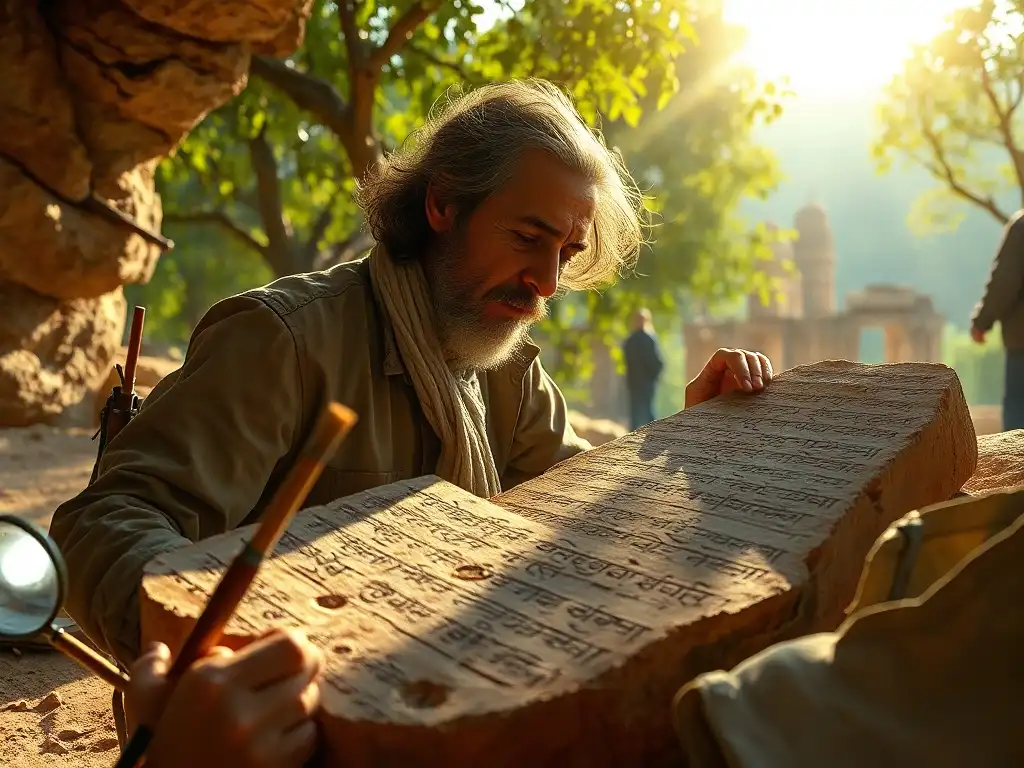
Welcome to Ancient India History, where we embark on a fascinating journey through time to unveil the rich tapestry of ancient Indian civilizations. In our featured article, Decoding Ancient Inscriptions: Techniques to Interpret Historical Texts, we delve into the art and science of decoding ancient Indian inscriptions—a key that unlocks the secrets of our past.
Join us as we explore the techniques that historians and epigraphists use to bring these captivating texts to life, offering insights into the culture, beliefs, and innovations of a civilization that has shaped the world. Prepare to be intrigued and inspired as you navigate the depths of India’s historical legacy!
-
Decoding Ancient Indian Inscriptions: Techniques to Interpret Historical Texts
- Introduction to Ancient Indian Inscriptions
- Understanding the Basics of Inscriptions
- Key Techniques for Decoding Ancient Indian Inscriptions
- Tools and Technologies in Decoding Inscriptions
- Challenges in Decoding Ancient Inscriptions
- Case Studies: Successful Decoding of Historical Texts
- Future Directions in the Study of Ancient Inscriptions
- Conclusion: The Importance of Decoding Ancient Indian Inscriptions
- References
- Frequently Asked Questions
- Final Reflection: Unlocking the Wisdom of the Past
- Unleash Your Curiosity: Dive into Ancient Texts!
Decoding Ancient Indian Inscriptions: Techniques to Interpret Historical Texts
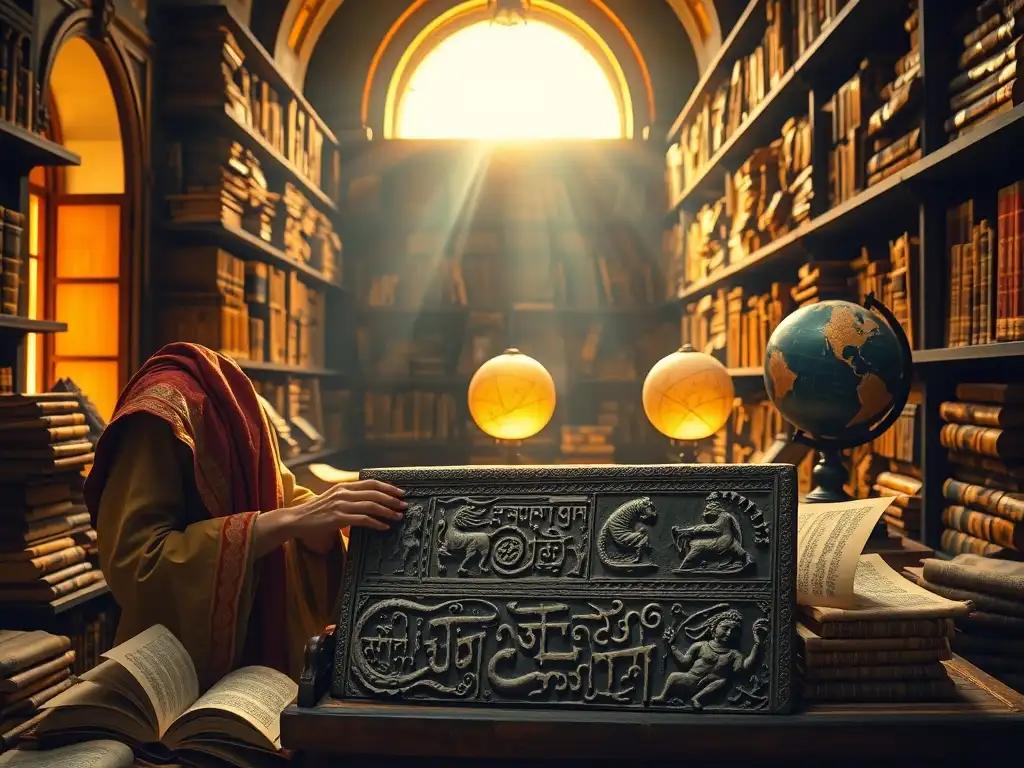
Decoding ancient Indian inscriptions is a fascinating endeavor that opens a window into the rich tapestry of India's past. These inscriptions, etched in stone, metal, and clay, serve as enduring records of time, encapsulating the thoughts, beliefs, and administrative practices of ancient civilizations.
From the enigmatic symbols of the Indus Valley to the eloquent proclamations of the Mauryan and Gupta empires, the study of these texts not only enhances our understanding of historical narratives but also reveals the cultural and linguistic evolution that characterized ancient India. This article delves into the techniques used to interpret these inscriptions, shedding light on their significance and the methodologies that scholars employ in this intricate field of study.
Introduction to Ancient Indian Inscriptions
Ancient Indian inscriptions are invaluable artifacts that provide insights into the socio-political and cultural dimensions of bygone eras. These inscriptions range from royal edicts to religious texts, each offering a unique perspective on the civilization that produced them. Understanding these inscriptions is crucial for historians, linguists, and archaeologists alike, as they help reconstruct the past and contribute to the broader narrative of human history.
Significance of Decoding Ancient Inscriptions
Decoding ancient inscriptions is essential for several reasons:
- Historical Insight: They provide direct evidence of historical events, rulers, and societal norms.
- Cultural Understanding: Inscriptions reveal the values, beliefs, and practices of ancient societies, reflecting their worldview and cultural richness.
- Linguistic Evolution: The study of inscriptions helps trace the development of languages and scripts in ancient India, highlighting the linguistic diversity and interactions among various communities.
Inscriptions are the voices of the past, echoing the thoughts and aspirations of ancient civilizations.
Overview of Historical Context in Indian Epigraphy
The field of epigraphy in India has a rich history that spans thousands of years. From the early seals of the Indus Valley Civilization to the ornate inscriptions of the Gupta period, each era has its distinctive features. Key historical milestones include:
- Indus Valley Civilization (c. 3300–1300 BCE): The earliest known inscriptions, often indecipherable, hint at a complex society.
- Mauryan Empire (c. 322–185 BCE): The Edicts of Ashoka are significant for their moral and philosophical content, showcasing early Indian governance.
- Gupta Empire (c. 240–550 CE): Renowned for its flourishing arts and sciences, inscriptions from this period often celebrate royal patronage and cultural achievements.
Understanding the Basics of Inscriptions
To appreciate the depth of ancient Indian inscriptions, it is essential to understand their foundational concepts.
Definition of Inscriptions in Ancient India
Inscriptions are defined as texts that are engraved, carved, or otherwise inscribed on durable materials such as stone, metal, and pottery. They serve various purposes, including:
- Administrative records: Documenting laws, taxes, and governance.
- Religious dedications: Commemorating deities or significant events.
- Personal memorials: Honoring individuals or families.
Types of Inscriptions Found in Indian History
The diversity of inscriptions reflects the multifaceted nature of ancient Indian society. Some common types include:
- Royal Inscriptions: Decrees and proclamations issued by kings, often glorifying their achievements.
- Cave Inscriptions: Found in ancient rock-cut caves, these often contain religious texts or philosophical discourses.
- Temple Inscriptions: Detailing contributions made to temples or religious establishments, providing insights into patronage and devotion.
By exploring these aspects, we can begin to decode the messages contained within ancient inscriptions, paving the way for a deeper understanding of India's illustrious history.
Key Techniques for Decoding Ancient Indian Inscriptions
Decoding ancient Indian inscriptions involves a multifaceted approach that requires a combination of various techniques. These techniques are crucial for understanding the context, language, and significance of inscriptions found on temples, monuments, and other historical artifacts. The study of inscriptions not only reveals linguistic aspects but also provides insights into the culture, governance, and daily life of ancient civilizations.
Some of the key techniques employed in decoding ancient Indian inscriptions include paleography, epigraphy, and linguistic analysis. Each of these methods contributes uniquely to the overall understanding of historical texts, enabling historians and archaeologists to reconstruct past narratives and cultural practices.
Paleography: The Study of Ancient Scripts
Paleography is the discipline dedicated to the study of ancient writing systems and scripts. In the context of ancient Indian inscriptions, it involves analyzing the shapes, styles, and forms of characters used in various scripts such as Brahmi, Kharosthi, and Tamil. By examining the evolution of these scripts over time, paleographers can date inscriptions and determine their geographical origins.
The key aspects of paleography include:
- Character Forms: Recognizing different character styles and their historical developments.
- Material Analysis: Understanding the medium on which inscriptions were made, such as stone, metal, or clay, which can influence script style.
- Contextual Clues: Analyzing the surrounding context of inscriptions, including their location and associated artifacts, to provide deeper insights into their meaning.
Through paleography, scholars can not only identify the script but also appreciate the artistry and craftsmanship of ancient writers, contributing to a more profound understanding of cultural heritage.
Epigraphy: Methods of Analyzing Inscriptions
Epigraphy refers to the study of inscriptions as historical evidence. It encompasses various methods to analyze the content, language, and context of inscriptions. This technique plays a vital role in historical reconstruction and provides primary data for understanding ancient societies.
Key methods in epigraphy include:
- Textual Analysis: Examining the wording and phrasing to decipher the intended message and its implications.
- Historical Contextualization: Placing inscriptions within the broader framework of historical events, figures, and societal norms of the time.
- Comparative Studies: Comparing inscriptions from different regions or periods to identify patterns, influences, and differences in language and style.
Epigraphy is essential for the authentication of historical records and helps in the preservation of ancient knowledge. It also facilitates the understanding of socio-political dynamics through inscriptions that document royal edicts, religious declarations, and public announcements.
Linguistic Analysis: Understanding Language and Dialects
Linguistic analysis in the context of ancient Indian inscriptions involves the study of languages and dialects used in inscriptions. This technique helps researchers understand linguistic evolution, regional variations, and the interactions between different language families.
Important components of linguistic analysis include:
- Language Identification: Determining the language of the inscription, which may include Sanskrit, Prakrit, Tamil, or others.
- Dialectical Variation: Recognizing regional dialects and their influence on the choice of vocabulary and grammar in inscriptions.
- Semantic Analysis: Exploring the meanings of words and phrases in their historical and cultural contexts.
Through linguistic analysis, scholars can uncover nuances in communication and the ways in which language reflects societal values, beliefs, and historical developments.
Tools and Technologies in Decoding Inscriptions
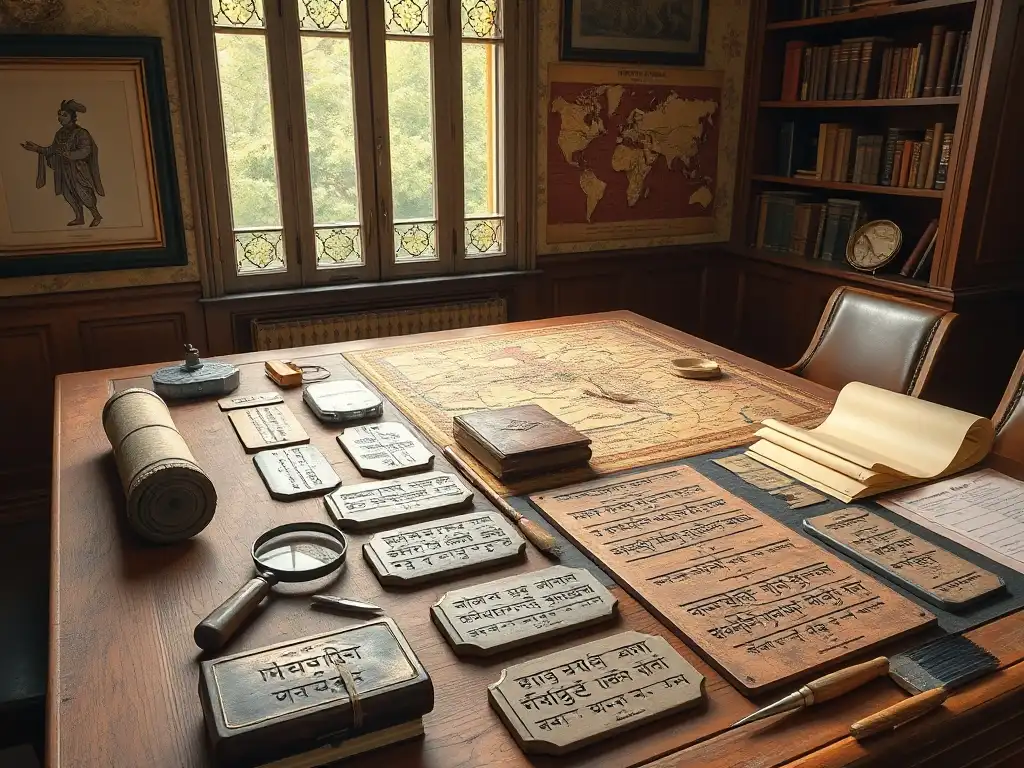
With advancements in technology, the field of epigraphy has greatly benefited from various tools and techniques that enhance the process of decoding ancient inscriptions. These tools not only facilitate more accurate readings but also allow for the preservation and sharing of findings with a broader audience.
Digital Tools for Epigraphy
Digital tools have revolutionized the study of ancient inscriptions by providing scholars with innovative ways to record, analyze, and interpret texts. Some prominent digital tools include:
- Databases: Online repositories that catalog inscriptions, enabling easy access and cross-referencing of data.
- Mapping Software: Geographic Information Systems (GIS) that help visualize the locations of inscriptions and their historical significance.
- Text Recognition Software: Programs that utilize Optical Character Recognition (OCR) to convert images of inscriptions into editable text.
These tools enhance collaboration among researchers and facilitate the dissemination of knowledge, making ancient inscriptions more accessible to scholars and the public.
Role of Imaging Technologies in Inscriptions Analysis
Imaging technologies play a crucial role in the analysis of inscriptions, allowing for detailed visual documentation and examination. Techniques such as:
- Reflectance Transformation Imaging (RTI): Captures the surface details of inscriptions under varying lighting conditions, revealing features that are not visible to the naked eye.
- 3D Scanning: Creates three-dimensional models of inscriptions, enabling interactive exploration and analysis.
- High-Resolution Photography: Provides clear and detailed images that can be examined for fine details and inscriptions that may be worn or eroded.
By employing these imaging technologies, researchers can uncover new information and gain deeper insights into the production and significance of ancient texts.
Software for Analyzing Ancient Scripts
The development of specialized software has further enhanced the analysis of ancient scripts. Such software often includes features that assist in:
- Script Recognition: Identifying and categorizing different ancient scripts, which is especially useful in multilingual inscriptions.
- Translation Assistance: Providing tools for automatic translation or aiding scholars in comparing translated texts with original scripts.
- Collaboration Features: Allowing researchers to share findings, collaborate on projects, and contribute to collective knowledge bases.
These software solutions streamline the process of decoding inscriptions, making it more efficient and accurate, and ultimately enriching the study of ancient Indian history.
Challenges in Decoding Ancient Inscriptions
Decoding ancient Indian inscriptions is a complex endeavor that involves various challenges. These obstacles can stem from the inscriptions' physical condition, the languages used, or the historical context in which they were created. Understanding these challenges is crucial for scholars and enthusiasts alike, as it directly impacts the accuracy of interpretations and the understanding of ancient societies.
Common Issues Faced in Interpretation
One of the primary issues in interpreting ancient inscriptions is the incomplete text. Many inscriptions have eroded over time, resulting in missing characters or entire sections. This fragmentation can lead to ambiguous meanings and varied interpretations. Additionally, the context of the inscriptions—such as the purpose for which they were created—often remains unclear, complicating the decoding efforts.
Another significant challenge is the diversity of scripts used throughout ancient India. Different regions and time periods employed various writing systems, such as Brahmi, Kharosthi, and others. Scholars must possess expertise in these scripts to decode inscriptions accurately. Moreover, the multi-layered meanings often embedded in these texts—due to linguistic nuances, metaphors, and cultural references—can lead to misinterpretation if not approached carefully.
Cultural and Linguistic Barriers
Cultural and linguistic barriers present substantial hurdles in the interpretation of ancient inscriptions. Many inscriptions reflect the unique cultural practices, beliefs, and social structures of their time, which may not have direct modern equivalents. This disconnect can make it challenging for contemporary scholars to grasp the full significance of the texts.
Furthermore, the evolution of languages over time can complicate translations. Many ancient languages have undergone significant changes, leading to variations in vocabulary, grammar, and syntax. As a result, scholars must engage in extensive research to understand the specific dialect and its development, ensuring that interpretations remain accurate and relevant.
Preservation and Condition of Inscriptions
The physical condition of inscriptions is another critical factor affecting their decodability. Many ancient inscriptions are found on stone tablets, metal plates, or pottery, each of which faces different risks. Environmental factors such as weathering, pollution, and human activity can lead to significant deterioration. Inscriptions that are damaged or obscured can pose serious challenges for researchers attempting to read and interpret them.
Moreover, the methods of preservation used over the years can also impact the inscriptions. For instance, some inscriptions may have been subjected to restoration efforts that inadvertently altered their original form. This can create discrepancies between the current text and the original inscription, complicating the decoding process further.
Case Studies: Successful Decoding of Historical Texts
Despite the challenges, there have been notable successes in decoding ancient inscriptions that provide valuable insights into historical contexts and cultures. These case studies demonstrate the effectiveness of various techniques and the importance of interdisciplinary approaches in epigraphy.
Example 1: Decoding the Ashoka Edicts
The Ashoka Edicts, inscribed by Emperor Ashoka in the 3rd century BCE, represent one of the most significant achievements in the decoding of ancient Indian inscriptions. Written in the Brahmi script, these edicts were discovered across the Indian subcontinent and provide insights into Ashoka's policies and the spread of Buddhism.
Scholars utilized a combination of linguistic analysis, historical context, and comparative studies with related texts to successfully decode these inscriptions. The clarity of the script and the consistency of the messages allowed for a relatively straightforward interpretation, revealing Ashoka’s commitment to non-violence and moral governance.
Example 2: Interpreting Gupta Inscriptions
Gupta inscriptions, dating from the 4th to 6th centuries CE, offer a rich source of information about the political, economic, and cultural life during the Gupta Empire. These inscriptions, found on temple walls, coins, and stone pillars, are often written in Sanskrit using the Gupta script.
Researchers faced challenges due to the variations in script and the rich literary style of the text. However, interdisciplinary methods that combined linguistic study, historical context, and archaeological evidence have led to successful interpretations. For instance, the inscriptions highlight the patronage of arts and literature during this era, reflecting the Gupta period's significance as a "Golden Age" of Indian civilization.
Lessons Learned from Case Studies in Epigraphy
The successful decoding of the Ashoka Edicts and Gupta inscriptions reveals several critical lessons for future epigraphic studies. Firstly, collaboration between disciplines—such as linguistics, archaeology, and history—is essential for a comprehensive understanding of inscriptions. This multidisciplinary approach can provide deeper insights and facilitate more accurate interpretations.
Secondly, the importance of context cannot be overstated. Understanding the broader historical and cultural background of the inscriptions enhances the interpretation process, allowing scholars to appreciate the nuances embedded within the text. Lastly, continuous advancements in technology and methodologies, such as digital imaging and analysis tools, can significantly aid in the preservation and decoding of ancient inscriptions, ensuring that these invaluable pieces of history remain accessible for future generations.
Future Directions in the Study of Ancient Inscriptions
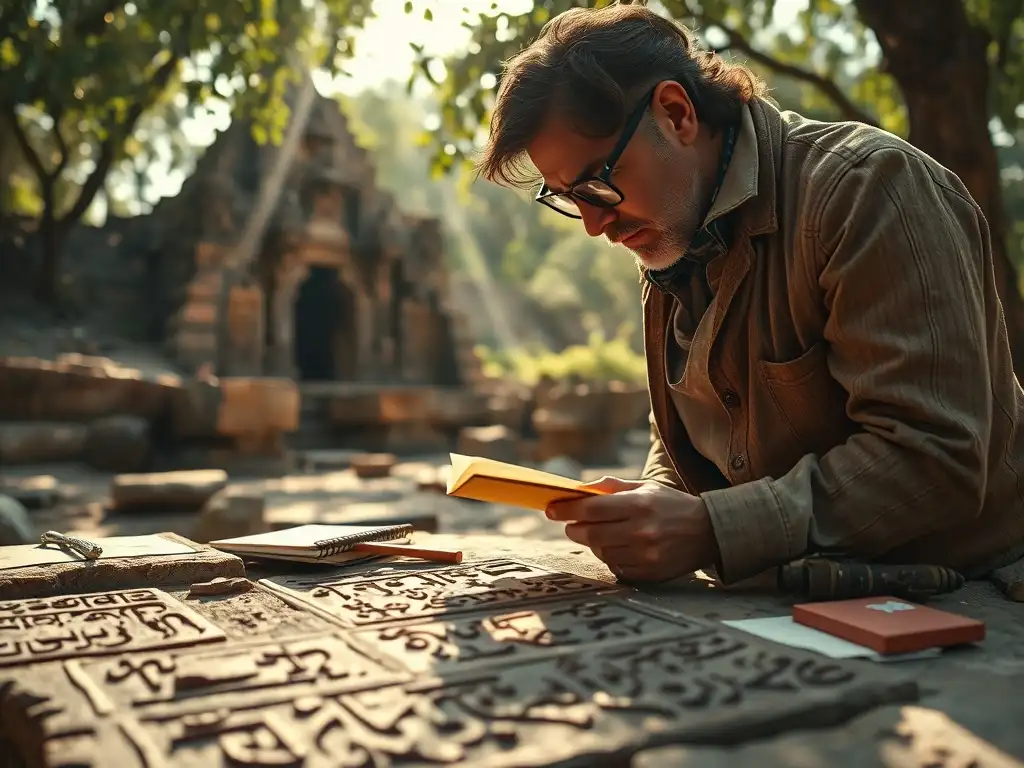
The study of ancient inscriptions is evolving rapidly, driven by advancements in technology and a growing interest in interdisciplinary research. Future directions in this field will likely focus on the integration of digital tools, like 3D imaging and machine learning, to enhance the analysis and interpretation of inscriptions. As scholars seek to uncover more about ancient Indian civilizations, the use of artificial intelligence to decipher and analyze large datasets of inscriptions will become increasingly significant.
Furthermore, there is a potential shift towards crowdsourcing efforts, where enthusiasts and amateur epigraphists contribute to the transcription and translation of inscriptions. This democratization of research can lead to more diverse perspectives and insights, enriching our understanding of ancient texts. As collaborative platforms emerge, the involvement of a wider audience may help uncover lesser-known inscriptions and foster greater appreciation of ancient Indian heritage.
Emerging Trends in Decoding Ancient Texts
Recent trends in the field of epigraphy indicate a move towards adopting cutting-edge technologies for decoding ancient texts. For example, the use of machine learning algorithms can assist in pattern recognition within inscriptions, enabling scholars to identify common themes or linguistic structures that may have previously gone unnoticed. Additionally, digital humanities initiatives are increasingly applying computational methods to textual analysis, allowing researchers to engage with inscriptions in new and innovative ways.
Another notable trend is the emphasis on public engagement and education regarding ancient inscriptions. Institutions are utilizing digital platforms to make their findings accessible to a broader audience, creating online databases and interactive tools that can aid in the dissemination of knowledge. This shift not only enhances public awareness but also stimulates interest in ancient Indian inscriptions among the younger generation.
Interdisciplinary Approaches to Inscriptions Study
Interdisciplinary collaboration is becoming essential in the study of ancient inscriptions, as it combines insights from various fields to create a more holistic understanding of the texts. Scholars from archaeology, linguistics, anthropology, and history are increasingly working together to analyze the cultural context of inscriptions, revealing the multifaceted nature of ancient Indian societies.
For instance, the integration of archaeological findings with epigraphic evidence can help reconstruct historical narratives and understand the socio-political dynamics of ancient civilizations. Similarly, linguistic analysis can unveil the evolution of language and script across different periods. By fostering collaborations across disciplines, researchers can develop comprehensive methodologies that enrich the study of ancient inscriptions and contribute to a deeper understanding of their significance.
Importance of Collaborative Research in Epigraphy
Collaborative research in epigraphy plays a crucial role in advancing the field and enhancing the accuracy of interpretations. By pooling resources and expertise, researchers can tackle complex problems more effectively. Collaborative projects often lead to the standardization of methodologies, ensuring consistency in the analysis of inscriptions, which is vital for achieving reliable results.
Moreover, collaborative research encourages the sharing of data and findings, which can accelerate the pace of discoveries. As scholars from various backgrounds contribute their insights, the collective knowledge base grows, fostering innovative approaches to understanding ancient texts. This collaborative spirit can also promote mentorship, allowing emerging scholars to learn from experienced researchers, ensuring the continued growth and development of the field.
Conclusion: The Importance of Decoding Ancient Indian Inscriptions
Decoding ancient Indian inscriptions is not merely an academic exercise; it is vital for understanding the rich tapestry of India's past. By interpreting these inscriptions, researchers can uncover invaluable insights into the social, political, and cultural dynamics of ancient civilizations. This understanding is crucial for appreciating the historical context that shaped modern India and its diverse heritage.
Impact on Understanding Ancient Indian Civilization
The impact of decoding ancient inscriptions on our understanding of ancient Indian civilization is profound. Inscriptions serve as primary sources that provide direct evidence of historical events, societal norms, and cultural practices. They illuminate the thoughts and beliefs of people from various epochs, revealing how they perceived their world and interacted with one another.
By analyzing these texts, scholars can reconstruct historical narratives that inform us about governance, trade, religion, and daily life in ancient India. This knowledge not only enriches our understanding of the past but also fosters a deeper appreciation of the continuity and evolution of Indian culture over millennia.
Preservation of Cultural Heritage through Inscriptions
Preserving ancient inscriptions is essential for safeguarding cultural heritage. These texts are not only historical documents; they represent the collective memory of civilizations and their contributions to human knowledge. Efforts to decode and preserve these inscriptions contribute to the wider goal of maintaining cultural identity and continuity.
As researchers work to interpret ancient texts, they also advocate for the protection of inscription sites, ensuring that future generations can access and learn from these invaluable resources. By fostering awareness of the significance of inscriptions, we can promote a culture of preservation that respects and honors the legacies of ancient Indian civilizations.
References
Understanding and interpreting ancient Indian inscriptions is a multifaceted endeavor that requires a deep dive into various texts, resources, and scholarly works. The following sections outline key texts and recommended literature that can serve as essential guides for anyone interested in the fascinating world of ancient Indian epigraphy.
Key Texts and Resources for Further Study
- "The Indus Script: Texts, Concordance and Tables" by Asko Parpola
- This comprehensive work explores the enigmatic script of the Indus Valley Civilization, providing insights into its potential meanings and context.
- "Inscriptions of Ashoka" by Richard L. Brown
- A critical examination of the edicts of Ashoka, this book offers translations and interpretations that illuminate the socio-political landscape of ancient India.
- "Epigraphy and Archaeology: A Study of Ancient Indian Inscriptions" by R. S. Sharma
- This resource delves into various inscriptions across ancient Indian sites, discussing their historical significance and the techniques used for their analysis.
- "Ancient Indian Epigraphy" by S. R. Rao
- A foundational text that covers the history, methodology, and significance of inscriptions in ancient India, making it an invaluable resource for scholars.
- "The Archaeology of Early Historic India" by Shereen Ratnagar
- This book provides context for the inscriptions found in the early historic period, linking them with archaeological findings to present a cohesive narrative of the time.
Recommended Literature on Ancient Indian Inscriptions
- "The Gupta Coins and Inscriptions" by R. C. Sharma
- An exploration of the Gupta Empire's inscriptions, focusing on their economic and cultural implications, and how they reflect the period's advancements.
- "Inscriptions of the Mauryan Period" by D. C. Sircar
- This text examines the important inscriptions from the Mauryan Empire, providing translations and explanations that highlight their relevance in Indian history.
- "The Decipherment of Ancient Indian Inscriptions" by A. S. Altekar
- A detailed guide on the techniques used in deciphering ancient scripts, including case studies that demonstrate practical applications of these methods.
- "Indian Epigraphy" by S. G. P. Rao
- A scholarly overview that discusses various aspects of Indian epigraphy, including the techniques of reading and interpreting inscriptions across different epochs.
- "Scripts of Ancient India: A Historical Overview" by N. K. P. Dutta
- This book provides a historical perspective on the evolution of writing systems in ancient India, with a focus on inscriptions and their cultural significance.
These texts and resources form a robust foundation for those interested in decoding ancient Indian inscriptions and understanding their historical contexts. They not only provide essential knowledge but also inspire further exploration in the field of ancient Indian epigraphy.
Frequently Asked Questions
What are ancient Indian inscriptions?
Ancient Indian inscriptions are carvings or writings found on materials such as stone, metal, and pottery that provide insights into historical events, culture, and language of ancient Indian civilizations.
Why is decoding ancient Indian inscriptions important?
Decoding ancient Indian inscriptions is crucial for understanding the historical context, societal norms, and cultural practices of ancient India, thus enriching our knowledge of its civilizations and contributions.
What techniques are used to interpret these inscriptions?
Techniques for interpreting ancient inscriptions include epigraphy, which involves analyzing the script and language, and contextual analysis, where scholars consider the historical and archaeological context of the inscriptions.
What challenges do researchers face when decoding inscriptions?
Researchers often encounter challenges such as damaged texts, obscure scripts, and linguistic variations. These factors can make the process of decoding ancient inscriptions complex and time-consuming.
How have ancient inscriptions contributed to modern understanding of history?
Ancient inscriptions serve as primary sources that offer firsthand accounts of historical events, governance, and cultural practices, significantly contributing to our comprehensive understanding of ancient Indian history.
Final Reflection: Unlocking the Wisdom of the Past
In our rapidly evolving world, the art of decoding ancient Indian inscriptions remains profoundly relevant, serving as a bridge between our present and the rich tapestry of history. As we navigate through modern challenges, understanding the wisdom embedded in these inscriptions can illuminate paths toward cultural preservation and identity. The intricate techniques used to interpret these texts not only unveil the stories of our ancestors but also remind us of the timelessness of human experience.
The impact of decoding ancient inscriptions extends beyond mere academic interest; it shapes our cultural and social landscape by fostering a deeper appreciation for our heritage. As we engage with these historical texts, we connect with the voices of those who came before us, enriching our understanding of who we are today. History is not a burden on the memory but an illumination of the soul.
This ongoing dialogue with the past encourages us to reflect on our values and beliefs, urging us to consider how they have been influenced by centuries of thought and tradition.
As you close this chapter on decoding ancient inscriptions, I invite you to take a moment to reflect on your own relationship with history. How can the lessons learned from these ancient texts inspire you in your daily life? Embrace the opportunity to explore your cultural roots and share the stories that have shaped your identity. Let us carry forward the legacy of our ancestors, ensuring that their voices continue to resonate in our modern world.
Unleash Your Curiosity: Dive into Ancient Texts!
Thank you for taking the time to explore the fascinating world of ancient inscriptions with us! Your interest in these historical texts opens the door to a deeper understanding of our shared past. Now it’s time to take your exploration further and connect with the incredible narratives hidden within these ancient words.
Here are some actionable steps you can take right now:
- Begin a personal project: Select an ancient text or inscription that piques your interest and delve into detailed research. Use the techniques we discussed in the article!
- Join a community: Connect with others who share a passion for history! Share your discoveries or pose questions in online forums or local history groups.
- Spread the knowledge: Share this article with friends or on social media to initiate conversations about ancient inscriptions and their significance!
What ancient text or inscription would you love to decode next, and what about it captures your fascination? Let's spark a discussion!