
Crafting a Profitable Future: Top Trends in Indian Handicrafts to Watch

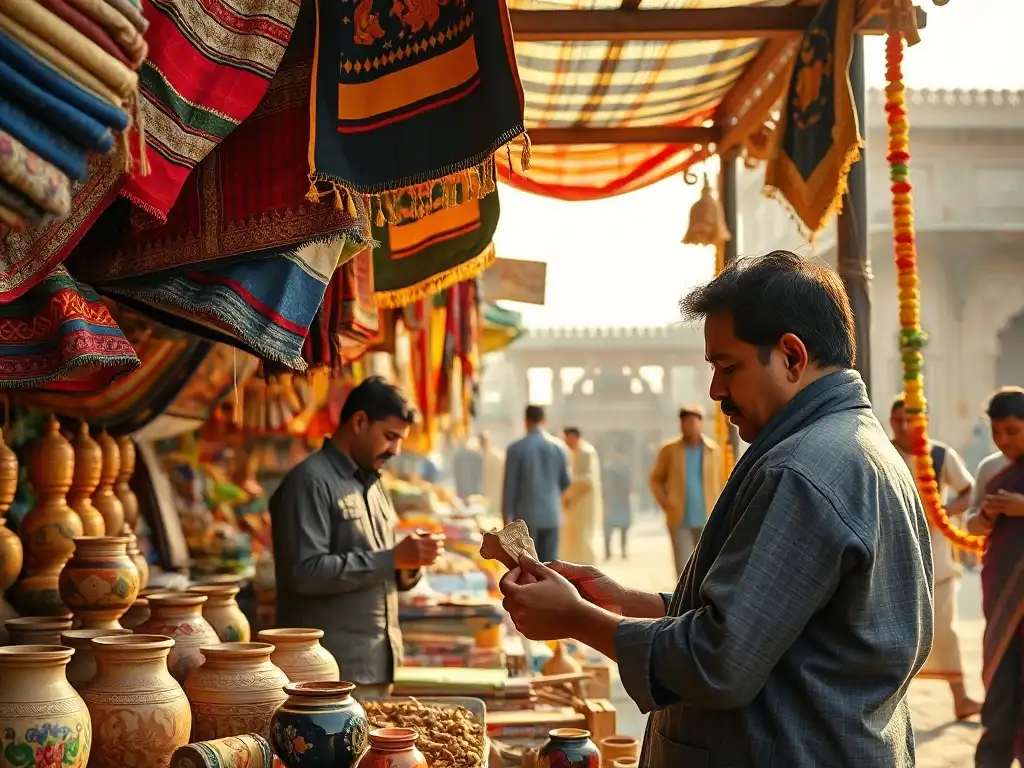
Welcome to Ancient India History, where we delve into the rich tapestry of India's past and its enduring influence on modern culture. In our latest article, "Crafting a Profitable Future: Top Trends in Indian Handicrafts to Watch," we explore the vibrant world of Indian handicrafts and uncover the trends shaping this age-old art form in 2023. What fascinating stories and innovations await you in the realm of craftsmanship?
Join us as we journey through the intricate connections between ancient techniques and contemporary market dynamics, sparking your curiosity and inspiring your next investment. Dive in to discover how the legacy of ancient India continues to thrive today!
- Crafting a Profitable Future: Top Trends in Indian Handicrafts to Watch in 2023
- Emerging Trends in Indian Handicrafts
- Opportunities for Investment in Indian Handicrafts
- How to Identify Profitable Trends in Indian Handicrafts
- Challenges Facing the Indian Handicraft Sector
- Conclusion: The Future of Indian Handicrafts
-
Frequently Asked Questions
- What are the current trends in Indian handicrafts for 2023?
- How are traditional techniques being integrated into modern handicrafts?
- What role does sustainability play in Indian handicrafts?
- How can consumers support local artisans in India?
- What impact does the Gupta Empire have on modern Indian handicrafts?
- Final Reflection: Embracing the Future of Indian Handicrafts
- Embrace the Future of Handicrafts Today!
Crafting a Profitable Future: Top Trends in Indian Handicrafts to Watch in 2023
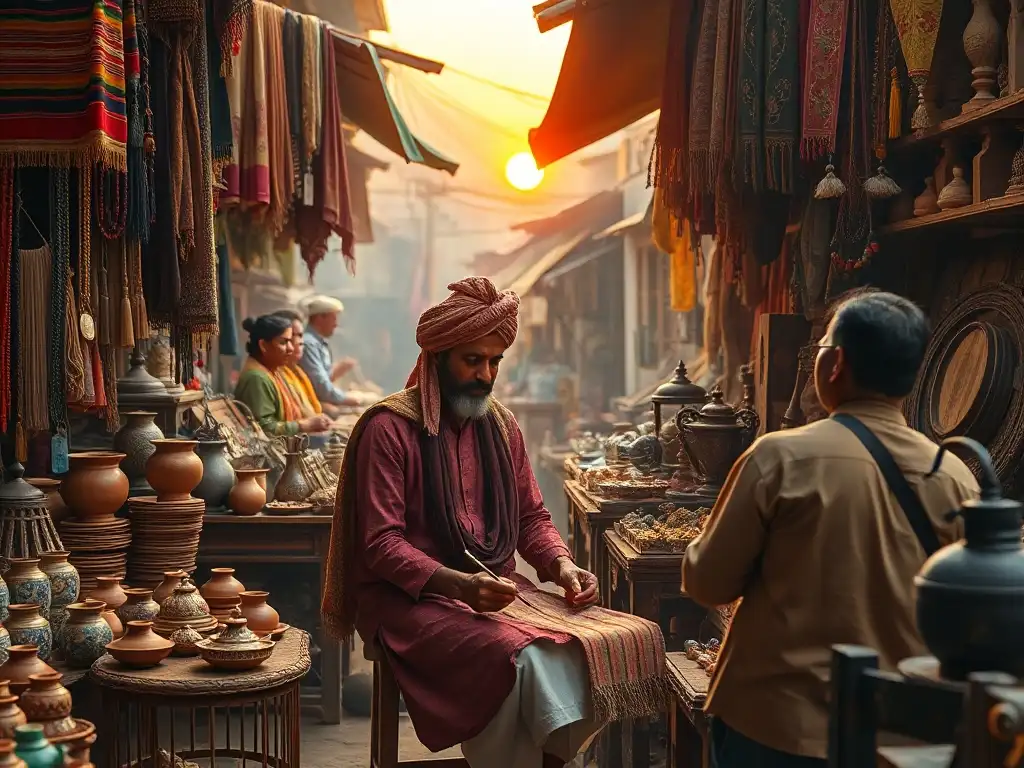
Introduction to Trends in Indian Handicrafts 2023
The world of Indian handicrafts is a vibrant tapestry woven from the threads of tradition, creativity, and cultural heritage. As we step into 2023, the landscape of these artisanal products is not only rich in history but also brimming with opportunities for growth and innovation. With a strong emphasis on sustainability and a rising global demand for unique, handcrafted items, the trends in Indian handicrafts are evolving rapidly, reflecting both contemporary tastes and age-old techniques.
In recent years, there has been a notable shift towards eco-friendly materials, ethical production practices, and the revival of traditional craftsmanship, all of which are shaping the future of this sector. The Indian government and various organizations are actively promoting handicrafts as a means of empowering artisans and preserving cultural heritage. This article explores the dynamic trends in Indian handicrafts for 2023, highlighting the emerging opportunities for artisans, entrepreneurs, and investors alike.
As we delve deeper into this fascinating domain, we will uncover how the fusion of tradition and modernity is paving the way for innovative market trends, sustainable practices, and an ever-growing consumer base eager to embrace the beauty of handmade goods. From unique product offerings to the leveraging of digital platforms, the future of Indian handicrafts is not only promising but also pivotal in the global marketplace. Let's explore these trends and the impact they are set to have on the industry.
Emerging Trends in Indian Handicrafts
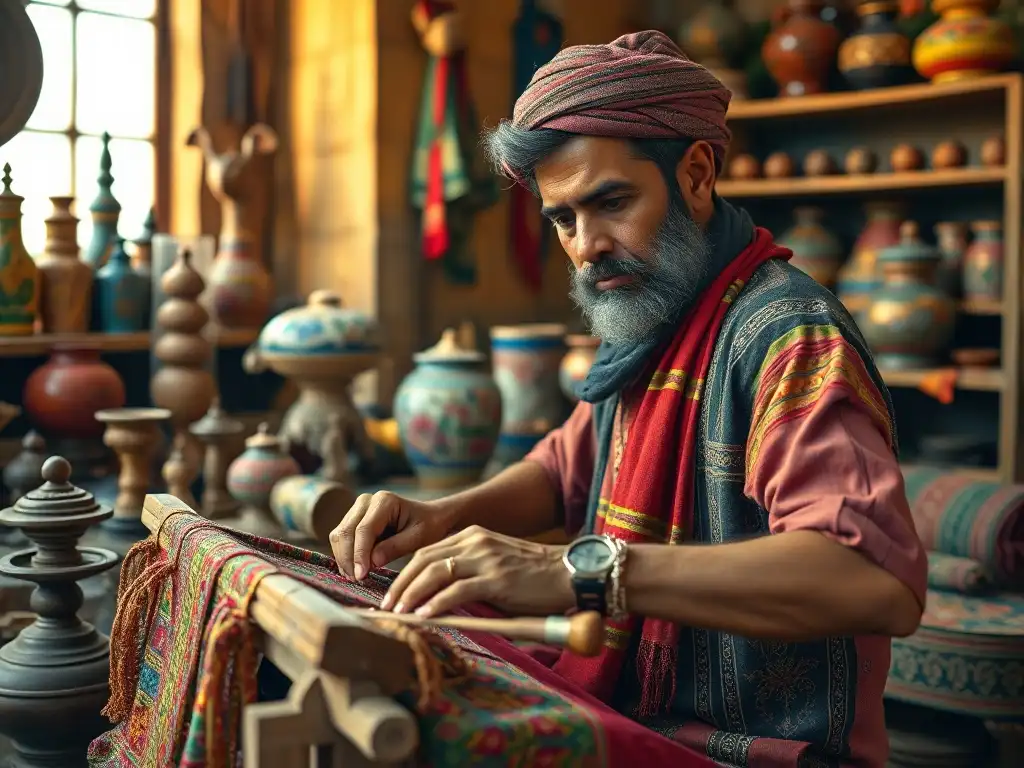
Sustainable and Eco-Friendly Practices
In 2023, one of the most significant trends in Indian handicrafts is the growing emphasis on sustainable and eco-friendly practices. As consumers become increasingly aware of environmental issues, artisans are adopting methods that minimize ecological impact. This shift is evident in the materials used and the techniques employed by craftsmen across the country.
- Use of Natural Materials: Artisans are increasingly sourcing materials like bamboo, jute, and organic cotton, which are biodegradable and have a lower carbon footprint compared to synthetic alternatives. For instance, the resurgence of bamboo crafts in regions like Assam showcases not only the versatility of the material but also its sustainability.
- Recycling and Upcycling: Another trend is the innovative reuse of waste materials. Many artisans are transforming discarded items into beautiful handicrafts, thus promoting a circular economy. For example, the use of scrap fabric to create patchwork quilts or bags is gaining popularity, allowing artisans to express creativity while addressing waste issues.
- Certifications and Standards: The demand for certified eco-friendly products is rising. Artisans are increasingly pursuing certifications such as the "Handmade in India" label, which emphasizes sustainable practices. This not only enhances marketability but also assures consumers of the authenticity and eco-friendliness of the products they purchase.
Digital Transformation in Handicrafts
The digital revolution is reshaping the landscape of Indian handicrafts in 2023. With the rise of e-commerce platforms and digital marketing, artisans are gaining broader access to national and international markets.
- E-Commerce and Online Marketplaces: Platforms like Amazon Handmade and Etsy provide artisans with the opportunity to showcase their work online. This trend has allowed many craftsmen to bypass traditional distribution channels, thus increasing their profit margins. Moreover, the ease of setting up an online store has empowered more artisans to participate in the global marketplace.
- Social Media Marketing: Social media platforms are becoming essential tools for artisans to promote their crafts. Instagram and Facebook are particularly effective for showcasing visually appealing products, allowing artisans to build a brand presence and connect with customers directly. Engaging content, such as videos of the crafting process, can significantly enhance customer interest and loyalty.
- Virtual Workshops and Training: The digital shift has also facilitated the creation of virtual workshops, where artisans can learn new skills and techniques. This is crucial for the preservation and evolution of traditional crafts, as younger generations gain access to training from established artisans without geographic barriers.
Fusion of Traditional and Contemporary Designs
The fusion of traditional and contemporary designs is another key trend in Indian handicrafts for 2023. This blending of styles not only appeals to modern consumers but also keeps traditional crafts relevant in a rapidly changing market.
- Modern Aesthetics: Artisans are experimenting with contemporary designs while retaining traditional craftsmanship. Products like traditional Indian fabrics are being reimagined into modern apparel or home décor items, attracting a younger demographic. For instance, the integration of traditional block prints into minimalist modern fashion is becoming a popular trend.
- Collaborative Projects: Collaborations between traditional artisans and contemporary designers are on the rise. Such partnerships often result in unique products that merge heritage with modernity, appealing to both domestic and international markets. The collaboration between artisans from different regions can also lead to innovative designs that celebrate India's diverse cultural heritage.
- Customization and Personalization: Consumers today prefer personalized products that reflect their individual style. Artisans are responding to this demand by offering custom-made items that combine traditional techniques with modern design sensibilities. For example, personalized engraved wooden products or bespoke hand-painted ceramics allow consumers to own a piece of art that is uniquely theirs.
The trends in Indian handicrafts for 2023 reflect a dynamic interplay between sustainability, digital innovation, and the fusion of traditional with contemporary. As these trends evolve, they hold the potential to transform the handicrafts sector, making it more profitable and globally competitive.
Revival of Ancient Techniques
The revival of ancient techniques in Indian handicrafts is not merely a trend but a movement that seeks to preserve the rich cultural heritage of India while adapting to modern consumer preferences. As artisans and craftsmen tap into traditional skills, they provide unique products that resonate with both local and global audiences. This resurgence is characterized by several key elements:
- Sustainable Practices: Many ancient techniques were inherently sustainable, using natural materials and processes that minimize environmental impact. As consumers become more eco-conscious, there is a growing demand for products made using these traditional methods. For instance, handloom weaving, pottery, and woodwork often utilize locally sourced materials, which not only supports the environment but also empowers local communities.
- Cultural Authenticity: The revival of ancient techniques brings with it a sense of authenticity that mass-produced goods cannot replicate. Consumers are increasingly seeking products that tell a story, reflect cultural significance, and embody the artistry of skilled artisans. For example, the intricate patterns of Madhubani painting or the delicate craftsmanship of Bidri ware are not just decorative; they carry historical narratives that enrich the consumer's experience.
- Integration with Modern Design: Artisans are now blending traditional techniques with contemporary design sensibilities to appeal to newer markets. This fusion creates aesthetically pleasing products that maintain their cultural essence while being relevant to modern lifestyles. Items like contemporary furniture made using traditional wood carving techniques or apparel that incorporates age-old embroidery styles are gaining popularity.
- Educational Initiatives: Efforts to revive ancient techniques often include educational programs that teach these skills to new generations. Workshops and training sessions organized by NGOs and artisan groups help young people learn the intricacies of these crafts, ensuring that the knowledge is passed down. This not only preserves the techniques but also creates job opportunities in rural areas, enhancing local economies.
- Digital Platforms for Visibility: The rise of e-commerce and social media has given a significant boost to artisans reviving ancient techniques. Platforms that showcase handmade products allow artisans to reach a wider audience, thereby increasing their market exposure. Online marketplaces dedicated to handicrafts enable consumers to discover and purchase unique items, driving demand for products made with traditional methods.
The revival of ancient techniques in Indian handicrafts represents a harmonious blend of history and modernity. It is an opportunity for artisans to showcase their skills while catering to evolving consumer preferences. As the trend continues to grow, it not only reinforces the importance of preserving cultural heritage but also paves the way for economic sustainability within communities.
Opportunities for Investment in Indian Handicrafts
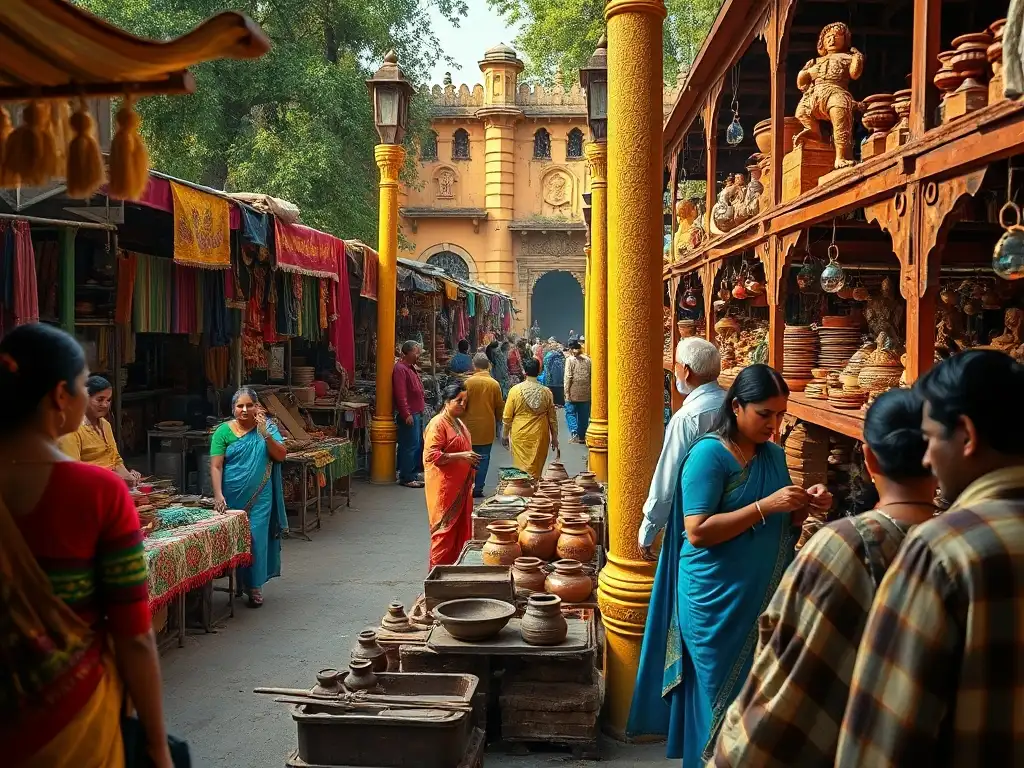
The Indian handicrafts sector presents an abundant array of investment opportunities, driven by the rich cultural heritage and the growing global demand for artisanal products. As consumers increasingly seek unique, handcrafted items, the market is poised for significant growth. The Government of India has also recognized the potential of this sector and is implementing various initiatives to promote handicrafts, making it a fertile ground for investors.
Investment in Indian handicrafts can yield substantial returns, particularly when focusing on sustainable practices and ethical sourcing. As consumers become more environmentally conscious, products that reflect these values are gaining popularity. Furthermore, the rise of e-commerce platforms has opened new avenues for artisans to reach global markets, enhancing the potential for profitability.
Best Regions for Handicraft Investment
India's diverse geography is home to various regions known for their unique handicrafts, each with its own craftsmanship and cultural significance. Here are some key regions that present excellent investment opportunities:
- Rajasthan
- Specialties: Block printing, blue pottery, and handcrafted textiles.
- Highlights: Rajasthan is known for its vibrant colors and intricate designs, making it a hub for textiles and decorative items.
- Gujarat
- Specialties: Embroidery, bandhani, and pottery.
- Highlights: The Kutch region is particularly famous for its handicrafts, showcasing a blend of traditional techniques and contemporary designs.
- Uttar Pradesh
- Specialties: Chikan embroidery, leather goods, and brassware.
- Highlights: The city of Lucknow is renowned for its delicate Chikan work, which has gained international recognition.
- West Bengal
- Specialties: Terracotta, dokra art, and handloom textiles.
- Highlights: The rural artisans of Bengal are known for their creativity and unique artistic expressions, making it a promising area for investment.
- Madhya Pradesh
- Specialties: Warli art, bamboo crafts, and wooden artifacts.
- Highlights: The state's tribal crafts offer investors a chance to engage with traditional artisan communities while promoting sustainable practices.
- Tamil Nadu
- Specialties: Tanjore paintings, silk sarees, and wood carvings.
- Highlights: The craftsmanship in Tamil Nadu is deeply rooted in tradition, offering a wide range of high-quality products.
Top Handicraft Products to Invest In
Understanding the current trends in Indian handicrafts is essential for making informed investment decisions. Here are some of the top handicraft products to consider for investment in 2023:
- Eco-Friendly Products
- Example: Bamboo and cane products.
- Reason: With growing environmental awareness, eco-friendly handicrafts are in high demand. Investors can capitalize on this trend by promoting sustainable products.
- Handcrafted Home Décor
- Example: Wall hangings, pottery, and designer lamps.
- Reason: Unique home décor items that reflect cultural heritage are increasingly popular among consumers seeking to personalize their living spaces.
- Traditional Textiles
- Example: Handloom saris and stoles.
- Reason: The revival of interest in traditional textiles, particularly those with rich stories and craftsmanship, makes this category a lucrative investment.
- Artisanal Jewelry
- Example: Silver and bead jewelry.
- Reason: Handcrafted jewelry is gaining traction in both domestic and international markets, appealing to fashion-conscious consumers.
- Customized Gifts
- Example: Personalized handicrafts for weddings and festivals.
- Reason: The demand for unique, customizable gifts is on the rise, making this an excellent niche for investors.
- Heritage Crafts
- Example: Pottery, metalwork, and woodcrafts.
- Reason: Investing in heritage crafts helps preserve traditional skills while meeting market demand for authentic artisanal products.
The trends in Indian handicrafts for 2023 are characterized by a blend of tradition and innovation. By focusing on the right regions and products, investors can tap into a thriving market that not only supports artisans but also aligns with global consumer preferences for unique and sustainable goods.
How to Identify Profitable Trends in Indian Handicrafts
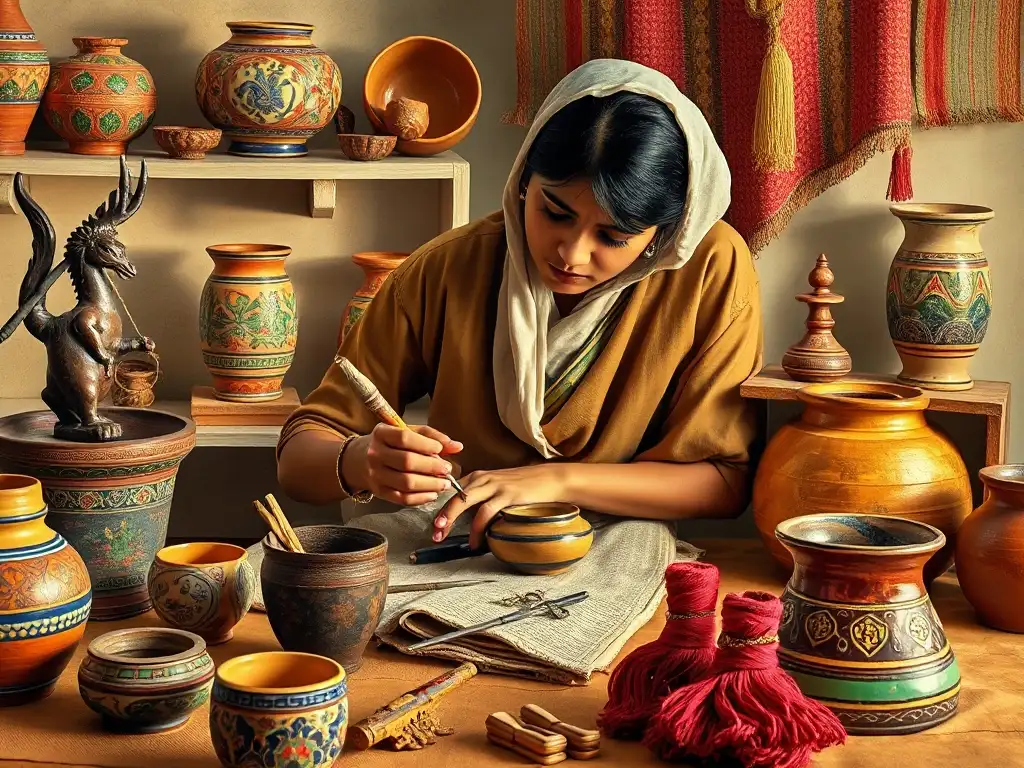
Researching Market Demand
Identifying profitable trends in Indian handicrafts begins with comprehensive market research. Understanding consumer preferences, both domestically and internationally, is essential for crafting a successful business strategy in this sector. Here are several methods to effectively research market demand:
- Online Surveys and Polls: Utilize online platforms to survey potential customers about their preferences in handicrafts. This can include specific crafts, styles, materials, and pricing points.
- Social Media Insights: Platforms like Instagram and Pinterest are powerful tools for gauging current trends. Analyze hashtags such as
#IndianHandicrafts,#ArtisanalProducts, and#HandmadeIndiato see what styles and products are gaining traction. - Market Reports: Access industry reports from research firms that specialize in handicrafts and artisanal products. These reports often provide valuable data on market size, growth projections, and consumer demographics.
- E-commerce Analysis: Platforms like Amazon, Etsy, and Flipkart can provide insights into bestselling handicraft items. Look for product reviews and ratings to understand what consumers appreciate most.
- Trade Shows and Exhibitions: Attending events like the India International Handicrafts Fair or local craft fairs can provide firsthand insights into what is trending and allow for networking with potential buyers and sellers.
By employing these methods, businesses can accurately gauge the market demand for various handicrafts, helping to identify which trends are worth pursuing.
Networking with Artisans and Craft Associations
Building relationships with artisans and craft associations is pivotal in identifying and capitalizing on trends in Indian handicrafts. Here are some effective strategies:
- Join Craft Associations: Becoming a member of organizations such as the All India Artisans and Craftworkers Welfare Association (AIACWA) can provide access to valuable resources, market insights, and networking opportunities.
- Engage with Artisans: Develop relationships with local artisans to gain insights into their craft processes and the challenges they face. This can help in identifying gaps in the market and potential trends that artisans are noticing.
- Collaboration Opportunities: Collaborate with artisans to create unique products that blend traditional techniques with contemporary designs. This not only supports local craftsmen but also helps in tapping into new market segments.
- Workshops and Training Programs: Participating in or organizing workshops can facilitate deeper connections with artisans. These interactions can also lead to discovering innovative techniques and materials that are gaining popularity.
- Online Communities: Engage with online forums and platforms dedicated to handicrafts. Websites like Craftsvilla and IndiaMART can provide a wealth of information from both artisans and buyers about what is in demand.
By fostering these connections, businesses can not only stay updated on the latest trends but also support the sustainability and growth of the handicraft sector in India.
Challenges Facing the Indian Handicraft Sector
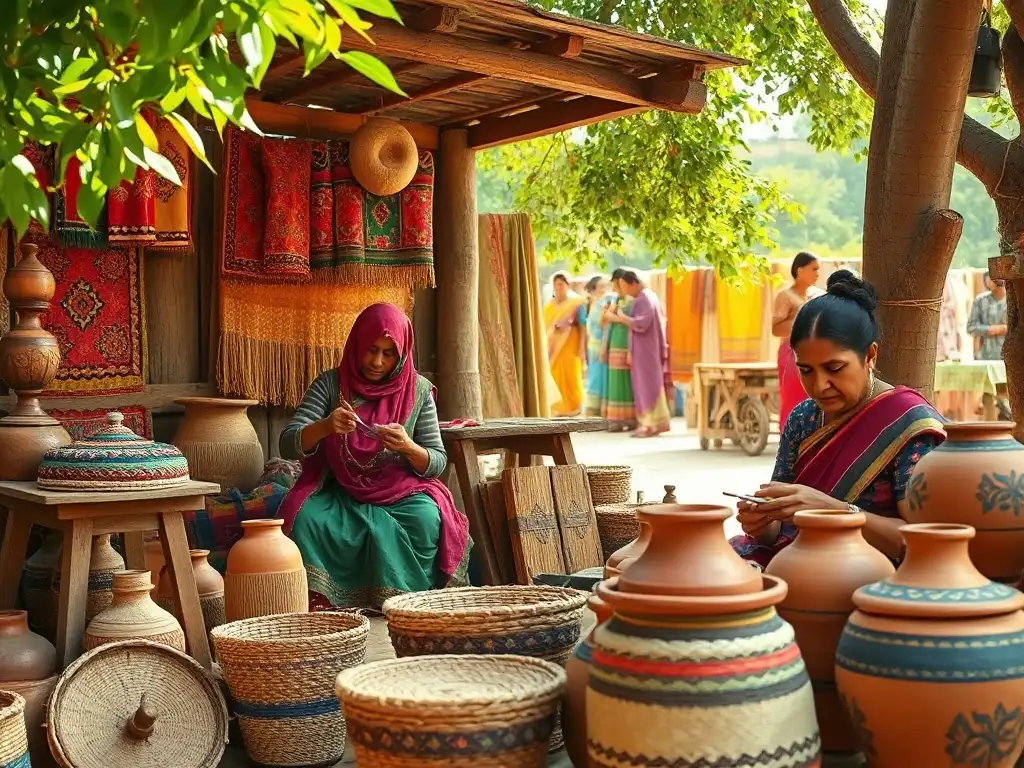
The Indian handicraft sector, rich in tradition and cultural significance, faces several challenges that impact its growth and sustainability. As the market evolves, artisans and businesses must navigate a landscape shaped by modern demands, competition, and logistical hurdles. Understanding these challenges is crucial for anyone looking to invest in or support this vibrant sector.
Competition from Mass-Produced Goods
One of the most significant challenges facing the Indian handicraft sector is the fierce competition from mass-produced goods. With the advent of industrial manufacturing, products that were once handmade are now being replicated on a large scale, often at a lower cost. This has several implications:
- Pricing Wars: Handicrafts, often priced higher due to the labor and skill involved, struggle to compete with cheaper mass-produced alternatives. Consumers may opt for lower-priced items, undermining the market for authentic handicrafts.
- Loss of Unique Identity: As mass-produced goods flood the market, the distinctiveness of traditional handicrafts risks being overshadowed. This dilution can lead to a loss of cultural identity associated with these products.
- Shifts in Consumer Preferences: Modern consumers, especially younger generations, may prioritize convenience and low cost over the cultural significance of handmade items. This shift can further marginalize artisans and their crafts.
To combat this competition, handicraft producers are increasingly focusing on marketing their products as unique, sustainable, and enriched with cultural narratives. Strategies include leveraging online platforms and storytelling to connect with consumers who value authenticity.
Supply chain disruptions pose another significant challenge to the Indian handicraft sector. Artisans often rely on a complex web of suppliers for raw materials, and any hiccup in this chain can severely impact production. Key factors include:
- Material Sourcing: Many artisans depend on specific materials that may be difficult to source consistently. Fluctuations in availability can lead to project delays and increased costs, ultimately affecting profitability.
- Logistical Hurdles: The transportation of handicraft goods from rural areas to urban markets or international destinations can be fraught with challenges. Poor infrastructure, high shipping costs, and delays can hinder timely delivery, affecting customer satisfaction and business relationships.
- Global Events and Trends: Events such as pandemics or economic downturns can disrupt supply chains on a global scale. For instance, during the COVID-19 pandemic, many artisans faced significant setbacks due to restrictions on movement and trade.
To mitigate these issues, many in the sector are exploring innovative solutions such as local sourcing, building stronger relationships with suppliers, and adopting technology for better supply chain management. Emphasizing resilience and adaptability will be vital for the future sustainability of the Indian handicraft sector.
By addressing these challenges head-on, artisans and businesses can better position themselves to thrive amidst the evolving landscape of the handicraft industry.
Conclusion: The Future of Indian Handicrafts
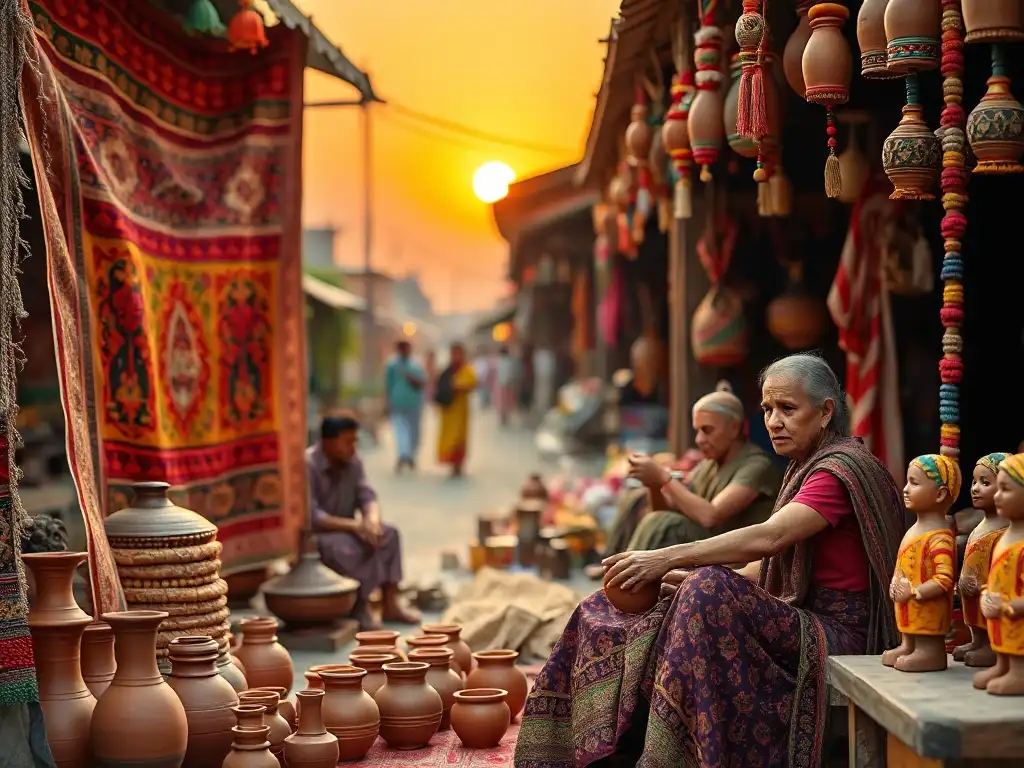
The future of Indian handicrafts is bright, characterized by a unique blend of traditional craftsmanship and contemporary innovation. As we look toward 2023 and beyond, several trends are emerging that can significantly shape the landscape of this vibrant sector. These trends not only highlight the resilience of artisans but also reflect a growing global appreciation for sustainable and ethically made products.
Embracing Innovation and Tradition
The intersection of innovation and tradition is pivotal in the evolution of Indian handicrafts. As artisans continue to hone their craft, many are incorporating modern techniques and materials while staying true to their cultural roots. This fusion not only enhances the aesthetic appeal of the products but also increases their marketability. Here are some key aspects to consider:
- Sustainable Practices: With a global shift towards sustainability, artisans are increasingly adopting eco-friendly materials and processes. This includes using natural dyes, upcycled materials, and traditional methods that minimize environmental impact. For instance, the revival of organic cotton weaving in regions like Kutch reflects a commitment to both heritage and sustainability.
- Digital Transformation: The rise of e-commerce platforms has opened new avenues for artisans to reach a wider audience. Online marketplaces are becoming essential for showcasing handicrafts, allowing artisans to connect with consumers directly. Moreover, social media is playing a crucial role in marketing, enabling artisans to tell their stories and share their craftsmanship with a global audience.
- Collaboration and Fusion: Collaborations between traditional artisans and contemporary designers are fostering innovation in handicrafts. This synergy leads to the creation of unique products that appeal to modern consumers. For example, the blending of traditional embroidery techniques with contemporary fashion trends has resulted in exquisite products that cater to a diverse clientele.
- Cultural Storytelling: Consumers are increasingly drawn to products that tell a story. Artisans who incorporate cultural narratives into their designs resonate deeply with buyers seeking authenticity. Items such as hand-painted pottery from Rajasthan not only showcase skilled craftsmanship but also convey the rich stories of their origins.
Call to Action: Explore and Invest
As we navigate the trends in Indian handicrafts for 2023, there has never been a better time for individuals and businesses to explore investment opportunities in this sector. Here are some actionable steps to consider:
- Support Local Artisans: By purchasing handicrafts directly from artisans, consumers can contribute to the preservation of traditional crafts and ensure fair compensation for their work.
- Engage in Workshops: Participating in handicraft workshops can provide insight into the skills and techniques employed by artisans, fostering a deeper appreciation for their work. This also helps in promoting artisan communities.
- Invest in Sustainable Brands: Look for brands that prioritize ethical sourcing and sustainability in their production processes. Investing in such businesses not only supports artisans but also aligns with global consumer trends toward responsible consumption.
- Advocate for Policy Support: Engaging with local and national policymakers to advocate for support programs for artisans can lead to beneficial initiatives that promote the handicraft industry.
The trends in Indian handicrafts for 2023 reflect a dynamic interplay of heritage and modernity, offering vast opportunities for consumers and investors alike. By embracing these trends and supporting the artisans behind them, we can contribute to a thriving future for Indian handicrafts while celebrating their rich cultural legacy.
Frequently Asked Questions
What are the current trends in Indian handicrafts for 2023?
The 2023 trends in Indian handicrafts include a resurgence of sustainable materials, innovative designs, and a focus on local artisans, emphasizing traditional techniques with a modern twist.
How are traditional techniques being integrated into modern handicrafts?
Artisans are blending traditional techniques with contemporary aesthetics, creating unique products that appeal to modern consumers while preserving cultural heritage.
What role does sustainability play in Indian handicrafts?
Sustainability is crucial in 2023, with many artisans prioritizing eco-friendly materials and practices that minimize environmental impact, making handicrafts more appealing to conscious consumers.
How can consumers support local artisans in India?
Consumers can support local artisans by purchasing directly from craft fairs, online marketplaces, and through initiatives that promote handcrafted products, thus enhancing the livelihoods of these skilled craftspeople.
What impact does the Gupta Empire have on modern Indian handicrafts?
The Gupta Empire is known for its patronage of arts and crafts, laying a foundation that influences modern handicrafts in India, as artisans continue to draw inspiration from its rich artistic heritage.
Final Reflection: Embracing the Future of Indian Handicrafts
The trends in Indian handicrafts for 2023 are not just fleeting fads; they represent a profound shift towards sustainability, innovation, and cultural preservation. As we navigate a world increasingly dominated by mass production, the resurgence of artisanal crafts reminds us of the value of authenticity and the stories behind each creation. This year, the spotlight on Indian handicrafts serves as a powerful reminder that our choices can shape a more equitable and vibrant economy.
The influence of these trends extends far beyond the marketplace; they are woven into the very fabric of our cultural identity. As artisans adapt to modern demands while staying true to their roots, they inspire a new generation to appreciate and engage with traditional crafts. Craftsmanship is not just about making things; it's about making connections.
This quote encapsulates the essence of the movement, highlighting how the revival of handicrafts fosters community, supports local economies, and preserves heritage for future generations.
As you reflect on the insights shared in this article, consider how you can contribute to this thriving ecosystem. Support local artisans, explore sustainable options, and celebrate the rich tapestry of Indian handicrafts in your own life. By embracing these trends, you not only enrich your own experiences but also play a part in crafting a profitable and sustainable future for the artisans who keep these traditions alive. Let us all take action and be part of this beautiful journey towards a more mindful and connected world.
Embrace the Future of Handicrafts Today!
Thank you for diving into the vibrant world of Indian handicrafts! We hope you've discovered inspiring trends that not only celebrate heritage but also offer exciting opportunities for profit. Now, it's time to take action and become part of this remarkable journey!
Here are some steps you can take to support and engage with the handicraft community:
- Explore Local Artisans: Visit a nearby marketplace or craft fair to meet artisans in person, appreciate their skills, and perhaps find unique pieces to take home.
- Share Your Journey: Document your favorite handicraft discoveries on social media to inspire your friends and raise awareness about these beautiful crafts.
- Join a Workshop: Look into participating in a handicraft workshop to learn a new skill and deepen your appreciation for this exquisite art form.
What innovative ideas can you come up with to blend traditional handicrafts with contemporary design? We invite you to share your thoughts below!