
The Impact of Tourism on Indian Handicraft Sales: A Business Perspective

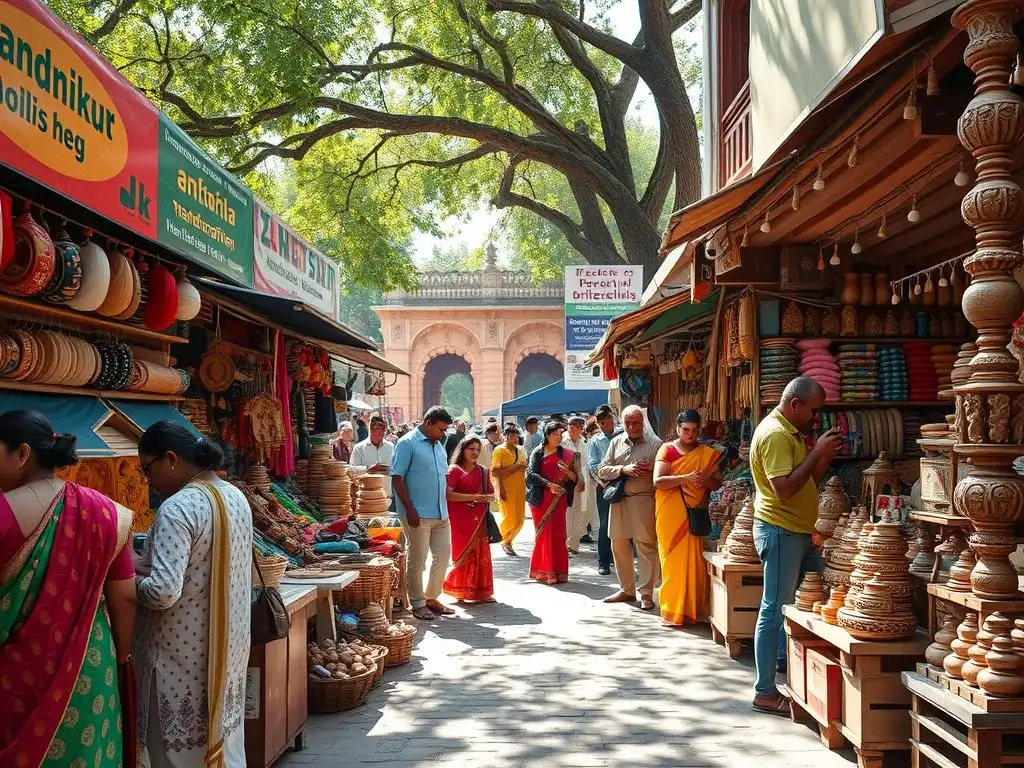
Welcome to Ancient India History, where we embark on a fascinating journey through the rich tapestry of India's past, celebrating the vibrant cultures and remarkable contributions of ancient civilizations. In our featured article, "The Impact of Tourism on Indian Handicraft Sales: A Business Perspective," we delve into the intriguing relationship between tourism and the flourishing world of Indian handicrafts. How does the influx of visitors shape the artisans' craft and the economy?
Uncover the profound effects of tourism on this age-old industry and discover why it matters more than ever. Continue reading to unveil the stories that connect our past to the present and the future of Indian artistry.
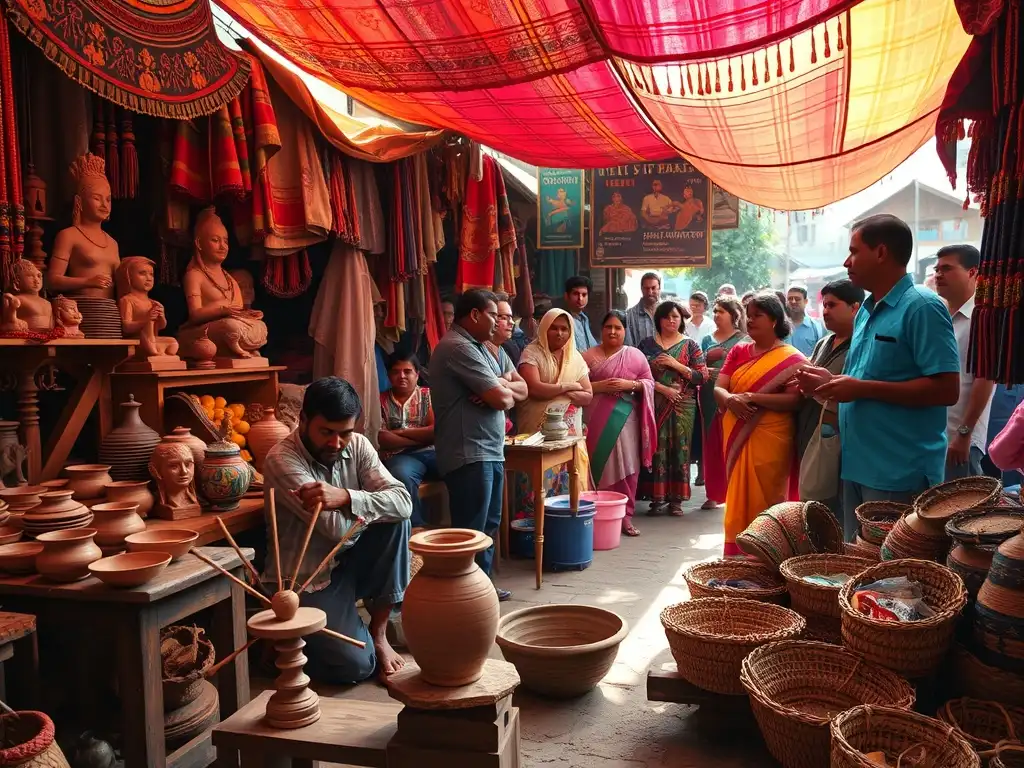
The interplay between tourism and the handicraft sector in India is a fascinating study of cultural exchange and economic growth. As millions of tourists flock to India each year, they bring not only interest in the country's rich history and diverse culture but also a significant demand for unique and authentic handicraft products.
This article aims to explore how tourism affects Indian handicrafts from a business perspective, examining the opportunities it creates for artisans, the broader economy, and the preservation of traditional crafts. By understanding these dynamics, stakeholders can harness the potential of tourism to elevate the status of Indian handicrafts on a global scale.
Understanding the Relationship Between Tourism and Handicrafts
The relationship between tourism and handicrafts is multifaceted, characterized by a symbiotic connection where each influences the other. Tourists are often drawn to India's varied handicrafts, which reflect the country's diverse cultural heritage and craftsmanship. In turn, increased tourism can lead to greater visibility for these artisanal products, ultimately fostering a thriving market for local artisans.
The Role of Tourism in Indian Economy
Tourism plays a crucial role in the Indian economy, contributing significantly to GDP and employment. In 2019, tourism accounted for approximately 9.2% of India's GDP, highlighting its importance as an economic driver. The influx of tourists stimulates various sectors, including hospitality, travel, and particularly, handicrafts. This economic boost creates opportunities for artisans to reach a broader audience, thereby enhancing their livelihoods.
Overview of Indian Handicrafts and Artisanal Products
India boasts a rich tradition of handicrafts, encompassing a wide range of products such as textiles, pottery, metalwork, and woodcraft. Each region has its unique craft forms, reflecting local culture and history. For instance, the intricate embroidery of Rajasthan and the exquisite pottery of Gujarat showcase the country's craftsmanship diversity. This variety not only attracts tourists but also provides artisans with the chance to showcase their skills and creativity, thus reinforcing the cultural heritage of their regions.
Defining "Tourism Effects on Indian Handicrafts"
The phrase "tourism effects on Indian handicrafts" refers to the various ways in which increased tourism impacts the production, marketing, and sales of handicraft products. These effects can be both positive and negative, influencing everything from consumer preferences to artisan income levels. Understanding these dynamics is essential for stakeholders to develop strategies that maximize benefits while minimizing potential drawbacks.
The Positive Impacts of Tourism on Indian Handicraft Sales
Tourism has numerous positive effects on the sales of Indian handicrafts. These impacts not only benefit artisans but also contribute to the preservation of traditional crafts and the overall economy.
Increased Demand for Authentic Handicrafts
As tourists seek authentic experiences, the demand for genuine handicrafts has surged. Tourists are increasingly inclined to purchase locally made products that reflect the cultural and artistic heritage of the regions they visit. This trend not only boosts sales but also encourages artisans to maintain high-quality standards in their work.
Enhanced Visibility and Marketing Opportunities
With the rise of digital marketing and social media, artisans can now showcase their products to a global audience. Tourism creates a platform for artisans to market their creations, either through physical stores or online channels. This enhanced visibility is crucial for artisans to build a brand and connect with potential buyers beyond the traditional market.
Boosting Local Artisans' Income and Livelihoods
The economic benefits of tourism extend directly to local artisans, whose incomes often increase due to heightened demand for handicrafts. As tourists purchase these products, artisans gain not only financial stability but also greater recognition for their work. This can lead to a revitalization of traditional crafts, ensuring their survival for future generations.
By understanding the intricate relationship between tourism and handicrafts, stakeholders can better position themselves to leverage these opportunities, ultimately fostering a sustainable and thriving market for Indian handicrafts.
Challenges Faced by Indian Handicrafts Due to Tourism
The booming tourism industry in India has considerably influenced the landscape of local handicrafts. While there are undeniable benefits, several challenges have emerged that threaten the authenticity and sustainability of these artisanal products. Understanding these challenges is crucial for artisans and stakeholders to navigate the evolving market effectively.
Oversaturation of the Market with Low-Quality Products
One of the most pressing issues is the oversaturation of the market with low-quality handicrafts. As tourism has increased, many vendors have entered the market, often prioritizing quantity over quality. This influx leads to a proliferation of mass-produced items that mimic traditional handicrafts but lack the craftsmanship and cultural significance of authentic products. Consequently, consumers may find it challenging to distinguish between genuine artisanal work and inferior replicas, diluting the value and prestige of true handicrafts. This trend can ultimately harm the reputation of Indian handicrafts, leading to decreased sales for skilled artisans who focus on quality and heritage.
Seasonal Fluctuations in Demand
Tourism is inherently seasonal, influenced by factors such as weather, holidays, and travel trends. This seasonality results in fluctuating demand for handicrafts, which can create significant challenges for artisans who rely on a steady income. During peak tourist seasons, artisans may struggle to keep up with demand, while off-peak periods can lead to excessive inventory and financial strain. The inability to predict demand accurately can disrupt production schedules and lead to wasted resources, making it essential for artisans to develop strategies to manage these fluctuations effectively.
Cultural Appropriation and Misrepresentation
Another major challenge lies in cultural appropriation and misrepresentation of traditional crafts. As international interest in Indian handicrafts grows, there is a risk that the cultural significance and stories behind these products may be overlooked or distorted. This misrepresentation can arise from a lack of understanding of the craft's origins, techniques, and cultural context. When tourism commodifies handicrafts without due regard for their heritage, it can lead to a loss of authenticity and disrespect for the artisans' traditions. Artisans are thus faced with the challenge of preserving their cultural identity while appealing to a global market.
Strategies for Artisans to Leverage Tourism Effectively
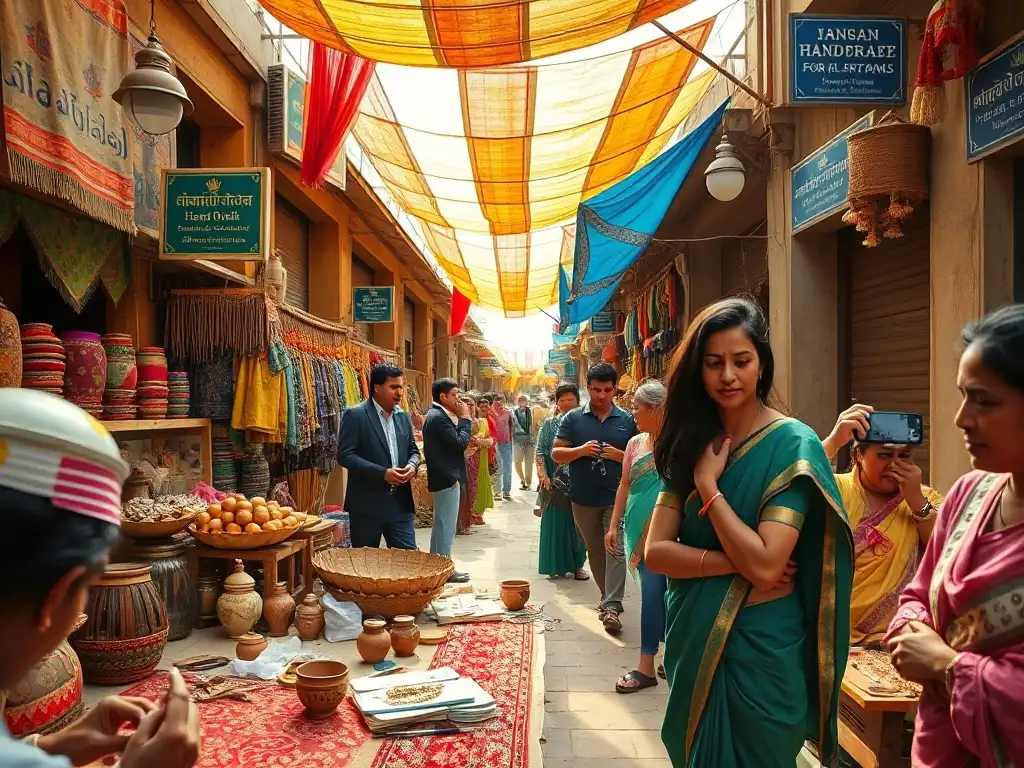
To navigate the challenges posed by tourism, artisans can adopt several strategies that not only enhance their visibility but also ensure the sustainability of their crafts.
Building Strong Brand Narratives Around Handicrafts
Creating a compelling brand narrative is essential for artisans to differentiate their products in a crowded market. By sharing the stories behind their crafts—such as the techniques used, the cultural significance, and the artisans' backgrounds—producers can foster a deeper connection with consumers. This narrative not only elevates the perceived value of the handicrafts but also educates tourists about the rich traditions of Indian craftsmanship. Incorporating elements such as storytelling in marketing materials, workshops, and demonstrations can significantly enhance the consumer experience and encourage mindful purchasing.
Collaborating with Tour Operators and Travel Agencies
Collaboration with tour operators and travel agencies can provide artisans with invaluable exposure. By partnering with these entities, artisans can integrate their products into travel itineraries, offering tourists authentic experiences that include workshops, demonstrations, and direct purchases. This partnership not only increases sales but also promotes cultural exchange, allowing tourists to appreciate the craftsmanship behind the products they buy. Additionally, establishing relationships with local businesses can help artisans access broader networks and customer bases, further enhancing their market reach.
Utilizing Online Platforms for Wider Reach
In today’s digital age, leveraging online platforms is crucial for artisans seeking to expand their market presence beyond local tourism. E-commerce websites, social media, and digital marketing strategies enable artisans to showcase their handicrafts to a global audience. By utilizing platforms such as Instagram and Etsy, artisans can engage with potential customers, share their stories, and sell their products directly. This approach not only mitigates the risks associated with seasonal fluctuations but also empowers artisans to maintain control over their brand and sales channels, fostering sustainability in an ever-evolving market.
Future Trends: The Evolving Landscape of Tourism and Handicrafts
The intersection of tourism and handicrafts in India is witnessing transformative changes as consumer preferences evolve. The future landscape is expected to be shaped by several key trends, including the rise of experiential tourism, a growing interest in sustainable practices, and the integration of technology into traditional crafts. Experiential tourism, where travelers seek authentic and immersive experiences, encourages tourists to engage directly with artisans, fostering a deeper appreciation for the craftsmanship behind each product. This trend not only enhances the tourist experience but also boosts direct sales for artisans.
Moreover, as awareness of environmental issues grows, there is a burgeoning demand for sustainable and ethically produced handicrafts. Tourists are increasingly inclined to support artisans who prioritize eco-friendly materials and practices. This shift presents a unique opportunity for artisans to market their products, highlighting their commitment to sustainability.
Additionally, technology is playing a pivotal role in the evolution of handicraft sales. From e-commerce platforms to social media marketing, artisans can reach wider audiences, both nationally and internationally. This digital shift allows for real-time engagement and the ability to showcase the rich narratives behind each handcrafted product, thus attracting a more diverse customer base.
Sustainable Tourism and Its Benefits for Handicrafts
Sustainable tourism emphasizes the importance of environmentally friendly practices, cultural preservation, and economic benefits for local communities. For the handicraft sector in India, this approach can lead to numerous advantages. By promoting sustainability, artisans can attract tourists who are not only interested in purchasing products but also in supporting local economies and preserving traditional crafts.
One significant benefit of sustainable tourism is the ability to create a stable income source for artisans. When tourists are educated about the origins and cultural significance of handicrafts, they are more likely to invest in these products. This financial support enables artisans to continue their craft, invest in better materials, and pass down their skills to future generations.
Furthermore, sustainable tourism fosters community engagement. Workshops, craft fairs, and artisan-led tours can be organized, allowing tourists to interact directly with creators. Such experiences not only enhance the tourist's understanding of the craft but also promote a sense of community among artisans, encouraging collaboration and innovation.
The Role of Digital Marketing in Promoting Handicrafts
Digital marketing has become an essential tool for promoting Indian handicrafts in the modern marketplace. With the proliferation of social media platforms and online marketplaces, artisans now have unprecedented access to a global audience. Effective digital marketing strategies can significantly enhance visibility and sales for handicraft products.
Social media platforms like Instagram and Facebook allow artisans to showcase their work visually, telling the story behind each piece. Engaging content, such as videos of the crafting process or testimonials from satisfied customers, can create a compelling narrative that resonates with potential buyers. Additionally, targeted advertising on these platforms can help artisans reach specific demographics interested in cultural and artisanal products.
Moreover, e-commerce websites dedicated to handicrafts provide artisans with the infrastructure to sell their products online. These platforms not only facilitate transactions but also offer marketing tools and analytics to help artisans understand their customer base better. As more consumers turn to online shopping, embracing digital marketing strategies is crucial for artisans to thrive in an increasingly competitive market.
Predictions for the Future of Indian Handicraft Sales in a Post-Pandemic World
The COVID-19 pandemic has reshaped consumer behavior and market dynamics, and the Indian handicraft sector is no exception. As the world transitions to a post-pandemic landscape, several predictions can be made regarding the future of handicraft sales.
Firstly, there is likely to be a sustained interest in local and artisanal products as consumers seek unique, high-quality items that reflect cultural authenticity. This trend favors handicrafts, which offer a personal touch often absent in mass-produced goods. Additionally, the continued emphasis on sustainability and ethical consumption will drive more consumers towards handcrafted products.
Secondly, the integration of technology is expected to accelerate. Artisans will increasingly adopt e-commerce solutions and digital marketing techniques to showcase their products. Virtual exhibitions and online craft fairs may become more commonplace, allowing artisans to reach global audiences without the need for physical travel.
Lastly, the growing trend of wellness tourism, focusing on mental health and well-being, may lead to an increase in demand for handmade items that promote relaxation and mindfulness. Products such as artisanal home decor, wellness crafts, and traditional textiles can tap into this market, presenting new opportunities for growth.
Conclusion: The Symbiotic Relationship Between Tourism and Indian Handicrafts
The relationship between tourism and Indian handicrafts is undeniably symbiotic. As tourism continues to thrive, it provides artisans with a platform to showcase their work and share their cultural heritage with the world. In turn, the unique and diverse offerings of Indian handicrafts enrich the tourist experience, making it more memorable and meaningful.
Summary of Key Points on the Impact of Tourism
- Experiential Tourism: Enhances tourist engagement with artisans and their crafts.
- Sustainability: Increasing demand for eco-friendly and culturally significant products.
- Digital Marketing: Expands reach and visibility for artisans through online platforms.
- Post-Pandemic Trends: Shift towards local, unique products and the integration of technology in sales.
Final Thoughts on Enhancing Handicraft Sales Through Tourism
To maximize the potential benefits of tourism for Indian handicrafts, stakeholders must collaborate to create sustainable and educational experiences. This cooperation can involve government initiatives, artisan cooperatives, and tourism boards working together to promote handcrafted products. By fostering connections between artisans and tourists, the rich heritage of Indian handicrafts can be preserved and celebrated, ensuring that these traditional arts continue to thrive in an ever-evolving global market.
- Understanding the Relationship Between Tourism and Handicrafts
- The Positive Impacts of Tourism on Indian Handicraft Sales
- Challenges Faced by Indian Handicrafts Due to Tourism
- Strategies for Artisans to Leverage Tourism Effectively
- Future Trends: The Evolving Landscape of Tourism and Handicrafts
- Conclusion: The Symbiotic Relationship Between Tourism and Indian Handicrafts
- What is the relationship between tourism and Indian handicrafts?
- How does tourism affect the livelihood of artisans?
- Are there any negative impacts of tourism on handicraft sales?
- What role do government policies play in supporting handicraft tourism?
- How can tourists contribute to the sustainability of Indian handicrafts?
Frequently Asked Questions
What is the relationship between tourism and Indian handicrafts?
Tourism significantly boosts demand for Indian handicrafts, as travelers seek authentic souvenirs and local art, thus enhancing sales and promoting cultural heritage.
How does tourism affect the livelihood of artisans?
Increased tourism can lead to higher income for artisans, providing them with more opportunities to sell their crafts and improving their overall economic stability.
Are there any negative impacts of tourism on handicraft sales?
Yes, while tourism can increase sales, it may also lead to over-commercialization, causing a decline in traditional craftsmanship and authenticity of products.
What role do government policies play in supporting handicraft tourism?
Government policies can enhance handicraft tourism through promotional campaigns, grants, and training programs, ensuring artisans receive the support they need to thrive in a competitive market.
How can tourists contribute to the sustainability of Indian handicrafts?
Tourists can contribute by choosing to purchase authentic, locally made products, which helps preserve traditional techniques and supports the artisans' communities directly.
Final Reflection: The Transformative Power of Tourism on Indian Handicrafts
The intricate relationship between tourism and Indian handicrafts is more relevant today than ever. As global travel resumes and cultural exchanges flourish, the effects of tourism on Indian handicrafts are increasingly evident, shaping not only the economy but also the preservation of rich traditions. This dynamic interplay underscores the importance of recognizing how tourism can serve as a catalyst for revitalizing artisanal crafts, ultimately fostering a deeper appreciation for India's cultural heritage.
Cultural heritage is not just a relic of the past; it is a living testament to the creativity and resilience of communities. The impact of tourism on Indian handicrafts extends beyond mere sales figures; it influences social structures, empowers artisans, and promotes sustainable practices. As we witness a resurgence in interest for authentic, handmade products, we must remember that "the beauty of craft lies in its story," a sentiment echoed by many artisans who pour their heart and soul into their work. Craft is the expression of the human spirit and a bridge between cultures.
As you reflect on the insights shared in this article, consider how you can contribute to the preservation and promotion of Indian handicrafts in your own life. Embrace the power of conscious consumerism by choosing handmade products, supporting local artisans, and sharing their stories. In doing so, you not only enrich your own experience but also play a vital role in sustaining the vibrant tapestry of India's cultural landscape. Let us celebrate and elevate the artistry of Indian handicrafts together, ensuring that these treasures continue to thrive for generations to come.
Empower Local Artisans – Take Action Now!
Thank you for exploring the fascinating relationship between tourism and Indian handicraft sales! Your interest in this topic is instrumental in promoting the rich tapestry of our cultural heritage. Now, let’s turn that knowledge into impactful action that supports local artisans and enhances their visibility.
Here are a few simple yet powerful steps you can take to make a difference:
- Explore local handicraft markets: Seek out authentic artisan markets or festivals in your area. By purchasing directly from artisans, you contribute to their livelihoods and promote their crafts.
- Share your learnings: Discuss your newfound insights about Indian handicrafts with friends and family, or share informative posts on social media. Elevate awareness and appreciation for these beautiful traditions!
- Engage with artisan communities: Consider joining or supporting nonprofit organizations that focus on assisting artisans. Your involvement can create a lasting impact.
What unique handicraft have you discovered that captures the essence of Indian culture?