
Sustainable Practices in Indian Handicrafts: Opportunities for EcoConscious Investors

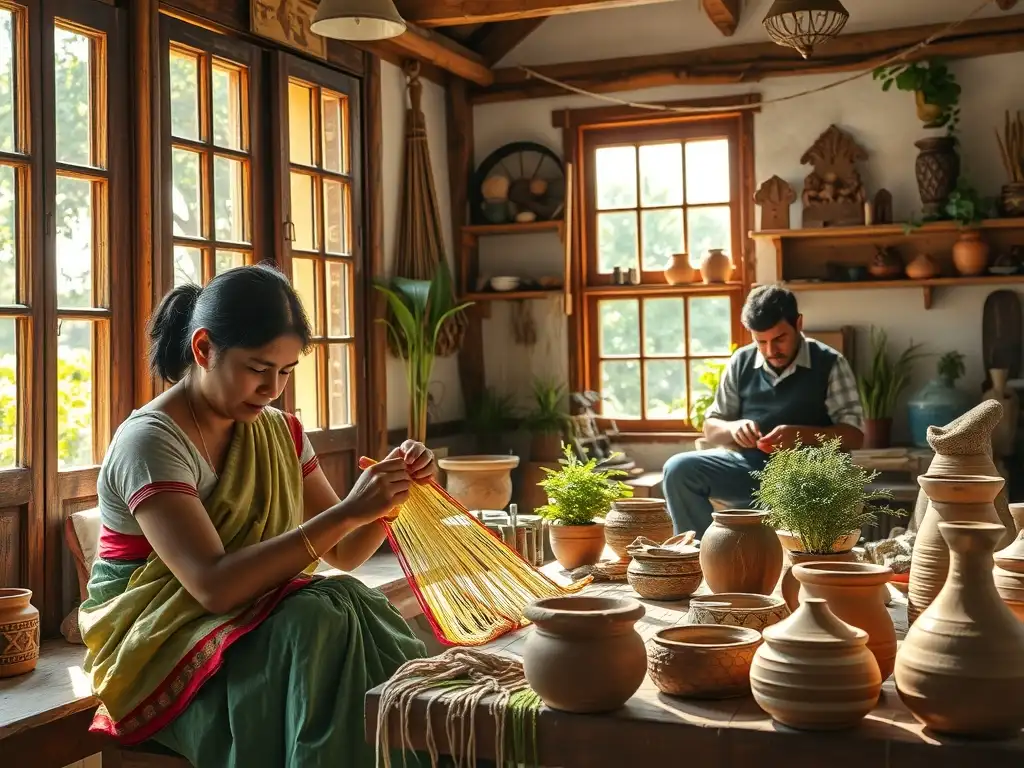
Welcome to Ancient India History, where we embark on a journey through the fascinating tapestry of ancient Indian civilizations. Here, we celebrate the rich and diverse legacies that have shaped our world, from the remarkable Indus Valley civilization to the illustrious Gupta Empire. In this exploration, we delve into sustainable Indian handicraft practices, uncovering how these time-honored traditions not only reflect cultural heritage but also present unique opportunities for eco-conscious investors.
Are you ready to discover the intersection of history, culture, and sustainability? Join us as we unveil the secrets of a vibrant past that is ripe for modern investment!
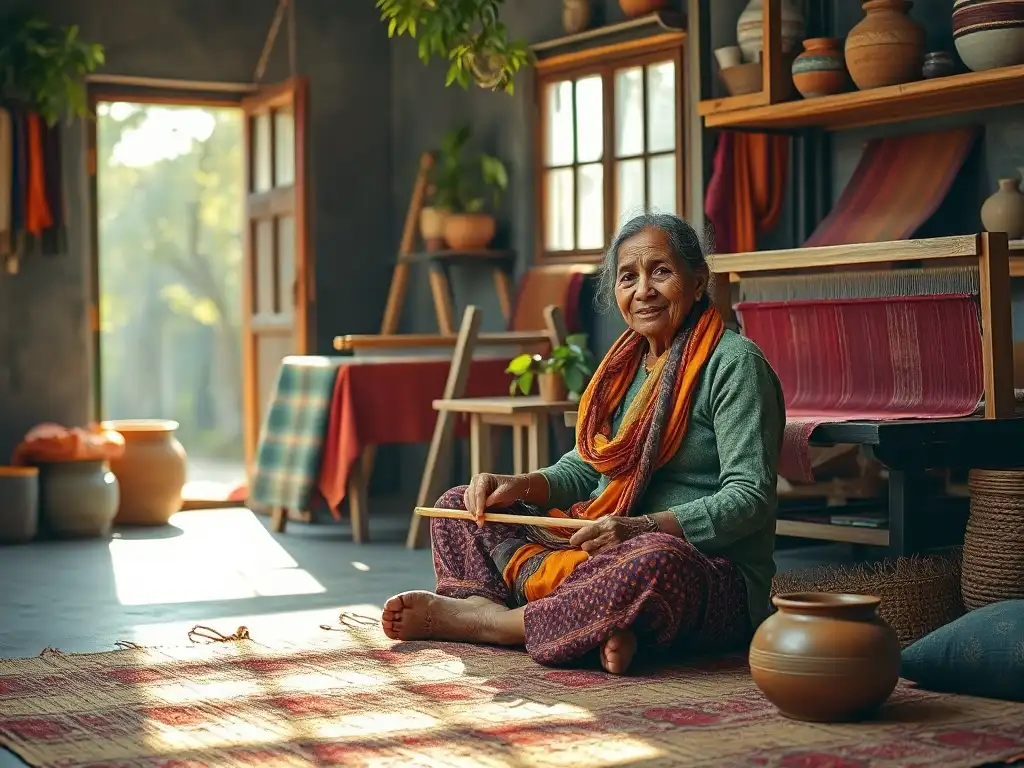
Introduction to Sustainable Indian Handicrafts Practices
The concept of sustainable practices in Indian handicrafts is not merely a modern trend; it is an integral part of India's rich artisanal heritage. As global awareness of environmental issues grows, eco-conscious investors are increasingly looking towards sustainable handicrafts as a viable and ethical investment opportunity.
This article delves into the historical roots and cultural significance of Indian handicrafts while also exploring sustainable practices that not only preserve traditional techniques but also promote environmental stewardship. In this context, we will examine how these practices can offer unique opportunities for investors who are passionate about supporting both artisans and the planet.
The Heritage of Indian Handicrafts
Historical Context of Indian Handicrafts
Indian handicrafts boast a rich tapestry of history that dates back thousands of years. From the intricate beadwork of the Indus Valley Civilization to the exquisite textiles of the Mughal era, each region in India has its own unique handicraft traditions shaped by various cultural influences. The traditional techniques have been passed down through generations, creating a legacy that is both diverse and deeply rooted in the socio-economic fabric of the nation.
- Key Historical Milestones:
- Indus Valley Civilization (c. 3300–1300 BCE): One of the earliest known societies to engage in crafts, including pottery and bead making.
- Mughal Empire (1526–1857 CE): Flourished in textiles, metalwork, and inlay techniques, influencing global art and trade.
These historical contexts not only reflect the evolution of craftsmanship but also highlight the importance of sustainability in preserving these age-old traditions.
Cultural Significance of Handicrafts
Handicrafts in India are more than just products; they represent the cultural identity and heritage of various communities. Each piece tells a story, embodying the skills and creativity of artisans who have dedicated their lives to mastering their craft.
- Cultural Aspects of Handicrafts:
- Community Identity: Many handicrafts are unique to specific regions, fostering a sense of pride and belonging among artisans.
- Economic Impact: Handicrafts provide livelihoods to millions, particularly in rural areas, thereby contributing to local economies and supporting sustainable development.
The intricate designs and traditional methods used in creating these handicrafts often incorporate natural materials, which align with the principles of sustainability. As we explore the potential for eco-conscious investment in these practices, it becomes clear that supporting Indian handicrafts is not only a commitment to preserving culture but also to fostering a sustainable future.
Sustainable Indian Handicrafts Practices
The realm of Indian handicrafts is a vibrant tapestry woven with the threads of culture, tradition, and sustainability. Sustainable Indian handicrafts practices not only preserve ancient techniques but also embrace eco-friendly methods that respect and protect the environment. These practices are rooted in the philosophies of minimal waste, natural materials, and traditional craftsmanship, which have been passed down through generations. As global awareness of environmental issues rises, these practices present a unique opportunity for eco-conscious investors to support sustainable economic growth while promoting cultural heritage.
Understanding Sustainable Practices in Handicrafts
Sustainable practices in handicrafts encompass a variety of methodologies that prioritize environmental health and social responsibility. These practices include:
- Use of Natural Materials: Artisans often rely on locally sourced, biodegradable materials such as cotton, bamboo, and clay, reducing the carbon footprint associated with transportation and production.
- Traditional Techniques: Many handicrafts are created using age-old techniques that require minimal energy input and utilize hand tools instead of industrial machinery. This not only preserves traditional knowledge but also minimizes environmental impact.
- Waste Reduction: Sustainable practices emphasize the importance of reducing waste through recycling and upcycling materials. For example, scraps from one craft can be transformed into another product, thereby minimizing resource consumption.
- Community Engagement: Sustainable handicraft practices often involve local communities, ensuring fair wages and promoting social equity. This community-centric approach supports economic development while empowering artisans.
By understanding these sustainable practices, investors can appreciate the dual benefits of supporting the environment and contributing to the livelihoods of artisans.
Key Sustainable Techniques in Indian Handicrafts
Several techniques exemplify the sustainable practices prevalent in Indian handicrafts:
- Natural Dyeing: Artisans use plant-based dyes, which are non-toxic and environmentally friendly, in contrast to synthetic dyes that can be harmful to both health and ecosystems.
- Hand Weaving and Embroidery: Techniques like hand-weaving and embroidery not only highlight the skill of artisans but also reduce the carbon footprint associated with mechanized production.
- Terracotta and Pottery: Utilizing local clay and traditional firing methods, terracotta crafts are not only sustainable but also biodegradable, making them an eco-friendly option.
- Bamboo Crafting: Bamboo is a renewable resource that is lightweight and strong. The crafting of bamboo items promotes sustainable forestry and offers a viable alternative to plastic products.
These techniques underscore the commitment of Indian artisans to sustainability, offering a wealth of opportunities for eco-conscious investors.
Opportunities for Eco-Conscious Investors
Investing in sustainable Indian handicrafts presents a compelling opportunity for eco-conscious investors looking to make a positive impact. The growing global trend towards sustainability is driving demand for ethically produced goods, making this sector ripe for investment.
The Market Potential of Sustainable Handicrafts
The market for sustainable handicrafts is on the rise, fueled by consumer preferences shifting towards eco-friendly products. This growth can be attributed to several factors:
- Rising Consumer Awareness: As consumers become more environmentally aware, there is increasing demand for products that reflect their values, including sustainably sourced handicrafts.
- Global Market Trends: Reports indicate that the global handicrafts market is expected to grow significantly, with sustainable products leading the charge. This growth is driven by both domestic and international demand for unique, handcrafted items.
- E-commerce Expansion: The rise of e-commerce platforms has opened up new avenues for artisans to reach global customers, enhancing market access for sustainable handicrafts.
Investors can capitalize on this market potential by supporting artisans and brands that prioritize sustainability in their production processes.
Investment Opportunities in Sustainable Handicrafts
Eco-conscious investors have a variety of avenues to explore within the realm of sustainable handicrafts:
- Direct Investment in Artisans: Investing directly in artisan cooperatives can provide them with the necessary capital to scale their operations while ensuring fair wages and community development.
- Supporting Eco-Friendly Brands: Many brands are emerging that focus on sustainable handicrafts. Investing in these businesses can help them expand their reach and increase production capacity.
- Crowdfunding Platforms: Leveraging crowdfunding platforms dedicated to sustainable projects can provide a unique opportunity for investors to support multiple artisans and their initiatives.
- Corporate Partnerships: Collaborating with corporations that are committed to corporate social responsibility can enhance the visibility of sustainable handicrafts, creating mutually beneficial opportunities for both artisans and investors.
By identifying and pursuing these investment opportunities, eco-conscious investors can contribute to a sustainable future while promoting the rich heritage of Indian handicrafts.
Challenges Faced by Sustainable Indian Handicrafts
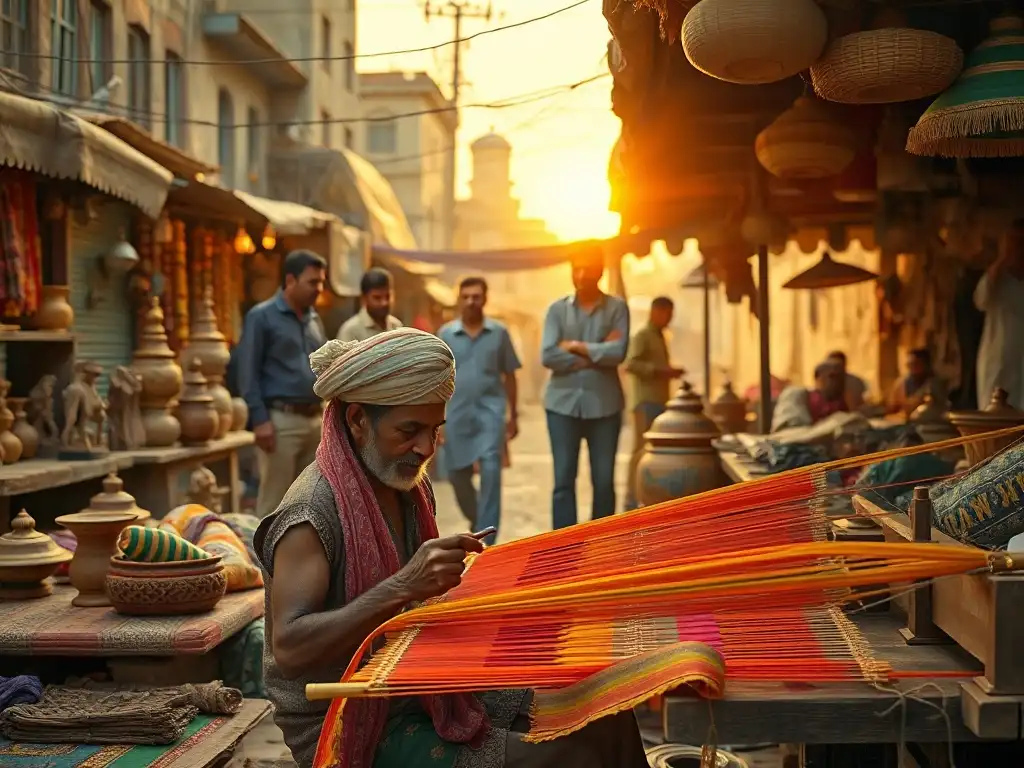
The realm of sustainable Indian handicrafts is not without its challenges. These obstacles can hinder the growth and visibility of artisanal products, making it essential for eco-conscious investors to understand them. By recognizing these challenges, stakeholders can work collaboratively to create innovative solutions and promote sustainability within the industry.
Economic and Social Challenges
One of the primary challenges facing sustainable Indian handicrafts is economic in nature. Many artisans operate in informal settings with limited access to financial resources, making it difficult for them to invest in sustainable practices. Low profit margins often force artisans to prioritize quantity over quality, leading to the use of non-eco-friendly materials and processes.
Additionally, social challenges play a significant role. Cultural shifts and globalization have resulted in a decline in traditional craftsmanship, as younger generations are drawn to urban job markets and modern professions. This migration threatens the transmission of traditional skills and knowledge, leading to a potential loss of unique handicraft practices.
Moreover, limited market access hampers artisans' ability to reach a broader audience. Without proper marketing and distribution channels, many sustainable products remain unknown to potential buyers, stifling growth opportunities for both artisans and investors interested in eco-conscious products.
Overcoming Challenges through Innovative Solutions
Despite these challenges, innovative solutions are emerging to help revitalize the sustainable handicrafts sector. One approach is the incorporation of technology in production and marketing. For instance, using e-commerce platforms can enhance visibility and create direct channels between artisans and consumers, thereby expanding market reach.
Moreover, collaborations between artisans and designers can lead to the development of modern products that appeal to contemporary consumers while still honoring traditional techniques. This fusion not only preserves heritage but also opens up new avenues for income generation.
Financial support systems, such as microfinancing and grants specifically tailored for artisans, can empower them to adopt sustainable practices. By providing access to resources, artisans can invest in eco-friendly materials and techniques, ultimately improving the quality and appeal of their products.
Education and training programs can also play a vital role in overcoming social challenges. By equipping artisans with knowledge about sustainable practices and business skills, they can better navigate the complexities of the market and ensure their crafts are both traditional and environmentally responsible.
Conclusion: The Future of Sustainable Indian Handicrafts
The future of sustainable Indian handicrafts appears promising, albeit contingent upon addressing the existing challenges. As eco-conscious consumers increasingly seek authentic and sustainable products, there is a growing market for Indian handicrafts that prioritize environmental responsibility.
Investors who recognize the potential of this sector can play a pivotal role in driving change. By supporting artisans through innovative solutions, sustainable practices can flourish, ensuring the preservation of rich cultural heritage while meeting modern consumer needs. With concerted efforts from all stakeholders, sustainable Indian handicrafts can become a vibrant and sustainable component of the global marketplace, benefiting both artisans and eco-conscious investors alike.
Call to Action for Eco-Conscious Investors
As the world increasingly embraces sustainability, eco-conscious investors have a unique opportunity to engage with the rich tapestry of Indian handicrafts. Investing in sustainable Indian handicrafts practices not only supports artisans but also contributes to the preservation of traditional crafts that are often at risk due to industrialization and globalization.
Why Invest in Sustainable Indian Handicrafts?
Investing in sustainable handicrafts offers manifold benefits, including:
- Cultural Preservation: By supporting artisans, investors help to preserve ancient techniques and crafts that have been passed down through generations.
- Environmental Impact: Many Indian handicraft practices utilize natural materials and eco-friendly processes, reducing the carbon footprint associated with mass production.
- Economic Empowerment: Eco-conscious investments can create job opportunities for local artisans, empowering communities and improving their livelihoods.
Steps for Eco-Conscious Investors
- Research Artisanal Communities:
- Understand the socio-economic context of the artisans and their crafts.
- Look for fair-trade certified organizations that prioritize ethical practices.
- Support Local Markets:
- Invest in local markets that showcase sustainable handicrafts.
- Participate in fairs or exhibitions that promote eco-friendly products.
- Engage with Artisan Cooperatives:
- Partner with cooperatives that focus on sustainable production methods.
- Encourage collaborations that enhance the visibility of these crafts.
- Advocate for Sustainability:
- Promote awareness about the importance of sustainable practices in handicrafts.
- Use social media platforms to share stories about artisans and their crafts.
Conclusion
Eco-conscious investors have an essential role to play in the sustainable landscape of Indian handicrafts. By making informed choices and supporting ethical practices, they can help ensure that these beautiful crafts not only survive but thrive for generations to come. Investing in this sector is not just a business opportunity; it is a chance to make a significant impact on culture, environment, and community. Embrace this call to action and become a part of the change today! 🌱
- Introduction to Sustainable Indian Handicrafts Practices
- The Heritage of Indian Handicrafts
- Sustainable Indian Handicrafts Practices
- Opportunities for Eco-Conscious Investors
- Challenges Faced by Sustainable Indian Handicrafts
- Conclusion: The Future of Sustainable Indian Handicrafts
- Call to Action for Eco-Conscious Investors
- What are sustainable practices in Indian handicrafts?
- How do sustainable handicrafts benefit local communities?
- Why should investors consider eco-conscious handicrafts?
- What role does the Gupta Empire play in the history of Indian handicrafts?
- How can consumers identify sustainable Indian handicrafts?
Frequently Asked Questions
What are sustainable practices in Indian handicrafts?
Sustainable practices in Indian handicrafts focus on eco-friendly materials, traditional techniques, and ethical labor. These practices aim to reduce environmental impact while preserving cultural heritage.
How do sustainable handicrafts benefit local communities?
Sustainable handicrafts create job opportunities and support local artisans by promoting fair trade practices. This boosts economic growth and helps maintain traditional skills within communities.
Why should investors consider eco-conscious handicrafts?
Investors can tap into the growing demand for sustainable products. By supporting eco-conscious handicraft initiatives, they contribute to environmental conservation while exploring profitable business opportunities.
What role does the Gupta Empire play in the history of Indian handicrafts?
The Gupta Empire is known for its patronage of arts and crafts, leading to significant advancements in handicraft techniques. This era saw a flourishing of textiles, pottery, and metalwork, reflecting the rich cultural heritage.
How can consumers identify sustainable Indian handicrafts?
Consumers can look for certifications that indicate eco-friendly materials and ethical production practices. Additionally, supporting local artisans and handicraft cooperatives can ensure they are purchasing sustainable products.
Final Reflection: Embracing Sustainable Indian Handicrafts for a Greener Future
Sustainable Indian handicrafts practices are not just a trend; they represent a vital shift towards eco-conscious living that resonates deeply in today's world. As we face pressing environmental challenges, the revival and support of traditional crafts rooted in sustainability offer a pathway to not only preserve cultural heritage but also to foster economic growth and environmental stewardship. The urgency of this moment compels us to recognize that our choices as consumers can significantly impact the artisans and ecosystems that sustain these age-old practices.
Cultural heritage and sustainability are intertwined, and the revival of sustainable practices in Indian handicrafts is a testament to this connection. The artisans, who have passed down their skills through generations, embody a wisdom that is increasingly relevant in our modern context.
By investing in these practices, we not only support local economies but also contribute to a movement that values ethical production and environmental responsibility. As Mahatma Gandhi once said, “The future depends on what you do today.” This quote encapsulates the essence of our responsibility to act now in favor of sustainable practices that honor both our heritage and our planet.
As you reflect on the insights shared in this article, consider how you can play a role in promoting sustainable Indian handicrafts in your own life. Whether through conscious purchasing decisions, supporting local artisans, or advocating for eco-friendly practices, your actions can contribute to a more sustainable future. Let us embrace the beauty and significance of these crafts, not just as consumers, but as stewards of a legacy that deserves to thrive for generations to come. Together, we can weave a narrative of sustainability that honors the past while paving the way for a greener future.
Embrace Sustainable Artistry and Invest in a Greener Future!
Thank you for diving into our exploration of sustainable practices in Indian handicrafts! Your interest in eco-conscious investments is not only admirable; it's a crucial step towards fostering a healthier planet while supporting cultural heritage. Now that you’re inspired by the opportunities surrounding sustainable handicrafts, it's time to put that inspiration into action!
Here’s how you can make a difference:
- Dive In: Explore local artisans and discover their sustainable techniques. Visit craft fairs or local galleries to witness their artistry firsthand and invest in pieces that tell a story.
- Spread the Word: Share this message with friends and family who share your passion for sustainability. Encourage conversations about the impact of conscious investing in our communities.
- Join a Community: Engage in discussions online focused on sustainable investments and Indian handicrafts. Connecting with like-minded individuals can deepen your understanding and create valuable networking opportunities.
What unique handicraft inspires you the most, and how do you envision supporting these eco-friendly initiatives? We would love to hear your thoughts!