
The Function of Indus Valley Sculpture in Daily Life

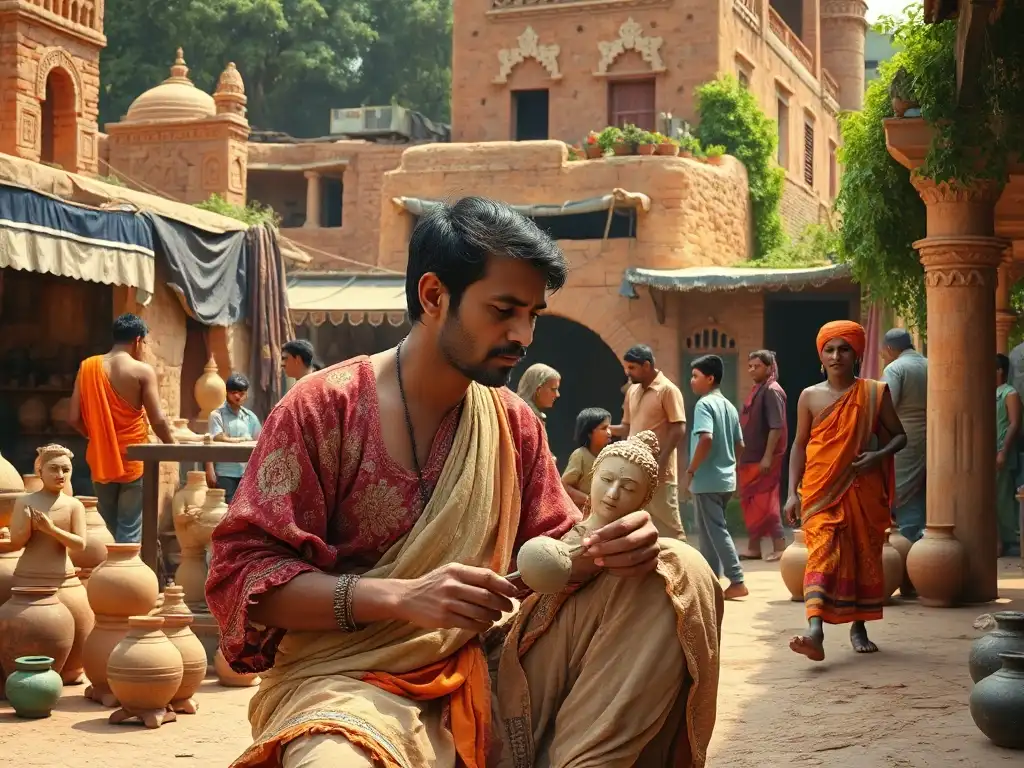
Welcome to Ancient India History, where we embark on a fascinating journey through the rich and diverse tapestry of ancient Indian civilizations. Here, we delve into the remarkable contributions that have shaped the cultural landscape of this vibrant region. In our featured article, we explore the significance of Indus Valley sculpture—an art form that transcended mere aesthetics to play a vital role in the daily lives of its people.
What secrets do these ancient relics hold? Join us as we uncover their profound meanings and the insights they offer into a civilization that continues to inspire awe. Dive deeper into this captivating world and let your curiosity guide you!
Introduction to Indus Valley Sculpture
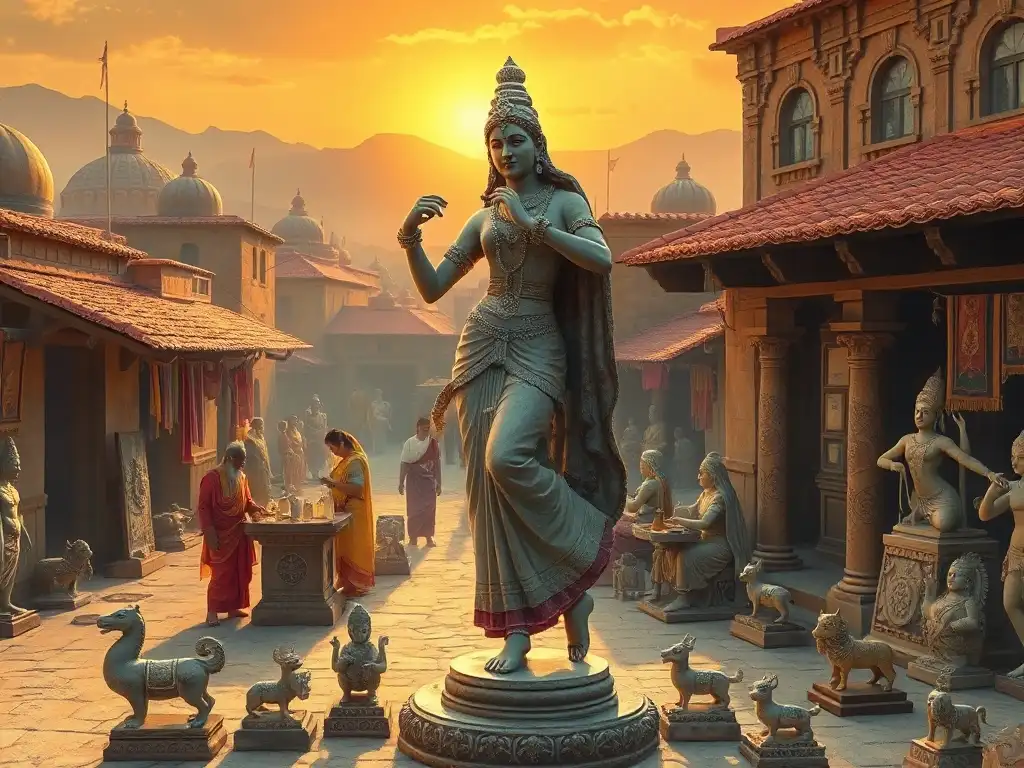
The Indus Valley Civilization, one of the world's earliest urban cultures, flourished between approximately 3300 BCE and 1300 BCE in what is today Pakistan and northwest India. This remarkable civilization is renowned not only for its sophisticated city planning and advanced drainage systems but also for its rich artistic heritage, particularly in sculpture.
The significance of Indus Valley sculpture extends beyond mere aesthetics; it played a crucial role in daily life, religious practices, and social interactions within these ancient urban centers. Understanding the function of these sculptures offers valuable insights into the beliefs, cultural values, and societal structures of the time.
Overview of the Indus Valley Civilization
The Indus Valley Civilization, also known as the Harappan Civilization, was characterized by its well-planned cities like Harappa and Mohenjo-Daro. The inhabitants engaged in trade, agriculture, and crafts, showcasing a high degree of social organization and technological advancement. Their artistic endeavors, particularly in sculpture, reflect a deep connection with their environment, religion, and daily activities.
- Key Features:
- Urban Planning: Grid-like city layouts with advanced drainage systems.
- Trade Networks: Evidence of extensive trade with contemporary civilizations, including Mesopotamia.
- Artistic Expression: Diverse forms of art, including seals, pottery, and intricate sculptures.
Importance of Art in Ancient Societies
Art has always played a pivotal role in human societies, serving as a reflection of cultural identity, religious beliefs, and social hierarchies. In ancient civilizations, including the Indus Valley, art was not merely decorative; it was integral to daily life and community cohesion.
- Functions of Art:
- Cultural Identity: Artifacts and sculptures communicated the values and beliefs of the civilization.
- Religious Significance: Many sculptures were associated with worship and rituals, providing a tangible connection to the divine.
- Social Commentary: Art often depicted social structures, roles, and community activities, offering insights into societal norms.
Indus Valley Sculpture Significance
The significance of Indus Valley sculpture lies in its multifaceted role within the civilization, encompassing aesthetic beauty, religious contexts, and social functions.
Definition and Characteristics of Indus Valley Sculpture
Indus Valley sculpture encompasses a variety of forms, including miniature figurines, seals, and larger statues. Characterized by their detailed craftsmanship and distinct styles, these sculptures often depict human figures, animals, and symbolic motifs.
- Common Characteristics:
- Material Usage: Predominantly made from materials such as clay, terracotta, and stone.
- Themes: Frequently features motifs related to animals, fertility, and deities.
- Artistic Techniques: Employs a combination of realism and stylization, reflecting the duality of everyday life and spiritual beliefs.
Historical Context: Timeframe and Development
The development of Indus Valley sculpture can be traced across various phases of the civilization, reflecting changes in societal structures, trade, and cultural interactions.
- Timeline:
- Early Harappan Phase (c. 3300-2600 BCE): Emergence of simple forms and rudimentary techniques.
- Mature Harappan Phase (c. 2600-1900 BCE): Flourishing of intricate sculptures and a variety of artistic expressions.
- Late Harappan Phase (c. 1900-1300 BCE): Decline in artistic output, possibly due to environmental changes and societal transformations.
Cultural Influence on Sculpture Techniques
The techniques used in Indus Valley sculpture were influenced by a blend of indigenous styles and external interactions, especially through trade with neighboring cultures.
- Influences:
- Local Traditions: Rooted in the natural environment, utilizing available materials and traditional methods.
- Interactions with Other Cultures: Exchange of ideas and techniques with Mesopotamian and Persian civilizations that enriched the artistic vocabulary of the Indus Valley.
- Symbolism: Many sculptures incorporated symbols that conveyed deeper meanings, reflecting the spiritual and cultural ideals of the society.
Through this exploration of Indus Valley sculpture, we uncover not only the artistic achievements of this ancient civilization but also their significant contributions to our understanding of human creativity and cultural expression.
Daily Life Reflected in Indus Valley Sculpture
The sculptures of the Indus Valley Civilization provide a fascinating glimpse into the daily lives of its inhabitants. These artistic expressions serve as both a historical record and a reflection of the social, economic, and cultural aspects of the time. The attention to detail and the thematic diversity in these sculptures highlight the significance of art in everyday life.
Sculptures from this era often depict scenes that illustrate the daily activities of people, showcasing their roles and interactions within the community. This portrayal not only documents historical practices but also offers insight into the values and priorities that shaped the lives of the Indus Valley people.
Representation of Daily Activities in Sculptures
The Indus Valley sculptures frequently illustrate various daily activities such as farming, pottery making, and weaving. For example, terracotta figurines often depict individuals engaged in agricultural tasks, showcasing the importance of farming in sustaining their society.
Additionally, many sculptures reveal the significance of trade and commerce. Some figurines represent merchants or traders, indicating a thriving economy based on exchange and interaction. This artistic focus on daily activities underscores the civilization's reliance on agriculture, craftsmanship, and trade as foundational components of their social structure.
Symbolism of Animals and Nature in Art
Animals played a crucial role in the lives of the Indus Valley inhabitants, serving as both companions and resources. Sculptures often featured various animals, including cattle, elephants, and tigers, which were integral to agricultural practices and transportation.
The depiction of these animals in art also carries symbolic meanings. For instance, bulls may represent strength and fertility, while elephants could symbolize power and prosperity. Additionally, natural elements like trees and plants are often interwoven into sculptures, reflecting the civilization's respect for nature and its vital role in their existence.
Religious and Spiritual Elements in Sculpture
Religious beliefs and spiritual practices are evident in the sculptures of the Indus Valley. Many artifacts indicate a reverence for deities and a connection to the natural world. The presence of figures that might represent gods or goddesses suggests a complex belief system that likely influenced their daily lives and societal norms.
Moreover, some sculptures feature motifs associated with fertility and agriculture, which may indicate a spiritual connection to the land and its productivity. This intertwining of daily life and spiritual beliefs demonstrates how art served as a medium for expressing and reinforcing cultural values.
Functions of Sculpture in Indus Valley Society
Sculptures in the Indus Valley Civilization were not merely decorative; they served several essential functions within society. From communication to religious practices, these artworks played a significant role in shaping social interactions and cultural identities.
Sculptures as Tools for Communication
The sculptures of the Indus Valley acted as a form of communication among its people. Through various symbols and representations, artists conveyed messages that transcended spoken language. For instance, intricate carvings on seals often depicted animals or motifs that could signify ownership, trade agreements, or social status.
These artifacts facilitated interactions between different communities, fostering trade and cultural exchange. Additionally, the use of standardized motifs might have helped to establish a shared identity among the inhabitants of the region, reinforcing communal bonds.
Role of Sculpture in Religious Practices
Sculpture played a vital role in the religious practices of the Indus Valley Civilization. Ritualistic sculptures, such as those depicting deities or sacred animals, were likely used in ceremonies to honor and appease gods. The presence of these sculptures in public spaces or temples signifies their importance in communal worship and spiritual life.
Furthermore, the act of creating and displaying such art may have served as a form of devotion, allowing artisans to express their beliefs and values through their craft. This integration of art and spirituality highlights the significance of sculpture in fostering a sense of identity and connection to the divine.
Indus Valley Sculpture and Social Hierarchies
The sculptures of the Indus Valley also reflect the social hierarchies that existed within the civilization. Certain figures, particularly those made from expensive materials or depicting elite individuals, suggest a stratified society with marked distinctions in status and power.
Artisans who created these sculptures likely belonged to different social classes, and the nature of the sculptures might indicate the roles and privileges associated with each class. This artistic representation of social hierarchies not only provides insight into the structure of the civilization but also emphasizes the importance of art in communicating status and identity within the community.
Materials and Techniques in Indus Valley Sculpture
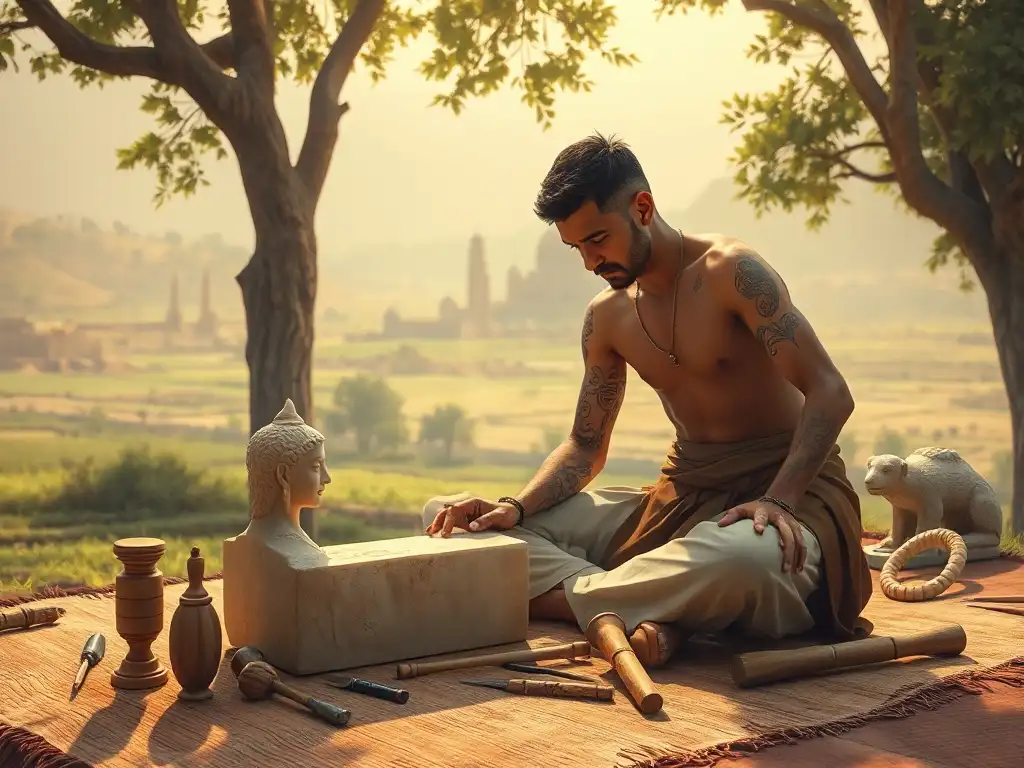
The sculptures of the Indus Valley Civilization showcase a remarkable blend of artistry and craftsmanship that reflects the society's values and daily life. The materials used and the techniques employed by artisans during this period reveal much about their environment, technological advancements, and cultural priorities.
Common Materials Used in Sculpture
Indus Valley artists primarily utilized materials that were locally available, leading to a diverse range of sculptures. Common materials included:
- Terracotta: This clay-based material was prevalent due to its accessibility and ease of manipulation. Terracotta figurines, often depicting human figures and animals, were common finds in excavations and are thought to have played a role in domestic rituals and children's play.
- Stone: Harder stones such as limestone, sandstone, and calcite were used for larger sculptures and intricate carvings. These materials allowed for detailed work, which often depicted religious figures or symbols, showcasing the skill of the artisans.
- Metal: Bronze and copper were occasionally utilized, especially for smaller sculptures and decorative elements. The lost-wax casting technique was employed to create detailed figures, indicating advanced metallurgical knowledge.
- Shell and Ivory: These materials were less common but were used to create luxury items and intricate details, often found in jewelry and small sculptures, highlighting the civilization's trade connections and appreciation for aesthetics.
These materials not only served functional purposes but also reflected the spiritual and social values of the Indus Valley people.
Techniques Employed by Indus Valley Artists
The techniques used by Indus Valley sculptors demonstrate their advanced understanding of artistry and engineering. Key methods included:
- Modeling and Molding: Terracotta sculptures were often created using molds, allowing for mass production of figurines. This technique enabled artisans to replicate designs efficiently.
- Carving: For stone sculptures, artisans used chisels and abrasives to carve intricate designs. The precision in detail indicates a high level of skill and a deep understanding of the material properties.
- Lost-Wax Casting: This technique was employed for metal sculptures, where a wax model was covered in clay to create a mold. Once heated, the wax melted away, leaving a hollow cavity that was then filled with molten metal, allowing for fine details.
- Polishing and Finishing: After sculpting, surfaces were often polished to enhance their aesthetic appeal. This finishing touch was especially evident in stone and metal works, which would have gleamed and attracted attention.
These techniques reflect a sophisticated artistic tradition that combined practical skills with creative expression.
Preservation and Discovery of Indus Valley Sculptures
The preservation and discovery of Indus Valley sculptures are crucial for understanding this ancient civilization. The methods used in preservation and the challenges faced in archaeological contexts provide insights into the significance of these artifacts.
Archaeological Sites and Their Importance
Numerous archaeological sites across the Indian subcontinent have yielded significant sculptures from the Indus Valley Civilization. Sites such as:
- Mohenjo-Daro: This city is home to some of the most iconic sculptures, including the famous bronze dancing girl and various terracotta figurines. The extensive excavation has provided valuable insights into the artistic practices of the civilization.
- Harappa: This site has revealed a variety of sculptures, including seals that feature intricate animal representations. These finds underscore the importance of Harappa as a cultural and artistic hub.
- Dholavira: Known for its impressive water conservation system, this site also features various sculptures that highlight the engineering prowess of the civilization.
These sites are not only significant for their artistic contributions but also for their ability to inform us about the social, economic, and religious aspects of life in the Indus Valley.
Challenges in Preserving Indus Valley Art
Preserving the sculptures from the Indus Valley poses various challenges:
- Environmental Factors: Many artifacts are vulnerable to degradation due to humidity, temperature fluctuations, and exposure to the elements. Terracotta pieces, in particular, are susceptible to erosion and breakage.
- Looting and Vandalism: Archaeological sites have faced threats from looting and vandalism, leading to the destruction of invaluable cultural heritage. This loss not only diminishes our understanding of the past but also erases connections to cultural identity.
- Limited Resources for Conservation: The preservation of artifacts requires specialized knowledge and resources, which may not always be available in regions where these sites are located. This limitation can hinder efforts to conserve and study these important cultural artifacts.
Addressing these challenges is crucial for safeguarding the legacy of the Indus Valley Civilization and ensuring that its artistic achievements continue to inform future generations.
Conclusion: Lasting Legacy of Indus Valley Sculpture
The Indus Valley Civilization, known for its remarkable urban planning and advanced societal structures, also left an indelible mark on the world of art, particularly sculpture. The intricate carvings and figurines reflect not only the aesthetic sensibilities of the time but also provide insights into the daily life and beliefs of its people. The legacy of Indus Valley sculpture is profound, influencing subsequent art forms in various Indian cultures. From early Buddhist art to medieval temple sculptures, the stylistic elements and themes introduced by the artisans of the Indus Valley can be traced through centuries.
Moreover, the materials used, such as terracotta, stone, and metal, set a precedent for future artistic endeavors. The emphasis on realism, natural forms, and the depiction of animals and human figures in a stylized manner created a foundation that would inspire countless generations of artists. This lasting legacy signifies the importance of sculpture not merely as decorative art but as a vital component of cultural identity and expression in ancient India.
Impact on Future Indian Art and Culture
The influence of Indus Valley sculpture can be seen across various historical periods in India. For instance, the use of symbolism and the focus on anthropomorphic forms can be regarded as precursors to later artistic traditions. The terracotta figurines, often thought to represent fertility and divinity, laid the groundwork for the subsequent portrayal of deities in Hindu and Buddhist art.
In the Mauryan period, we see a continuation of these artistic traditions, with the introduction of large-scale sculptures, like the famous Ashoka Pillars, which retained the intricate detailing and reverence for natural forms established by the Indus Valley artists. Moreover, the Gupta period, often referred to as the Golden Age of Indian art, showcases a culmination of these influences, emphasizing grace, proportion, and the spiritual significance of human figures.
The Indus Valley’s emphasis on craftsmanship and the use of local materials also contributed to a rich artisanal culture that thrived throughout India’s history. This tradition of skilled workmanship continues to be celebrated and preserved in various forms of contemporary Indian art.
Reflection on the Significance of Indus Valley Sculpture Today
Today, the significance of Indus Valley sculpture extends beyond historical appreciation; it serves as a bridge connecting modern society with its ancient roots. As scholars and enthusiasts study these artifacts, they uncover deeper meanings related to identity, spirituality, and social structure, prompting a renewed interest in the values and lifestyles of ancient civilizations.
Furthermore, contemporary artists draw inspiration from the motifs and techniques of Indus Valley sculptures, integrating them into modern artistic expressions. This fusion of ancient and modern not only preserves the cultural heritage but also revitalizes it, making it relevant in a contemporary context.
In educational settings, the study of Indus Valley sculpture enhances our understanding of art history and cultural evolution, encouraging discussions about the significance of historical narratives in shaping modern identities. As we continue to explore the significance of Indus Valley sculpture, we underscore its role as a testament to human creativity, resilience, and the enduring legacy of ancient artistic expression.
- Introduction to Indus Valley Sculpture
- Indus Valley Sculpture Significance
- Daily Life Reflected in Indus Valley Sculpture
- Functions of Sculpture in Indus Valley Society
- Materials and Techniques in Indus Valley Sculpture
- Preservation and Discovery of Indus Valley Sculptures
- Conclusion: Lasting Legacy of Indus Valley Sculpture
- What is the significance of Indus Valley sculpture in ancient culture?
- How did sculptures function in the daily life of the Indus Valley civilization?
- What materials were commonly used in Indus Valley sculptures?
- Are there any notable examples of Indus Valley sculpture?
- How do Indus Valley sculptures compare to those from other ancient civilizations?
Frequently Asked Questions
What is the significance of Indus Valley sculpture in ancient culture?
The Indus Valley sculpture plays a crucial role in understanding the artistic expression and daily life of its people, reflecting their beliefs, customs, and societal values.
How did sculptures function in the daily life of the Indus Valley civilization?
Sculptures served multiple purposes, including religious rituals, decorative arts, and as symbols of status, showcasing the community's aesthetic and spiritual values.
What materials were commonly used in Indus Valley sculptures?
The artisans primarily used materials like terracotta, stone, and metal to create sculptures, demonstrating their craftsmanship and resourcefulness.
Are there any notable examples of Indus Valley sculpture?
Yes, notable examples include the dancing girl statue and the priest-king figure, which highlight the sophistication and artistic skill of the civilization.
How do Indus Valley sculptures compare to those from other ancient civilizations?
Indus Valley sculptures are unique for their realism and attention to detail, setting them apart from the more stylized forms found in Egyptian or Mesopotamian art.
Final Reflection: The Enduring Significance of Indus Valley Sculpture
The intricate artistry of Indus Valley sculpture not only reflects the cultural sophistication of its time but also resonates with our contemporary understanding of art's role in daily life. Today, as we navigate a world increasingly driven by technology and rapid change, the significance of these ancient sculptures reminds us of the timeless connection between art and human experience. They serve as a testament to how creativity can shape and enrich our lives, urging us to appreciate the beauty that surrounds us.
The influence of Indus Valley sculpture extends far beyond its historical context, permeating our cultural and social landscapes in profound ways. From inspiring modern artists to informing our understanding of ancient civilizations, these sculptures continue to spark curiosity and admiration. As noted by art historian John Marshall, The sculptures of the Indus Valley are not merely relics of the past; they are vibrant expressions of a society that valued art as a fundamental aspect of life.
This ongoing dialogue between the past and present invites us to reflect on our own relationship with art and its capacity to convey meaning and identity.
As we conclude our exploration of the significance of Indus Valley sculpture, I encourage you to take a moment to reflect on the role of art in your own life. Consider how the beauty and creativity you encounter daily can inspire you to cultivate a deeper appreciation for the world around you. Whether through visiting a museum, creating your own art, or simply observing the artistry in everyday objects, let the lessons from the Indus Valley remind you of the power of artistic expression to enrich our lives and connect us to our shared humanity.
Uncover the Beauty: Integrate Indus Valley Sculpture into Your Life!
Thank you for exploring the fascinating world of Indus Valley sculpture with us! We hope you gained insights into how these ancient works of art reflected the daily lives of their creators and influenced culture. Now, it's time to bring that inspiration into your own experiences.
Here are some exciting ways you can connect with this remarkable heritage:
- Create your own art: Try your hand at sculpting by crafting small figurines or reliefs inspired by the historical styles you’ve encountered. Share your creations with friends or showcase them on social media!
- Visit local museums: Explore exhibitions that focus on ancient Indian art. Take notes and share your discoveries with fellow history enthusiasts.
- Host a themed discussion group: Gather friends to dive deeper into the impact of art on culture. Share insights and explore related topics together, enriching your understanding of the subject.
Which of these actions resonates with you the most, and how do you plan to incorporate the essence of Indus Valley sculpture into your daily life?