
The Significance of Rituals in Gupta Culture: Art in Daily Life

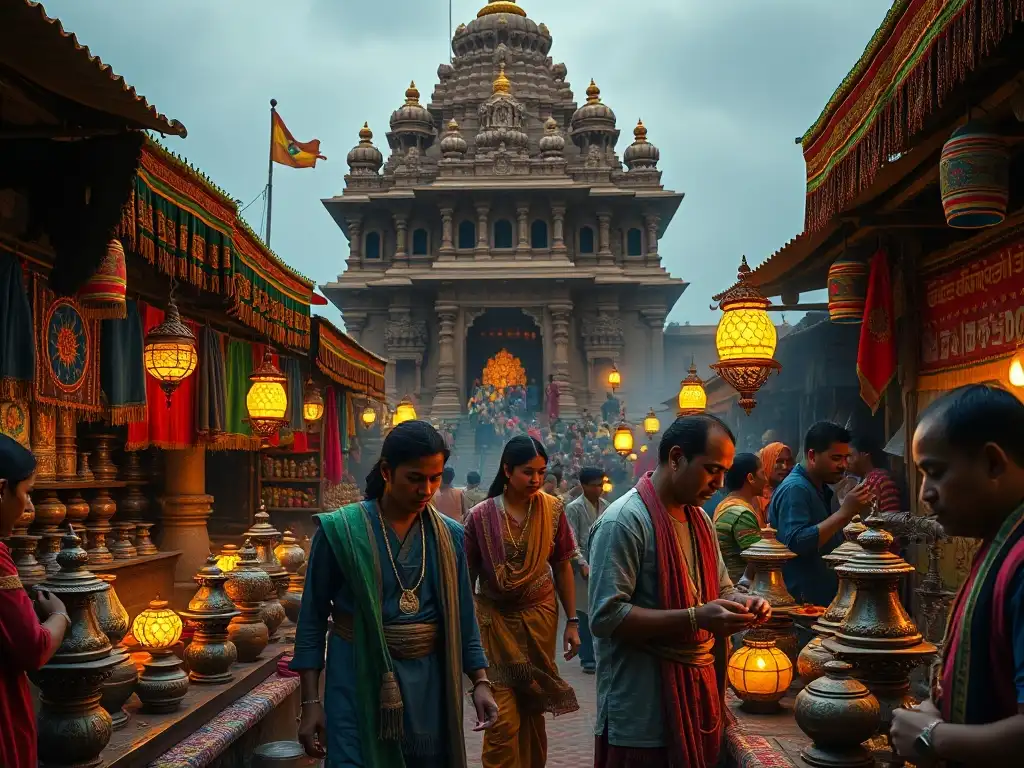
Welcome to Ancient India History, where we embark on a fascinating journey through time to uncover the rich tapestry of ancient Indian civilizations. In this exploration, we delve into the intriguing realm of Gupta culture rituals significance, revealing how these practices shaped daily life and artistic expression during one of India's golden eras.
Prepare to be captivated as we unravel the deep connections between art and ritual, and discover why understanding these traditions is essential for appreciating the profound legacy of the Gupta Empire. Join us as we uncover the layers of history that continue to influence our world today!
Introduction to Gupta Culture
The Gupta Empire, often referred to as the "Golden Age" of India, flourished from approximately 320 CE to 550 CE. This period is characterized by remarkable advancements in various fields, including science, mathematics, literature, and, notably, art and culture. The Gupta culture is distinguished not only by its intellectual achievements but also by its rich tapestry of rituals that permeated daily life.
These rituals played a pivotal role in shaping social norms, cultural identity, and artistic expression, reflecting the values and beliefs of the society. By exploring the significance of rituals within Gupta culture, we gain insights into how these practices influenced artistic endeavors and contributed to the overall tapestry of ancient Indian civilization.
Overview of the Gupta Empire
The Gupta Empire was established by Maharaja Sri Gupta and reached its zenith under the rule of Chandragupta II. Spanning much of the Indian subcontinent, the empire was marked by political stability, economic prosperity, and cultural flourishing. It was during this era that many of the foundational principles of Hindu philosophy emerged, alongside significant advancements in art, architecture, and literature.
The capital city of Pataliputra became a hub of intellectual activity, attracting scholars and artists from across the region. Notably, the Gupta period saw the creation of masterpieces in sculpture, painting, and the performance arts, all of which were deeply intertwined with the rituals practiced by the people.
Importance of Art and Culture in Gupta Society
Art and culture during the Gupta period were not merely forms of expression; they were integral to the social fabric of the time. The significance of rituals in Gupta culture is reflected in various art forms, including temple architecture, sculpture, and frescoes. Rituals provided a framework for artistic creation, often serving as inspiration for artists and craftsmen.
Temples adorned with intricate carvings and sculptures depicted not only religious deities but also scenes from daily life and rituals, illustrating the interconnection between art and spirituality. Furthermore, cultural practices, such as dance and music, were often performed during ritualistic ceremonies, highlighting the importance of the arts in communal life.
Understanding Rituals in Gupta Culture
Rituals in Gupta culture were multifaceted, encompassing religious ceremonies, social rites, and cultural observances. They served to reinforce community bonds, establish social hierarchies, and convey spiritual beliefs. An understanding of these rituals reveals their significance not only in daily life but also in the broader context of artistic expression and cultural identity.
Definition and Role of Rituals in Ancient Societies
Rituals can be defined as structured and repetitive actions that hold symbolic meaning within a cultural context. In ancient societies, including that of the Gupta Empire, rituals played a crucial role in marking important life events, such as births, marriages, and deaths, as well as seasonal changes and agricultural cycles. They were often accompanied by specific artistic expressions, such as music, dance, and visual art, which enhanced their emotional and spiritual impact. Rituals served as a means of connecting the physical world with the divine, providing a sense of order and continuity within the community.
Historical Context of Rituals in Gupta Culture
The historical context of rituals in Gupta culture is deeply rooted in the religious and philosophical traditions of the time. Hinduism, Buddhism, and Jainism coexisted, each contributing to the ritualistic landscape. The Vedic texts, which laid the foundation for many Hindu rituals, were influential during this period, leading to the development of elaborate ceremonies and festivals.
Additionally, the patronage of art and culture by Gupta rulers facilitated the creation of temples and public spaces where rituals could be performed, further embedding these practices into the daily lives of the people. The significance of these rituals extended beyond mere tradition; they were essential in fostering a collective identity and shared cultural heritage among the diverse populations of the Gupta Empire.
Types of Rituals in Gupta Society
The Gupta Empire, known for its remarkable advancements in art, culture, and philosophy, embraced a variety of rituals that permeated every aspect of life. These rituals can be broadly categorized into three main types: religious, social and ceremonial, and everyday rituals. Each type played a significant role in shaping the cultural landscape of Gupta society, reinforcing communal bonds and personal spirituality.
Religious Rituals and Their Significance
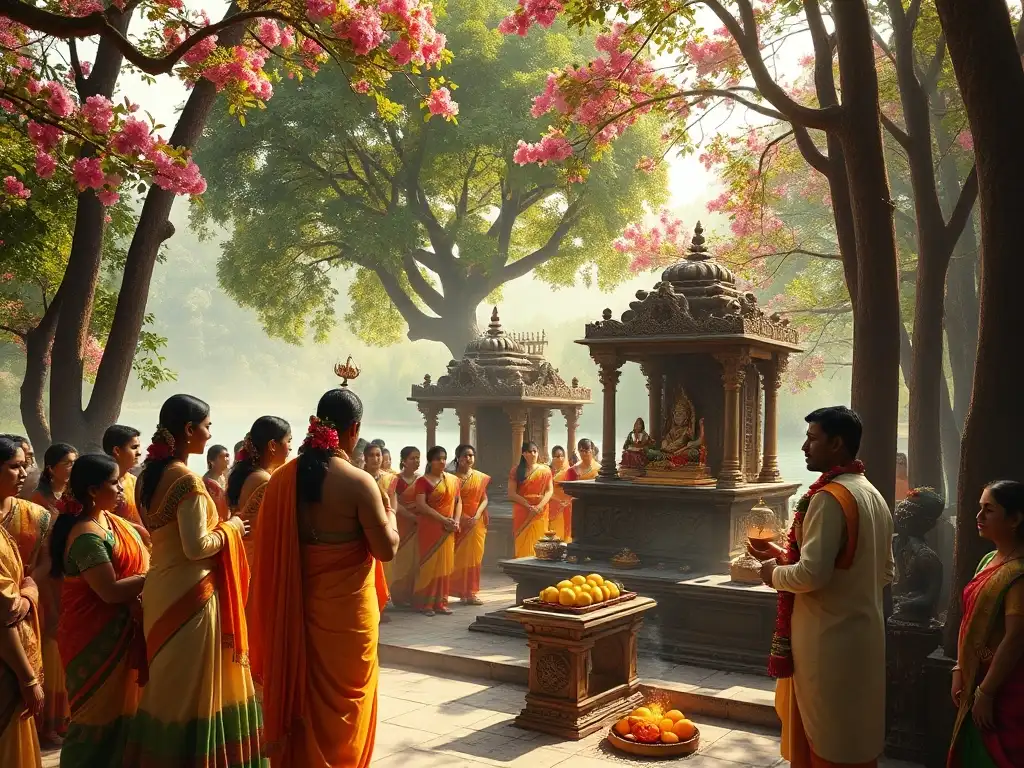
Religious rituals in Gupta culture were deeply intertwined with the spiritual beliefs of the time, predominantly Hinduism and Buddhism. These rituals served not only as expressions of devotion but also as means of seeking divine blessings and ensuring societal harmony.
Key religious practices included:
- Puja: A daily worship ritual involving offerings to deities, which fostered a personal connection between worshippers and the divine.
- Yajna: Fire sacrifices performed by priests to invoke gods, believed to maintain cosmic order and prosperity.
- Pilgrimages: Visits to sacred sites, such as Varanasi and Bodh Gaya, were essential for spiritual merit and community participation.
These rituals held great significance, as they provided not only religious fulfillment but also social cohesion, reinforcing a shared cultural identity among the Gupta people.
Social and Ceremonial Rituals in Gupta Life
Social and ceremonial rituals were pivotal in marking significant life events and reinforcing societal structures. These rituals were often grand and involved community participation, reflecting the values and beliefs of Gupta society.
Prominent social rituals included:
- Weddings: Lavish ceremonies that followed intricate customs and traditions, symbolizing the union of families and the continuation of lineage.
- Naming Ceremonies: Celebrations marking the naming of a child, which included rituals to bless the infant and invite good fortune.
- Festivals: Events such as Diwali and Makar Sankranti were celebrated with great fervor, integrating elements of art, music, and dance, and fostering community spirit.
These rituals not only celebrated individual milestones but also reinforced community ties, creating a sense of belonging and shared culture.
Everyday Rituals: Integrating Art into Daily Activities
Everyday rituals in Gupta culture were essential for daily life, often blended with artistic expression. These rituals included daily practices that emphasized cleanliness, hospitality, and respect for nature.
Examples of everyday rituals are:
- Morning Rituals: Activities such as bathing and performing prayers, which were often accompanied by the use of decorative items like rangoli (colored powders used to create patterns) that enhanced the aesthetic experience.
- Cooking and Dining: Meal preparations were ritualistic, with specific practices for offering food to deities before consumption, intertwining spirituality with daily sustenance.
- Home Decor: The use of artistic elements in home spaces, including murals and sculptures that reflected religious themes and daily life.
These rituals not only facilitated spiritual mindfulness but also allowed for artistic creativity to flourish in everyday settings, enriching the cultural fabric of Gupta society.
The Artistic Expression of Rituals
The artistic expression of rituals in Gupta culture was multifaceted, encompassing visual arts, performing arts, and architecture. Each form of artistic expression played a crucial role in enhancing the aesthetic appeal and spiritual significance of rituals.
Visual Arts: Sculptures and Paintings in Ritual Contexts
Visual arts during the Gupta period reached new heights, with sculptures and paintings deeply embedded in ritual contexts. Temples became galleries showcasing exquisite carvings and murals that depicted scenes from mythology and religious narratives.
- Sculptures: Stone carvings often adorned temple walls, illustrating deities, celestial beings, and scenes of worship. Notable examples include the intricate sculptures found in the Ajanta and Ellora caves, which depict Buddhist themes and rituals.
- Murals: Vibrant wall paintings depicted religious stories and everyday life, serving both an aesthetic function and a didactic purpose, educating the community about their beliefs and practices.
These artistic expressions not only beautified sacred spaces but also reinforced the significance of rituals, acting as a bridge between the divine and the earthly realm.
Performing Arts: Music and Dance in Gupta Rituals
Music and dance were integral to Gupta rituals, serving as mediums for spiritual expression and community celebration. The performing arts were designed to evoke emotional responses and enhance the atmosphere of rituals.
- Music: Instruments such as the veena and flute were commonly used in religious ceremonies, believed to invoke divine presence and create a sacred ambiance.
- Dance: Dance forms, often performed during festivals and religious events, conveyed stories of the gods and celebrated spiritual themes. The classic dance forms that emerged during this period laid the groundwork for future Indian classical dance traditions.
The synergy of music and dance not only enriched the ritual experience but also fostered a sense of unity and shared cultural identity among participants.
Architecture: Temples and Sacred Spaces Reflecting Ritual Significance
The architecture of Gupta temples and sacred spaces was a profound expression of the empire's religious and cultural values. Temples were meticulously designed to facilitate rituals and serve as communal hubs for worship.
- Temple Design: The layout of temples often included sanctums for deities, assembly halls, and intricate carvings that depicted various aspects of life, spirituality, and mythology.
- Sacred Spaces: The placement of temples in nature, often near rivers or mountains, emphasized the connection between the divine and the natural world, enhancing the spiritual experience of rituals performed within these spaces.
Through their architectural achievements, the Guptas created environments that not only supported religious practices but also celebrated the artistry inherent in their culture, leaving a lasting legacy that continues to influence modern Indian architecture and spirituality.
The Influence of Gupta Rituals on Daily Life
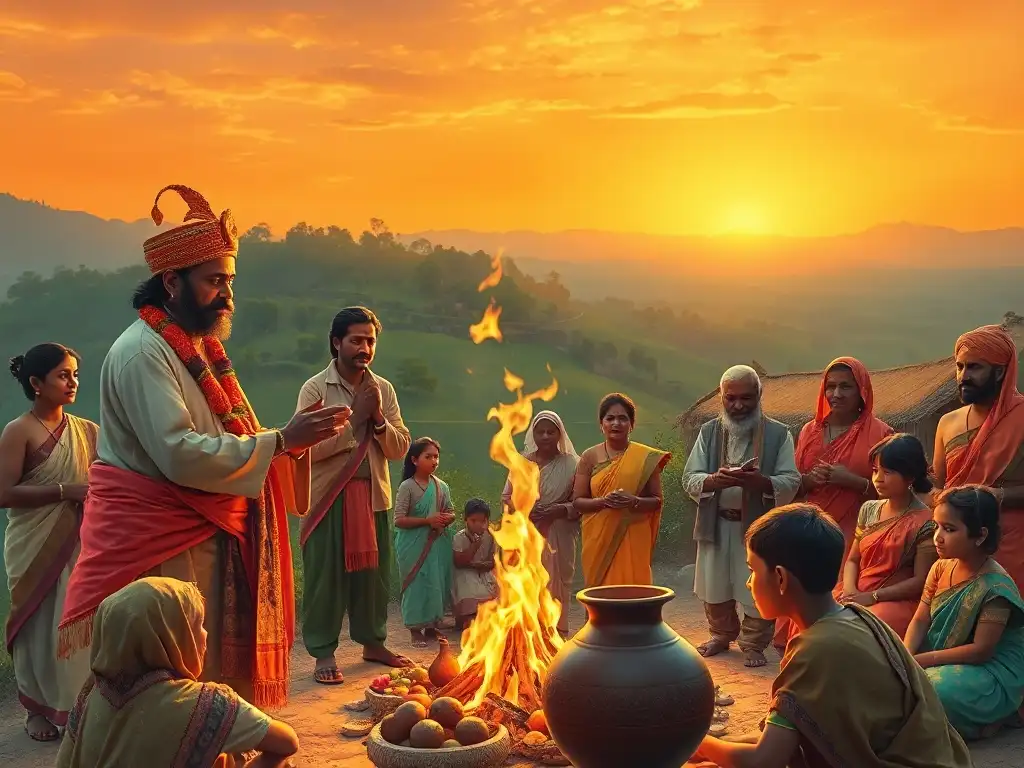
The Gupta Empire, often referred to as the Golden Age of India, was marked by significant advancements in art, science, and philosophy. Integral to this rich tapestry was the practice of rituals, which permeated daily life and served as a vital connector between the spiritual and the mundane. Gupta rituals encompassed a wide array of practices, from domestic ceremonies to large-scale public festivals, all of which played a crucial role in shaping social norms and community dynamics.
Daily rituals were not merely religious acts; they were also expressions of cultural identity and social values. Families engaged in morning prayers and offerings, which reinforced their spiritual beliefs while fostering familial bonds. These daily acts of devotion also reflected the broader societal values of the Gupta period, emphasizing harmony, respect for tradition, and reverence for deities. As a result, the influence of these rituals on daily life was profound, embedding cultural significance within the routine existence of Gupta citizens.
Rituals as a Reflection of Social Hierarchy
In Gupta society, rituals were deeply intertwined with the social hierarchy, reflecting the stratification of society. The performance of certain rituals was often reserved for specific castes or social classes, reinforcing status and privilege. For instance, elaborate rituals conducted by the priestly class (Brahmins) not only served religious purposes but also legitimized their elevated status within the community.
The grand ceremonies associated with royal families, including coronations and public festivals, showcased the power and divine right of kings, further solidifying the social order. At these events, rituals played a dual role: they were acts of devotion to the gods and spectacles that demonstrated the wealth and authority of the ruling class. This relationship between rituals and social hierarchy highlights the ways in which Gupta culture codified class distinctions, with rituals serving as both a means of social control and a marker of identity.
The Impact of Rituals on Family and Community Life
Gupta rituals were fundamental to family and community dynamics, serving as a means of forging connections among individuals. Family-based rituals, such as marriage ceremonies and naming rituals, were significant events that not only celebrated individual milestones but also reinforced familial ties. These occasions were characterized by elaborate customs, music, and feasting, creating a sense of belonging and shared identity.
Community rituals, including harvest festivals and religious processions, fostered social cohesion and collective participation. These events allowed members of the community to come together, reinforcing local traditions and promoting a sense of unity. The shared experience of rituals contributed to communal identity and solidarity, essential for maintaining the social fabric of Gupta society. Overall, the impact of rituals on family and community life was profound, promoting values of cooperation, mutual support, and shared heritage.
Rituals and Their Connection to Seasonal and Agricultural Cycles
Rituals in Gupta culture were intricately linked to the agricultural calendar and seasonal changes. The agrarian nature of Gupta society necessitated rituals that aligned with planting and harvesting cycles, ensuring bountiful yields and favorable weather. For example, rituals dedicated to deities associated with agriculture were performed during sowing and harvest seasons, seeking divine blessings for fertility and abundance.
These seasonal rituals often involved community participation, further strengthening social bonds as people came together to celebrate the cycles of nature. The timing of such rituals was crucial, as they marked significant transitions in the agricultural cycle, reflecting the dependence of Gupta society on farming and the environment. This connection between rituals and agriculture underscored the cultural significance of nature and the reverence for the forces that sustained life, illustrating how deeply embedded these practices were in the daily lives of the Gupta people.
The Legacy of Gupta Culture Rituals
The rituals of Gupta culture have left an enduring legacy that continues to resonate in various aspects of life in contemporary India. The blending of art, spirituality, and community engagement found in these rituals has influenced modern practices, showcasing the vitality of Gupta traditions.
Continuation of Gupta Rituals in Modern Indian Culture
Many rituals from the Gupta period have survived through generations and remain integral to modern Indian culture. Festivals such as Diwali and Makar Sankranti, which have roots in ancient practices, are celebrated across the country, embodying themes of light, prosperity, and community harmony. The rituals associated with these festivals often include prayers, offerings, and communal feasting, reflecting the same values that characterized Gupta rituals.
Furthermore, family rituals such as weddings and naming ceremonies retain elements of Gupta traditions, showcasing the continuity of cultural practices. The significance of these rituals in contemporary society highlights the resilience of Gupta culture and its profound influence on the spiritual and social landscape of India today.
The Influence of Gupta Rituals on Subsequent Indian Civilizations
The rituals established during the Gupta Empire have significantly influenced subsequent Indian civilizations, shaping their cultural and religious practices. The synthesis of various regional traditions and the emphasis on ritualistic practices during the Gupta period laid the groundwork for the diverse tapestry of Indian culture that followed.
Subsequent empires, such as the Chola and Mughal dynasties, incorporated and adapted Gupta rituals into their own cultural frameworks, ensuring their persistence. The emphasis on elaborate religious ceremonies, the integration of art into rituals, and the focus on community engagement can be traced back to Gupta practices. This legacy underscores the profound impact that Gupta culture has had on the evolution of Indian rituals and traditions throughout history, marking a pivotal chapter in the narrative of Indian civilization.
Conclusion
The rituals that permeated Gupta culture were not merely ceremonial acts; they were intrinsic to the daily lives of individuals and communities. They served as a bridge between the spiritual and the mundane, intertwining art, belief, and societal structure in a profound manner. By examining the various dimensions of these rituals, we uncover the essential role they played in shaping the cultural landscape of the Gupta Empire.
Recap of the Significance of Rituals in Gupta Culture
Rituals in Gupta culture were significant on multiple levels. They acted as a means of expressing devotion to deities, reinforcing social hierarchies, and fostering communal identities. The intricate rituals associated with worship, festivals, and life-cycle events were often accompanied by remarkable artistic expressions, such as sculpture, painting, and architecture, showcasing the era's artistic brilliance. Furthermore, these rituals offered a sense of continuity and stability, allowing individuals to connect with their heritage and the divine, thus enriching their daily lives.
Final Thoughts on the Integration of Art in Daily Life through Rituals
The integration of art within Gupta rituals exemplified the harmonious relationship between aesthetics and spirituality. Artistic expressions were not separate from the rituals but were a vital component of them, enhancing the overall experience and deepening the emotional resonance of these practices. The legacy of Gupta culture’s rituals lives on, reminding us of the enduring human need for connection, meaning, and beauty in daily life. Understanding these aspects of Gupta rituals helps to appreciate the complexity and richness of ancient Indian civilization.
References
Key Texts and Archaeological Findings on Gupta Rituals
- "The Gupta Empire: A Historical Overview": by R. C. Majumdar - This text provides comprehensive insights into the political, social, and cultural aspects of the Gupta Empire, with a focus on ritual practices.
- "Art and Iconography of the Gupta Period" by R. S. Sharma - This book explores the artistic expressions linked with rituals, showcasing archaeological findings and their interpretations.
- "The Role of Religion in Gupta Society" - A compilation of research papers focusing on the intersection of religion and daily life during the Gupta period, with specific sections dedicated to rituals.
Suggested Further Reading on Gupta Art and Culture
- "Gupta Art and Architecture" by A. K. Banerjee - A detailed examination of the artistic styles and architectural innovations during the Gupta Empire, emphasizing their connection to rituals.
- "Daily Life in Ancient India" by J. C. Harle - This work delves into the everyday experiences of individuals in ancient India, including the significance of rituals in daily practices.
- "The Cultural Heritage of India: Volume IV - The Gupta Empire": edited by S. R. Sharma - This volume discusses the broader cultural contributions of the Gupta Empire, including an in-depth analysis of rituals and their societal roles.
- Introduction to Gupta Culture
- Understanding Rituals in Gupta Culture
- Types of Rituals in Gupta Society
- The Artistic Expression of Rituals
- The Influence of Gupta Rituals on Daily Life
- The Legacy of Gupta Culture Rituals
- Conclusion
- References
Frequently Asked Questions
What were the key rituals in Gupta culture?
Gupta culture included religious rituals, family ceremonies, and seasonal festivals that played a vital role in the social fabric of society, reflecting its spiritual beliefs and cultural values.
How did art play a role in daily life during the Gupta Empire?
Art was integral to daily life in the Gupta Empire, as it was used in rituals, decorations, and ceremonial objects, enhancing both the spiritual and aesthetic dimensions of culture.
What was the significance of rituals in Gupta society?
Rituals held great significance in Gupta society as they helped in strengthening community bonds, preserving traditions, and providing spiritual fulfillment, thus contributing to a cohesive social structure.
Can you explain the cultural contributions of the Gupta Empire?
The Gupta Empire is renowned for its cultural contributions such as literature, mathematics, and art which were often intertwined with rituals, reflecting the intellectual and spiritual richness of the period.
How did Gupta culture influence later Indian civilizations?
Gupta culture laid the groundwork for later Indian civilizations through its artistic expressions, philosophical ideas, and ritual practices, which continued to shape Indian culture for centuries to come.
Final Reflection: The Enduring Significance of Gupta Culture Rituals
The exploration of Gupta culture rituals significance is more relevant today than ever, as we seek to understand how traditions shape our identities and communities. In a world increasingly characterized by rapid change and globalization, the rituals that once defined the daily lives of the Gupta people remind us of the profound connections between art, culture, and spirituality. These practices not only enriched their lives but also fostered a sense of belonging and continuity that resonates with our contemporary quest for meaning.
Cultural rituals serve as a bridge between the past and present, influencing our social fabric and personal identities. The significance of Gupta rituals can be seen in how they continue to inspire modern artistic expressions and community gatherings. As we reflect on the legacy of these practices, we can appreciate the words of the philosopher Joseph Campbell: > “The privilege of a lifetime is being who you are.” This quote encapsulates the essence of rituals—they empower us to embrace our identities and connect with others through shared experiences, much like the Gupta people did centuries ago.
As we conclude our exploration of the significance of Gupta culture rituals, I invite you to reflect on the rituals in your own life. Consider how these practices shape your identity and community, and how you can incorporate elements of tradition into your daily existence.
By honoring the past and embracing the lessons of those who came before us, we can create a richer, more meaningful life that celebrates our unique cultural heritage while forging connections with others. Let us carry forward the spirit of the Gupta rituals, allowing them to inspire our actions and interactions in the modern world.
Embrace the Power of Rituals Today!
Thank you for taking the time to explore the fascinating role of rituals in Gupta culture. By delving into this rich tapestry of art and daily life, you've uncovered valuable insights that can inspire your own practices. Now, it's time to take action and deepen your connection to these traditions!
Here are a few simple steps you can take:
- Incorporate a daily ritual: Start with a simple morning routine that includes mindfulness or creative activities, reflecting the essence of Gupta culture in your life.
- Explore local cultural events: Attend workshops or festivals that celebrate traditional arts and rituals to enrich your understanding and appreciation.
- Share your journey: Connect with others by sharing your experiences or observations on social media or in community groups focused on cultural heritage.
How can **adding a new ritual** to your daily routine enhance your personal well-being and boost your creativity?