
The Gupta Empire's Role in the Evolution of Indian Cuisine

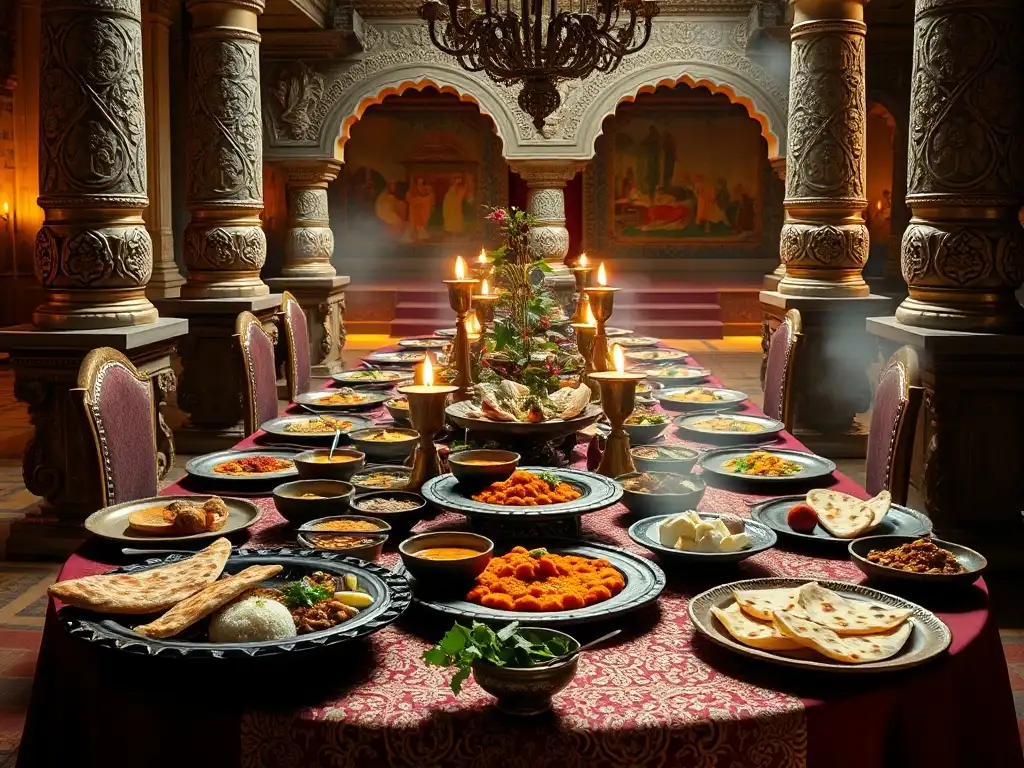
Welcome to Ancient India History, where we embark on a fascinating journey through the rich tapestry of India's past! In this exploration, we delve into the intriguing Gupta Empire's Role in the Evolution of Indian Cuisine, uncovering how this remarkable civilization shaped culinary practices that resonate through time. From the flavorful dishes of the Indus Valley to the sophisticated tastes of the Gupta era, the history of Indian cuisine is as diverse as it is delicious.
Get ready to savor the stories and secrets that lie within, and discover how these ancient influences continue to tantalize our palates today. Join us in uncovering the delectable connections between history and cuisine—your adventure awaits!

Introduction to the Gupta Empire and Indian Cuisine
The Gupta Empire, often referred to as the "Golden Age of India," thrived from approximately 320 to 550 CE and is renowned for its remarkable contributions to various fields, including art, science, literature, and, notably, cuisine. This period marks a significant evolution in Indian culinary practices, where regional flavors and ingredients began to blend, influenced by trade routes and cultural exchanges.
Understanding the Gupta Empire's role in the history of Indian cuisine provides insight into how the culinary traditions we cherish today were shaped by the societal norms, agricultural practices, and technological advancements of this era. The exploration of Gupta Empire Indian cuisine history reveals not only the historical context but also the rich tapestry of flavors that emerged during this remarkable period.
Overview of the Gupta Empire's Influence on Ancient Indian Culture
The Gupta Empire was pivotal in fostering a cultural renaissance that impacted all aspects of life in ancient India. Under the patronage of Gupta rulers, art and literature flourished, and advancements in science and mathematics were made. This cultural bloom extended to the culinary landscape as well.
- Cultural Syncretism: The Gupta period saw an amalgamation of various regional cuisines, leading to diverse culinary practices.
- Trade and Exchange: The empire's extensive trade networks facilitated the introduction of new ingredients and cooking methods from different regions.
- Literary References: Texts from this era, such as the Ain-i-Akbari and Manasollasa, provide valuable insights into the food culture and dietary practices of the time.
The Gupta Empire not only elevated the arts and sciences but also significantly influenced the culinary practices that would lay the groundwork for modern Indian cuisine.
The Significance of Cuisine in Gupta Society
In Gupta society, cuisine was more than mere sustenance; it played a critical role in social structure, religious rituals, and cultural identity.
- Social Status: The complexity of dishes often indicated social hierarchy. Elite classes enjoyed a variety of rich, spiced foods, while the lower classes had simpler fare.
- Religious Practices: Food was integral to religious offerings and festivals, with specific dishes prepared for rituals.
- Community Bonding: Shared meals fostered community ties and were essential during celebrations and gatherings.
This societal emphasis on cuisine illustrates its importance as a reflection of Gupta values, customs, and social dynamics.
Historical Context of Indian Cuisine During the Gupta Period
During the Gupta period, Indian cuisine was shaped by a blend of indigenous practices and influences from neighboring cultures. The era was characterized by the development of distinct culinary traditions that would influence future generations.
The Evolution of Indian Cuisine Before the Gupta Empire
Prior to the Gupta Empire, Indian cuisine was primarily influenced by the Indus Valley Civilization, which laid the groundwork for agricultural practices and food processing techniques. Key elements included:
- Agricultural Foundations: The domestication of crops such as rice, wheat, and barley set the stage for culinary diversity.
- Regional Variations: Different regions developed unique flavors based on local ingredients and climatic conditions.
- Early Texts: Ancient texts, such as the Charaka Samhita, provide insights into the use of herbs and spices in early Indian cooking.
These early influences paved the way for a more refined and diverse culinary culture during the Gupta Empire.
Key Ingredients and Cooking Techniques of the Gupta Era
The Gupta period is noted for its innovative use of ingredients and cooking techniques that transformed Indian cuisine.
- Diverse Ingredients: The use of spices like cumin, coriander, and turmeric became more widespread, enhancing the flavors of various dishes.
- Cooking Methods: Techniques such as steaming, frying, and fermenting were popularized, leading to a variety of textures and tastes in food.
- Dietary Practices: The Gupta Empire promoted vegetarianism, influenced by religious beliefs, which made plant-based dishes more prominent in the culinary landscape.
These advancements in ingredients and techniques not only enriched Gupta cuisine but also marked the beginning of a culinary evolution that would be felt for centuries to come.
Major Contributions of the Gupta Empire to Indian Cuisine

The Gupta Empire, often referred to as the Golden Age of India, was a period during which significant advancements were made in various fields, including science, art, and notably, cuisine. The era, which lasted from the 4th to the 6th century CE, saw the emergence of a rich culinary tradition influenced by a combination of agricultural innovations, trade, and cultural exchange. These contributions laid the foundation for what would evolve into modern Indian cuisine, characterized by its diverse flavors, use of spices, and regional variations.
The Gupta period witnessed the establishment of agricultural practices that enhanced food production, enabling the population to flourish. As trade routes expanded, ingredients and cooking techniques from different regions began to intermingle, creating a vibrant culinary landscape. Additionally, the influence of religion and philosophy during this time shaped dietary practices and food preparation methods, further enriching the cuisine of the era. Understanding these contributions provides insight into the evolution of Indian cuisine that continues to thrive today.
Agricultural Innovations and Their Impact on Food Production
Agricultural advancements during the Gupta Empire played a pivotal role in transforming the landscape of food production. The introduction of new farming techniques, such as crop rotation and improved irrigation methods, allowed for more efficient cultivation of staple crops. The cultivation of rice, wheat, barley, and pulses became more widespread, providing a stable food supply that supported population growth.
Moreover, the Gupta period saw the introduction of new crops, including various fruits and vegetables. The emphasis on agriculture not only ensured food security but also led to surplus production, which facilitated trade and exchange. This surplus contributed to the development of urban centers where diverse culinary practices began to flourish, laying the groundwork for the intricate flavors and dishes that characterize Indian cuisine today.
Trade Routes and Their Influence on Culinary Diversity
The Gupta Empire's extensive trade networks were instrumental in shaping the culinary diversity of the region. Trade routes connected India with various parts of Asia, the Middle East, and beyond, leading to the exchange of not only goods but also culinary practices and ingredients. Spices, herbs, grains, and unique cooking methods traveled along these routes, enriching the local cuisine.
For example, the spice trade introduced aromatic seasonings like black pepper, cardamom, and cinnamon to Indian kitchens, which became essential to flavoring dishes. The interaction with traders and travelers brought new recipes and cooking techniques, leading to the fusion of flavors that is characteristic of Indian cuisine. The cultural exchange facilitated by trade contributed significantly to the evolution of culinary practices, making Gupta cuisine a melting pot of influences.
The Role of Religion and Philosophy in Shaping Cuisine
Religion and philosophy were central to life in the Gupta Empire, influencing dietary practices and culinary traditions. Hinduism, Buddhism, and Jainism emphasized principles such as ahimsa (non-violence) and purity, which shaped the way food was sourced, prepared, and consumed. Vegetarianism became a prevalent practice among many communities, leading to the development of a rich variety of plant-based dishes.
Festivals and rituals often involved specific culinary preparations, showcasing the importance of food in cultural and religious contexts. The philosophical ideas surrounding food also encouraged the use of local and seasonal ingredients, promoting sustainability and a connection to the land. This religious and philosophical backdrop not only influenced individual diets but also contributed to the collective identity of Indian cuisine during the Gupta period.
Notable Dishes and Culinary Practices of the Gupta Empire
The culinary practices of the Gupta Empire were characterized by a variety of notable dishes that reflected the agricultural and cultural influences of the time. These dishes often showcased the use of local ingredients and traditional cooking methods, creating a distinctive gastronomic identity.
Exploring the cuisine of the Gupta Empire reveals a wealth of flavors and culinary techniques that laid the groundwork for modern Indian cooking.
Traditional Foods and Their Cultural Significance
Traditional foods during the Gupta Empire were deeply rooted in cultural significance and often tied to rituals and celebrations. Staples like rice and wheat formed the basis of everyday meals, while dishes prepared for festivals often included rich and elaborate recipes that symbolized abundance and gratitude.
For instance, khichdi—a comforting dish made of rice and lentils—was not only a staple food but also featured in various religious ceremonies, symbolizing unity and nourishment. Similarly, sweets made from jaggery, milk, and nuts were prepared during special occasions, reflecting the cultural importance of hospitality and sharing. Understanding these traditional foods allows us to appreciate the cultural narratives that shaped the culinary landscape of the Gupta Empire.
Popular Spices and Ingredients in Gupta Cuisine
The Gupta Empire's cuisine was distinguished by the use of a variety of spices and ingredients that enhanced flavors and provided health benefits. Spices such as turmeric, cumin, coriander, and fenugreek were commonly used, not only for their flavor but also for their medicinal properties. These spices became integral to cooking, influencing the taste profiles of dishes that are still popular in Indian cuisine today.
Additionally, ingredients like ghee (clarified butter), yogurt, and various legumes were staples in Gupta kitchens. Ghee, in particular, was revered for its flavor and health benefits, often used in cooking and as a base for many dishes. The culinary practices of the Gupta Empire laid the foundation for a spice-rich cuisine that continues to be a hallmark of Indian cooking.
Cooking Methods Unique to the Gupta Period
The cooking methods employed during the Gupta Empire were diverse and innovative, contributing to the unique flavors of the time. Techniques such as steaming, frying, and slow-cooking were commonly used, allowing for a variety of textures and tastes in dishes. The use of clay pots and open fires added distinct flavors to the food, enhancing the overall culinary experience.
One notable method was the use of the tandoor, a clay oven that allowed for the preparation of bread, meats, and other dishes at high temperatures. This method not only cooked food evenly but also imparted a unique smoky flavor, a characteristic that remains popular in Indian cuisine today. The culinary techniques developed during the Gupta period were instrumental in shaping the complex and rich flavors that define Indian cuisine, showcasing the creativity and resourcefulness of ancient cooks.
The Legacy of Gupta Empire Indian Cuisine in Modern India
The Gupta Empire, often referred to as the Golden Age of India, has left an indelible mark on the evolution of Indian cuisine. This period, roughly spanning from the 3rd to the 6th century CE, was characterized by significant advancements in various fields, including art, science, and, notably, gastronomy. The culinary practices that emerged during this era not only enriched the regional cuisines but also laid the groundwork for the diverse and flavorful food culture that India is celebrated for today.
The Gupta period saw the synthesis of various culinary traditions, influenced by trade, cultural exchanges, and regional ingredients. This fusion led to the development of new cooking techniques and the incorporation of spices and herbs that defined Indian cuisine. Many of these elements are still prevalent in modern cooking, showcasing the lasting legacy of the Gupta Empire.
Influence on Regional Cuisines Across India
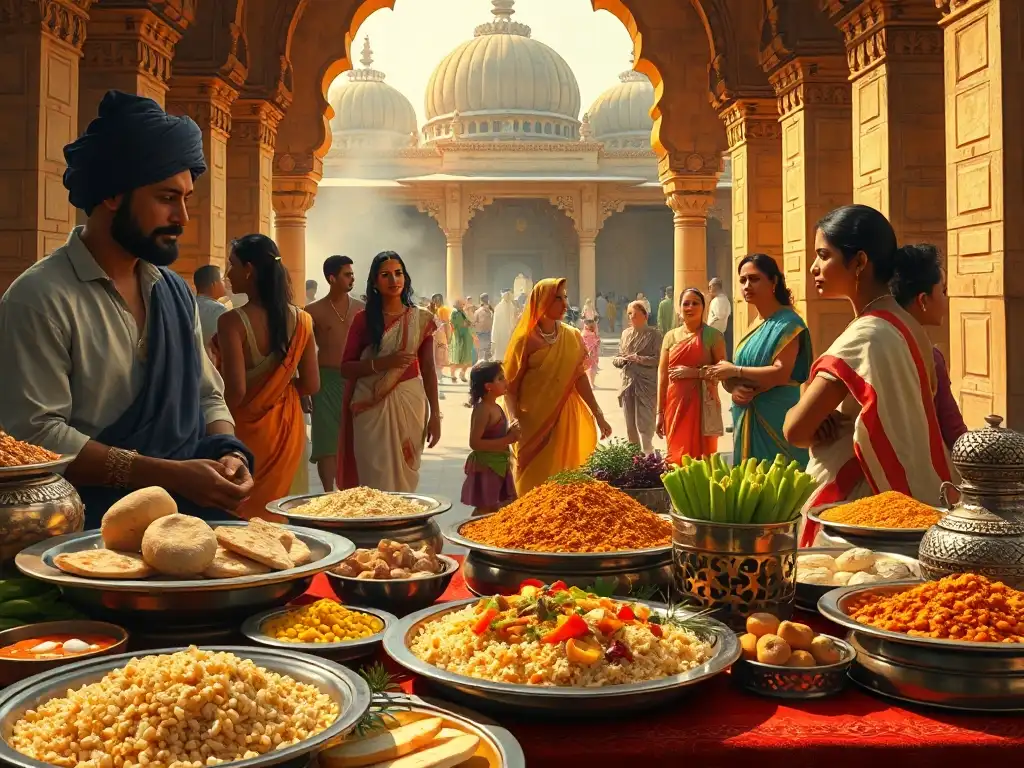
The Gupta Empire played a pivotal role in shaping regional cuisines across India. The extensive trade networks established during this time facilitated the exchange of ingredients and culinary techniques among different regions. For instance:
- North India: The use of dairy products became prominent, leading to the creation of rich gravies and sweets like khoya and rasgulla. Spices like cumin and coriander became staples in North Indian cooking.
- South India: The introduction of rice as a staple grain during the Gupta era influenced the development of rice-based dishes, such as idli and dosa, which are now integral to South Indian cuisine.
- East India: The use of mustard oil and the popularity of fish dishes can be traced back to this period, particularly in Bengal, where preparations like macher jhol have deep historical roots.
- West India: The incorporation of dried fruits and nuts from trade with the Middle East enriched the cuisines of Gujarat and Maharashtra, leading to the creation of dishes such as biryani and various sweets.
This regional diversity reflects the Gupta Empire's emphasis on local ingredients and culinary practices, which have evolved but still retain their ancient roots.
Preservation of Gupta Culinary Traditions in Contemporary Cooking
Contemporary Indian cooking continues to embrace the culinary traditions established during the Gupta Empire. Many of these practices have been preserved through generations, often passed down within families and communities. The following aspects highlight this preservation:
- Ingredients: Many ingredients that were popular during the Gupta period, such as lentils, rice, and a variety of spices, remain staples in Indian kitchens today. The importance of seasonal and local produce, a practice emphasized by Gupta cooks, is still prevalent.
- Cooking Techniques: Traditional cooking methods, such as slow cooking and the use of clay pots, reflect the techniques that were refined during the Gupta era. These methods not only enhance flavor but also preserve the nutritional value of the food.
- Culinary Texts: Ancient texts like the Manasollasa, which compiled recipes and cooking techniques, have influenced modern cookbooks and culinary schools. These texts serve as a bridge connecting contemporary chefs to their Gupta-era counterparts.
By maintaining these traditions, modern Indian cuisine not only honors its historical roots but also continues to evolve, reflecting the richness of its past.
Conclusion
Summary of the Gupta Empire's Contributions to Indian Cuisine History
The Gupta Empire's contributions to Indian cuisine are multifaceted and far-reaching. It was during this Golden Age that culinary practices began to be documented, regional flavors were embraced, and the use of spices and herbs was refined. The emphasis on local ingredients and the blending of diverse culinary traditions set the stage for a vibrant food culture that continues to thrive in India today.
The Lasting Impact of Gupta Culinary Practices on Modern Indian Cuisine
The impact of the Gupta Empire on modern Indian cuisine is profound. The culinary innovations and practices from this period have permeated various regional cuisines, resulting in a rich tapestry of flavors and cooking styles. From the use of spices to the emphasis on diverse ingredients, the legacy of Gupta culinary practices continues to influence chefs and home cooks alike. As Indian cuisine evolves, it remains deeply rooted in the traditions and innovations of the Gupta Empire, ensuring that its historical contributions are honored and celebrated in every meal.
- Introduction to the Gupta Empire and Indian Cuisine
- Overview of the Gupta Empire's Influence on Ancient Indian Culture
- The Significance of Cuisine in Gupta Society
- Historical Context of Indian Cuisine During the Gupta Period
- Major Contributions of the Gupta Empire to Indian Cuisine
- Notable Dishes and Culinary Practices of the Gupta Empire
- The Legacy of Gupta Empire Indian Cuisine in Modern India
- Influence on Regional Cuisines Across India
- Preservation of Gupta Culinary Traditions in Contemporary Cooking
- Conclusion
- What was the Gupta Empire's influence on Indian cuisine?
- How did trade during the Gupta Empire affect Indian cuisine?
- What are some key dishes that originated in the Gupta Empire?
- How did religion impact the cuisine during the Gupta Empire?
- What are the lasting contributions of the Gupta Empire to modern Indian cuisine?
Frequently Asked Questions
What was the Gupta Empire's influence on Indian cuisine?
The Gupta Empire played a crucial role in the evolution of Indian cuisine, introducing new ingredients, cooking methods, and culinary traditions that enriched the food culture.
How did trade during the Gupta Empire affect Indian cuisine?
Trade routes established during the Gupta period facilitated the exchange of spices, grains, and cooking techniques, leading to a more diverse and sophisticated Indian culinary landscape.
What are some key dishes that originated in the Gupta Empire?
While specific dishes from the Gupta Empire may not be documented, the use of spices and vegetarianism became prominent, leading to the development of dishes like dal, sabzi, and various rice preparations.
How did religion impact the cuisine during the Gupta Empire?
The religious practices of the time, particularly Hinduism and Buddhism, influenced dietary choices, promoting vegetarianism and the use of ritual foods in their diets, significantly shaping Indian cuisine.
What are the lasting contributions of the Gupta Empire to modern Indian cuisine?
The cooking techniques, use of spices, and emphasis on vegetarian dishes from the Gupta era have had a lasting impact, making them integral to contemporary Indian cuisine and its global appreciation.
Final Reflection: The Gupta Empire's Lasting Legacy on Indian Cuisine
The Gupta Empire's influence on Indian cuisine is not just a historical footnote; it is a vibrant thread woven into the fabric of modern culinary practices. The innovations and cultural exchanges that occurred during this golden age have left an indelible mark on how we understand and appreciate Indian food today. As we savor the diverse flavors of Indian cuisine, we are reminded of the rich history that shaped these traditions and the profound connections they foster among communities.
The evolution of Indian cuisine during the Gupta Empire has significantly shaped our cultural and social landscape, reflecting the empire's values of diversity and inclusivity. The blending of regional ingredients and cooking techniques during this era laid the groundwork for the culinary diversity we celebrate today. As noted by food historian K.T. Achaya, “Cuisine is a living history, and every dish tells a story of its time.” This observation underscores the ongoing relevance of the Gupta Empire's contributions to our culinary heritage, reminding us that every meal is a connection to the past.
As we reflect on the Gupta Empire's role in the evolution of Indian cuisine, I invite you to explore your own culinary journey. Consider how the flavors and techniques you encounter in your kitchen can connect you to a rich history and a diverse culture. Embrace the lessons of innovation and adaptability that this ancient empire exemplified, and let them inspire you to create, experiment, and share your own culinary stories. In doing so, you not only honor the past but also contribute to the ever-evolving narrative of Indian cuisine.
Savor the Legacy of Indian Cuisine!
Thank you for diving into the rich tapestry of the Gupta Empire and its profound influence on Indian cuisine. You’ve uncovered how history has shaped the flavors we enjoy today. Now, it's time to take that knowledge and put it into action!
Here are some lively steps you can follow:
- Try Your Hand at Tradition: Prepare a dish inspired by the flavors of the Gupta era. Experiment with spices and ingredients that were popular during that time to connect with this historic culinary journey.
- Join a Culinary Class: Enroll in a local cooking class that focuses on traditional Indian recipes. This is a delightful way to meet fellow food lovers while enhancing your culinary skills.
- Share the Knowledge: Discuss your discoveries with friends or family. Start a conversation about how historical influences shape our modern diets—perhaps even host a themed dinner to showcase your newfound knowledge!
What dish will you create that pays homage to the culinary history of the Gupta Empire? We’d love to hear your ideas in the comments below!