
The Use of Natural Resources in Daily Life: A Sustainable Approach in the Indus Valley

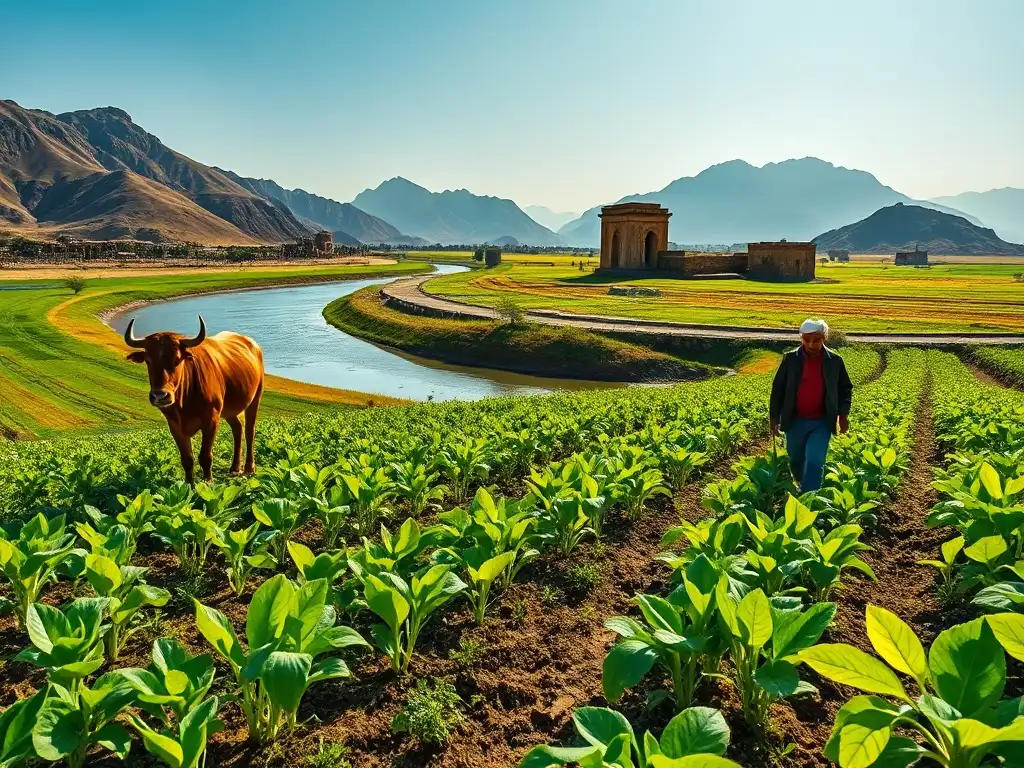
Welcome to Ancient India History, your gateway to discovering the fascinating tapestry of ancient Indian civilizations! Here, we delve into the rich and diverse history that shaped the subcontinent, from the innovative practices of the Indus Valley to the cultural achievements of the Gupta Empire. In our featured article, “The Use of Natural Resources in Daily Life: A Sustainable Approach in the Indus Valley,” we invite you to explore how these early societies mastered the art of sustainable resource use.
What secrets lie within the daily lives of the Indus Valley inhabitants? Join us on this enlightening journey and uncover the sustainable practices that not only supported their thriving communities but also resonate with our modern world.
Introduction to the Indus Valley Civilization
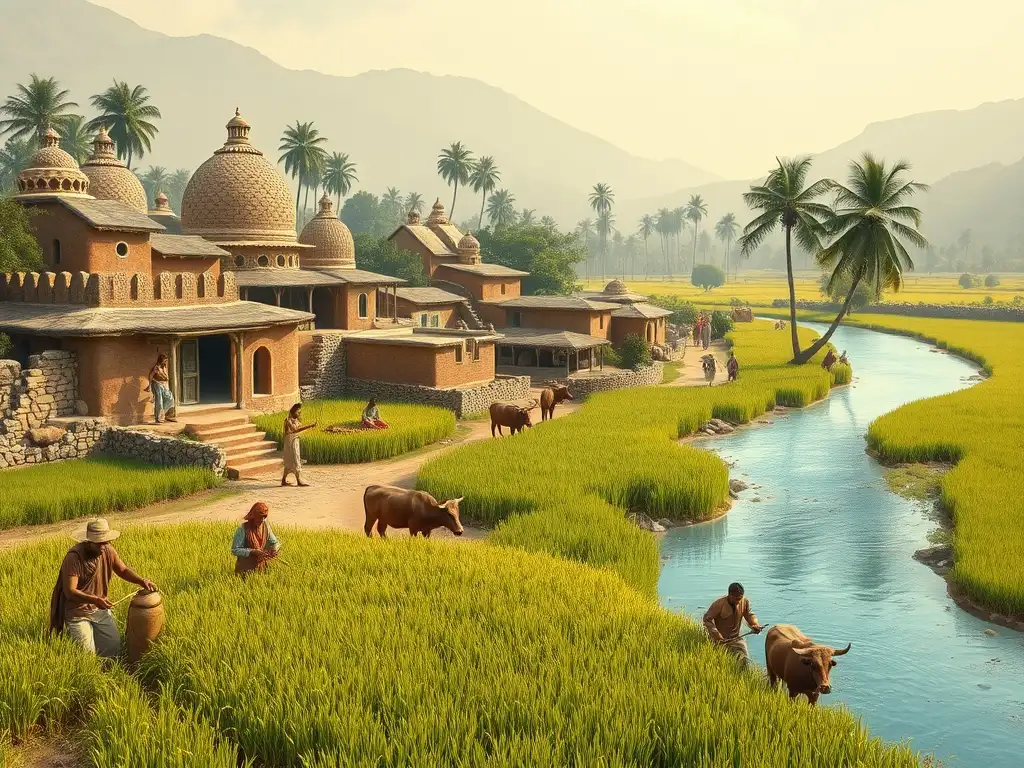
The Indus Valley Civilization, one of the world's earliest urban cultures, flourished around 2500 BCE in what is now modern-day Pakistan and northwest India. This ancient society is renowned for its advanced city planning, sophisticated drainage systems, and remarkable craftsmanship. However, one of the most fascinating aspects of the Indus Valley Civilization is its sustainable approach to resource utilization. This article delves into how the inhabitants of this civilization ingeniously utilized their natural resources in daily life, establishing a framework for sustainability that resonates even today.
Overview of Ancient Indian Civilizations
Ancient Indian civilizations are characterized by their rich tapestry of cultures, languages, and traditions that evolved over thousands of years. The Indus Valley Civilization is often highlighted due to its remarkable achievements in urban planning, governance, and trade. Following the Indus Valley, various other civilizations emerged, each contributing uniquely to the cultural and historical landscape of India. From the Vedic period to the Mauryan and Gupta empires, each era brought innovations in society, philosophy, and technology, laying the groundwork for contemporary Indian society.
Significance of the Indus Valley in Historical Context
The significance of the Indus Valley Civilization in historical context cannot be overstated. It is one of the three earliest cradles of civilization, alongside Mesopotamia and ancient Egypt. The Indus Valley's strategic geographic location facilitated trade with neighboring regions, leading to economic prosperity. Furthermore, the civilization's well-planned cities, such as Harappa and Mohenjo-Daro, reflect advanced social organization and governance. Understanding this civilization's sustainable practices sheds light on their ability to thrive in a challenging environment, a lesson that modern societies can learn from.
Key Features of Daily Life in the Indus Valley
Daily life in the Indus Valley was marked by a blend of agricultural practices, craftsmanship, and trade. The civilization's people engaged in farming, which was supported by a sophisticated irrigation system. Alongside agriculture, trade flourished, with goods such as textiles, beads, and pottery exchanged with distant lands. Notably, the Indus Valley inhabitants were skilled artisans, producing intricate jewelry and beautifully crafted pottery. Socially, the society was organized, with evidence suggesting a degree of social equality, as seen in the uniformity of housing and public structures.
Understanding Sustainable Resource Use in the Indus Valley
Definition of Sustainable Resource Use
Sustainable resource use refers to the management of resources in a way that meets present needs without compromising the ability of future generations to meet their own needs. This concept is critical in understanding how ancient societies, like the Indus Valley Civilization, interacted with their environment. By employing methods that ensured the longevity of their natural resources, the Indus Valley people exemplified sustainability long before it became a modern concern.
Importance of Sustainability in Ancient Societies
Sustainability was vital for ancient societies, especially those reliant on agriculture and natural resources. In the context of the Indus Valley, sustainable practices not only ensured food security and economic stability but also fostered social harmony. The careful management of water resources, soil health, and crop diversity allowed the civilization to thrive in a semi-arid environment, demonstrating that sustainable practices were essential for their survival and prosperity.
Overview of Natural Resources in the Indus Valley
The Indus Valley Civilization was rich in natural resources, including fertile land, water from the Indus River, and various minerals. These resources played a crucial role in their daily lives:
- Agricultural Resources: Fertile plains allowed for the cultivation of wheat, barley, and pulses.
- Water Resources: The Indus River provided essential irrigation for crops and drinking water.
- Raw Materials: Availability of clay and metals facilitated pottery and metallurgy, contributing to their trade networks.
Through a combination of innovative techniques and respect for their environment, the people of the Indus Valley established a sustainable model of resource use that has left a lasting legacy in the annals of history.
Agricultural Practices and Resource Management
The Indus Valley Civilization is renowned for its advanced agricultural practices and resource management strategies that exemplified sustainable resource use. The civilization flourished around 2500 BCE, primarily in the northwestern regions of India and present-day Pakistan, where fertile alluvial plains provided the foundation for sophisticated farming techniques. The reliance on natural resources was intricately woven into daily life, and the Indus people exhibited a remarkable understanding of sustainable practices that ensured the longevity of their agricultural activities.
Crop Cultivation Techniques in the Indus Valley
Indus Valley farmers cultivated a variety of crops, including wheat, barley, peas, and cotton, showcasing their agricultural diversity. They employed several innovative techniques to enhance productivity:
- Crop Rotation: Farmers practiced crop rotation, which involved alternating different crops in the same field across seasons. This method maintained soil fertility and reduced the depletion of nutrients.
- Selection of Varieties: The selection of drought-resistant and high-yield crop varieties was common, allowing farmers to adapt to local climatic conditions and ensure food security.
- Use of Fertilizers: Evidence suggests that farmers utilized organic fertilizers, such as animal manure, to enrich the soil and promote healthy crop growth.
These techniques not only maximized agricultural output but also demonstrated a deep understanding of ecological balance and resource sustainability.
Sustainable Farming Methods Used by Indus Valley Farmers
Sustainable farming methods were integral to the agricultural practices of the Indus Valley. Key approaches included:
- Intercropping: Farmers often planted multiple crops in close proximity, which helped in pest management and improved soil health.
- Natural Pest Control: The use of natural predators and plant extracts for pest control reduced reliance on chemical pesticides, promoting a healthier ecosystem.
- Soil Conservation Methods: Techniques such as contour plowing and the use of bunds (earthen walls) minimized soil erosion and improved water retention, ensuring sustainable land use.
These methods not only fostered agricultural resilience but also contributed to the overall sustainability of their society.
The Role of Irrigation Systems in Resource Conservation
The Indus Valley Civilization is notable for its sophisticated irrigation systems, which played a crucial role in resource conservation. The extensive network of canals and reservoirs facilitated the effective management of water resources, allowing farmers to cultivate crops even in arid conditions. Key features of their irrigation practices included:
- Canal Systems: Well-planned canals diverted water from rivers to agricultural fields, optimizing water distribution and minimizing waste.
- Reservoirs and Tanks: The construction of reservoirs enabled the storage of surplus rainwater, which could be used during dry spells, ensuring a steady water supply for irrigation.
- Flood Management: Irrigation systems were designed to manage seasonal floods, protecting crops while enhancing soil fertility through natural sediment deposition.
These innovative approaches to irrigation exemplified the Indus Valley's commitment to sustainable resource use, ensuring the durability of their agricultural practices.
Water Resource Management in the Indus Valley
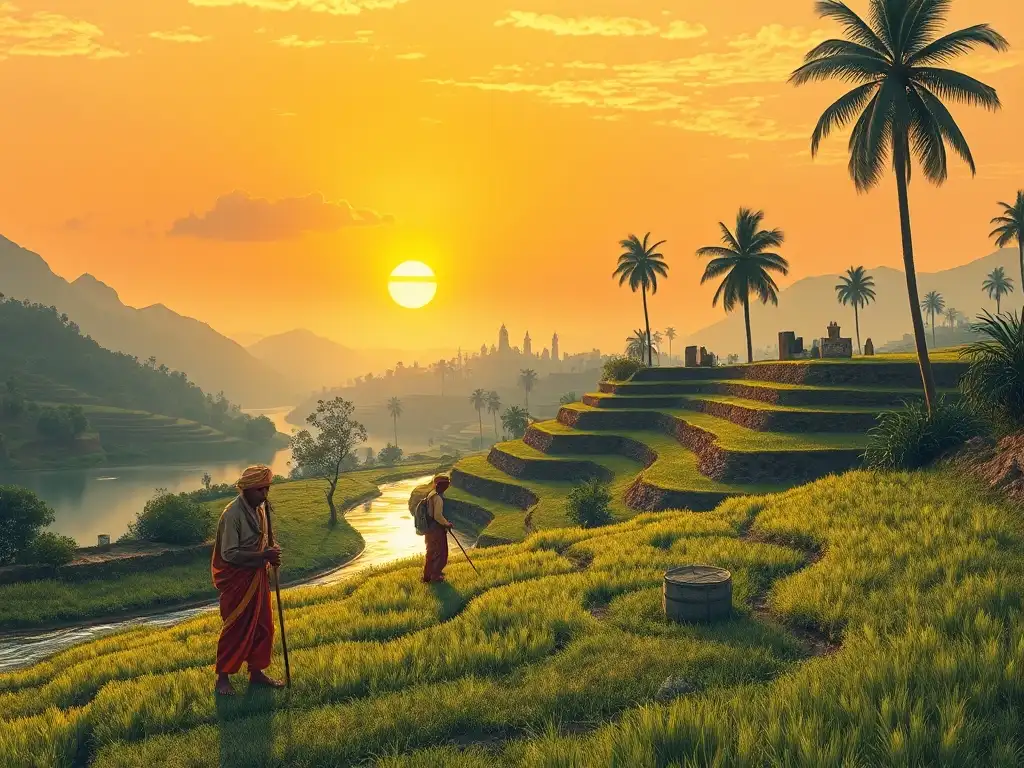
Water resource management in the Indus Valley Civilization was characterized by a sophisticated understanding of hydrology and community involvement. The civilization's ability to harness and manage water resources was vital for sustaining agriculture and supporting urban centers.
Significance of Rivers and Water Bodies
The Indus River and its tributaries were central to the civilization's development, providing essential water resources for agriculture, domestic use, and trade. The proximity to rivers facilitated:
- Agricultural Irrigation: Rivers served as a primary water source for irrigation, ensuring the growth of crops in the fertile floodplains.
- Transportation and Trade: Waterways enabled efficient transport of goods, fostering trade networks that connected various regions.
- Cultural Significance: Rivers held spiritual importance, being integral to religious practices and community life.
The strategic use of these water bodies significantly contributed to the sustainability of the Indus Valley civilization.
Water Harvesting Techniques in Ancient India
The Indus Valley people implemented various water harvesting techniques to conserve and manage water resources effectively. These included:
- Rainwater Harvesting: Structures such as cisterns and wells collected and stored rainwater, providing a vital resource during dry periods.
- Percolation Tanks: These were constructed to enhance groundwater recharge, allowing water to seep into the soil and replenish aquifers.
- Check Dams: Small barriers built across streams helped to slow down water flow, facilitating sediment deposition and improving soil moisture levels.
These methods not only ensured a reliable water supply but also contributed to the overall sustainability of the ecosystem.
Community Approaches to Water Sustainability
Community-based approaches played a significant role in water resource management in the Indus Valley. The following aspects highlight how communities collaborated for sustainable use of water:
- Collective Management: Communities worked together to maintain irrigation systems and water bodies, ensuring equitable access to water resources.
- Cultural Practices: Social norms and rituals often revolved around water conservation, promoting collective responsibility for resource management.
- Conflict Resolution: Traditional mechanisms were established to resolve disputes over water use, fostering cooperation and sustainability.
These community-driven strategies not only enhanced water resource management but also strengthened social cohesion, ensuring the longevity of the civilization's agricultural practices and overall sustainability.
Urban Planning and Sustainable Resource Allocation
The Indus Valley Civilization is renowned for its advanced urban planning and sustainable resource allocation, which played a crucial role in the daily lives of its inhabitants. Cities such as Harappa and Mohenjo-Daro exhibit a remarkable understanding of environmental constraints and resource management. The careful planning and layout of these cities reflect a sophisticated approach to utilizing natural resources efficiently while maintaining ecological balance.
City Layout and Environmental Considerations
The city design of the Indus Valley Civilization demonstrates a profound awareness of environmental factors. Streets were laid out in a grid pattern, allowing for efficient movement and access to resources. This systematic approach not only facilitated trade and communication but also optimized the use of land and water resources.
The strategic placement of homes and public buildings considered natural elements, such as sunlight and wind direction, ensuring adequate ventilation and natural light. Additionally, the use of raised platforms for buildings helped mitigate flooding during the monsoon season, showcasing an understanding of hydrological patterns and their impact on urban life.
Use of Natural Materials in Construction
The Indus Valley people prioritized the use of locally sourced natural materials in construction, which reflects a sustainable approach to resource use. Fired bricks, made from clay, were a primary building material, allowing for durable and long-lasting structures. The uniform size of these bricks indicates a high level of craftsmanship and standardization, which facilitated efficient construction practices.
Furthermore, timber was utilized selectively, with an emphasis on sustainability. The choice of materials not only adhered to resource availability but also minimized the ecological footprint associated with building activities. This practice ensured that the natural environment was preserved, allowing for continued access to vital resources.
Waste Management Practices in Indus Valley Cities
Waste management in the Indus Valley Civilization highlights their advanced understanding of sustainability and public health. Archaeological findings suggest that cities were equipped with sophisticated drainage systems, which facilitated the removal of waste and stormwater. This not only improved sanitation but also reduced the risk of waterborne diseases.
Public baths and toilets, often connected to a centralized drainage system, further exemplify their commitment to hygiene and environmental management. Waste was systematically disposed of, which minimized pollution and maintained a clean urban environment. Such practices indicate a societal awareness of the importance of managing natural resources responsibly.
Trade and Resource Distribution
Trade played a pivotal role in the economy of the Indus Valley Civilization, facilitating the distribution of resources and commodities across vast regions. The civilization's trade networks not only supported economic growth but also promoted sustainable practices by ensuring that resources were used judiciously and efficiently.
Trade Networks and Their Role in Resource Management
The extensive trade networks established by the Indus Valley Civilization were instrumental in managing resources sustainably. Trade routes connected cities with agricultural areas, providing a steady supply of essential goods such as grains, textiles, and pottery. This interconnectedness allowed for the efficient allocation of resources, ensuring that no single area was overexploited.
Moreover, the exchange of goods with neighboring civilizations, such as Mesopotamia, introduced new materials and technologies. This interaction encouraged the adoption of sustainable practices, as communities learned to utilize a wider variety of resources more effectively. The trade networks thus functioned as a crucial mechanism for resource management, promoting economic resilience and sustainability.
Commodities Traded and Their Sustainable Use
The Indus Valley Civilization was characterized by the trade of various commodities, many of which were utilized sustainably. Key goods included cotton textiles, metalwork, and pottery, all of which were produced with a focus on resource efficiency. Cotton, for instance, was cultivated extensively, and its transformation into textiles exemplified a sustainable use of agricultural resources.
Additionally, the trade of raw materials, such as semi-precious stones and metals, was conducted with an understanding of their availability and ecological impact. By prioritizing sustainable extraction methods and efficient production processes, the civilization ensured that natural resources were conserved for future generations.
Economic Implications of Sustainable Resource Practices
The economic structure of the Indus Valley Civilization was deeply intertwined with sustainable resource practices. By managing resources effectively, the civilization fostered a stable economy that could withstand environmental challenges. The emphasis on sustainability not only ensured the longevity of resources but also promoted economic diversification.
The efficient use of resources allowed for surplus production, which in turn supported trade and the development of urban centers. This economic model contributed to social stability and cultural richness, as communities could invest in arts, crafts, and infrastructure. The sustainable practices adopted by the Indus Valley Civilization thus had lasting implications for their economic prosperity and societal development.
Cultural Practices and Natural Resource Use
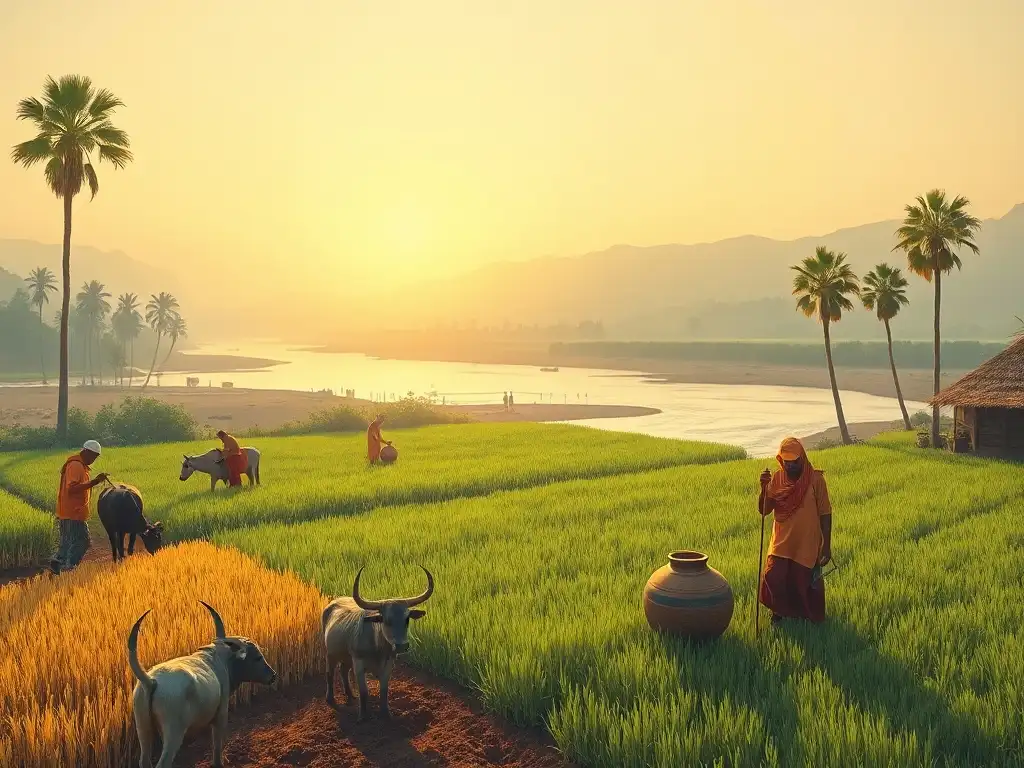
The Indus Valley Civilization, flourishing from approximately 3300 BCE to 1300 BCE, demonstrates an intricate relationship between its culture and the natural resources available in the region. The inhabitants of this civilization developed various cultural practices that reflected their sustainable use of resources, emphasizing a harmonious coexistence with nature.
The urban planning of cities like Harappa and Mohenjo-Daro showcases advanced engineering that maximized resource efficiency. They constructed drainage systems and water reservoirs, highlighting their understanding of water management. This not only ensured clean water supply but also protected against flooding, illustrating a proactive approach to sustainability.
Agricultural practices were deeply intertwined with cultural beliefs. The cultivation of crops such as wheat, barley, and cotton was not only a means of sustenance but also a reflection of the community's respect for the land. Farmers used crop rotation and other sustainable practices to maintain soil fertility, ensuring that the land remained productive for generations. This cultural reverence for the earth and its resources contributed significantly to the sustainability of their society.
Spiritual Connections to Nature in Indus Valley Culture
In the Indus Valley, spirituality and nature were closely linked, with many cultural beliefs rooted in the natural world. The reverence for certain animals and plants, often associated with deities, influenced how resources were utilized. For instance, the worship of the mother goddess and fertility symbols signified an acknowledgment of the earth’s bounty and the importance of maintaining ecological balance.
Archaeological findings, such as seals depicting animals like the unicorn and sacred trees, indicate that these elements held spiritual significance. This connection fostered a sense of responsibility among the people, encouraging them to practice sustainable resource use. Respect for nature was not merely a cultural norm but a spiritual imperative, guiding daily practices and resource management.
Moreover, the rituals surrounding agricultural cycles often involved offerings to deities, reinforcing the idea that the community's wellbeing was intertwined with the health of their environment. This spiritual connection to nature cultivated a culture of sustainability that was essential for their survival and prosperity.
Rituals and Festivals Promoting Sustainability
Rituals and festivals in the Indus Valley Civilization played a crucial role in promoting sustainable practices. Seasonal festivals, aligned with agricultural cycles, celebrated harvests and the changing seasons, reinforcing the importance of nature in daily life. These events fostered community bonding while emphasizing the need to respect and care for the environment.
For example, rituals associated with planting and harvesting encouraged collective participation, which in turn fostered a shared responsibility for resource conservation. The community would come together to ensure that the land was treated with care, reinforcing sustainable agricultural practices.
Additionally, festivals often included offerings and prayers for abundant harvests, further illustrating the connection between spirituality and sustainability. By integrating these practices into their cultural fabric, the Indus Valley people not only celebrated their achievements but also instilled a generational respect for natural resources.
Influence of Daily Life on Resource Conservation
Daily life in the Indus Valley was highly structured around the sustainable management of resources. The organization of urban centers allowed for efficient use of space and resources. The presence of public baths and sophisticated drainage systems indicates a community awareness of hygiene and resource conservation.
The use of terracotta and pottery for storage and cooking reflected an understanding of minimizing waste. These materials were not only durable but also readily available, ensuring that the community utilized local resources efficiently. The design of homes, often with multiple rooms and ventilation, showcases an adaptation to the climate, reducing the need for excessive energy use.
Moreover, the practice of recycling materials, such as using broken pottery for construction, demonstrates a practical approach to resource conservation. The Indus Valley inhabitants exhibited an inherent understanding of sustainability, which was embedded in their daily routines and practices.
Lessons from the Indus Valley for Modern Sustainability
The ancient practices of the Indus Valley Civilization hold valuable lessons for contemporary society, especially in the context of sustainable resource use. Their ability to adapt to environmental challenges while fostering community cohesion presents a model for addressing current sustainability issues.
Relevance of Ancient Practices in Contemporary Society
In today's world, where environmental concerns are paramount, the sustainable practices of the Indus Valley can serve as a guiding framework. Their emphasis on community collaboration, resource conservation, and respect for nature resonates with modern sustainability goals.
For instance, the practice of rotating crops to maintain soil fertility is increasingly recognized as vital in contemporary agriculture to combat soil degradation. Furthermore, the integration of cultural beliefs with environmental practices highlights the potential for cultural revival to inspire sustainable living today.
Learning from the Indus Valley for Sustainable Development
The principles underlying the Indus Valley's approach to natural resource management can inform sustainable development strategies. Their holistic understanding of the ecosystem, coupled with efficient urban planning, can guide modern urban development to ensure ecological balance.
Learning from their past, contemporary societies can implement strategies that prioritize local resources, minimize waste, and promote community engagement in sustainability efforts. The Indus Valley exemplifies how interdependence within a community and respect for natural resources can lead to long-term sustainability.
Future Perspectives on Sustainable Resource Use
As we look toward the future, the lessons from the Indus Valley Civilization can inspire innovative approaches to sustainable resource use. Emphasizing the integration of cultural practices with modern technology, future developments can harness traditional knowledge while leveraging advancements in science and engineering.
By revisiting ancient practices, societies can develop sustainable models that are not only environmentally friendly but culturally relevant. The future of sustainable resource use lies in a balanced approach that honors the wisdom of the past while embracing the challenges of modernity. This perspective can foster resilience and sustainability in the face of global environmental challenges.
Conclusion
The Indus Valley Civilization, one of the earliest urban cultures in the world, showcases a remarkable example of sustainable resource use that resonates with modern principles of environmental consciousness. Through their innovative methods of agriculture, water management, and urban planning, the inhabitants of the Indus Valley effectively utilized their natural resources while minimizing ecological impacts. Their practices not only supported a thriving society but also laid the groundwork for future generations to appreciate the importance of sustainability.
Summary of Key Points on Indus Valley Sustainable Resource Use
- Water Management: The sophisticated drainage systems and reservoirs demonstrate an advanced understanding of hydrology, allowing for efficient water use in agriculture and daily life.
- Agricultural Practices: Crop rotation and the use of natural fertilizers indicate a commitment to maintaining soil health and ensuring sustainable food production.
- Urban Planning: The grid-pattern layout of cities and the use of baked bricks reflect strategic planning that facilitated resource distribution and reduced waste.
- Trade and Resource Sharing: The trade networks established by the Indus Valley people promoted the sustainable exchange of goods, ensuring that resources were utilized efficiently across regions.
- Craftsmanship and Recycling: The reuse of materials in pottery and tools illustrates a culture that valued resourcefulness and minimization of waste.
Final Thoughts on the Legacy of the Indus Valley Civilization in Sustainability
The legacy of the Indus Valley Civilization extends beyond its historical significance; it offers vital lessons in sustainable living that are increasingly relevant in today's context of environmental challenges. The civilization's integrated approach to resource management highlights the potential for harmonizing human needs with ecological preservation.
As contemporary societies seek to address issues such as climate change and resource depletion, the principles of sustainable resource use exemplified by the Indus Valley can serve as a guiding framework. The enduring impact of this ancient civilization reminds us of the vital role sustainability plays not only in survival but also in fostering a balanced relationship with our environment for future generations.
- Introduction to the Indus Valley Civilization
- Understanding Sustainable Resource Use in the Indus Valley
- Agricultural Practices and Resource Management
- Water Resource Management in the Indus Valley
- Urban Planning and Sustainable Resource Allocation
- Trade and Resource Distribution
- Cultural Practices and Natural Resource Use
- Lessons from the Indus Valley for Modern Sustainability
- Conclusion
- What natural resources were utilized in the Indus Valley?
- How did the Indus Valley civilization practice sustainable resource use?
- What were the key contributions of the Indus Valley to sustainable practices?
- How did the geography of the Indus Valley influence resource use?
- What lessons can modern societies learn from the Indus Valley's approach to resource use?
Frequently Asked Questions
What natural resources were utilized in the Indus Valley?
The Indus Valley civilization made extensive use of river water, agricultural land, and minerals for crafting tools and pottery, demonstrating their adeptness at resource management.
How did the Indus Valley civilization practice sustainable resource use?
The civilization employed crop rotation and irrigation techniques to maintain soil health and ensure sustainable agriculture, which helped them thrive for centuries.
What were the key contributions of the Indus Valley to sustainable practices?
The Indus Valley people developed urban planning and sanitation systems, showcasing their commitment to sustainable living and efficient use of their natural environment.
How did the geography of the Indus Valley influence resource use?
The Hindu Kush and Himalayas provided access to minerals, while the Indus River facilitated trade and agriculture, allowing for a balanced and sustainable economy.
What lessons can modern societies learn from the Indus Valley's approach to resource use?
Modern societies can learn the importance of integrating ecological knowledge with resource management, promoting sustainability to ensure that resources are available for future generations.
Final Reflection: Embracing Sustainable Resource Use in the Indus Valley
The exploration of sustainable resource use in the Indus Valley reveals not only the ingenuity of ancient civilizations but also their relevance in today's world. As we grapple with the consequences of overexploitation and environmental degradation, the lessons learned from the Indus Valley serve as a beacon of hope. The sustainable practices of this ancient society remind us that harmony with nature is not just a historical ideal but a necessity for our survival.
The influence of the Indus Valley's sustainable approaches continues to resonate in our cultural and social landscapes. Their ability to utilize natural resources efficiently and responsibly is a testament to the potential of human innovation. As we face pressing environmental challenges, we can draw inspiration from their practices to forge a more sustainable future. The greatest threat to our planet is the belief that someone else will save it.
— Robert Swan. This quote encapsulates the urgency of taking responsibility for our actions, echoing the wisdom of the Indus Valley.
As we reflect on the importance of sustainable resource use, I invite you to consider how you can integrate these principles into your daily life. Whether it’s reducing waste, conserving water, or supporting sustainable products, every small action contributes to a larger movement. Let the legacy of the Indus Valley inspire you to be a steward of the earth, ensuring that future generations inherit a world where natural resources are cherished and preserved. Together, we can cultivate a sustainable future that honors the past while paving the way for a healthier planet.
Embrace Sustainability Today for a Greener Tomorrow!
Thank you for taking the time to explore the vital role of natural resources in our daily lives, especially in the context of the Indus Valley. By learning how our ancestors managed these resources sustainably, you have gained valuable insights into the significance of eco-friendly practices today. Now, let’s transform that knowledge into action!
Here are some immediate steps you can take to embrace sustainability:
- Adopt One Eco-Friendly Habit: Start today by reducing plastic use—opt for reusable bags, bottles, or containers that support sustainable practices!
- Share your journey! Discuss your sustainable choices with friends or family, and inspire them to join you in making environmentally conscious decisions.
- Engage with your local community! Seek out workshops or online groups focused on sustainability to deepen your understanding and share your experiences.
What sustainable action will you commit to this week to help protect our natural resources for future generations?