
The Ancient Roots of Karva Chauth: A Celebration of Love and Devotion

Welcome to Ancient India History, where we delve into the rich tapestry of India's past, exploring its vibrant cultures and remarkable civilizations. Have you ever wondered about the significance of Karva Chauth and its ancient traditions? This deeply rooted festival, celebrated with love and devotion, offers a fascinating glimpse into the customs that have shaped relationships through the ages. Join us as we uncover the ancient origins of Karva Chauth and how it continues to resonate in today's world. Your journey through history starts here!
Introduction to Karva Chauth
Karva Chauth is a significant festival celebrated primarily in North India, where married women observe a day-long fast for the well-being and longevity of their husbands. This ritual, which includes a series of traditional practices, is steeped in love and devotion.
As we delve into the ancient traditions of Karva Chauth, we uncover a rich tapestry of history that links this festival to the cultural and spiritual beliefs of ancient Indian civilizations. Understanding the roots of Karva Chauth not only enriches our appreciation of this beloved tradition but also highlights the enduring values of love, commitment, and reverence that have transcended generations.
Definition of Karva Chauth
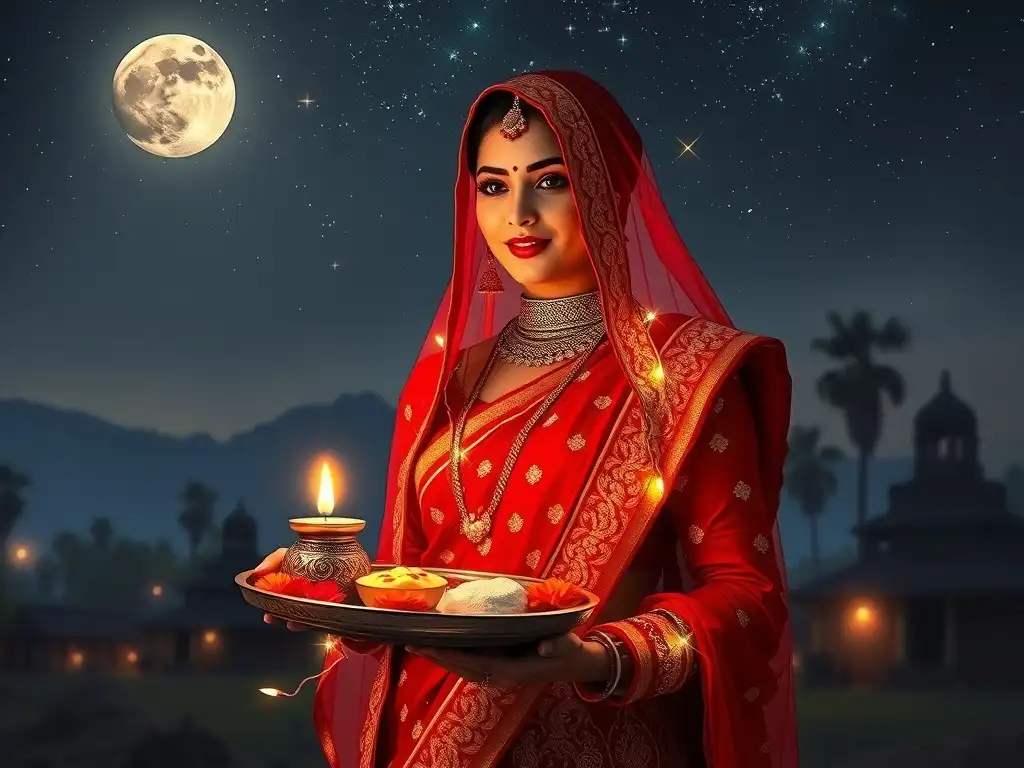
Karva Chauth, derived from the word Karva (a clay pot) and Chauth (fourth), is observed on the fourth day after the full moon in the month of Kartik, which typically falls in October or November. On this day, women dress in their finest attire, often in shades of red, and adorn themselves with intricate jewelry. The fast begins before sunrise and ends only after sighting the moon, symbolizing a wife's devotion and her desire for her husband's well-being.
Significance of Karva Chauth in Ancient Traditions
The significance of Karva Chauth extends beyond mere ritual; it embodies the principles of sacrifice, love, and familial bonds. In ancient traditions, this festival was not only a personal commitment but also a communal event, fostering connections among women as they gathered to share stories, songs, and prayers. The act of fasting was seen as a way to invoke blessings from deities, reinforcing the belief that devotion and piety could ensure a harmonious family life.
Historical Origins of Karva Chauth
Tracing the Roots of Karva Chauth in Ancient India
The origins of Karva Chauth are deeply rooted in the historical fabric of ancient India. While the exact inception of the festival is not definitively documented, various legends and folk tales suggest that it has been celebrated for centuries. Some narratives link the festival to the epic tale of Mahabharata, where Draupadi's unwavering devotion to her husband, Arjuna, serves as a powerful example of love and loyalty.
Ancient Texts and References to Karva Chauth
Several ancient texts, including folklore and scriptures, mention the observance of fasting and rituals akin to those of Karva Chauth. These texts often highlight the importance of marital harmony and the role of women as custodians of family traditions. Such references serve as a testament to the long-standing cultural significance of this festival in fostering familial ties and nurturing devotion.
Cultural Significance in Different Regions of India
Karva Chauth is celebrated with varying customs across different regions of India, reflecting the diverse cultural landscape of the country. For instance, in some areas, the festival is marked by elaborate ceremonies and communal gatherings, while in others, it may involve quieter observances. Regardless of the regional variations, the underlying theme of love and devotion remains a unifying aspect, showcasing the festival's adaptability and enduring relevance in ancient Indian traditions.
Through this exploration, we gain insight into how Karva Chauth not only honors the bond between husband and wife but also represents a broader cultural heritage that is cherished across generations.
Karva Chauth and Its Connection to Love and Devotion
Karva Chauth is a significant festival celebrated by married Hindu women, marking a day of fasting for the well-being and longevity of their husbands. The origins of this festival can be traced back to ancient Indian society, where the bonds of love and devotion were deeply revered. The day is not just about fasting; it embodies the essence of marital fidelity and the deep emotional connection between spouses.
Historically, the festival has been associated with various mythological tales that emphasize the strength of a wife's love and her commitment to her husband. These stories often highlight the sacrifices made by women, reflecting their role as nurturers and caregivers in the family unit. The observance of Karva Chauth serves as a testament to the devotion that women hold, symbolizing their prayers for their husband's health and prosperity.
The Symbolism of Karva Chauth in Ancient Indian Culture
The symbolism of Karva Chauth is rich and multifaceted, deeply embedded in ancient Indian culture. At its core, the festival represents devotion, sacrifice, and the sacred bond of marriage. The term "Karva" refers to a clay pot, which is often used during the rituals, while "Chauth" signifies the fourth day after the full moon in the Hindu calendar.
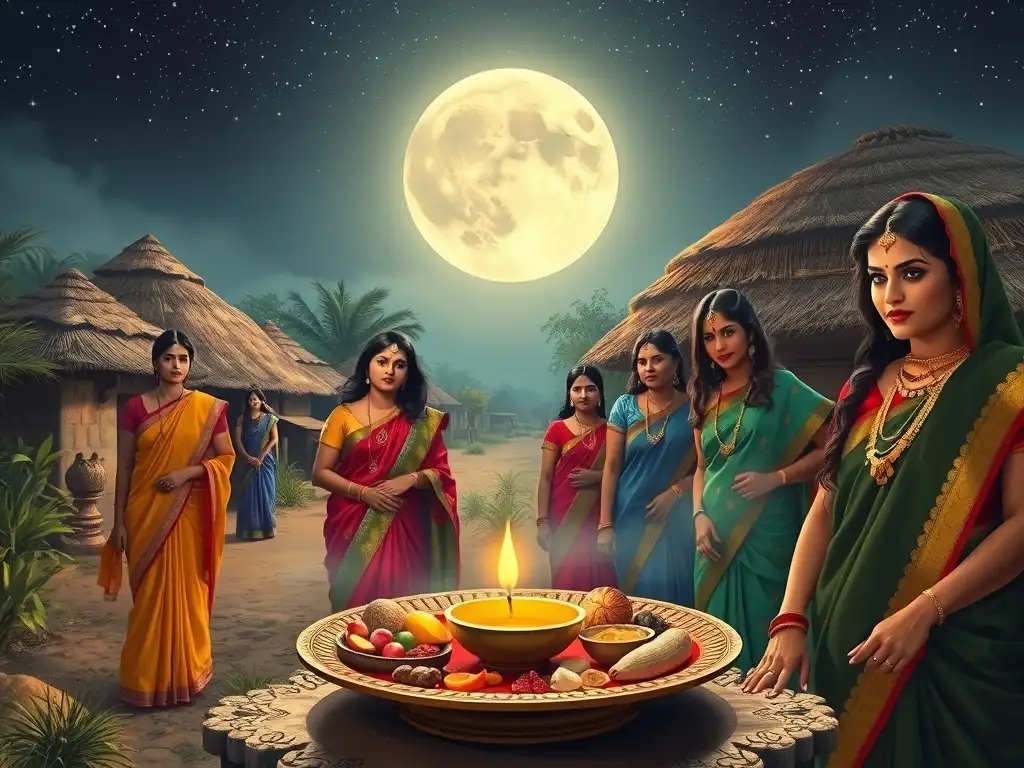
In ancient traditions, the clay pot symbolizes fertility and abundance, representing the sustenance of the family. The rituals performed during Karva Chauth are steeped in various cultural meanings, where the act of fasting is seen as an expression of a wife's unwavering love and commitment. Additionally, participating in this festival fosters a sense of community among women, as they gather to share stories, prayers, and the experience of fasting.
Devotion in Ancient Indian Marriages: A Contextual Overview
Devotion in ancient Indian marriages was not merely a personal or emotional commitment but encompassed a broader societal expectation. Marriages were considered sacred unions, with deep-rooted cultural significance. The concept of "Dharma," or duty, played a crucial role in shaping marital relationships, where both partners had specific responsibilities toward each other as well as their families.
Women, in particular, were often viewed as the custodians of family values and traditions. Their role in maintaining harmony within the household was crucial, making their devotion a cornerstone of familial stability. Festivals like Karva Chauth were a reflection of this devotion, providing women with a platform to express their commitment through spiritual practices and rituals. The celebration of love and fidelity through such observances reinforced societal norms and expectations surrounding marriage.
Rituals and Traditions of Karva Chauth
The rituals and traditions associated with Karva Chauth are steeped in history and cultural significance. Each ritual serves a purpose, enhancing the spiritual connection between husband and wife while also offering a glimpse into the ancient practices that have evolved over time.
Overview of Rituals in Ancient Times
In ancient times, the rituals of Karva Chauth were conducted with great reverence and adherence to tradition. The day typically began with women waking up before dawn to partake in a pre-dawn meal known as "Sargi," which was prepared by their mothers-in-law. This meal was vital, as it served to energize the women for the day of fasting ahead.
Throughout the day, women would engage in various rituals, including gathering in groups to share stories and songs, thereby fostering a sense of camaraderie and support. As evening approached, they would prepare for the main ritual, which involved offering prayers to the moon and their husbands, solidifying the spiritual aspect of the festival.
The Karva Chauth Vrat: Fasting Customs and Practices
The Karva Chauth Vrat, or fasting customs, are central to the celebration. Women observe a strict fast from sunrise to moonrise, abstaining from food and water. This practice is a demonstration of their love and devotion, believed to bring good health and longevity to their husbands.
During the fast, women often adorn themselves in traditional attire, applying henna and wearing jewelry, which adds to the festive spirit. The fast culminates in a ceremonial puja, where women offer prayers to the moon, seeking blessings for their spouses. The first sighting of the moon is met with great excitement, as it signifies the end of the fast, followed by breaking the fast with a meal shared with their husbands.
Traditional Offerings and Their Significance
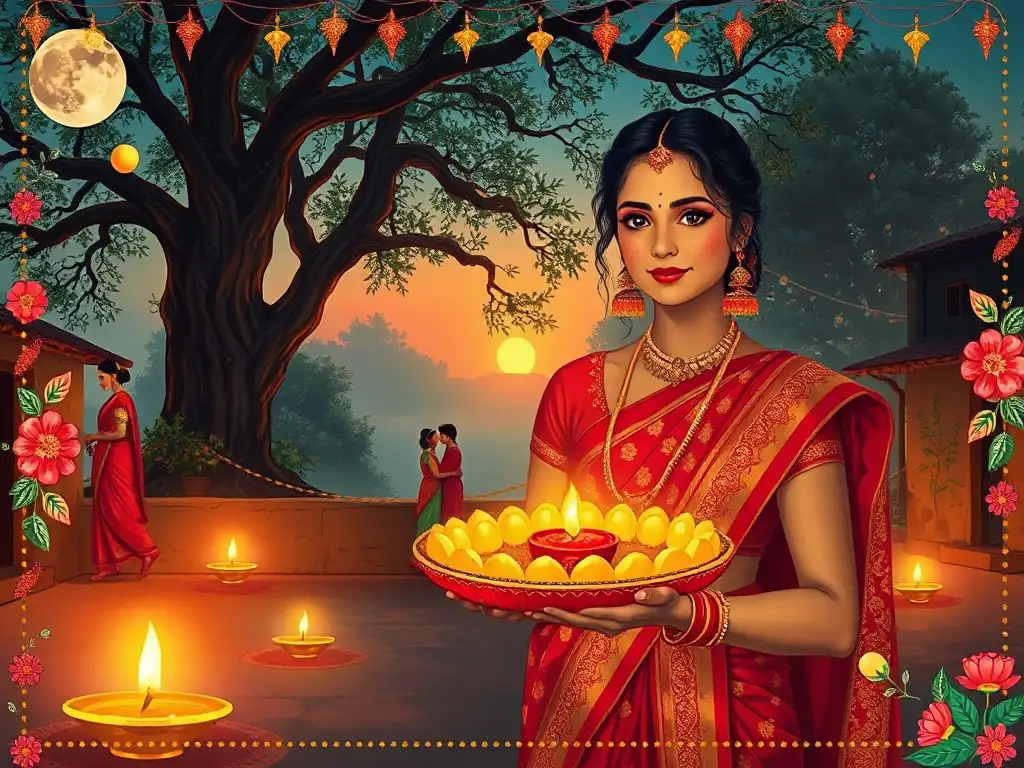
Traditional offerings during Karva Chauth are rich in symbolism and meaning. Women prepare a special thali, which includes a variety of items such as sweets, fruits, and the essential clay pot or "Karva." Each item holds significance; for instance, sweets symbolize joy, while fruits represent prosperity.
Aside from food items, women also offer prayers and perform rituals, such as lighting a diya (lamp) and chanting mantras, to invoke blessings for their husbands' well-being. The act of making these offerings not only reinforces the spiritual aspect of the festival but also serves as a means of expressing gratitude and devotion. Through these offerings, women reaffirm their commitment to their marital vows, celebrating the bond of love that Karva Chauth so beautifully embodies.
Evolution of Karva Chauth Over the Centuries
Karva Chauth, a festival celebrated predominantly by Hindu women in North India, has undergone significant evolution since its inception. Rooted in the ancient practices of devotion and ritual, this festival originally honored the well-being and longevity of husbands. Historically, women observed fasting from dawn till dusk, marking a day of penance and prayer, with the primary focus on their marital bond.
Over the centuries, Karva Chauth has transformed from a solemn observance into a vibrant celebration filled with cultural nuances. The rituals have been enriched with music, dance, and communal gatherings, reflecting the changing societal dynamics and the growing importance of women's roles in these traditions. As the festival gained popularity, it also began to embrace aspects of regional customs, blending diverse rituals and practices into a unified celebration of love and devotion.
How Karva Chauth Traditions Have Changed Over Time
The traditions associated with Karva Chauth have evolved in various ways, influenced by socio-economic changes, increased literacy among women, and the impact of modern lifestyles. In ancient times, the festival was strictly a day of fasting and prayer, deeply rooted in religious and cultural significance. Women would gather in groups, share stories, and engage in traditional songs, reinforcing community bonds.
In contemporary times, while the essence of devotion remains, the observance has become more inclusive and diverse. For example, modern women often incorporate personal touches into the rituals, such as wearing contemporary attire instead of traditional sarees, and celebrating with friends and family, thus shifting the focus from mere obligation to joyful participation. Additionally, the advent of social media has allowed for the sharing of experiences, making the festival more accessible and relatable to younger generations.
Influence of Modern Practices on Ancient Traditions
Modern practices have significantly influenced the ancient traditions of Karva Chauth, often leading to a blend of old and new customs. The rise of consumer culture has introduced themed decorations, elaborate feasts, and the gifting of jewelry and apparel, which were not traditionally part of the festival. These changes reflect a shift towards celebrating individual expression and personal joy alongside traditional devotion.
Moreover, the growing emphasis on gender equality has led to discussions about the significance of the fast. Many women now advocate for mutual respect and love in marriage, prompting couples to share the fasting experience, thereby reinterpreting the festival's meaning. Such transformations highlight how ancient traditions can adapt to contemporary values while retaining their core essence of love and devotion.
The Role of Women in Karva Chauth Celebrations
Women hold a central role in the celebrations of Karva Chauth, embodying the festival's themes of love, devotion, and sacrifice. As the primary participants, they not only perform the rituals but also pass down the traditions to future generations, ensuring the continuity of cultural heritage. The festival serves as a platform for women to express their emotions and solidarity, fostering a sense of community among them.
Women’s Empowerment Through Ancient Rituals
The observance of Karva Chauth can also be seen as a form of empowerment for women. While the festival is often perceived as traditional and restrictive, it simultaneously provides women with a voice and a space to celebrate their identities. By actively participating in the rituals, women assert their roles as caretakers of family and culture, gaining confidence and agency in their personal lives.
Additionally, the festival's emphasis on devotion fosters a deep connection among women, encouraging them to support one another in their aspirations and challenges. This communal aspect of Karva Chauth not only strengthens familial bonds but also empowers women to embrace their individuality while honoring their cultural roots.
Stories of Devotion: Women in Ancient Indian Texts
Ancient Indian texts and epics often portray women in roles that emphasize devotion and sacrifice, aligning closely with the themes of Karva Chauth. Tales from the Mahabharata, for instance, highlight the unwavering loyalty of women like Draupadi, who, despite her trials, remains steadfast in her devotion to her husbands. Such narratives serve as powerful examples of love and commitment, inspiring contemporary celebrations of the festival.
Moreover, texts like the Ramayana depict the character of Sita, whose dedication to Lord Rama epitomizes the ideals of devotion and fidelity. These stories not only resonate with the essence of Karva Chauth but also empower current generations of women to embrace their roles as devoted partners, fostering a rich tapestry of cultural reverence that continues to thrive in modern society.
Conclusion: The Enduring Legacy of Karva Chauth
Karva Chauth stands as a testament to the enduring love and devotion that has characterized relationships throughout Indian history. Rooted deeply in the ancient traditions of India, this festival not only symbolizes marital fidelity but also encapsulates the cultural ethos of reverence and sacrifice. The rituals associated with Karva Chauth, including fasting and prayers, have been passed down through generations, demonstrating the continuity of cultural practices that celebrate the bond between husband and wife.
As women adorn themselves in traditional attire and perform intricate rituals, the festival serves as a reminder of the roles and responsibilities that define relationships in Indian society. The significance of Karva Chauth transcends mere observance; it has evolved into a celebration of women's strength, resilience, and unwavering commitment to their families. Thus, it emerges as an enduring legacy that continues to inspire both reverence and participation across diverse communities.
The Relevance of Karva Chauth in Contemporary Society
In contemporary society, Karva Chauth retains its relevance by adapting to modern sensibilities while preserving its ancient traditions. As the dynamics of marriage evolve, the festival has come to symbolize not only the devotion of wives but also the mutual respect and partnership that defines modern relationships. Many couples now celebrate this day together, reflecting a shift towards shared responsibilities and equal partnership in marriage.
Moreover, the festival fosters a sense of community and connection among women, who come together to share their experiences, stories, and support each other through the rituals of fasting and prayer. The celebration has also gained popularity beyond traditional boundaries, with an increasing number of women from diverse backgrounds embracing the customs and adapting them to fit their lifestyles. This blend of ancient traditions with contemporary practices ensures that Karva Chauth remains a vibrant and meaningful celebration in today's society.
Preserving Ancient Traditions: The Future of Karva Chauth Celebrations
The future of Karva Chauth celebrations hinges on the delicate balance between preserving ancient traditions and embracing modern interpretations. To ensure the festival's longevity, it is essential to educate younger generations about its historical significance and the values it represents. Initiatives such as workshops, community gatherings, and social media campaigns can play a crucial role in bridging the knowledge gap and fostering appreciation for these time-honored practices.
Additionally, as globalization influences cultural exchanges, there is potential for innovative adaptations of Karva Chauth that respect its roots while incorporating contemporary elements. For instance, inclusive practices that acknowledge and celebrate love in various forms can enhance the festival's relevance in a diverse society. By encouraging creativity in rituals and promoting inclusivity, the ancient traditions of Karva Chauth can thrive, ensuring that this cherished celebration of love and devotion continues to resonate with future generations.
- Introduction to Karva Chauth
- Historical Origins of Karva Chauth
- Karva Chauth and Its Connection to Love and Devotion
- The Symbolism of Karva Chauth in Ancient Indian Culture
- Devotion in Ancient Indian Marriages: A Contextual Overview
- Rituals and Traditions of Karva Chauth
- Evolution of Karva Chauth Over the Centuries
- The Role of Women in Karva Chauth Celebrations
- Conclusion: The Enduring Legacy of Karva Chauth
Frequently Asked Questions
What is Karva Chauth?
Karva Chauth is a Hindu festival celebrated by married women, where they fast from sunrise to moonrise for the well-being and longevity of their husbands.
What are the ancient traditions associated with Karva Chauth?
The ancient traditions of Karva Chauth involve rituals such as puja, offering prayers, and the use of a sieve to view the moon, symbolizing devotion and marital harmony.
How did Karva Chauth originate?
Karva Chauth's origins can be traced back to ancient Indian customs, where women observed the fast as a means to express their love and commitment to their husbands.
Are there any specific rituals performed during the festival?
Yes, during Karva Chauth, women conduct a day-long fast, adorn themselves in traditional attire, and participate in a puja, often gathering with other women to share stories and prayers.
How has Karva Chauth evolved over time?
While the core traditions remain, Karva Chauth has evolved with modern influences, incorporating new practices while still honoring its ancient roots and significance in marital relationships.
Final Reflection: Embracing the Ancient Traditions of Karva Chauth
The celebration of Karva Chauth is not merely a ritual; it is a profound expression of love and devotion that resonates deeply in today's fast-paced world. As we navigate our modern lives, the ancient traditions of Karva Chauth remind us of the importance of commitment and the bonds that tie us to our loved ones. This festival, rich in history and meaning, serves as a powerful reminder that love transcends time, urging us to cherish and honor our relationships amidst the chaos of contemporary life.
Carving out moments to connect with our partners is essential in a society that often prioritizes productivity over personal connections. The traditions surrounding Karva Chauth encourage us to reflect on the significance of devotion and sacrifice in our relationships. As we partake in these rituals, we not only honor our partners but also strengthen the emotional fabric of our lives. Love is not about possession. Love is about appreciation.
This quote encapsulates the essence of Karva Chauth, reminding us that true devotion lies in valuing and celebrating our loved ones.
As you reflect on the lessons of Karva Chauth, I invite you to consider how you can integrate these ancient traditions into your own life. Take a moment to appreciate the relationships that matter most to you, and find ways to express your love and commitment, just as generations before us have done.
By embracing these timeless practices, we can foster deeper connections and create a legacy of love that will endure for years to come. Let the spirit of Karva Chauth inspire you to celebrate love in all its forms, ensuring that these ancient traditions continue to thrive in our modern world.
Embark on Your Journey of Love and Devotion!
Thank you for diving into the fascinating traditions surrounding Karva Chauth! Your exploration has unveiled the rich history and profound significance of this beautiful festival. Now, it's time to take that knowledge to heart and apply it in meaningful ways!
Here are some powerful actions you can take to honor this celebration:
- Participate in Karva Chauth: If you celebrate this festival, embrace its rituals fully to strengthen bonds with your loved ones. Prepare your offerings and immerse yourself in the spirit of fasting and devotion.
- Share the History: Engage your friends and family by sharing what you've learned about Karva Chauth. Consider hosting a discussion or a small gathering to connect over its deeper meanings.
- Explore Other Festivals: Discover other cultural celebrations that highlight love and devotion! Research their significance and find connections with the customs of Karva Chauth to deepen your appreciation of Indian traditions.
What is one unique way you plan to celebrate or learn more about Karva Chauth this year? Share your thoughts below!