
The Art of Dyeing: Ancient Techniques That Colored Indian Textiles

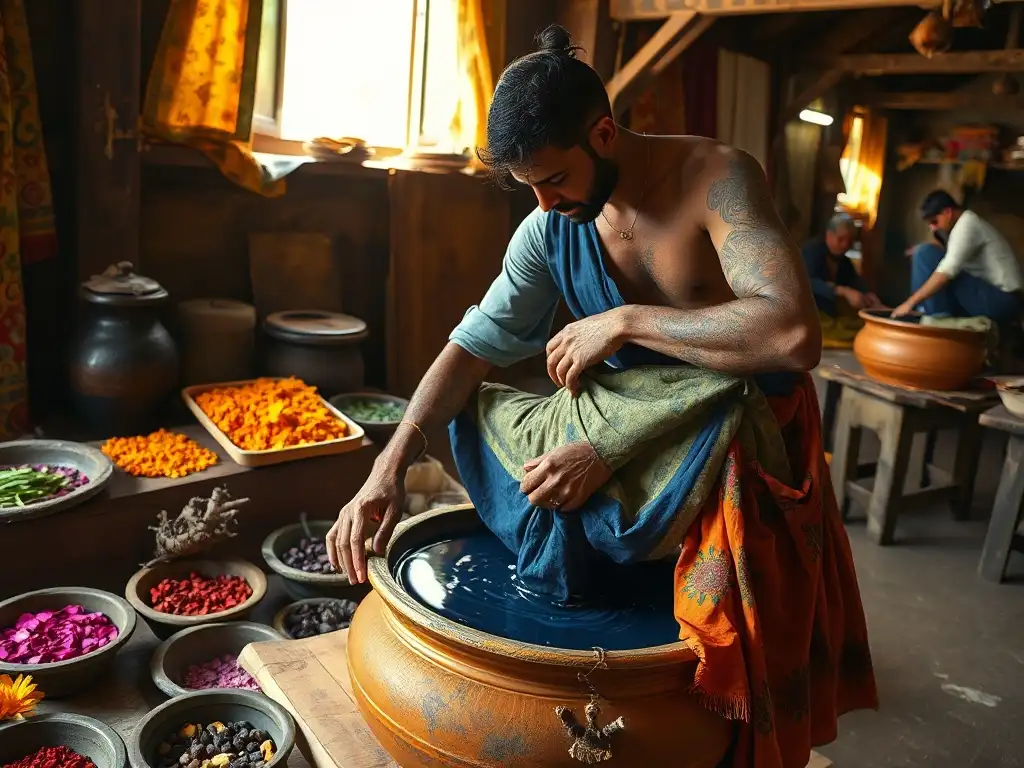
Welcome to Ancient India History, where we embark on a fascinating journey through time, unraveling the rich tapestry of India's past. In this exploration, we delve into the art of dyeing, uncovering the intricate techniques that have colored Indian textiles for centuries. From the vibrant hues of the Indus Valley to the sophisticated palettes of the Gupta Empire, discover how these ancient practices not only reflect the creativity of the artisans but also their deep connection to culture and identity.
Are you ready to uncover the secrets behind these mesmerizing colors? Let’s dive into the world of ancient Indian dyeing techniques!
Introduction to Ancient Indian Dyeing Techniques
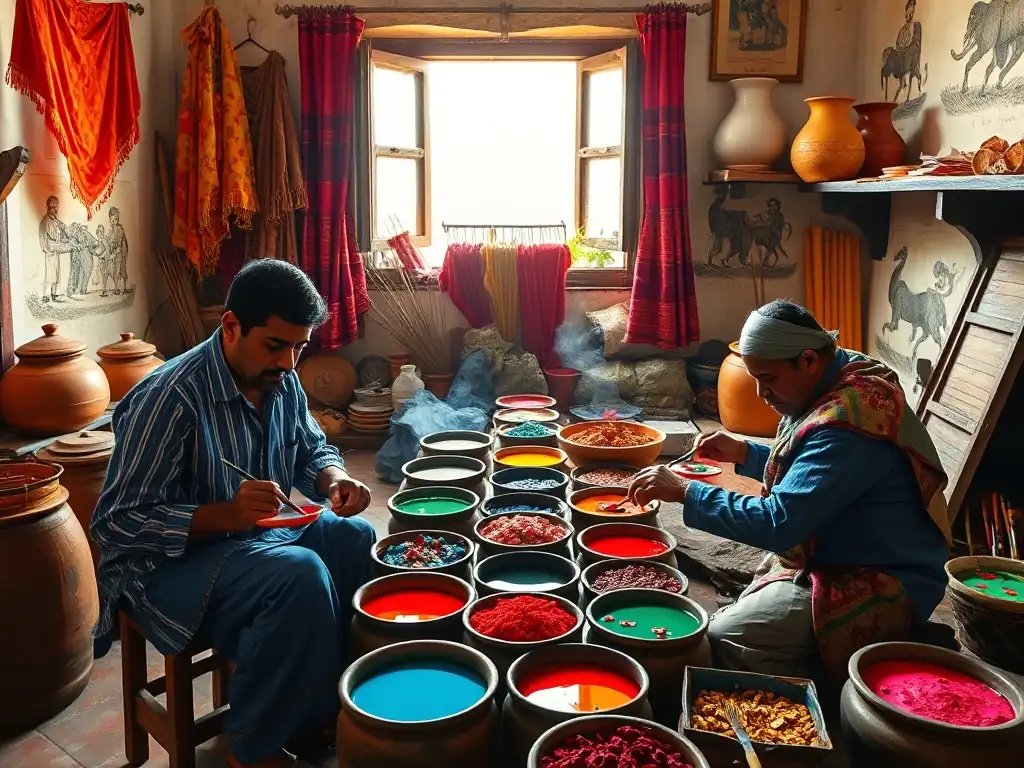
The art of dyeing has played a pivotal role in shaping the vibrant textile heritage of ancient India. From the moment skilled artisans began to experiment with natural pigments sourced from flora, fauna, and minerals, a rich tradition emerged that would influence generations of craftsmanship. Ancient Indian dyeing techniques not only contributed to the aesthetic appeal of textiles but also reflected the cultural and social narratives of the time. These techniques have evolved through centuries, leading to a diverse array of colors and patterns that adorned garments, tapestries, and ceremonial attire.
As we explore the intricacies of ancient Indian dyeing methods, we will uncover the historical significance, geographical influences, and the craftsmanship that transformed simple fabrics into works of art. This journey through the vibrant world of dyeing will reveal how ancient Indian communities communicated their identities, beliefs, and status through the colors they wore, making the study of these techniques not just an exploration of textiles but a window into the lives of those who created them.
Historical Context of Dyeing in Ancient India
The practice of dyeing in ancient India is deeply intertwined with the region's history and culture. From the Indus Valley Civilization (circa 3300–1300 BCE) to the Gupta Empire (circa 320–550 CE), various dynasties and communities employed unique dyeing techniques that not only enhanced their textiles but also served as markers of social and economic status.
- Cultural Significance: Colors held specific meanings and were often used in religious contexts, ceremonies, and festivals. For instance, red was associated with fertility and marriage, while yellow symbolized knowledge and learning.
- Trade and Commerce: The dyeing industry also played a crucial role in trade, with regions specializing in particular colors or techniques. For example, the city of Varanasi became famous for its intricate silk textiles, often dyed in rich hues.
The Origins of Dyeing Techniques in India
The origins of dyeing techniques in India can be traced back to ancient civilizations that utilized natural resources for coloring fabrics.
- Natural Dyes: Early dyers used plant-based materials, such as indigo from the Indigofera plant, madder for reds, and turmeric for yellows. These natural dyes were not only abundant but also provided rich, vivid colors that were long-lasting.
- Craftsmanship: The techniques involved in dyeing were often passed down through generations, with families or communities developing their unique styles. For example, the tie-dye technique known as "bandhani" has its roots in Rajasthan and has been practiced for centuries.
Influence of Geography on Dyeing Techniques
Geography played a crucial role in shaping the dyeing techniques across ancient India.
- Regional Variations: Different regions developed distinct dyeing practices based on local resources. For instance, the arid climate of Rajasthan influenced the use of vibrant colors to reflect the harsh landscape, while the lush vegetation of the southern states allowed for a wider variety of plant-based dyes.
- Trade Routes: Ancient trade routes facilitated the exchange of dyeing knowledge and materials between regions, leading to the blending of techniques and the introduction of new colors and methods. The Silk Route, for instance, was instrumental in spreading the art of dyeing beyond India, influencing textile practices in other cultures.
The art of dyeing in ancient India reflects a rich tapestry of cultural, historical, and geographical influences that have shaped the textile heritage of the region. Understanding these ancient Indian dyeing techniques provides valuable insights into the creativity and craftsmanship of past civilizations, as well as their enduring legacy in contemporary textile practices.
Key Ancient Indian Dyeing Techniques
Ancient Indian dyeing techniques are renowned for their vibrant colors and intricate methods, which have been passed down through generations. These techniques primarily relied on natural materials and traditional craftsmanship, enabling artisans to create textiles that not only showcased aesthetic beauty but also carried cultural significance.
The most notable dyeing methods included tie-dyeing (bandhani), block printing, and resist dyeing (such as batik). Each technique employed specific tools and processes that resulted in unique patterns and hues. For instance, tie-dyeing involved tying sections of fabric to resist dye penetration, resulting in distinct patterns when unraveled. Block printing utilized carved wooden blocks, dipped in dye, to impress designs onto fabric, while resist dyeing techniques involved applying a resist medium to prevent dye from coloring certain areas, creating intricate designs.
The palette of colors achieved through these techniques was derived from a range of natural sources, emphasizing the profound connection between nature and art in ancient Indian dyeing practices. The artistry involved in these techniques not only reflects the aesthetic sensibilities of the time but also demonstrates the innovative spirit of ancient Indian artisans.
Natural Dye Sources Used in Ancient Indian Textile Dyeing
Natural dyes were the cornerstone of ancient Indian dyeing techniques, with artisans sourcing colors from various plants, minerals, and insects. Each natural dye imparted a distinct hue and was selected based on its availability and the desired color outcome.
- Plant-based Dyes: Many vibrant colors were derived from leaves, flowers, roots, and fruits. For instance:
- Indigo: Extracted from the Indigofera plant, this dye produced deep blue shades and was one of the most sought-after colors.
- Turmeric: Known for its yellow hue, turmeric root was commonly used to achieve bright yellow and golden shades.
- Madder Root: This plant yielded rich red and pink shades, making it a staple in traditional dyeing.
- Mineral Dyes: Certain minerals also contributed to the palette of colors. For example:
- Iron oxide: Provided earthy tones, including various shades of brown.
- Copper: Used to create greens and blues when combined with other substances.
- Insect-based Dyes: Some dyes were derived from insects, such as the kermes and cochineal, which produced deep reds.
The use of these natural sources not only ensured that the dyes were environmentally friendly but also added a layer of cultural significance, as each color often held symbolic meanings in ancient Indian society.
Traditional Dyeing Methods in Ancient Indian Textiles
Ancient Indian textiles were characterized by various traditional dyeing methods, each reflecting regional influences and local materials. The methods were carefully developed to enhance the beauty and durability of the fabric.
- Tie-Dyeing (Bandhani): This technique involved tying small portions of fabric with threads before dyeing, creating intricate patterns. It was prevalent in regions like Gujarat and Rajasthan, resulting in highly decorative textiles.
- Block Printing: Artisans carved designs into wooden blocks, which were then stamped onto fabric with natural dyes. This method allowed for repeated patterns and was widely practiced in places such as Sanganer and Bagru.
- Batik: A resist dyeing method where hot wax was applied to fabric to create designs. After dyeing, the wax was removed, leaving behind intricate patterns. This technique was primarily found in regions like Madhya Pradesh.
- Pattachitra: Originating from Odisha, this technique involved painting on cloth with natural dyes, often depicting mythological and folk stories.
These traditional methods not only illustrate the artistic capabilities of ancient Indian artisans but also their deep understanding of materials and dyeing processes, which contributed to the rich textile heritage of India.
The Role of Artisans in Ancient Indian Dyeing
Artisans played a crucial role in the development and preservation of ancient Indian dyeing techniques. Their expertise and creativity brought to life the vibrant textiles that adorned the people of ancient India. Each artisan often specialized in a particular technique or region, leading to the establishment of distinct styles that reflected the cultural identity of their communities.
Artisans were not only skilled in the technical aspects of dyeing but also possessed a deep knowledge of natural dye sources. They understood the properties of various plants, minerals, and insects, allowing them to select the appropriate materials for achieving desired colors. This intimate relationship with nature fostered a sustainable approach to dyeing, utilizing resources that were abundant and environmentally friendly.
Moreover, artisans often collaborated with weavers and other craftsmen, creating a synergy that enriched the textile production process. Their collective efforts contributed to a thriving economy centered around textiles, which became a significant aspect of trade and cultural exchange in ancient India.
The Craftsmanship of Dyeing in Ancient India
The craftsmanship of dyeing in ancient India was a meticulous process that combined artistry with technical skill. The artisans employed various techniques that required precision and an eye for detail.
- Preparation: The process began with preparing the dye, which included extracting colors from natural sources and sometimes fermenting them to enhance the intensity.
- Application: Techniques such as hand-painting, stamping, or dipping were used to apply the dye onto the fabric. Each method required a unique set of tools and a deep understanding of the material's properties.
- Post-Dyeing Processes: After dyeing, textiles often underwent washing and setting processes to ensure color fastness and vibrancy. The final steps involved drying and sometimes additional treatments to enhance the fabric's texture and appearance.
Artisans took great pride in their work, as the resulting textiles often served as expressions of cultural narratives, family traditions, and community stories. This craftsmanship not only produced beautiful fabrics but also preserved the rich heritage of ancient Indian dyeing techniques.
Preservation of Traditional Dyeing Techniques
Preserving traditional dyeing techniques has become increasingly important in modern times, as globalization and industrialization threaten the survival of these age-old practices. Efforts to maintain these techniques involve both education and innovation.
- Training Programs: Many NGOs and cultural organizations are working to provide training to new generations of artisans. These programs focus on teaching ancient techniques while integrating contemporary designs to appeal to modern markets.
- Documentation and Research: Documenting the processes and stories behind traditional dyeing techniques is crucial for preservation. Research initiatives help catalog the various methods, materials, and regional differences, ensuring that knowledge is not lost.
- Sustainable Practices: Emphasizing the use of natural dyes and eco-friendly processes aligns with contemporary values of sustainability. This approach not only helps in preserving traditional methods but also appeals to environmentally conscious consumers.
Through these concerted efforts, the rich legacy of ancient Indian dyeing techniques continues to thrive, fostering a deeper appreciation for the artistry and cultural significance embedded within each textile.
Modern Applications of Ancient Indian Dyeing Techniques
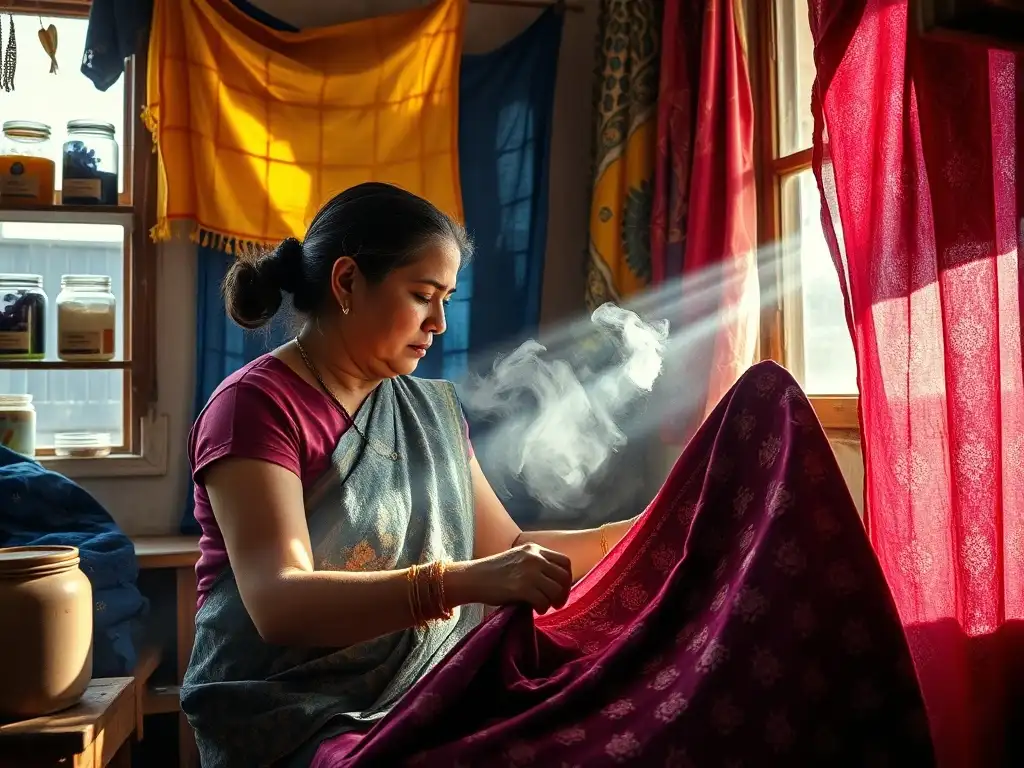
The resurgence of interest in sustainable fashion has led to a revival of ancient Indian dyeing techniques. These methods, steeped in history, not only provide vibrant hues but also promote environmentally friendly practices. From the intricate art of block printing to the subtlety of shibori, contemporary designers are increasingly incorporating these time-honored techniques into their collections. This trend resonates with consumers seeking authenticity and connection to cultural heritage, allowing ancient practices to thrive in the modern era.
Contemporary Use of Ancient Techniques in Fashion
Fashion designers today draw inspiration from ancient Indian dyeing techniques to create unique garments that tell a story. Techniques such as Bandhani (tie-dye) and Kalamkari (hand-painted or block-printed fabric) are gaining popularity for their aesthetic appeal and cultural significance. Brands often collaborate with artisans to produce limited-edition collections that reflect traditional craftsmanship while appealing to modern sensibilities.
Moreover, fashion houses are adopting these methods to differentiate themselves in a crowded market. By highlighting the intricate processes involved, designers not only showcase the beauty of the textiles but also educate consumers about the rich history behind them. This blend of tradition and contemporary design fosters a renewed appreciation for ancient techniques.
Benefits of Using Ancient Dyeing Techniques Today
Incorporating ancient dyeing techniques into modern textile production offers numerous benefits:
- Sustainability: Traditional dyeing methods often utilize natural dyes derived from plants, minerals, and insects, significantly reducing the environmental impact compared to synthetic dyes. This aligns with the growing demand for sustainable fashion.
- Cultural Preservation: By employing these techniques, contemporary artisans and designers help preserve the skills and knowledge of traditional crafts, ensuring that they are not lost to future generations.
- Unique Aesthetic: Each ancient dyeing technique produces distinct textures and patterns, allowing for one-of-a-kind fabrics that are often more appealing than mass-produced alternatives. This uniqueness adds value to the garments.
- Health Benefits: Natural dyes are generally less harmful to both the environment and human health. Many synthetic dyes contain toxic chemicals, making natural alternatives a safer choice for consumers and artisans alike.
Conclusion: The Legacy of Ancient Indian Dyeing Techniques
The legacy of ancient Indian dyeing techniques is one of resilience and creativity, influencing not only the fashion industry but also the broader landscape of textile arts. As designers and consumers increasingly prioritize sustainability and authenticity, these traditional methods are being revitalized and celebrated. The combination of age-old practices with modern innovations allows for a richer, more diverse tapestry of textile production that honors the past while looking towards the future.
By embracing these ancient techniques, we not only enhance our wardrobes but also contribute to the preservation of cultural heritage, ensuring that the art of dyeing remains vibrant and relevant in today's world. The continued exploration of ancient Indian dyeing techniques serves as a testament to their enduring beauty and significance in the ever-evolving tapestry of fashion and textiles.
References and Further Reading
To delve deeper into the fascinating world of ancient Indian dyeing techniques, a variety of resources are available that explore the methods, materials, and cultural significance of textile dyeing in India. Here are some recommended books, articles, and online resources that provide comprehensive insights:
-
Books:
-
"Indian Textiles: 5000 Years of History" by P. M. Joshi
This book offers a thorough exploration of the history and evolution of Indian textiles, including dyeing techniques from ancient to modern times.
-
"Dyes and Dyeing in Ancient India" by Dr. V. K. Jain
A detailed study focusing on the natural dyes used in ancient India, their sources, and the methods employed in dyeing textiles.
-
"The Fabric of Our Lives: The History of Textiles in India" by Shyam Sundar
This work examines the cultural and historical context of textiles in India, including dyeing practices throughout different periods.
-
-
Academic Articles:
- "Natural Dyes and Their Applications in Textiles" - A journal article available in textile research journals that discusses the use of natural dyes in ancient Indian textiles and their ecological significance.
- "Traditional Indian Dyeing Techniques: A Study of Historical Practices": - This article provides insights into various regional techniques and the artisans behind them.
-
Online Resources:
- The National Museum of India: Offers insights into ancient textiles, including sections dedicated to dyeing techniques and the artifacts associated with them.
- Crafts Council of India: A resource for understanding the traditional crafts of India, including detailed descriptions of dyeing techniques and their cultural relevance.
- Textile Society of America: Features papers and presentations from conferences that often touch on historical dyeing practices and their evolution.
-
Documentaries and Videos:
- "The Colors of India": A documentary exploring the vibrant dyeing techniques used in different regions of India, showcasing artisans at work and the cultural heritage behind these practices.
- YouTube Channels on Textile Arts: Channels dedicated to textile arts often feature videos on traditional dyeing techniques, providing visual insights into the processes involved.
These resources will not only enhance your knowledge of ancient Indian dyeing techniques but also provide a broader understanding of the integral role textiles have played in India's rich cultural heritage.
- Introduction to Ancient Indian Dyeing Techniques
- Historical Context of Dyeing in Ancient India
- Key Ancient Indian Dyeing Techniques
- The Role of Artisans in Ancient Indian Dyeing
- Modern Applications of Ancient Indian Dyeing Techniques
- Conclusion: The Legacy of Ancient Indian Dyeing Techniques
- References and Further Reading
Frequently Asked Questions
What are ancient Indian dyeing techniques?
Ancient Indian dyeing techniques refer to traditional methods used to color textiles, often utilizing natural dyes from plants, minerals, and insects. These techniques have been passed down through generations and showcase the rich cultural heritage of India.
How did the Indus Valley Civilization contribute to dyeing?
The Indus Valley Civilization is known for its advanced textile production and use of natural dyes. Archaeological findings suggest they employed indigo and madder for dyeing cotton, indicating a sophisticated understanding of color and materials.
What role did the Gupta Empire play in textile dyeing?
During the Gupta Empire, there was a flourishing of arts and crafts, including textile dyeing. The period saw innovations in dyeing techniques and an increase in trade, which helped spread Indian textiles and their vibrant colors across regions.
Are there any specific natural dyes commonly used in ancient Indian techniques?
Yes, common natural dyes used in ancient Indian dyeing included indigo for blue, madder for red, and turmeric for yellow. These dyes, derived from plants and minerals, were not only vibrant but also had cultural significance.
How are ancient dyeing techniques preserved today?
Today, many artisans and organizations work to preserve ancient dyeing techniques through workshops and sustainable practices. This helps maintain the cultural identity of Indian textiles while promoting eco-friendly methods in modern fashion.
Final Reflection: Embracing the Vibrancy of Ancient Indian Dyeing Techniques
The legacy of ancient Indian dyeing techniques is not just a relic of the past; it is a vibrant thread woven into the fabric of our contemporary culture. As we navigate a world increasingly dominated by fast fashion and synthetic materials, these time-honored methods remind us of the beauty and sustainability inherent in traditional craftsmanship. The art of dyeing, with its rich history and cultural significance, serves as a powerful testament to the creativity and resilience of artisans who have preserved these techniques through generations.
The enduring influence of ancient Indian dyeing techniques is felt not only in the textiles we wear but also in the broader cultural landscape that values heritage and sustainability. As we witness a resurgence of interest in artisanal practices, it becomes clear that these methods are more than just aesthetic choices; they represent a commitment to preserving our environment and honoring our roots. Art is the most beautiful of all lies.
This quote encapsulates the essence of dyeing, where colors tell stories and each hue is a brushstroke on the canvas of history.
As we reflect on the significance of these ancient techniques, I invite you to explore their beauty and meaning in your own life. Consider how you can incorporate the principles of sustainability and artistry into your daily choices. Whether it's supporting local artisans, choosing natural dyes, or simply appreciating the stories behind the textiles you wear, every small action contributes to a larger narrative of respect for our cultural heritage. Let us celebrate the vibrancy of ancient Indian dyeing techniques and carry their legacy forward into the future.
Unlock the Vibrant World of Indian Dyeing!
Thank you for exploring the fascinating art of dyeing and the ancient techniques that have beautifully colored Indian textiles. You've just uncovered a treasure trove of history and culture! Now, let’s take that knowledge further and bring some of that vibrancy into your life.
Here’s how you can dive deeper and make a difference:
- Start your own dyeing project: Gather natural materials such as onion skins, turmeric, or hibiscus to create your own vibrant fabrics at home. Experiment and share your creations!
- Join a local workshop: Look for textile or dyeing classes in your area to learn hands-on techniques from skilled artisans and connect with fellow enthusiasts.
- Share your discovery: Spread the love for Indian textile art on social media using the hashtag #DyeTheTradition. Let’s celebrate and raise awareness about these beautiful techniques together!
What unique colors and patterns will you create as you explore the art of dyeing? Let’s discuss your ideas in the comments!