
The Role of Education and Knowledge Sharing in Indus Valley Society

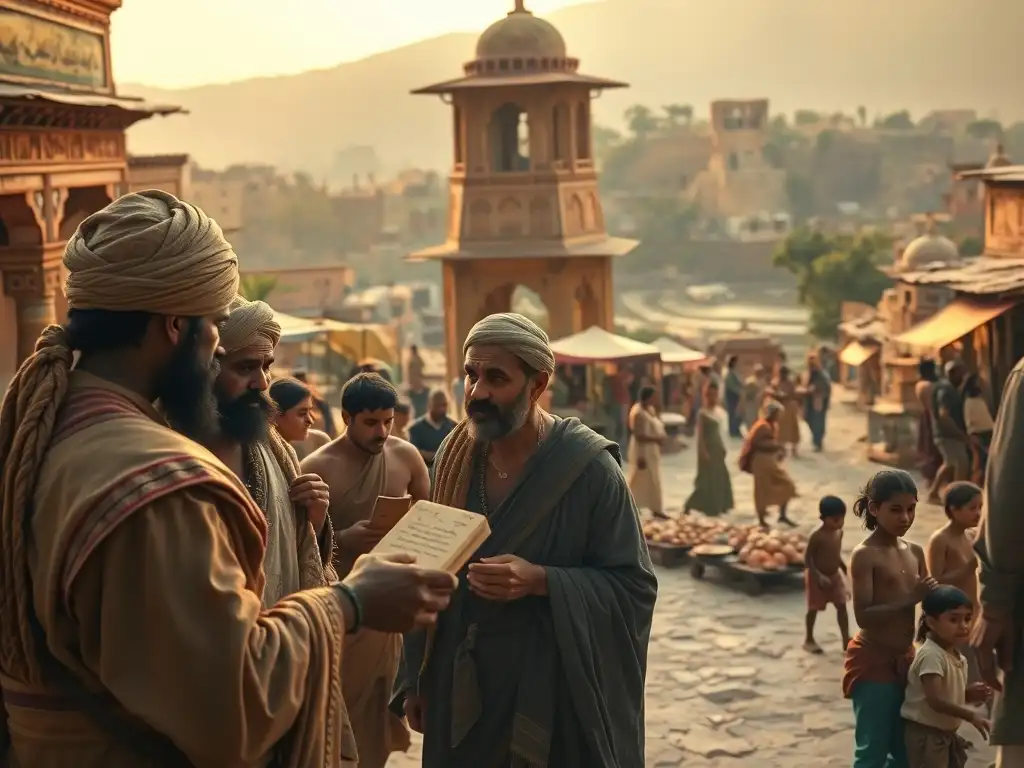
Welcome to Ancient India History, where we embark on a fascinating journey through the rich tapestry of ancient Indian civilizations. Here, you'll uncover the remarkable stories and profound contributions that shaped the cultural and intellectual landscape of a bygone era. In our featured article, "The Role of Education and Knowledge Sharing in Indus Valley Society," we delve into the Indus Valley education system, exploring how this advanced society prioritized learning and knowledge dissemination.
Prepare to be captivated as we reveal the intricacies of their educational practices and the lasting impact they had on future generations. Dive in and discover the hidden gems of our ancient past!
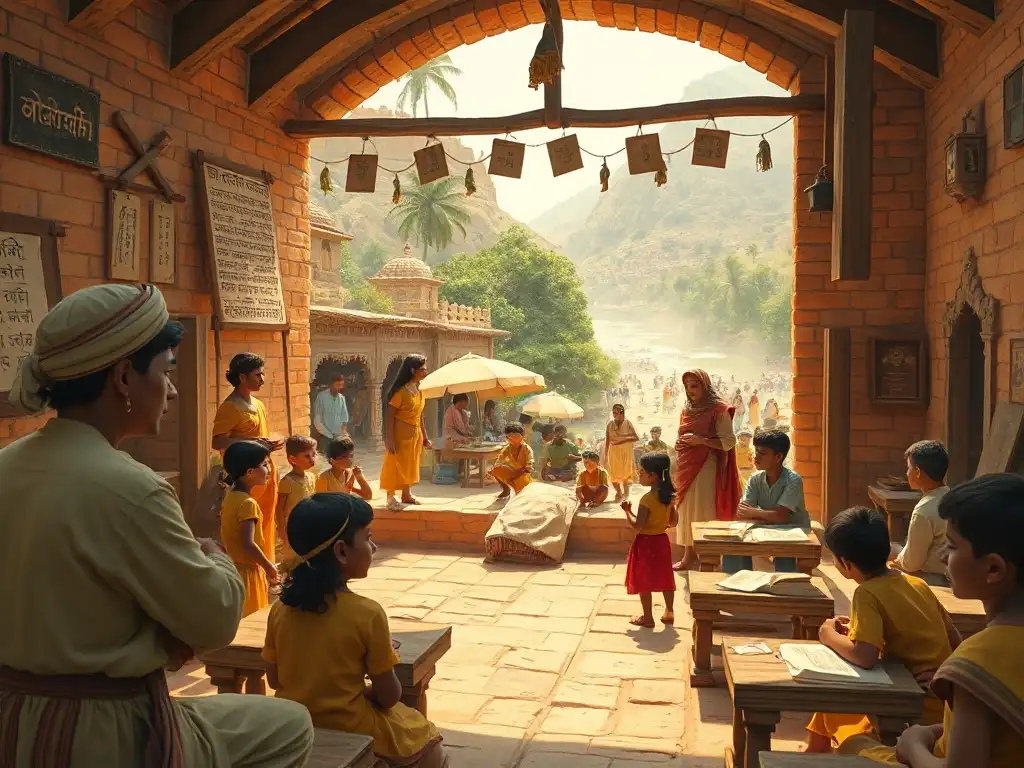
The Indus Valley Civilization, one of the world's earliest urban cultures, flourished around 2500 BCE in what is now modern-day Pakistan and northwest India. This remarkable society is renowned not only for its advanced urban planning and architectural feats but also for its sophisticated education system.
Understanding the role of education and knowledge sharing in the Indus Valley is essential to grasp how this civilization maintained social cohesion, fostered innovation, and ensured the transmission of knowledge across generations. In this article, we will explore the characteristics of the Indus Valley education system, including its structure, curriculum, and the pivotal role of educators.
Introduction to the Indus Valley Education System
The Indus Valley education system was integral to the development of its society, characterized by a structured approach to learning that emphasized practical skills and knowledge. With evidence suggesting the existence of schools and educational institutions, the Indus Valley Civilization prioritized the education of its youth. This focus on education not only facilitated the growth of individual skill sets but also underpinned the societal advancements that the civilization is known for.
Overview of Indus Valley Civilization
The Indus Valley Civilization was marked by its impressive cities such as Harappa and Mohenjo-Daro, which showcased advanced urban planning, including grid patterns, drainage systems, and sophisticated architecture. This civilization thrived on agriculture, trade, and craftsmanship, leading to a prosperous economy. The inhabitants of the Indus Valley were known for their artistic skills, including pottery, weaving, and metallurgy.
- Key Features:
- Urban planning and infrastructure
- Advanced trade networks
- Craftsmanship and art
- Agricultural practices
Importance of Education in Ancient Societies
Education has always played a crucial role in shaping societies, particularly in ancient civilizations. It served as the foundation for passing down cultural values, religious beliefs, and practical skills necessary for survival. In the context of the Indus Valley, education:
- Fostered innovation and technological advancements
- Ensured the continuity of cultural practices
- Promoted social order and cohesion
- Equipped individuals with skills for various trades and professions
Characteristics of the Indus Valley Education System
The Indus Valley education system exhibited distinct characteristics that differentiated it from contemporary systems. Understanding these features provides insight into how education operated within this ancient society.
Structure of Educational Institutions
While specific details about the educational institutions of the Indus Valley remain limited due to the lack of written records, archaeological evidence suggests that schools were established within urban areas. These institutions likely catered to both boys and girls, focusing on various subjects essential for daily life and vocational training.
- Possible Structures:
- Public Schools: Accessible to the broader community
- Private Tutors: Individualized education for affluent families
- Community Learning Centers: Places for communal knowledge sharing
Curriculum and Subjects Taught in Indus Valley Schools
The curriculum of the Indus Valley education system is believed to have encompassed a range of subjects aimed at equipping students with practical knowledge. While the exact details remain speculative, the following subjects are thought to have been included:
- Mathematics: Essential for trade and architecture
- Crafts and Trades: Skills related to pottery, weaving, and metallurgy
- Agricultural Techniques: Knowledge vital for farming practices
- Writing and Language: Early forms of script for record-keeping and communication
Role of Teachers and Educators in Indus Valley
Teachers in the Indus Valley played a significant role in shaping the educational landscape. They were likely respected members of society, entrusted with imparting knowledge and skills to the younger generation. The relationship between teachers and students would have been one of mentorship, emphasizing not only academic learning but also moral and ethical guidance.
- Responsibilities of Educators:
- Developing curricula and lesson plans
- Providing mentorship and career guidance
- Fostering critical thinking and problem-solving skills
The Indus Valley education system was a vital component of its society, contributing to the civilization's achievements in various fields. By understanding the intricacies of this ancient education system, we gain a deeper appreciation of the innovations and cultural richness that defined the Indus Valley Civilization.
Knowledge Sharing Practices in the Indus Valley
The Indus Valley Civilization, known for its advanced urban planning and sophisticated societal structures, also exhibited a remarkable approach to education and knowledge sharing. This civilization placed a strong emphasis on the dissemination of knowledge, which was integral to its development and sustainability. Knowledge sharing practices were not only crucial for maintaining social order but also played a significant role in technological advancements, trade, and cultural exchanges.
Educators and knowledgeable individuals within the community often took on informal roles, passing down essential skills and information necessary for daily life and specialized trades. The collaborative nature of Indus Valley society fostered an environment where knowledge was valued and actively shared, ensuring that it was not confined to a particular class or group. This inclusivity contributed to the overall progress of the civilization.
Methods of Knowledge Transfer
Knowledge transfer in the Indus Valley was facilitated through various methods, primarily focusing on hands-on learning and practical application. Apprenticeships were common, where younger members of the society learned trades and skills directly from experienced artisans and craftsmen. This method ensured that specialized knowledge was preserved and refined across generations.
In addition to apprenticeships, community gatherings and festivals provided opportunities for informal education. These events were not only social gatherings but also occasions where knowledge about agriculture, craftsmanship, and even early scientific principles could be shared. Through demonstrations and storytelling, vital information was disseminated, enhancing collective wisdom.
Oral Traditions and Written Records
While the Indus Valley Civilization is often noted for its undeciphered script, it is believed that oral traditions played a significant role in their education system. Elders and community leaders likely transmitted cultural narratives, practical skills, and moral lessons through storytelling, which helped to preserve the society's values and history.
Moreover, archaeological findings suggest that written records were used for trade, administration, and possibly educational purposes. Seals inscribed with symbols and scripts indicate that writing was employed to convey information succinctly, perhaps in a pedagogical context. While the exact nature of these records remains unclear, they likely complemented oral traditions, creating a dual system of knowledge preservation.
Community Involvement in Education
Community involvement was a cornerstone of the Indus Valley education system. Education was not confined to formal institutions but was a collective responsibility shared by all members of the society. Families, neighborhoods, and artisans collaborated to ensure that knowledge was available to everyone, regardless of age or social standing.
This communal approach fostered a sense of belonging and unity, as individuals recognized the importance of sharing skills and information. The involvement of the entire community in education also ensured that the knowledge relevant to their specific environment and challenges was prioritized, allowing for adaptive learning that was practical and beneficial.
Influence of Education on Indus Valley Society
Education in the Indus Valley Civilization had profound implications for its social structure and economic development. The emphasis on knowledge sharing and practical skills influenced various aspects of life, from community organization to technological advancements.
Impact on Social Structure and Hierarchies
The educational practices of the Indus Valley contributed to a more egalitarian social structure compared to other contemporary civilizations. Knowledge sharing allowed individuals from different backgrounds to gain skills that could elevate their status within the community. This fluidity in social mobility may have diminished rigid hierarchies, promoting a sense of equality among the populace.
However, it is important to note that certain specialized knowledge and skills could create hierarchies based on expertise. Artisans and craftsmen who mastered their trades often held respected positions within society, indicating that while education contributed to social mobility, it also established a level of differentiation based on skill and knowledge.
Contributions to Trade and Economic Growth
The practical knowledge fostered by the Indus Valley education system was pivotal for trade and economic growth. The ability to produce high-quality goods, such as textiles, pottery, and metalwork, was rooted in the education of artisans and craftsmen. Their expertise not only benefited local markets but also facilitated trade with neighboring regions, enhancing the economic prosperity of the civilization.
Furthermore, the establishment of standardized weights and measures, likely a result of shared knowledge among traders, streamlined commerce and contributed to the growth of a robust economy. This interconnectedness of education and trade demonstrates how knowledge sharing was instrumental in developing economic structures.
Advancements in Science and Technology through Education
Education in the Indus Valley also catalyzed advancements in science and technology. The knowledge of mathematics, engineering, and agricultural practices was likely disseminated through community-based learning. For instance, the construction of sophisticated drainage systems and urban planning reflects a high level of technical knowledge that would have been shared among architects and builders.
Agricultural education played a crucial role in enhancing crop yields and sustainable farming practices, which were vital for supporting the growing population. The emphasis on practical applications of knowledge ensured that scientific advancements were not merely theoretical but were directly applicable to everyday life, driving innovation within the civilization.
The Indus Valley education system was a foundational element that shaped the society's social structures, economic frameworks, and technological advancements, highlighting the crucial role of knowledge sharing in the advancement of this remarkable ancient civilization.
Comparison with Other Ancient Civilizations
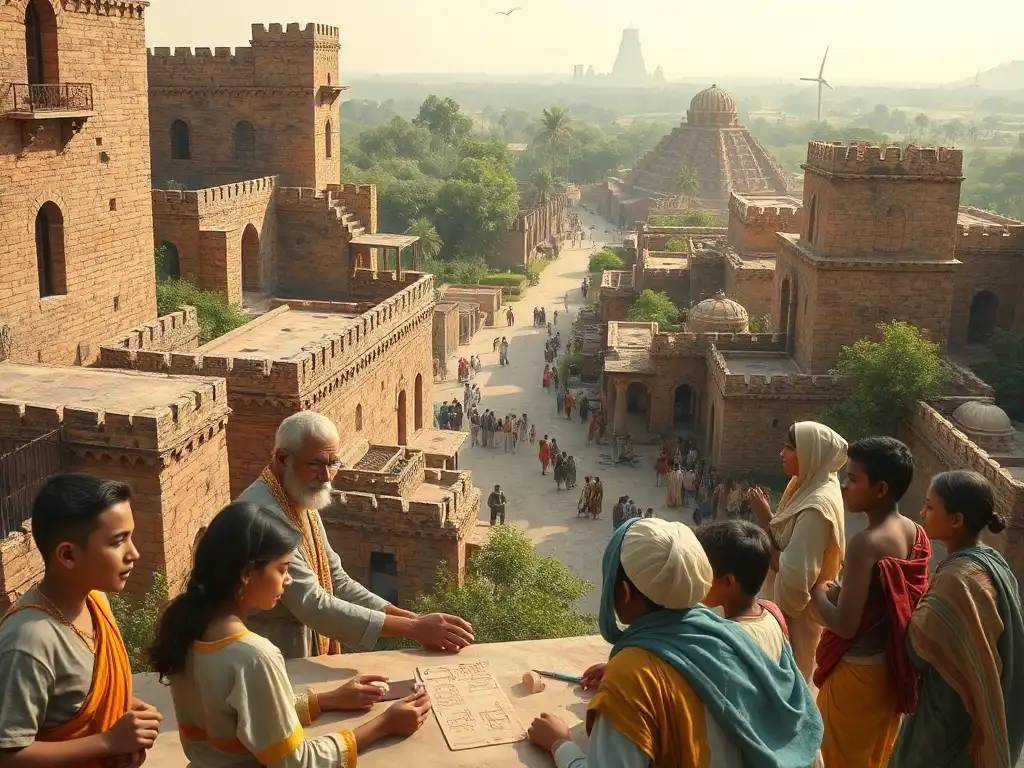
When examining the educational frameworks of ancient civilizations, the Indus Valley stands out in its unique characteristics compared to contemporaneous societies such as Mesopotamia and Egypt. Each civilization developed its own educational practices, influenced by cultural, social, and economic factors.
In Mesopotamia, education was primarily reserved for the elite, particularly scribes, who were trained in cuneiform writing and mathematics. Schools, known as edubbas, focused on practical skills necessary for administration and commerce. This system emphasized rote memorization and had a clear hierarchical structure, where knowledge was closely guarded by the ruling classes.
Similarly, Egyptian education also favored the elite, particularly those from royal or priestly families. The curriculum included subjects such as mathematics, astronomy, and writing, with an emphasis on religious and moral instruction. Unlike the Indus Valley, where evidence suggests a more communal approach, Egyptian education was distinctly stratified, often aligning closely with state power and religious authority.
In contrast, the Indus Valley education system appears to have been more inclusive, with evidence indicating that knowledge sharing may have been widespread across various segments of society. This communal approach could have facilitated a more diverse educational experience, promoting skills and knowledge that were beneficial to both individual and societal growth.
Archaeological Evidence of Education in the Indus Valley
Findings from Excavations
Archaeological excavations in the Indus Valley have revealed compelling evidence that suggests a structured approach to education. Sites such as Mohenjo-Daro and Harappa have uncovered numerous artifacts that point to an organized educational system. For instance, the presence of large assembly halls and public baths indicates that these locations may have served as communal learning spaces, where knowledge was shared and disseminated among the populace.
Moreover, some excavated sites have yielded inscriptions on seals and pottery that suggest a form of written communication, potentially used for educational purposes. These findings imply that literacy and numeracy were valued skills in Indus Valley society, contributing to the development of a knowledgeable community.
Artifacts Related to Education and Knowledge Sharing
The artifacts discovered in the Indus Valley provide a fascinating glimpse into their educational practices. Notable items include tablets inscribed with symbols and signs, which could have been used for teaching purposes, similar to educational tools in other ancient cultures.
Additionally, artifacts such as weights and measures indicate a sophisticated understanding of mathematics, which was likely imparted through a systematic educational framework. Toy figurines and games discovered at various sites may also suggest that play was an integral part of the learning process, allowing for the development of social skills and cognitive abilities among children.
Furthermore, the existence of craft workshops in urban centers hints at vocational training that was likely a component of the education system, emphasizing practical skills alongside theoretical knowledge. This approach not only fostered individual growth but also contributed to the overall economic and cultural advancements of the Indus Valley civilization.
Conclusion
The Indus Valley Civilization, one of the world's earliest urban cultures, exhibited a profound commitment to education and knowledge sharing that played a crucial role in its societal development. The educational practices and systems established during this period laid the groundwork for future generations in ancient India, influencing various domains such as trade, governance, and technological advancement. The focus on practical skills, literacy, and communal learning not only fostered a sense of unity among its people but also equipped them with the essential tools to thrive in a complex society.
As we reflect on the Indus Valley education system, it is evident that the value placed on learning and knowledge-sharing was instrumental in nurturing an informed populace that contributed significantly to the culture and achievements of ancient India.
Summary of Key Points on Indus Valley Education
- Structured Education: Evidence suggests that the Indus Valley had a structured approach to education, emphasizing practical skills and vocational training alongside basic literacy.
- Role of Script and Language: The use of a script, albeit undeciphered, indicates a form of written communication that likely played a role in educational practices.
- Community Learning: Education was not restricted to formal institutions but occurred within households and community settings, promoting collective knowledge sharing.
- Specialized Knowledge: The presence of advanced craftsmanship, architecture, and urban planning reflects the specialized knowledge that was likely imparted through education.
- Influence on Future Civilizations: The educational frameworks established in the Indus Valley significantly influenced subsequent Indian civilizations, contributing to their intellectual and cultural heritage.
Lasting Legacy of the Indus Valley Education System in Ancient India
The legacy of the Indus Valley education system is palpable in various aspects of ancient Indian society. Its emphasis on practical skills and communal learning paved the way for a robust educational tradition that valued both knowledge and application. The principles of education observed in the Indus Valley can be seen echoed in later Indian educational systems, which continued to prioritize vocational training and the sharing of knowledge within communities.
Moreover, the advancement of writing and record-keeping initiated during this civilization laid the foundation for the rich literary traditions that followed. The holistic approach to education, encompassing moral, practical, and intellectual dimensions, influenced the philosophical underpinnings of later educational institutions, such as the ancient universities of Nalanda and Takshashila.
References
- Rao, S. R. (1973). Lothal: A Harappan Port Town. Archaeological Survey of India.
- Possehl, G. (2002). The Indus Civilization: A Contemporary Perspective. Rowman & Littlefield.
- Wright, R. (2010). The Indus Valley: A New History. Archaeology Magazine.
- Kenoyer, J. M. (1998). Ancient Cities of the Indus Valley Civilization. Oxford University Press.
Suggested Further Reading on Indus Valley Civilization and Education
- "The Harappan Civilization: A Historical Perspective": by A. K. Sharma – A comprehensive analysis of the historical context and development of the Indus Valley.
- "Indus Valley Civilization: A Study in Culture": by R. C. Gupta – This book delves into the cultural aspects, including education and social practices.
- "The Indus Valley: Exploring the Ancient Civilization": by M. R. Singh – A detailed exploration of the archaeological findings related to education and daily life in the Indus Valley.
- "Education in Ancient India" by P. N. Mukherjee – An overview of educational systems in ancient India, highlighting the contributions of the Indus Valley Civilization.
- Introduction to the Indus Valley Education System
- Characteristics of the Indus Valley Education System
- Knowledge Sharing Practices in the Indus Valley
- Influence of Education on Indus Valley Society
- Comparison with Other Ancient Civilizations
- Archaeological Evidence of Education in the Indus Valley
- Conclusion
- References
Frequently Asked Questions
What was the Indus Valley education system like?
The Indus Valley education system emphasized practical skills and knowledge sharing, focusing on subjects such as trade, agriculture, and craftsmanship to prepare individuals for various societal roles.
How did the Indus Valley civilization contribute to education?
The Indus Valley civilization laid the foundation for education through public structures like granaries and workshops, which served as informal learning centers for community members to acquire essential skills.
What subjects were taught in Indus Valley schools?
Subjects in Indus Valley schools likely included mathematics, science, and literature, aimed at enhancing trade skills and promoting cultural literacy among the youth.
Knowledge sharing in the Indus Valley occurred through oral traditions, community gatherings, and practical demonstrations in workshops, fostering a culture of collaboration and innovation.
What influence did the Indus Valley education system have on later civilizations?
The Indus Valley education system influenced later civilizations by establishing the importance of structured learning, which contributed to the development of more formal education systems in subsequent Indian societies.
Final Reflection: The Enduring Legacy of the Indus Valley Education System
The exploration of the Indus Valley education system reveals its profound relevance in today's world, where the pursuit of knowledge and the sharing of ideas remain pivotal to societal advancement. As we navigate an era defined by rapid technological change and global interconnectedness, the foundational principles of education established by the Indus Valley civilization continue to resonate, reminding us that the quest for knowledge is timeless and essential for progress.
Cultural and social landscapes are continually shaped by the legacies of past civilizations, and the Indus Valley is no exception. The emphasis on education and knowledge sharing in this ancient society laid the groundwork for collaborative learning and community development that we still value today. As we reflect on this, we can appreciate the words of historian Will Durant: Education is a progressive discovery of our own ignorance.
This sentiment underscores the importance of fostering an environment where learning is cherished, and knowledge is collectively nurtured, echoing the practices of the Indus Valley.
As we move forward, let us take a moment to reflect on how we can embody the spirit of the Indus Valley education system in our own lives. Consider how you can contribute to knowledge sharing within your community, whether through mentorship, collaboration, or simply engaging in meaningful conversations. By embracing the lessons from this ancient civilization, we can cultivate a culture of learning that not only honors the past but also empowers future generations to thrive.
Embrace Knowledge and Ignite Change!
Thank you for taking the time to explore the fascinating world of the Indus Valley Society with us! By delving into the significance of education and knowledge sharing, you’ve unlocked valuable insights into how learning shaped one of history's remarkable civilizations. Now, it’s your turn to be part of this journey!
Here are a few actionable steps you can take right now:
- Dive deeper: Explore more about the educational practices of ancient civilizations by visiting trusted history websites or local libraries to uncover fascinating knowledge.
- Share your thoughts: Engage with your friends and family by discussing what you learned today—initiate a conversation about the importance of education in our modern society.
- Join the community: Connect with fellow history enthusiasts on various platforms—participate in discussions that can inspire fresh perspectives.
What aspect of education from ancient societies do you believe would benefit our modern world the most?